Introduction
It can feel impossible to find a moment for yourself. Between school runs, meal prep, and a never-ending to-do list, carving out time for fitness often falls to the bottom. But what if you could find an activity that not only strengthens your body but also calms your mind in just a few minutes a day?
This is where yoga comes in. It’s more than just twisting into pretzel-like shapes; it’s a powerful tool for finding balance, strength, and a quiet moment of peace. This guide is specifically designed for busy moms who are curious about Yoga For Beginners, showing you how to start easily and effectively, no matter how packed your schedule is.
Key Takeaways
- Yoga For Beginners is a mind-body practice combining physical postures, breathing techniques, and meditation to improve physical and mental well-being.
- Starting is simple; you only need a mat and comfortable clothing. Props like blocks and straps are helpful but not essential for beginners.
- Focus on fundamental poses like Mountain, Downward-Facing Dog, and Warrior II to build a strong foundation.
- Consistency is more important than duration. Even 10-15 minute daily sessions can yield significant benefits for stress relief and flexibility.
- Listen to your body, especially postpartum, and modify poses as needed. Consult a healthcare provider before starting a new fitness regimen.
What Exactly Is Yoga?
At its core, yoga is a holistic practice that connects the mind, body, and spirit. It originated in ancient India thousands of years ago and involves a combination of physical postures (called asanas), breathing exercises (pranayama), and meditation or relaxation. For many, it’s a form of moving meditation that helps build strength, increase flexibility, and reduce stress.
It is not about achieving the perfect pose but about the journey of self-awareness and learning to listen to your body. For a busy mom, this can translate into more patience, increased energy, and a greater sense of calm amidst the beautiful chaos of family life. It’s a practice you can adapt to your needs, whether you have an hour or just ten minutes.
The Powerful Benefits of Yoga for Moms
The physical and mental rewards of a consistent yoga practice are extensive, making it an ideal form of exercise for mothers. Physically, it enhances flexibility, improves balance, and builds functional strength, particularly in the core, back, and pelvic floor—areas often affected by pregnancy and childbirth. This can help alleviate common aches and pains, like lower back discomfort from carrying children. Mentally, the benefits are just as profound.
The focus on mindful breathing is a proven technique for calming the nervous system, which can dramatically lower stress and anxiety levels. The National Center for Complementary and Integrative Health highlights yoga’s effectiveness in managing stress (https://www.nccih.nih.gov/health/yoga-what-you-need-to-know). This practice gives you a dedicated space to quiet your mind, helping you feel more centered and better equipped to handle daily challenges with a clearer perspective.
Getting Started: What You Really Need
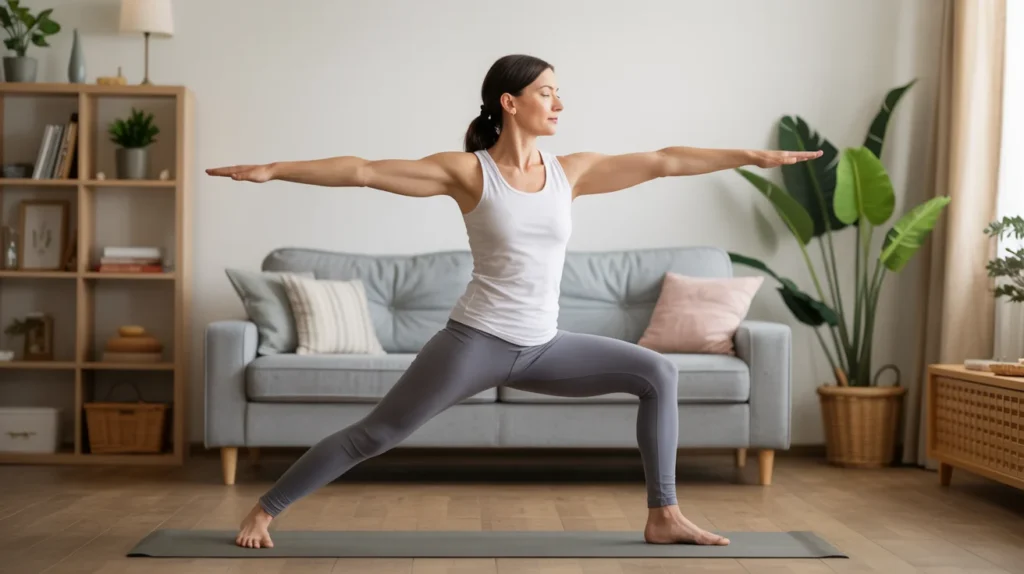
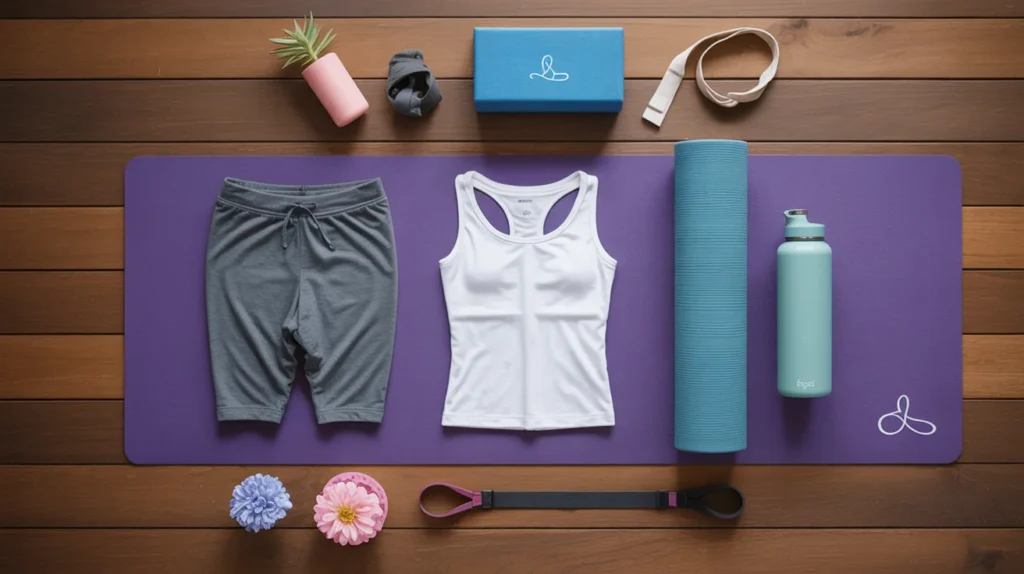
One of the best things about starting yoga is how little you truly need. You can avoid the hefty price tags associated with many other fitness hobbies. The most essential item is a yoga mat, which provides cushioning and a non-slip surface for safety. Beyond that, simply wear comfortable, breathable clothing that allows you to move freely—think leggings, sweatpants, or shorts and a fitted top that won’t fall over your head during forward folds.
Essential vs. Optional Gear
While not necessary to begin, some props can make your practice more comfortable and accessible.
- Yoga Blocks: These are fantastic for bringing the floor closer to you in poses like Triangle or Half Moon, helping you maintain proper alignment.
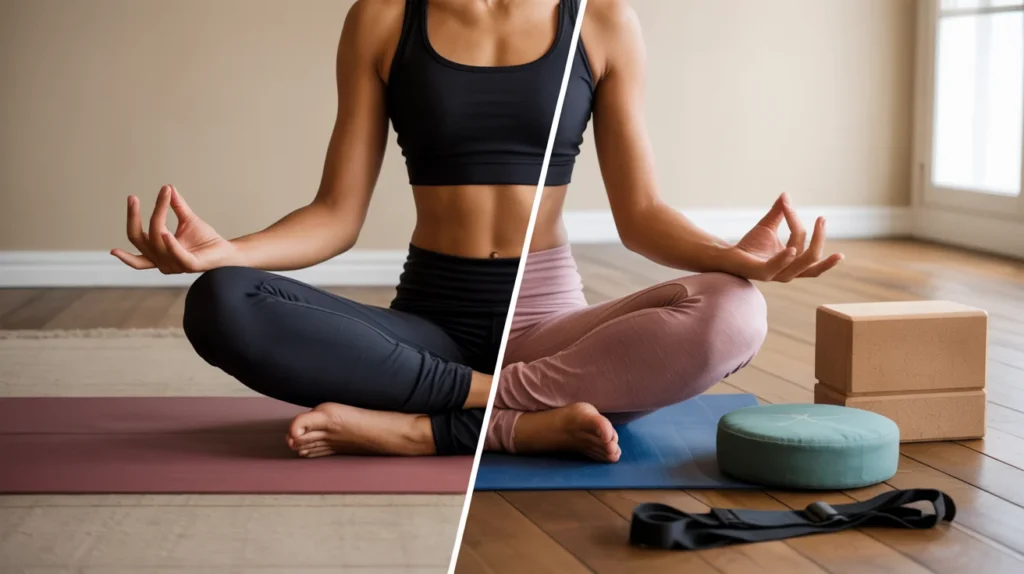
- Yoga Strap: A strap can help you gently deepen stretches, especially in poses where you can’t quite reach your feet, like a seated forward fold.
- Bolster or Cushion: A firm cushion is wonderful for support during restorative poses or for sitting comfortably during meditation.
You don’t need to buy everything at once. Start with a mat and see how you feel. You can often use household items, like a thick book for a block or a belt for a strap, to test them out before investing.
Your First Steps on the Mat: Safety and Alignment
Starting any new physical activity requires an awareness of your body to prevent injury. The golden rule of yoga is to listen to your body. You should never feel sharp, shooting pain. A gentle stretching sensation is good; pain is not. Begin slowly and don’t push yourself to match what you see online or in a class. Proper alignment is key to a safe and effective practice.
For example, in poses like lunges or Warrior poses, your knee should stack directly over your ankle to protect the joint. It’s better to do a modified, less “deep” version of a pose with good alignment than to force your body into a shape it’s not ready for. This mindful approach makes yoga a sustainable, lifelong practice.
Fundamental Poses for Every Beginner
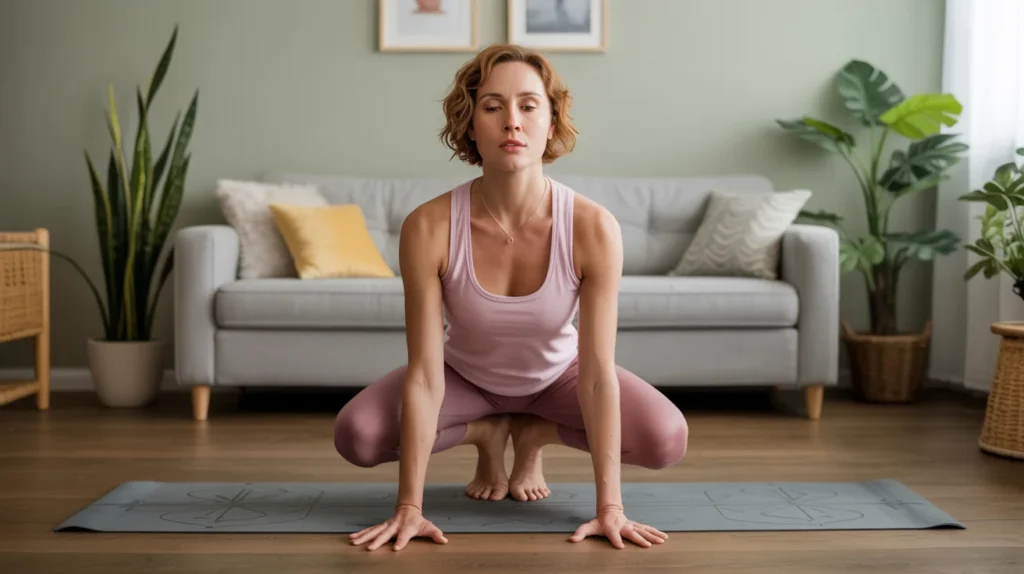
Diving into a sea of yoga poses can feel overwhelming, but mastering a few foundational asanas will give you the confidence to build a solid practice. These poses are the building blocks for most yoga sequences. When you’re ready to start your journey into Yoga For Beginners, focus on understanding how these simple shapes feel in your body.
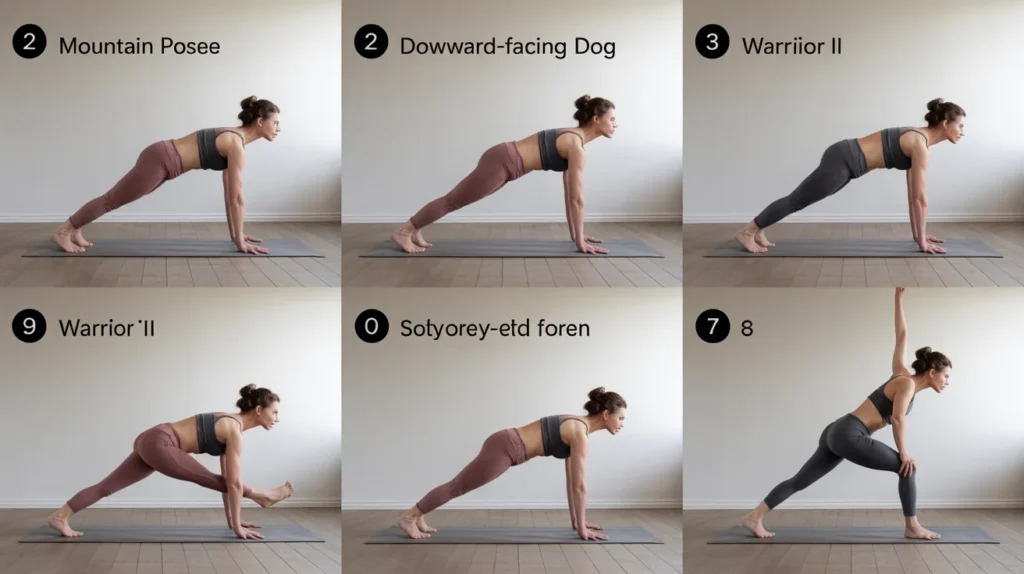
Mountain Pose (Tadasana)
This might look like you’re just standing, but it’s an active pose that teaches alignment and body awareness. Stand with your feet together or hip-width apart, press down through all four corners of your feet, and lengthen your spine. Roll your shoulders back and down, keeping your arms by your sides with palms facing forward.
Downward-Facing Dog (Adho Mukha Svanasana)
An iconic yoga pose, Downward-Facing Dog stretches the entire back of your body and builds upper body strength. From your hands and knees, tuck your toes, lift your hips up and back, forming an inverted “V” shape. Keep your head between your upper arms and gently pedal your feet to stretch your hamstrings.
Cat-Cow Stretch (Marjaryasana-Bitilasana)
This gentle, flowing sequence is perfect for warming up the spine and connecting your breath to movement. Start on your hands and knees. As you inhale, drop your belly and look up (Cow). As you exhale, round your spine, press the mat away, and tuck your chin to your chest (Cat).
Warrior II (Virabhadrasana II)
A powerful standing pose that builds strength in the legs and core while opening the hips and chest. Step your feet wide apart, turn your right foot out 90 degrees, and bend your right knee over your ankle. Extend your arms parallel to the floor, gazing over your right fingertips.
The Power of Breath (Pranayama)
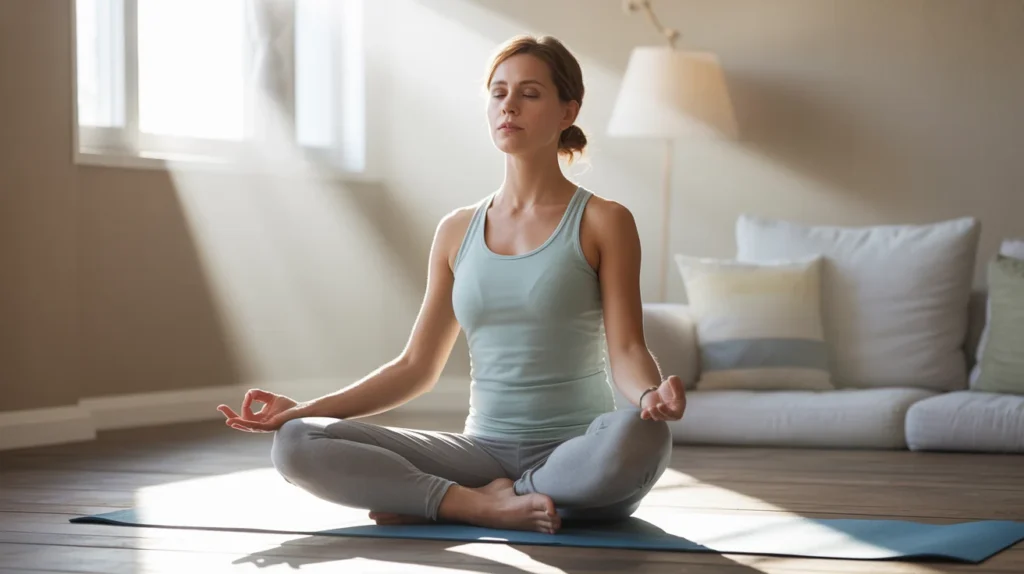
In yoga, the breath is just as important as the physical postures. Pranayama, or breath control, is the anchor of the practice. The most fundamental technique is the Ujjayi breath, sometimes called the “victorious” or “ocean” breath. To practice it, you gently constrict the back of your throat as you breathe in and out through your nose.
This creates a soft, audible sound, similar to the waves of the ocean. This simple act of focusing on your breath has a profound effect on the nervous system. It helps calm a racing mind, reduces feelings of anxiety, and keeps you present and centered during your practice. For a busy mom, mastering this breathing technique is like having a secret tool for instant calm that you can use on or off the mat—whether you’re stuck in traffic or navigating a toddler tantrum.
Simple Routines You Can Do at Home
Finding an hour for a full yoga class is a luxury most moms don’t have. The good news is that short, consistent sessions can be just as beneficial. A 10- or 20-minute routine can be a fantastic way to start or end your day.
Simple At-Home Routine Comparison
| Routine Focus | Duration | Great For… |
|---|---|---|
| Morning Energizer | 10 Minutes | Waking up the body, boosting energy, and setting a positive tone for the day. Includes Cat-Cow, Sun Salutations, and Warrior poses. |
| Midday Reset | 15 Minutes | Releasing tension from sitting, improving posture, and clearing mental fog. Focuses on gentle twists, forward folds, and shoulder openers. |
| Evening Wind-Down | 20 Minutes | Calming the nervous system, relieving stress, and preparing for restful sleep. Features slow stretches, hip openers, and Legs-Up-the-Wall pose. |
Choose one routine and commit to it for a week. Notice how you feel. A little bit of Yoga For Beginners each day can make a massive difference in your energy levels and mood.
Finding the Right Class Style for You
As you get more comfortable, you might want to explore different types of yoga classes. The variety can be confusing, but each style offers something unique. Finding the right fit depends on your goals and personality. Are you looking for a sweaty workout, a deep stretch, or a more meditative experience?
Yoga Class Style Comparison
| Style | Pace & Intensity | Best For… |
|---|---|---|
| Hatha | Slow & Gentle | Beginners who want to learn foundational poses and alignment. A great introduction to Yoga For Beginners. |
| Vinyasa | Flowing & Dynamic | Those who enjoy a more athletic, cardio-based workout and like to move continuously with the breath. |
| Restorative | Slow & Passive | Anyone needing deep relaxation and stress relief. Poses are held for several minutes with the support of props. |
| Prenatal | Gentle & Modified | Expecting mothers who want to stay active, prepare for labor, and connect with their changing bodies safely. |
Don’t be afraid to try a few different styles, either online or at a local studio. Many studios offer introductory deals, which are a great way to sample various classes and find an instructor you connect with.
Yoga for Pregnancy and Postpartum
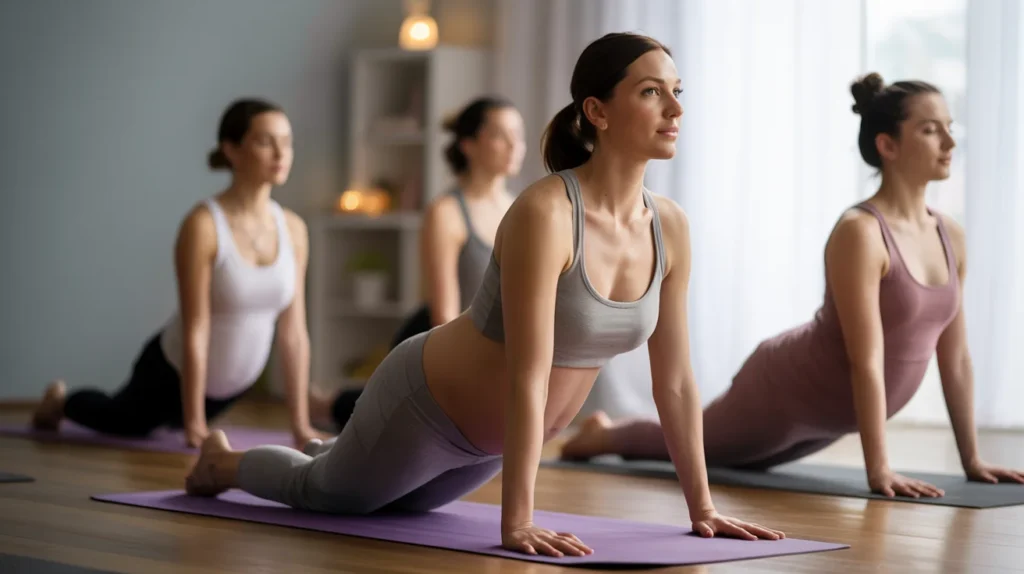
Your body goes through incredible changes during pregnancy and the postpartum period, and your yoga practice should adapt accordingly. Prenatal yoga is specifically designed to support expecting mothers by focusing on poses that build strength for labor, relieve pregnancy-related discomforts, and promote relaxation. After birth, postpartum yoga can be a gentle way to reconnect with your body, rebuild core and pelvic floor strength, and address issues like diastasis recti.
Always get clearance from your doctor before resuming exercise after giving birth. It’s crucial to listen to your body and avoid any movements that cause pain or strain, especially in the abdominal area. A study from the University of Michigan confirms that yoga and mindfulness can significantly reduce depressive symptoms in pregnant women (https://news.umich.edu/yoga-mindfulness-can-reduce-depression-symptoms-in-pregnant-women/).
Building a Consistent Practice
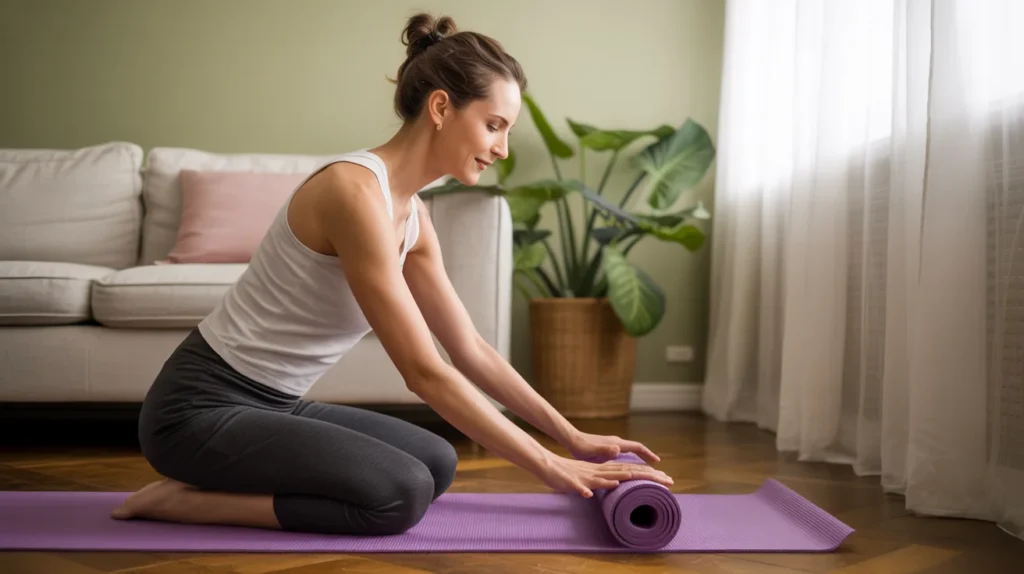
The secret to reaping the long-term benefits of yoga isn’t practicing for hours at a time; it’s consistency. Making yoga a habit is more achievable than you think. Start small by committing to just 10 minutes, three times a week. Use a technique called “habit stacking,” where you link your yoga practice to an existing daily habit.
For example, roll out your mat right after you brush your teeth in the morning or while your coffee is brewing. Another great tip is to prepare your space ahead of time. Leave your mat unrolled in a quiet corner of your home. Seeing it will serve as a visual reminder. Most importantly, be kind to yourself. If you miss a day, don’t worry about it. Just show up the next day. This is your practice, and it should reduce stress, not add to it.
Involving Your Kids in Your Practice
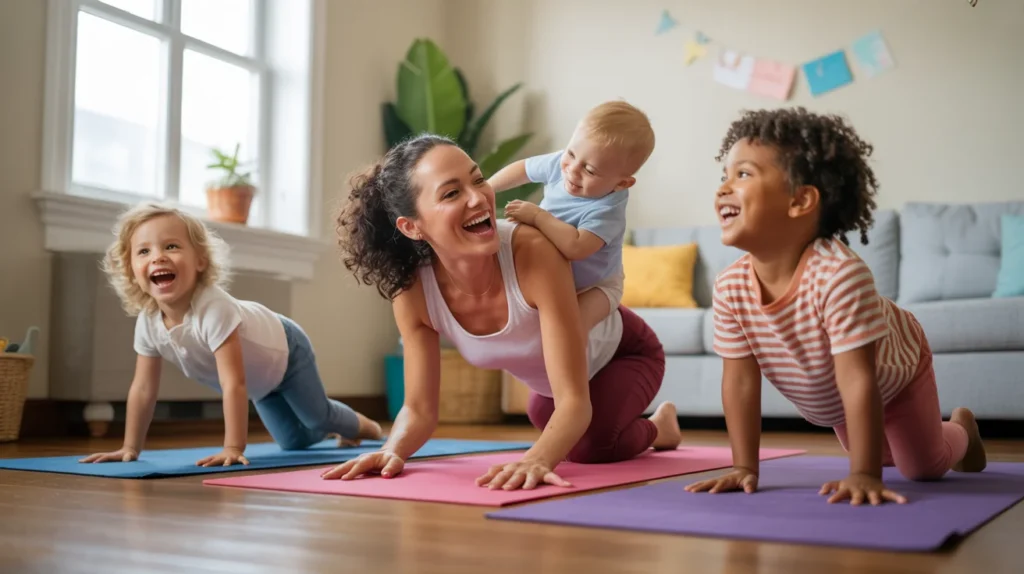
For many moms, finding alone time for yoga can be the biggest hurdle. Instead of fighting it, why not invite your little ones to join you? Kid-friendly yoga can be a fun and playful way to introduce them to mindfulness and movement while still getting in a practice for yourself. Don’t worry about perfect poses or quiet meditation.
Turn it into a game! Use animal poses like Downward-Facing Dog, Cat-Cow, and Cobra. Tell a story and have the poses match the narrative. It’s a wonderful way to bond, burn off some energy (theirs and yours!), and plant the seeds of a healthy habit. Your practice will look different—it will be messier, louder, and less serene—but it will be filled with connection and joy.
Conclusion: Your Yoga Journey Begins Now
Starting a yoga practice is a beautiful gift you can give yourself. It’s a journey of self-discovery, strength, and serenity that fits perfectly into the demanding life of a mom. Remember that your practice doesn’t need to be perfect. It just needs to be yours. Whether you have ten minutes in the morning or can sneak in a few stretches while the kids are playing, every moment on the mat counts.
Embrace the wobbles, celebrate the small victories, and be patient with your body. Roll out your mat, take a deep breath, and begin. This is your time to connect with yourself, and you are absolutely worth it. This guide to Yoga For Beginners is just the start of a wonderful new chapter.
Frequently Asked Questions
1. How many times a week should I do yoga as a beginner?
As a beginner, aiming for 2-3 times per week is a great start. This gives your body time to recover and adapt. Even 10-15 minute sessions on these days can build a strong foundation. Consistency is more important than duration.
2. Can I do yoga if I’m not flexible?
Absolutely! This is one of the most common misconceptions. You don’t need to be flexible to start yoga; yoga helps you become more flexible. Poses can always be modified with props like blocks and straps to meet you where you are.
3. Is yoga enough for a complete fitness routine?
Yoga can be a very complete form of fitness, as it improves strength, flexibility, balance, and cardiovascular health (especially in faster-paced styles like Vinyasa). For well-rounded fitness, you might consider complementing it with some dedicated cardio, like brisk walking or cycling, as recommended by the CDC .
4. What is the difference between Hatha and Vinyasa yoga?
Hatha yoga is generally a slower-paced style where poses are held for several breaths. It’s excellent for beginners who want to learn alignment. Vinyasa yoga is more dynamic, linking breath to movement in a continuous flow. It’s often more of a workout.
5. When should I see a doctor before starting yoga?
It’s always a good idea to consult with your healthcare provider before beginning any new exercise program, especially if you are pregnant, postpartum, or have any pre-existing health conditions or injuries. They can offer personalized advice for a safe practice.