Introduction
Hey mama. You’re here. Maybe you landed on this page after a workout that felt… off. You might have pushed through that last set of crunches or held a plank a little too long, only to feel a twinge of pain or a wave of dizziness that sent a bolt of worry through you.
You thought you were doing Exercising During Pregnancy good for your body and your baby, but now you’re second-guessing everything. That feeling is real, and you’re not alone. Many moms, eager to stay fit and strong, accidentally push their bodies past the new limits pregnancy sets, leading to setbacks that are both scary and frustrating.
If that sounds familiar, take a deep breath. You’ve found the right place. This isn’t another generic list of Exercising During Pregnancy dos and don’ts. This is a real conversation for the modern mom who wants to keep moving but needs to understand the new rules her body is playing by.
We’re going to ditch the fear and replace it with confidence, giving you the knowledge to embrace safe and effective exercising during pregnancy. Let’s get you back to feeling strong, empowered, and in sync with your amazing, changing body.
Key Takeaways
- Your Body is the Boss: Listen to its signals. Pain, dizziness, and extreme fatigue are signs to stop.
- Know the Red Flags: Symptoms like bleeding, chest pain, or severe headaches mean you stop exercising and call your doctor immediately.
- Adapt Your Workouts: Modify your routine each trimester to match your body’s changing needs, prioritizing safety and comfort.
- Hydrate, Hydrate, Hydrate: Drink plenty of water before, during, and after any physical activity.
- Ditch High-Risk Moves: Avoid contact sports, activities where you could fall, and exercises on your back after the first trimester.
- Partner with Your Provider: Always get your doctor’s approval and keep them in the loop about your fitness routine.

Why Staying Active is Your Pregnancy Superpower
Let’s start with the good stuff. Moving your body, Exercising During Pregnancy is one of the best things you can do for yourself and your little one. Think of it less as a workout and more as a way to build resilience for the journey ahead.
When you find the right groove, prenatal fitness can seriously upgrade your pregnancy experience. It’s proven to help ease annoying backaches, fight off that sluggish, bloated feeling, and keep your energy levels more stable. For busy moms juggling a million things, that energy boost is pure gold.

Beyond the physical perks, exercise is a powerful mood-lifter. It can help manage the emotional rollercoaster of pregnancy, reduce stress, and improve your sleep quality. Plus, building strength and endurance is like training for a marathon—and birth is the ultimate endurance event.
A strong body can lead to a smoother labor and a faster postpartum recovery. Safe exercising during pregnancy is an incredible act of self-care that pays off in big ways.
Your Body’s New Language: Learning to Listen
Here’s the most important rule of prenatal fitness: your body knows best. Before pregnancy, you might have been used to pushing through fatigue or ignoring minor discomfort to hit a goal. It’s time to unlearn that habit. Your pregnant body communicates constantly, and learning its new language is your top priority. What felt amazing yesterday might be a “no” today, and that’s completely okay. This is a season of grace, not grinding.

This means tuning in and paying attention. Are you feeling overly tired before you even start? Is a certain movement causing a pulling sensation in your abdomen? Don’t ignore it. The goal of exercising during pregnancy is to maintain health and feel good, not to set new personal records. Honoring your body’s signals is the key to keeping your fitness routine safe, beneficial, and genuinely enjoyable.
Red Flags: When to Stop Immediately
Some signals from your body aren’t just suggestions—they are non-negotiable stop signs. If you experience any of the following symptoms during or after a workout, you need to stop what you’re doing right away and call your doctor or midwife.
- Vaginal bleeding: Any spotting or bleeding is a reason for an immediate call.
- Feeling dizzy, lightheaded, or faint: Don’t try to push through it.
- Chest pain or heart palpitations: These are serious and need immediate attention.
- A sudden, severe headache: This can be a sign of a serious condition like preeclampsia.
- Unusual shortness of breath: Feeling winded is normal, but struggling to breathe is not.
- Muscle weakness that affects your balance: Your stability is already compromised; this increases your fall risk.
- Pain or swelling in your calf: This could indicate a blood clot, a serious concern during pregnancy.
- Regular, painful contractions: This could be a sign of preterm labor.
- A trickle or gush of fluid from the vagina: This could mean your water has broken.
Knowing these warning signs is crucial for protecting yourself and your baby. Your health comes first, always.

Your Trimester-by-Trimester Fitness Vibe
Your workout routine should evolve right along with your body. What feels great in the first trimester will likely need a glow-up by the third.
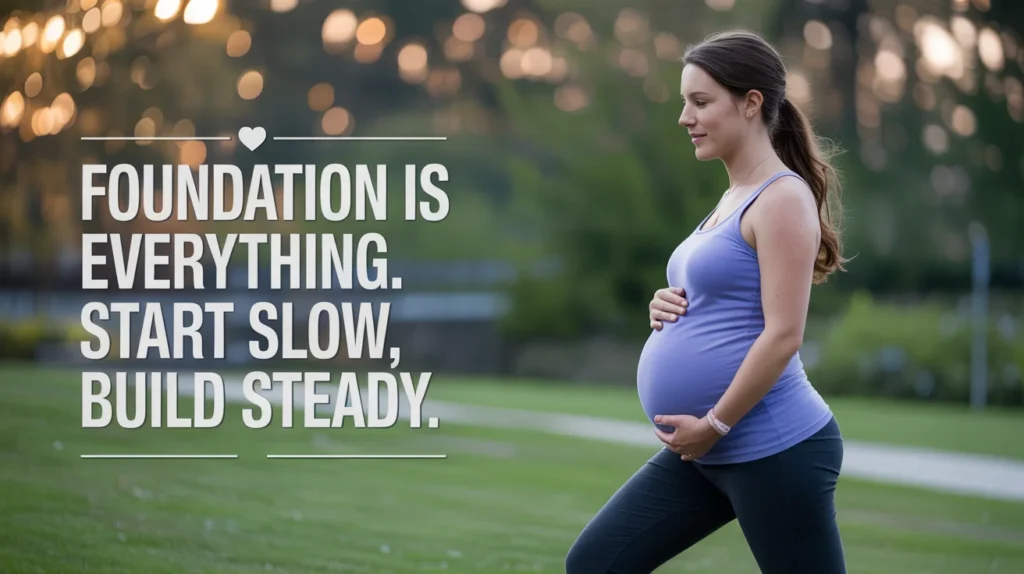
First Trimester (Weeks 1-13): The Foundation Phase
The first trimester can be a wild ride of hormonal shifts, exhaustion, and, for many, morning sickness. The key here is consistency over intensity. If you were active before, you can likely continue your routine with your doctor’s okay, but be prepared to scale it back.
Low-impact activities like walking, swimming, prenatal yoga, and stationary cycling are your best friends. Hydration is critical, so keep that water bottle close. The goal isn’t to be a hero; it’s to move in a way that energizes you, not drains you.
Second Trimester (Weeks 14-27): The Sweet Spot
Welcome to the “golden” trimester! Many moms experience a return of energy and a decrease in nausea. This is a fantastic time to lean into your fitness routine. As your baby bump becomes more prominent, your center of gravity will shift.
This means it’s time to say goodbye to activities with a high risk of falling. It’s also time to stop doing exercises that have you lying flat on your back. This position can compress a major vein, reducing blood flow to you and your baby. Use pillows to prop yourself up for any floor work.

Third Trimester (Weeks 28-40): The Support Phase
In the home stretch, comfort is king. Your body is working overtime, and you’ll likely feel more tired and achy. It’s time to dial back the intensity and focus on supportive movements. Think gentle walks, swimming (which can feel amazing on your joints), and mindful stretching.

This is also the perfect time to focus on pelvic floor exercises (hello, Kegels!) to prepare for labor and support postpartum recovery. Listen to your body and embrace rest days without guilt.
Safe Moves vs. Exercises to Skip
To make it simple, here’s a quick guide to what’s generally safe and what you should avoid.

| Safe Exercises (with doctor’s approval) | Unsafe Exercises to Avoid |
|---|---|
| Walking and Light Jogging | High-Impact Sports (Basketball, Soccer) |
| Swimming and Water Aerobics | Activities with High Fall Risk (Skiing, Gymnastics, Horseback Riding) |
| Prenatal Yoga and Pilates | Hot Yoga or Hot Pilates |
| Stationary Cycling | Scuba Diving |
| Modified Strength Training (e.g., squats, lunges) | Exercises Lying Flat on Your Back (after 1st trimester) |
| Low-Impact Dance or Aerobics | High-Altitude Training |
This table is a guide, but your doctor’s advice is the final word. Always talk to your provider about your personal fitness plan.

Your Doctor is Your Co-Pilot
Think of your healthcare provider as your trusted co-pilot on this journey. Before you start or significantly change your approach to exercising during pregnancy, you need to get their clearance. This is especially true if you have any pre-existing health conditions or are considered a high-risk pregnancy. They can give you personalized recommendations based on your unique health profile.

And if you ever experience one of the red-flag symptoms we discussed, don’t hesitate to reach out. There are no silly questions when it comes to the health of you and your baby. Open communication with your doctor is a cornerstone of a safe and healthy prenatal fitness plan.
Frequently Asked Questions (FAQ)
Q1: How much should I be exercising during pregnancy?
A: A great goal for most pregnant women is what the American College of Obstetricians and Gynecologists (ACOG) suggests: at least 150 minutes of moderate-intensity aerobic activity each week. You can break this into 30-minute sessions five days a week. But remember, this is a general guideline; your doctor can help you determine the perfect amount for you.
Q2: I was doing HIIT workouts before I got pregnant. Can I continue?
A: You may be able to, but with significant modifications. You’ll need to lower the intensity, avoid jarring movements, and listen carefully to your body. This is a conversation you must have with your healthcare provider, who can help you adapt your high-intensity routine safely.

Q3: Is it okay to start exercising now that I’m pregnant if I wasn’t active before?
A: Absolutely! It’s a great time to build healthy habits. Start slow with gentle, low-impact activities like walking or swimming. Begin with 15-20 minutes a day and see how you feel, gradually increasing the time as your body adapts. Just make sure to get your doctor’s green light before you begin.
Q4: What are the best stretches for pregnancy?
A: Gentle stretches that open your hips, chest, and relieve lower back tension are fantastic. Think cat-cow poses, side-body stretches, and seated hamstring stretches. Avoid deep twists that compress your belly. For more ideas on prenatal wellness, reputable sources like the Mayo Clinic offer great advice.