
Introduction
Pregnancy is a journey of incredible transformation, but it can also bring a long list of questions, especially about staying active. If you’re wondering about the best way to exercise, you might be surprised to learn that one of the simplest activities is also one of the most beneficial.
Walking during pregnancy is a safe, effective, and easy way to support your health and your baby’s development. It requires no special equipment, can be done almost anywhere, and fits easily into even the busiest schedules.

This Walking During Pregnancy guide will explore the many advantages of incorporating walking into your routine. We will cover everything from how it boosts your physical and mental well-being to practical tips for getting started safely.
Whether you’re an experienced fitness enthusiast or just looking for a gentle way to stay active, you’ll find the information you need to make walking a positive part of your pregnancy experience.
Key Takeaways
- Low-Impact and Safe: Walking is a gentle exercise that is safe for most pregnancies and puts minimal stress on your joints.

- Physical Health Benefits: It can help manage weight gain, reduce the risk of gestational diabetes, and ease common discomforts like back pain and constipation.

- Mental Wellness Boost: Regular walks can improve your mood, reduce stress and anxiety, and help you sleep better.

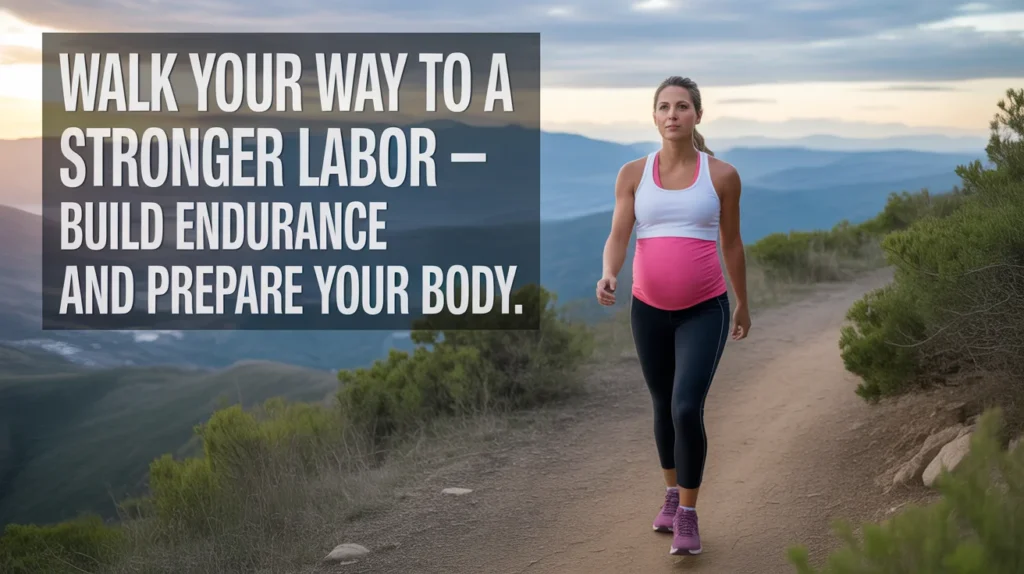
- Prepares for Labor: Staying active by walking can improve your stamina and muscle strength, which may help prepare your body for labor and delivery.
- Listen to Your Body: It’s crucial to pay attention to your body’s signals, stay hydrated, and consult your doctor before starting any new exercise routine.
The Physical Benefits of Walking During Pregnancy
Staying active is important for a healthy pregnancy, and walking is one of the most highly recommended exercises. It’s a low-impact activity, meaning it’s gentle on your body’s joints, which are already under extra strain. Unlike high-impact exercises, walking doesn’t jolt your body, making it a comfortable choice as you progress through your trimesters.
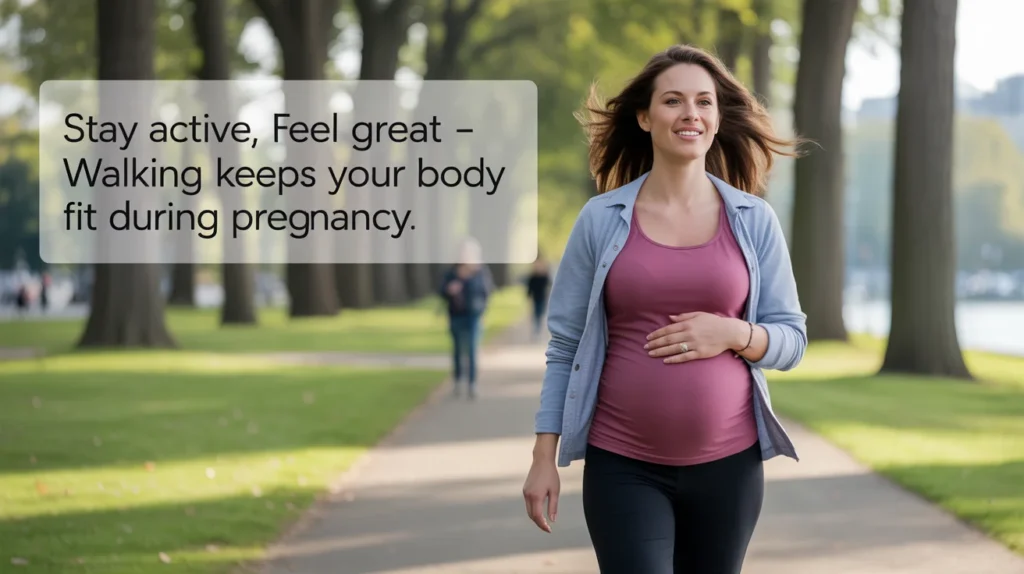
A consistent Walking During Pregnancy routine can significantly contribute to your overall physical health, helping you manage common pregnancy-related issues and feel your best. From controlling weight gain to reducing the risk of complications, the physical perks are substantial. Even a short, brisk walk each day can make a noticeable difference in your energy levels and comfort.
Managing Healthy Weight Gain
Weight gain is a natural and necessary part of pregnancy, but managing it within a healthy range is crucial for both you and your baby. The American College of Obstetricians and Gynecologists (ACOG) provides guidelines for appropriate weight gain based on your pre-pregnancy body mass index (BMI). Walking during pregnancy is an excellent tool for managing weight gain effectively.

It helps burn calories without putting excessive stress on your body. Regular physical activity like walking boosts your metabolism, which can help prevent gaining more than the recommended amount of weight. This is important because excessive weight gain is linked to a higher risk of gestational diabetes, high blood pressure, and having a larger-than-average baby, which can complicate delivery.
Reducing the Risk of Gestational Diabetes
Gestational diabetes is a type of diabetes that develops during pregnancy and affects how your cells use sugar. It can lead to high blood sugar levels that can impact your pregnancy and your baby’s health. Fortunately, lifestyle choices can play a significant role in prevention. Studies have shown that regular physical activity, such as walking, can lower your risk of developing gestational diabetes.
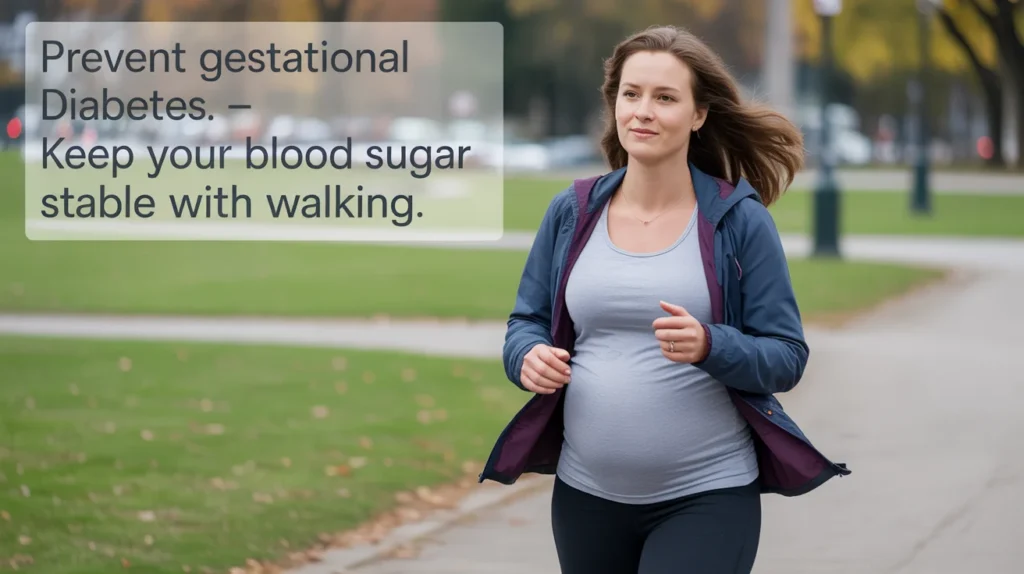
When you walk, your muscles use glucose for energy, which helps keep your blood sugar levels stable. A consistent walking routine improves your body’s sensitivity to insulin, the hormone that regulates blood sugar. For women who do develop gestational diabetes, walking is often recommended as part of the management plan to help control blood sugar levels naturally.
Easing Common Pregnancy Discomforts
Pregnancy comes with its fair share of aches and pains, but you don’t have to just endure them. Walking can be a simple yet powerful remedy for many common discomforts.
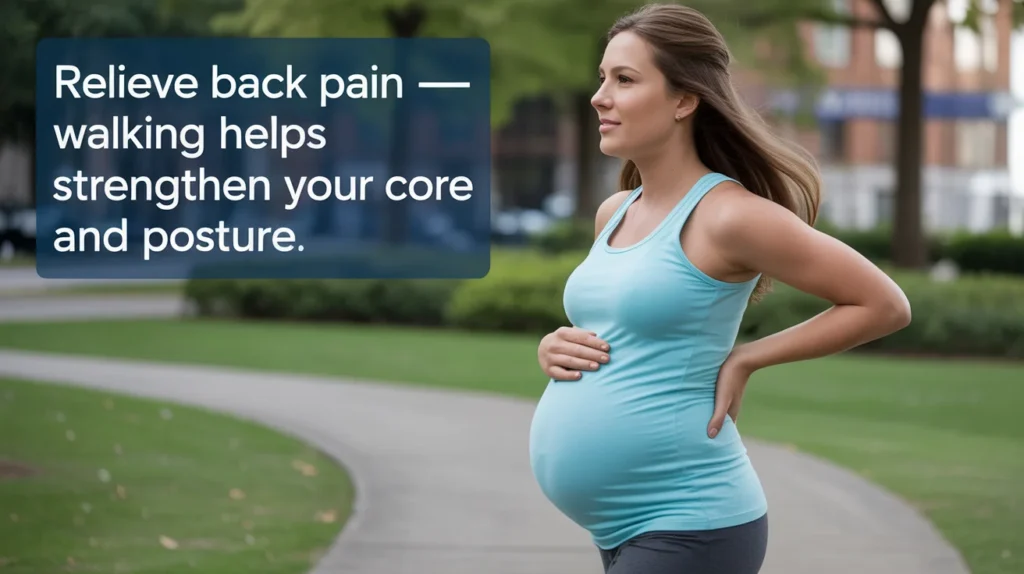
- Back Pain: As your baby grows, your center of gravity shifts, which can strain your back muscles. Walking helps strengthen these muscles and improves your posture, providing better support and relieving pain.
- Constipation: Hormonal changes and the pressure of the growing uterus on your intestines can slow down your digestive system. Walking stimulates bowel movements, helping to prevent and relieve constipation.

- Swelling: It’s common to experience swelling (edema) in your legs, ankles, and feet, especially in the third trimester. Walking improves circulation and helps move excess fluid from your tissues back into your bloodstream, reducing swelling.

The Mental and Emotional Perks of a Daily Walk
The benefits of walking during pregnancy extend far beyond the physical. Pregnancy is an emotional rollercoaster, and taking care of your mental well-being is just as important as your physical health. A daily walk can serve as a powerful tool for mental clarity and emotional balance.

It provides a dedicated time for you to decompress, process your thoughts, and connect with yourself away from daily stressors. The simple act of moving your body in the fresh air can have a profound impact on your mood and outlook.
Whether you listen to a podcast, enjoy the quiet, or walk with a partner, this time can become a cherished part of your self-care routine, helping you navigate the emotional ups and downs of pregnancy with greater ease.
Boosting Your Mood and Reducing Stress
If you’ve been feeling more anxious or moody than usual, you’re not alone. The hormonal shifts during pregnancy can have a big effect on your emotions. Walking provides a natural mood lift by triggering the release of endorphins, which are often called “feel-good” hormones.

These endorphins interact with receptors in your brain to reduce your perception of pain and trigger a positive feeling in the body. Regular walks can also reduce levels of the stress hormone cortisol. Taking a break to walk outdoors can provide a much-needed mental reset, helping to clear your mind and reduce feelings of being overwhelmed. This simple activity can be a form of moving meditation, allowing you to focus on your breath and the rhythm of your steps.
Improving Sleep Quality
Getting a good night’s sleep can become increasingly difficult as your pregnancy progresses. A growing belly, frequent trips to the bathroom, and general discomfort can all disrupt your rest. Incorporating a daily walk into your routine can significantly improve your sleep quality.

Moderate exercise helps regulate your circadian rhythm, your body’s internal clock, making it easier to fall asleep at night. It can also help reduce the restlessness and leg cramps that often interfere with sleep. Just be mindful of when you walk.
A walk in the morning or afternoon is ideal. Exercising too close to bedtime can be overly stimulating for some people and may make it harder to fall asleep.
Preparing Your Body for Labor and Delivery
Many expectant mothers wonder what they can do to prepare for the physical demands of labor and delivery. While every labor experience is unique, being in good physical condition can certainly help. Walking is a fantastic way to build stamina and strength in preparation for the big day.
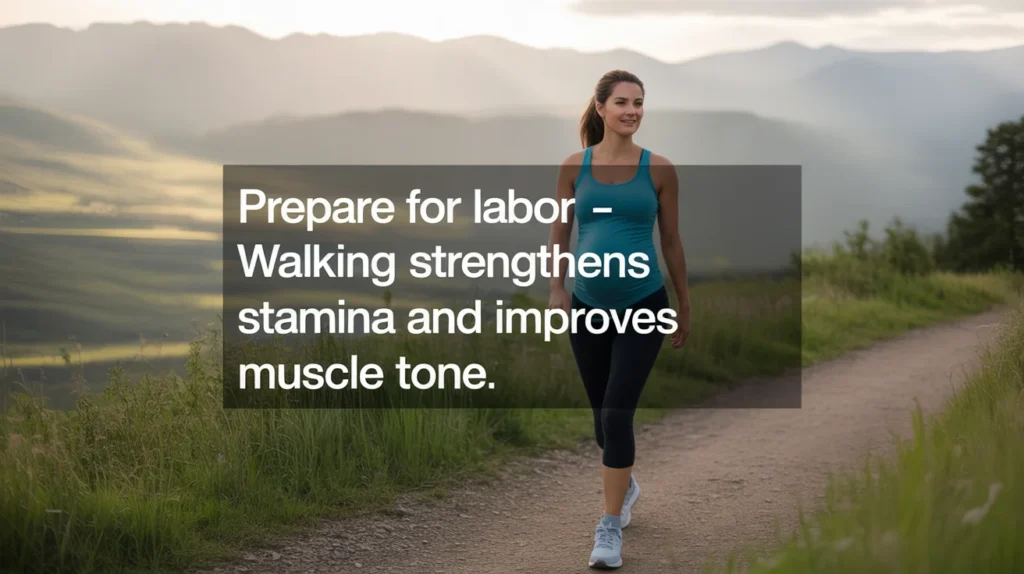
Labor is a marathon, not a sprint, and having good cardiovascular endurance can make a significant difference. Regular walking during pregnancy helps tone the muscles in your hips and legs, which play a crucial role during childbirth.
A stronger, more resilient body may be better equipped to handle the challenges of labor, potentially leading to a smoother delivery and a faster postpartum recovery.
Building Stamina for the Big Day
Labor requires a tremendous amount of energy. By walking regularly throughout your pregnancy, you are essentially training your body for this endurance event. Consistent cardiovascular exercise strengthens your heart and improves your body’s ability to use oxygen efficiently.

This means you’ll have more stamina to power through contractions and the pushing stage. Building this endurance doesn’t require intense workouts; a brisk 30-minute walk most days of the week is enough to make a real difference. Think of it as investing in your strength for one of the most physically demanding and rewarding experiences of your life.
Getting Started: Tips for Safe Walking
Before you lace up your shoes, it’s essential to talk to your healthcare provider. While walking is safe for most pregnancies, your doctor can confirm that it’s a good choice for you based on your personal health history.
What to Do Before You Start
- Consult Your Doctor: Always get the green light from your obstetrician or midwife before beginning any new exercise program.

- Invest in Good Shoes: Your feet may swell during pregnancy, so choose comfortable, supportive walking shoes with good arch support. You may even need to go up a half or full size.
- Stay Hydrated: Drink water before, during, and after your walk. Carry a water bottle with you, especially on warmer days.
- Listen to Your Body: This is the most important rule. Pay attention to any signs of discomfort. If you feel pain, dizziness, or shortness of breath, stop and rest.

How Much Should You Walk?
The ideal amount of walking can vary from person to person. Here’s a general guideline to help you find what works for you.
| Experience Level | First Trimester | Second Trimester | Third Trimester |
|---|---|---|---|
| New to Exercise | Start with 10-15 minutes, 3-4 days/week. | Gradually increase to 20-30 minutes, 4-5 days/week. | Maintain 20-30 minutes at a comfortable pace, 3-5 days/week. |
| Already Active | Maintain 30-45 minutes, 5-6 days/week. | Continue 30-45 minutes, adjusting intensity as needed. | Reduce duration or intensity as needed, focusing on comfort. |
Remember, consistency is more important than intensity. Even short, frequent walks are beneficial.

When to Be Cautious
While walking during pregnancy is generally very safe, there are situations where you should stop exercising and consult your doctor immediately. According to the March of Dimes, a leading authority on maternal and infant health, you should be aware of certain warning signs.

Stop Walking and Call Your Doctor If You Experience:
- Vaginal bleeding
- Dizziness or feeling faint
- Chest pain
- Headache
- Fluid leaking from the vagina
- Calf pain or swelling
- Regular, painful contractions of the uterus
Prioritizing your safety and your baby’s health is always the top priority. Never push through pain or concerning symptoms.

Conclusion
Incorporating walking during pregnancy into your daily routine is a simple yet powerful way to support your physical and emotional health. From managing weight gain and reducing health risks to boosting your mood and preparing your body for labor, the benefits are clear.
Remember to start slowly, listen to your body, and choose comfort and safety above all else. By lacing up your shoes and taking that first step, you are making a positive choice for both you and your baby, setting the foundation for a healthier, happier pregnancy journey.

Frequently Asked Questions (FAQ)
1. Can I start walking during pregnancy if I wasn’t active before?
Yes, walking is an excellent starting point for those who were not active before pregnancy. Begin with short, 10-15 minute walks at a comfortable pace and gradually increase the duration as you feel stronger. Always consult your doctor first.
2. Is it safe to walk on a treadmill during pregnancy?
Absolutely. Walking on a treadmill is a great option because it provides a flat, predictable surface, reducing the risk of tripping. You can easily control the speed and incline. Just be sure to use the safety clip and hold onto the handrails if you feel unsteady.
3. How can I stay motivated to walk when I’m tired?
Pregnancy fatigue is real. On days when you feel tired, try a shorter walk. Walking with a friend or partner can also help with motivation. Listening to uplifting music or an interesting podcast can make the time go by faster and make the walk more enjoyable. Remember that even a 10-minute walk can boost your energy.