
Introduction
Pregnancy transforms your body—and sometimes, that means dealing with the surprise of bladder leaks. If managing urinary incontinence during pregnancy feels overwhelming, you’re not alone. Millions of women experience leaks with sneezing, coughing, or chasing after a toddler, but that doesn’t mean you have to settle for discomfort or embarrassment.
Ready for an approach that fits your real, busy life? This guide shares modern, practical strategies designed especially for busy moms, with exercises and routines that deliver results—fast.\

Why Urinary Incontinence Happens in Pregnancy—and How You Can Take Charge
Pregnancy adds weight, stretches tissues, and changes the way your muscles work. As your baby grows, your pelvic floor has to support more pressure. Meanwhile, urinary incontinence hormone shifts loosen muscle fibers, making “leak-proof” control tougher than ever.
Add in constant busyness, and it’s easy to see why classic advice—“just do more Kegels”—doesn’t always work for real moms. Understanding how these changes cause urinary incontinence is step one. Step two? Adopting smarter, easier, and more effective solutions that match your demanding life.

Meet the Modern Pelvic Floor: Why Old Advice Falls Short
You’ve heard the pelvic floor mentioned everywhere—but what helps most today? It’s not hundreds of secret muscle clenches. Today’s best approach focuses on reflexive strength, pressure management, and syncing breath with movement (yes, even during carpool). The pelvic floor works as part of your body’s “core canister”—teaming up with your abs, back, and diaphragm.
Busy moms benefit more from everyday, functional drills and supportive breathing than from single-muscle isolation exercises alone. When you understand how and when your pelvic floor works (hint: not just when you’re alone in a quiet room), you start building true, everyday strength.
Real-Life Bladder Support: Pressure-Managed Core Work
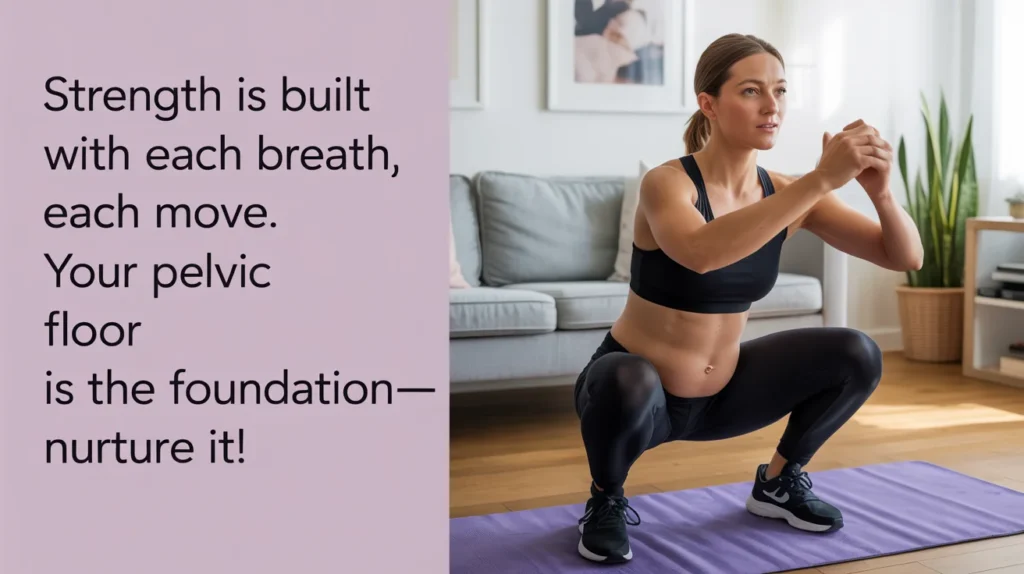
Forget crunches or old-fashioned Kegels. Smart core engagement makes a huge difference in leak control, and works seamlessly with daily life. These exercises tap into “exhale-on-effort” and 360-degree breathing to reduce downward pressure on your bladder, whether you’re picking up toys or standing from the couch.

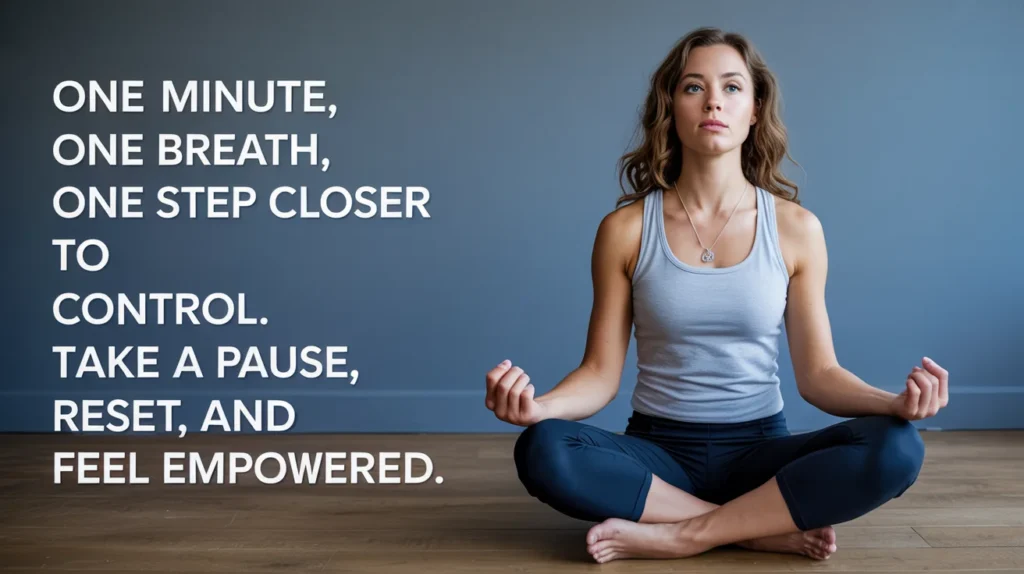
Try This: The 1-Minute Bladder Reset
- Sit or stand tall with feet grounded.
- Inhale with relaxed ribs and belly, letting your pelvic floor soften.
- Exhale gently as you rise from a seat, lift a bag, or push open a door—feel your pelvic floor gently “hug” (light lift).
- Repeat 5–10 times, using this sequence during natural moments (like after breakfast or before bedtime).
Pro tip: Pair exhale-on-effort with daily moves for real-world progress.
“Sneeze-Proof” Reflexive Drills for Moms on the Move
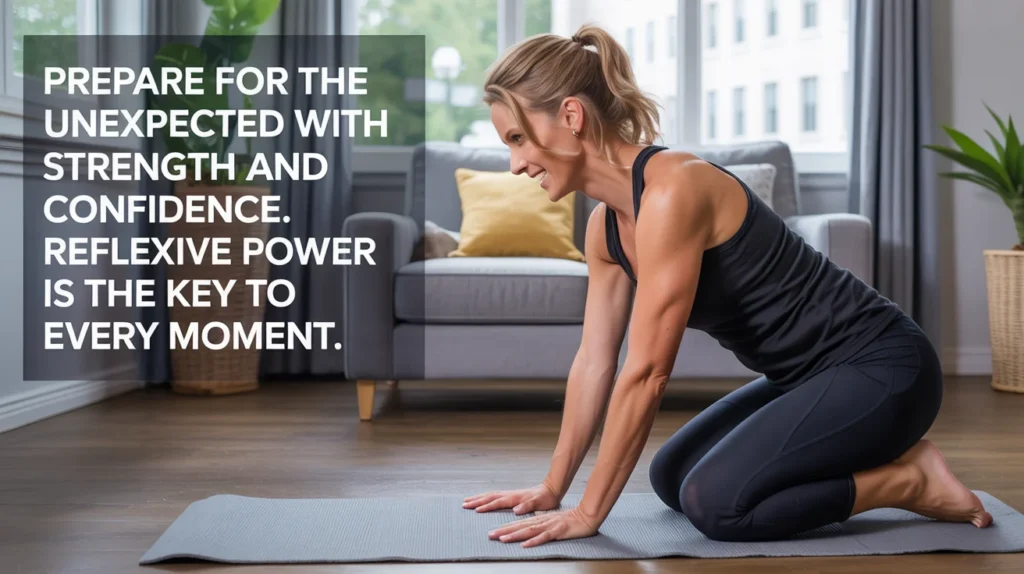
Sometimes leaks happen fast—with a laugh or a cough. Reflexive pelvic floor control—your body’s quick “response muscle”—can be trained, not just wished for. Moms love these drills because they build support automatically, even during chaos.
Sneeze-Ready Hip Hinge Practice
- Stand with feet hip-width apart, knees soft.
- Inhale to relax your core and pelvic floor.
- Practice a gentle hinge at your hips (like prepping to pick up a toy)—as if about to laugh or sneeze.
- Exhale, cueing a gentle pelvic floor “zip up” as you return to standing.
- Repeat 8–10 times, especially before activities than can trigger leaks.
Quick Confidence Check: After every set, rate your sense of control out of 10. Note changes each week!
Time-Saving Micro-Workouts: 5-Minute Flows for Busy Moms
No time? Try these five-minute routines that fit before school drop-off or right after work. Evidence-backed, habit-friendly, and designed for real life.
School-Run Bladder Boost (Do Before Leaving Home)
- 60 seconds: Seated 360-breathing with soft pelvic floor relaxation.
- 60 seconds: Sit-to-stand (use a chair), exhale with every stand.
- 60 seconds: March-in-place, gently engaging your core with every arm lift.
- 60 seconds: Wall push press, pairing exhale with each push.
- 60 seconds: “Suitcase” carry—hold a bag in one hand, walk around the room, ribs down and breathing steady.
CTA: Save this flow to your phone. Do it at least three times a week!

Habit-Stacking: Sneak Exercise Into Real Life
You don’t need a gym or fancy mat—just stack new habits onto things you’re already doing:
- After brushing teeth: Two sets of box breathing.
- During coffee brewing: 10 slow sit-to-stands, focusing on exhale as you rise.
- Right before your shower: Practice two minutes of wall sits, breathing deeply and lightly lifting your pelvic floor.
Building mini-routines around existing habits makes results automatic!

Compare the Options: Traditional vs. Modern Mom-Friendly Strategies
| Approach | What It Is | Benefits | Best For |
|---|---|---|---|
| Classic Kegels | Seated, isolated pelvic contractions | Improves tone Needs high focus | Early healing, beginners |
| Pressure-Managed Core | Breathing plus movement, exhale on effort | Reduces leaks during daily life | Busy, active moms |
| Reflexive Drills | “Exhale-lift” with laugh/cough triggers | Fast, automatic support | Sneeze/laugh leaks |
| Micro-Workouts & Stacking | Short, multi-move routines fitted into daily tasks | Easy adherence, strong habit formation | Any schedule |

When to Pause or Progress: Self-Test Checklist
- Pause and seek advice if you feel pelvic heaviness, painful pressure, or leaks with everyday actions.
- Ready to progress when you can brisk-walk without leaking, do sit-to-stand 10 times in a row leak-free, or pass the “light cough” test with no symptoms.
Take this checklist to your next OB appointment if you’re unsure! See NIH resources for more.

Lifestyle Tips That Actually Make a Difference
- Hydrate Smart: Sip water throughout the day—don’t chug all at once.
- Identify Triggers: Keep a 7-day leak log; note when leaks happen to spot patterns.
- Pre-emptive Bathroom Breaks: Go just before key activities (leaving home, exercise).
- Bladder Soothing Diet: Try limiting caffeine and acidic foods.
- Supportive Underwear and Liners: Game-changers for confidence—no shame!

Key Takeaways
- Urinary incontinence during pregnancy is common but treatable with the right strategies.
- Swap high-rep isolation moves for real-life strength: breathing, movement, and reflexive control.
- Five-minute routines keep you consistent—even on exhausted days.
- Habit-stack exercises to “piggyback” on what you’re already doing.
- Track your weekly wins; celebrate fewer leaks and more confidence.
- Don’t hesitate to consult your OB or a pelvic health therapist if leaks persist or worsen.

Conclusion
Urinary incontinence during pregnancy doesn’t have to be your new normal. Fitting modern, effective movement and habit stacks into your schedule makes real, lasting progress possible—no matter how hectic life gets.
Try a few of these mom-tested routines, save your favorites, and keep a simple log of progress. With small, consistent steps, you’ll manage leaks and feel empowered in your pregnancy journey. Remember, support is always available, and every win (even leak-free days) is worth celebrating!

Frequently Asked Questions (FAQ)
1. How quickly will I notice fewer leaks with these modern routines?
Most moms feel better control and fewer leaks in 2–4 weeks when practicing regularly, even for just a few minutes each day.
2. What if I have zero extra time for exercise?
Habit-stack moves during things like tooth brushing, standing up, or coffee-making. Even two minutes counts and helps!
3. Are these new approaches safe for all pregnancies?
Most are, but always clear exercise changes with your OB if you have medical concerns or high-risk pregnancy.
4. Can these strategies help after birth too?
Absolutely. These routines support healing and strength through the postpartum phase and beyond.
5. Where can I get professional help?
Search for a certified pelvic floor therapist, or check resources at NIH and NAFC.