

Introduction
Pregnancy is a remarkable journey, filled with anticipation and change. As your body prepares to welcome a new life, you might experience a range of new sensations, some more comfortable than others. One of the earliest and most common signs of pregnancy is Breast Tenderness. This sensitivity, which can range from a dull ache to a sharp pain, is caused by hormonal shifts that increase blood flow and cause changes in your breast tissue.
While it is a normal part of the process, it can certainly be uncomfortable, especially for busy moms-to-be. Finding practical ways to manage this discomfort can make a significant difference in your daily life. This guide is designed to offer simple, effective strategies—from comfort measures to gentle exercises—that you can easily fit into your packed schedule, helping you navigate this phase with greater ease.

Key Takeaways
- Breast tenderness is a common and normal symptom of pregnancy caused by hormonal changes.
- Wearing a well-fitted, supportive bra is one of the most effective ways to reduce discomfort.
- Simple home remedies like cool compresses and warm showers can provide temporary relief.
- Gentle exercises and stretches can help alleviate chest muscle tightness contributing to soreness.
- It’s important to communicate with a healthcare provider about any severe or concerning symptoms.
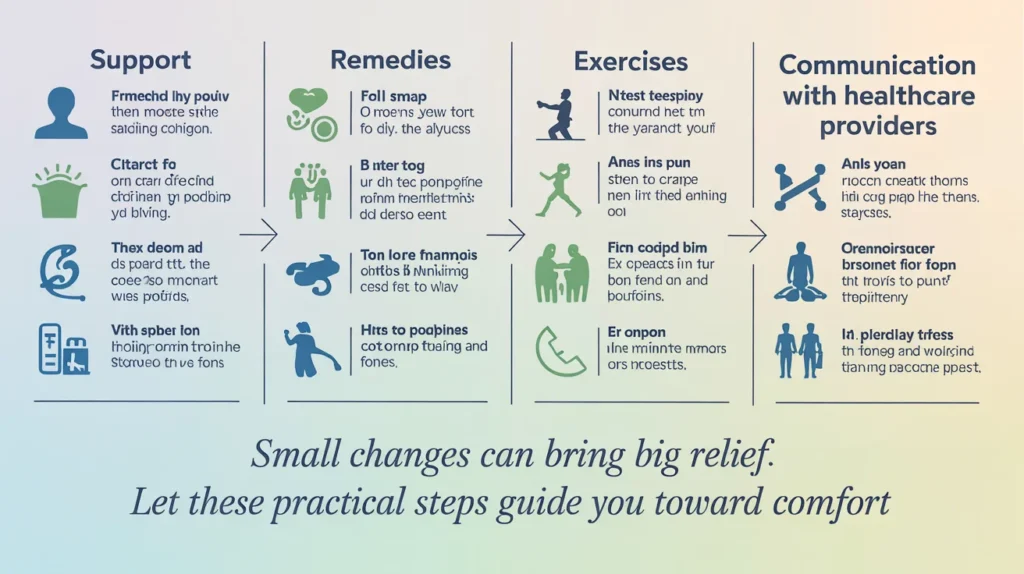
Understanding Pregnancy-Related Breast Changes
From the very first weeks of pregnancy, your body begins an incredible transformation. The hormones estrogen and progesterone surge, preparing your breasts for breastfeeding. This hormonal activity increases blood flow and causes fat to accumulate in your breasts. Your milk ducts also begin to grow and stretch to get ready for milk production.
All these changes can make your breasts feel fuller, heavier, and quite sensitive. You might notice that your nipples and the surrounding area, the areola, become darker and more pronounced. For many women, this heightened sensitivity is one of the first clues they might be pregnant. Understanding that these changes are a positive sign of your body doing exactly what it needs to do can be reassuring. While the discomfort can be a nuisance, remember that it is a temporary phase in your pregnancy journey.

When Does Breast Soreness Typically Start?
For most women, breast soreness begins very early in pregnancy, often between weeks 4 and 6. It can sometimes be one of the very first symptoms you notice, even before a missed period. This early-onset Breast Tenderness tends to be most acute during the first trimester as your body experiences a rapid and dramatic hormonal shift. The intensity can vary from person to person; some may feel a slight sensitivity, while others experience significant pain that makes even the light touch of clothing uncomfortable.
The good news is that for many, this intense soreness often subsides as the second trimester begins. Your body starts to adjust to the new hormone levels, providing a welcome break from the constant discomfort. However, the soreness can sometimes return in the third trimester as your breasts grow even larger and prepare for lactation.

Is This a Normal Part of Pregnancy?
Absolutely. Experiencing sore, tender, or swollen breasts is an extremely common and normal part of pregnancy. It is a direct result of the essential hormonal work happening inside your body to support your growing baby and prepare for breastfeeding. Think of it as a sign that your body is getting ready for the important job of nourishing your newborn.
While it might feel alarming if you haven’t experienced it before, rest assured that you are not alone. Millions of women go through the exact same thing. However, it is always important to listen to your body. While general Breast Tenderness is normal, if you ever notice a distinct lump, unusual discharge (especially if it is bloody), or pain that is localized to one specific spot and doesn’t go away, it is crucial to speak with your doctor or midwife to rule out any other issues.

Finding the Right Bra for Comfort and Support
One of the most impactful changes you can make to manage breast discomfort is upgrading your bra. As your breasts grow and become more sensitive, your pre-pregnancy bras will likely become tight and restrictive. A poorly fitting bra can worsen pain by digging into sensitive tissue or failing to provide adequate support against movement and gravity. Investing in a few high-quality, supportive bras is not an indulgence—it is a necessity for comfort during these months.
Look for bras made from soft, breathable fabrics like cotton that won’t irritate sensitive skin. Seamless designs are also an excellent choice to prevent chafing. Don’t be surprised if you need to go up one or two cup sizes and even a band size throughout your pregnancy. Getting professionally fitted can be incredibly helpful in finding the perfect size for your changing shape.

Key Features of a Good Maternity Bra
When shopping for a maternity bra, there are several key features to look for to ensure maximum comfort and support. First, opt for wide, padded straps that won’t dig into your shoulders and can help distribute the weight of your heavier breasts more evenly. An adjustable band with multiple hook-and-eye closures is also essential, as it allows the bra to grow with you as your rib cage expands to accommodate your growing baby.
Underwires can sometimes be problematic, as they can press on sensitive breast tissue and even potentially clog milk ducts. Many women find wire-free bras to be far more comfortable during pregnancy. Finally, choose a bra with full-coverage cups made of a soft, stretchy material. This will help contain your breasts comfortably and reduce bounce during movement, minimizing a major source of Breast Tenderness.
To Sleep or Not to Sleep in a Bra?
The question of whether to wear a bra to bed is a personal choice, but for many pregnant women, it can be a game-changer for nighttime comfort. As your breasts become heavier, sleeping without support can lead to pulling and discomfort, especially when you turn over. A soft, non-wired sleep bra can provide just enough support to hold your breasts in place and reduce soreness, helping you get a better night’s rest.
Look for light-support bras made from breathable cotton or modal fabric, without any restrictive clasps or hardware. These are specifically designed for comfort rather than heavy-duty support. If you find that your breasts are particularly painful at night or that you are waking up due to discomfort, trying a sleep bra is a simple and effective solution worth exploring.
Simple Home Remedies for Soothing Soreness
Beyond wearing the right bra, several simple at-home remedies can provide quick and effective relief from breast pain. One of the easiest methods is using temperature therapy. A cool compress or a bag of frozen peas wrapped in a soft towel can be applied to your breasts for 10-15 minutes at a time. The cold helps to reduce swelling and numb the area, providing temporary relief from sharp pains. Conversely, a warm shower or a warm compress can also be very soothing.
The warmth helps to relax tense muscles around the chest and can ease the dull, aching type of discomfort. Experiment with both hot and cold therapy to see which one works best for you. These simple, non-invasive techniques can be used as often as needed throughout the day to manage flare-ups of Breast Tenderness.

The Power of a Warm Shower
Never underestimate the therapeutic power of warm water. A warm shower can be incredibly beneficial for easing the discomfort of sore breasts during pregnancy. The gentle stream of water acts as a light massage, while the warmth helps to increase circulation and relax the pectoral muscles that lie underneath the breast tissue.
This can relieve some of the tightness and aching that contributes to overall soreness. Allowing the warm water to run over your chest and back can be a simple, calming ritual at the start or end of a busy day. Avoid using water that is too hot, as this can dry out your skin, which may already be feeling stretched and sensitive. This gentle hydrotherapy is a safe and easy way to find a few moments of relief.

Using Cool Compresses for Quick Relief
When the pain feels more sharp and inflammatory, a cool compress can be your best friend. The cold temperature helps to constrict blood vessels, which can reduce swelling and numb the nerve endings, providing immediate, localized relief. You don’t need any special equipment for this. A clean washcloth soaked in cool water, a flexible gel pack from the freezer, or even a bag of frozen vegetables wrapped in a thin towel will work perfectly.
Apply the compress to the sorest areas for about 10-15 minutes. You can repeat this several times a day as needed. This is an especially helpful trick after a long day or if your bra has been feeling particularly restrictive. This simple act of applying cold can significantly dial down the intensity of your Breast Tenderness.
Gentle Exercises and Stretches for Busy Moms
Staying active during pregnancy is beneficial for many reasons, and it can also play a role in managing breast discomfort. While high-impact exercises that involve bouncing or jarring movements should be avoided, gentle stretching can help. Soreness is often made worse by tightness in the chest (pectoral) muscles, which are located directly behind your breast tissue.

Simple stretches can help open up the chest, relieve this tension, and reduce the pulling sensation on your already sensitive breasts. These exercises don’t require a lot of time or any special equipment, making them perfect for busy moms-to-be. You can do them in the morning to start your day, during a quick break from work, or in the evening to wind down. As with any exercise during pregnancy, listen to your body and never stretch to the point of pain.
| Exercise/Stretch | How It Helps | Best For |
|---|---|---|
| Chest Opener | Stretches pectoral muscles, improves posture. | Releasing tightness across the chest. |
| Wall Push-ups | Gently strengthens chest and shoulder muscles. | Building supportive muscle tone. |
| Arm Circles | Increases mobility in the shoulder joint. | Warming up before stretching. |
Simple Chest Stretches
One of the most effective stretches is the doorway chest stretch. Stand in an open doorway and place your forearms on the frame, with your elbows bent at a 90-degree angle, slightly below shoulder height. Gently step forward with one foot until you feel a light stretch across your chest and the front of your shoulders. Hold this position for 20-30 seconds while breathing deeply. Be careful not to overstretch.
Another simple option is to clasp your hands behind your back, straighten your arms, and gently lift your hands away from your body. This helps to open the chest and counteract the rounded-shoulder posture that can develop as your breasts get heavier. Incorporating these stretches into your daily routine can provide lasting relief from the muscular tension that worsens Breast Tenderness.

Low-Impact Activities to Consider
Engaging in low-impact physical activity can also help manage discomfort by improving circulation and releasing endorphins, your body’s natural pain relievers. Activities like swimming and prenatal yoga are excellent choices. The buoyancy of water in a pool provides a weightless feeling, taking the pressure off your entire body, including your chest.
It allows you to move and stretch freely without any jarring impact. Prenatal yoga focuses on gentle stretching, deep breathing, and mindful movement, all of which can reduce tension and promote relaxation. Even a brisk walk can be beneficial. Just be sure to wear a highly supportive sports bra specifically designed for pregnancy to minimize bounce and prevent additional soreness.

When to Talk to Your Healthcare Provider
While Breast Tenderness is a normal part of a healthy pregnancy, it is important to stay in tune with your body and know when to seek medical advice. Most discomfort can be managed with the tips outlined here, but certain symptoms warrant a call to your doctor or midwife. If you experience severe, unrelenting pain that is not eased by any comfort measures, you should have it checked out.
Additionally, you should consult your provider if you notice any localized, hard lumps that do not go away, or if you see any unusual nipple discharge, particularly if it’s bloody, greenish, or foul-smelling. Redness, warmth, or streaks on the skin of your breast could be a sign of an infection, like mastitis, and requires prompt medical attention. Your healthcare provider is your best resource for ensuring both your peace of mind and your well-being. For more general information on pregnancy health, resources like the Office on Women’s Health (womenshealth.gov) and the American College of Obstetricians and Gynecologists (acog.org) offer trusted guidance.
Conclusion
Navigating the changes of pregnancy, including Breast Tenderness, is a unique journey for every woman. By understanding the causes and implementing practical strategies like wearing a supportive bra, using simple home remedies, and incorporating gentle stretches, you can significantly improve your comfort. Remember to be patient with your body as it does its amazing work. Most importantly, maintain open communication with your healthcare provider to ensure a healthy and comfortable pregnancy.

Frequently Asked Questions (FAQ)
1. How long does breast tenderness last during pregnancy?
Breast soreness is often most intense during the first trimester and typically lessens during the second. However, it can return in the third trimester as your breasts enlarge further in preparation for breastfeeding. The duration and intensity vary for every woman.
2. Can I use pain relief medication for severe breast tenderness?
Before taking any over-the-counter pain relievers, it is essential to consult with your healthcare provider. They can advise you on which medications, if any, are safe to use during your pregnancy.
3. Will my breasts stay this large after pregnancy?
Your breasts will remain large while you are breastfeeding. After you wean your baby, they will likely decrease in size. They may or may not return to their pre-pregnancy size and shape.
4. Is it normal for only one breast to be sore?
Yes, it is possible to feel more soreness in one breast than the other. However, if the pain is severe, localized to one spot, or accompanied by other symptoms like a lump or redness, you should consult your doctor.
5. Does breast tenderness indicate a healthy pregnancy?
Experiencing Breast Tenderness is a very common sign of the hormonal changes that support a healthy pregnancy, but its absence is not necessarily a cause for concern. Every pregnancy is different, and symptoms vary widely.