Introduction
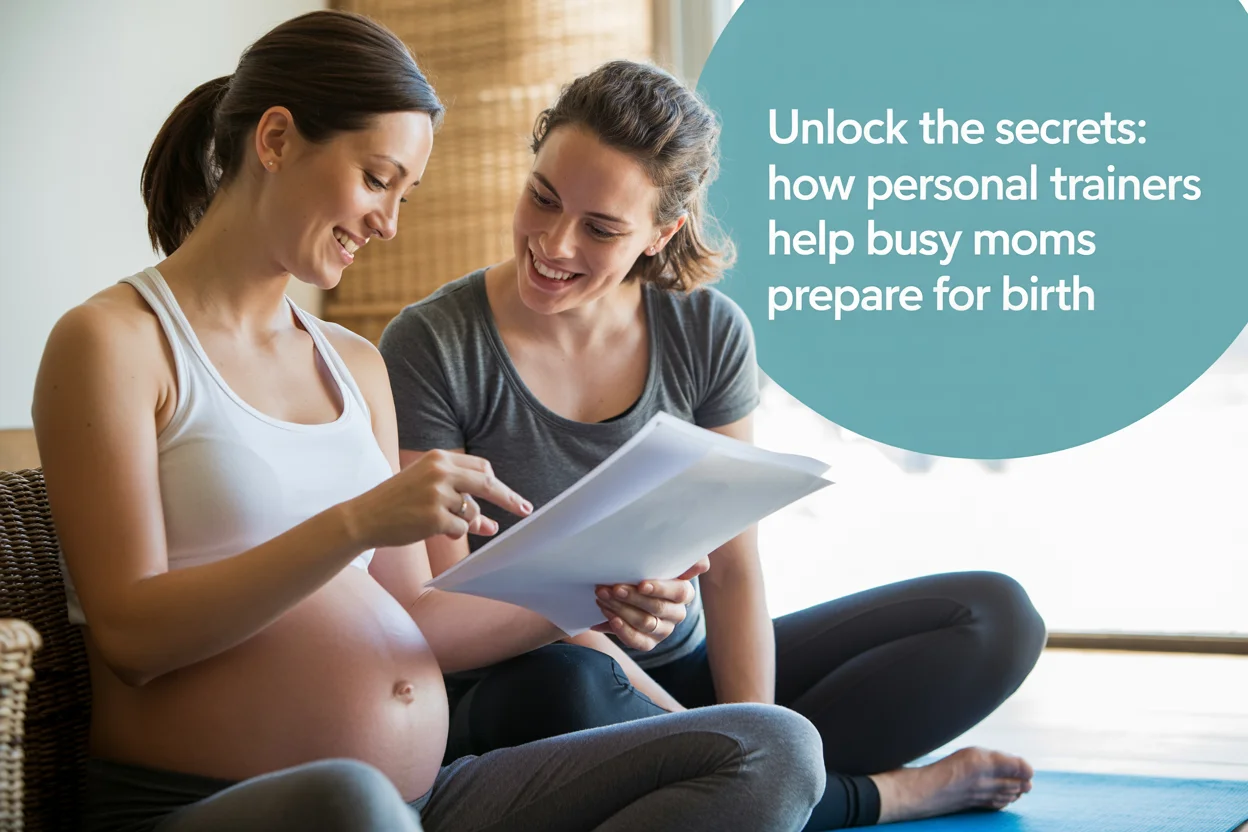
Pregnancy is a transformative journey, but for busy moms, it can feel like another item on an already packed to-do list. Between work, family, and other commitments, finding the time and energy to focus on your changing body can be a challenge. This is where a personal trainer specializing in prenatal fitness can be a game-changer.
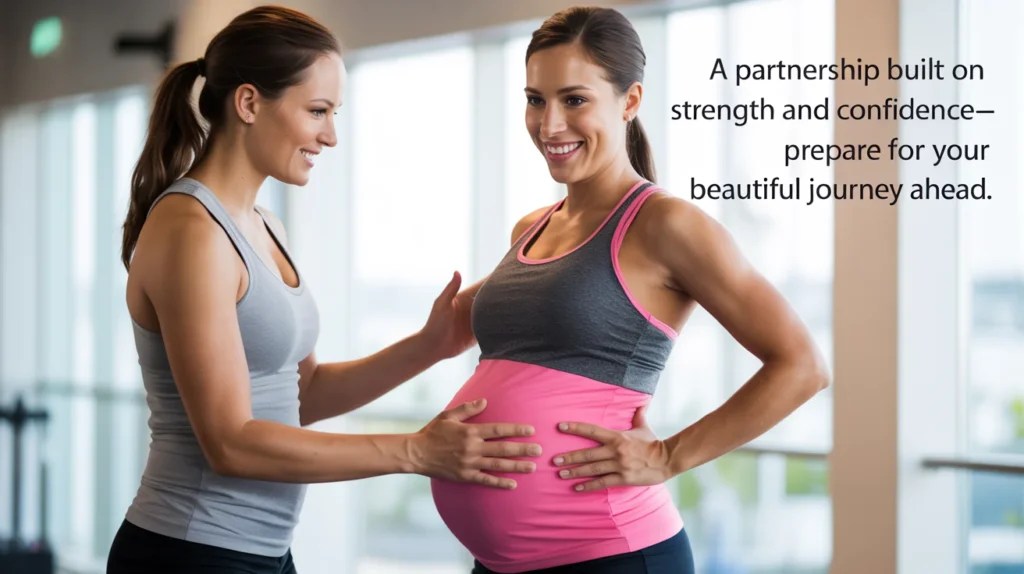
They provide more than just workout plans; they offer tailored guidance, support, and expertise to help you navigate pregnancy with strength and confidence. A qualified trainer can help you effectively prepare for birth by creating a safe and effective fitness routine that fits your unique needs and schedule. This partnership ensures you are physically and mentally ready for labor, delivery, and the exciting chapter of welcoming a new baby.
Key Takeaways
- Expert Guidance: A prenatal personal trainer creates safe, customized workout plans that adapt to each trimester of your pregnancy.
- Strength and Stamina: Targeted exercises build the core strength, pelvic floor stability, and endurance needed for labor and delivery.
- Pain and Discomfort Management: Proper exercise can alleviate common pregnancy-related issues like back pain, pelvic discomfort, and swelling.
- Mental and Emotional Support: Trainers provide motivation and act as a valuable support system, helping reduce stress and boost confidence.
- Efficient Time Management: For busy moms, a trainer helps maximize workout effectiveness, ensuring you get the most benefit from your limited time.

Why a Specialized Personal Trainer is Crucial During Pregnancy
Working with a personal trainer during pregnancy isn’t about achieving peak fitness; it’s about maintaining health, building functional strength, and preparing your body for the marathon of childbirth. A trainer with a prenatal certification understands the specific anatomical and physiological changes that occur during pregnancy. They know which exercises are safe and which to avoid.
This specialized knowledge is vital. An uncertified trainer might unknowingly suggest movements that could cause strain or risk, such as exercises that put too much pressure on the abdomen or pelvic floor. A certified professional can guide you through modifications for every stage, ensuring you build strength without compromising your or your baby’s safety. They help you confidently prepare for birth, knowing that every movement is beneficial and appropriate for your condition.
The Role of Certification and Experience
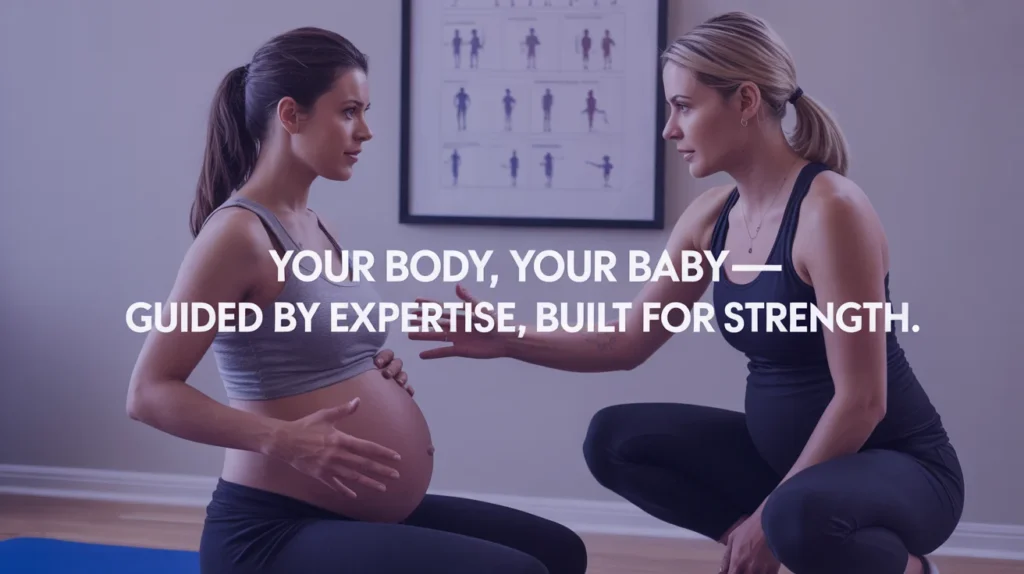
When choosing a trainer, look for certifications from reputable organizations that offer prenatal and postnatal specializations. Credentials like CPT (Certified Personal Trainer) combined with a prenatal certificate indicate a deep understanding of maternal health.
An experienced trainer will know how to screen for conditions like diastasis recti (abdominal separation) and manage symptoms of pelvic girdle pain. They can also work alongside your healthcare provider, creating a cohesive wellness plan that supports your entire pregnancy journey. This expertise provides peace of mind, allowing you to focus on your health with confidence.
Building Core Strength and Stability for Labor
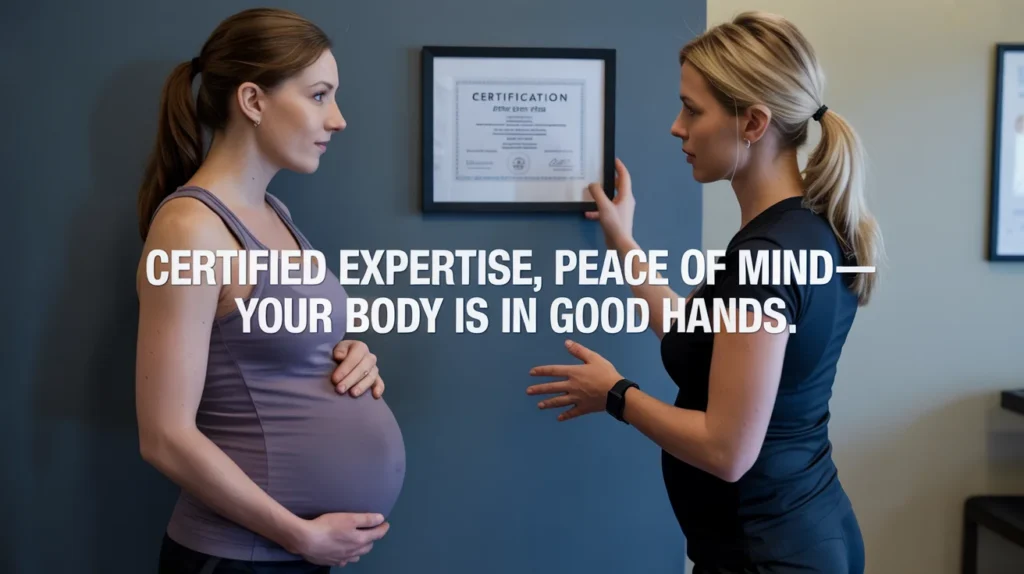
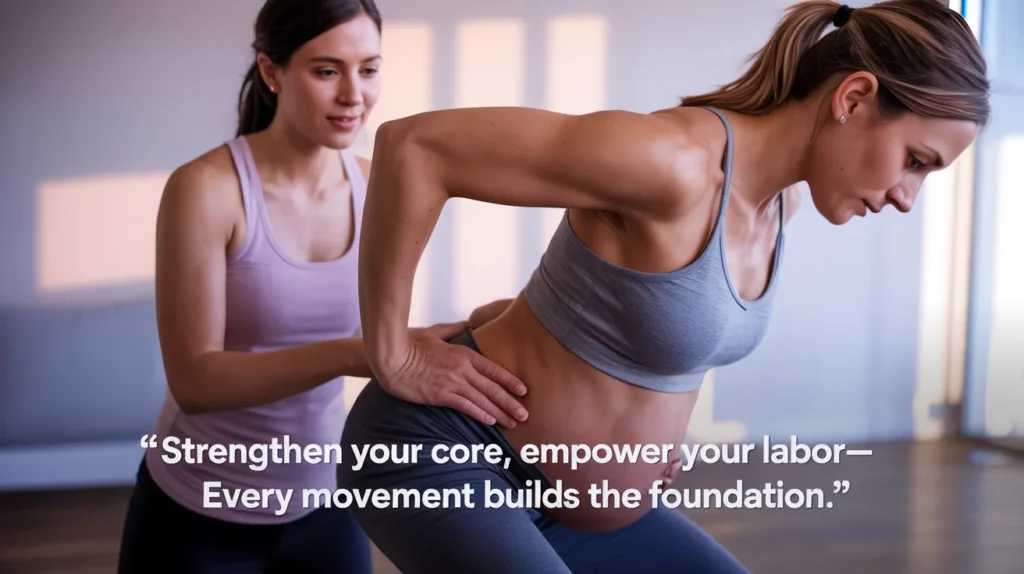
A strong core is your best friend during labor and delivery. However, “core” in pregnancy means more than just your abs. It includes your diaphragm, deep abdominal muscles, and pelvic floor. A knowledgeable personal trainer will guide you through exercises that strengthen this entire system.
Proper core work helps improve posture, which can alleviate the lower back pain that so many expectant mothers experience. By focusing on deep breathing and transverse abdominis engagement, you are not only supporting your growing belly but also training your body to work efficiently during contractions. This foundational strength is essential as you prepare for birth.
Exercises for a Stronger Core
Your trainer will introduce you to safe and effective core exercises, such as:
- Pelvic Tilts: These help strengthen lower back muscles and improve pelvic mobility.
- Cat-Cow Stretches: This classic yoga pose gently works the spine and abdominal muscles.
- Diaphragmatic Breathing (Belly Breathing): This is the foundation of core stability and a powerful tool for managing pain during labor.
- Modified Planks: Planks on the knees or against a wall can safely build core endurance without straining the abdomen.
Enhancing Pelvic Floor Health
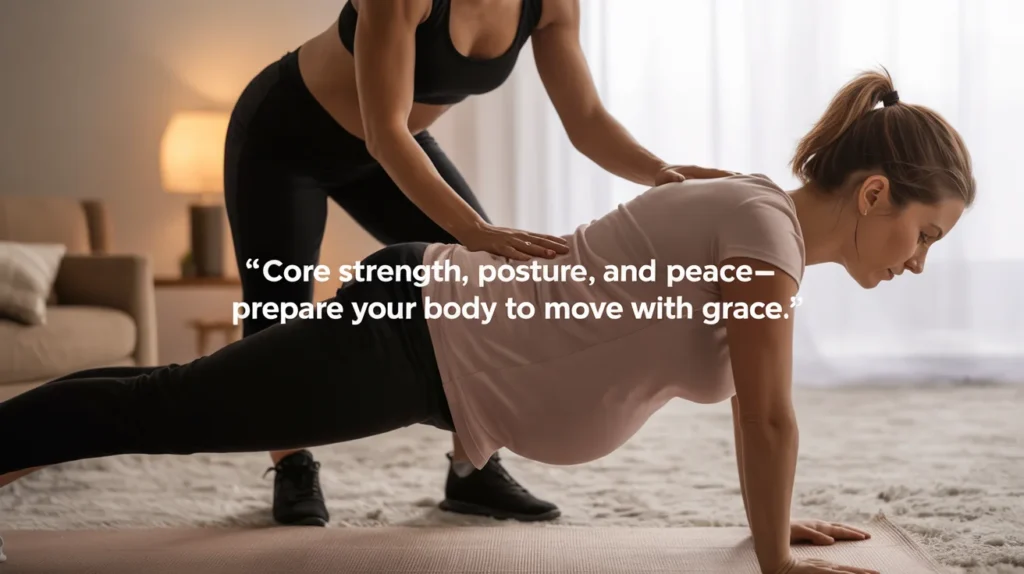
The pelvic floor is a group of muscles that supports the bladder, bowel, and uterus. During pregnancy and childbirth, these muscles are put under immense strain. A personal trainer can teach you how to both strengthen and relax your pelvic floor—a crucial distinction. While Kegels are well-known for strengthening, learning to release these muscles is just as important for a smoother delivery.
A tight or overactive pelvic floor can sometimes make childbirth more difficult. A trainer can teach you coordinated exercises, like deep squats combined with proper breathing, to promote pelvic floor elasticity and control. This balanced approach helps you prepare for birth by making your body more adaptable for delivery.
Boosting Endurance for the Marathon of Childbirth
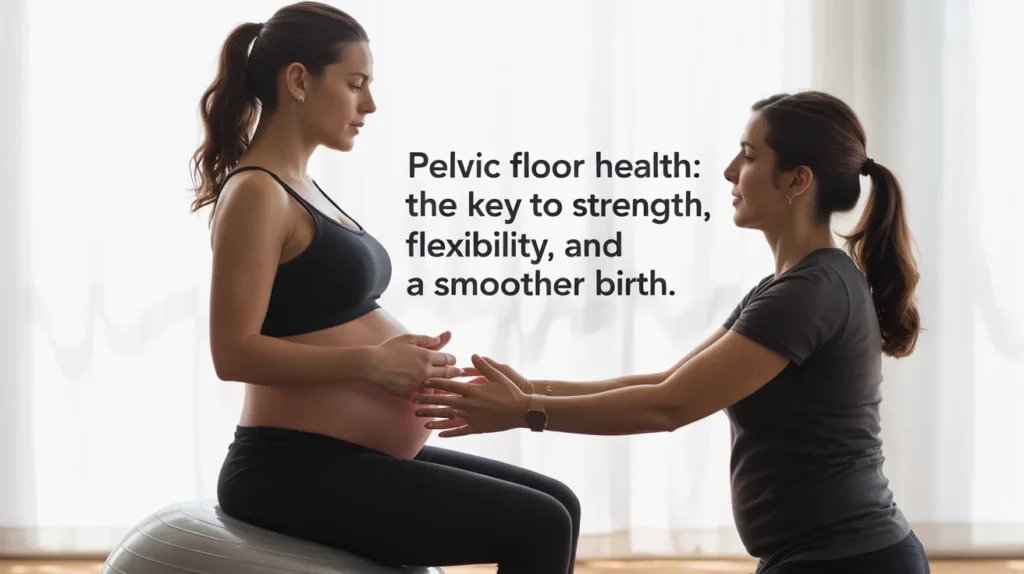
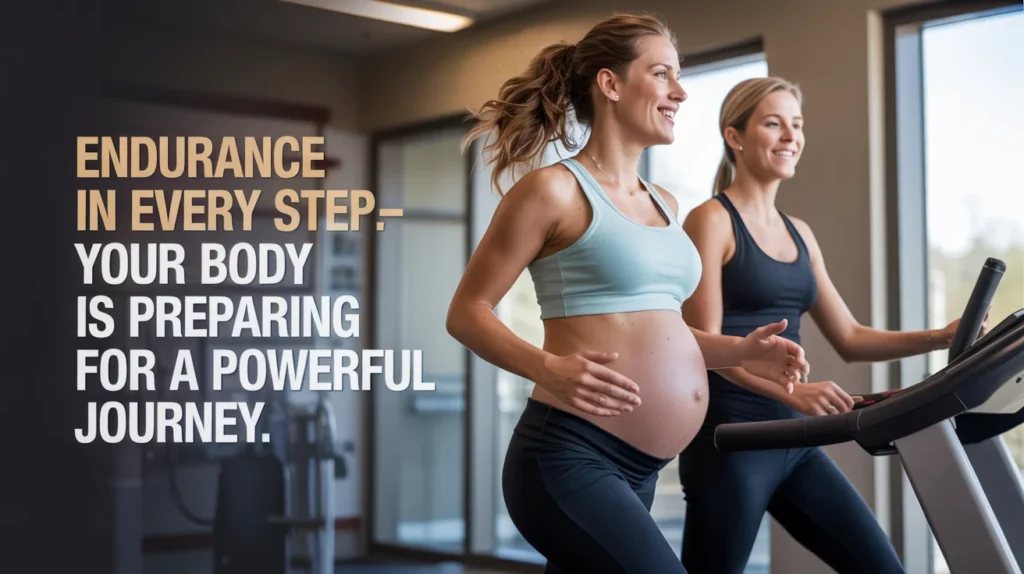
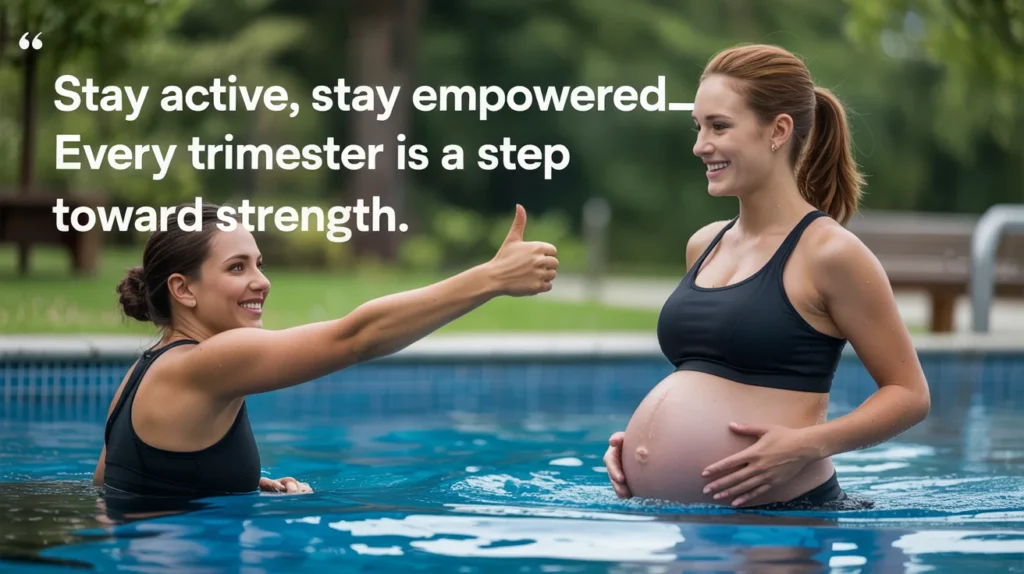
Labor is an endurance event. It requires physical stamina and mental fortitude. Regular, moderate-intensity cardiovascular exercise is one of the best ways to build the endurance you will need. A personal trainer can help you find cardio activities that are safe and enjoyable throughout your pregnancy.
Whether it’s brisk walking, swimming, or using a stationary bike, consistent cardio helps improve your body’s ability to use oxygen efficiently. This not only prepares you for the physical demands of labor but also helps manage fatigue during pregnancy. Building this stamina is a key component as you prepare for birth, ensuring you have the energy reserves to push through.
Cardio Recommendations for Each Trimester
| Trimester | Recommended Activities | Intensity |
|---|---|---|
| First | Walking, jogging (if already a runner), swimming, light aerobics. | Moderate, listen to your body and manage fatigue. |
| Second | Stationary cycling, water aerobics, prenatal yoga, continued walking. | Moderate, energy levels are often higher. |
| Third | Swimming, walking, stretching, modified strength training. | Lower, focus on mobility and comfort as balance changes. |
Mastering Proper Form and Preventing Injury
As your body changes, so does your center of gravity. Joints loosen due to the hormone relaxin, making you more susceptible to sprains and strains. A personal trainer is essential for teaching you proper form and modifying exercises to accommodate these changes.
They will watch you closely to ensure you are not putting undue stress on your back, hips, or knees. For example, they might adjust your squat depth or stance to protect your ligaments. This expert oversight significantly reduces the risk of injury, allowing you to continue exercising safely and effectively as you prepare for birth. This guidance is invaluable for maintaining your physical well-being.

Alleviating Common Pregnancy Pains and Discomforts
Back pain, sciatica, and swollen ankles are common complaints during pregnancy. While they may be normal, you do not have to simply endure them. A well-designed exercise program can provide significant relief. A personal trainer can show you specific stretches and strengthening exercises that target the root causes of these discomforts.
For example, gentle hip-opening stretches can relieve sciatic nerve pressure, while exercises that strengthen the glutes and back can improve posture and reduce strain. By actively managing these symptoms with targeted movement, you can improve your quality of life throughout your pregnancy and feel more comfortable as you prepare for birth.

The Mental and Emotional Benefits of Guided Fitness
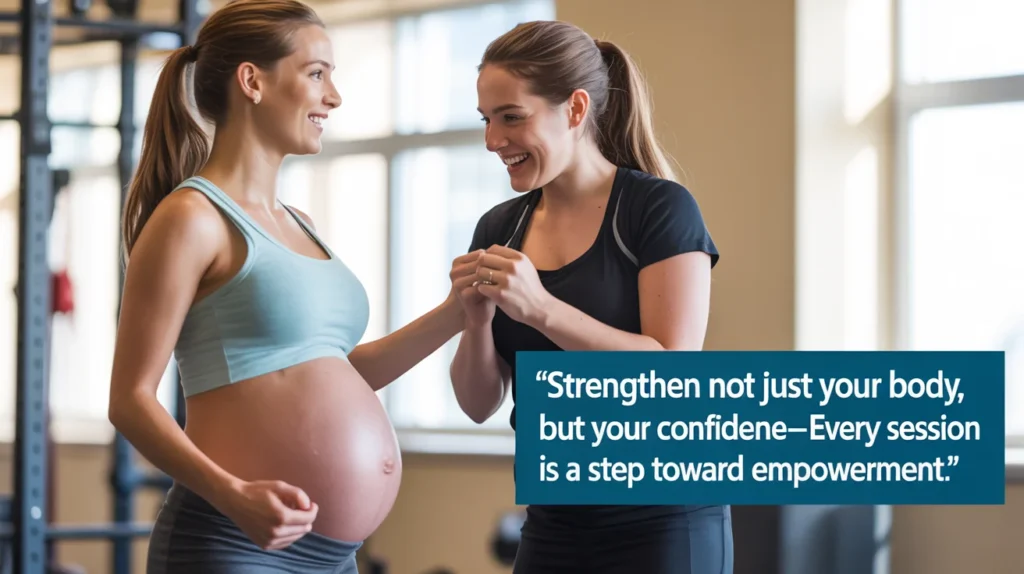
The benefits of working with a personal trainer extend far beyond the physical. Pregnancy can be an emotional rollercoaster, and exercise is a powerful tool for managing stress and anxiety. Having a dedicated time to focus on yourself and your body can be incredibly grounding. Your trainer acts as a coach, motivator, and confidant.
They provide encouragement on days when you feel tired and celebrate your progress along the way. This consistent support system can boost your self-esteem and empower you to trust your body’s capabilities. This mental preparation is just as important as the physical work when you prepare for birth.
Creating a Postpartum Recovery Plan
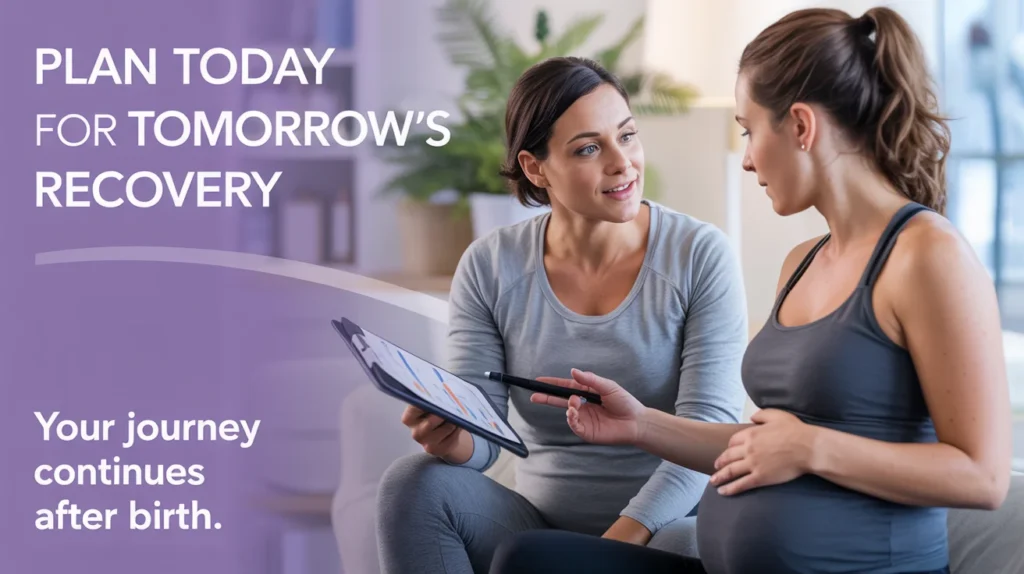
The work you do during pregnancy sets the stage for a smoother postpartum recovery. A trainer who specializes in this area can help you think ahead. They will teach you foundational movements and breathing techniques that you can use in the immediate days and weeks after giving birth to begin reconnecting with your core and pelvic floor.
This early, gentle activation can help speed up healing and restore function. By creating a plan before the baby arrives, you will feel more prepared and less overwhelmed when you are ready to ease back into fitness. This forward-thinking approach provides a seamless transition from prenatal to postnatal wellness.
How a Trainer Helps Busy Moms Stay Consistent
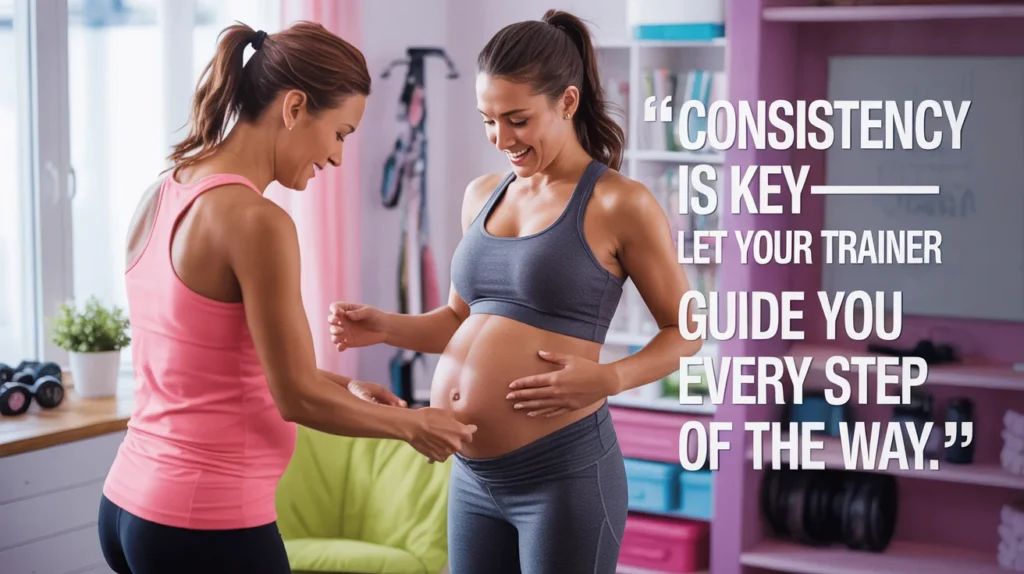
For a busy mom, consistency is often the biggest hurdle. A personal trainer provides accountability. Having a scheduled appointment makes you far more likely to stick with your routine. Moreover, a trainer makes your workouts efficient.
They will design sessions that deliver the maximum benefit in the time you have available, whether it’s 30 minutes or a full hour. Instead of wasting time wondering what to do, you can jump right into a productive, safe, and effective workout. This structure is invaluable for busy women who want to prepare for birth without adding more stress to their lives.
Finding the Right Prenatal Personal Trainer
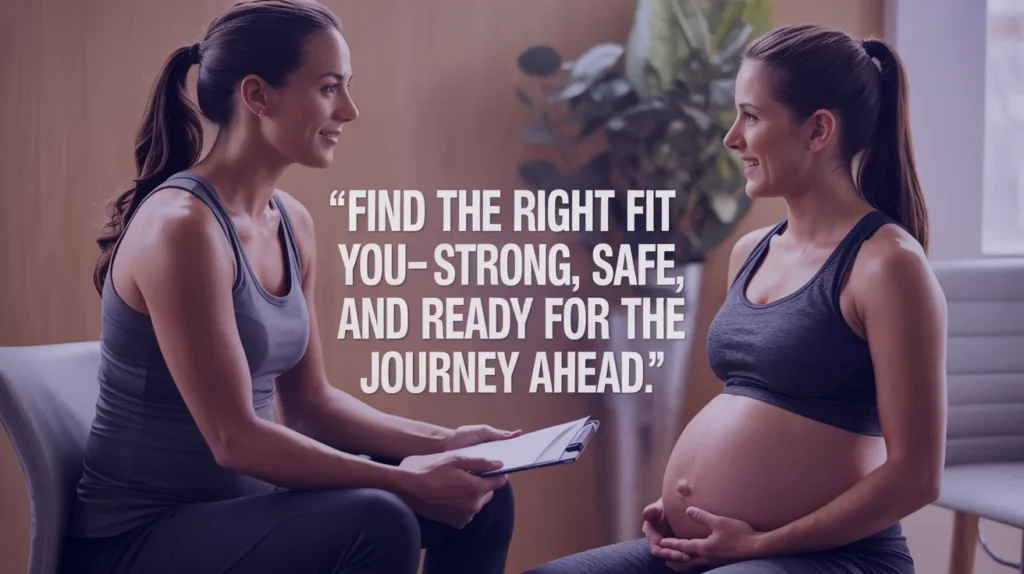
Finding the right professional is key to a positive experience. Start by searching online for trainers in your area with prenatal and postnatal certifications from reputable organizations like the American Council on Exercise (ACE) or the National Academy of Sports Medicine (NASM).
Read reviews and ask for testimonials from other pregnant clients. Schedule a consultation to discuss your goals, health history, and any concerns you may have. It’s important to find someone you connect with and who makes you feel comfortable and supported. A good trainer will listen to you and collaborate with you to create a plan that feels right.
Conclusion
For a busy mom-to-be, investing in a prenatal personal trainer is an investment in your health, confidence, and overall well-being. They provide the expert guidance needed to navigate the physical changes of pregnancy safely, helping you build the strength and endurance required for childbirth and beyond.
From managing aches and pains to offering crucial emotional support, a trainer is an invaluable partner on your journey. By working with a professional, you can take control of your fitness, reduce anxiety, and feel empowered as you prepare for birth and the beautiful adventure of motherhood that awaits.

Frequently Asked Questions (FAQ)
Q1: When is the best time to start working with a personal trainer during pregnancy?
A1: You can start at any point, but it’s always best to get clearance from your doctor first. Many women begin in the first trimester to establish a routine, while others start in the second trimester when energy levels often improve. It’s never too late to start.
Q2: Is it safe to do strength training while pregnant?
A2: Yes, strength training is highly beneficial and safe when done correctly. A certified prenatal trainer will guide you on appropriate exercises, teach you to use your breath correctly, and modify movements to avoid straining your abdomen or pelvic floor.
Q3: How often should I exercise during pregnancy?
A3: The American College of Obstetricians and Gynecologists (ACOG) recommends at least 150 minutes of moderate-intensity aerobic activity each week. Your trainer can help you create a balanced schedule that includes strength, cardio, and flexibility training.
Q4: Can exercise help make labor easier?
A4: While every labor is different, studies suggest that women who exercise regularly during pregnancy may have shorter labors, a lower risk of interventions, and a higher tolerance for the physical demands of childbirth. Building strength and endurance is key.
Q5: What if I have never exercised before becoming pregnant?
A5: Pregnancy can be a great motivator to start. A personal trainer is the perfect guide for a beginner, as they will start you slowly with foundational movements and ensure you are exercising safely. They will build a program that is appropriate for your fitness level.