Introduction: Understanding Postpartum Weight Loss
The moment you welcome your baby into the world is magical, but the shed Postpartum Pounds period that follows can be a complex mix of joy, exhaustion, and adjustment. As your body begins to heal, it’s natural to wonder about the physical changes, including weight. Many new mothers are curious about postpartum pounds loss and how quickly they can expect to return to their pre-pregnancy size. The internet is filled with stories of celebrities “bouncing back,” creating unrealistic pressure on everyday moms.
It’s important to remember that losing baby weight is a gradual process, not a race. Your body has just accomplished the incredible feat of growing and birthing a human, and it needs time to recover.

The focus should always be on healthy weight loss for moms, prioritizing nourishment, gentle movement, and overall well-being.
This guide will break down how much weight you can expect to lose right after birth and provide practical, sustainable tips for shedding postpartum pounds in a way that honors your body and fits into your busy new life.
How Much Weight Do You Lose Right After Birth?
One of the most immediate changes you’ll notice after delivery is a significant drop in weight. This initial loss isn’t fat; it’s the combined weight of your baby, the placenta, and the amniotic fluid that surrounded them.
On average, most women lose about 13 pounds (around 6 kg) during childbirth. This number can be broken down as follows:
- The Baby: Typically weighs between 7 and 8 pounds.
- The Placenta: Usually weighs around 1.5 pounds.
- Amniotic Fluid: Accounts for approximately 2 pounds.
- Blood Loss: Contributes to about 2.5 pounds.
This initial drop is just the beginning. In the first week after delivery, you’ll continue to lose several more pounds as your body sheds excess fluids. During pregnancy, your body retains a significant amount of water to support the baby. After birth, through sweating and urination, this stored fluid is gradually eliminated, leading to a noticeable decrease in bloating and weight.

What About the Rest?
The weight that remains after this initial period is the fat your body stored during pregnancy to provide energy for labor and breastfeeding. The amount of this “baby weight” varies greatly from person to person. Factors influencing how much weight you gain during pregnancy, and therefore how much you need to lose, include:
- Your pre-pregnancy weight and BMI
- Genetics
- Diet and activity levels during pregnancy
- Whether you are carrying multiples
It’s crucial to have realistic expectations. The common advice is that it takes nine months to put the weight on, so you should give yourself at least that long to take it off. For many moms, the timeline is even longer, and that is perfectly normal.
Tips for Busy Moms to Shed Postpartum Pounds
Losing Postpartum Pounds when you’re sleep-deprived and caring for a newborn can feel overwhelming. The key is to focus on small, consistent habits that promote health without adding stress. Forget about crash diets or intense workout regimens; sustainable Postpartum Pounds loss is built on a foundation of nourishment and self-care.
1. Prioritize Nutrient-Dense Foods
Your body needs fuel to heal from childbirth and, if you’re breastfeeding, to produce milk for your baby. Starving yourself will only deplete your energy and slow down your metabolism. Instead of counting calories, focus on eating a variety of nutrient-dense foods.
- Lean Protein: Include sources like chicken, fish, beans, and lentils in your meals. Protein helps you feel full and supports muscle repair.
- Healthy Fats: Avocados, nuts, seeds, and olive oil provide long-lasting energy and are crucial for brain health.
- Complex Carbohydrates: Foods like oats, quinoa, and sweet potatoes offer sustained energy without the spike and crash of simple sugars.
- Fruits and Vegetables: Aim to fill half your plate with colorful fruits and veggies. They are packed with vitamins, minerals, and fiber, which aids digestion.
Tip for Busy Moms: Keep healthy snacks readily available. A bowl of almonds, pre-cut veggies with hummus, or Greek yogurt can be a lifesaver when you’re hungry and short on time.

2. Stay Hydrated
Drinking enough water is one of the simplest yet most effective things you can do for your health and weight loss. Water helps boost your metabolism, flush out toxins, and can help you feel full. If you’re breastfeeding, your hydration needs are even higher, as your body needs water to produce milk.
Aim for at least 8-10 glasses of water a day, or more if you are nursing. If you find plain water boring, try infusing it with lemon, cucumber, or mint.
Tip for Busy Moms: Get a large, reusable water bottle and keep it with you at all times. Set a goal to refill it a certain number of times throughout the day. Drink a full glass of water before every meal and snack.

3. Embrace Gentle Movement
After you get clearance from your doctor (usually around 6 weeks postpartum), you can start to incorporate gentle exercise into your routine. The goal is not to burn a massive number of calories but to reconnect with your body, build strength, and boost your mood.
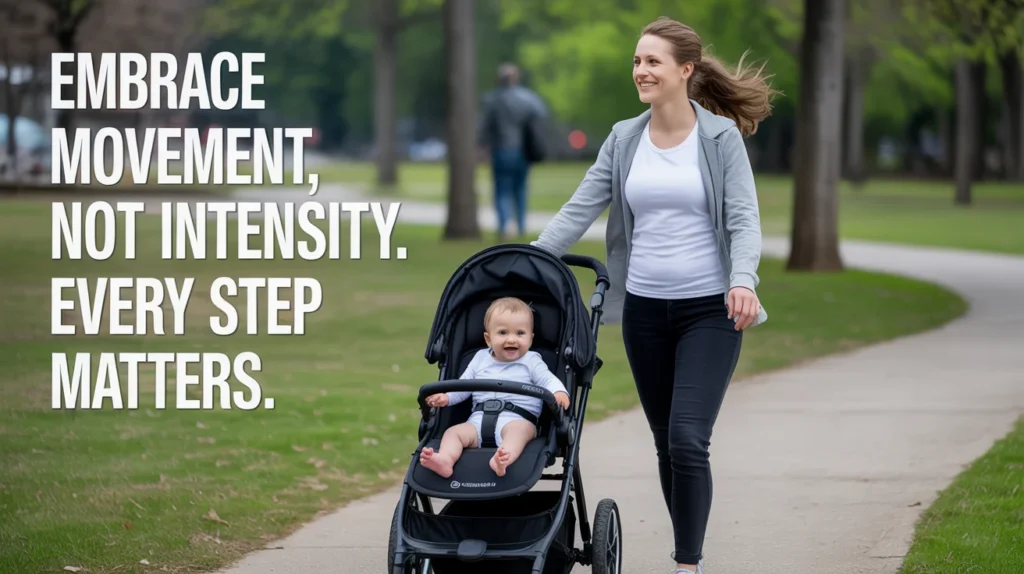
- Walking: This is the perfect Postpartum Pounds loss exercise. It’s low-impact, you can do it with your baby in a stroller or carrier, and it gets you out in the fresh air.
- Postpartum Yoga: Gentle yoga or stretching can help relieve the aches and pains from carrying and feeding a baby. It also helps to gently strengthen your core and pelvic floor.
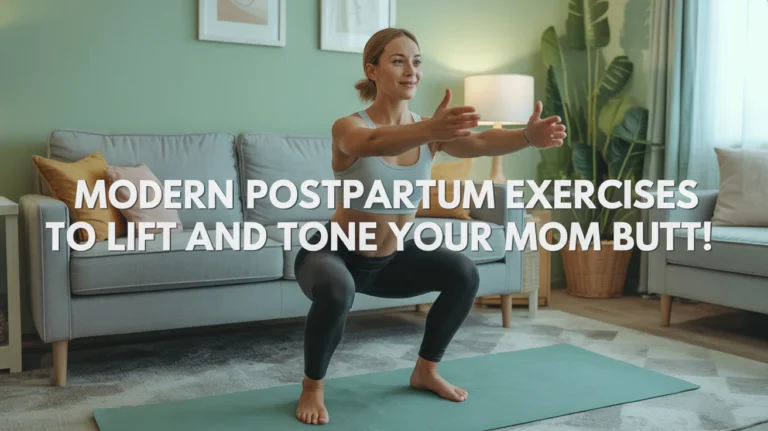
- Bodyweight Exercises: Once you feel stronger, you can add simple exercises like squats, lunges, and glute bridges to build foundational strength.
Tip for Busy Moms: Don’t fall into the “all-or-nothing” trap. A 10-minute walk is better than no walk at all. Look for small pockets of time in your day to move your body, even if it’s just dancing in the kitchen with your baby.
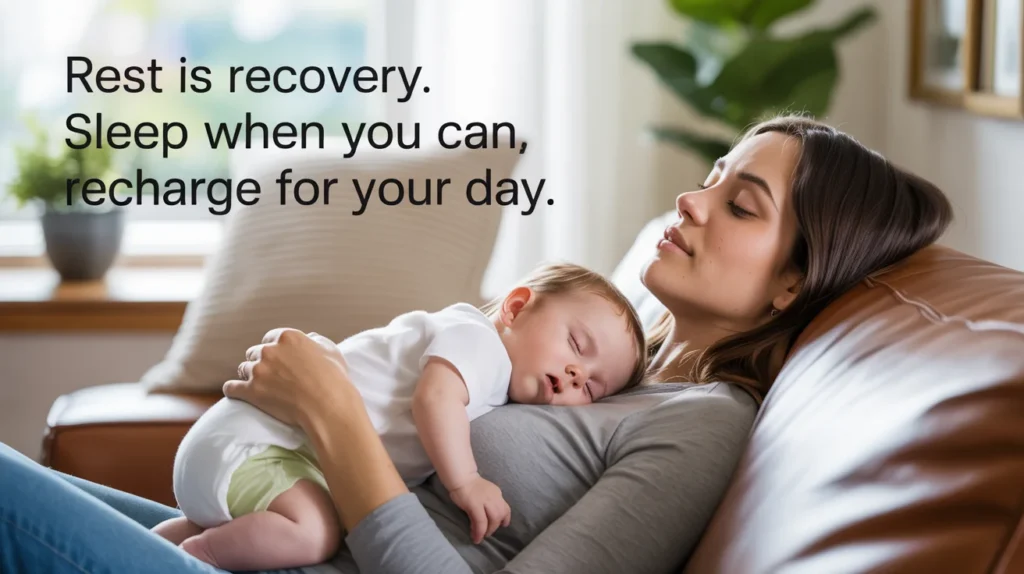
4. Get as Much Sleep as Possible
This tip can feel like a cruel joke to a new mom, but sleep is incredibly important for weight loss. When you’re sleep-deprived, your body produces more cortisol, a stress hormone that can lead to weight gain, particularly around the midsection. Lack of sleep also affects the hormones that regulate hunger, making you more likely to crave high-calorie, sugary foods.
While an uninterrupted eight hours might be a distant dream, do what you can to maximize your rest.
5. Be Patient and Practice Self-Compassion
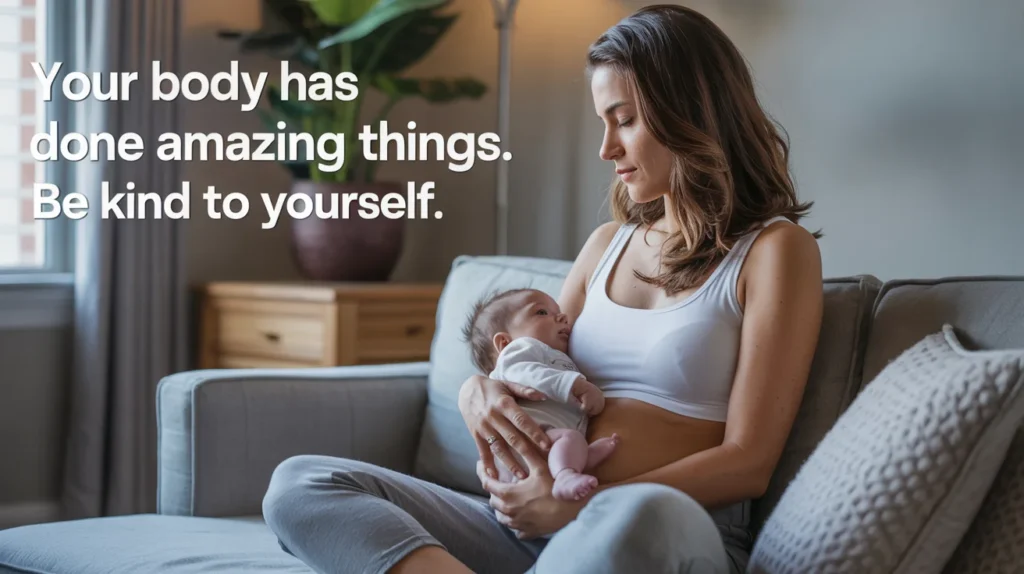
Your body has undergone a monumental transformation. It will not look or feel the same as it did before pregnancy, and that’s okay. Your worth is not measured by the number on a scale. Postpartum weight loss is a journey, and there will be ups and downs.
Celebrate what your body has accomplished. It created, nurtured, and brought a new life into the world. Focus on how you feel—your energy levels, your strength, your mental clarity—rather than obsessing over a number.
Tip for Busy Moms: Put away the scale for a while. Instead, pay attention to non-scale victories, like having more energy to play with your baby, fitting into a pre-pregnancy pair of jeans, or feeling stronger during your walks.
Conclusion: A Journey of Health, Not Haste
Losing baby weight is a personal journey with a unique timeline for every mother. While a significant amount of weight is lost immediately after birth, the remaining pounds will come off gradually with consistent, healthy habits. By focusing on nourishing your body, moving gently, staying hydrated, and getting enough rest, you can support your postpartum recovery and achieve healthy, sustainable weight loss.

Above all, be kind to yourself. Your body is amazing, and it deserves patience and respect. The postpartum period is a time for healing and bonding with your new baby, not for adding pressure and stress about your weight.
Ready to embrace a healthy postpartum journey? Save this post to your Pinterest board to keep these tips handy. Always consult with your healthcare provider before starting any new diet or exercise program to ensure it’s safe for you.