
Introduction: The 10,000 Step Rule During Pregnancy
Pregnancy is a time of incredible change, and for many busy moms, a simple goal like hitting 10,000 step rule a day can feel like a tangible way to stay healthy amidst the chaos. The 10,000-step target has long been a benchmark for general health, but does it apply when you’re pregnant? The answer, like most things during pregnancy, is nuanced. Your body is undergoing a complete transformation, and what works for one person may not work for another. This guide provides realistic, expert-backed advice on walking during pregnancy, focusing on what’s safe, effective, and manageable for a busy, expecting mom.

The Benefits of Walking While Pregnant
Walking is a fantastic low-impact exercise for most low-risk pregnancies, offering a wide range of benefits for both you and your baby. Consistent, moderate activity can improve circulation, boost mood, and prepare your body for labor.
Why Walking Is Your Secret Weapon
Walking is accessible, free, and can be done almost anywhere, making it a perfect fit for a busy schedule. It keeps your cardiovascular system strong without straining your joints, which become looser during pregnancy. For a busy mom, this isn’t about setting new fitness records but about maintaining a baseline of healthy, consistent movement.
Benefits to Maximize:
- Boosts Mood and Energy: Walking releases endorphins, which can help combat pregnancy-related fatigue and mood swings.
- Eases Aches and Pains: Regular movement can relieve common discomforts like back pain, leg cramps, and bloating.
- Prepares for Labor: Stronger muscles and improved stamina can be a major asset during childbirth.
- Manages Weight and Health Risks: Consistent walking helps manage healthy gestational weight gain and may lower the risk of complications like gestational diabetes and preeclampsia.

Is 10,000 Steps the Right Target?
While some studies suggest a target of around 10,000 step rule for general health, it’s not a one-size-fits-all metric, especially during pregnancy. Your fitness level before pregnancy, your trimester, and how you feel on any given day are all important factors to consider.
The Trimester-by-Trimester Reality
Your walking goal should evolve with your pregnancy.
- First Trimester: If you’re feeling up to it, this is often the easiest time to maintain or even increase your activity. Aim for 30 minutes of moderate activity most days.
- Second Trimester: You might feel a renewed burst of energy. This is a great time to be active, but remember to listen to your body and adjust as your belly grows and balance shifts.
- Third Trimester: As you near the end, comfort becomes a bigger factor. Your pace may slow down, and your walking distance might decrease. Shorter, more frequent walks are often more comfortable. A high step rule count might be less realistic.
How to Maximize It:
- The Talk Test: This is a simple, effective way to gauge intensity. You should be able to hold a conversation while walking. If you’re too out of breath to talk, you’re pushing too hard.
- Listen to Your Body: This is the most crucial tip. On days you feel tired or uncomfortable, it’s okay to do less. On days you feel great, go for a longer walk.
- Consistency over Intensity: A gentle, 20-minute walk every day is more beneficial than overexerting yourself and needing to rest for days.

Incorporating More Movement: Practical Tips for Busy Moms
Hitting a step rule goal isn’t just about a single long walk. It’s about finding small, creative ways to increase your activity throughout the day. For busy moms, this is the most effective way to stay active without adding stress.
Modern Movement Hacks for Moms-to-Be
- Walk the Errands: Park at the far end of the grocery store parking lot. Walk to pick up groceries instead of using a car, if possible.
- The “One-Stop-Early” Trick: If you use public transport, get off one stop earlier and walk the rest of the way.
- Living Room Laps: If weather or fatigue keeps you inside, walk laps around your coffee table or house during commercials or phone calls.
- Partner Power: Ask your partner to join you for an evening walk. It’s a great way to connect and log some extra step rule.
- The Playtime Walk: If you have other children, turn a trip to the park into a longer walk. While they play, walk laps around the playground.
How to Maximize It:
- Use a Pedometer or App: Tracking your steps can provide motivation and a sense of accomplishment. Just be sure to adjust your goals based on how you feel.
- Create a Routine: Incorporate a small, regular walk into your day, like a post-dinner stroll. This consistency builds a lasting habit.
- Hydrate and Dress Comfortably: Wear supportive shoes and loose-fitting clothing. Carry a water bottle and take breaks as needed.

Safety First: When to Adjust or Stop
While walking is generally safe, it’s important to know the warning signs that you might be overdoing it. Always consult your healthcare provider before starting any new exercise routine, especially if you have a high-risk pregnancy.
Signs You Need to Slow Down
- Shortness of Breath: If you can’t speak a full sentence comfortably, you’re working too hard.
- Pain or Discomfort: Any sharp pain, especially in your pelvis or abdomen, is a sign to stop. The ligaments in your pelvis are softening, making you more prone to injury.
- Dizziness or Faintness: A sign of overexertion or dehydration.
- Vaginal Bleeding or Contractions: Stop immediately and contact your doctor.
- Overheating: Avoid walking in extreme heat or humidity. Dehydration is a risk.
How to Maximize It:
- Stay Hydrated: Drink plenty of water throughout the day, especially before, during, and after walks.
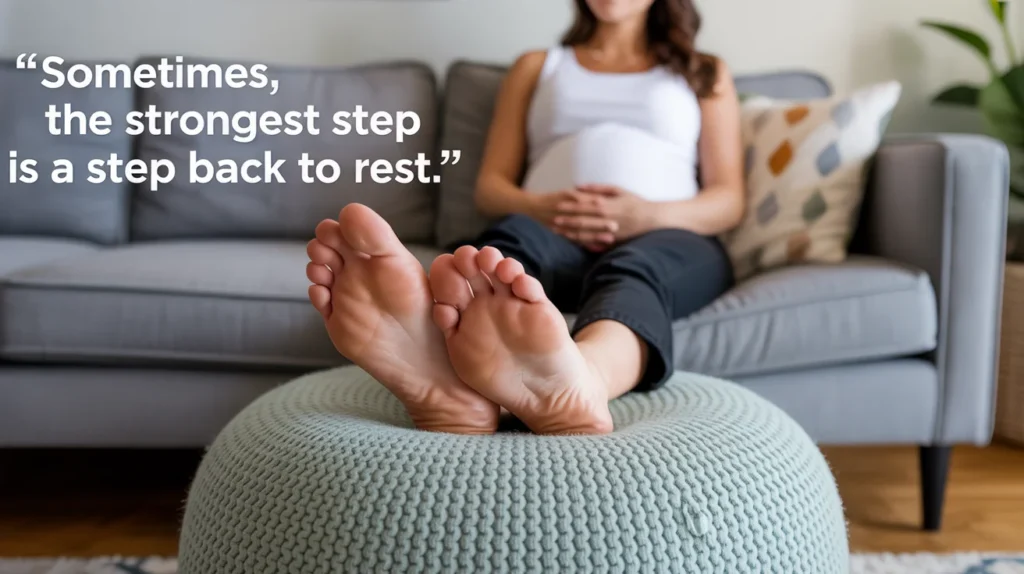
- Elevate Your Feet: After a walk, rest with your feet elevated to reduce swelling.
- Choose Flat Surfaces: As your balance shifts, uneven surfaces can increase the risk of a fall. Stick to level ground or a treadmill.
Conclusion: The Steps That Matter Most
The 10,000-step goal is a great motivator, but during pregnancy, the steps that matter most are the ones you take with intention, safely, and in tune with your body’s needs. Instead of fixating on a number, focus on consistency, listen to your body, and celebrate every walk—whether it’s a brisk 20-minute jaunt or a slow stroll to the mailbox. This approach not only supports a healthier pregnancy but also builds a sustainable habit that will serve you well into motherhood. You’re busy, you’re growing a human, and every step you take is a win.