Introduction
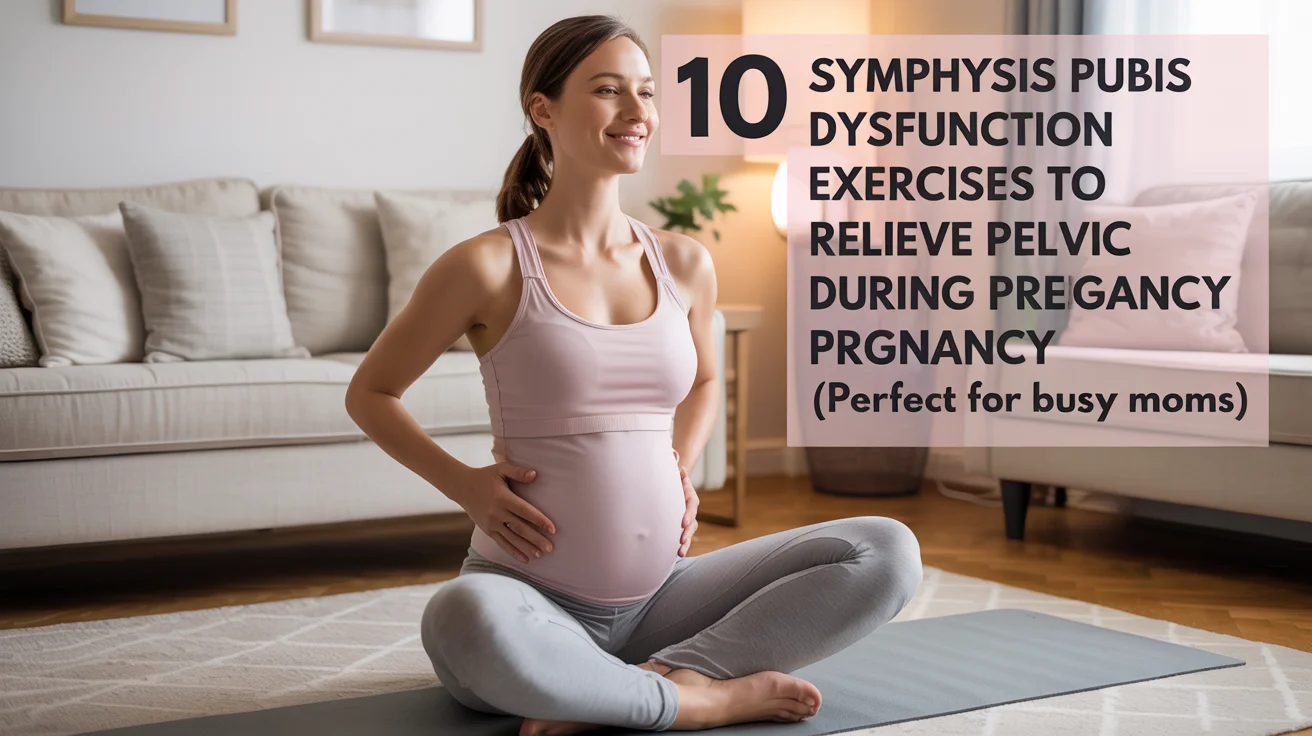
Symphysis Pubis Dysfunction (SPD) is a condition that can cause discomfort and pain in the pelvic area during pregnancy. For busy moms, finding time to focus on recovery can be a challenge, but with the right exercises, you can relieve SPD pain and support your pelvic health. In this article, we’ll explore 10 modern exercises that are not only effective but also fresh and innovative, perfect for busy moms looking to feel better and reclaim their comfort during pregnancy.
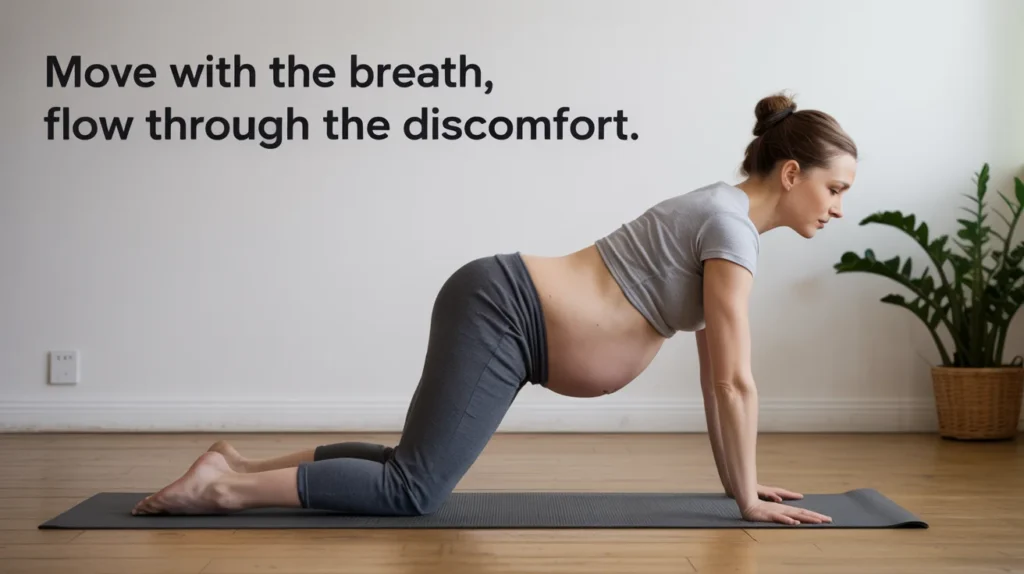
1. Dynamic Pelvic Activation Flow
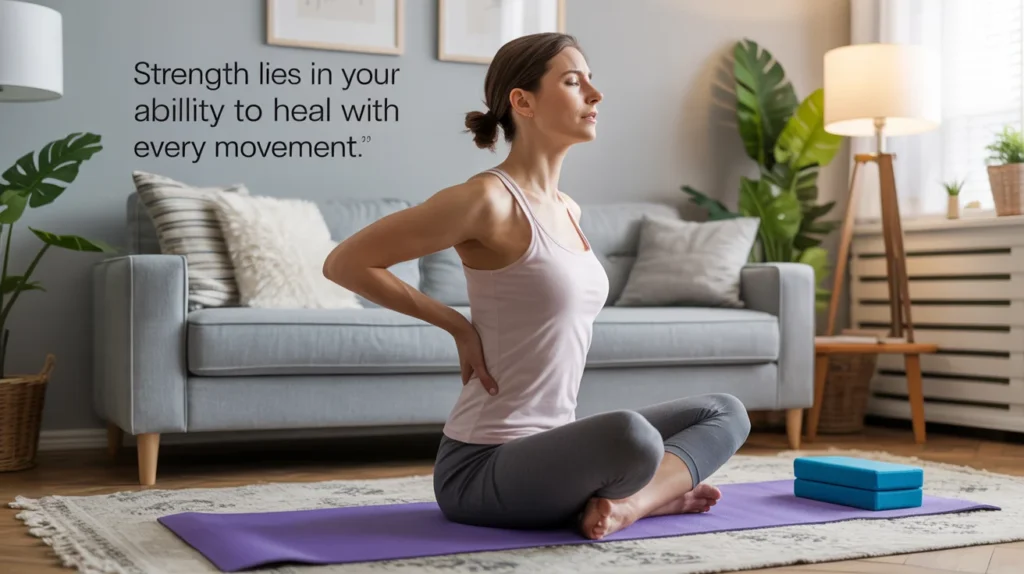
This is a modern approach to pelvic tilts, focusing on fluid, dynamic movements that gently activate your pelvic floor while simultaneously engaging your core muscles. It’s a gentle yet effective way to relieve SPD discomfort.
How to do it:
- Begin on your hands and knees in a tabletop position, with a neutral spine.
- Inhale as you tilt your pelvis forward, gently arching your back (cow position).
- Exhale as you gently tuck your pelvis under, rounding your back (cat position).
- Flow through this movement for 1 minute, focusing on fluidity and deep breathing.
2. Glute Bridge with Diaphragmatic Core Engagement
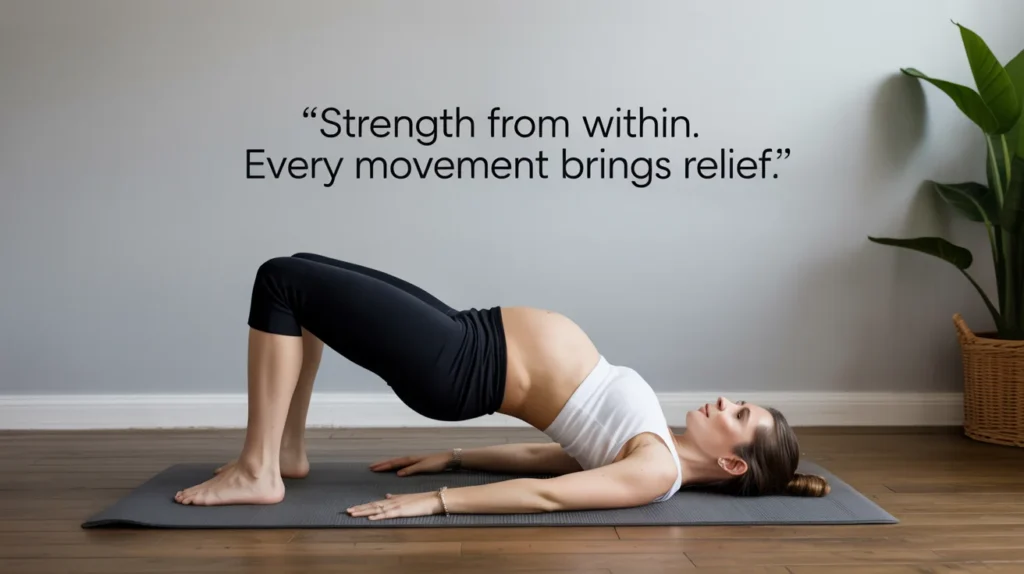
The glute bridge is a fantastic exercise to relieve SPD pain and strengthen the pelvic region, but this modern variation includes diaphragmatic core engagement to take it to the next level.
How to do it:
- Lie on your back with knees bent, feet flat on the floor, and arms by your sides.
- Inhale deeply, engaging your diaphragm (breathing into your belly) while squeezing your glutes.
- As you exhale, lift your hips into the bridge position, maintaining a neutral spine.
- Hold the bridge for 3-5 seconds, engaging your core deeply, and then lower.
3. Prenatal Pelvic Stabilization Pulses
A modern twist on traditional pelvic tilts, this exercise targets the pelvic stabilizers, strengthening the muscles that support the pelvic bones, which are essential for SPD relief.
How to do it:
- Begin in a standing position with feet hip-width apart, knees slightly bent.
- Place your hands on your hips and engage your core.
- Slowly pulse your pelvis forward and backward in small, controlled movements, focusing on the subtle motion in your lower body.
- Perform 10 pulses in each direction, focusing on smooth, rhythmic movements.

4. Fluid Hip Mobility Circles
Hip mobility is crucial in managing SPD, and this exercise focuses on slow, controlled hip circles to improve flexibility and relieve discomfort in the pelvic area.
How to do it:
- Stand with feet shoulder-width apart, knees slightly bent, and hands resting on your hips.
- Slowly make large circles with your hips, moving gently in one direction for 30 seconds.
- Switch directions and repeat. Keep the movement fluid and controlled, avoiding any jerking motions.

5. Deep Abdominal Breathwork with Gentle Core Activation
This modern technique blends deep abdominal breathing with subtle core activation, a gentle yet powerful way to reduce pelvic pain by strengthening the core and improving pelvic alignment.
How to do it:
- Sit or lie in a comfortable position with your hands on your lower abdomen.
- Take a deep breath in, expanding your diaphragm, and feel your belly rise.
- As you exhale, gently engage your core by pulling your belly button towards your spine.
- Repeat for 10-15 breaths, focusing on deep, diaphragmatic breathing and gentle core engagement.

6. Side-Lying Leg Lifts with Pelvic Floor Engagement
This exercise targets the outer hip muscles and pelvic floor, both of which are important for stabilizing the pelvis and relieving SPD pain.
How to do it:
- Lie on your side with your legs stacked, and a pillow under your head for comfort.
- Gently engage your pelvic floor and core before lifting your top leg toward the ceiling, keeping your leg straight.
- Hold for 2-3 seconds, then lower your leg. Repeat for 10 reps on each side.
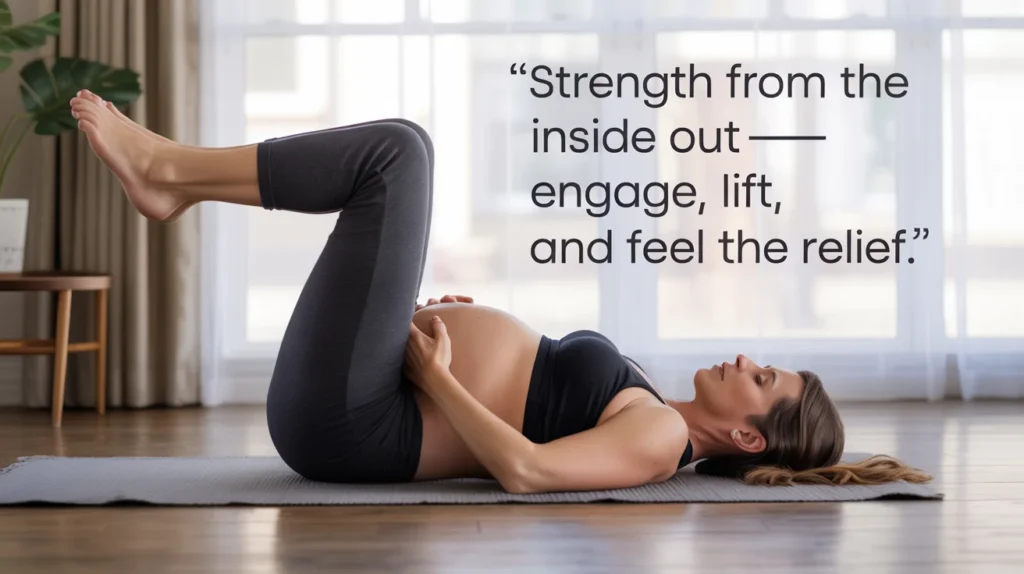
7. Modified Squat with Core Activation
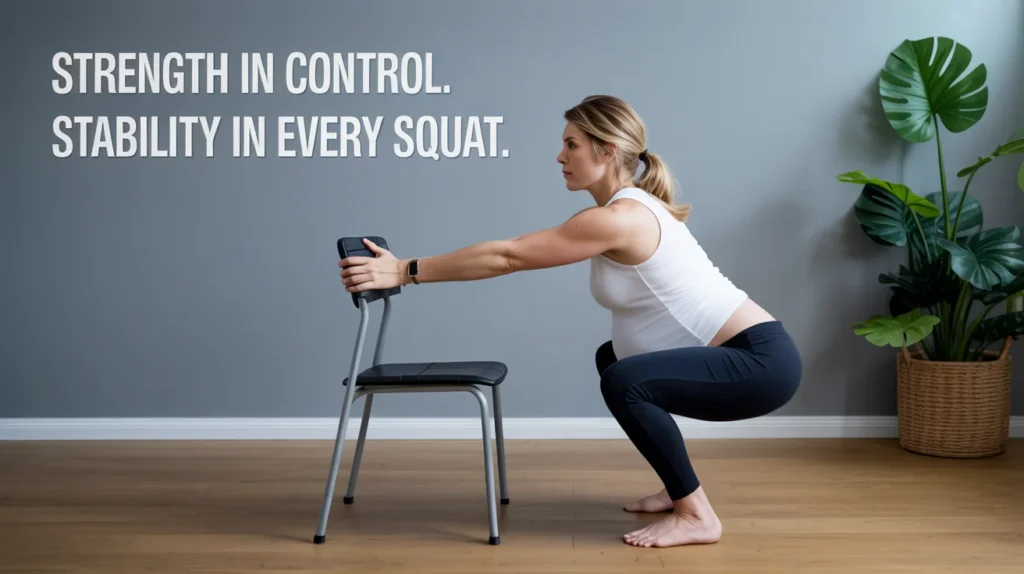
Squats are a great exercise for building lower body strength, but when modified for SPD, they can also help with pelvic alignment and relieve pain.
How to do it:
- Stand with feet shoulder-width apart, holding onto a sturdy chair for support.
- Slowly lower into a squat position, keeping your knees behind your toes and engaging your core.
- Rise back up to standing, squeezing your glutes at the top.
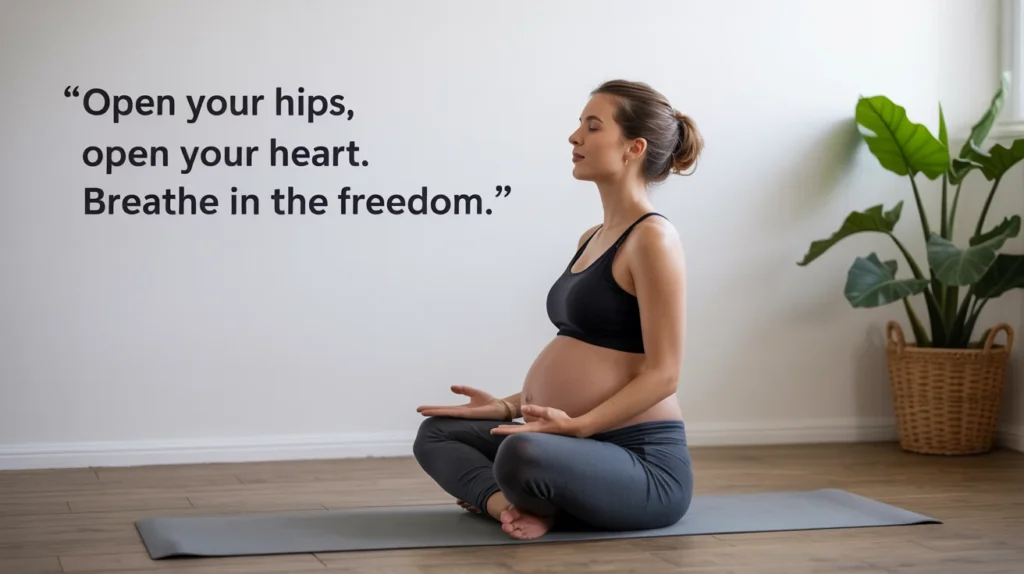
8. Seated Hip Openers with Breathwork
Hip openers are key for relieving pelvic tension, and this seated version incorporates breathwork to calm the body while stretching the hips and pelvic floor.
How to do it:
- Sit on the floor with your legs bent and feet together.
- Let your knees fall gently to the sides, opening up your hips.
- Place your hands on your belly and breathe deeply, holding the position for 20-30 seconds.
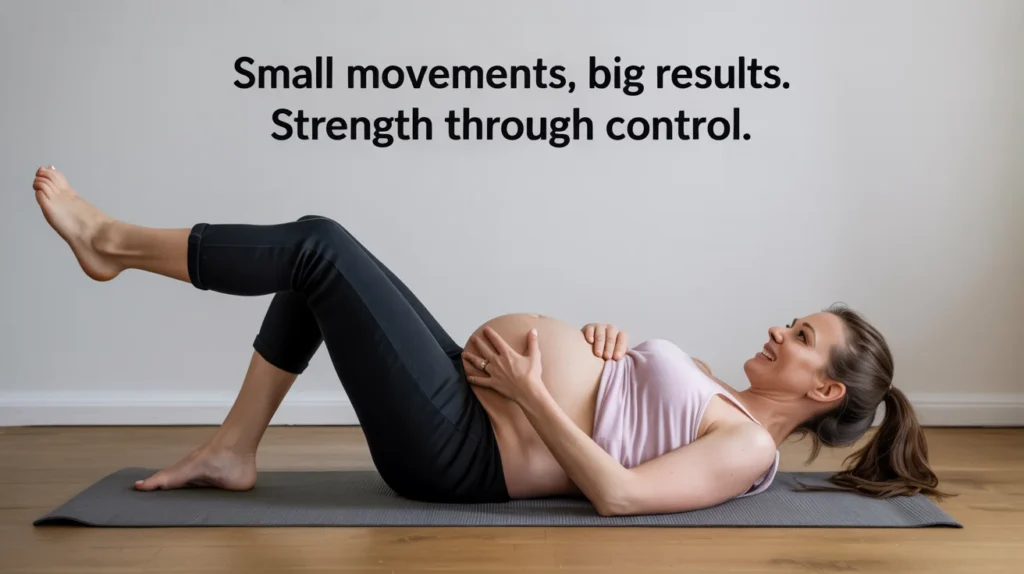
9. Supported Leg Slide with Core Activation
This exercise helps to engage the lower core muscles while keeping the pelvis stable, making it perfect for SPD relief.
How to do it:
- Lie on your back with your knees bent and feet flat on the floor.
- Slowly slide one leg out, keeping your foot in contact with the floor, while engaging your core.
- Slide the leg back in and repeat with the other leg.
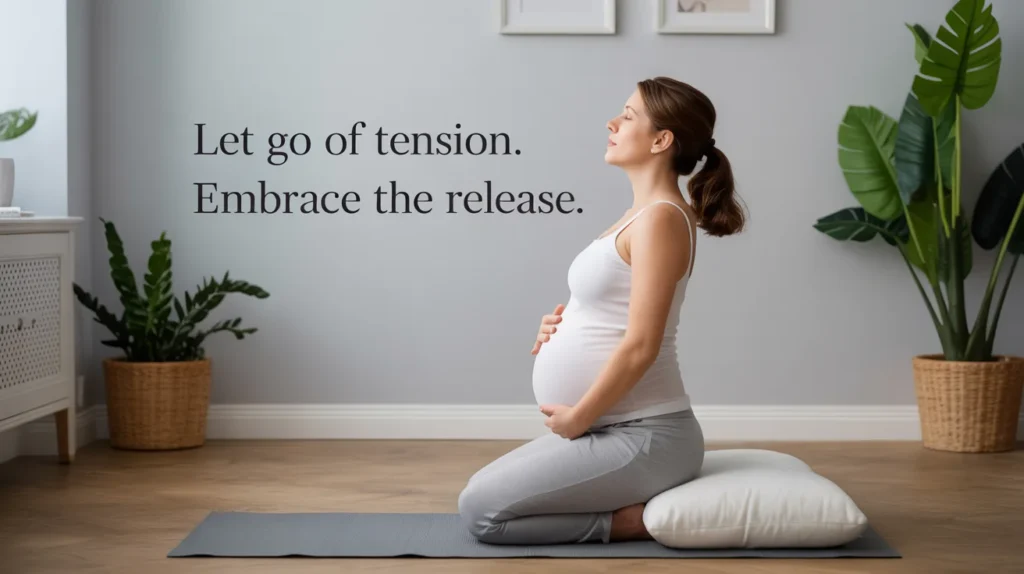
10. Elevated Child’s Pose
Child’s pose is a relaxing stretch that can help relieve SPD pain, and the elevated version uses a pillow or block to gently support your lower abdomen.
How to do it:
- Start on your hands and knees and slowly lower your hips back toward your heels.
- Place a pillow or block underneath your belly to reduce pressure and deepen the stretch.
- Hold for 30 seconds to 1 minute, breathing deeply into your lower back and pelvis.
Conclusion
Dealing with SPD during pregnancy can be challenging, but with these 10 modern exercises, you can relieve pain, strengthen your pelvic region, and support your body’s healing process. Whether you’re a busy mom-to-be or just trying to find relief, these exercises can be done in the comfort of your home with minimal time investment. Remember, always consult with your doctor before starting any exercise routine during pregnancy.