Introduction
Finding time for fitness as a busy mom can feel like a huge challenge. Between school runs, work, and managing the household, your own well-being can easily fall to the bottom of the to-do list. What if there was a workout that felt less like a chore and more like a refreshing escape?
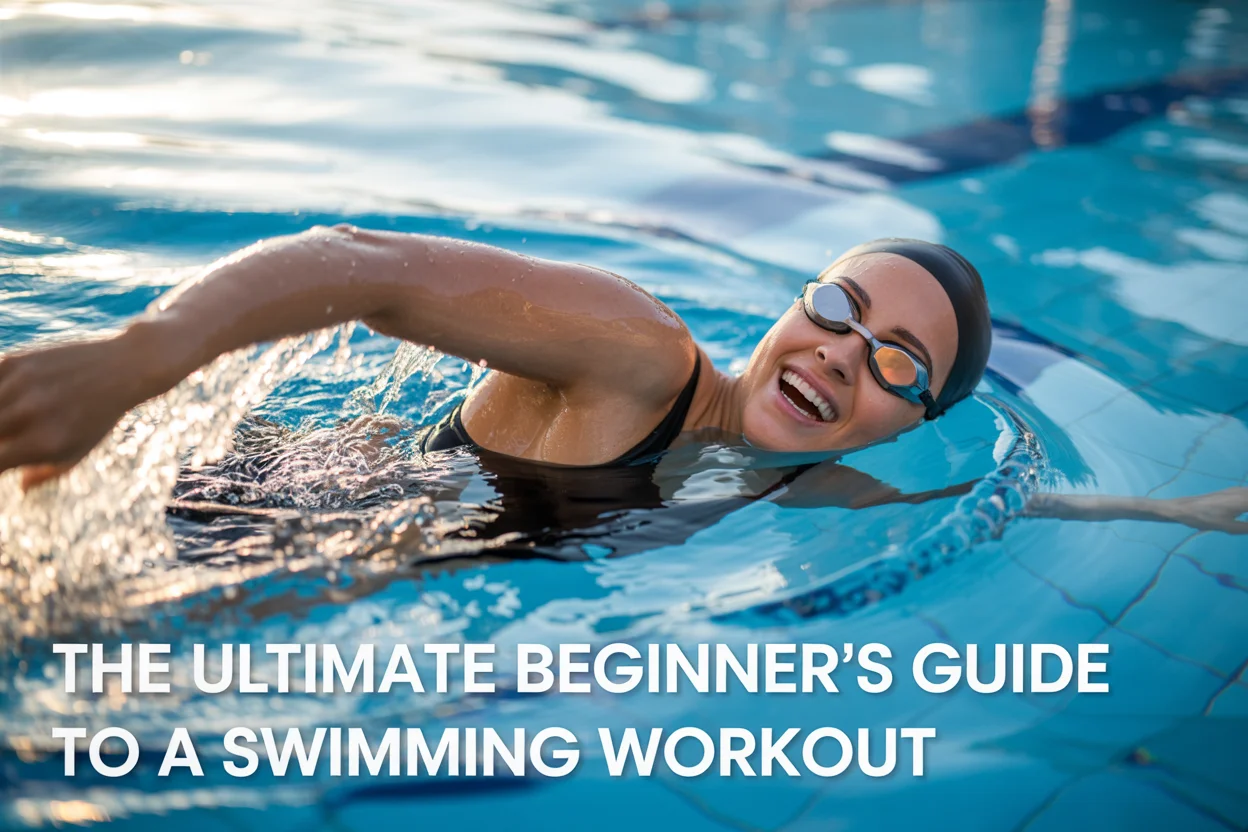
A swimming workout offers just that. It’s a powerful, low-impact exercise that tones your entire body, burns calories, and melts away stress. Whether you’re a complete novice or just getting back into the water, this guide will walk you through everything you need to start your swimming journey with confidence. We’ll cover everything from the basic gear and safety tips to simple routines you can fit into your schedule.

Key Takeaways
- Swimming is a full-body, low-impact workout perfect for moms, as it’s gentle on joints while effectively burning calories and building strength.
- Starting with the right gear, understanding pool etiquette, and prioritizing safety are crucial first steps for a positive experience.
- A proper warm-up and cooldown are non-negotiable for preventing injury and aiding recovery.
- Focusing on basic stroke techniques and breathing drills will build your endurance and efficiency in the water.
- Consistency is more important than intensity. Start with short, manageable sessions and gradually increase the duration and difficulty as you get stronger.
Why Swimming is a Game-Changer for Moms
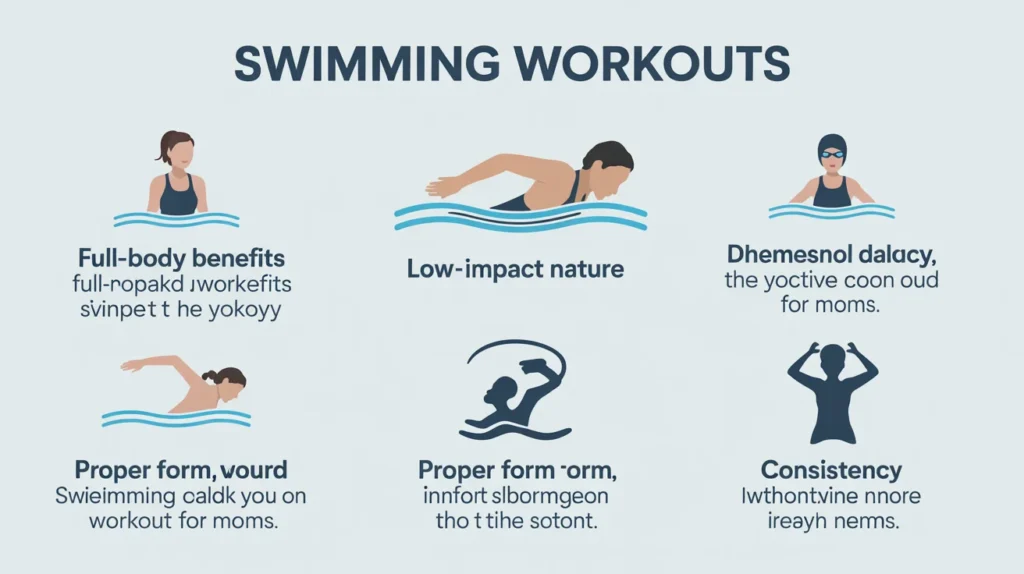
For moms looking to get back into a fitness routine, a swimming workout is one of the best choices you can make. First, it’s incredibly gentle on your body. The buoyancy of the water supports your weight, taking the pressure off your joints, which is a huge benefit, especially if you’re dealing with postpartum recovery or any lingering aches and pains.
This low-impact nature means you can work out vigorously without the jarring stress that comes from running or high-intensity classes. Second, swimming is a true full-body exercise. It engages your arms, shoulders, back, core, and legs all at once, helping you build lean muscle and tone up efficiently.
You get a combination of cardio and strength training in a single session. On top of the physical benefits, the rhythmic nature of swimming and the sensation of being in the water can be incredibly meditative, offering a much-needed mental break and a powerful way to reduce stress.

Essential Gear for Your First Swim
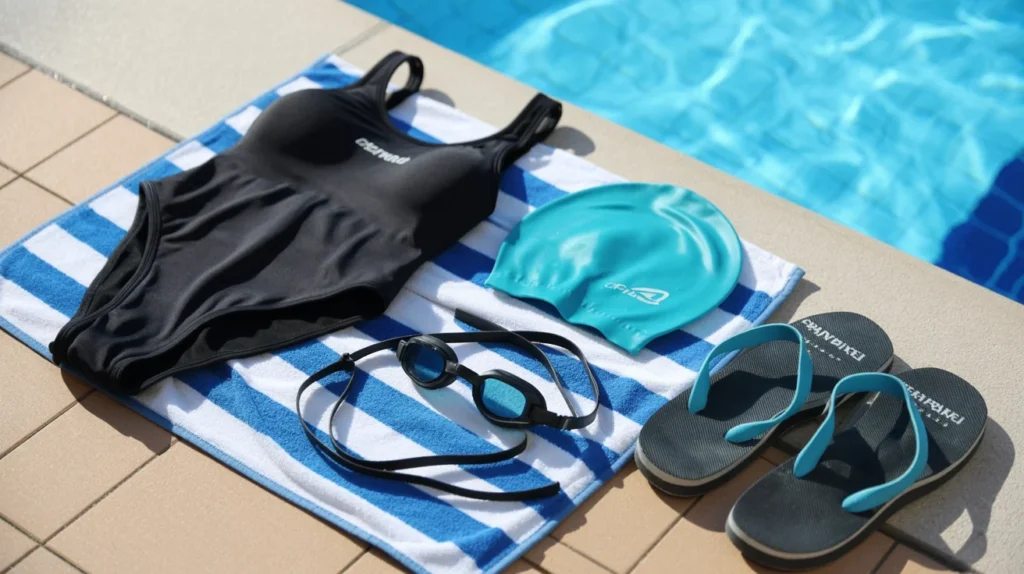
Getting started with swimming doesn’t require a lot of expensive equipment. You can assemble a solid beginner’s kit without breaking the bank. The most important item is a comfortable, well-fitting swimsuit designed for athletic use rather than lounging. Look for one that offers good support and stays in place as you move. Next, you’ll need a pair of goggles.
This is a non-negotiable item, as they protect your eyes from chlorine and allow you to see clearly underwater, which helps with your form and navigation in the lane. Try a few pairs to find one that creates a good seal around your eyes without being too tight. A swim cap is also highly recommended. It protects your hair from chlorine damage, keeps it out of your face, and reduces drag in the water. Silicone caps are generally more durable and comfortable than latex ones. Finally, consider a pair of flip-flops for the pool deck and locker room.
Pool Etiquette and Water Safety Basics
Before you jump in, it’s important to understand the unwritten rules of the pool and some fundamental safety guidelines. Most public pools have designated lanes for slow, medium, and fast swimmers. Start in the slow lane until you feel more comfortable with your pace. If you need to share a lane, it’s customary to “circle swim,” which means you stay on the right side of the lane, swimming up on one side and back on the other, just like driving.
If you need to pass someone, gently tap their feet to let them know you’re coming around. Always be aware of other swimmers to avoid collisions. From a safety perspective, never swim alone if you’re a beginner. Even in a pool with a lifeguard, it’s wise to be cautious. Pay attention to your body and don’t push yourself too hard, especially at first. If you feel dizzy, overly tired, or cramp up, get out of the water and rest.

The Perfect Warm-Up Routine
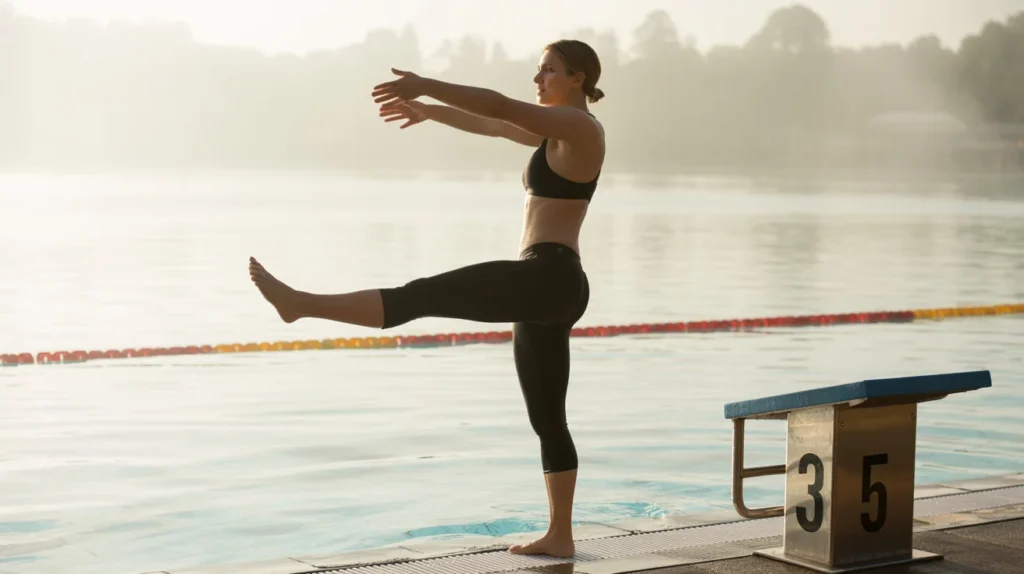
A proper warm-up is essential to prepare your muscles for exercise and prevent injuries. You should plan for a 5-to-10-minute warm-up that includes both dry-land movements and in-water activity. Before you get in the pool, spend a few minutes doing dynamic stretches on the deck.
- Arm Circles: Do 10-15 forward circles and 10-15 backward circles with each arm to warm up your shoulders.
- Leg Swings: Hold onto a wall or rail for balance and swing one leg forward and backward 10 times, then side to side 10 times. Repeat with the other leg.
- Torso Twists: Stand with your feet shoulder-width apart and gently twist your upper body from side to side.
Once you’re in the water, continue your warm-up with a few easy laps at a very slow pace. This could be 50 to 100 yards of gentle swimming or kicking with a kickboard. The goal is to slowly increase your heart rate and get your muscles accustomed to the water. This is a great time to focus on your breathing and form without worrying about speed.
Mastering Basic Stroke Techniques
You don’t need to be an Olympian to have an effective swimming workout. Focusing on one or two basic strokes is plenty to get started. The freestyle (or front crawl) is often the easiest and most efficient for beginners.
Freestyle Drills
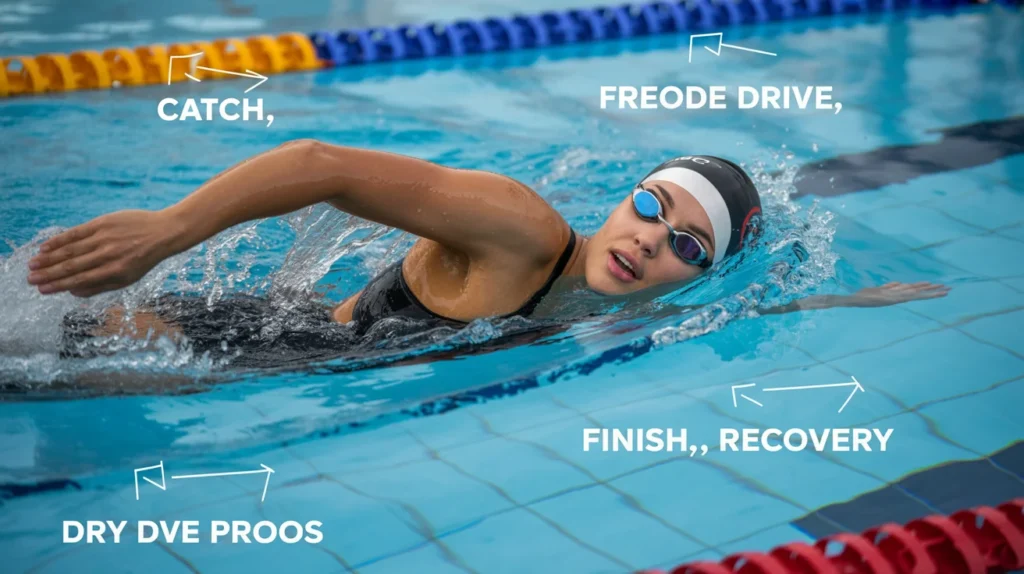
For freestyle, focus on keeping your body long and flat in the water. Your kick should come from your hips, not your knees, with your ankles relaxed. As one arm pulls through the water, the other extends forward. Practice breathing by turning your head to the side, keeping one ear in the water, as the arm on that same side is recovering out of the water. A great drill is the “catch-up” drill, where one hand stays extended in front of you until the other hand “catches up” to it before you take the next stroke. This slows you down and forces you to focus on your rotation and extension.
Backstroke Basics
Backstroke is another excellent option because your face is out of the water, which eliminates the complexity of coordinating your breath. Keep your hips up near the surface and use a steady flutter kick. Your arms should move in a circular motion, with one arm recovering straight up out of the water as the other pulls underneath.
Your First Beginner Swimming Workout
Once you’re comfortable with the basics, you can start structuring your sessions. A great beginner swimming workout focuses on intervals—short bursts of swimming followed by rest. This approach builds endurance without causing exhaustion. Don’t worry about speed; focus on completing the distance with good form.
Here is a sample 30-minute routine:
- Warm-Up (5 minutes): 100 yards of easy swimming (any stroke).
- Kick Set (5 minutes): 4 x 25 yards of kicking with a kickboard, with 20 seconds of rest after each 25.
- Main Set (15 minutes): 6 x 50 yards of freestyle. Swim the 50 yards, then rest for 30-45 seconds. Focus on maintaining consistent form.
- Cooldown (5 minutes): 100 yards of very slow swimming, using a mix of freestyle and backstroke.
Try to do a swimming workout like this two or three times a week. As you get stronger, you can increase the distances or reduce your rest time.
Breathing and Pacing for Endurance
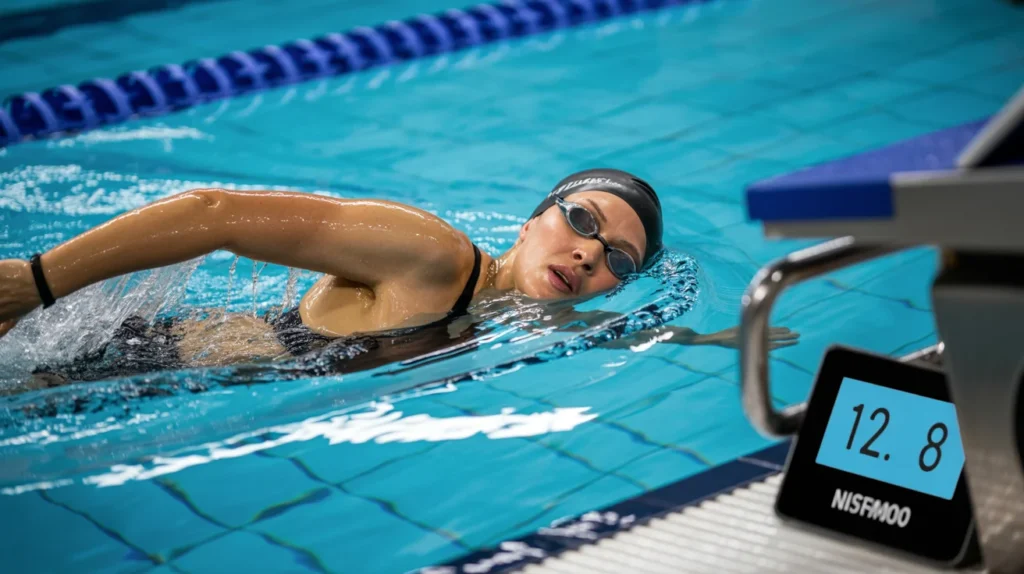
One of the biggest hurdles for new swimmers is breathing. It feels unnatural at first, and many people find themselves out of breath quickly. The key is to find a calm, consistent rhythm. For freestyle, try to breathe every three strokes (bilateral breathing).
This helps keep your stroke even on both sides, though breathing every two or four strokes is also fine. The most important thing is to exhale fully while your face is in the water. Holding your breath creates a buildup of carbon dioxide and makes you feel desperate for air.
Practice this by standing in the shallow end, taking a breath, putting your face in the water, and slowly bubbling the air out through your nose and mouth. Pacing is equally important. It’s better to swim four laps slowly without stopping than to sprint one lap and be completely exhausted. Find a pace that feels comfortable and sustainable.
Comparing Cardio Workouts for Moms
While swimming is a fantastic option, it’s helpful to see how it stacks up against other popular forms of cardio. Each has its own set of benefits.
| Feature | Swimming | Running/Jogging | Cycling (Outdoor/Stationary) |
|---|---|---|---|
| Impact on Joints | Very Low | High | Low |
| Full Body Workout | Excellent (Arms, Core, Legs) | Good (Primarily Legs/Core) | Good (Primarily Legs/Glutes) |
| Calorie Burn | High (approx. 400-600/hr) | Very High (approx. 600-800/hr) | High (approx. 400-750/hr) |
| Accessibility | Requires a pool | Can be done almost anywhere | Requires a bike/gym membership |
| Stress Relief | High (Meditative quality) | Moderate | Moderate |
As you can see, the biggest advantage of a swimming workout is its combination of a full-body workout with virtually no impact on your joints.

Cross-Training to Enhance Your Swim
To become a stronger, more resilient swimmer, it’s beneficial to incorporate some dry-land exercises into your weekly routine. This is known as cross-training. These exercises can be done at home with minimal equipment, making them easy to fit into a packed schedule. Focus on movements that strengthen your core, back, and shoulders, as these are your primary power-generating muscles in the water. Good options include:
- Planks: To build core stability.
- Glute Bridges: To strengthen your hips and glutes for a more powerful kick.
- Rows (with resistance bands): To mimic the pulling motion of your swim stroke and strengthen your back.
- Yoga or Pilates: To improve flexibility, balance, and core strength.
Even 15-20 minutes of these exercises twice a week can make a noticeable difference in your power and endurance during your swimming workout.

Hydration, Nutrition, and Recovery
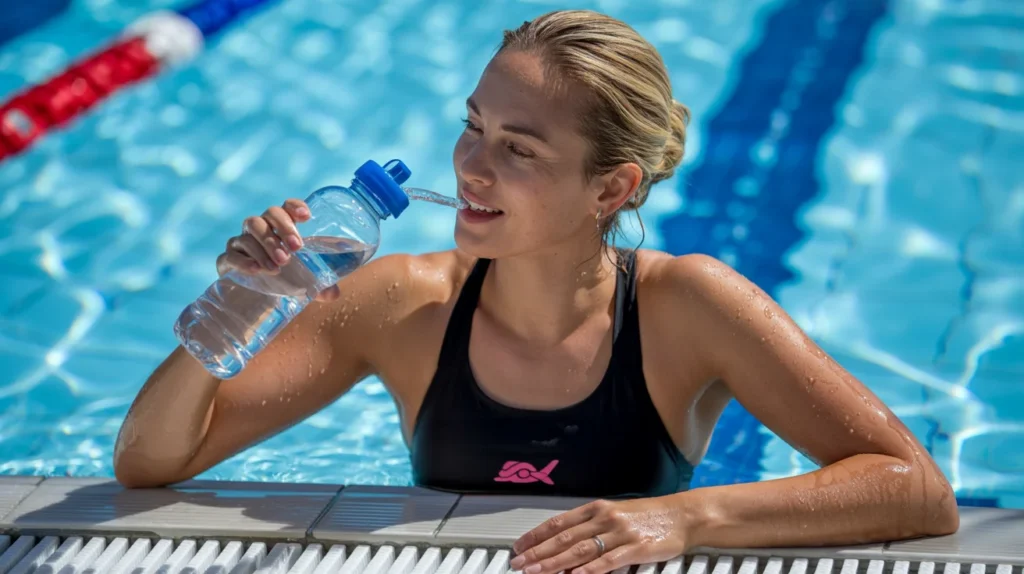
What you do out of the water is just as important as what you do in it. Because you’re surrounded by water, it’s easy to forget that you’re sweating and need to hydrate. Be sure to drink plenty of water before, during, and after your swim. Keep a water bottle at the end of your lane and take sips during your rest periods.
For nutrition, aim to have a small, easily digestible snack containing carbohydrates and a little protein about 30-60 minutes before you swim. After your workout, refuel with a balanced meal to help your muscles recover. Finally, recovery is key. A proper cooldown helps your body transition back to a resting state. After your last lap, spend five minutes swimming very slowly. Gentle stretching after you get out of the pool can also help reduce muscle soreness.
Staying Motivated with a Busy Schedule
The hardest part of any new fitness plan is sticking with it. To build a lasting habit, it helps to set realistic goals. Instead of aiming to swim five days a week, start with two and build from there. Schedule your swims in your calendar just like any other appointment. Finding a workout buddy can also be a huge motivator. Perhaps another mom from school is interested in starting a swimming workout too? You can help keep each other accountable.
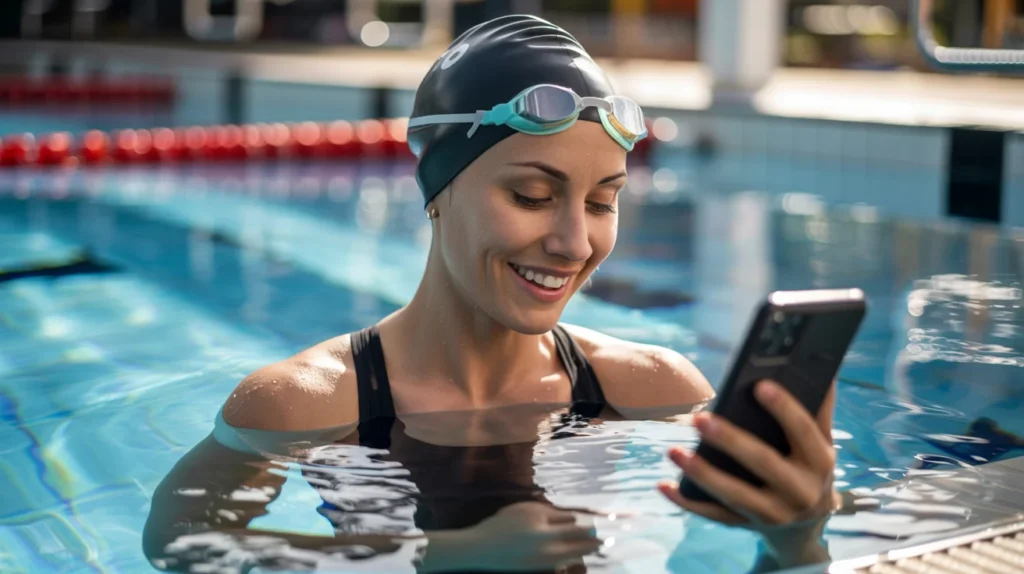
To stay engaged, track your progress. You can use a simple notebook or a fitness app to log your workouts, noting the date, duration, and distance. Seeing how far you’ve come over a few weeks can be incredibly rewarding and will inspire you to keep going. For information on the physical and mental health benefits of water-based exercise, you can visit the Centers for Disease Control and Prevention (CDC).
Common Mistakes for Beginners to Avoid
As you begin your swimming journey, you might encounter a few common roadblocks. Being aware of them can help you avoid frustration. A frequent mistake is focusing too much on the arms and forgetting about the rest of the body. A powerful swimming workout comes from a coordinated effort involving your core rotation and a steady kick. Another error is lifting your head too high to breathe in freestyle, which causes your hips and legs to drop, creating drag.
Try to keep one goggle in the water as you turn to breathe. Also, avoid the temptation to only use your arms by dragging your legs behind you. A kickboard is a great tool to help you practice and build strength in your kick. Finally, don’t compare yourself to the seasoned swimmers in the fast lane. Everyone starts somewhere, and your journey is your own. Focus on your form and your progress, and you’ll build confidence with every lap.

Recommended Conclusion
Starting a new fitness routine can feel intimidating, but a swimming workout is one of the most rewarding and accessible options for moms. It’s a powerful way to build strength, improve your cardiovascular health, and carve out some valuable “me time” in a refreshing environment. Remember to start slow, focus on your form, and be patient with yourself.
By equipping yourself with the right gear, understanding the basics of technique and safety, and staying consistent, you will quickly see and feel the amazing benefits. Celebrate your progress along the way, and enjoy the journey to becoming a stronger, healthier, and more confident swimmer. The pool is waiting for you.
Frequently Asked Questions (FAQ)
Q1: How many calories does a 30-minute swimming workout burn?
A: On average, a 155-pound person can burn approximately 215-250 calories during a 30-minute session of moderate-paced swimming. The exact number varies based on your weight, intensity, and stroke efficiency.
Q2: Is swimming good for weight loss?
A: Yes, swimming is excellent for weight loss. It is a full-body cardiovascular exercise that burns a significant number of calories. When combined with a healthy diet, a consistent swimming routine can be a very effective tool for managing weight. For more on the benefits, see the guidance from USA Swimming on the health benefits of the sport.
Q3: How soon after having a baby can I start swimming?
A: Most doctors recommend waiting at least six weeks postpartum, or until after you have had your postnatal check-up and have been cleared for exercise, to allow your body time to heal. It’s crucial to get approval from your healthcare provider before returning to any exercise, including swimming.
Q4: Will swimming make me bulky?
A: This is a common myth. While competitive swimmers develop defined shoulder and back muscles, a recreational swimming workout done a few times a week will not make you bulky. Instead, it will help you build long, lean muscle and improve your overall muscle tone.


