Introduction
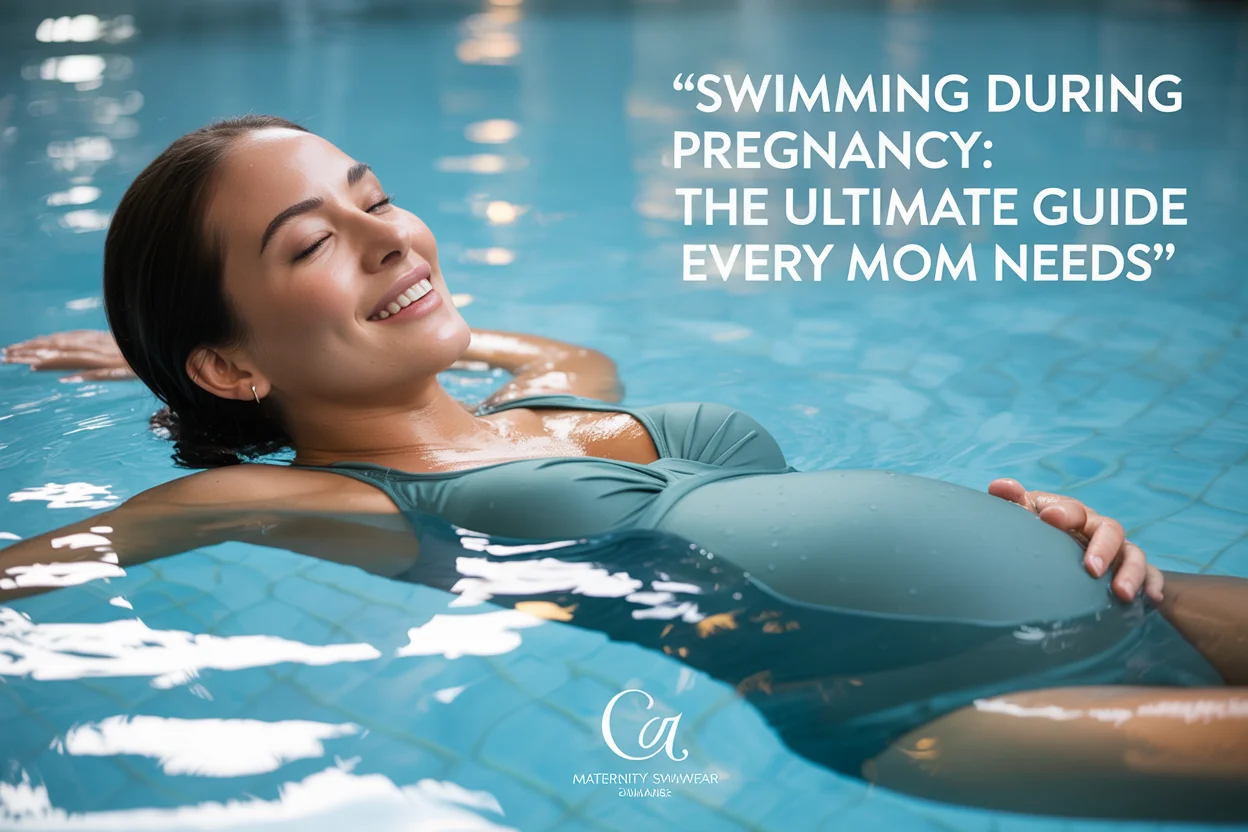
Pregnancy is a time of incredible change, and staying active can make a world of difference in how you feel. If you’re looking for a safe, effective, and enjoyable way to exercise, look no further than the water. This guide will walk you through everything you need to know about swimming during pregnancy.
From the amazing benefits to safety tips and gear recommendations, we’ve got you covered. Whether you’re a seasoned swimmer or just looking to dip your toes in, you’ll find that aquatic exercise can be a fantastic companion on your journey to motherhood.

Key Takeaways
- Swimming is one of the safest and most recommended forms of exercise during pregnancy, offering low-impact cardiovascular benefits.
- It helps alleviate common pregnancy discomforts like back pain, swelling, and joint pressure.
- Always consult your healthcare provider before starting any new exercise routine, including swimming.
- Proper hydration, listening to your body, and choosing safe swimming environments are crucial for a positive experience.
- Modifying your strokes and routine as your pregnancy progresses ensures both comfort and safety.

Why Swimming is a Superb Choice for Expectant Moms
When you’re pregnant, your body is working overtime. Finding an exercise that feels good and supports your changing physique is essential. Water provides a unique, buoyant environment that takes the pressure off your joints and spine. This weightless feeling is a welcome relief, especially in the later stages of pregnancy.
Beyond comfort, swimming during pregnancy offers a fantastic cardiovascular workout without the jarring impact of activities like running. It helps improve circulation, which can reduce swelling in your legs and ankles.

The resistance of the water also helps tone muscles, building strength that will be beneficial during labor and recovery. Many women find that a gentle swim can also ease nausea and boost energy levels, making it a perfect activity for busy moms-to-be who need a physical and mental lift.
The Many Benefits of Aquatic Exercise
Engaging in regular physical activity while pregnant provides numerous advantages for both you and your baby. Swimming, in particular, stands out as a highly beneficial option. It’s a full-body workout that is gentle yet effective, making it suitable for all trimesters.
Relieving Pregnancy Aches and Pains
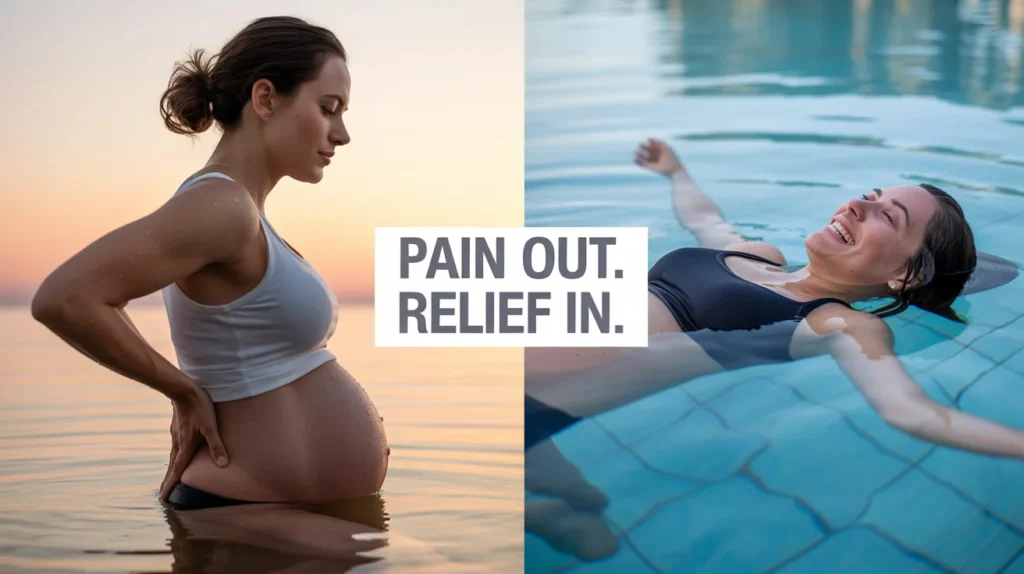
One of the most celebrated benefits of swimming is its ability to soothe the aches that often accompany pregnancy. The buoyancy of water supports your growing belly, taking a significant load off your lower back and pelvis. This can provide immediate relief from sciatica and general back pain.
The cool water can also help reduce inflammation and swelling (edema), a common issue for many expectant mothers. Simply floating can decompress your spine and give your overworked joints a much-needed break. It’s like a spa day and a workout rolled into one.
Improving Your Sleep and Mood
Getting a good night’s sleep can become a real challenge as your pregnancy progresses. Regular, moderate exercise like swimming has been shown to improve sleep quality. A refreshing swim can help regulate your sleep patterns, making it easier to fall asleep and stay asleep.
Furthermore, exercise releases endorphins, which are natural mood elevators. A dip in the pool can help combat stress, anxiety, and the emotional ups and downs of pregnancy, leaving you feeling more relaxed, positive, and in control. This mental health boost is just as important as the physical benefits.

Building Strength and Endurance for Labor
Labor is a marathon, not a sprint. Building physical stamina can make a significant difference in your childbirth experience. Swimming during pregnancy is an excellent way to improve your cardiovascular health and build muscle endurance.
Stronger core, back, and leg muscles can help you manage the physical demands of labor more effectively. By staying active in the water, you are preparing your body for the hard work ahead, potentially leading to a smoother delivery and a quicker postpartum recovery.

Getting Started: Your First Trimester Swim
The first trimester can be a mix of excitement and exhaustion, often accompanied by morning sickness. For many, the thought of exercise might seem daunting, but a gentle swim can actually help alleviate some of these early pregnancy symptoms. The cool water and light movement can be very soothing for nausea.
Start slowly, especially if you weren’t an active swimmer before pregnancy. Begin with short sessions of 15 to 20 minutes, two or three times a week. Focus on comfortable strokes and listen to your body. The goal is to feel refreshed, not exhausted.
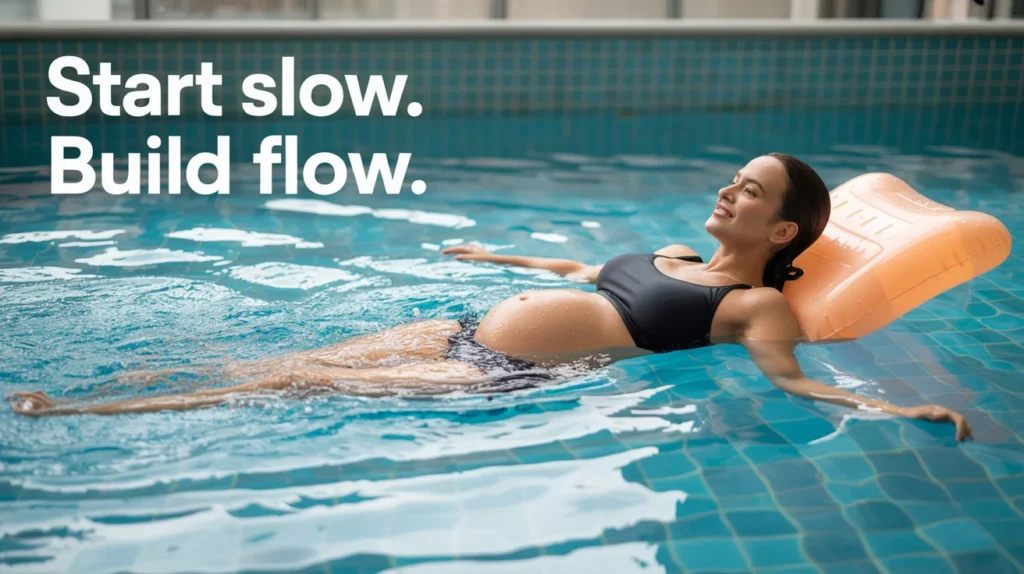
This is also the perfect time to establish a routine that you can adapt as your body changes. Remember to stay hydrated by drinking plenty of water before, during, and after your swim. This initial phase is all about creating a positive and sustainable habit.
Swimming Through Your Second Trimester
Often called the “honeymoon” phase of pregnancy, the second trimester is when energy levels typically rebound and morning sickness subsides. This is an ideal time to fully embrace your swimming routine. You might feel comfortable increasing the duration or frequency of your swims. Your growing belly will start to appreciate the weightless support of the water even more.
This is a good time to experiment with different strokes to see what feels best. The breaststroke and backstroke are often favorites as they put less strain on the abdominal muscles and shoulders.
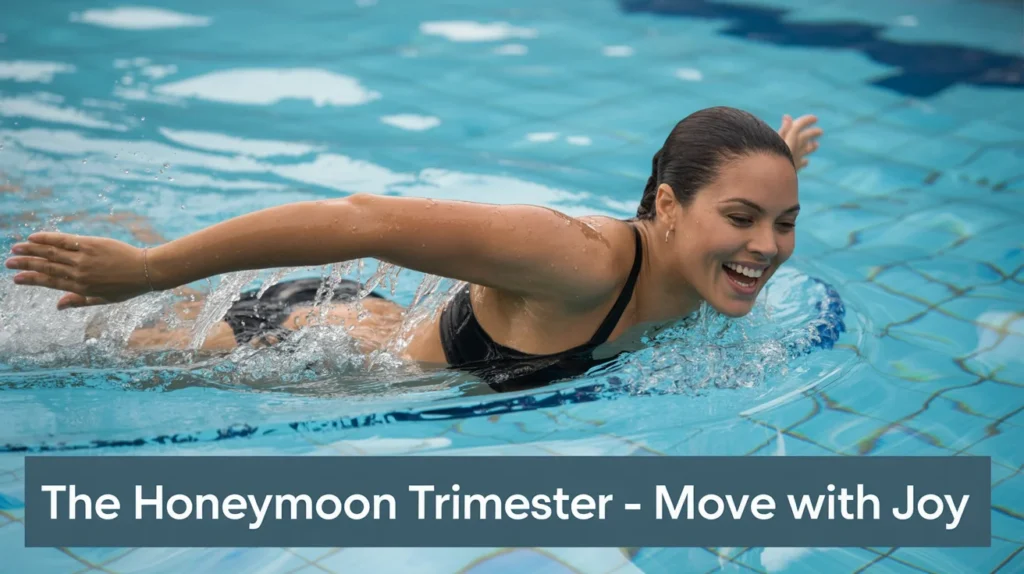
As your center of gravity shifts, be mindful of your balance when walking on wet pool decks. The second trimester is a great period to build on the foundation you set in the first, boosting your fitness and enjoying the feeling of moving freely in the water.
Adapting Your Swim in the Third Trimester
As you enter the final stretch, your body will experience the most significant changes. Your belly is at its largest, and you may feel more tired and uncomfortable. This is when the benefits of swimming during pregnancy truly shine. The water’s buoyancy will feel like a miracle, offering unparalleled relief from the weight and pressure on your body.
You will likely need to modify your routine. Shorten your swim sessions if you feel fatigued, and focus on gentle movements. The breaststroke may become uncomfortable due to the outward leg kick, so you might prefer a gentle freestyle or backstroke.

Some women find that simply floating or water walking is enough to feel the benefits. Always avoid lying flat on your back for extended periods, even in the water, as it can restrict blood flow.
Is Swimming Safe Throughout Pregnancy?
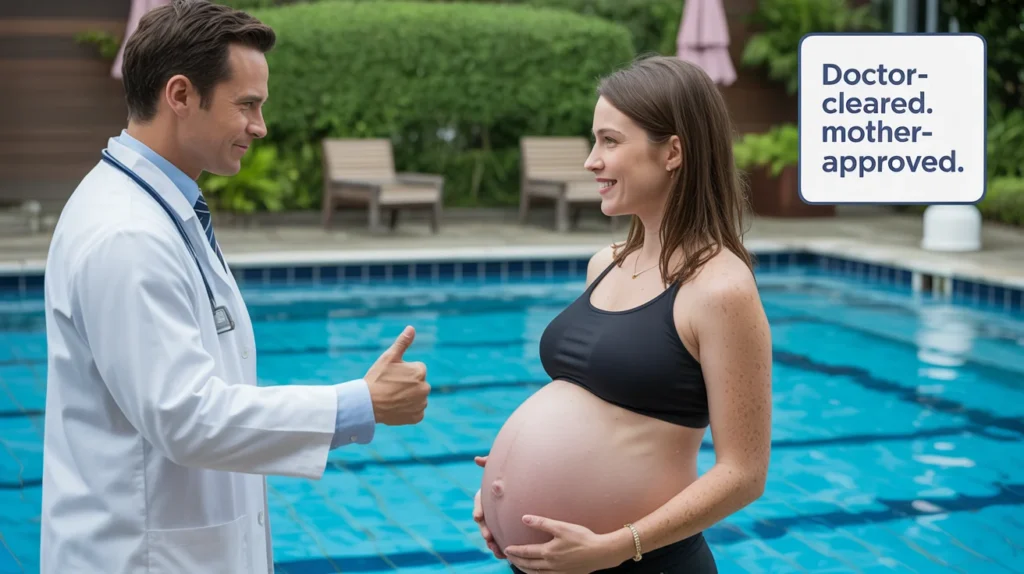
For most healthy pregnancies, swimming is considered one of the safest exercises available. The American College of Obstetricians and Gynecologists (ACOG) recommends it as a great way for expectant mothers to stay active. However, it’s crucial to get the green light from your doctor or midwife before you begin.
Certain conditions might make swimming inadvisable, such as a high-risk pregnancy, vaginal bleeding, or a ruptured membrane. Always communicate with your healthcare provider about your exercise plans. Once cleared, you can feel confident that you are choosing a low-risk activity that supports a healthy pregnancy. Remember that your body’s signals are your best guide; never push yourself to the point of exhaustion or pain.
Choosing the Right Strokes
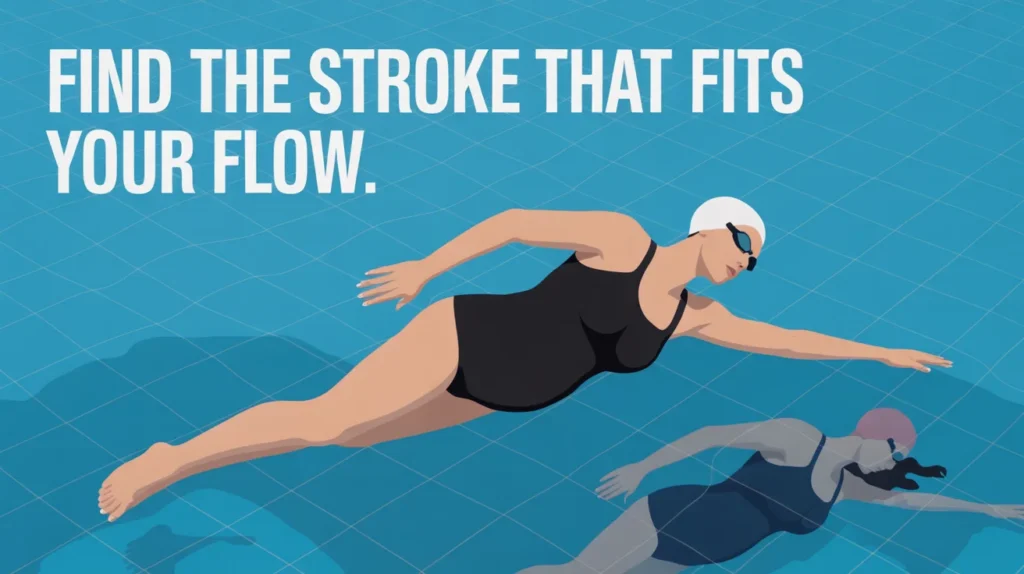
While Swimming During Pregnancy is generally safe, some strokes are more comfortable and beneficial than others as your body changes.
- Breaststroke: This is an excellent choice, especially early on. It helps lengthen chest muscles and shorten back muscles, counteracting the slouch that can come with a growing belly. In the third trimester, some women find the kick uncomfortable on their pelvic joints.
- Backstroke: A great option for taking all pressure off your belly and opening up your chest. However, avoid staying flat on your back for too long, especially later in pregnancy. Keep your sessions moderate and change positions frequently.
- Freestyle (Crawl): This classic stroke provides a great all-around workout. You may need to adjust your breathing technique to avoid twisting your torso too much as your belly grows.
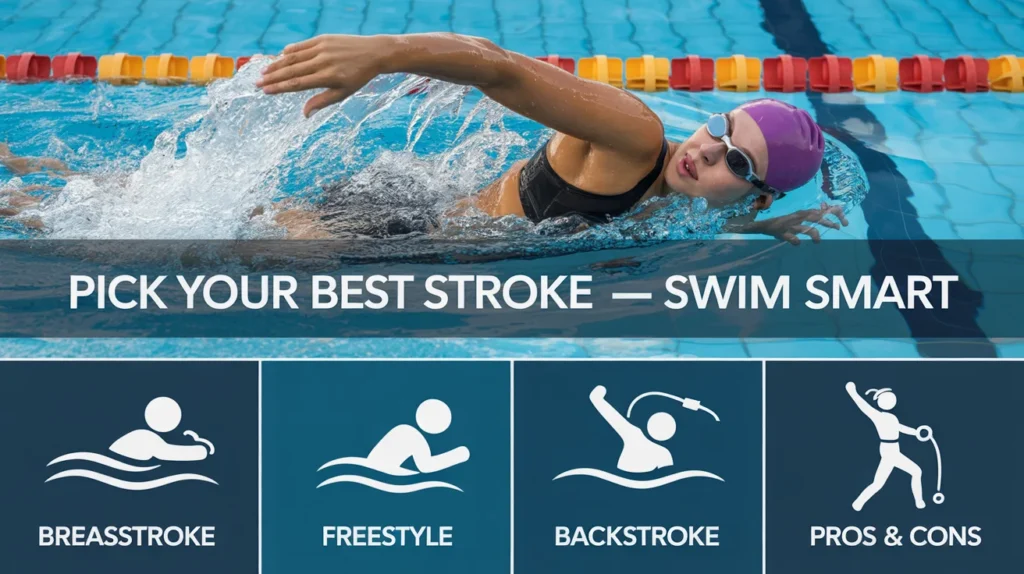
Comparing Popular Swimming Strokes for Pregnancy
| Stroke | Pros | Cons | Best For |
|---|---|---|---|
| Breaststroke | Good for posture, gentle on the body. | Can strain pelvic ligaments in late pregnancy. | First and second trimesters. |
| Freestyle (Crawl) | Excellent cardiovascular workout. | May require breathing modification to avoid twisting. | All trimesters, with adjustments. |
| Backstroke | Relieves pressure on the abdomen. | Avoid staying flat on your back for long periods. | Short intervals throughout pregnancy. |
| Water Aerobics | Low-impact, social, and guided. | Class availability might be limited. | All trimesters. |
Essential Gear for Your Pregnancy Swim
You don’t need a lot of fancy equipment for swimming during pregnancy, but a few key items can enhance your comfort and safety. A well-fitting maternity swimsuit is a must. Look for one with good support, stretchy fabric, and a design that accommodates your growing bump.
Goggles are also important to protect your eyes from chlorine and improve visibility. Finally, consider a pair of non-slip pool shoes to wear on the deck to prevent falls. If you enjoy using them, a kickboard or pull buoy can help you focus on specific muscle groups without overexerting yourself.

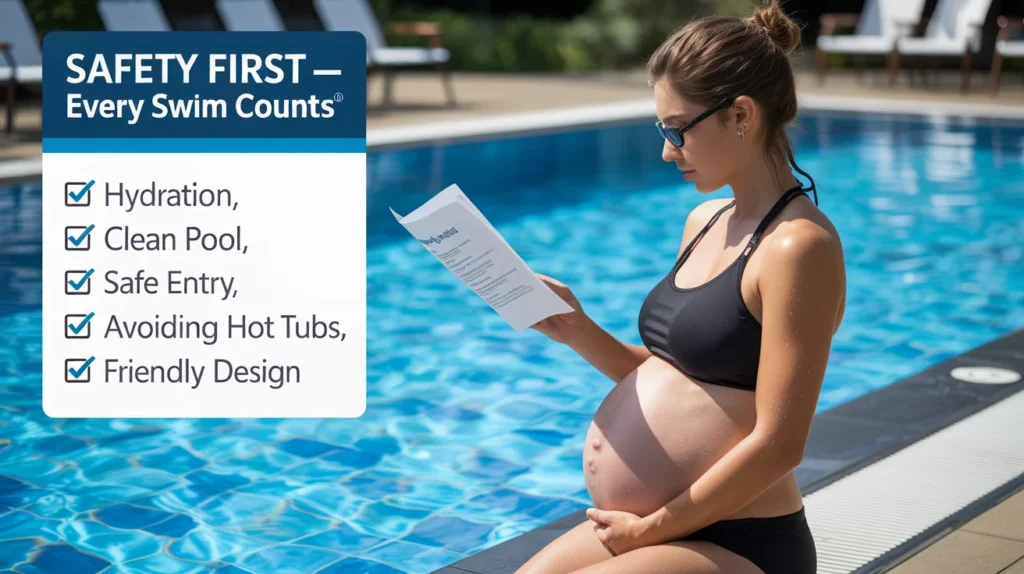
Safety First: Tips for a Healthy Swim
To ensure your Swimming During Pregnancy experience is safe and enjoyable, keep these important tips in mind:
- Consult Your Doctor: Always get medical clearance before starting.
- Stay Hydrated: Drink water before, during, and after your swim.
- Avoid Overheating: Steer clear of hot tubs, saunas, and overly warm pools. The pool temperature should be comfortable, not hot.
- Listen to Your Body: Stop if you feel dizzy, short of breath, or experience any pain.
- Safe Entry and Exit: Use handrails and steps to get in and out of the pool carefully.
- Choose a Clean Pool: Swim in well-maintained pools to avoid exposure to harmful bacteria.
Frequently Asked Questions (FAQ)
Q: Can I swim in the ocean while pregnant?
A: Yes, Swimming During Pregnancy in the ocean is generally safe. Be mindful of strong currents and waves. It’s also a good idea to check local water quality reports. Avoid areas with known pollution or contaminants.
Q: Is it safe to use a public pool during pregnancy?
A: Yes, as long as the pool is properly maintained and chlorinated. The chlorine levels in a well-managed pool are effective at killing germs and are not harmful to you or your baby.
Q: How often should I be swimming during pregnancy?
A: A good goal for a healthy pregnancy is about 30 minutes of moderate exercise on most days of the week. This could be three to five swimming sessions per week, depending on your fitness level and how you feel.
Q: Can swimming help induce labor?
A: There is no scientific evidence to suggest that swimming can induce labor. It is, however, an excellent way to stay comfortable and relaxed in the final weeks of pregnancy.