Introduction
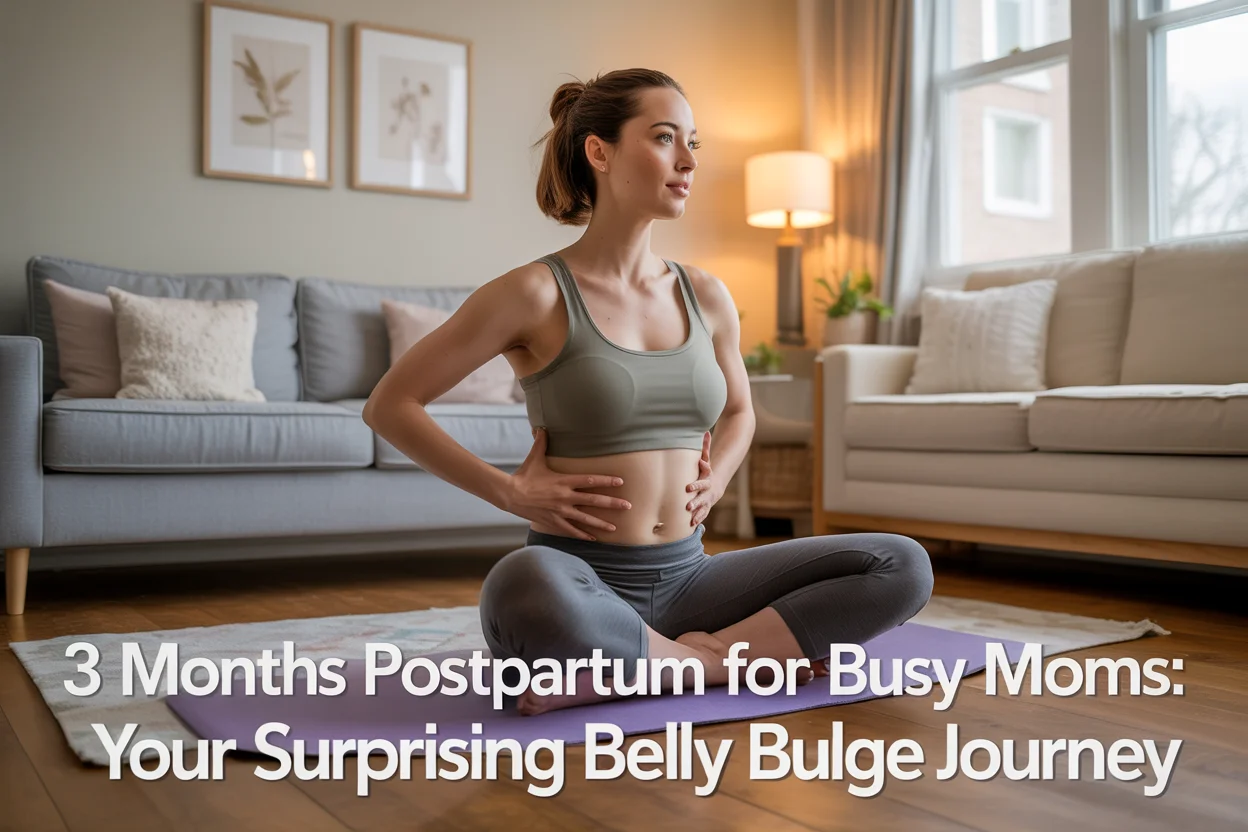
If you’re three months postpartum and noticing a persistent belly bulge, you’re not alone. Many new mothers are surprised by how long the postpartum tummy can linger and may feel frustrated or concerned about their progress.
However, this journey is about more than just “bouncing back”—it’s about moving forward with a new, stronger body and giving yourself the time and patience you deserve.

This comprehensive guide explores what causes a postpartum belly bulge, realistic strategies for healing, and practical tips you can use to feel confident and strong again. We’ll cover topics from diastasis recti and pelvic floor care to gentle exercises, nutrition, and when you might benefit from professional help.
Key Takeaways
- Patience is Essential: Postpartum recovery takes time. It took nine months to grow a baby, and it can take just as long, if not longer, for your body to fully recover.
- Understand the Cause: A postpartum belly bulge isn’t always just fat. It can be due to diastasis recti (abdominal separation), a weakened pelvic floor, or stretched skin.
- Gentle Movement is Key: Focus on gentle, core-strengthening exercises rather than intense ab workouts, especially in the early months.
- Nutrition Matters: A balanced diet rich in protein, fiber, and healthy fats supports healing and provides the energy needed to care for a new baby.
- Seek Professional Guidance: Don’t hesitate to consult a physical therapist specializing in postpartum care for a proper diagnosis and a personalized recovery plan.
What is a Postpartum Belly Bulge, Really?
After childbirth, the body goes through enormous changes. The uterus expands, abdominal muscles stretch, and organs shift to make space for your baby. Even after the baby arrives, your abdominal muscles and skin need time to recover and may not snap back right away.
A lingering belly bulge is very common and is not simply leftover “baby weight.” For many, the linea alba—the connective tissue running down the middle of your abs—gets overstretched during pregnancy, leading to a separation known as diastasis recti. This separation is a major factor behind the postpartum tummy pooch and requires patience and a specific approach to healing.

Why Might You Still Look Pregnant Months Later?
Wearing maternity leggings or noticing a rounder midsection at your three-month postpartum mark is completely normal. Several overlapping factors might cause your belly bulge to persist:
1. Diastasis Recti (Abdominal Separation)
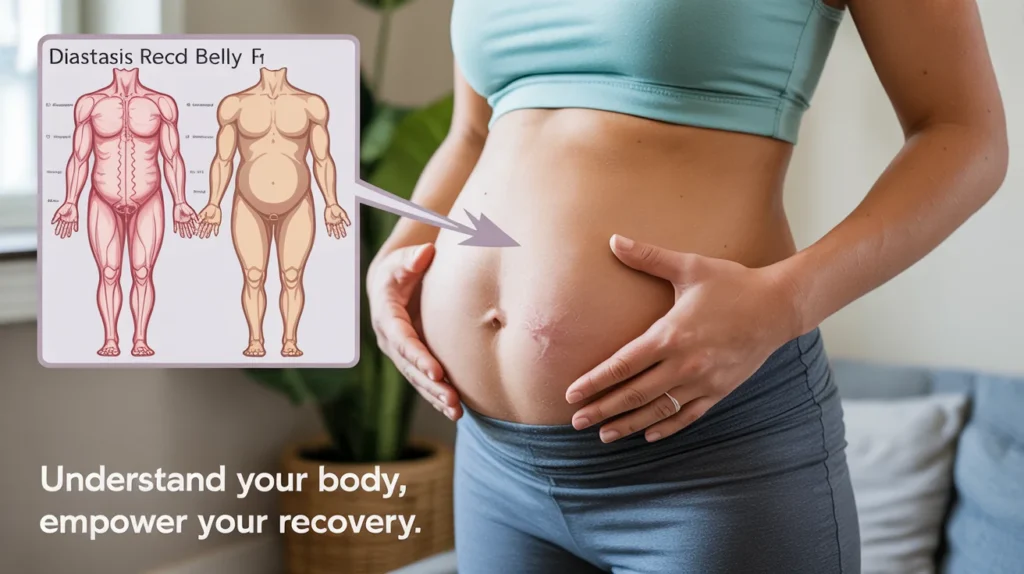
During pregnancy, the growing uterus stretches the connective tissue between the “six-pack” muscles, creating a gap. You can check for this at home by lying on your back with knees bent, gently lifting your head, and feeling for a gap along your midline—or seek a professional evaluation from a physical therapist. This separation can leave your core weaker and your belly looking rounder.
2. Weakened Pelvic Floor
Your pelvic floor supports key organs like the bladder and uterus. After pregnancy and childbirth, these muscles may be weaker. A weak pelvic floor reduces core stability and can contribute to the belly’s protruding appearance. Posture issues, often related to a weak core, may make this even more evident.
3. Hormonal Shifts and Body Fat
Postpartum hormones can affect how your body stores fat, particularly around the belly. Hormones like relaxin, which loosened ligaments for childbirth, may linger for months. The body also stores extra fat during pregnancy for breastfeeding—so expect gradual, not immediate, changes.

Diastasis Recti vs. Regular Postpartum Belly Fat
Recognizing whether you are dealing with diastasis recti or simply postpartum belly fat helps tailor your recovery plan. Diastasis recti needs gentle abdominal exercises, while overall belly fat is managed through nutrition and total-body fitness. Standard ab workouts can make diastasis recti worse.
Here’s how to tell the difference:
| Feature | Diastasis Recti | Postpartum Belly Fat |
|---|---|---|
| What it is | Separation of the rectus abdominis muscles. | A layer of subcutaneous fat over the abdomen. |
| How it feels | A gap or soft area down the middle of your belly. | Soft and pinchable all over the stomach area. |
| Appearance | A visible “pooch” or doming shape when engaging your abs. | A general softness or roundness across the belly. |
| Best Approach | Targeted core and pelvic floor exercises; physical therapy. | Balanced nutrition and full-body cardio and strength training. |
Understanding these differences helps you focus on healing, not just calories, and avoid movements that could slow your recovery.
Your Postpartum Fitness Journey: Where to Start
It’s natural to want to return to your pre-pregnancy workouts, but postpartum bodies need a cautious, gradual approach focused on healing, not intensity. Here’s how you can begin:
Month 1: The “Fourth Trimester”
In the first six weeks, prioritize rest and gentle bonding. Slow walking and diaphragmatic (belly) breathing are excellent for reconnecting with your core and engaging the pelvic floor softly.
How to try diaphragmatic breathing:
- Lie on your back, place a hand on your belly, and inhale deeply so your belly rises.
- As you exhale, gently draw your navel toward your spine, imagining a hug around your baby.

Months 2-3: Building Your Foundation
Once you get medical clearance for exercise, incorporate simple, functional movements. Avoid anything that causes your belly to “cone” or “dome,” a sign of excess strain.
Try these exercises:
- Pelvic Tilts: Lie on your back with knees bent, gently tilt your pelvis to flatten your back against the floor, engaging your lower abs.
- Heel Slides: In the same position, slowly slide a heel away from your body and back, keeping your core engaged.
- Glute Bridges: Strengthens glutes and hamstrings, supporting pelvis and back.
Aim for short daily routines, focusing on proper form and core activation.
Nutrition’s Role in Healing the Belly Bulge
Healing from a belly bulge involves more than movement. Nutrition is essential in supporting your recovery and energy, especially while nursing or caring for a newborn. Restrictive diets aren’t recommended—choose nutrient-rich foods that help your body heal.
Consider:
- Lean Protein: Chicken, fish, eggs, or legumes for tissue repair.
- Healthy Fats: Avocado, nuts, and olive oil to reduce inflammation and balance hormones.
- Complex Carbs: Oats, quinoa, and sweet potatoes for lasting energy.
- Hydration: Plenty of water for milk supply and skin health.
For healthy digestion, include ample fiber from fresh fruits and vegetables. If you need more details, check out the Academy of Nutrition and Dietetics’ postpartum guide.

Professional Help: When to See a Physical Therapist
If you’re unsure how to proceed—or if you want the most effective, individualized recovery plan—consider seeing a pelvic floor physical therapist. These specialists can accurately assess diastasis recti, pelvic floor strength, and other postpartum conditions. A PT will guide you through safe exercises and adjustments to daily activities (like lifting a baby carrier) to support healing and comfort.
For resources, visit the American Physical Therapy Association.

Embracing Your New Normal
Remember, your postpartum belly bulge is not a sign of weakness—it’s a symbol of strength. Your body has undergone an incredible transformation and deserves kindness, not criticism.
Shift your focus from “bouncing back” to “building back:” Strengthen your body in a gradual, mindful way that supports your lifestyle and motherhood journey. Progress may be slow, but every step is worth celebrating.

Frequently Asked Questions (FAQ)
Q1: How long does it take for the postpartum belly bulge to go away?
There’s no set timeline. Genetics, birth type, exercise, and individual recovery play a role. For some, it may take six to twelve months, or longer, to see major changes.
Q2: Can crunches help fix my belly bulge?
Traditional ab exercises like crunches or sit-ups are generally discouraged in early postpartum, especially if you have diastasis recti. They may worsen separation. Gentle, deep core exercises are safer and more effective.
Q3: Can you heal diastasis recti years later?
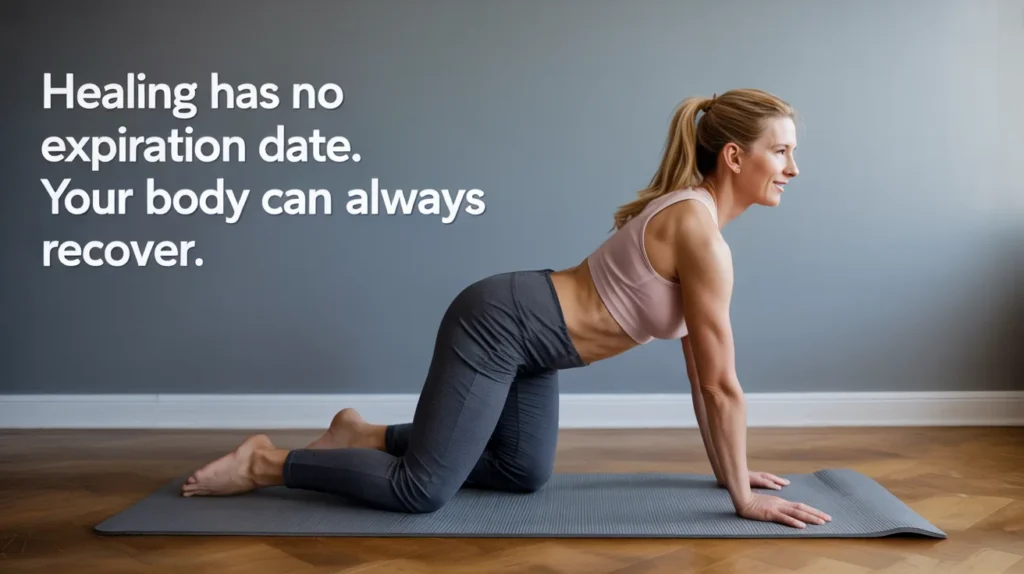
Yes! While early intervention helps, improvement is possible with the right guidance even years after giving birth.
Q4: Does breastfeeding help shrink the uterus and reduce the belly bulge?
Yes. Breastfeeding triggers hormones that help the uterus contract, which can help reduce the initial bulge after pregnancy.
Conclusion
By understanding your body’s changes, knowing the difference between diastasis recti and ordinary belly fat, and prioritizing gentle movement and good nutrition, you can navigate your postpartum fitness journey with confidence and care. Remember: healing takes time, and your dedication is powerful.