Introduction
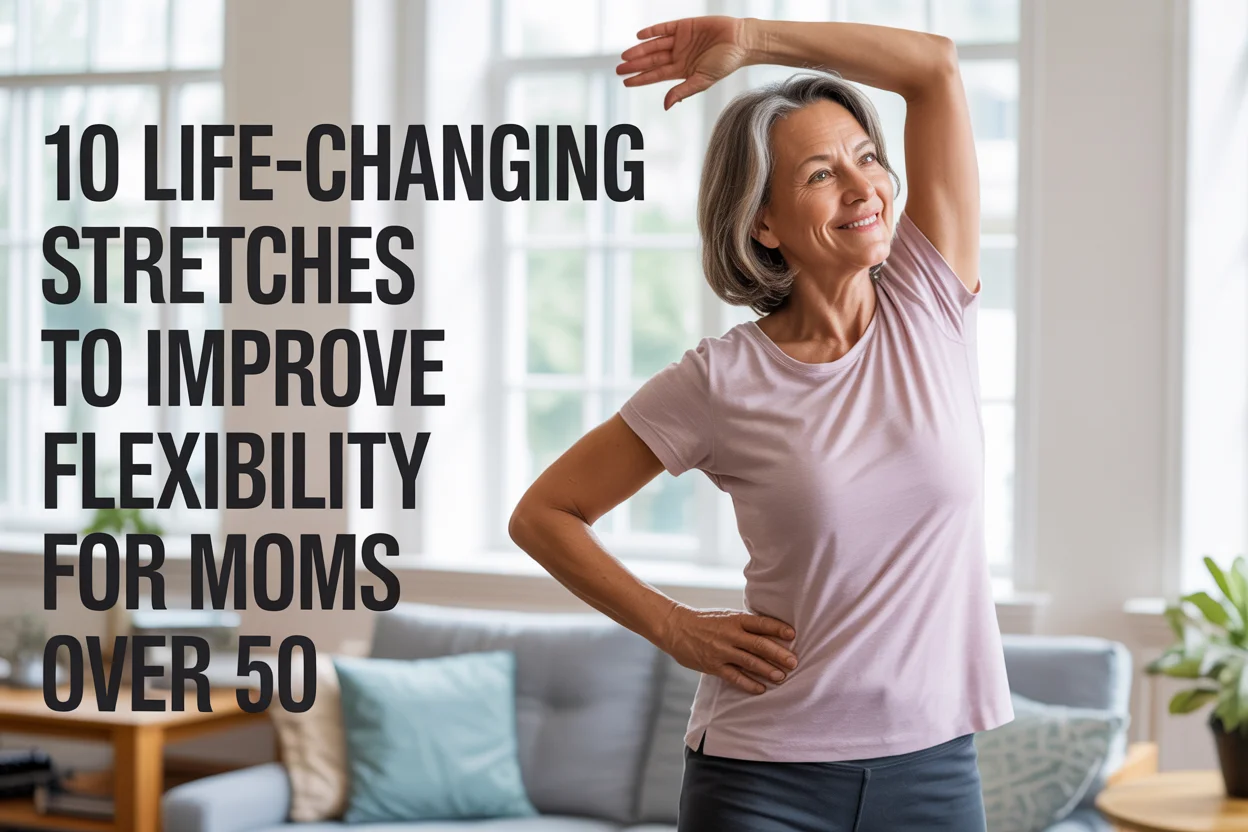
Staying active and mobile is a key part of enjoying life to the fullest, especially as we get older. For many moms over 50, the days of chasing toddlers might be over, but the desire to keep up with grandkids, enjoy hobbies, and move without pain is stronger than ever.
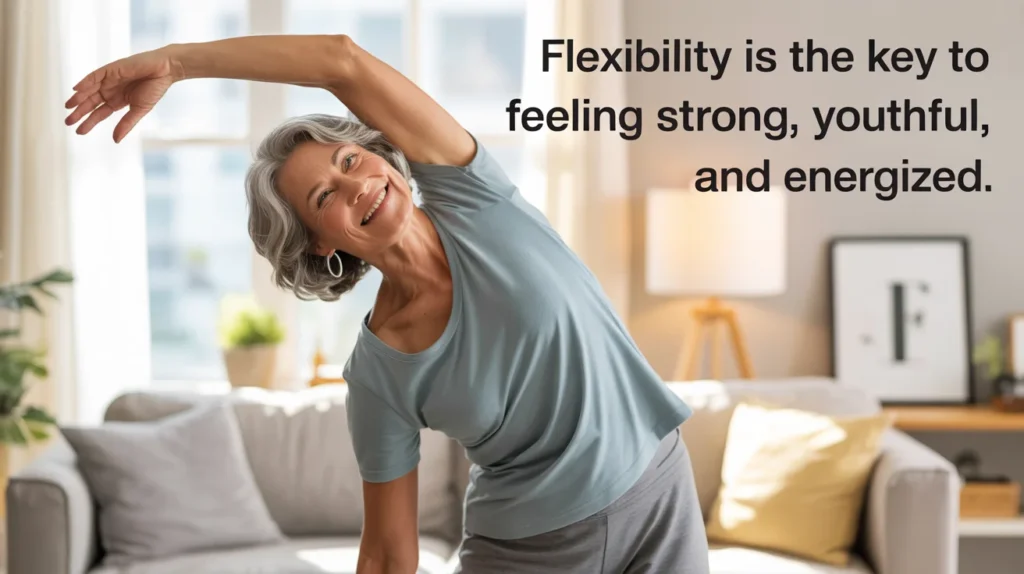
A crucial part of this is maintaining and even enhancing your physical capabilities. This is where a consistent stretching routine can make a world of difference. It’s not about contorting into pretzel-like shapes; it’s about gentle, consistent movements that can help you feel more youthful, energetic, and free in your body.
Embracing stretching is a powerful step to Improve Flexibility and support your overall well-being for years to come. This guide will walk you through ten simple, effective stretches designed specifically for you.
Key Takeaways
- Flexibility naturally decreases with age, but a regular stretching routine can counteract this decline.
- Stretching improves more than just flexibility; it enhances circulation, reduces injury risk, and alleviates joint stiffness.
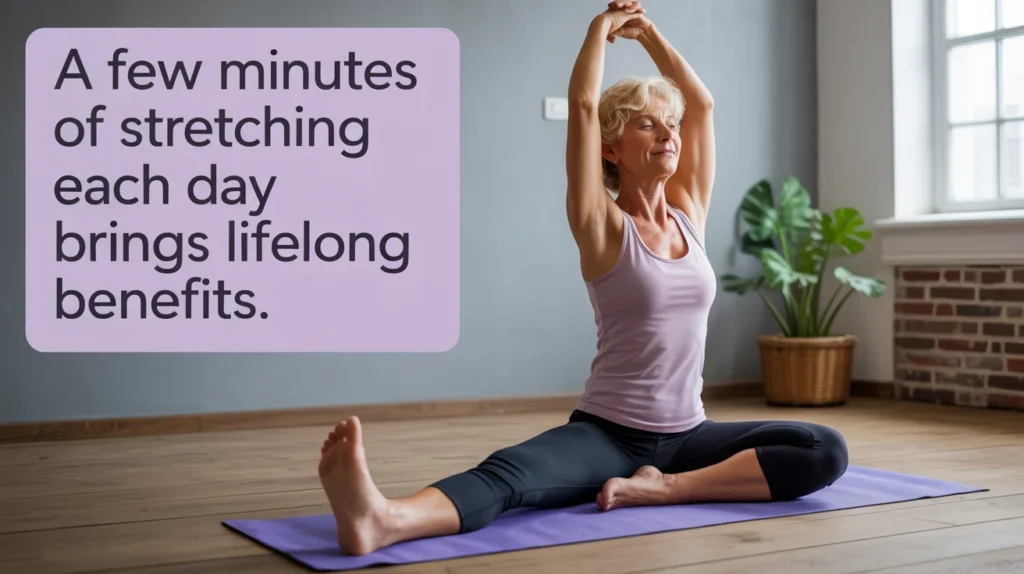
- Consistency is more important than intensity. A few minutes of gentle stretching daily can Improve Flexibility and beneficial than one long, intense session per week.
- Listen to your body. Never push a stretch to the point of pain. The goal is a gentle pull, not a sharp discomfort.
Why Flexibility is Crucial After 50
As we age, our bodies undergo natural changes. Muscles can lose mass and elasticity, and the connective tissues around our joints can tighten. This combination often leads to a noticeable decrease in our range of motion.
Simple tasks that were once effortless, like tying your shoes or reaching for something on a high shelf, can become challenging. This isn’t just an inconvenience; it can impact your quality of life and independence.
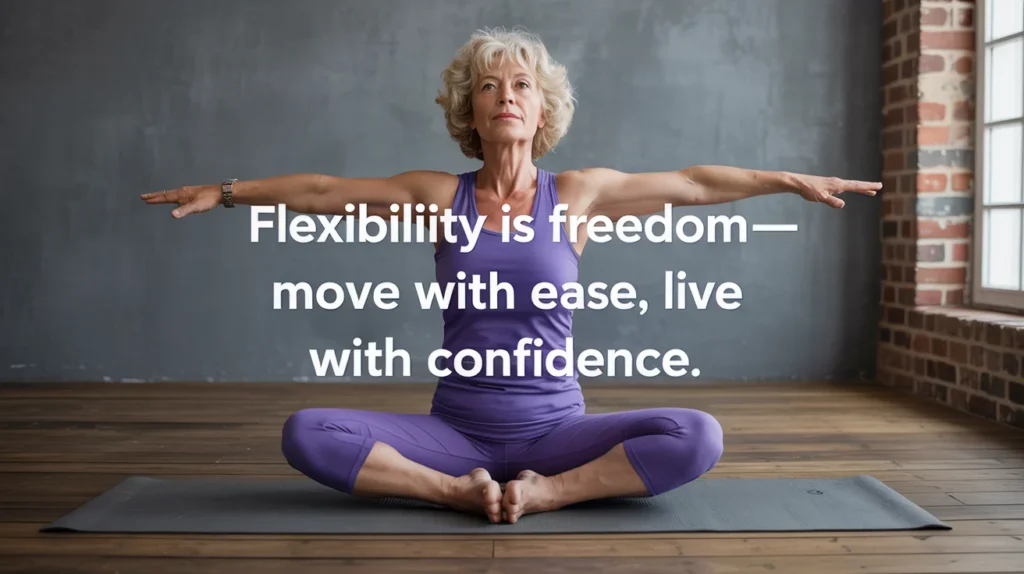
Prioritizing movements that Improve Flexibility is one of the most effective ways to combat these age-related changes. When your muscles are pliable and your joints can move through their full range, you’re less likely to suffer from aches, pains, and stiffness.
Improve Flexibility helps maintain proper posture, which can prevent back and neck pain. Furthermore, it significantly reduces your risk of injuries from falls or sudden movements, a concern for many in this age group. Think of it as investing in your body’s future, ensuring you can continue to do the activities you love with ease and confidence.
The Science Behind Stretching
Stretching works by gently elongating your muscles and the surrounding fascia, which is the connective tissue that encases your entire muscular system. When you hold a stretch, you are signaling your nervous system to relax and allow the muscle to lengthen.
According to the American Council on Exercise, regular stretching can lead to lasting gains in flexibility and range of motion. Improve Flexibility also increases blood flow to your muscles, which delivers essential oxygen and nutrients that help with repair and reduce soreness. This process is vital for maintaining healthy, resilient muscle tissue as you age.

Before You Begin: Safety First
Before starting any new exercise routine, it’s wise to be prepared. The most important rule of stretching is to never stretch a cold muscle. A brief warm-up is essential to get your blood flowing and prepare your muscles for activity.
Warm-Up Ideas:
- Marching in place: Lift your knees gently for 3-5 minutes.
- Arm circles: Make slow, controlled circles with your arms forward and then backward.
- A short walk: Even a five-minute walk around your house or neighborhood is enough to get your body ready.
Always listen to your body. Improve Flexibility should feel like a gentle, comfortable pull—never sharp or painful. Breathe deeply and consistently throughout each stretch, inhaling as you prepare and exhaling as you deepen the stretch. This helps your muscles relax and makes the stretch more effective.

10 Innovative Stretches to Improve Your Daily Life
Explore these fresh, modern stretches that don’t just target the usual spots—they infuse your routine with new movements to keep things exciting. Each stretch is safe, adaptable, and designed to Improve Flexibility while keeping you engaged. Hold each stretch for 20-30 seconds and repeat 2-3 times per side.
1. Thread the Needle (Mobility Twist)
Why it helps: Opens up your shoulders and upper back, which are often tight from screen time or sitting.
How to do it: Begin on hands and knees. Slide your right arm underneath your left arm, allowing your right shoulder and temple to rest on the mat. Feel the gentle twist along your spine and between your shoulder blades. Hold, then switch sides.

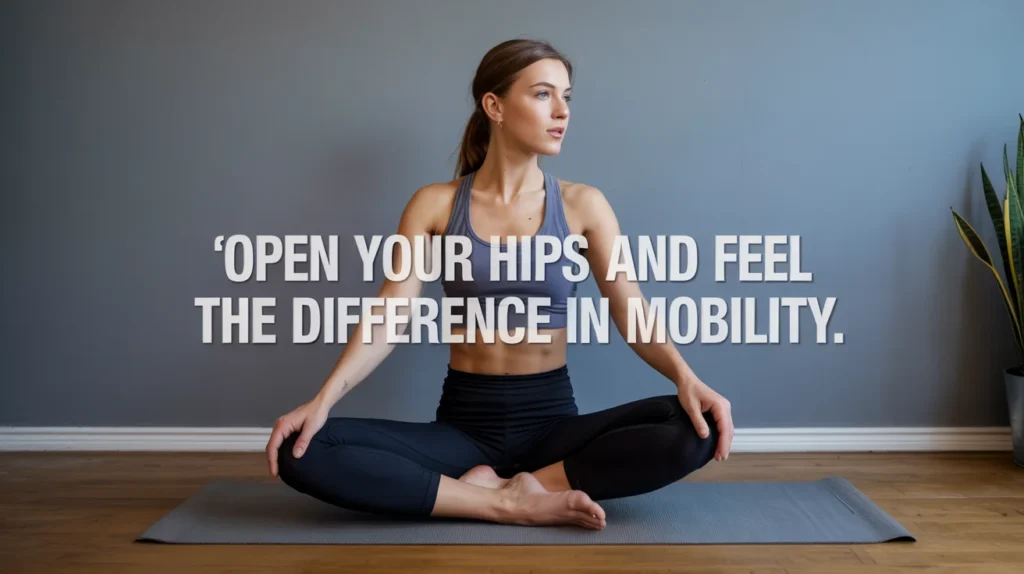
2. 90/90 Hip Switch
Why it helps: Targets deep hip and glute flexibility—a step up from common hip stretches.
How to do it: Sit with both knees bent at 90 degrees, one leg in front and one behind. Place your hands behind you and slowly rotate both knees to the other side in a windshield-wiper motion, keeping a tall spine throughout. This dynamic movement increases hip mobility and can be adapted to your level.
3. Standing Side Body Reach with Heel Lift
Why it helps: Lengthens the side of your torso and calf in one move, improving lateral flexibility and balance.
How to do it: Stand tall, feet hip-width apart. Reach your right arm overhead and gently lean to the left, simultaneously lifting your right heel. Hold, feeling the stretch from your fingers to your calf. Return to center and switch sides.

4. Wall Angels
Why it helps: A modern twist for the upper back and shoulders, helping offset rounded posture.
How to do it: Stand with your back, head, and glutes against a wall. Bring arms up into a “goal post” position, elbows bent at 90 degrees against the wall. Slowly slide your arms up overhead and back down, keeping contact with the wall the entire time. Focus on squeezing your shoulder blades.
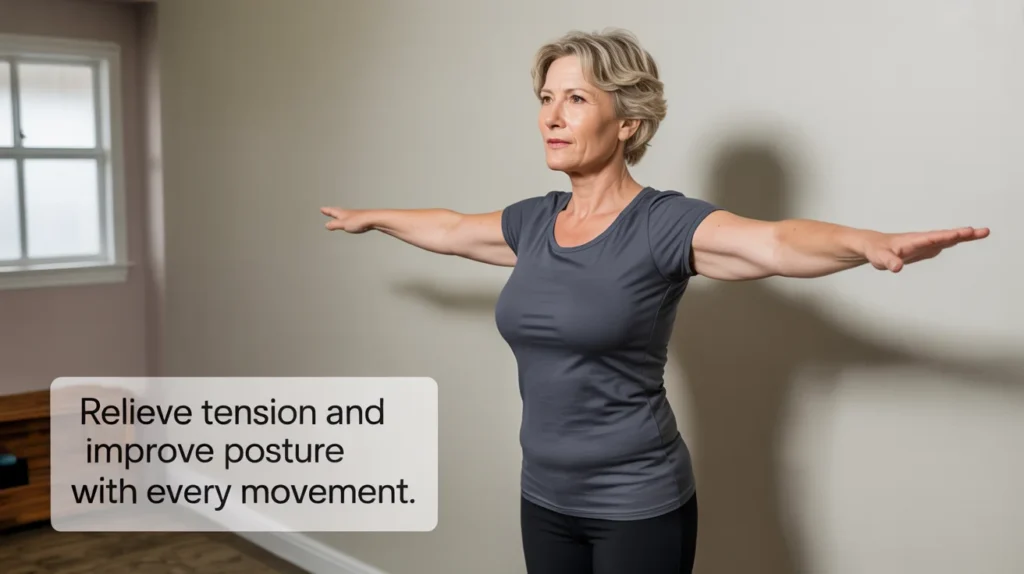
5. Figure-4 Standing Hip Stretch
Why it helps: Engages balance while opening the hips, making it a double-benefit move.
How to do it: Stand and cross your right ankle over your left knee, forming a “figure 4.” Sit your hips back and lower as if in a single-leg squat, keeping your chest upright. Hold the stretch and switch legs. Use a chair for balance if needed.
6. Dynamic Ankle Rolls
Why it helps: Mobilizes the ankles in all directions, preventing stiffness and supporting better walking mechanics.
How to do it: Stand on one leg or sit, lifting one foot off the floor. Slowly circle your ankle clockwise and then counterclockwise, making each rotation large and controlled. Switch feet after 10-15 seconds.

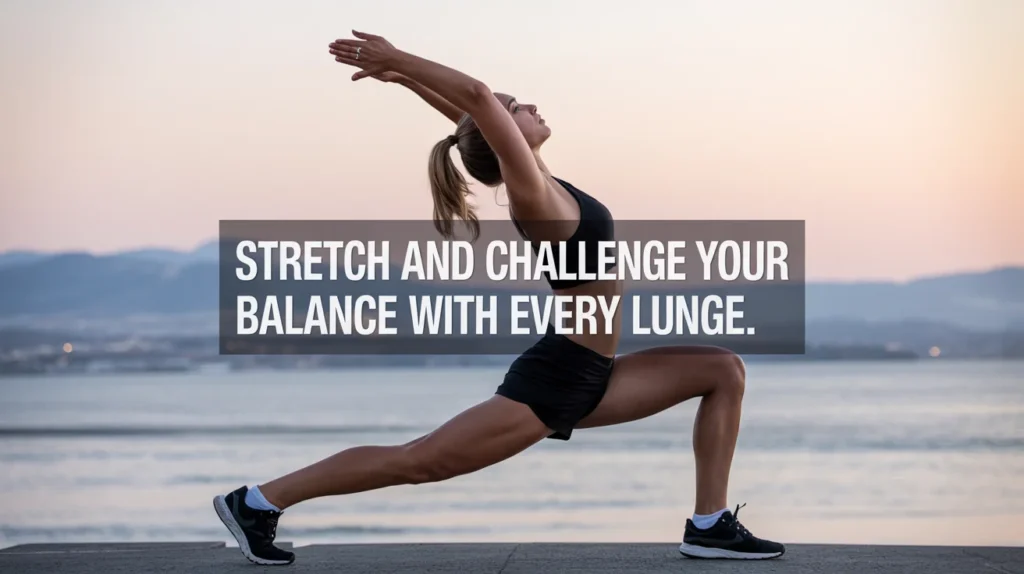
7. Reverse Lunge with Reach
Why it helps: A modern way to stretch your hip flexors while also challenging your balance.
How to do it: Step your right foot back into a lunge. At the same time, reach your left arm overhead and gently lean to the right. This creates a dynamic stretch from your hip through your side. Step back to start and repeat on the other side.
8. Prone Chest Opener
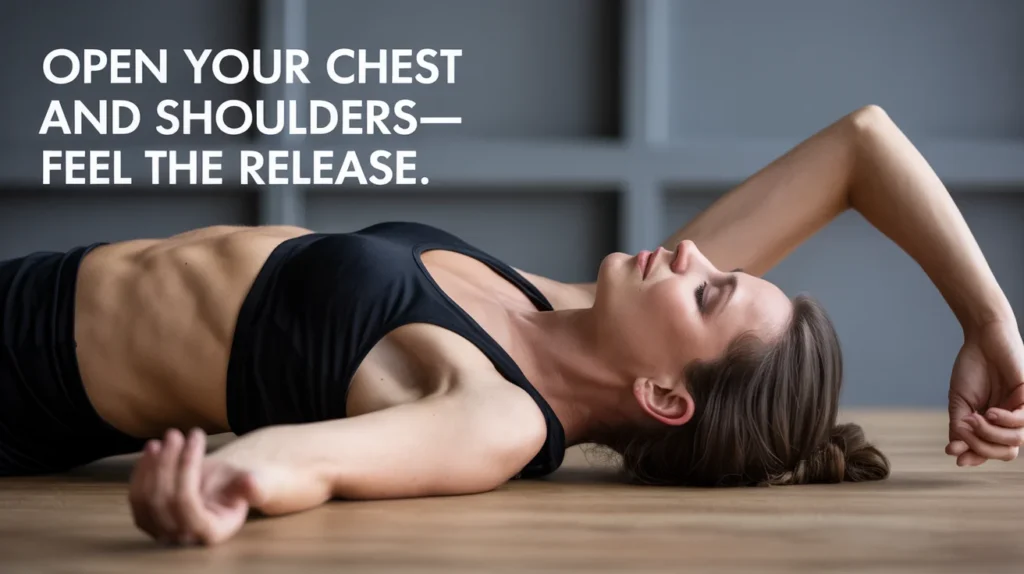
Why it helps: Stretches the chest and front of shoulders in a less familiar, supported way.
How to do it: Lie face down with your right arm extended out to the side. Slowly roll to your left, allowing your right shoulder and chest to open, using your left hand for gentle support. Hold, then switch sides.
9. Kneeling Wrist Flow
Why it helps: Keeps wrists and forearms supple, especially beneficial for gardening or using devices.
How to do it: On your hands and knees, turn your palms to face your knees and gently rock back until you feel a stretch in your forearms and wrists. Add gentle circles to increase mobility. This modern movement often surprises people with how much tension it relieves.

10. Supine Windshield Wipers
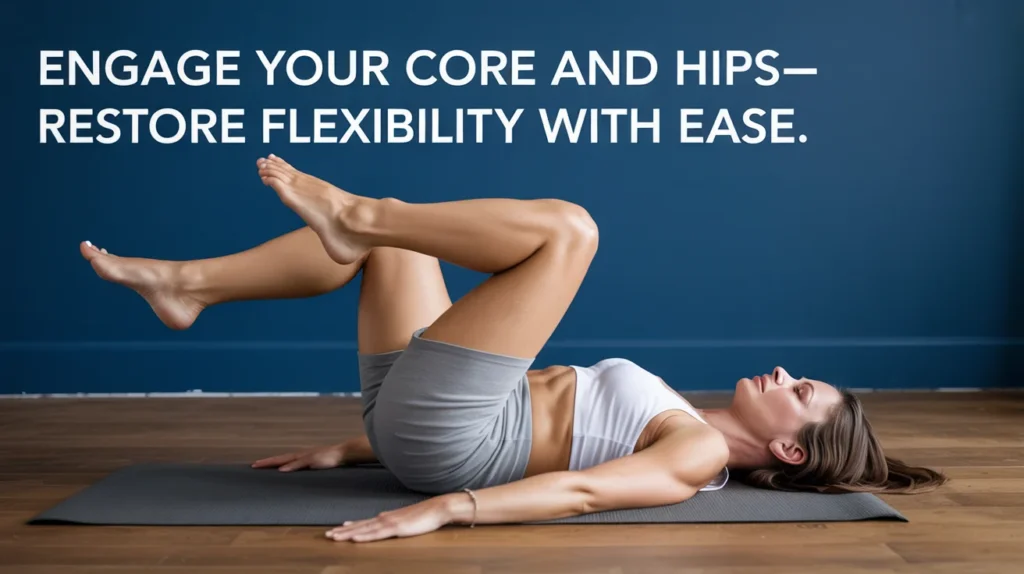
Why it helps: Engages your lower back, hips, and core in a way that’s adaptive and restorative.
How to do it: Lie on your back with knees bent and feet wider than hip-width apart. Drop both knees gently to one side, then the other, in a slow, controlled motion—like windshield wipers. Keep shoulders relaxed and on the mat.
These unique stretches are engaging and refreshingly different—perfect for anyone ready to boost their motivation and Improve Flexibility with moves that feel new each time. Try mixing a few of these into your weekly routine to discover which ones feel the most energizing for your body!
Dynamic vs. Static Stretching: What’s the Difference?
Understanding the types of stretching can help you use them most effectively.
| Type of Stretch | Description | Best Time to Use |
|---|---|---|
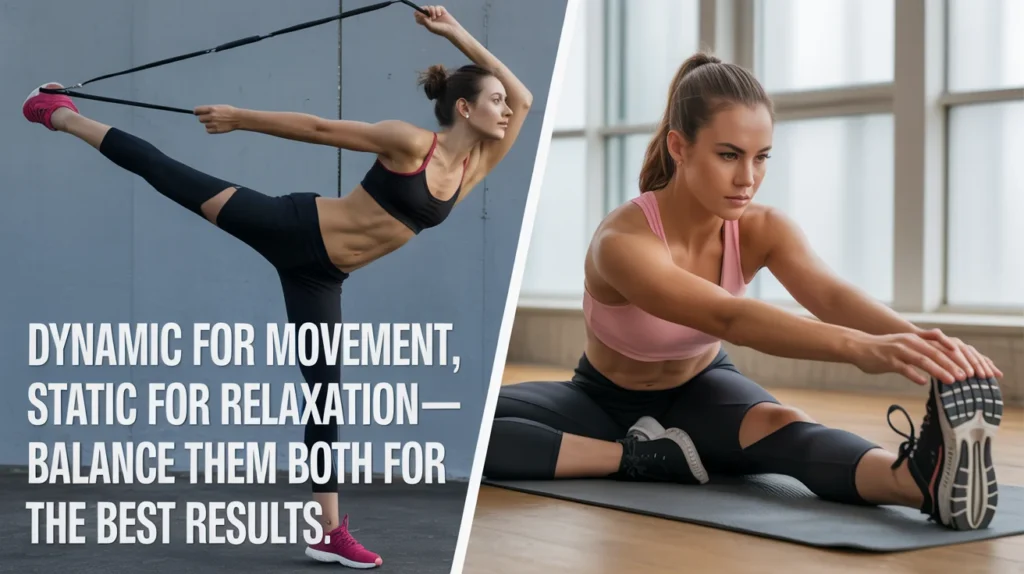
| Dynamic Stretching | Active movements where joints and muscles go through a full range of motion. Examples include arm circles and leg swings. | Before a workout or activity (as part of a warm-up). |
| Static Stretching | Holding a stretch in a challenging but comfortable position for a period of time, typically 20-30 seconds. | After a workout or as a standalone flexibility routine. |
For a daily routine focused on general mobility, performing a few dynamic movements to warm up, followed by the static stretches listed above, is an ideal combination to Improve Flexibility.
Making Stretching a Lasting Habit
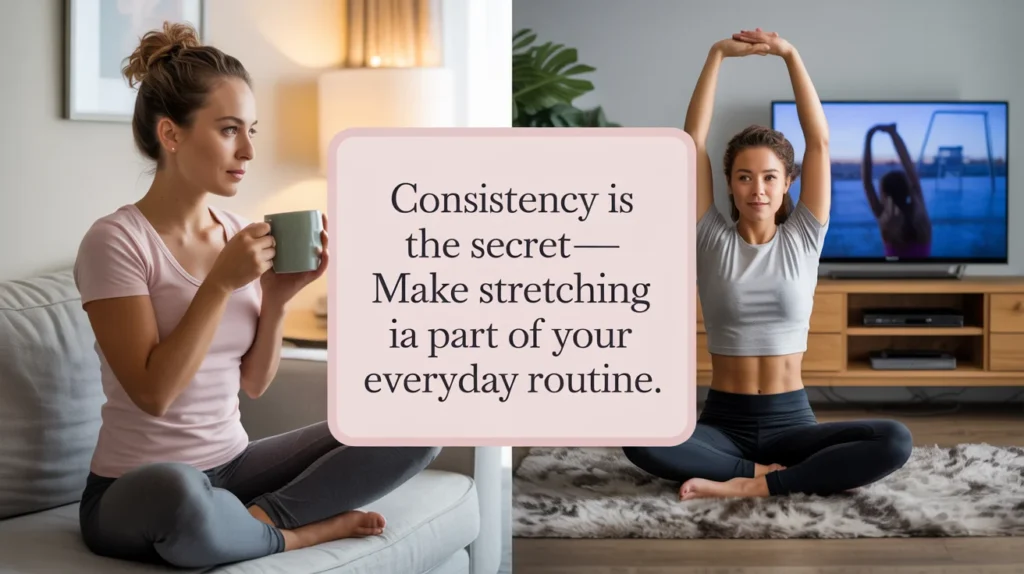
The secret to seeing real results is consistency. Trying to do an hour-long session once a week is less effective than dedicating just 10-15 minutes every day.
- Link it to an existing habit: Do your stretches right after you have your morning coffee or while you watch the evening news.
- Start small: Don’t feel pressured to do all ten stretches at once. Start with three or four and gradually add more as you get comfortable.
- Listen to your body: On days you feel stiff, be extra gentle. On days you feel great, you might be able to hold the stretches a little longer.
Making this small time commitment is an act of self-care that pays huge dividends for your physical health and overall well-being. A consistent routine is the best way to Improve Flexibility for the long term.
Frequently Asked Questions (FAQ)
Q: How long should I hold each stretch?
A: For static stretches, aim to hold each for 20-30 seconds. Don’t bounce. Holding the stretch allows your muscle fibers to relax and lengthen safely.
Q: Is it possible to be too flexible?
A: While rare for most people over 50, hypermobility (being overly flexible) can sometimes lead to joint instability. The goal is a healthy, functional range of motion, not extreme flexibility. Focus on controlled movements.

Q: Can stretching help with arthritis?
A: Yes, gentle stretching can be very beneficial for managing arthritis symptoms. It can help reduce stiffness and improve the range of motion in affected joints. The CDC provides guidelines on exercising with arthritis. Always consult your doctor before starting a new routine if you have arthritis.
Q: What if I can’t do a stretch as shown?
A: That’s completely fine! The key is to find a version that works for your body. Use props like towels or straps to help you reach, or modify the pose. For example, if you can’t touch your toes in a hamstring stretch, just reach as far as is comfortable. The goal is to feel a gentle stretch, not to replicate a picture perfectly.