Introduction
Balancing work, family, and self-care as a new mom isn’t easy. If you feel overwhelmed or wonder, “I didn’t exercise before or during pregnancy—am I too late?” you’re not alone. The good news: it’s never too late to start prioritizing your health, and modern postpartum fitness is all about flexibility, self-compassion, and science-backed routines you can actually fit into real life.
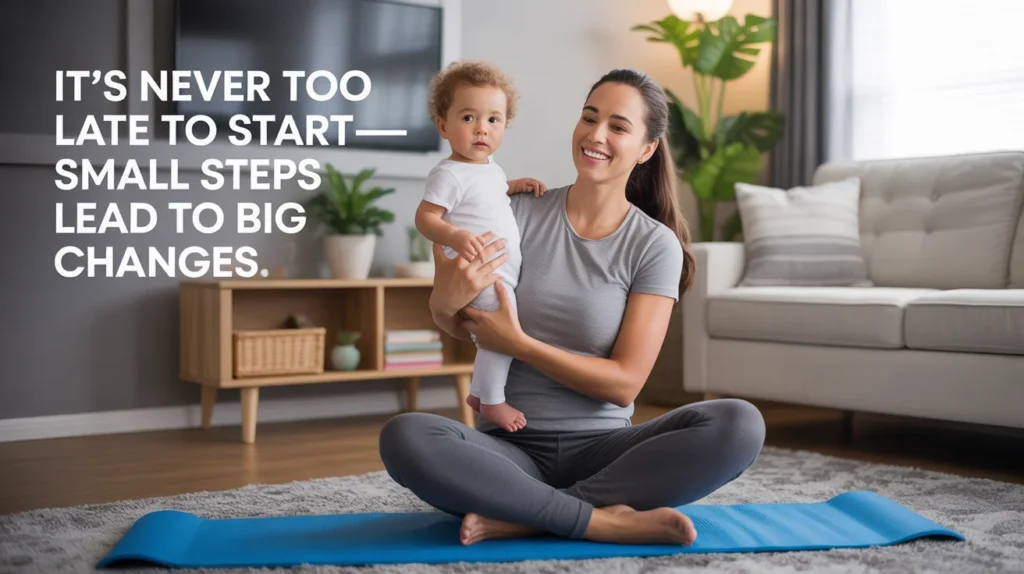
Whether you’re juggling a remote job, working at the office, managing multiple kids, or just figuring out how to shower most days, this guide empowers you with practical tips for building a fitness plan on your own terms. We’ll cover current recommendations for busy moms, creative ways to move, and why the latest research supports starting wherever you are.
Key Takeaways
- Yes, you can confidently embrace exercise—even if you didn’t exercise before pregnancy.
- Medical clearance is essential, but postpartum movement now emphasizes mental wellness and self-trust as much as physical strength.
- Micro-workouts, home-based routines, and movement “snacks” are popular, efficient ways moms are getting active.
- You don’t need to do traditional workouts; daily activities, walking with a stroller, or short bursts of exercise all count.
- Regular movement benefits your mood, energy, sleep, and overall well-being—and models healthy habits for your family.
Is It Ever Too Late? Busting Postpartum Fitness Myths
If “I didn’t exercise before” keeps echoing in your mind, it’s time to let go of outdated beliefs. Current research recognizes that everyone’s journey looks different, and benefits come no matter when you start after pregnancy.
The latest guidelines from The American College of Obstetricians and Gynecologists (ACOG) recommend physical activity after pregnancy. Even for those who weren’t active before. In fact, gentle movement can help with recovery, mood regulation, and stress management.
Comparison is an energy drain—ditch the “snap back” pressure and focus on progress that fits your life and body. Today, celebrating your version of healthy is encouraged, not shamed.
Why Now’s the Perfect Moment to Begin
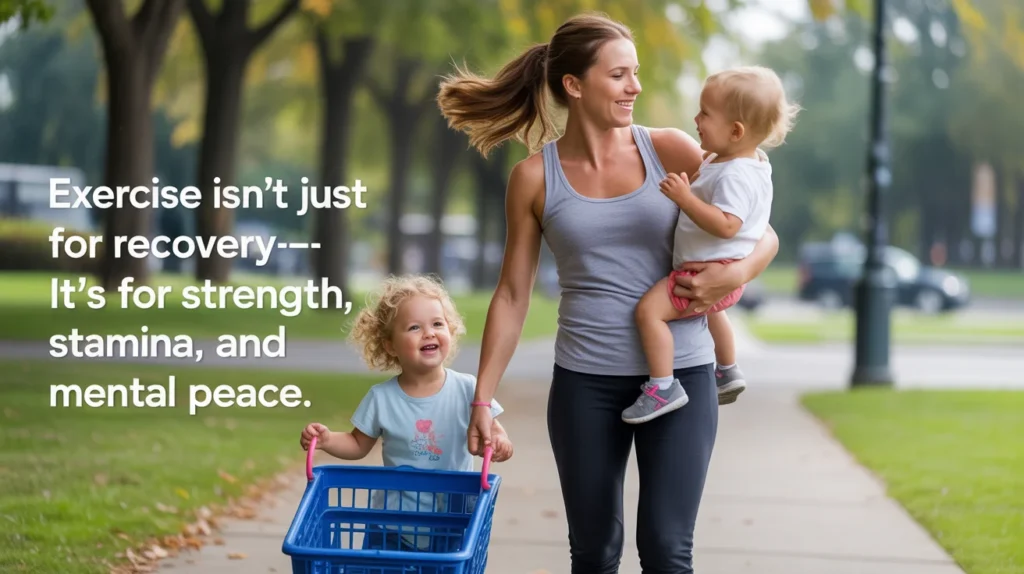
Exercise isn’t just about physical recovery—it’s a proven stress reliever and mental health booster. Many moms notice improved patience, focus, and stronger immune systems by weaving activity into daily life. Movement can help manage postpartum anxiety and depression, too.
Think about the practical perks: more stamina for carrying a baby, lifting groceries, or keeping up with playful kids. Building strength protects against injury and helps your body adjust to the demands of modern motherhood.
Step One: Consult Your Healthcare Provider
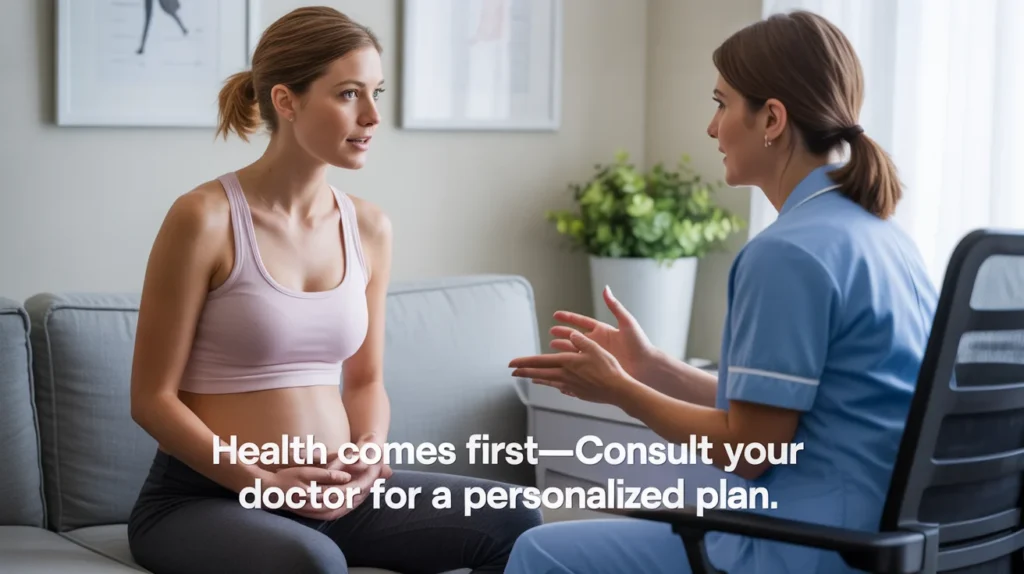
Physical recovery after delivery is unique for everyone. Before you jump into a routine, consult your doctor—especially if you had a C-section, complex birth, or medical concerns. The six-week checkup is standard, but some moms may need more or less time.
Be honest about past activity and how you’re feeling physically and emotionally. It’s not just about whether “I didn’t exercise”—it’s about finding a solution that’s personalized for you.
Your Modern Postpartum Body: Real Changes, Real Solutions
Current science celebrates body diversity and realistic expectations. Instead of talking about “bouncing back,” today’s approach focuses on honoring your body’s journey.
Diastasis Recti
Around half of all new moms experience this abdominal muscle separation. The best practice is to avoid old-school crunches until cleared by a professional. Look for specialized core rehab classes online or consult a pelvic health physical therapist for safe, targeted moves.
Pelvic Floor Reality
Modern routines prioritize pelvic floor health from day one. Today, you can find Instagram accounts, apps, and community classes tailored just for postpartum pelvic floor recovery—many free or low-cost.
Request a pelvic floor screening if possible, and add simple Kegel routines to your daily rhythm. These exercises help with bladder control, posture, and overall wellbeing.
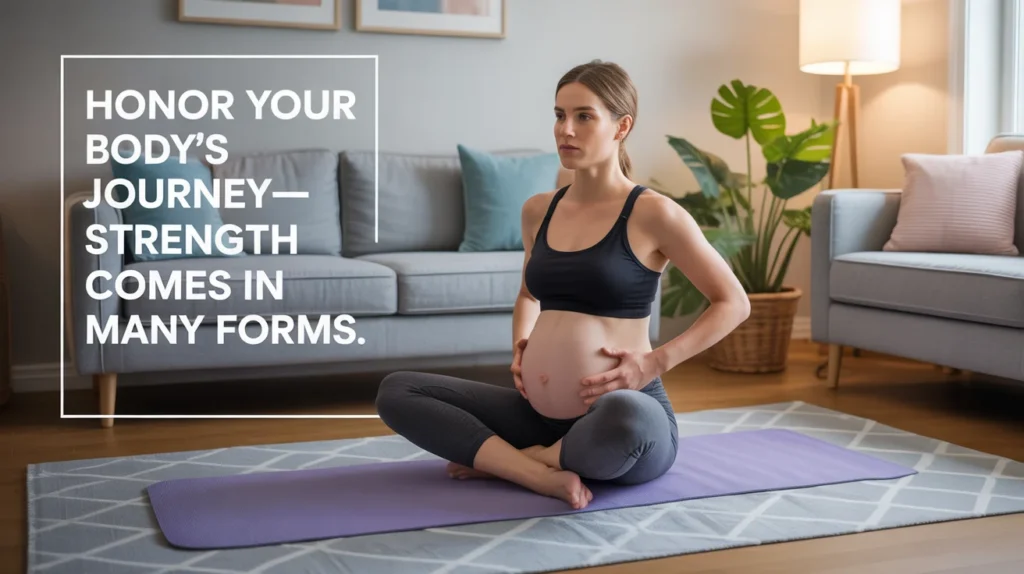
Small, Smart Steps: How to Fit Movement Into Modern Mom Life
Forget hour-long routines or the pressure to hit the gym—today’s health pros encourage movement in bursts:
1. Walking on Your Terms
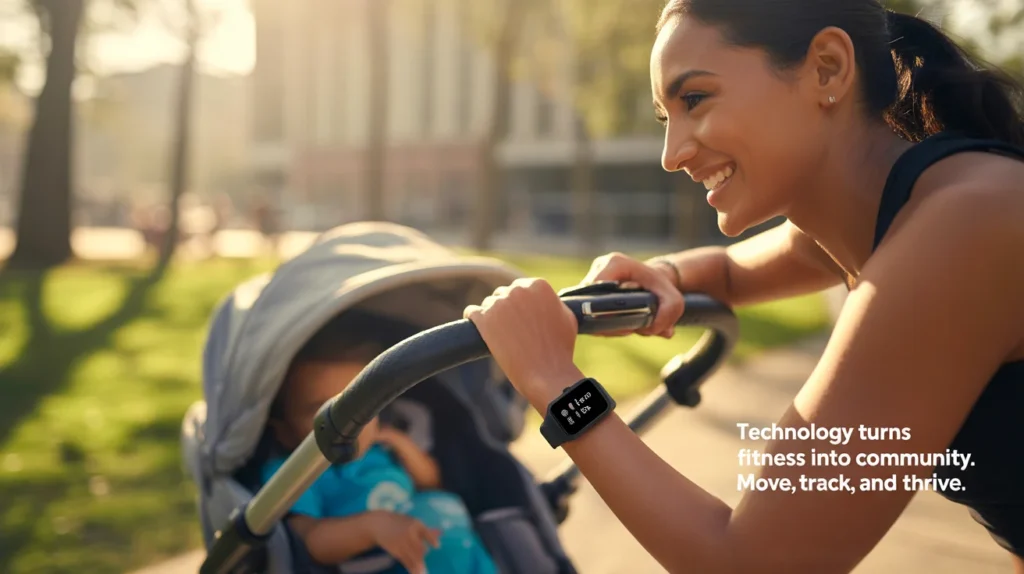
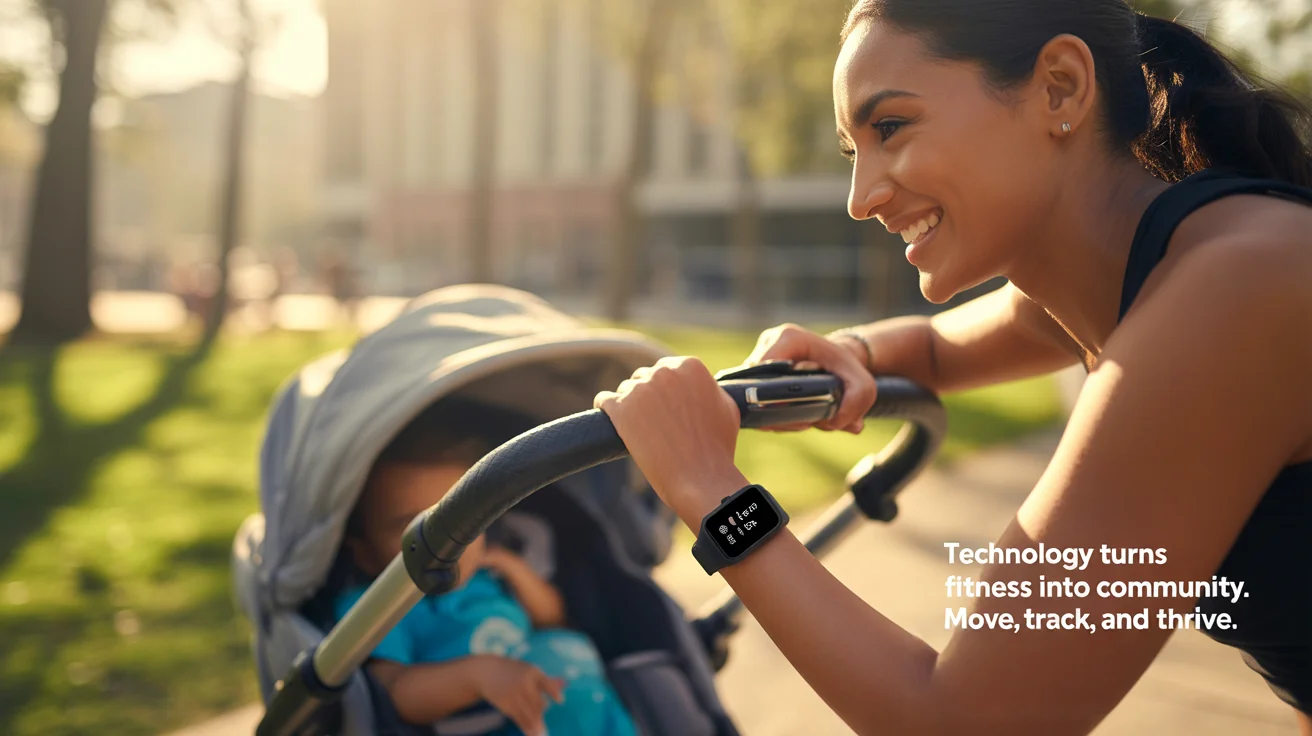
A brisk stroller walk while on a work call, walking your baby to sleep, or even pacing during podcasts counts. It’s low-impact, easy to adjust, and can be surprisingly mindful.
2. Micro-Workouts
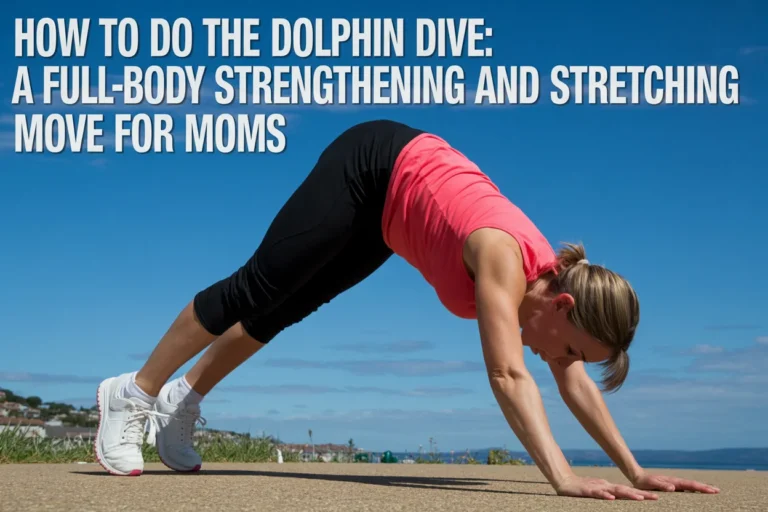
Try five-minute routines sprinkled throughout the day—squats while prepping dinner, gentle lunges next to the crib, or mobility flows before bed. Short sessions add up, especially for those who say “I didn’t exercise” in the past.
3. Pelvic Floor and Core Practices
Most modern postpartum programs start with breathing, gentle core connection, and functional strength, not crunches or planks. Look for guided videos on platforms like YouTube or apps designed for postpartum recovery.
- Pelvic Tilts: These promote gentle core activation and spine mobility.
- Breathwork: Deep breathing resets your mind and body and supports core healing.
- Seated Squeezes: Kegels can be done in traffic or at your desk—no fancy equipment needed!
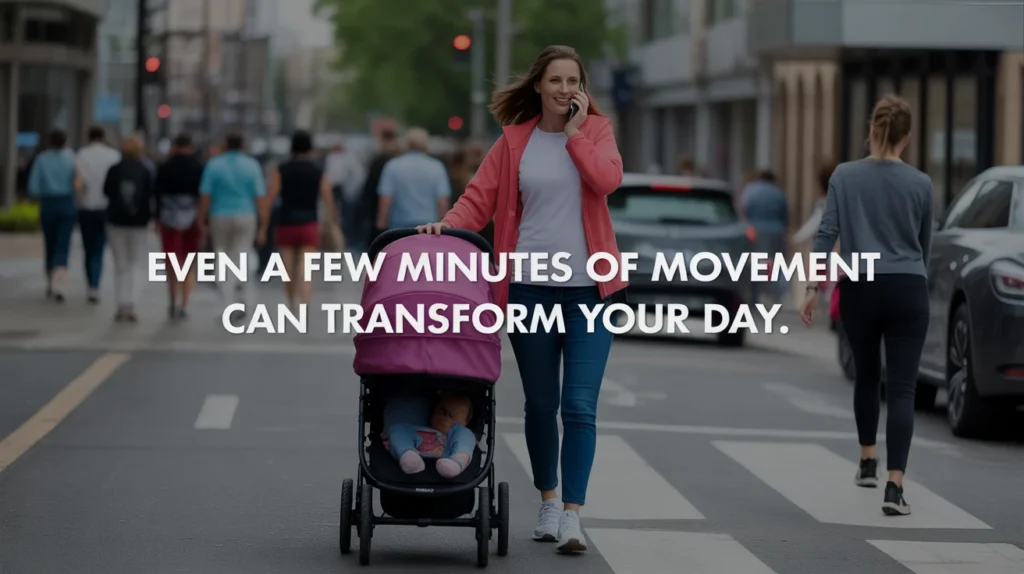
Maximizing Limited Time: Modern Solutions for Busy Schedules
Between work meetings, school drop-off, and feeding schedules, finding a workout window feels impossible. The new approach? Rethink what “counts” and embrace movement wherever you find it.
Bite-Sized Routines at Home vs. Gym
| Feature | Home Micro-Workouts | Traditional Gym |
|---|---|---|
| Flexibility | High (any time, anywhere) | Low (commute, scheduling) |
| Tech Access | Fitness apps, streaming, social media | Gym equipment, trainers |
| Cost | Free to low, often just wi-fi needed | Memberships, childcare fees |
| Equipment | Bodyweight, resistance bands, household | Specialized machines |
| Childcare | Not needed, baby can join in | May have in-gym childcare |
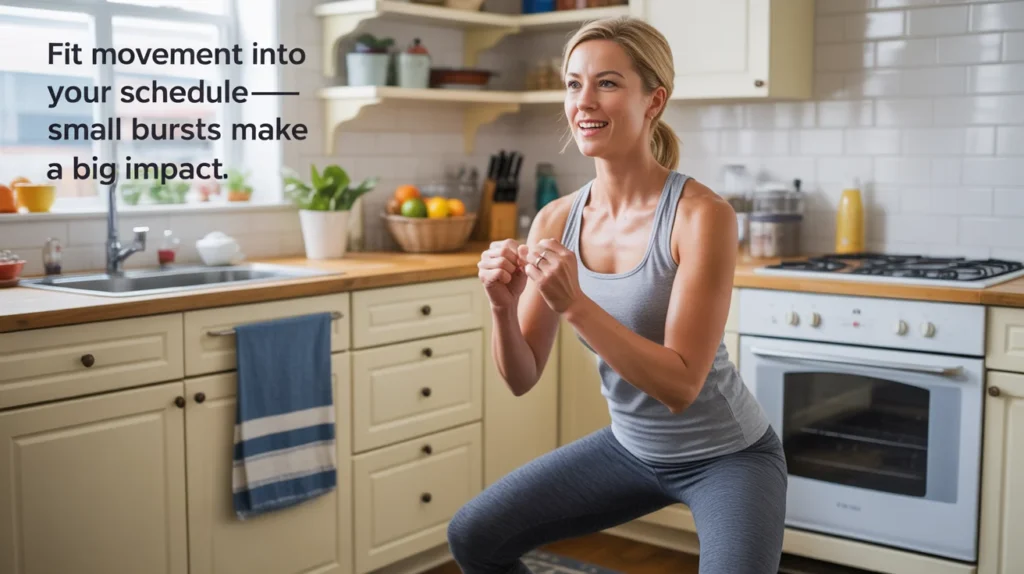
Modern Mindset Shifts for Lasting Motivation
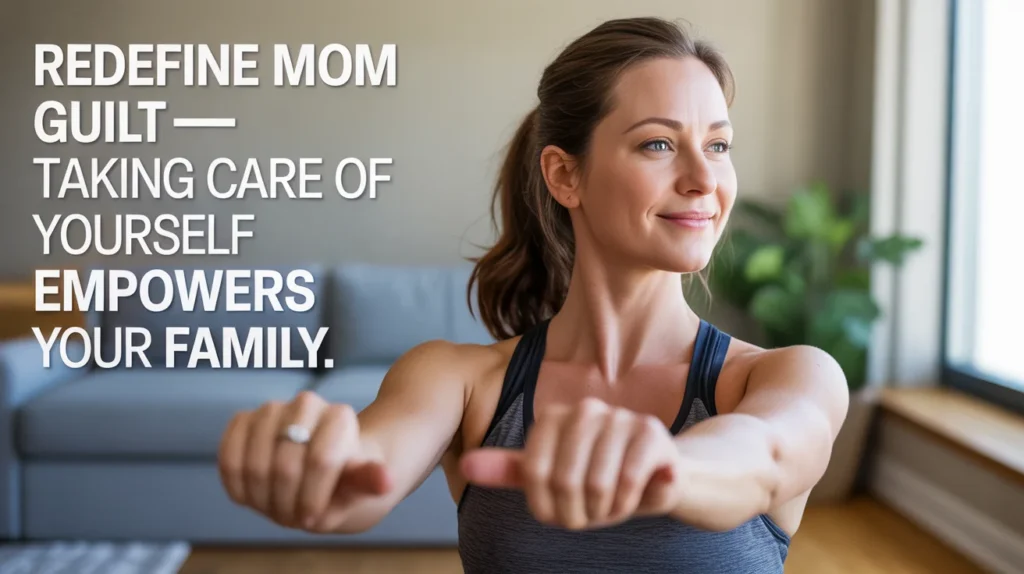
Redefining Mom Guilt
Putting yourself first is now embraced as essential, not selfish. Studies show that when moms model self-care, families adopt healthier routines too. Share your goals, ask your partner for support, and remember: “I didn’t exercise” yesterday does not define your future.
Overcoming “All or Nothing” Thinking
Sometimes you’ll have energy, other times just getting out of bed is an achievement. Micro-progress is progress. Tracking steps, celebrating walks, and joining online community groups (like on Facebook or Strava) can make movement more fun and motivating.
Food + Fitness: Nourishment for the Modern Mom
Food is fuel, especially when recovering or breastfeeding. Restrictive diets are outdated—current advice from ChooseMyPlate.gov encourages intuitive eating with a focus on variety and listening to your body.
Hydration apps, fast healthy snack ideas, and meal-prep shortcuts make nutrition accessible even on the busiest days.
Resist the thought, “I didn’t exercise so I need to diet harder.” Carve out time to eat nourishing meals whenever possible.
Goal-Setting and Self-Compassion in 2024
Today’s health experts stress setting realistic, flexible goals. Aim for consistency, not perfection. “Perfect” now means sustainable, enjoyable routines that adjust as your life changes.
If things don’t go as planned, reset without guilt. It’s normal for routines to shift. “I didn’t exercise” last week? No problem—start anew, even if it’s just a walk or a dance party with your baby.
For more on safe, inclusive physical activity, the CDC – Physical Activity Guidelines are a great resource.
Conclusion: Modern Motherhood, Modern Movement
Forget chasing outdated ideals. Today’s moms are defining fitness by what feels good, fits their day, and supports mental health. “I didn’t exercise” is a starting point—not a finish line.
Use digital resources, lean on your support network, and trust your intuition. Moving your body in ways that make you feel strong, calm, and confident is more important than symmetry, weight loss, or fitting into old jeans.
Start where you are, listen to your body, and celebrate every win, big or small. This is your journey, at your pace.
Frequently Asked Questions (FAQ)
Q1: How soon can I move after birth now?
If you had a straightforward birth, gentle movement is usually encouraged as soon as you feel able. Always check with your doctor, especially if you had surgery or complications.
Q2: What’s the most effective exercise for busy moms?
The best exercise is the one you can stick with. Walking, micro-workouts, and at-home yoga or Pilates are popular, accessible, and adaptable to different energy levels.
Q3: Is technology helpful for postpartum fitness?
Absolutely—apps like Peloton, FitOn, or postnatal-specific platforms make exercise convenient and community-based. Many moms find motivation in virtual classes or tracking steps on a smartwatch.
Q4: What if I let self-care slip for months?
You’re still welcome to start—today, tomorrow, or whenever you’re ready. Health is a journey. “I didn’t exercise” until now… but this is your chance to begin.
Q5: I have zero energy. Should I try anyway?
Listen to your body. On tough days, fresh air or gentle movement might help—on others, rest is more valuable. Honor your needs; progress looks different for everyone.