
Introduction
Being a mom is a full-time job with endless overtime. Between school runs, meal prep, and managing a household, finding time for yourself—let alone a workout—can feel impossible. Many moms struggle with stubborn belly fat that seems to stick around no matter what.
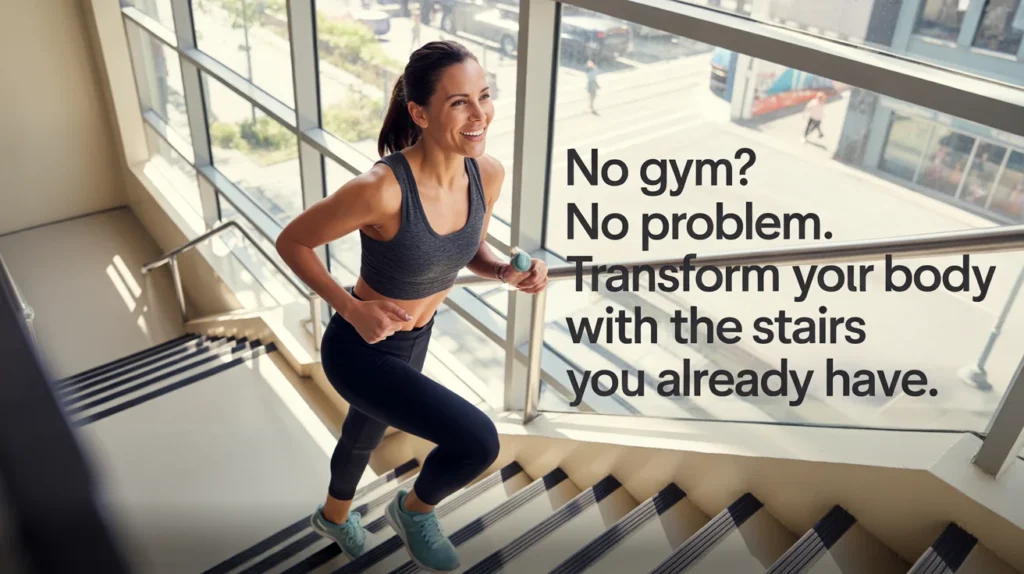
What if you could get a powerful, fat-burning workout using something you already have at home? A simple flight of stairs can be your secret weapon.This guide is for busy moms who want an effective and convenient way to get fit.
A stair workout is a fantastic tool for burning calories, toning your lower body, and targeting that tough-to-lose belly fat. You don’t need a gym membership or fancy equipment. All you need is a set of stairs and a little bit of motivation. We’ll explore why stair climbing is so effective, provide a simple routine to get you started, and offer tips to help you stay on track.
Key Takeaways
- Stair workouts are a highly efficient form of exercise for burning calories and fat.
- They are convenient and accessible, requiring no special equipment or gym membership.
- Regular stair climbing strengthens your heart, lungs, and lower body muscles.
- Consistency is more important than intensity, especially when you’re just starting out.
Why Is a Stair Workout So Effective for Burning Fat?
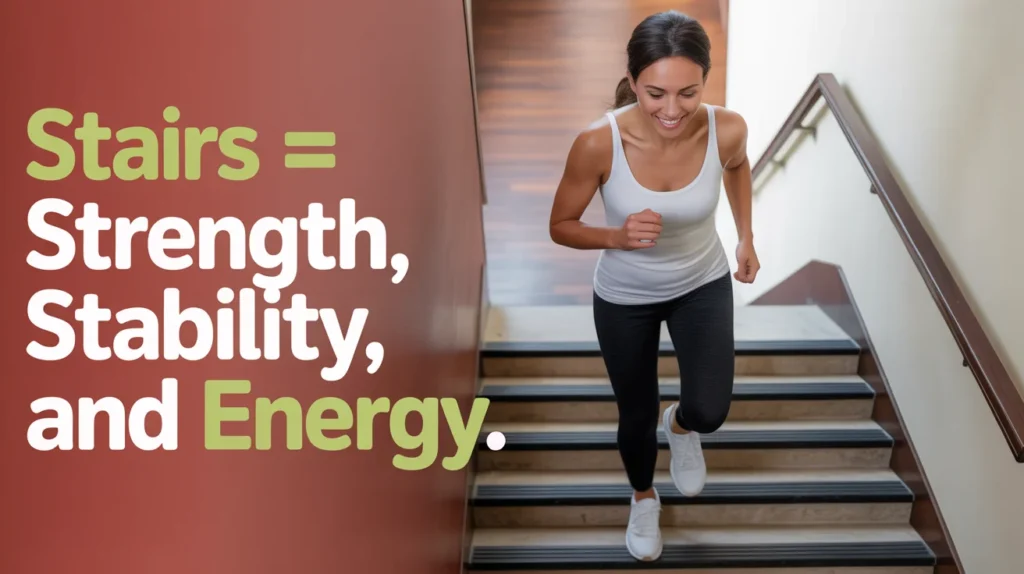
You might be surprised to learn that climbing stairs is one of the most vigorous exercises you can do. It burns more calories per minute than jogging. When you climb stairs, you’re working against gravity, forcing your largest muscle groups—your glutes, quads, and hamstrings—to work hard. This high-intensity effort elevates your heart rate quickly, turning your body into a calorie-burning machine.
More importantly, this type of high-intensity interval training (HIIT) is particularly effective for reducing visceral belly fat. This is the dangerous fat that surrounds your organs. Studies from reputable sources like the National Institutes of Health show that high-intensity exercise can significantly reduce total abdominal fat.
A stair workout provides this intensity in short, powerful bursts. You climb up, which is intense, and walk down, which is your recovery. This up-and-down cycle is a natural form of interval training that torches calories long after your workout is over.

The Science of Spot Reduction: Can You Target Belly Fat?
The idea of “spot reduction,” or losing fat from one specific area of your body, is a common fitness myth. You can’t do a thousand crunches and expect a flat stomach if you aren’t also losing overall body fat. However, you can choose exercises that are more effective at burning the type of fat that accumulates around your midsection.
As mentioned, a high-intensity stair workout is brilliant for this. It promotes overall fat loss, and because it builds muscle in your legs and glutes, it increases your resting metabolic rate. This means you burn more calories throughout the day, even when you’re resting.
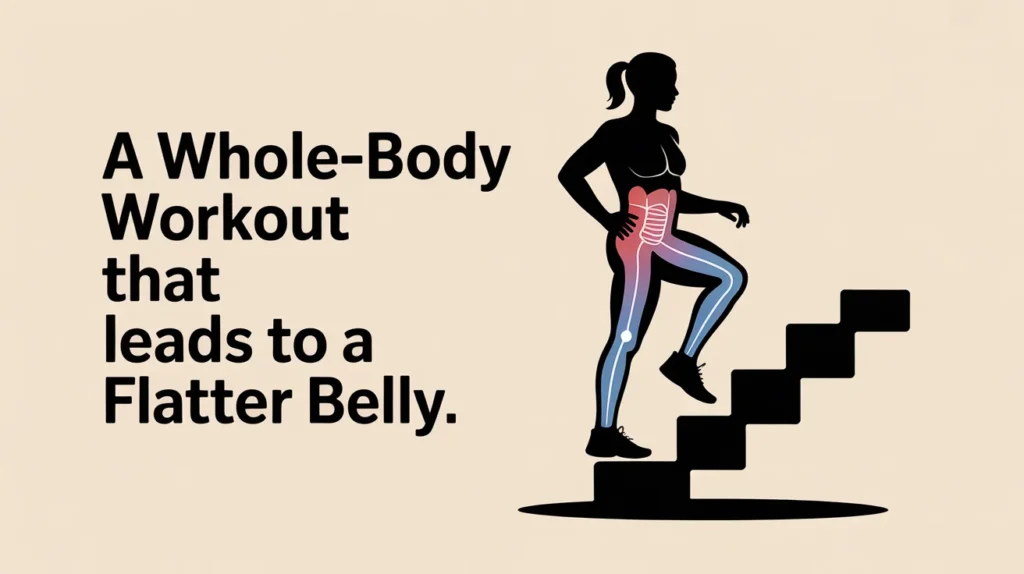
While you can’t command your body to burn fat only from your belly, incorporating a powerful stair workout into your routine is one of the best strategies to reduce overall body fat, which will naturally lead to a slimmer waistline.
Getting Started: Your First Modern Stair Workout Routine
Jumping into a new fitness habit can feel overwhelming, but with the right moves, stair workouts can be fresh, exciting, and—most importantly—highly effective. The beauty of these routines is that you can mix modern exercises into your session, helping you feel and see results, not just read about them. Here are step-by-step instructions for a series of innovative stair workout exercises designed for real results:
Before you start, spend about five minutes warming up—try dynamic stretches like high knees, arm circles, and gentle stair marching to wake up your muscles.
1. Stair Sprints with Power Push-off
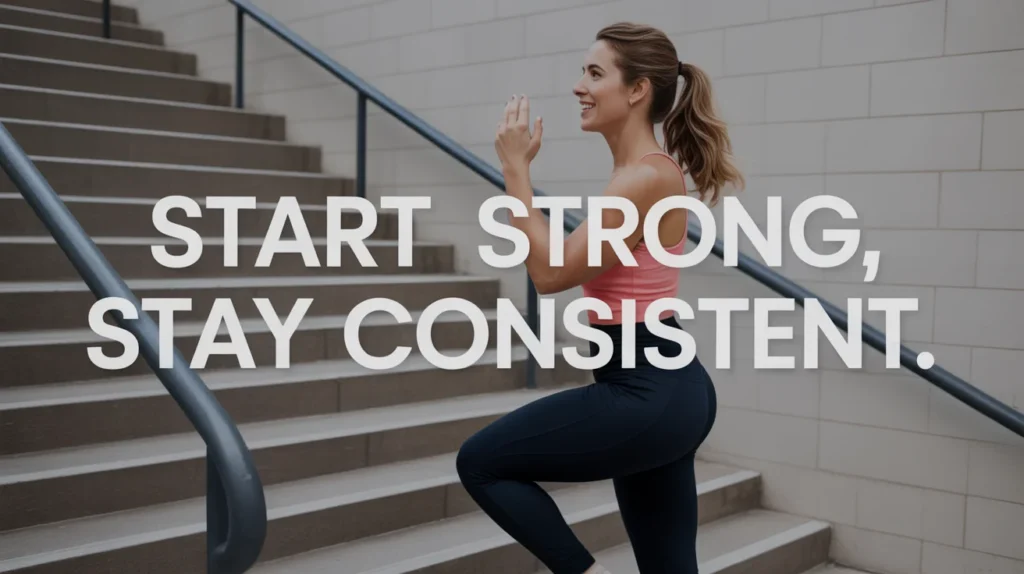
- How to do it: Run up the stairs as fast as you can, exploding off your toes for each step, and walk back down to recover.
- Why it works: This quick burst of speed plus the push-off trains your heart, legs, and core—helping you blast calories.
- How long: Start with 6 sprints; rest for 60 seconds between each.
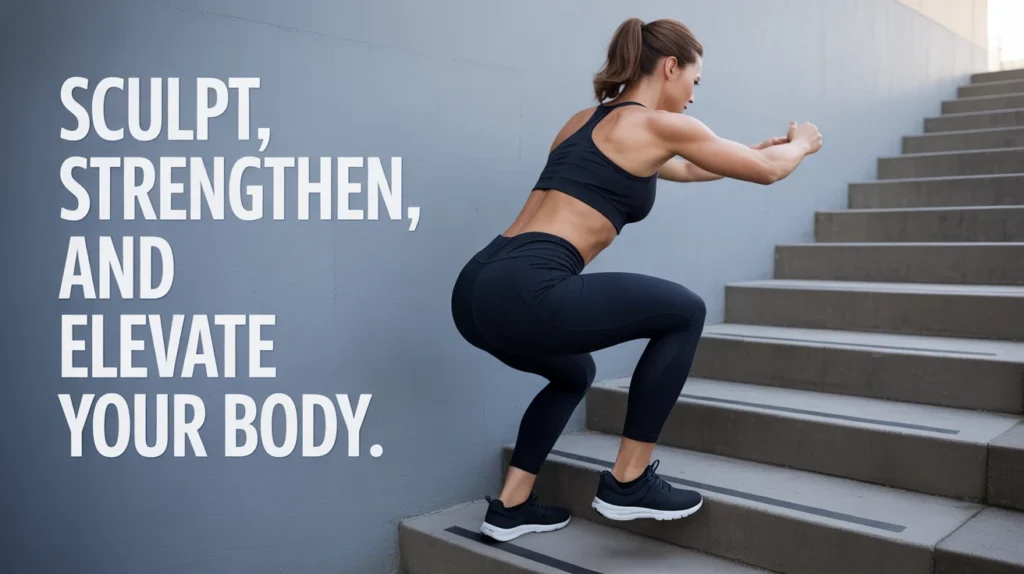
2. Squat-to-Step-Up Combo
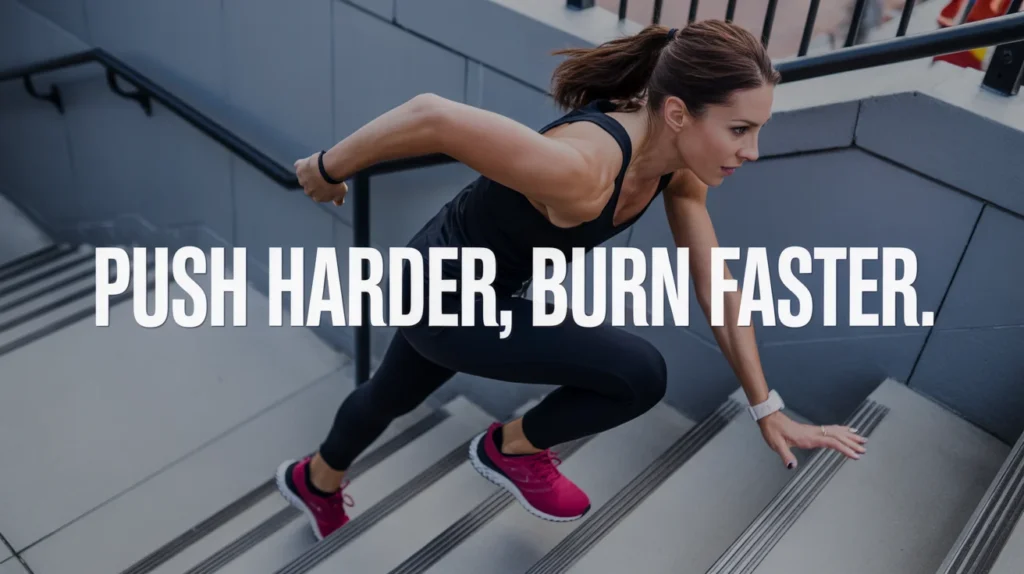
- How to do it: At the bottom, do a bodyweight squat. Step up two stairs at a time, leading with your right leg. At the top, do another squat, then step down carefully and repeat, leading with your left leg on the next round.
- Why it works: This move hits your glutes, thighs, and core in one fluid sequence, sculpting and strengthening as you move.
- How long: Repeat for 8-10 rounds.
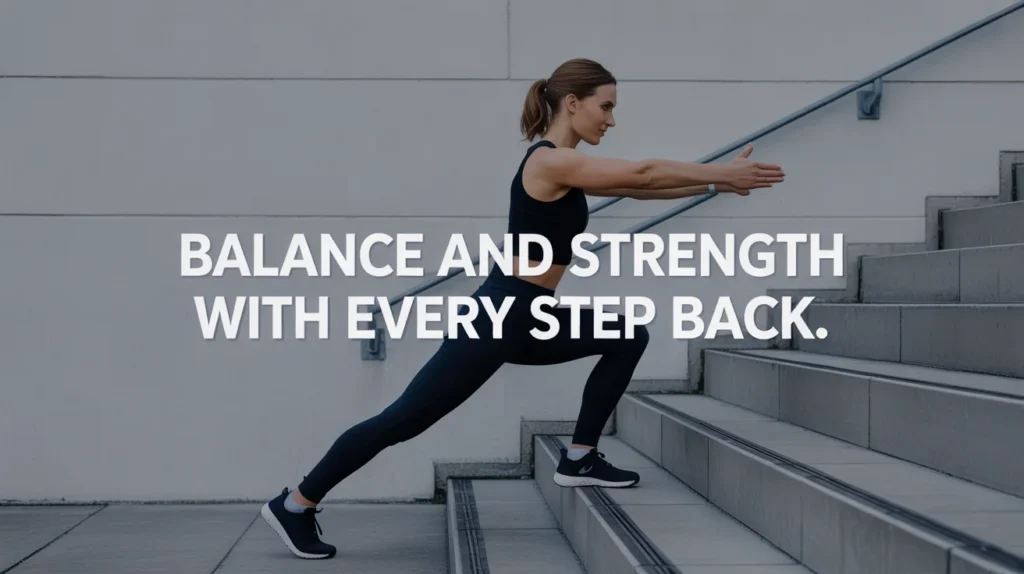
3. Reverse Stair Lunges
- How to do it: Face away from the stairs and step backward onto the first step with your right foot, dropping into a lunge. Return to start and switch legs.
- Why it works: Reverse movement helps target different stabilizing muscles and improves balance.
- How long: Perform 10 lunges per leg.
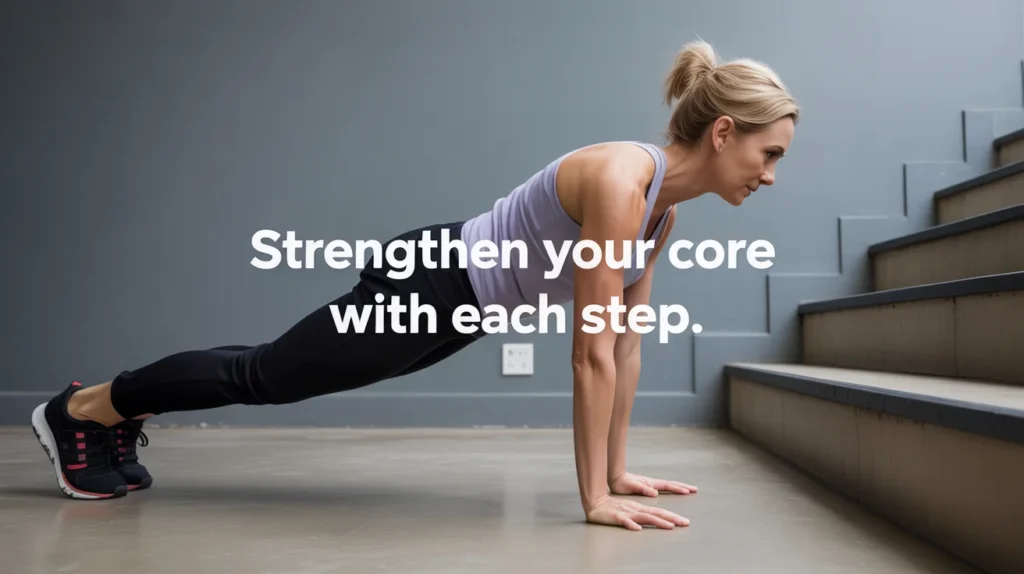
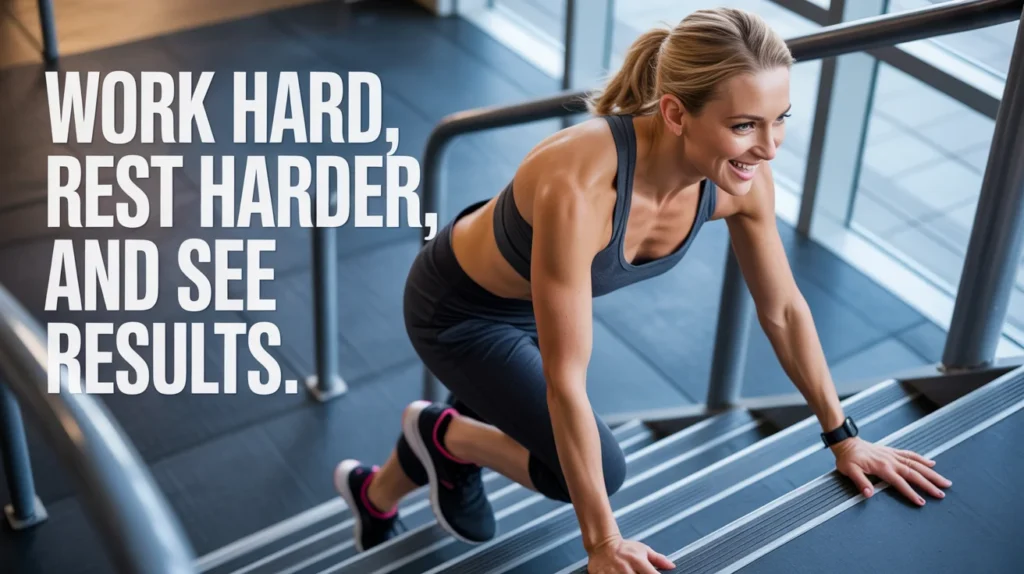
4. Stair Plank Walks
- How to do it: Get into a plank position at the base of the stairs, hands on the floor. “Walk” your hands up onto the first step, then back down, keeping your body tight and level.
- Why it works: Builds rock-solid core and shoulder stability while raising your heart rate.
- How long: Continue for 45 seconds, rest, and repeat twice.
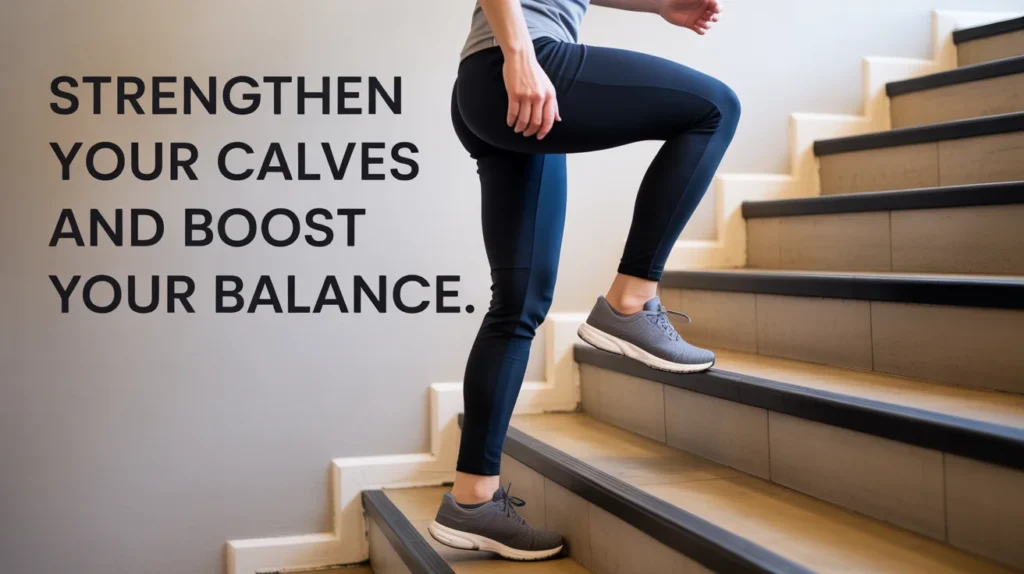
5. One-Leg Calf Raise Climbs
- How to do it: Go up the stairs stepping only with your right leg for a full flight, raising up on your toes on each step. Walk down and repeat with your left.
- Why it works: Targets calves, balance, and coordination—key for daily strength.
- How long: 2 ascents per leg.
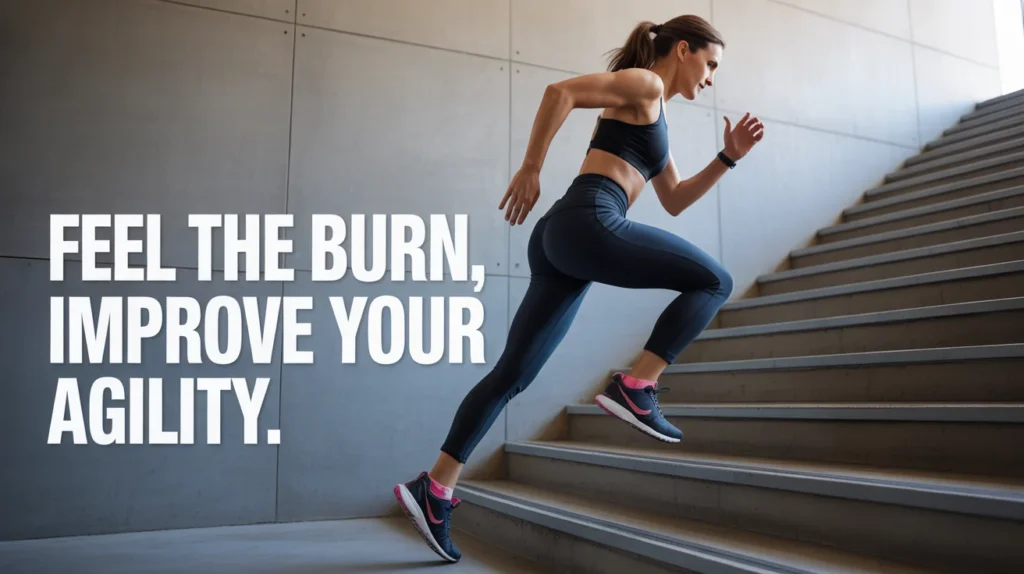
6. Plyometric Step Taps
- How to do it: Stand facing the bottom step. Hop lightly, tapping your right foot on the step, then switch to the left as quickly as possible (think fast feet).
- Why it works: Adds a plyometric boost, torching calories and improving agility.
- How long: Go for 30 seconds, rest, and repeat three times.
——
Mix and match these exercises to keep things fun and challenging. Remember, real change happens when your workout is fresh and you push yourself a little more each session. These moves aren’t just theory—they’re designed to help busy moms feel strong, confident, and energized, right at home!- What to do: After your initial 10 minutes, try skipping a step on the way up for one or two ascents. This engages your glutes and quads more deeply.
- Duration: Add 5 more minutes, for a total of 15.
- Focus: Be careful with your footing. Only skip steps if you feel stable and confident.
Proper Form and Safety First
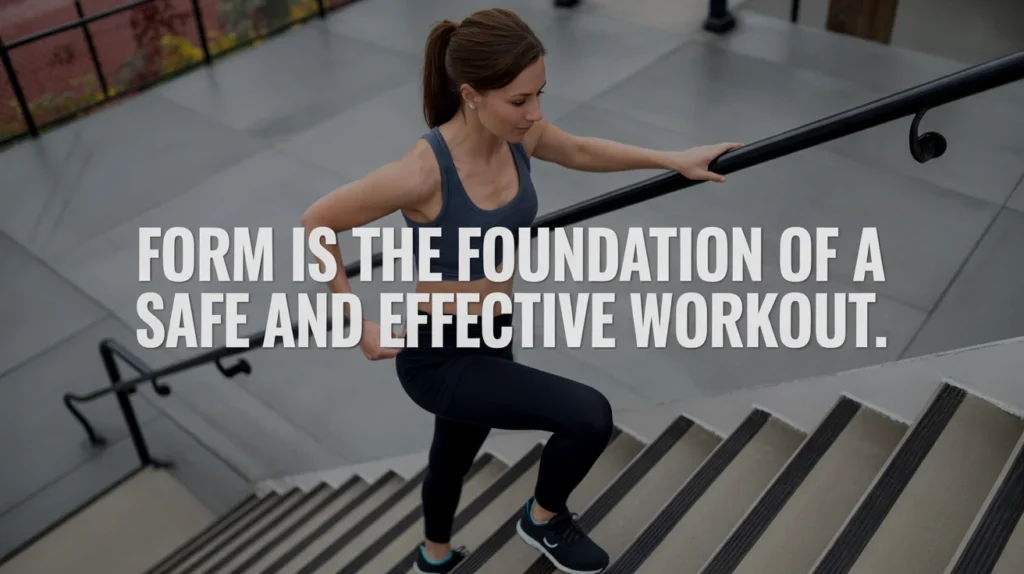
Good form is essential to prevent injury and get the most out of your exercise. When climbing, make sure your entire foot lands on the step. Avoid letting your heels hang off the edge, as this can strain your Achilles tendon. Keep your chest up and your core tight to support your back.
On the way down, take it slow and steady. The descent puts more pressure on your knees, so don’t rush it. Always use the handrail for support if you feel unsteady. It’s better to be safe and build confidence over time.
How to Make Your Stair Workout More Challenging
Once you’ve mastered the basics and can comfortably complete a 15-20 minute routine, you might be ready for a greater challenge. The beauty of a stair workout is that it’s easy to scale up the intensity. Small changes can make a big difference in your calorie burn and muscle toning.
Here are a few ways to increase the difficulty:
- Increase Your Speed: Try to climb the stairs faster. Time yourself and see if you can beat your previous record. This turns your workout into a fun personal challenge.
- Take Two Steps at a Time: Skipping a step forces your leg muscles to work harder and improves your power.
- Add Bodyweight Exercises: Incorporate exercises at the top or bottom of the stairs. For example, do 10 squats at the bottom before you climb, or 10 push-ups (using an elevated step) at the top.
- Carry Weights: Holding light dumbbells or even a couple of water bottles can add resistance and increase the intensity of your climb.

Sample Intermediate Stair Workout
- Warm-up: 5 minutes of light cardio (marching, jogging in place).
- Basic Climb: 5 minutes of steady climbing up and down.
- Power Climb: 2 minutes of climbing as fast as you can, walking down slowly.
- Lunge Climb: Lunge up the stairs for one full ascent.
- Squat Break: 1 minute of squats at the bottom of the stairs.
- Repeat: Go through the Power Climb, Lunge Climb, and Squat Break cycle 2-3 more times.
- Cool-down: 5 minutes of slow walking and stretching.
Comparing Stair Workouts to Other Cardio
How does a stair workout stack up against other popular forms of cardio? While any movement is good movement, stair climbing offers some unique advantages, especially for busy moms.
| Exercise | Calorie Burn (Approx. per 30 min) | Convenience | Impact Level |
|---|---|---|---|
| Stair Climbing | 300-500 calories | Very High | Low to Medium |
| Running/Jogging | 250-400 calories | High | High |
| Cycling (Moderate) | 200-350 calories | Medium | Low |
| Brisk Walking | 150-200 calories | Very High | Low |
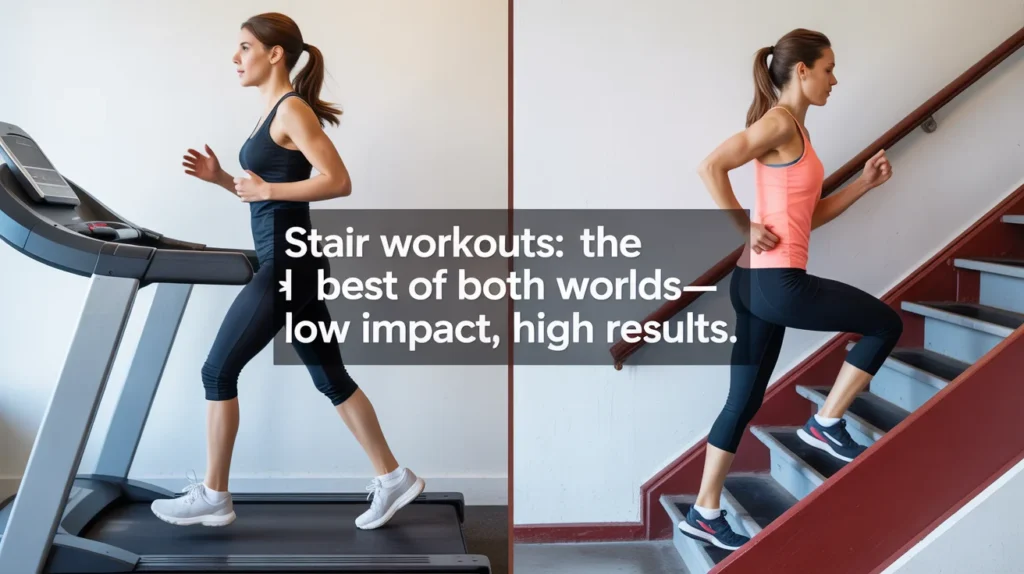
As you can see, stair climbing is a top contender for calorie burning. Its biggest advantage is convenience. You don’t have to leave your house, which eliminates travel time and the need for childcare. While running is also effective, it’s a high-impact activity that can be hard on the joints.
A stair workout is lower impact than running but provides a greater cardiovascular challenge than walking. It truly is the perfect middle ground.
How Often Should You Do a Stair Workout?
For noticeable results, consistency is key. Aim to complete a stair workout 3 to 4 times per week. The Centers for Disease Control and Prevention (CDC) recommends at least 150 minutes of moderate-intensity aerobic activity each week. Your stair sessions can count toward this goal.
On your “off” days, it’s still a good idea to stay active. This could be as simple as taking a brisk walk, doing some stretching, or playing with your kids at the park. This concept, known as active recovery, helps your muscles repair while keeping your metabolism revved up. Remember, you don’t need to push yourself to the limit every single day. Listening to your body and giving it time to rest is just as important as the workout itself.
FAQs: Your Stair Workout Questions Answered
1. Will stair workouts make my legs bulky?
This is a common concern, but for most women, the answer is no. Stair climbing builds lean muscle, not bulk. It will tone and strengthen your legs, glutes, and thighs, giving them a more defined and sculpted look. Building significant muscle mass requires very specific, heavy weight training and a high-calorie diet.
2. Can I do a stair workout if I have bad knees?
If you have pre-existing knee pain, you should consult with your doctor or a physical therapist first. That said, stair climbing can actually strengthen the muscles that support your knees, which may help reduce pain over time. The key is to use proper form, avoid locking your knees, and take the descent slowly. If you feel any sharp pain, stop immediately.
3. How long until I see results?
Results depend on many factors, including your starting fitness level, diet, and consistency. However, most people start to feel a difference in their energy levels and endurance within the first couple of weeks. Visible changes, like a reduction in belly fat and more toned legs, typically become noticeable after 4 to 6 weeks of consistent effort.
4. Is it better to use the stair machine at the gym or real stairs?
Both are great options! The stair machine at a gym allows you to control the speed and workout duration precisely. However, using real stairs engages more stabilizer muscles for balance, and the descent (which isn’t part of a machine workout) works your muscles in a different way. Plus, the convenience of using stairs at home is unbeatable.
Conclusion: Take the First Step Today
For busy moms, finding a fitness routine that fits into a hectic life is a huge challenge. A stair workout is a simple, powerful, and incredibly convenient solution. It requires no equipment, no travel, and no gym fees. By dedicating just 15-20 minutes, a few times a week, you can burn significant calories, strengthen your entire lower body, improve your heart health, and make real progress toward losing stubborn belly fat.
Don’t overthink it. Start small, stay consistent, and celebrate your progress along the way. Your fitness journey doesn’t need to be complicated. It can start with a single step. You have the tool right in your own home—it’s time to use it.