
Introduction
Pregnancy is a journey filled with excitement and anticipation, but it can also bring physical discomfort. One common issue many expectant mothers face is round ligament pain. This sharp, jabbing pain in the lower belly or groin can catch you by surprise. Fortunately, simple tools can offer significant relief. One of the most effective and versatile of these is the stability ball.
This guide will walk you through everything you need to know about using a stability ball to ease round ligament pain. We will explore what causes this discomfort, how an exercise ball helps, and the best ways to use it safely. By the end, you’ll have practical steps to find comfort and support your body through this special time.
Key Takeaways
- Round ligament pain is a common, sharp pain in the lower abdomen or groin during pregnancy caused by the stretching of ligaments that support the uterus.
- A stability ball can help relieve this pain by improving posture, strengthening core muscles, and providing gentle support.
- Choosing the correct size ball is crucial for safety and effectiveness; your knees should be at a 90-degree angle when seated.
- Simple exercises like pelvic tilts, gentle bouncing, and hip circles can be performed on the ball to alleviate discomfort.
- Always consult with your healthcare provider before starting any new exercise routine during pregnancy.
Understanding Round Ligament Pain
Before we dive into the solutions, it’s helpful to understand what’s happening in your body. The round ligaments are like two ropes that connect the front of your uterus to your groin area. As your uterus grows to accommodate your baby, these ligaments stretch and tighten, similar to a rubber band.
What Causes the Pain?
This stretching can cause the ligaments to spasm, leading to sharp, sudden pains. The pain often occurs on one or both sides of the lower abdomen. It’s typically triggered by quick movements, such as:
- Standing up too fast
- Rolling over in bed
- Coughing or sneezing
- Laughing
While it can feel alarming, round ligament pain is a normal part of pregnancy, usually starting in the second trimester. It’s simply a sign that your body is adapting to its new and wonderful job. However, normal doesn’t mean you have to endure it without seeking relief.

How a Stability Ball Provides Relief
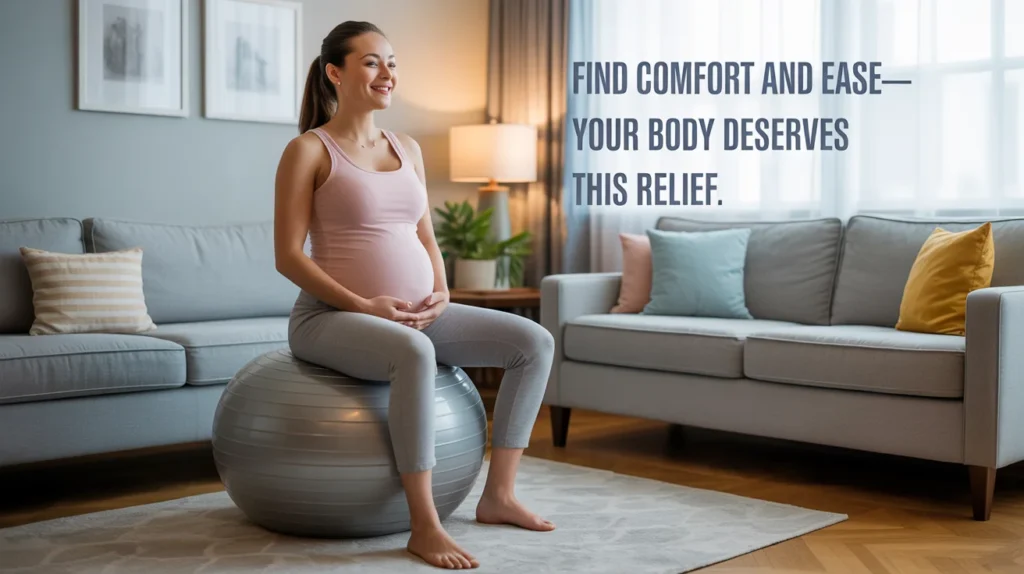
So, how can a large inflatable ball help with such a specific pain? A stability ball, also known as a birth ball or exercise ball, offers a unique combination of support and movement that directly addresses the root causes of round ligament discomfort.
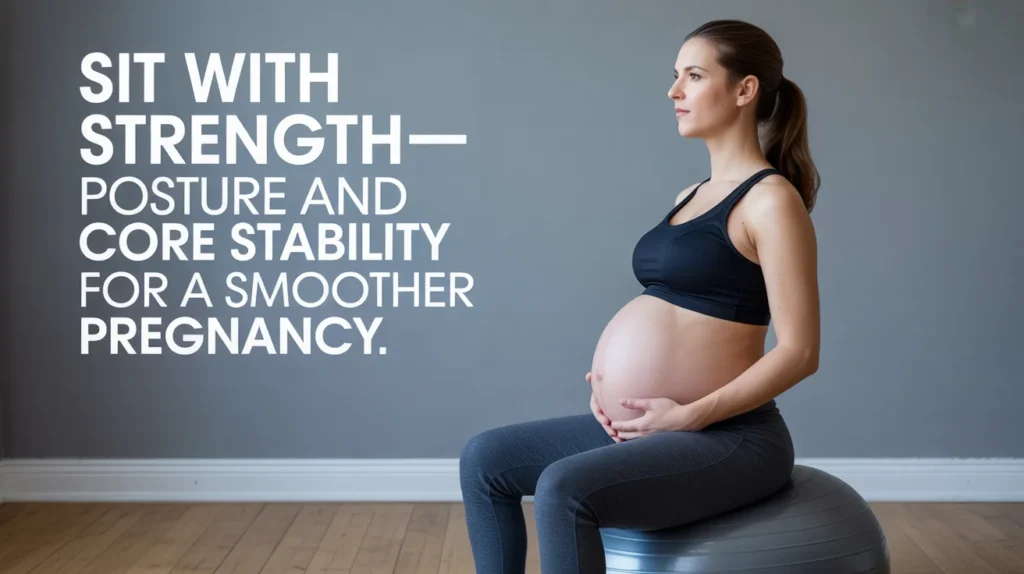
The unstable surface of the ball requires you to engage your core muscles for balance. This gentle engagement helps strengthen the muscles supporting your growing belly, taking some of the strain off your ligaments.
Sitting on a stability ball also encourages proper posture, which can align your pelvis and reduce tension. The dynamic seating it provides allows for small, subtle movements that can help stretch and relax tight muscles and ligaments. Think of it as a tool that helps your body find a more comfortable and supported position, easing the tension that leads to pain.
Choosing the Right Stability Ball for You
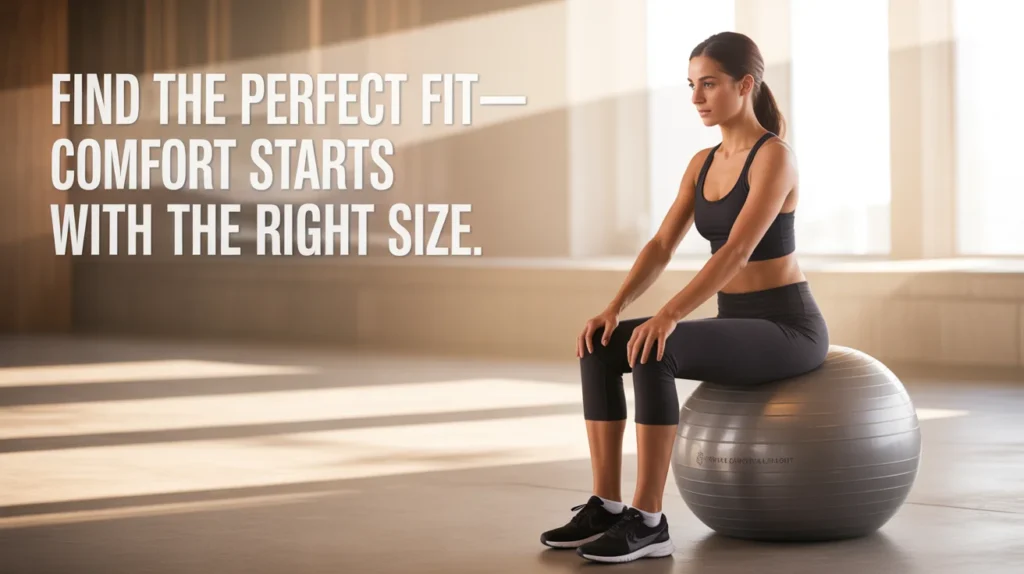
Selecting the correct size stability ball is the first and most important step for both safety and comfort. An incorrectly sized ball can strain your back and knees, defeating the purpose.

Finding Your Perfect Fit
The right size depends on your height. When you sit on a properly inflated ball, your hips should be level with or slightly higher than your knees, and your knees should be bent at a comfortable 90-degree angle. Your feet should be flat on the floor, providing a stable base.
Here is a simple guide to help you choose:
| Your Height | Recommended Ball Diameter |
|---|---|
| Under 5’4″ (163 cm) | 55 cm |
| 5’4″ to 5’10” (163-178 cm) | 65 cm |
| Over 5’10” (178 cm) | 75 cm |
Pro Tip: Look for a ball with an “anti-burst” or “burst-resistant” rating. This feature ensures that if the ball is punctured, it will deflate slowly rather than popping suddenly, which is a crucial safety feature, especially during pregnancy.
Gentle Exercises for Round Ligament Pain Relief
Once you have your ball, you can begin incorporating gentle movements into your daily routine. These exercises are designed to be soothing and require slow, controlled motions. Remember to listen to your body and stop if you feel any pain.
Seated Pelvic Tilts
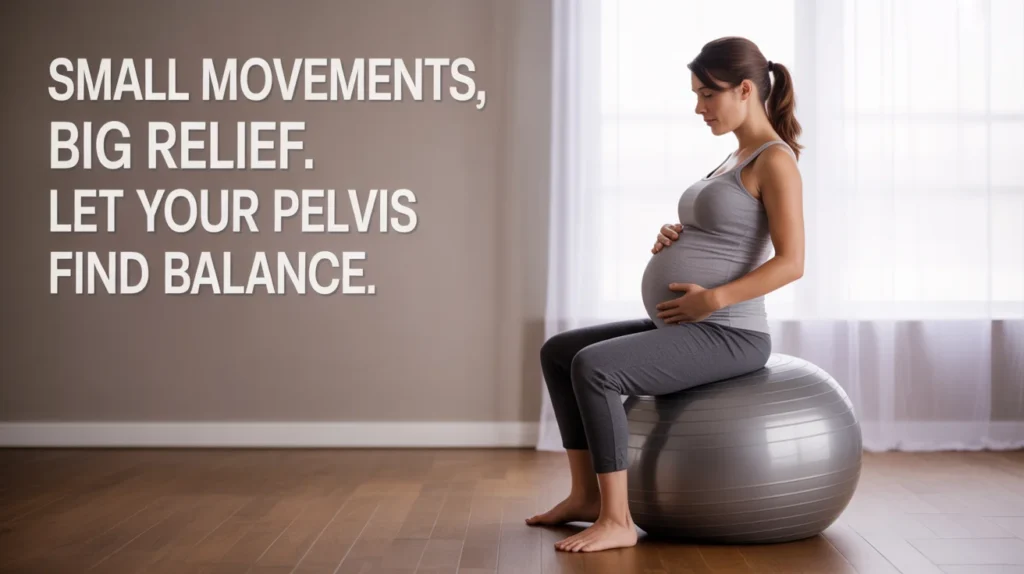
This is one of the most effective exercises for relieving pelvic and lower back tension.
- Sit Tall: Sit on the stability ball with your feet flat on the floor, shoulder-width apart. Place your hands on your hips.
- Tilt Forward: Gently rock your pelvis forward, creating a slight arch in your lower back. Imagine you are tilting a bowl of water forward.
- Tilt Backward: Slowly rock your pelvis backward, tucking your tailbone under and slightly rounding your lower back.
- Repeat: Continue this gentle rocking motion for 10-15 repetitions. Focus on the movement originating from your pelvis, not your upper back.
Gentle Bouncing
Simple bouncing can be surprisingly effective. The gentle up-and-down motion can help loosen tight muscles and ligaments, promoting blood flow and reducing stiffness.
- Sit Comfortably: Sit on the ball with good posture, feet firmly on the floor.
- Bounce Softly: Create a soft, gentle bouncing motion. The movement should be small and controlled.
- Breathe: Coordinate your breathing with the movement, inhaling as you rise slightly and exhaling as you lower. Continue for a few minutes, as long as it feels good.

Hip Circles (Figure-Eights)
This exercise helps to mobilize the hips and pelvis, which can relieve pressure on the round ligaments.
- Get into Position: Sit on the ball with your feet wide enough to feel stable.
- Circle Your Hips: Slowly move your hips in a circular motion, first clockwise and then counter-clockwise. Try to keep your upper body still.
- Create Figure-Eights: For a variation, trace a figure-eight pattern with your hips. This adds a different range of motion.
- Repeat: Perform 8-10 circles in each direction.

Using the Ball for Daily Activities
Beyond specific exercises, a stability ball can be integrated into your daily life to provide continuous relief.
Replacing Your Desk Chair
If you work at a desk, consider swapping your office chair for a stability ball for short periods. Sitting on the ball encourages “active sitting,” which keeps your core muscles engaged and prevents you from slouching. This improved posture can prevent the ligament strain that often comes from long periods of sitting in a static position. Start with 20-30 minutes at a time and gradually increase as you feel comfortable.

Leaning for Support
The ball can also be used as a prop for supportive stretching.
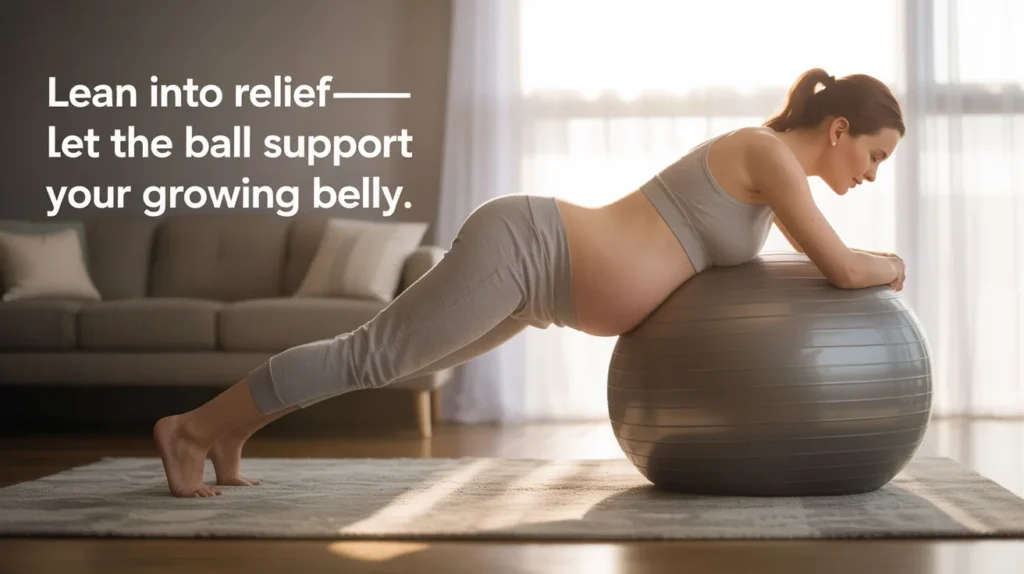
- Forward Lean: Place the ball on a bed or sturdy table. Kneel on the floor and lean your upper body over the ball, resting your arms and head. This position takes the weight of your belly off your pelvis and allows your back and ligaments to relax.
- Wall Squats: Place the ball between your lower back and a wall. Lean into the ball and slowly perform a squat. The ball will support your back as you move, making the exercise more comfortable.
For more information on safe exercise during pregnancy, the American College of Obstetricians and Gynecologists (ACOG) provides excellent resources.
Safety First: Precautions for Using a Stability Ball During Pregnancy
While a stability ball is a fantastic tool, safety is paramount. Your body’s center of gravity shifts during pregnancy, which can affect your balance.
- Clear the Area: Make sure you have plenty of space around you, free from sharp objects or furniture.
- Use Support: When you are first getting used to the ball, place it near a wall or a sturdy piece of furniture that you can hold onto for balance.
- Proper Inflation: Ensure the ball is inflated correctly. An under-inflated ball is unstable, while an over-inflated one can be too firm and slippery.
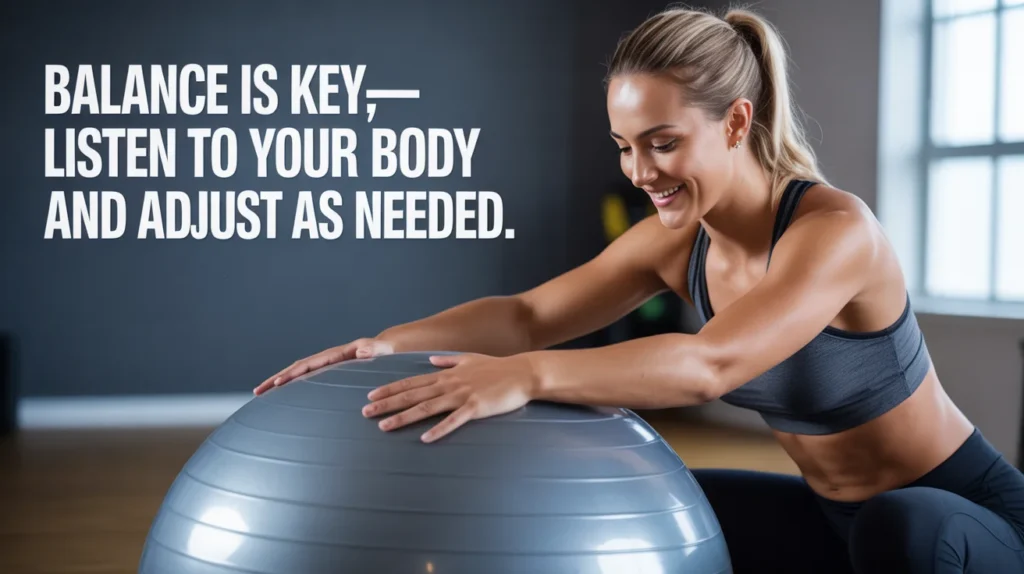
- Listen to Your Body: This is the most important rule. If any movement causes pain, dizziness, or discomfort, stop immediately.
- Consult Your Doctor: Before starting any new exercise program, including using a stability ball, discuss it with your doctor or midwife to ensure it’s appropriate for your specific pregnancy. You can find guidance on physical activity during pregnancy from sources like the U.S. Department of Health and Human Services.
Conclusion
Round ligament pain is a challenging but temporary part of the pregnancy journey. By incorporating a stability ball into your routine, you can actively manage discomfort, improve your posture, and strengthen the muscles that support your growing baby.
From gentle exercises like pelvic tilts and hip circles to simply using it as a chair, this simple tool offers a powerful way to unlock greater comfort. Always remember to prioritize safety, choose the right size ball, and consult with your healthcare provider. Embrace this tool to help your body feel its best as you prepare to meet your little one.

Frequently Asked Questions (FAQ)
Q: Can I use a stability ball in all trimesters of pregnancy?
A: Yes, a stability ball can generally be used throughout all three trimesters, but the types of exercises may change as your pregnancy progresses. Always get approval from your healthcare provider first. In the third trimester, you might focus more on gentle bouncing and pelvic tilts for comfort and labor preparation.
Q: How do I know if my pain is round ligament pain or something more serious?
A: Round ligament pain is typically a sharp, brief pain triggered by movement. If you experience severe or persistent pain, cramping, bleeding, fever, or pain during urination, contact your doctor immediately, as these could be signs of a more serious issue.
Q: Can using a stability ball help induce labor?
A: While many people use a “birth ball” in late pregnancy to encourage the baby to move into a good position for birth, there is no scientific evidence that it can induce labor. However, the hip-opening exercises can help prepare your body for the process.
Q: What’s the difference between a stability ball and a birth ball?
A: They are essentially the same thing. The term “birth ball” is often used when the ball is specifically intended for use during pregnancy, labor, and postpartum recovery. They are typically made from anti-burst material for extra safety.