

Introduction
Navigating life after a pregnancy loss can feel overwhelming and isolating. Your body and mind have been through a significant event, and finding a gentle way to reconnect with yourself is so important. For many, yoga offers a path toward healing.
It’s a practice that meets you exactly where you are, providing a space to breathe, move, and feel without judgment. If you are a busy mom trying to find your footing again, this guide is for you. We will explore simple, soothing yoga practices designed to support your physical and emotional recovery after a miscarriage.

This is not about “bouncing back” or pushing yourself. Instead, think of it as a gentle invitation to honor your body, process your grief, and slowly rediscover a sense of peace from within. We will cover gentle poses, breathing techniques, and how to create a supportive practice that fits into your life, no matter how hectic it feels right now.
Key Takeaways
- Gentle Movement is Key: Focus on restorative and gentle yoga that supports physical recovery and emotional release.
- Breathwork is Powerful: Breathing exercises can calm the nervous system, reduce stress, and help process difficult emotions.
- Emotional and Physical Connection: Yoga helps bridge the gap between your mind and body, which can feel disconnected after a traumatic event.
- Create a Safe Space: Your practice should feel nurturing. Adapt poses and use props to ensure comfort and support.
- Consistency Over Intensity: Even a few minutes of mindful movement each day can make a significant difference in your healing journey.

Understanding Your Body’s Needs After Pregnancy Loss
After a miscarriage, your body is in a state of recovery. Hormones are shifting, you may be experiencing physical discomfort, and emotional exhaustion is completely normal. It’s a time to be incredibly kind to yourself. Pushing into high-intensity exercise is not recommended. Instead, your body needs practices that promote rest, reduce inflammation, and gently restore strength.
Yoga, particularly restorative and gentle styles, is uniquely suited for this period. It encourages you to listen to your body’s signals rather than overriding them. The focus shifts from what your body can do to how it feels.
This mindful approach helps rebuild trust in your body and supports the healing of both the pelvic region and the nervous system. Honoring this delicate phase is the first step toward feeling more grounded and whole again. Remember, healing is not a linear process, and giving your body the gentle care it deserves is a profound act of self-compassion.

The Mind-Body Connection in Grief
Grief is not just an emotional experience; it lives in the body. You might feel it as tightness in your chest, a knot in your stomach, or heaviness in your limbs. A traumatic event like a miscarriage can trigger your body’s stress response, leaving you in a state of high alert. Yoga helps to gently unwind this tension.
Through mindful movement and breath, you can signal to your nervous system that it is safe to relax. This practice helps you process emotions that might be too difficult to put into words. As you move through gentle poses, you create space for feelings to arise and pass without judgment.
This is not about forcing yourself to “get over it,” but rather about creating a container where you can hold your grief with compassion. This mind-body approach is a powerful tool for navigating the complex emotions that accompany loss.
Getting Started: Creating Your Safe Yoga Space
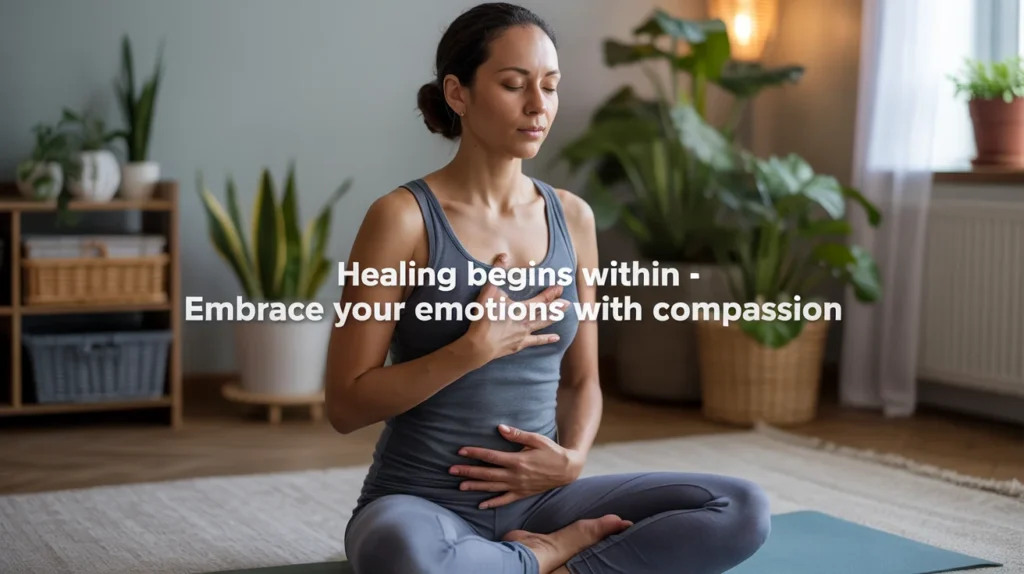
You don’t need a fancy studio or expensive gear to begin. Your yoga space can be a quiet corner of your bedroom or living room. The most important thing is that it feels safe and peaceful to you. Try to find a time, even just 10-15 minutes, when you are unlikely to be interrupted. This might be early in the morning before the kids wake up or in the evening after they’ve gone to bed.
Gather a few simple props to support your practice. A yoga mat is helpful, but a soft rug works too. Consider having pillows, cushions, and blankets nearby. These props are not for making poses harder, but for making them more comfortable and accessible.
They allow your body to fully relax and release. You might also light a candle or play some soft, calming music to help set a tranquil mood. This space is your sanctuary, a place dedicated entirely to your well-being.

Essential Props for a Restorative Practice
- Yoga Mat: Provides a non-slip, cushioned surface.
- Blankets: Can be rolled up for support under the knees or neck, or used for warmth during relaxation.
- Pillows or Bolsters: Essential for supporting the body in restorative poses, allowing you to relax deeply.
- Yoga Blocks: Help bring the floor closer to you, making certain poses more accessible.

Gentle Yoga Practices for Post-Miscarriage Healing
To support healing after a miscarriage, consider exploring some newer and less conventional yoga styles that have gained popularity for their gentle yet powerful benefits. Each of these practices blends traditional yoga principles with modern approaches to promote emotional and physical recovery in innovative ways. Remember to move slowly and honor your limits, making adjustments for comfort as needed.
Yoga Nidra (“Yogic Sleep”)
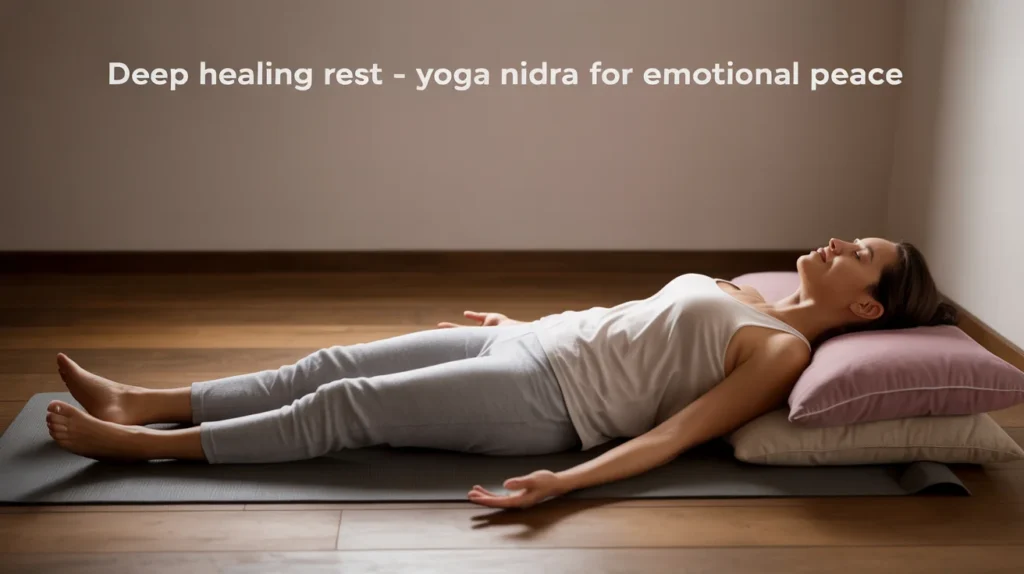
Yoga Nidra is a deeply restorative practice that guides you into a state between wakefulness and sleep. Developed for stress relief and emotional healing, it’s especially helpful for processing grief and aiding physical recovery after miscarriage.
How to do it:
- Lie down in a comfortable position with props for support—pillows under your knees and a blanket for warmth.
- Use headphones or a speaker to listen to a guided Yoga Nidra meditation (many free options are available online).
- Allow yourself to follow the instructor’s voice and gradually move deeper into relaxation.
- If you drift in and out of wakefulness, that’s perfectly normal. Aim for 10–30 minutes per session.
Somatic Movement Yoga
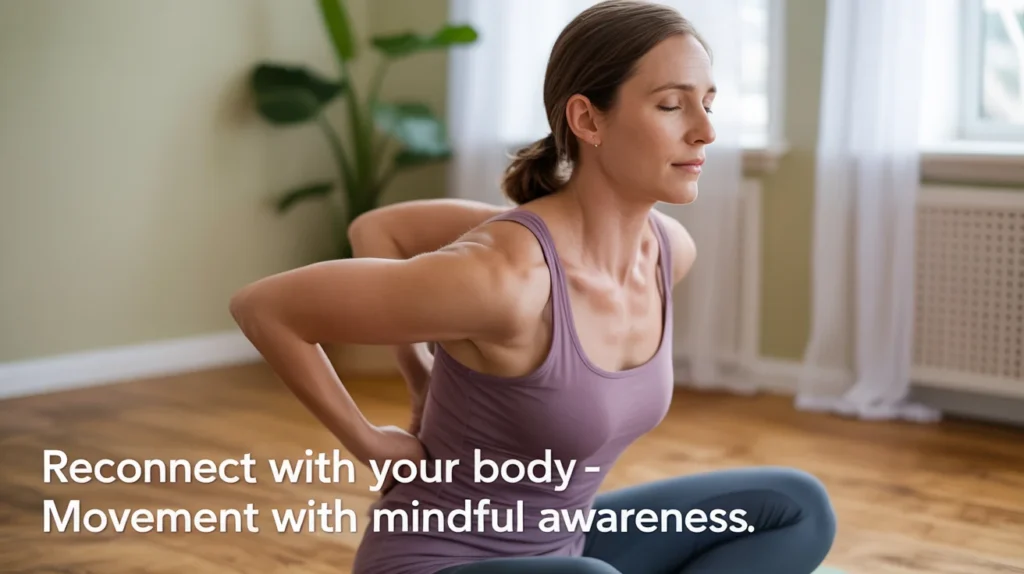
A modern approach rooted in awareness, somatic movement yoga focuses on gentle, mindful micro-movements rather than traditional poses. This style helps release emotional blockages and reconnects you to your body in a nurturing way, which can be vital for healing after a miscarriage.
How to do it:
- Begin lying down or seated, with eyes closed if comfortable.
- Gently move one part of your body at a time (such as rolling your shoulders, rocking your pelvis, or slowly turning your head side to side).
- Focus on internal sensations and move intuitively—there’s no right or wrong here.
- Continue for 5–15 minutes, allowing your body to guide the session’s pace and direction.
Yin Yoga with Mindful Journaling
Yin Yoga targets deep connective tissues through long, supported holds, and pairing the practice with journaling adds a modern, therapeutic twist. After a miscarriage, Yin can soothe the nervous system, and journaling helps process thoughts and emotions.
How to do it:
- Set up for Yin Yoga: gather bolsters, blocks, or folded blankets.
- Choose 2–4 gentle Yin poses (like Supported Butterfly, Reclining Twist, or Melting Heart) and hold each for 3–5 minutes, using lots of support.
- After each pose, pause to journal your feelings, sensations, or any emotions that arise.
- Repeat the cycle, letting your writing be as brief or as expressive as you need.

Restorative Aerial Yoga (Low Hammock)
Modern aerial yoga, when adapted with a low hammock positioned close to the ground, can provide gentle support and a feeling of weightlessness. This is not acrobatic and requires little effort, making it suitable even after a miscarriage.
How to do it:
- Use a professionally installed yoga hammock set low to the ground.
- Sit or lie in the hammock, letting it gently cradle your body in supported relaxation poses (like Floating Savasana or Cocoon).
- Focus on breathing deeply and releasing tension as the hammock supports you.
- Stay for 5–15 minutes, prioritizing comfort and a feeling of safety.
Introducing these modern and accessible yoga practices can help create a fresh approach to healing, especially for busy moms seeking soothing, supportive routines after a miscarriage. Always listen to your body, make use of props, and seek out online classes or guided videos to learn at your own pace.

The Power of Breathwork (Pranayama)
Your breath is your most powerful tool for regulating your nervous system. When we are stressed or grieving, our breathing often becomes shallow and rapid. Consciously slowing down your breath can send a direct message to your brain to calm down. After a miscarriage, integrating simple breathing exercises can be profoundly healing.
One of the most accessible techniques is the Three-Part Breath (Dirga Pranayama). Lie comfortably on your back with a pillow under your knees. Place one hand on your belly and the other on your chest. Inhale slowly through your nose, first filling your belly, then your ribcage, and finally your upper chest.
Exhale slowly, releasing the air from your chest, then your ribs, and finally your belly. This practice helps you connect with your body and anchors you in the present moment, offering a respite from overwhelming thoughts and emotions.

Comparing Gentle Yoga vs. Vigorous Yoga for Recovery
| Feature | Gentle/Restorative Yoga | Vigorous/Power Yoga |
|---|---|---|
| Pace | Slow, mindful, and deliberate movements. | Fast-paced, continuous flow. |
| Focus | Relaxation, nervous system regulation, gentle stretching. | Building strength, endurance, and heat. |
| Holding Poses | Poses are held for longer periods (3-10 minutes) with props. | Poses are held for shorter durations or flowed through quickly. |
| Post-Miscarriage Suitability | Highly Recommended. Supports physical and emotional healing. | Not Recommended. Can be too strenuous on a recovering body. |
| Energy Level | Calming and energy-restoring. | Energizing and physically demanding. |
Integrating Yoga into a Busy Mom’s Life
The idea of adding one more thing to your plate can feel impossible. But your yoga practice doesn’t need to be an hour long. Five minutes of intentional breathing in your car before walking into the house can be yoga. A few Cat-Cow stretches on the floor while your kids are playing can be yoga.
The key is to release the expectation that it has to look a certain way. Find small pockets of time. Maybe it’s setting your alarm 10 minutes earlier. Or perhaps it’s taking a few moments to do Legs-Up-the-Wall before bed. These small, consistent efforts can have a huge impact.
This practice is for you, and it should serve you, not become another source of stress. The journey of healing after a miscarriage is unique to each person, and finding what works for you is part of the process.

When to Seek Further Support
While yoga can be an incredible tool for healing, it is not a replacement for professional medical or mental health care. It is crucial to follow your doctor’s advice regarding physical recovery after a miscarriage. Additionally, the emotional toll of pregnancy loss can be immense.
If you are experiencing overwhelming sadness, anxiety, or symptoms of depression, please reach out for support. A therapist specializing in perinatal loss can provide a safe space to process your grief. Support groups, both online and in-person, can also connect you with others who understand what you are going through.
For resources and support, organizations like the National Institute of Child Health and Human Development offer valuable information. Combining yoga with professional support can create a comprehensive network of care for your healing journey. Postpartum Support International also offers resources that are relevant for pregnancy and infant loss.

Conclusion
The path after a miscarriage is deeply personal and often challenging, especially when juggling the demands of motherhood. Soothing yoga practices offer a gentle, compassionate way to support yourself through this tender time. By focusing on gentle movement, mindful breathing, and deep rest, you can create a space to honor your body, acknowledge your grief, and slowly reconnect with yourself.
Remember that your practice does not need to be perfect or long. Even a few minutes of intentional stillness can provide profound comfort. Be patient and kind with yourself as you navigate your healing. Each breath and every gentle movement is a step toward finding peace and wholeness within yourself again. You are not alone, and you deserve this time for healing.

Frequently Asked Questions (FAQ)
Q1: How soon after a miscarriage can I start practicing yoga?
It is essential to consult with your healthcare provider first. They can give you clearance for gentle physical activity based on your specific situation. Once you are cleared, start with very gentle breathing exercises and restorative poses, listening carefully to your body.
Q2: What if I feel emotional during my yoga practice?
This is completely normal and a healthy part of the healing process. Yoga can create a safe space for emotions to surface. If you feel tears or sadness, allow them to come without judgment. Child’s Pose is a wonderful posture to retreat to if you feel overwhelmed.
Q3: I’m not flexible. Can I still do yoga?
Absolutely. Yoga is not about being flexible; it’s about connecting with your body. The use of props like pillows, blankets, and blocks makes the practice accessible to everyone, regardless of flexibility. The goal is comfort and release, not achieving a certain shape.
Q4: Can these practices help with feelings of guilt or anger after a miscarriage?
Yes, a mindful yoga practice can help you process a wide range of emotions, including guilt and anger. By observing these feelings without judgment and allowing them to move through you, you can begin to release their hold. The physical release of tension can often lead to an emotional release as well.