Introduction To Sciatica Relief During Pregnancy
Pregnancy is a beautiful journey, but it can come with its share of aches and pains. One common complaint among expectant mothers is a sharp, shooting pain that travels from the lower back down the leg.
This discomfort is often caused by sciatica, a condition that occurs when the sciatic nerve becomes compressed or irritated. While it can be incredibly painful, the good news is that gentle exercise and stretching can offer significant relief.
Dealing with this pain on top of everything else that comes with preparing for a new baby can feel overwhelming. You need solutions that are safe, effective, and easy to fit into a busy schedule.
This guide is designed to help you understand why you’re experiencing this pain and what you can do about it. We’ll explore five life-changing exercises that can ease your discomfort and help you enjoy your pregnancy more fully. These simple movements can be done at home and are designed to be safe for both you and your baby.
Key Takeaways
- Sciatica during pregnancy is common and caused by pressure on the sciatic nerve.
- Gentle, targeted exercises can provide significant pain relief.
- Always consult your doctor before starting any new exercise routine during pregnancy.
- Consistency is key; aim to perform these exercises regularly for the best results.
- Proper posture and listening to your body are crucial for preventing further irritation.

Understanding Sciatica in Pregnancy
Before we dive into the exercises, it’s helpful to understand what’s happening in your body. The sciatic nerve is the longest nerve in your body, running from your lower back, through your hips and buttocks, and down each leg. During pregnancy, several factors can put pressure on this nerve, leading to the pain known as sciatica.
One major cause is the weight of your growing uterus, which can press directly on the nerve. Your body also produces a hormone called relaxin, which loosens ligaments in preparation for childbirth.

While this is essential for delivery, it can also cause the pelvis to become less stable, potentially leading to nerve compression. Additionally, changes in your posture as your center of gravity shifts can strain your back and hip muscles, further irritating the sciatic nerve.
What Does Sciatic Nerve Pain Feel Like?
Sciatic pain is distinct from general pregnancy backache. It typically presents as:
- A sharp, shooting, or burning pain that originates in the lower back or buttock.
- Pain that radiates down the back of one leg, sometimes reaching the foot.
- Numbness, tingling, or weakness in the affected leg or foot.
- Pain that worsens when sitting, standing for long periods, or making sudden movements.
If you are experiencing any of these symptoms, it’s a good idea to speak with your healthcare provider to confirm the cause and ensure there are no other underlying issues.

5 Innovative and Effective Exercises for Relief
Once your healthcare provider has approved activity, including creative and up-to-date exercises in your daily routine can help manage sciatica pain during pregnancy. These less familiar movements focus on relieving nerve pressure, promoting mobility, and supporting your body’s changes—while keeping things interesting for busy moms.
Always tune into your body during exercise. Move slowly, breathe deeply, and back off if you feel any sharp pain.

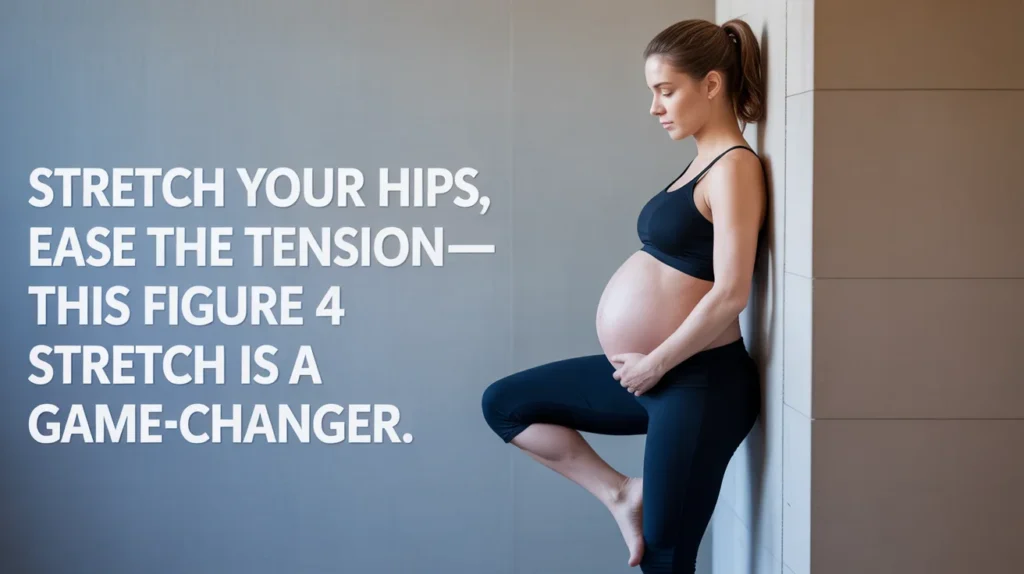
1. Standing Figure 4 Stretch (Wall Support)
This advanced take on the classic piriformis stretch offers an active, upright variation—perfect for those who want flexibility beyond traditional seated or floor stretches.
How to do it:
- Stand facing a wall and use it for balance.
- Cross your right ankle over your left knee, creating a “figure 4” shape.
- Slowly bend your left leg, as if sitting into a gentle squat, keeping your back straight.
- Lean forward from your hips, keeping your hands on the wall for support—feel a stretch in your right hip and glute.
- Hold for 20-30 seconds, then switch sides.
Try 2-3 rounds per side. This version is accessible in small spaces and integrates seamlessly into daily movement.
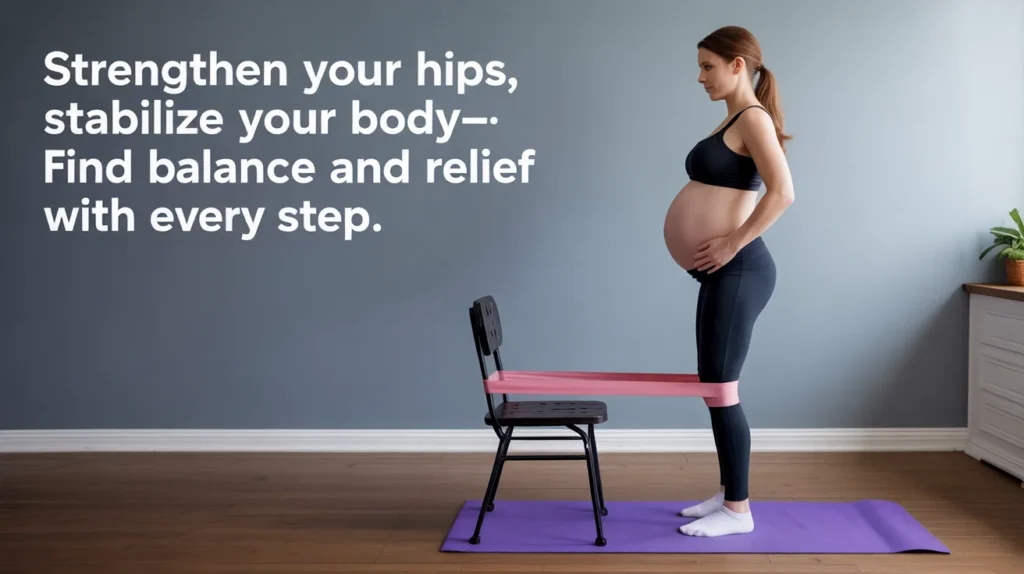
2. Banded Hip Marches
Resistance bands can be a game-changer during pregnancy for activating the glutes and hips without lying down. Banded hip marches help support pelvic stability while taking tension off the sciatic nerve.
How to do it:
- Stand tall with a mini resistance band just above your knees.
- Hold onto a chair or countertop for balance if needed.
- March in place, lifting one knee toward your chest while keeping the other leg straight and engaged.
- Keep gentle tension on the band the entire time.
- Alternate legs, aiming for 10-12 slow, controlled marches per side.
Repeat for 2-3 sets. This exercise activates stabilizing muscles without strain.
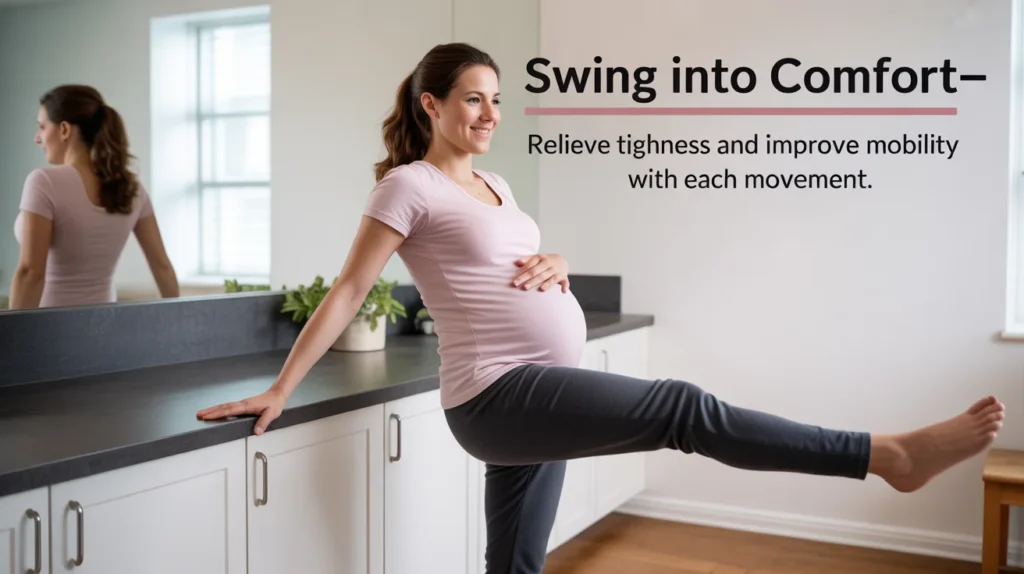
3. Standing Lateral Leg Swings
Fluid, gentle swinging motions improve hip mobility and circulation. This dynamic movement helps alleviate stiffness associated with sciatica and is especially pregnancy-friendly.
How to do it:
- Stand sideways to a wall or counter, using one hand for support.
- Shift your weight onto your right leg.
- Gently swing your left leg out to the side and then across your body in front of your right leg, allowing your hip to move freely.
- Control each swing and keep the motion relaxed, not forceful.
Perform 10-15 swings per leg, repeating for 2 sets. This movement opens tight hips and encourages natural stride.
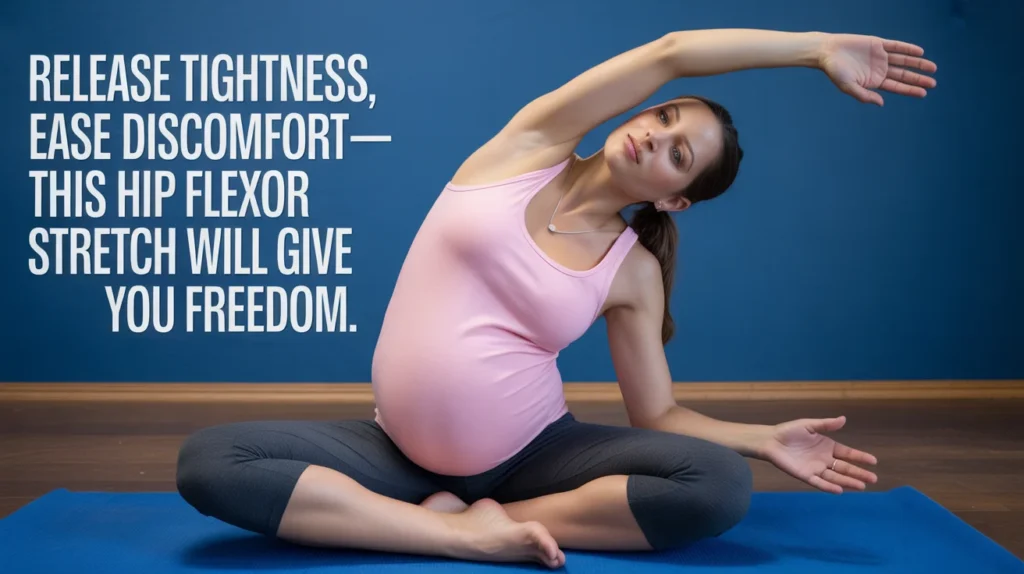
4. Half-Kneeling Hip Flexor Reach
Targeting tight hip flexors is critical for sciatica relief, as shortened muscles in the front of your hips can increase pressure on the lower back. The modern “reach” variation enhances lengthening along your whole side.
How to do it:
- Kneel on your right knee with your left foot on the floor in front, making a 90-degree angle.
- Tuck your pelvis slightly, squeezing your glute on the kneeling side.
- Reach your right arm overhead and slightly lean to the left until you feel a gentle stretch in your right hip and side.
- Hold for 20-30 seconds, switch to the other side.
This move is a prenatal physical therapy favorite for opening the hips gently and safely.
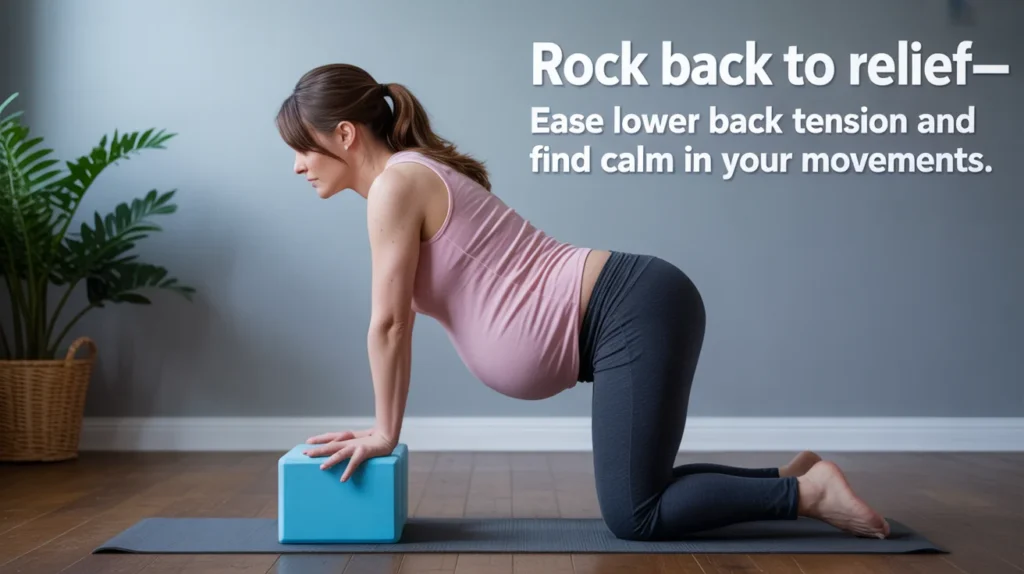
5. Supported Quadruped Rock Back
Borrowed from modern physical therapy routines, this gentle rocking movement encourages spinal mobility while being easy on your growing belly.
How to do it:
- Start on your hands and knees in a table-top position, with your wrists under your shoulders and knees under your hips.
- Place a yoga block, pillow, or bolster under your hands if needed for comfort and elevation.
- Slowly rock your hips back toward your heels, maintaining a neutral spine and breathing deeply.
- Only go as far as comfortable, and then return to the starting position.
Repeat 8-10 times, moving smoothly. This movement relieves lower back tension and supports nervous system relaxation.
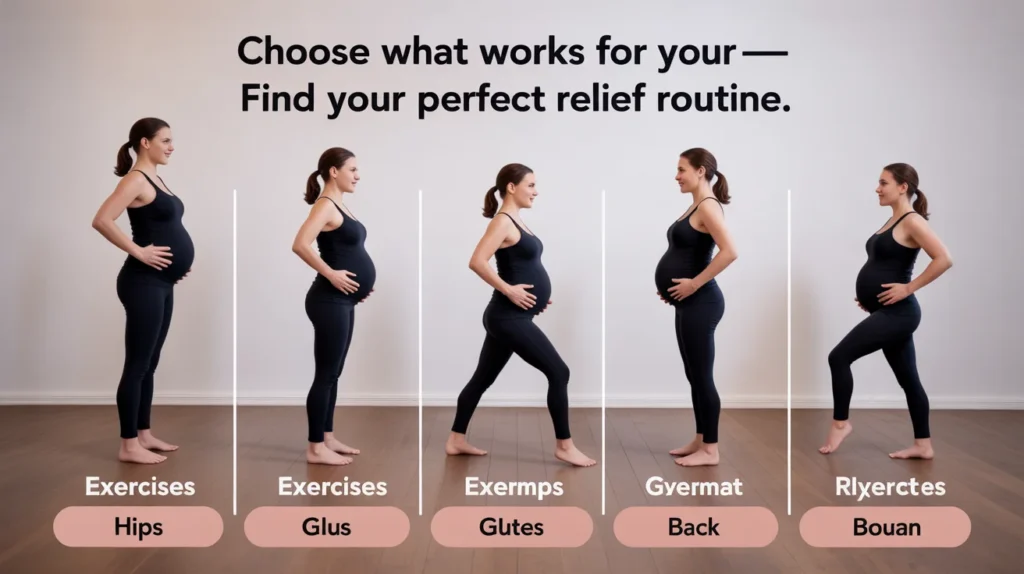
Choosing Modern Relief Exercises: A Quick Comparison
Explore the table below to find which exercise is best for your symptoms and daily routine.
| Exercise | Primary Target Area | Best For |
|---|---|---|
| Standing Figure 4 Stretch | Hips & Glutes | Quick, deep stretch with no floor work |
| Banded Hip Marches | Hips & Glute Stability | Active strengthening and balance |
| Standing Lateral Leg Swings | Hips & IT Band | Dynamic movement & mobility |
| Half-Kneeling Hip Flexor Reach | Hip Flexors & Side Body | Lengthening front hips, gentle side bend |
| Supported Quadruped Rock Back | Low Back & Core | Gentle spinal movement, all trimesters |
While exercises are a cornerstone of relief, other lifestyle adjustments can also help you manage pain from sciatica.
Maintain Good Posture
Be mindful of how you sit, stand, and walk. Try to keep your spine aligned. When sitting, use a small pillow or lumbar roll to support your lower back. When standing, keep your weight evenly distributed on both feet.

Use Warm and Cold Packs
Applying a warm compress to the painful area can help relax tight muscles. A cold pack can reduce inflammation and numb the sharp pain. You can alternate between the two for 15-20 minutes at a time, several times a day.

Sleep Smart
Sleep on your side, preferably the side that isn’t painful. Place a pillow between your knees and ankles to keep your hips aligned and reduce pressure on your lower back and sciatic nerve. A full-body pregnancy pillow can be a great investment for this.

Avoid Prolonged Sitting or Standing
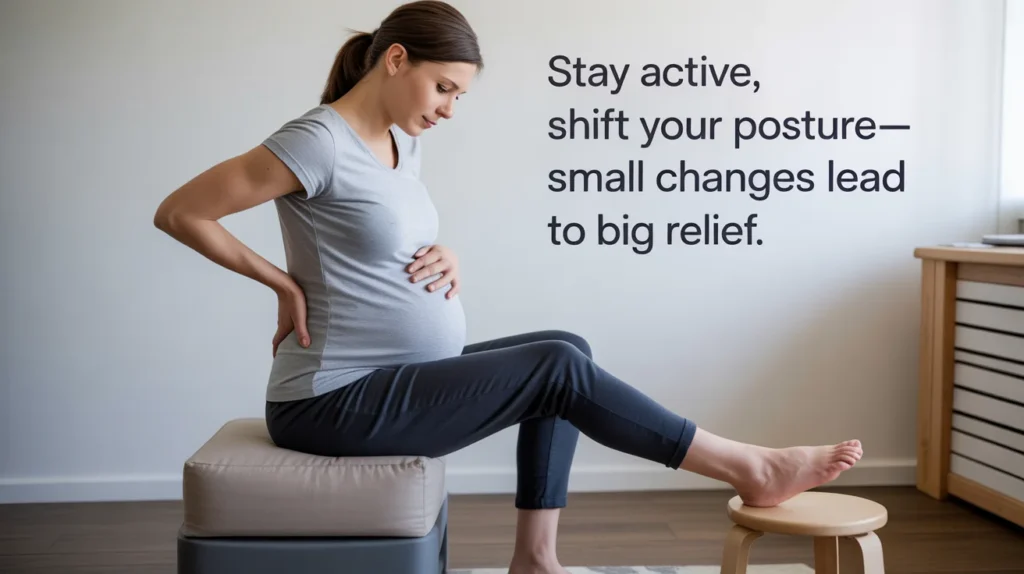
If you sit for long periods, get up and walk around every 30-60 minutes. If you stand a lot, try to elevate one foot on a small stool and alternate feet regularly. This simple shift can take a significant amount of pressure off your lower back.
When to Seek Professional Help
Gentle exercise and home care are often enough to manage pregnancy-related sciatica. However, it’s important to know when to seek further medical advice. Contact your doctor or a physical therapist if:
- The pain is severe, constant, or getting worse.
- You experience weakness, numbness, or tingling in both legs.
- You lose control of your bladder or bowels.
A physical therapist who specializes in prenatal care can provide a personalized treatment plan. They can offer hands-on therapy and more specific exercises to address the root cause of your pain. A great resource for finding qualified professionals is the American Physical Therapy Association’s specialist directory.

Conclusion
Experiencing sciatica during pregnancy can be challenging, but you don’t have to simply endure the pain. By incorporating these five life-changing exercises into your routine, you can actively manage your symptoms, release tension, and find lasting relief.
The seated piriformis stretch, cat-cow pose, modified pigeon pose, pelvic tilts, and wide-knee child’s pose are all safe, gentle, and highly effective ways to ease pressure on the sciatic nerve.
Combined with smart lifestyle adjustments like maintaining good posture, using heat and cold therapy, and optimizing your sleeping position, you can significantly improve your comfort and well-being. Always remember to listen to your body, move gently, and consult with your healthcare provider before starting a new fitness regimen.
By taking these proactive steps, you can focus less on the pain and more on the joy of your pregnancy journey. For more information on exercise during pregnancy, the U.S. Department of Health and Human Services offers comprehensive guidelines.
Frequently Asked Questions (FAQ)
Q1: How often should I do these exercises for sciatica relief?
A: For best results, aim to perform these gentle stretches daily. Even 10-15 minutes a day can make a significant difference. Consistency is more important than intensity.
Q2: Can these exercises harm my baby?
A: The exercises listed are specifically chosen and modified for pregnancy and are generally considered safe. However, it is crucial to get clearance from your doctor or midwife before starting any new exercise program.
Q3: What if the pain gets worse when I exercise?
A: You should only feel a gentle stretch, never sharp or worsening pain. If an exercise hurts, stop immediately. It may not be the right movement for you, or your form might need adjustment. It’s best to consult with a physical therapist in this case.
Q4: Can I get sciatica after pregnancy?
A: While less common, it is possible for sciatic pain to linger or develop postpartum due to weakened core and pelvic muscles or the physical strain of caring for a newborn. Continuing with gentle core-strengthening and stretching exercises can help.