Introduction
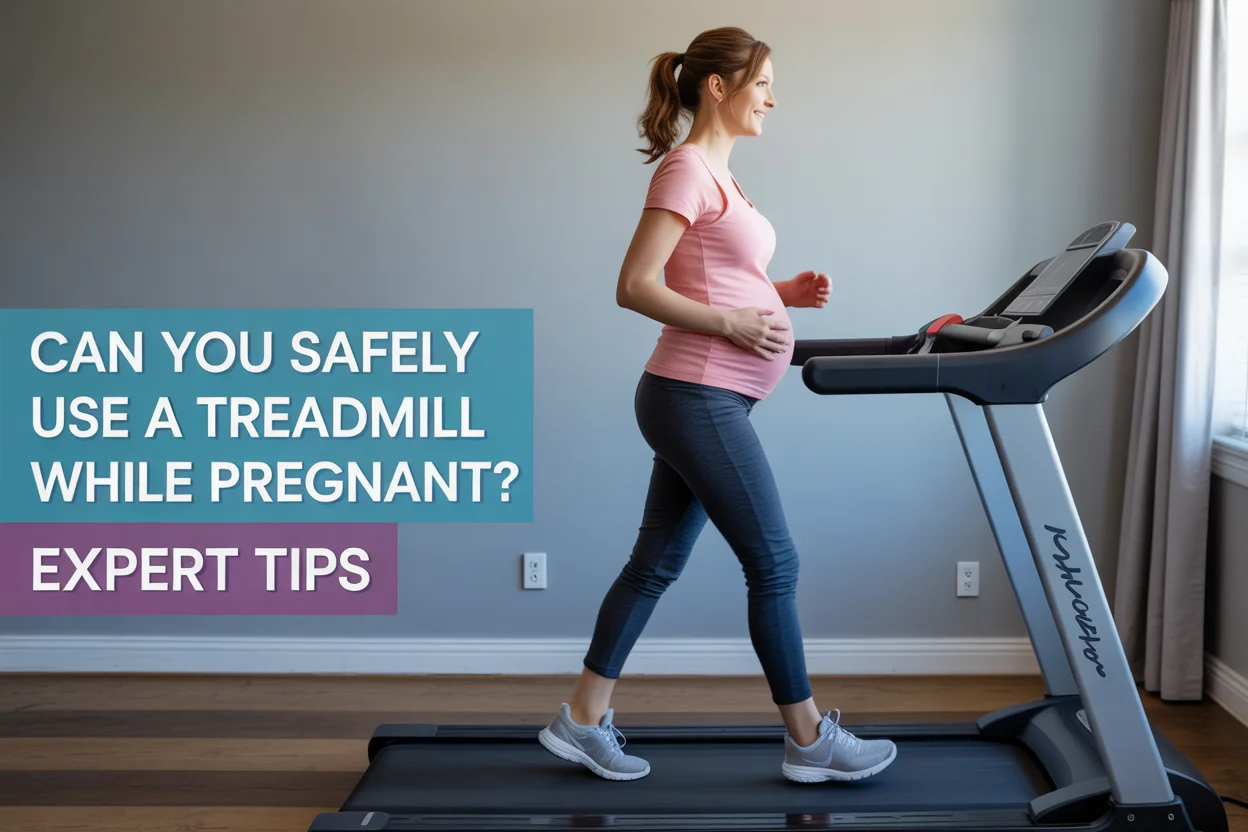
Staying active during pregnancy is one of the best things you can do for yourself and your growing baby. But with so much information out there, it can be hard to know what’s safe. You might be wondering if you can continue your regular cardio routine, especially if it involves a treadmill.
The good news is that for many expecting moms, walking on a treadmill is a fantastic way to maintain fitness. However, it’s essential to understand how to do it safely.This guide is here to provide you with expert tips and clear advice.
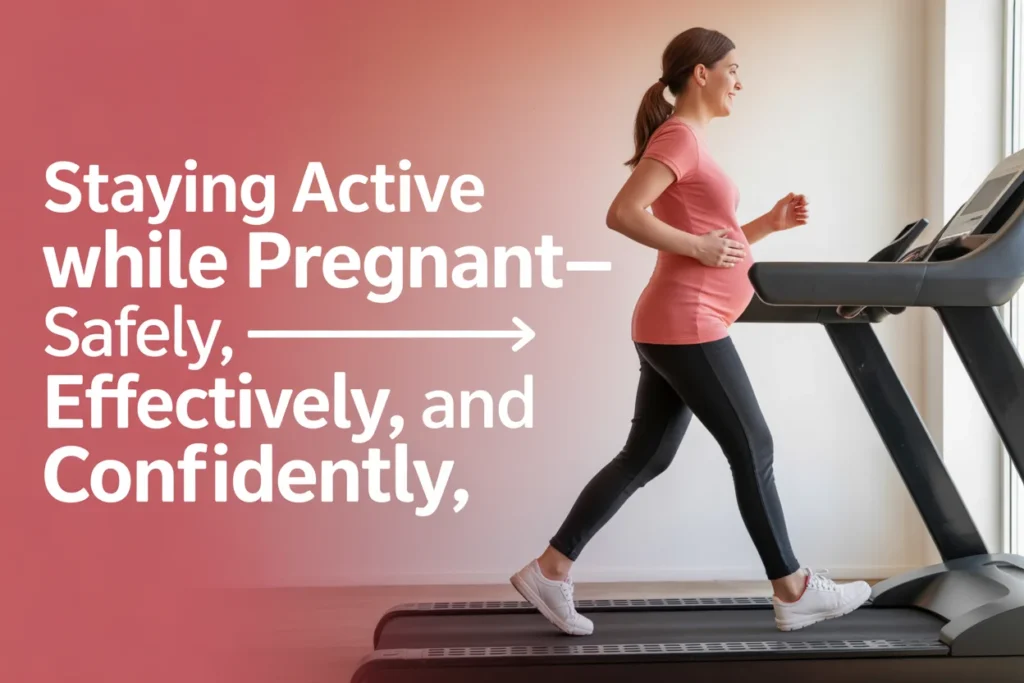
We’ll explore the benefits of using a treadmill while pregnant, the crucial safety measures you need to take each trimester, and when you should talk to your doctor. Our goal is to empower you to make informed decisions about your fitness journey, ensuring you and your baby stay healthy and strong.
Key Takeaways
- For most healthy pregnancies, using a treadmill is a safe and effective way to exercise.
- Always consult your healthcare provider before starting or continuing any exercise program during pregnancy.
- Safety is paramount: use handrails, wear supportive shoes, stay hydrated, and never push yourself to exhaustion.
- Your body changes each trimester, and your treadmill routine should adapt accordingly by reducing intensity and focusing on stability.
- Listen to your body. Stop exercising immediately if you experience pain, dizziness, bleeding, or other warning signs.
The Big Question: Is It Safe to Use a Treadmill During Pregnancy?
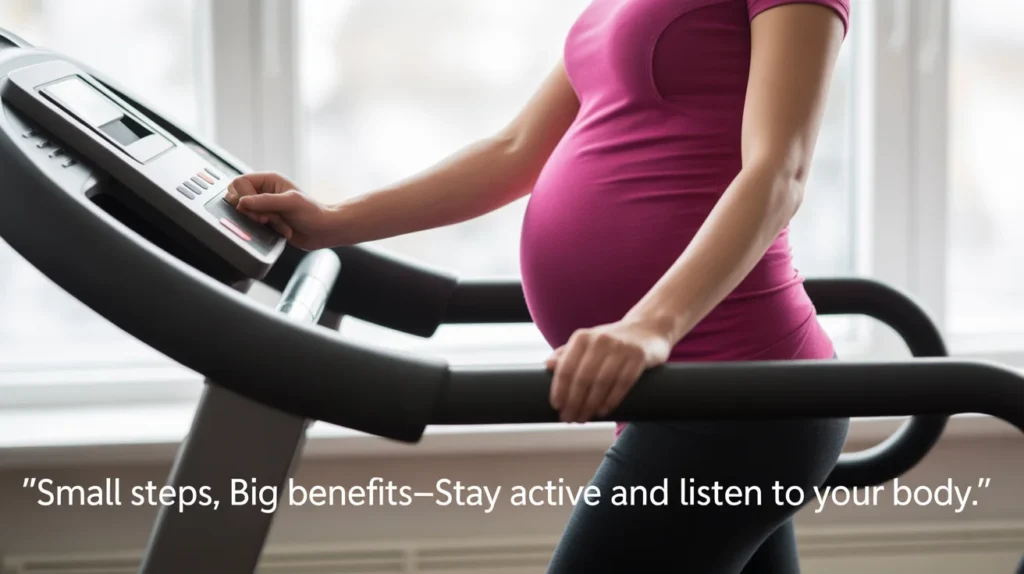
For the majority of women with uncomplicated pregnancies, the answer is a resounding yes. Walking is one of the most recommended forms of exercise for expecting mothers. It’s a low-impact activity that gets your heart rate up without putting excessive strain on your joints.
Using a treadmill offers a controlled, convenient environment to get your steps in, regardless of the weather outside. You can easily manage your speed, incline, and duration, making it a highly adaptable workout.
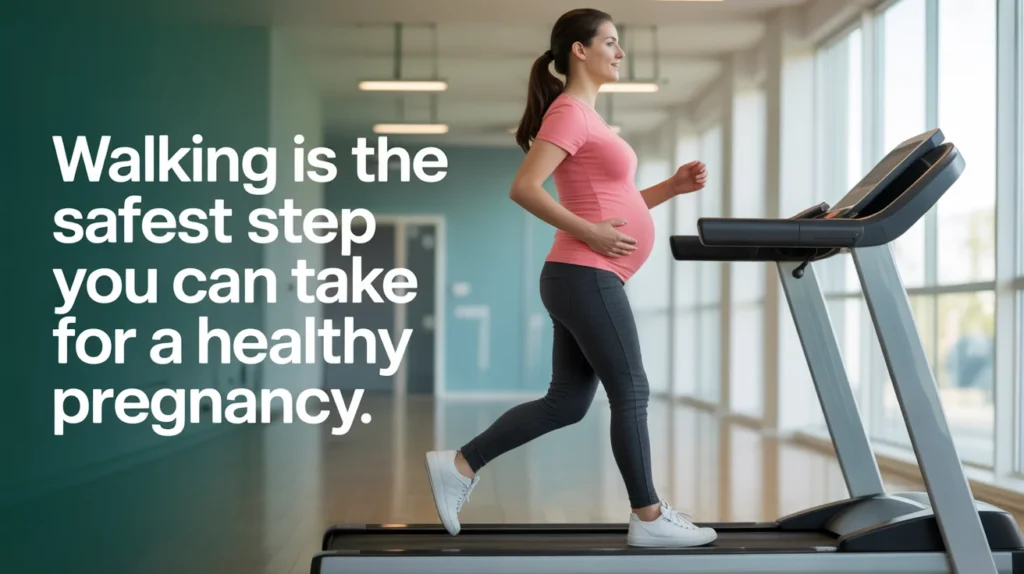
However, safety always comes first. The American College of Obstetricians and Gynecologists (ACOG) encourages pregnant women to get at least 150 minutes of moderate-intensity aerobic activity each week. A brisk walk on a treadmill certainly fits this description.
Before you begin, it’s crucial to get the green light from your doctor or midwife. They can assess your personal health history and confirm if you can safely Use a Treadmill as part of your prenatal fitness plan.
The Amazing Benefits of Walking While Pregnant
Staying active isn’t just about feeling good; it brings a host of science-backed benefits for both you and your baby. Incorporating regular walks into your routine can make your pregnancy journey smoother and even help prepare your body for labor and delivery. A treadmill makes it easy to stay consistent and reap these rewards.
Here are some of the top benefits:
- Reduces Pregnancy Discomforts: Gentle exercise can help alleviate common issues like back pain, constipation, bloating, and swelling.
- Improves Mood and Energy Levels: Physical activity releases endorphins, which are natural mood boosters. It can also help combat pregnancy-related fatigue.
- Promotes Healthy Weight Gain: Staying active helps you manage your weight gain within the recommended guidelines, which is beneficial for both your health and your baby’s.
- Lowers Risk of Complications: Regular exercise may decrease the risk of developing gestational diabetes, preeclampsia, and the need for a cesarean delivery.
- Prepares Your Body for Labor: Strengthening your heart and improving your stamina can provide you with the endurance needed for labor and delivery.

Before You Step On: Essential Doctor’s Consultation
Your first step before lacing up your sneakers should always be a conversation with your healthcare provider. While it’s great to be motivated, your doctor needs to clear you for physical activity. Every pregnancy is unique, and what is safe for one person may not be for another. Your doctor will review your medical history and current health status to ensure there are no underlying conditions that could make exercise risky.

When to Be Extra Cautious
Certain conditions may require you to modify or avoid exercise. Be sure to discuss your plans if you have:
- A history of preterm labor or miscarriage
- Certain types of heart or lung disease
- Placenta previa after 26 weeks
- Severe anemia
- Persistent bleeding
Your doctor is your best partner in navigating a healthy pregnancy. They can provide personalized advice on how to safely Use a Treadmill and what intensity level is appropriate for you.

Your Guide to Treadmill Safety During Pregnancy
Once you have your doctor’s approval, you can confidently step onto the treadmill. But your approach will be different from your pre-pregnancy workouts. Your body is undergoing incredible changes, so adjusting your routine is key to staying safe and comfortable.
General Safety Rules for All Trimesters
No matter which trimester you’re in, these safety tips are non-negotiable.
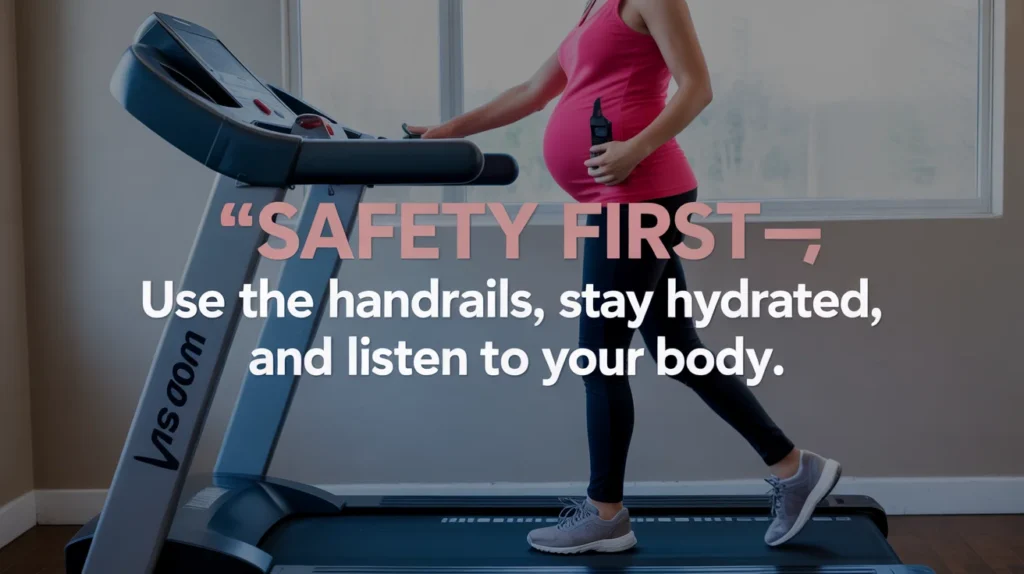
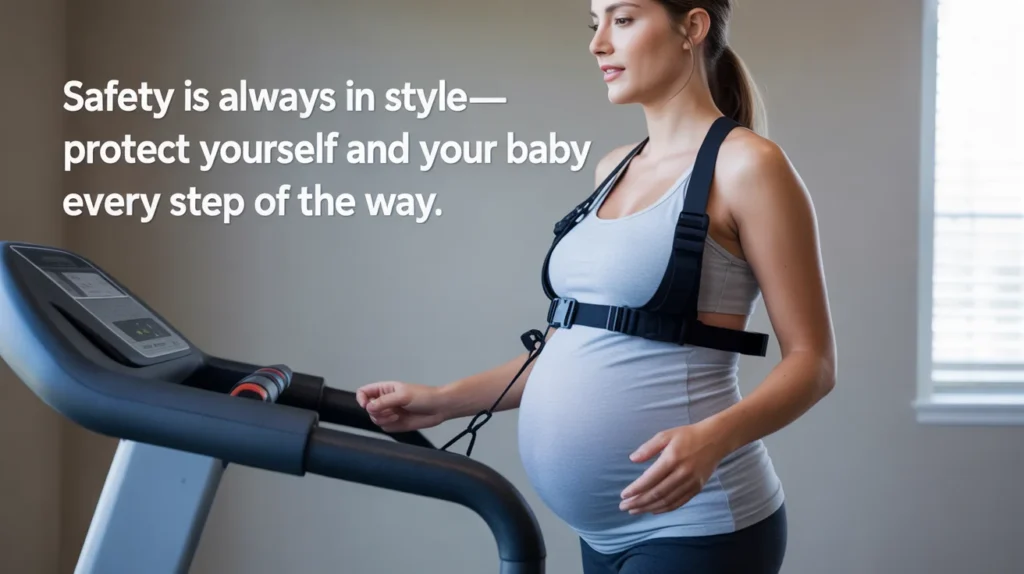
- Always Use the Safety Clip: This is your emergency stop. Attach it to your clothing so if you slip or lose your balance, the machine will shut off immediately.
- Hold the Handrails: Your center of gravity shifts as your belly grows, making you less stable. Use the handrails for support, especially when starting or stopping the machine.
- Stay Hydrated: Keep a water bottle handy and sip frequently before, during, and after your walk.
- Avoid Overheating: Wear light, breathable clothing and exercise in a well-ventilated room. Overheating can be dangerous for your developing baby.
- Warm-Up and Cool-Down: Start with a slow 5-minute walk to warm up your muscles. End your workout with another 5 minutes of slow walking followed by gentle stretching.
Adapting Your Treadmill Workout by Trimester
Your body’s needs and limitations change as your pregnancy progresses. A workout that felt great in the first trimester might be too much in the third. Here’s how to adapt your treadmill routine for each stage.
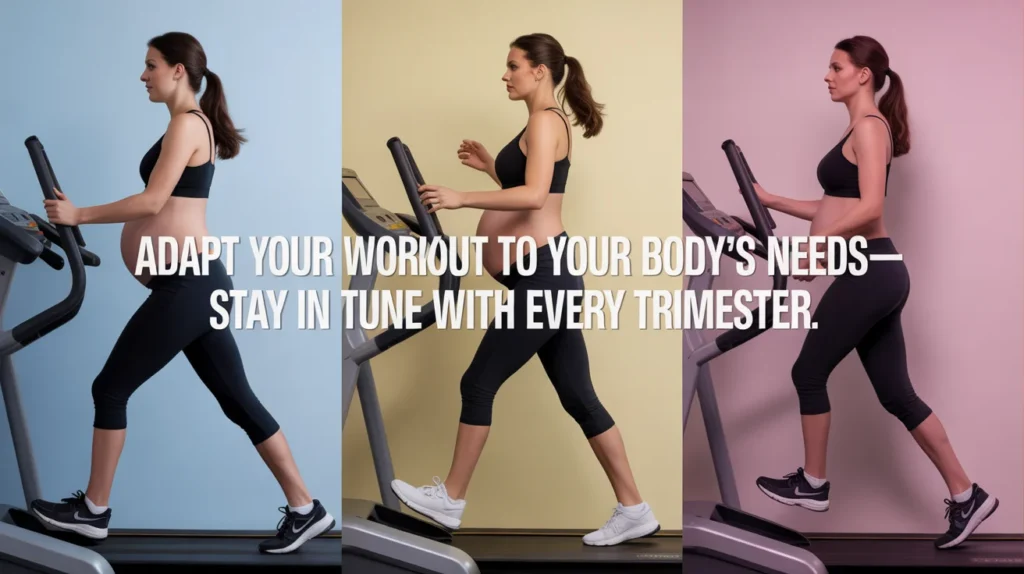
First Trimester (Weeks 1-13)
During the first trimester, you may be battling fatigue and morning sickness. The goal is to establish a gentle, consistent routine. You can likely continue your pre-pregnancy walking pace, but listen to your body. If you feel tired, it’s okay to shorten your workout or take a day off.
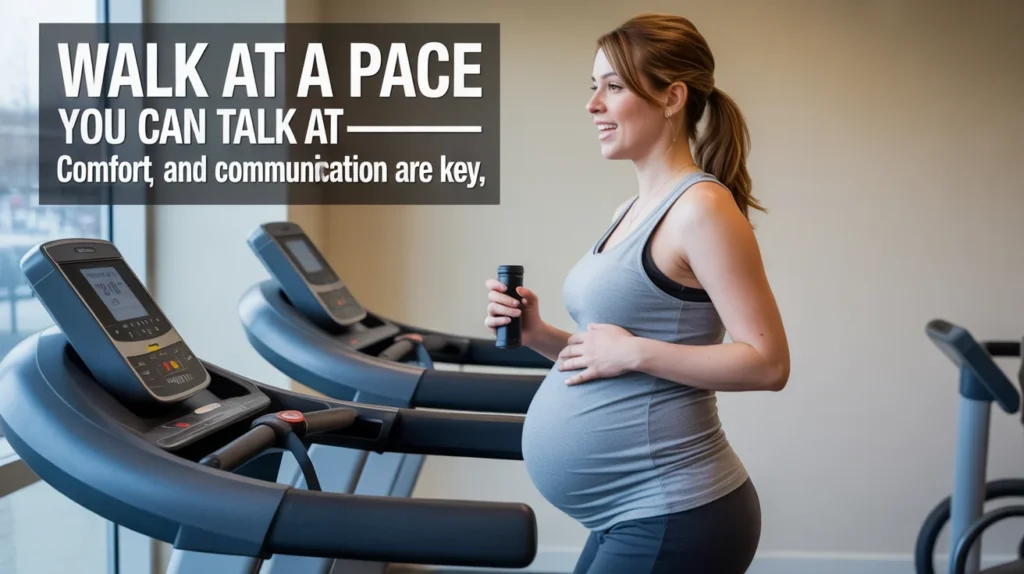
This is a great time to Use a Treadmill to build a foundation for a healthy, active pregnancy. Focus on maintaining a comfortable pace where you can still hold a conversation—this is known as the “talk test.”
Second Trimester (Weeks 14-27)
Many women feel a surge of energy during the second trimester, often called the “honeymoon phase” of pregnancy. This is an excellent time to enjoy the benefits of regular exercise. You may feel comfortable walking at a brisk pace, but now is not the time to push for new personal bests.
As your belly starts to grow, pay close attention to your posture. Stand up straight and avoid leaning forward, which can strain your back. The stability from the handrails becomes increasingly important now.
Third Trimester (Weeks 28-40)
In the final stretch, comfort and safety are your top priorities. Your growing belly will significantly alter your balance and may cause more back pain or pelvic pressure. It’s time to slow down your pace and reduce or eliminate the incline.
Shorter, more frequent walks might feel better than one long session. You might find a slow, steady walk is all you need to feel good. Continue to Use a Treadmill for gentle movement, but be prepared to stop if you feel any discomfort.

Treadmill Settings: Speed vs. Incline
| Feature | First Trimester | Second Trimester | Third Trimester |
|---|---|---|---|
| Speed | Comfortable, conversational pace (e.g., 2.5-3.5 mph) | Maintain a brisk but manageable pace; avoid pushing limits. | Slow and steady pace; prioritize comfort (e.g., 2.0-3.0 mph). |
| Incline | Low to moderate incline is usually fine. | Lower the incline as your belly grows to reduce back strain. | Keep the incline flat (0%) to maximize stability and minimize stress. |
| Duration | Aim for 20-30 minutes, but listen to your body. | 30 minutes is a great goal, but split it into shorter sessions if needed. | Shorter, more frequent sessions (e.g., 15-20 minutes) may be best. |
Warning Signs: When to Stop Exercising Immediately
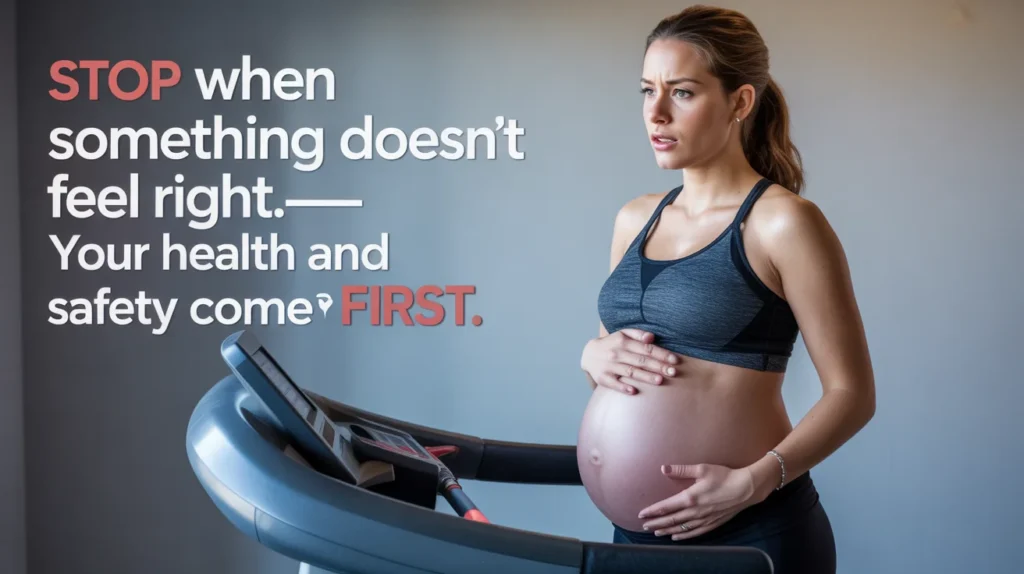
Listening to your body is more important than ever. Exercise should make you feel good, not cause pain or distress. Stop your workout and contact your healthcare provider if you experience any of the following symptoms:
- Vaginal bleeding
- Dizziness or feeling faint
- Shortness of breath before starting exercise
- Chest pain
- Headache
- Muscle weakness affecting balance
- Calf pain or swelling
- Regular, painful contractions of the uterus
These warning signs are your body’s way of telling you to slow down and seek medical advice. Never ignore them. For more details, the U.S. Department of Health & Human Services provides comprehensive guidelines on physical activity.
What to Wear: The Right Gear for a Safe Workout
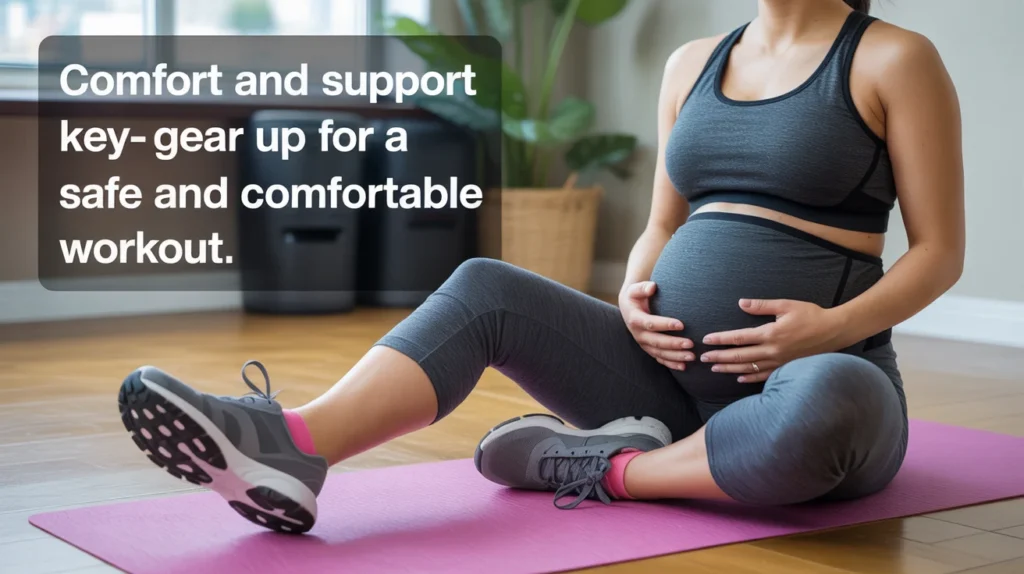
The right gear can make a big difference in your comfort and safety. As your body changes, your old workout clothes might not cut it anymore.
- Supportive Footwear: Your feet may swell, and the ligaments in your body will loosen, so a good pair of supportive athletic shoes is essential. Look for shoes with good arch support and cushioning to absorb impact.
- Comfortable Clothing: Choose loose, breathable fabrics that won’t restrict your movement or cause you to overheat. A supportive maternity sports bra can also help minimize discomfort.
- Belly Support Band: In the second and third trimesters, a maternity belly band can provide extra support for your lower back and abdomen, making walking more comfortable.
Beyond the Treadmill: Other Safe Pregnancy Exercises
Variety is the spice of life—and a healthy pregnancy fitness routine! While it is wonderful to Use a Treadmill, mixing in other activities can work different muscle groups and keep you engaged.
Here are some other great low-impact options:
- Swimming and Water Aerobics: The water supports your weight, taking the pressure off your joints and back.
- Prenatal Yoga: This can improve flexibility, reduce stress, and teach you breathing techniques that are useful during labor.
- Stationary Cycling: A stationary bike provides a great cardio workout without the risk of falling.
- Strength Training: Using light weights or resistance bands can help you maintain muscle tone. Focus on good form and avoid heavy lifting.

Conclusion
For most expecting mothers, walking on a treadmill is a safe, effective, and convenient way to stay active throughout pregnancy. By getting your doctor’s approval, prioritizing safety measures like using the handrails and safety clip, and adapting your routine each trimester, you can confidently enjoy all the benefits of exercise.
Remember to listen to your body, never push yourself too hard, and stop if you experience any warning signs. An active pregnancy is a healthy pregnancy, and using a treadmill can be a fantastic tool to help you and your baby thrive on this incredible journey.

Frequently Asked Questions (FAQ)
Q1: Can I run on a treadmill while pregnant?
If you were a regular runner before pregnancy and have an uncomplicated pregnancy, you may be able to continue running with your doctor’s permission. However, you will likely need to slow your pace and reduce your mileage as your pregnancy progresses. Walking is generally a safer alternative for most women.
Q2: How fast should I walk on the treadmill?
You should walk at a pace where you can comfortably hold a conversation, known as the “talk test.” This ensures you’re not overexerting yourself. For most people, this is between 2.0 and 3.5 mph. Avoid high-intensity intervals.
Q3: Is it safe to use the incline feature on a treadmill during pregnancy?
In the first trimester, a low incline is usually fine. However, as your belly grows, using an incline can put extra strain on your lower back and calf muscles. It’s safest to stick to a flat or very low incline, especially in the third trimester.
Q4: How many days a week should I use a treadmill while pregnant?
The general recommendation is to aim for 150 minutes of moderate exercise per week, which can be broken down into 30-minute sessions five days a week. However, even 15-20 minutes of walking on most days of the week is beneficial.
Q5: Can I start using a treadmill during pregnancy if I wasn’t active before?
Yes, pregnancy can be a great motivator to start a gentle exercise routine. If you were sedentary before, begin slowly with just 5-10 minutes of walking per day and gradually increase your duration as you feel comfortable. Always consult your doctor before starting.