Introduction To Rucking Workout Secrets
As a busy mom, finding time for yourself, let alone for exercise, can feel like an impossible task. Between school runs, meal prep, work, and endless household chores, your own well-being often slides to the bottom of the to-do list.
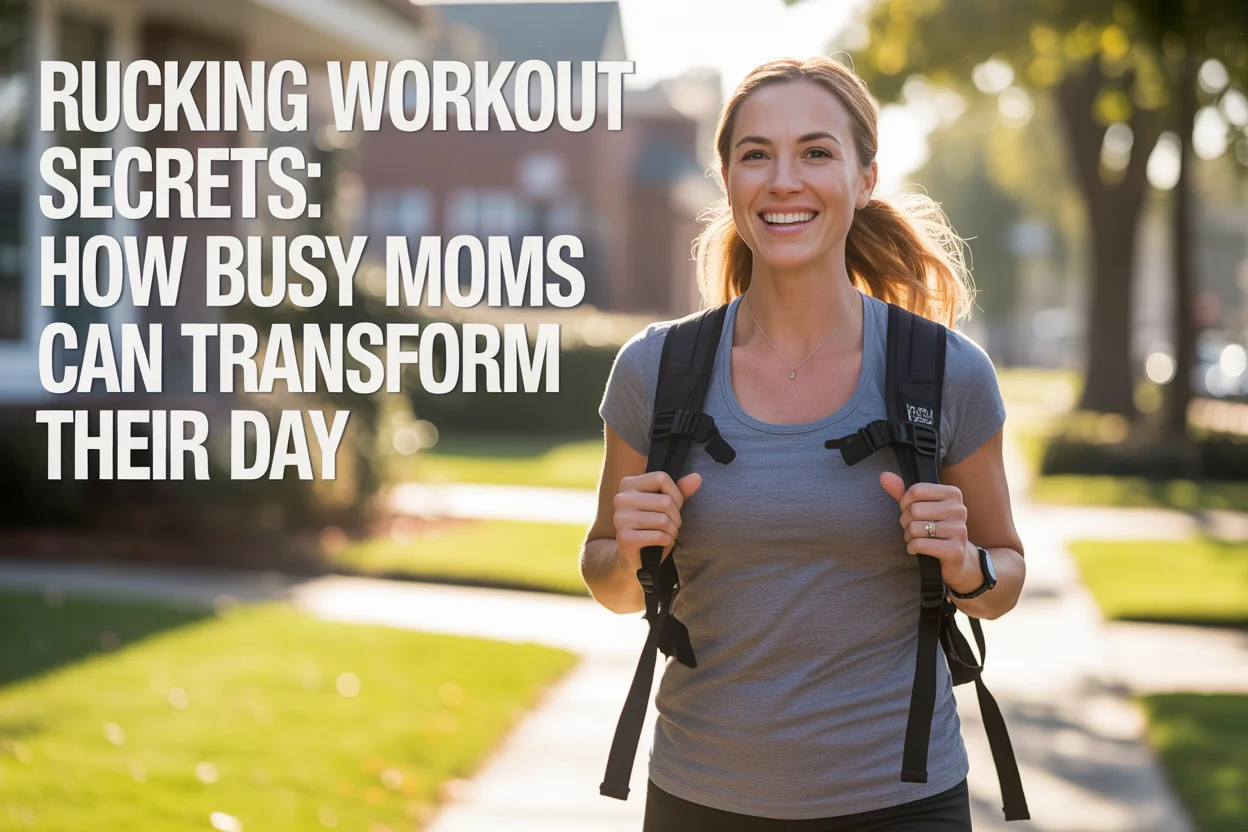
What if there was a simple, effective exercise you could weave into your existing routine? Enter the rucking workout. It’s a straightforward, low-impact activity that combines strength training and cardio by simply walking with a weighted backpack. This guide will reveal how you can use this powerful workout to transform not just your fitness, but your entire day.
Key Takeaways
- Simple & Accessible: Rucking is essentially walking with a weighted pack. It requires minimal gear and can be done anywhere.
- Time-Efficient: You can incorporate rucking into activities you already do, like walking the dog, running errands, or your daily commute.
- Full-Body Benefits: It builds strength, improves cardiovascular health, burns significant calories, and enhances posture without the high impact of running.
- Getting Started is Easy: All you need is a comfortable backpack and some weight. You can start small and gradually increase the load as you get stronger.

What Exactly Is a Rucking Workout?
At its core, a rucking workout is walking with weight on your back. The term “rucking” comes from the military, where soldiers carry heavy packs called rucksacks over long distances. However, you don’t need to be a soldier to reap the benefits.
This form of active resistance training elevates a simple walk into a full-body exercise. By adding weight, you engage your back, shoulders, core, and legs more intensely than you would during a normal walk. It’s a perfect blend of strength and endurance training that is scalable for any fitness level. You control the weight, the distance, and the pace, making it a truly personalized fitness solution.
The Incredible Benefits of Rucking for Moms
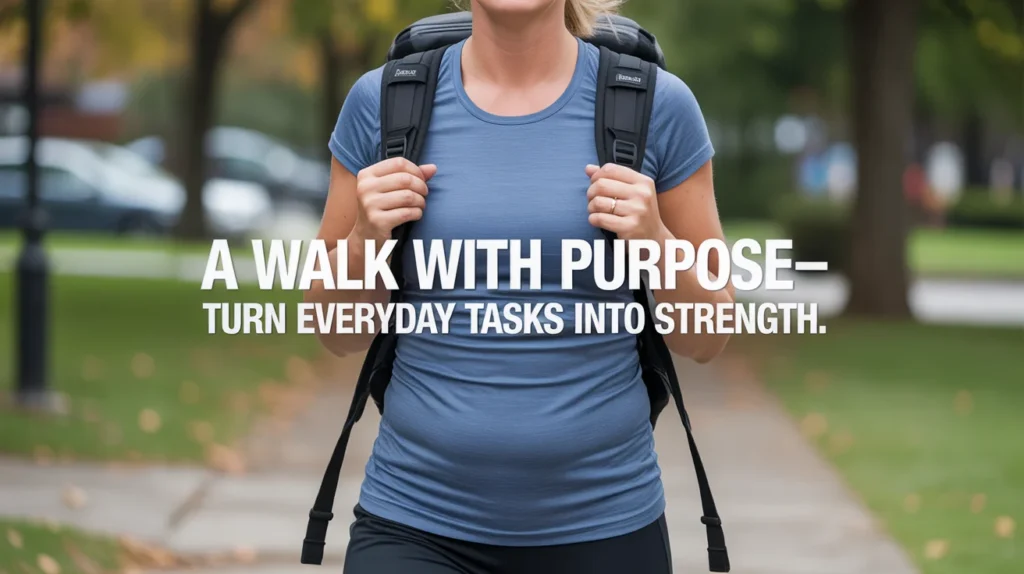
Why should a busy mom consider adding weight to her walk? The benefits are extensive and perfectly suited to the demands of motherhood. Rucking delivers a powerful fitness punch without requiring a gym membership or complex equipment.
Building Functional Strength
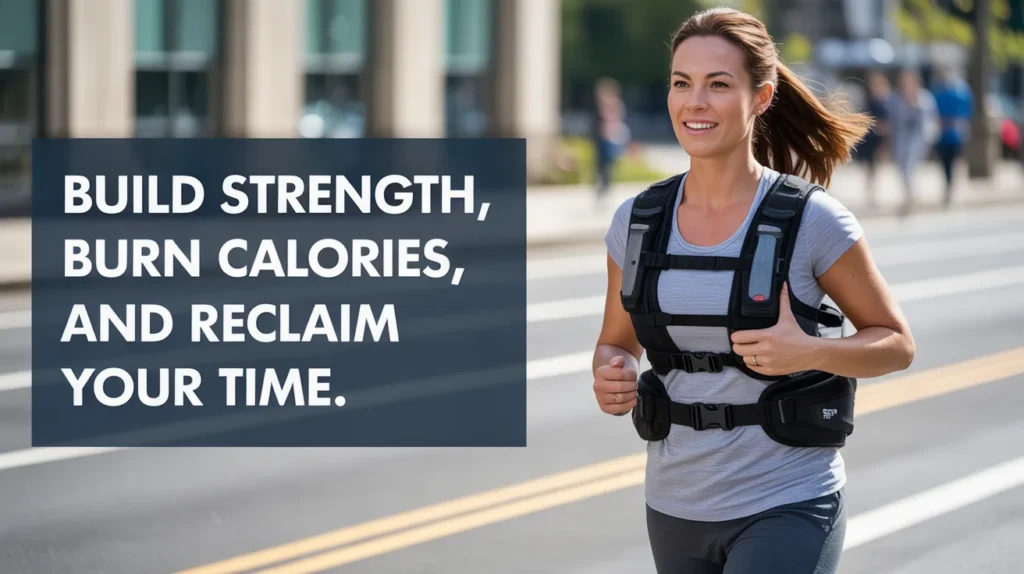
Motherhood is a physical job. You’re constantly lifting children, carrying groceries, and lugging strollers. Rucking builds practical, functional strength that directly translates to these daily tasks. The added weight challenges your entire posterior chain—the muscles in your back, glutes, and hamstrings.
A stronger back and core can also help alleviate the common aches and pains that come from carrying young children. This isn’t about building bulky muscle; it’s about developing the durable strength you need to navigate your day with more ease and energy.

Calorie Burn and Weight Management
Looking for an effective way to manage your weight? Rucking burns significantly more calories than walking. In fact, you can expect to burn roughly three times as many calories rucking as you would walking the same distance without a pack.
This makes the rucking workout an incredibly efficient tool for fat loss. Because it’s a low-impact activity, it’s also gentler on your joints than running, allowing you to exercise consistently without the risk of overuse injuries. This sustained, low-impact calorie burn is a game-changer for long-term weight management.

Improving Posture and Bone Density
Carrying weight on your back encourages you to stand taller and pull your shoulders back, actively correcting the forward slouch many of us develop from sitting at desks or hunching over phones. This improved posture can reduce back pain and make you look and feel more confident.
Furthermore, as a weight-bearing exercise, rucking helps increase bone density. This is particularly important for women, as it can help combat the risk of osteoporosis later in life.

How to Fit a Rucking Workout Into Your Hectic Schedule
The beauty of rucking is its adaptability. You don’t need to block out an hour for a trip to the gym. Instead, you can “task-stack” your rucking workout with activities you’re already doing.
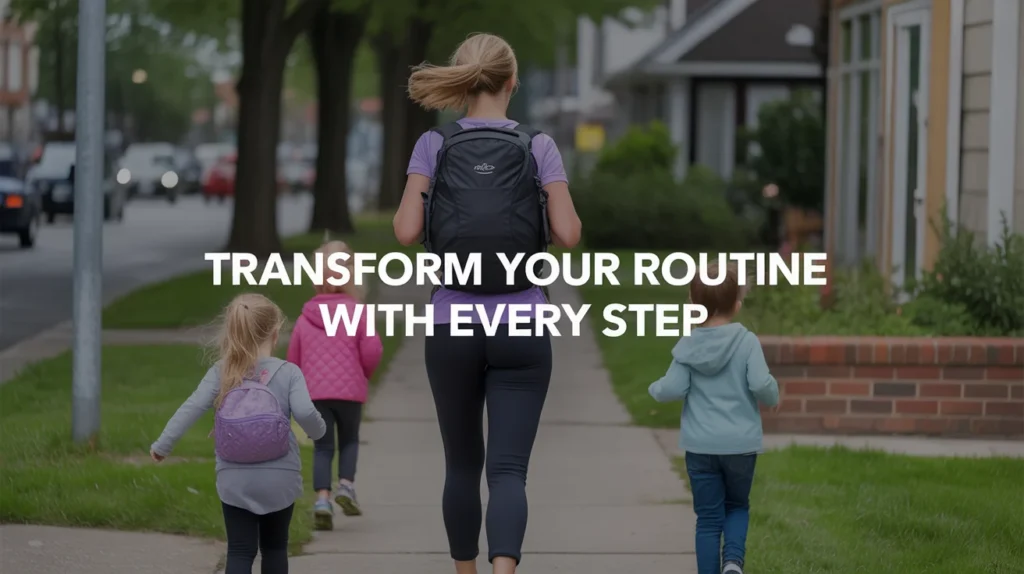
- The School Run: If you walk your kids to school, wear your rucksack. It’s a perfect way to start your day with a burst of activity.
- Running Errands: Have to walk to the post office or the corner store? Put on your pack. Those small trips add up.
- Walking the Dog: Your furry friend needs a walk anyway. Turn it into a workout for both of you by adding your weighted pack.
- Playground Power-Up: While your kids are playing at the park, do a few laps around the perimeter with your ruck on. You can stay close while getting your steps in.
- Lunch Break Laps: If you work from home or in an office, use part of your lunch break for a quick 15-20 minute ruck around the block. It’s a great way to clear your head and re-energize for the afternoon.

Getting Started: Your Essential Rucking Gear
You don’t need a lot of fancy equipment to start rucking. Simplicity is part of its appeal. Here’s a breakdown of the essentials.
Choosing the Right Backpack
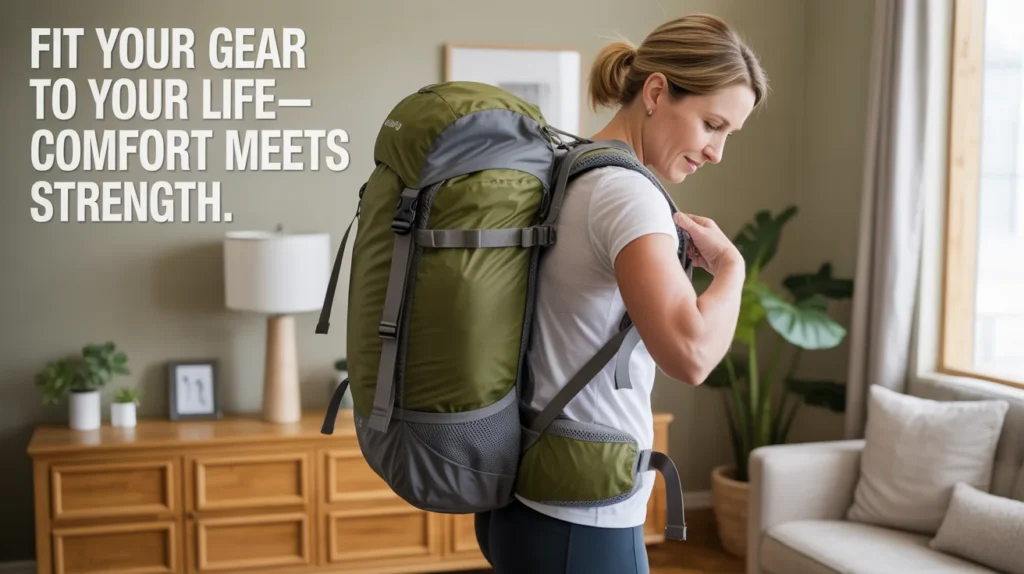
While you can start with any sturdy backpack you own, a dedicated rucksack will offer more comfort and durability, especially as you increase the weight. Look for a pack with padded shoulder straps and a sternum strap. The sternum strap helps distribute the weight more evenly across your chest and keeps the shoulder straps from slipping. A hip belt is also a great feature for heavier loads, as it transfers some of the weight from your shoulders to your hips.
What to Use for Weight
You don’t need to buy expensive, custom-made ruck plates right away. You can easily start with items you have around the house.
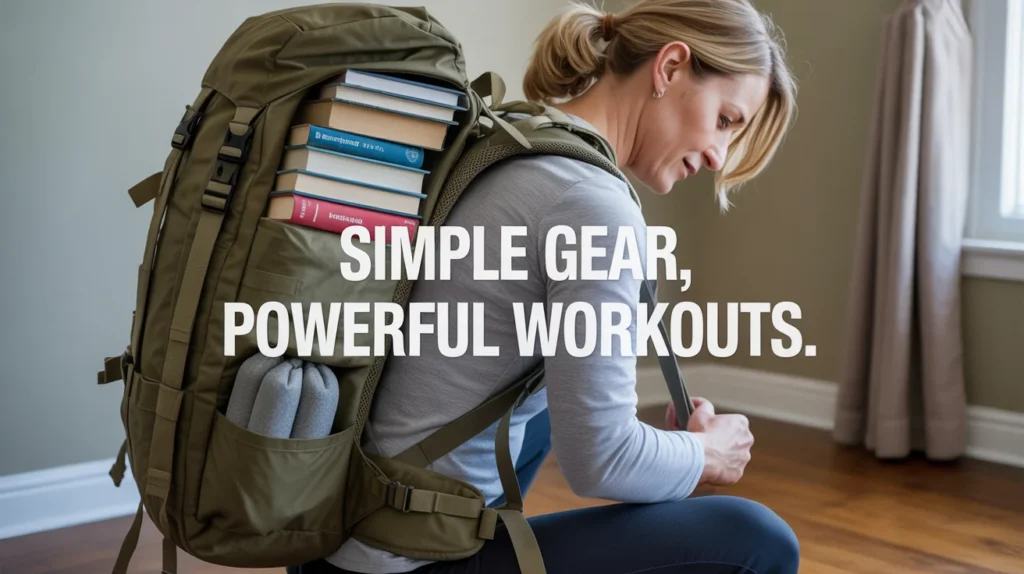
- Books or bricks: Wrap them in a towel to prevent them from shifting and digging into your back.
- Water bottles or jugs: These are great because you can pour out some water to lighten the load if needed.
- Sandbags: A small bag of sand from a hardware store is a cheap and effective weight.
- Ruck Plates: As you get more serious, you can invest in flat, dense ruck plates designed to fit snugly in a backpack.

Rucking vs. Running: A Quick Comparison
| Feature | Rucking Workout | Running |
|---|---|---|
| Impact on Joints | Low | High |
| Primary Benefit | Cardio + Strength | Primarily Cardio |
| Calorie Burn | High (Approx. 3x walking) | Very High |
| Required Gear | Backpack + Weight | Running Shoes |
| Injury Risk | Lower | Higher (stress fractures, etc.) |

Your First Rucking Workouts
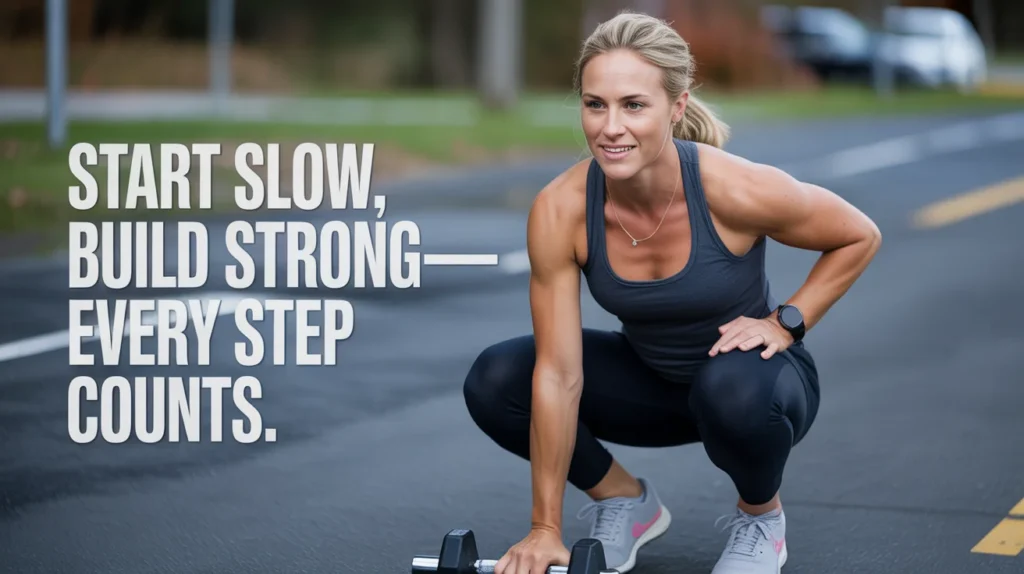
Starting your rucking journey should be a gradual process. The key is to listen to your body and avoid doing too much, too soon.
The Beginner’s Walk
This workout is all about getting used to the feeling of carrying weight.
- Weight: Start with 10 lbs (or about 5-10% of your body weight).
- Duration: Walk for 20-30 minutes at a comfortable, steady pace.
- Frequency: Aim for 2-3 times per week.
- Focus: Pay attention to your posture. Stand tall, keep your core engaged, and your shoulders back.

The Hill Challenge
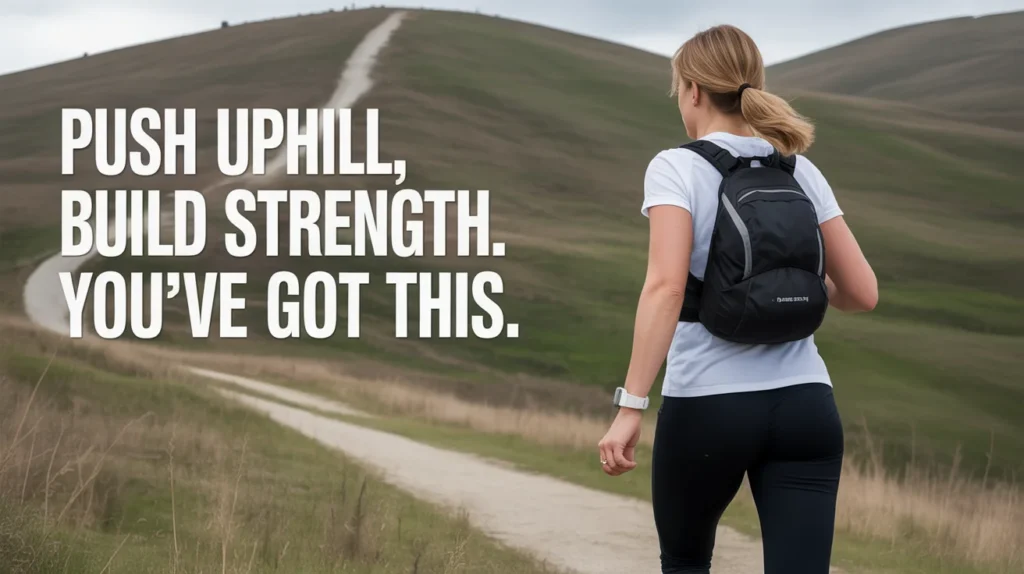
Once you’re comfortable with the basic walk, adding inclines will increase the intensity.
- Weight: Use your standard 10-20 lbs.
- Workout: Find a route with a few gentle hills. Walk at a steady pace up the inclines and recover on the flats and downhills.
- Duration: 30 minutes.
- Focus: Use your glutes to power you up the hills. Shorten your stride and lean slightly into the incline. This is a fantastic rucking workout for building leg strength.
Frequently Asked Questions (FAQ)
Q1: How much weight should I start with?
A good rule of thumb is to start with 10% of your body weight. For example, if you weigh 150 pounds, start with a 15-pound pack. You can gradually increase the weight as you get stronger, but it’s better to start light and avoid injury.
Q2: Will rucking make my shoulders and back bulky?
No. Rucking builds lean, functional muscle, not bulk. It tones your shoulders, back, and core, improving your strength and posture without adding significant size.
Q3: Can I ruck if I have a bad back?
If you have a pre-existing back condition, it’s crucial to consult with your doctor or a physical therapist before starting a rucking workout. For many, strengthening the back and core muscles through rucking can actually help alleviate pain, but you must start with a very light weight and proper form.
Q4: What kind of shoes should I wear?
Comfortable, supportive shoes are a must. Good walking shoes or light hiking boots are excellent choices. The most important thing is that they provide enough support to handle the extra weight and distance.

Conclusion
The rucking workout is more than just an exercise; it’s a practical fitness solution for the modern, busy mom. It’s effective, efficient, and incredibly easy to integrate into your life.
By turning everyday activities into opportunities for fitness, you can build strength, improve your health, and reclaim a little time for yourself—all while setting a powerful example for your children. Start with a light pack, a short walk, and the confidence that you are taking a meaningful step toward a stronger, healthier you.