Introduction:
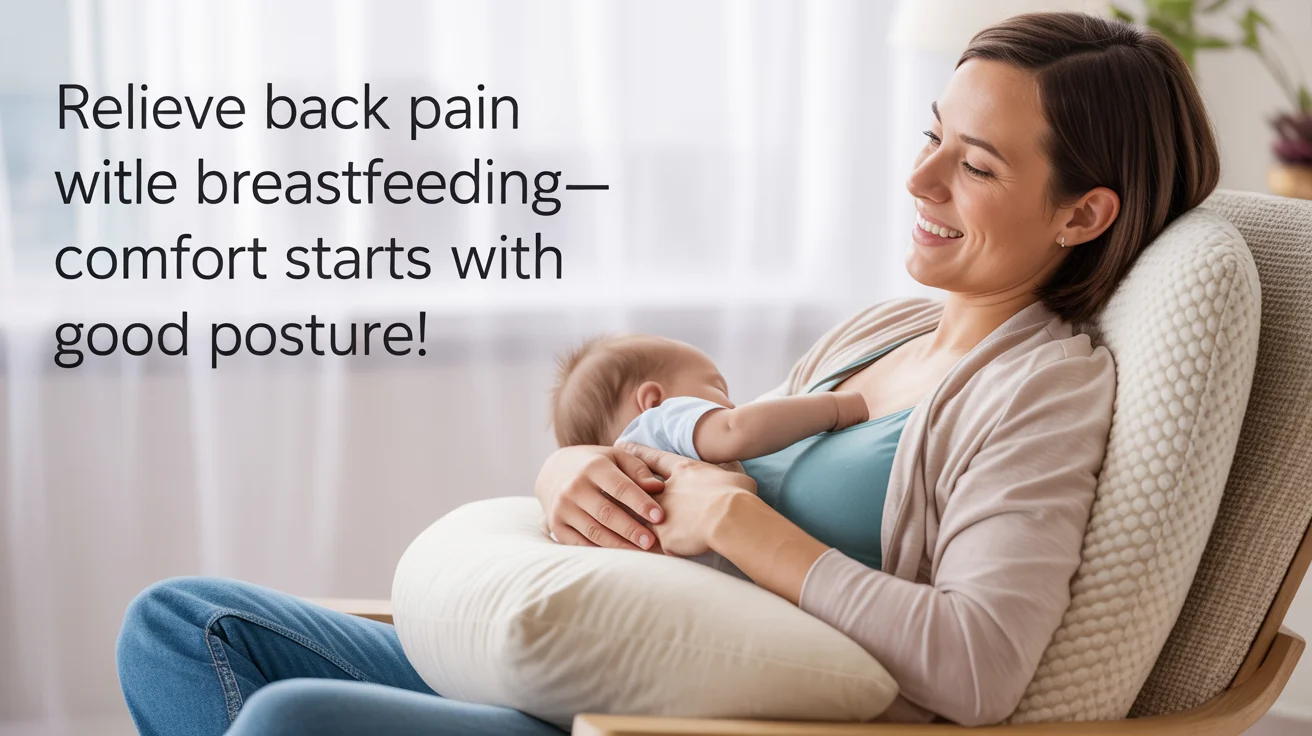
Breastfeeding is a beautiful experience, but it can also take a toll on your body, especially your back. Many new moms experience back pain while breastfeeding due to improper posture, long feeding sessions, and the added weight of holding the baby. As a busy mom, managing back pain might feel like another challenge on top of everything else, but the good news is, it doesn’t have to be. With a few simple tips and adjustments, you can relieve the strain on your back and make breastfeeding a more comfortable experience. In this article, we’ll explore easy-to-follow solutions for alleviating back pain during breastfeeding, so you can focus more on bonding with your baby and less on discomfort.
Why Does Breastfeeding Cause Back Pain?
Breastfeeding can lead to back pain for a variety of reasons:
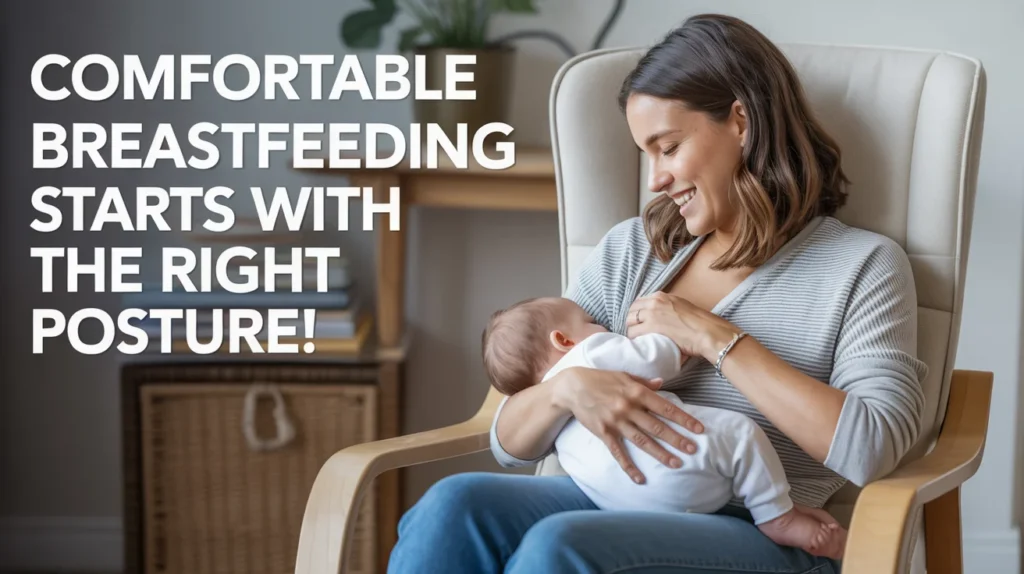
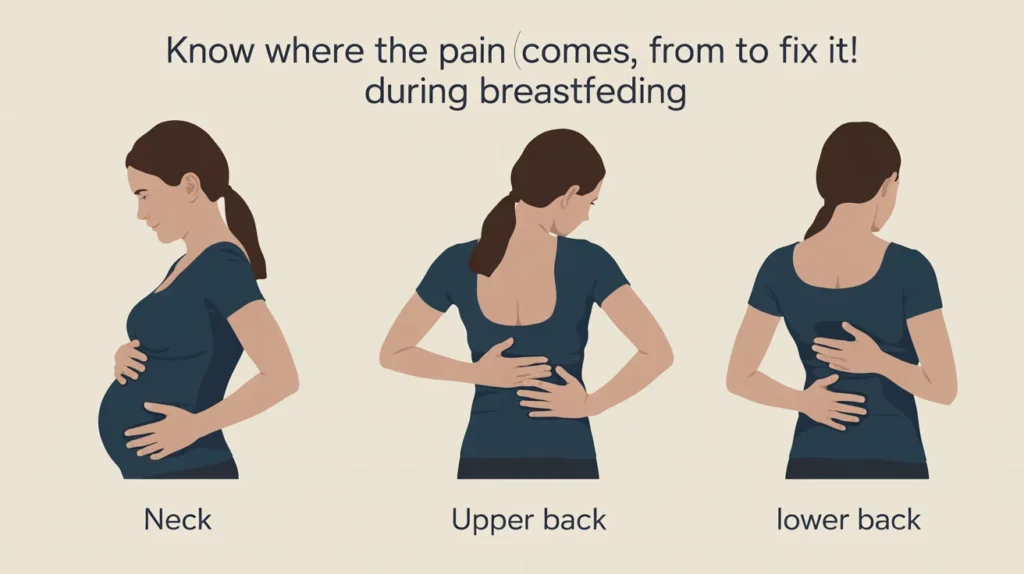
- Poor posture: Many moms tend to hunch forward or slouch during breastfeeding, putting unnecessary stress on the back and neck.
- Prolonged sitting: Feeding sessions, especially in the early months, can be long, and sitting in one position for an extended period strains the back.
- Holding the baby: Supporting your baby for extended periods—especially as they grow—can put additional pressure on the muscles in your back.
Understanding the root causes of your back pain is the first step in relieving it. The good news is that with the right techniques and adjustments, you can reduce the strain on your back and make breastfeeding much more comfortable.
Simple Tips to Relieve Back Pain from Breastfeeding
Now that we know why breastfeeding can cause back pain, let’s dive into simple, actionable tips that can help you relieve and prevent discomfort while nursing.
1. “Perfecting Your Posture”
- How to do it: Sit upright with your shoulders relaxed and back straight. Avoid hunching over your baby. Make sure your baby’s mouth is aligned with your nipple, keeping your body and your baby in a comfortable position.
- Benefits: Correcting your posture helps distribute the weight evenly and prevents strain on your back and neck.
- Tip: Try placing a pillow or cushion behind your lower back for added support and comfort.

2. “Use a Breastfeeding Pillow”
- How to do it: A breastfeeding pillow helps lift your baby to your breast, allowing you to sit in a more relaxed position without bending or leaning over. It helps take the weight off your arms and reduces the strain on your back.
- Benefits: The pillow raises your baby to the correct level, ensuring you’re not slouching or leaning forward during feeding.
- Tip: Use the pillow on your lap or across your body to support the baby at breast height.

3. “Take Frequent Breaks”
- How to do it: Don’t stay in one position for too long. Take short breaks between feeding sessions to stretch, stand up, and move around. This can help prevent stiffness and relieve tension in your back.
- Benefits: Taking breaks helps prevent muscle fatigue and improves circulation, which can reduce the risk of back pain.
- Tip: Try gently stretching your back and shoulders while standing, or walk around for a few minutes to reset.

4. “Proper Latching and Baby Positioning”
- How to do it: Ensure that your baby is latched properly and positioned comfortably. A poor latch often leads to moms hunching over, which increases back pain.
- Benefits: Proper latching helps your baby feed effectively, which in turn reduces the need for you to adjust your posture constantly.
- Tip: Keep your baby’s head and body aligned, and make sure they are close to your chest. This minimizes strain on your back and arms.

5. “Strengthening Your Back and Core”
- How to do it: Incorporate gentle back and core exercises into your routine. Exercises like pelvic tilts, back extensions, and seated leg raises can help strengthen the muscles that support your back.
- Benefits: Strengthening the core and back muscles can help improve your posture and reduce the likelihood of pain during breastfeeding.
- Tip: Start slowly and focus on exercises that don’t strain your body. Consult your doctor before beginning any new exercise routine.

When to Seek Professional Help
While these tips can provide immediate relief for most moms, there may be cases where your back pain persists or worsens. If you experience chronic pain, numbness, or tingling, or if your pain interferes with daily activities, it’s essential to seek advice from a healthcare professional or physical therapist. They can provide tailored exercises, stretches, and treatments to help you find relief.

Conclusion:
Back pain from breastfeeding is a common challenge, but with the right posture, support, and exercises, you can significantly reduce discomfort and continue to enjoy your breastfeeding experience. By implementing these simple tips and making small adjustments, you’ll find relief and build strength for a more comfortable and enjoyable journey as a mom.