Introduction
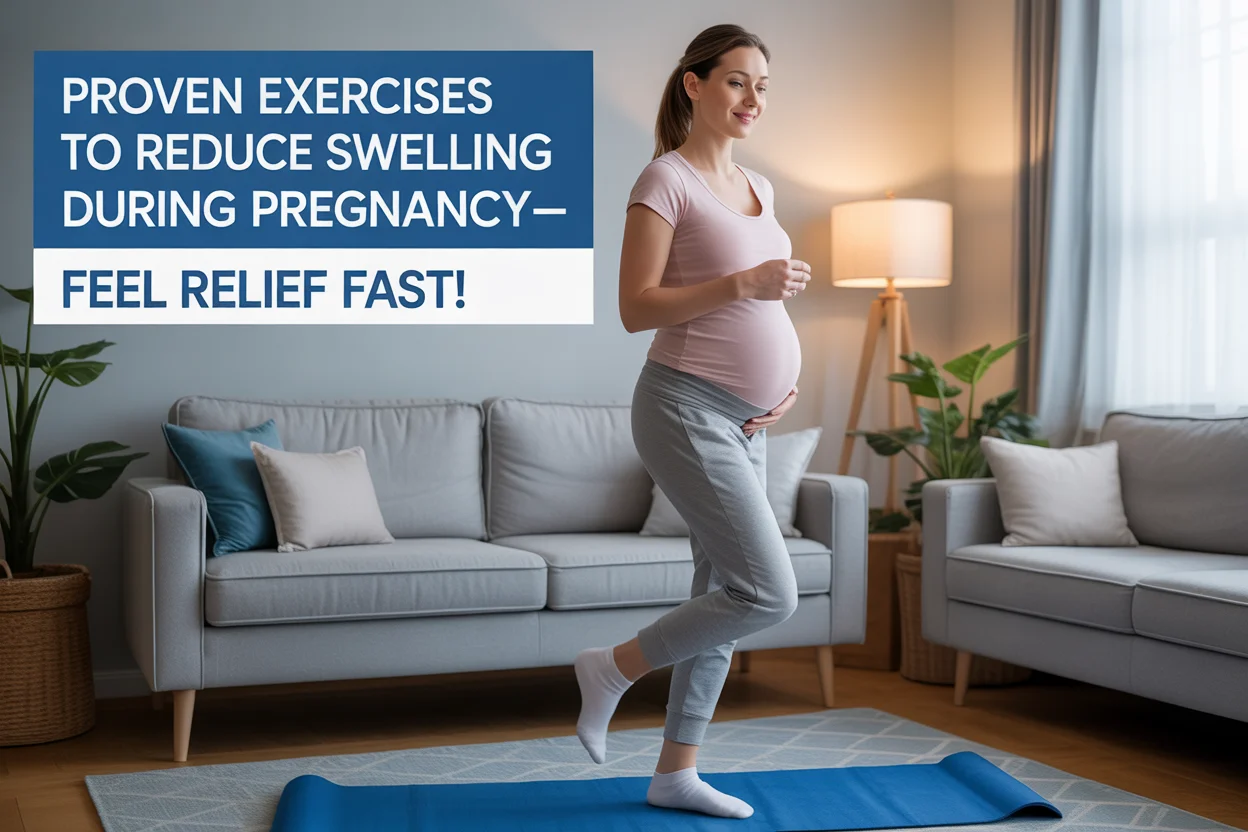
Pregnancy is a beautiful journey, but it often comes with some less-than-glamorous side effects. One of the most common is swelling, or edema, especially in the feet, ankles, and hands. While it’s a normal part of your body preparing for childbirth, dealing with puffy and uncomfortable limbs can be challenging, especially for busy moms-to-be. The good news is that you don’t just have to endure it. Simple, safe exercises can make a huge difference in your comfort levels.
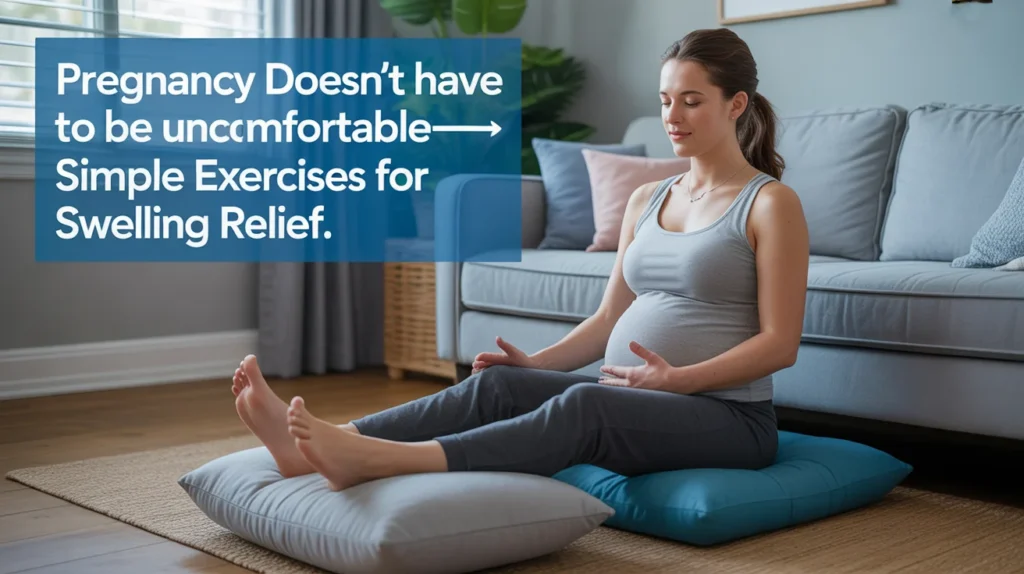
This guide will walk you through effective and easy exercises designed to reduce swelling and help you feel more like yourself again. We’ll explore why swelling happens, which movements offer the most relief, and other practical tips you can incorporate into your daily routine. Get ready to find simple solutions to put that spring back in your step.
Key Takeaways
- Why Swelling Occurs: Pregnancy swelling (edema) is primarily caused by your body retaining extra fluid and the pressure your growing uterus puts on your veins.
- Simple Exercises Help: Low-impact exercises like walking, swimming, and specific ankle and wrist rotations Reduce Swelling and improve circulation and help your body move excess fluid away from your extremities.
- Elevation is Key: Propping up your feet whenever possible is one of the most effective ways to combat gravity and reduce lower-body swelling.
- Hydration Matters: Drinking plenty of water helps flush out your system and can actually help your body retain less fluid.
- When to Call a Doctor: While most swelling is normal, sudden or severe swelling, especially in your face or hands, can be a sign of a serious condition like preeclampsia and requires immediate medical attention.

Understanding Pregnancy Swelling (Edema)
Before we dive into the solutions, let’s understand the cause. During pregnancy, your body produces about 50% more blood and body fluids to support your developing baby. This extra fluid retention is necessary, but it can lead to swelling.
Additionally, your growing uterus puts pressure on your pelvic veins and the vena cava—the large vein on the right side of your body that carries blood from your lower limbs back to your heart. This pressure slows the return of blood from your legs, causing it to pool and forcing fluid from your veins into the surrounding tissues of your feet and ankles.
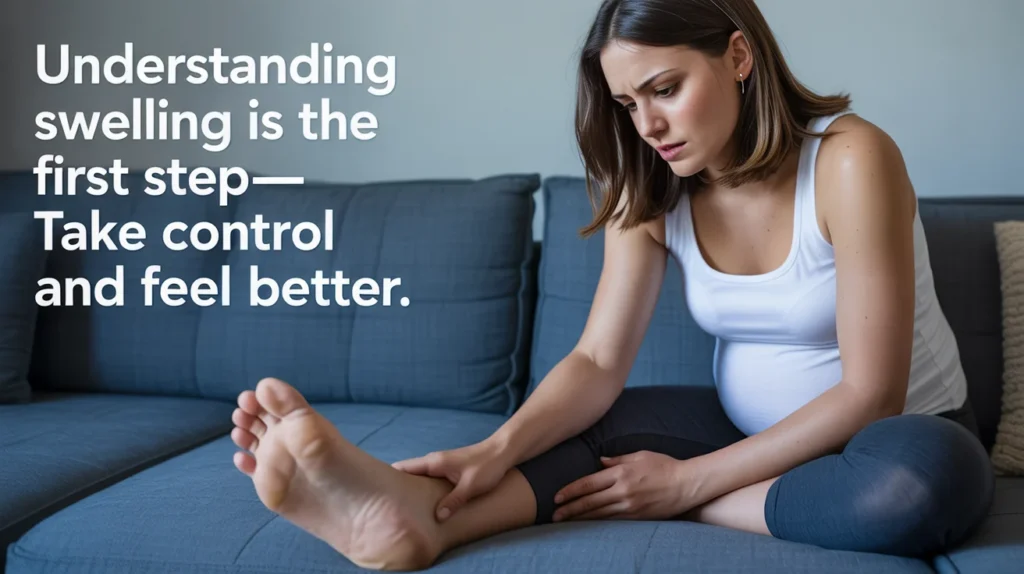
This type of swelling is called physiological edema and is completely normal. It tends to be worse at the end of the day, during hot weather, or after long periods of standing. While it can be annoying, gentle movement is a fantastic way to get your circulation going and reduce swelling.
Is All Swelling Normal?
Most gradual swelling in the hands, feet, and ankles is a standard part of pregnancy. However, you should contact your doctor or midwife immediately if you experience and Reduce Swelling:
- Sudden, severe swelling in your face, hands, or feet.
- Swelling that is accompanied by a severe headache, vision changes (like blurriness or seeing spots), or upper abdominal pain.
- Swelling that is noticeably worse in one leg than the other, especially if it’s paired with pain or tenderness.
These could be signs of preeclampsia or a blood clot, both of which require prompt medical care.

Gentle Exercises to Reduce Swelling
Exercise might be the last thing you feel like doing when you’re feeling puffy and tired, but gentle movement is one of your best allies. These exercises improve blood flow, helping to move fluid out of your extremities and back toward the center of your body.

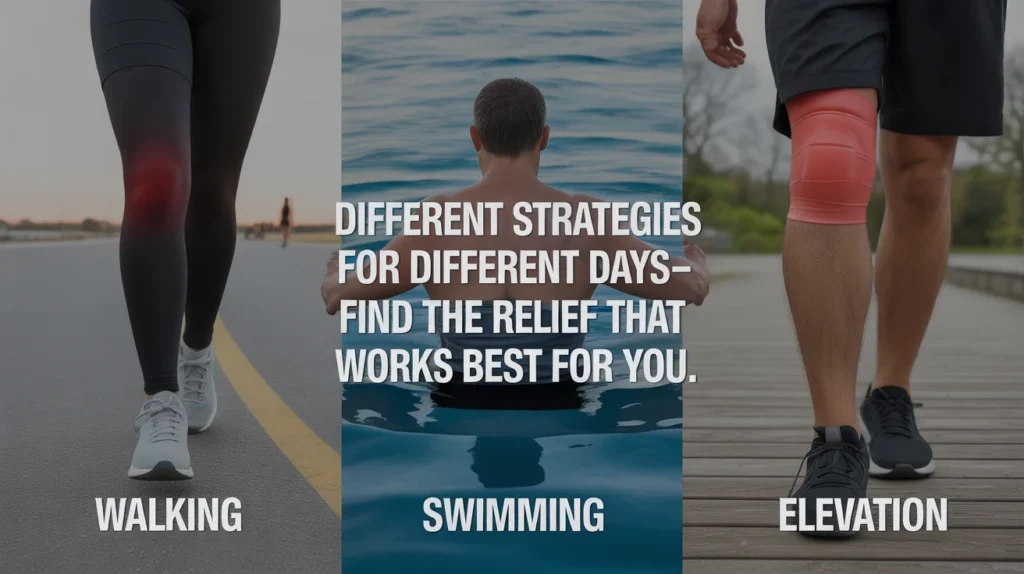
1. Walking: The Simple Circulation Booster
Never underestimate the power of a good walk. Walking is a low-impact cardiovascular exercise that engages the muscles in your legs. This muscle contraction helps pump fluid out of your tissues and back into your veins. Aim for a 20-30 minute walk each day, if possible.
Remember to wear comfortable, supportive shoes that aren’t too tight. If your regular sneakers feel snug, consider buying a pair that is a half-size larger to accommodate any swelling. A daily walk not only helps to reduce swelling but also boosts your mood and energy levels.

2. Swimming or Water Aerobics
Spending time in a pool is one of the most effective and enjoyable ways to find relief. The water pressure on your legs creates a gentle compression effect, which helps move fluid out of your tissues. Being in the water also gives you a sense of weightlessness, taking pressure off your joints and your sciatic nerve.
Floating, treading water, or taking a water aerobics class can provide immense relief. Even just standing or walking in a pool can make a significant difference. The cool water can also feel soothing on your swollen limbs.

3. Ankle Rotations and Pumps
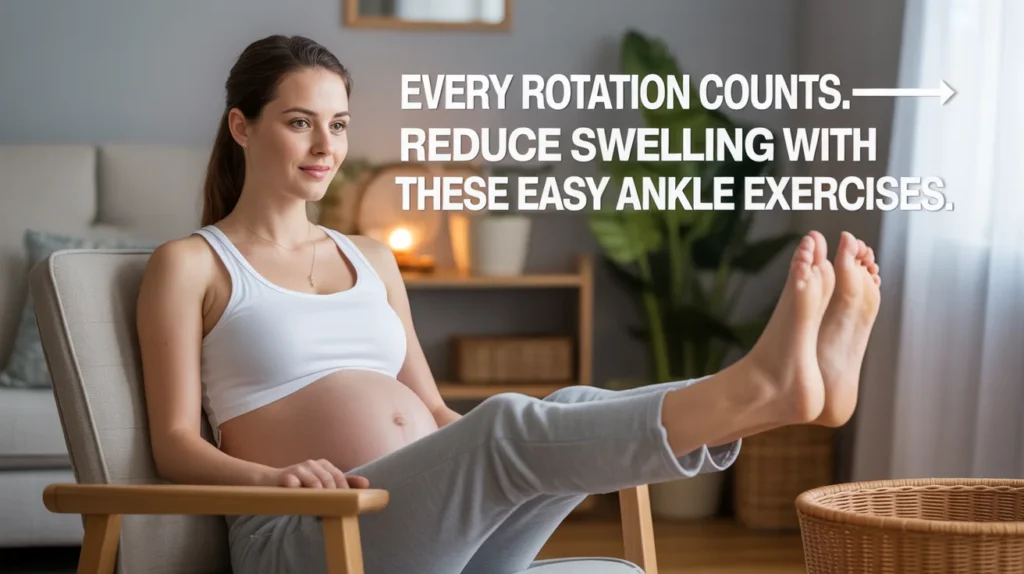
You can do these simple movements anytime, anywhere—while watching TV, sitting at your desk, or even lying in bed. They directly target the ankles, where swelling is often most prominent.
How to Do Ankle Rotations:
- Sit or lie down in a comfortable position.
- Lift one leg slightly off the floor.
- Slowly rotate your foot clockwise 10 times.
- Then, rotate it counter-clockwise 10 times.
- Switch legs and repeat.
How to Do Ankle Pumps (Flex and Point):
- In the same seated or lying position, extend one leg.
- Gently point your toes away from your body, holding for a few seconds.
- Then, flex your foot, pulling your toes back toward your shin.
- Repeat this pointing and flexing motion 10-15 times on each leg. This pumping action activates your calf muscles, which are crucial for pushing blood and fluid up your legs.
4. Wrist and Hand Stretches
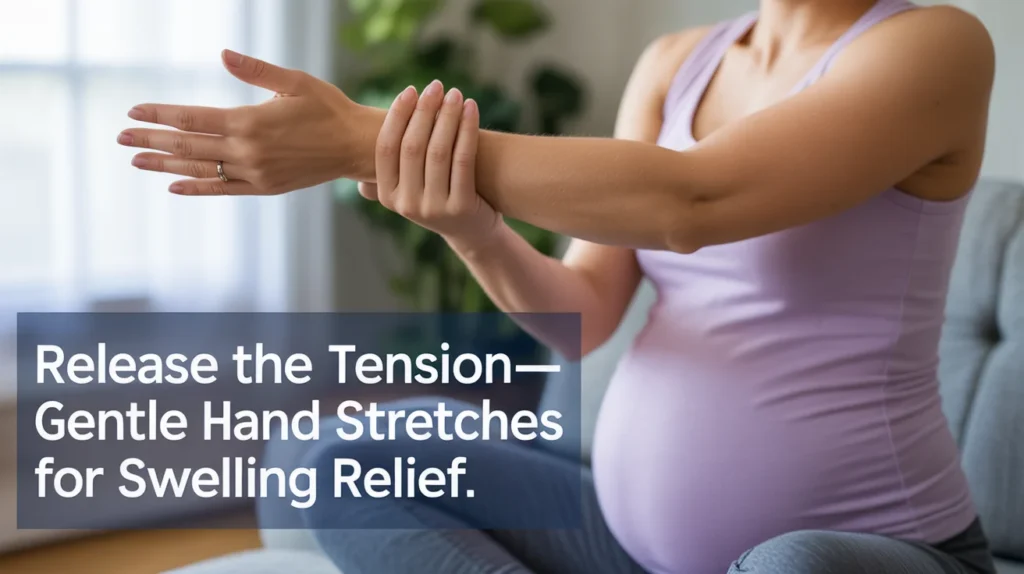
Swelling isn’t limited to your feet. Many women experience puffiness and even carpal tunnel-like symptoms in their hands and wrists. These stretches can help.
- Wrist Circles: Hold your arms out in front of you. Gently rotate your hands at the wrist, making 10 circles in one direction and 10 in the other.
- Finger Squeezes: Make a tight fist with one hand and hold for five seconds. Then, spread your fingers out as wide as possible and hold for another five seconds. Repeat 5-10 times on each hand. This can be especially helpful if you’re struggling with stiff rings.
- Palm Press: Place your palms together in a prayer position at your chest. Slowly lower your hands toward your waistline until you feel a gentle stretch in your wrists and forearms. Hold for 20-30 seconds.
Lifestyle Tips to Complement Exercise
While exercise is a powerful tool, combining it with other smart habits will maximize your relief. These strategies work together to manage fluid retention and improve your overall comfort.

The Power of Elevation
Gravity is not your friend when it comes to pregnancy swelling. The simplest and most effective way to counteract its effects is to elevate your feet whenever you can. When you’re resting, prop your legs up on pillows so that your feet are higher than your heart.
This allows gravity to help drain the excess fluid from your legs and ankles. Try to do this for 20-minute intervals several times a day. If you work at a desk, keep a small stool or box under it to keep your feet raised. Making elevation a regular habit is a great way to help reduce swelling.

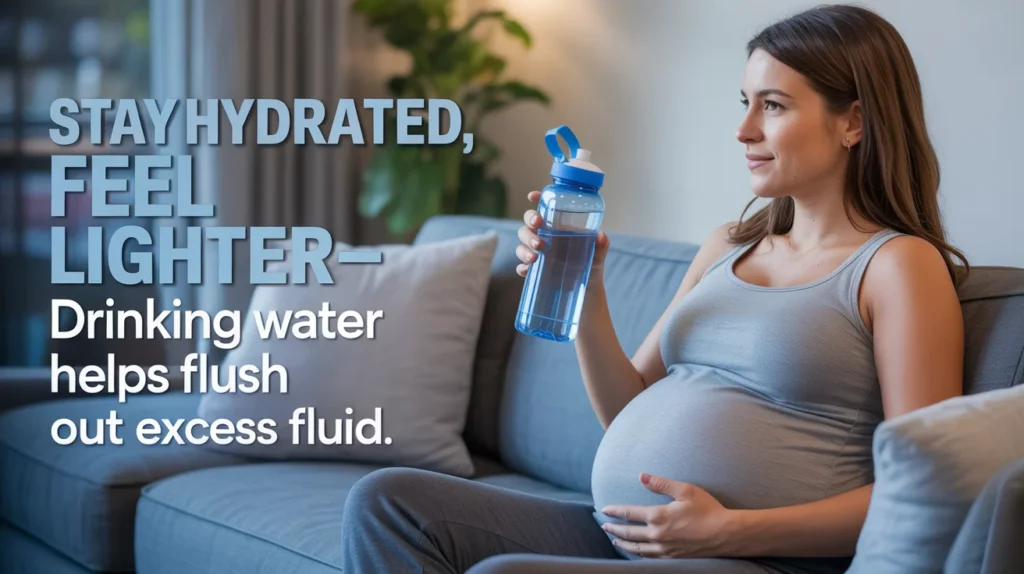
Hydration: Drink More to Swell Less
It might sound counterintuitive, but drinking more water can help your body retain less fluid. When you’re dehydrated, your body tends to hold onto every last drop of water it has. Staying well-hydrated signals to your body that it’s safe to flush out excess fluids and sodium.
Keep a water bottle with you throughout the day and sip consistently. The Institute of Medicine recommends that pregnant women drink about 10 cups (2.3 liters) of fluids daily. This simple habit supports your overall health and is a key strategy to reduce swelling.
Your Diet and Swelling
What you eat can also impact how much you swell. Limiting your intake of high-sodium foods is crucial, as sodium makes your body hold onto water. Avoid processed foods, fast food, and canned soups, which are often loaded with salt.
Instead, focus on a diet rich in potassium, as this mineral helps your body balance its fluids. Bananas, avocados, sweet potatoes, spinach, and salmon are all excellent sources of potassium. A balanced diet not only helps manage swelling but also provides essential nutrients for you and your baby.

Choosing the Right Clothing and Footwear
Tight clothing, especially around your wrists, ankles, and waist, can restrict blood flow and make swelling worse. Opt for loose, comfortable clothes made from breathable fabrics. When it comes to footwear, choose supportive shoes that have plenty of room for your feet to expand throughout the day.
Avoid high heels, which can shorten your calf muscles and impede circulation. Some women also find relief from wearing compression socks or stockings. These apply gentle pressure to your legs to help keep fluid from accumulating. You can find more information about their benefits from reputable sources like the Mayo Clinic.

Comparison of Relief Strategies
| Strategy | How It Works | Best For | Effort Level |
|---|---|---|---|
| Elevation | Uses gravity to help drain fluid from the lower extremities. | Swollen feet and ankles, especially at the end of the day. | Low |
| Walking | Engages leg muscles to pump fluid and improve circulation. | Overall wellness and mild to moderate swelling. | Low-Medium |
| Swimming | Water pressure provides gentle compression and support. | Significant swelling, joint pain, and overall discomfort. | Medium |
| Ankle Pumps | Activates calf muscles to push fluid up the legs. | When you’re sitting for long periods (at a desk, on a plane). | Low |
| Hydration | Helps the body flush out excess sodium and fluids. | General fluid retention and preventing swelling. | Low |
Conclusion
Dealing with swollen feet and hands is an unwelcome but very common part of the pregnancy experience. Fortunately, you have many powerful and simple tools at your disposal to find relief. By incorporating gentle exercises like walking, swimming, and targeted ankle and wrist movements into your routine, you can actively improve your circulation and reduce swelling.
Remember to combine these exercises with smart lifestyle choices. Elevate your feet whenever you get the chance, stay well-hydrated, and choose comfortable, non-restrictive clothing. These small adjustments can add up to a big difference in your daily comfort.
Most importantly, listen to your body and rest when you need to. And always keep your healthcare provider in the loop, especially if you notice any sudden or unusual changes in your swelling. By taking these proactive steps, you can manage this common pregnancy symptom and focus more on the joy of expecting your little one. For further guidance on exercise during pregnancy, the American College of Obstetricians and Gynecologists (ACOG) provides excellent resources.

Frequently Asked Questions (FAQ)
Q1: How much swelling is normal during pregnancy?
A: Mild to moderate swelling in the ankles, feet, and hands is very common and usually harmless. It tends to increase as your due date approaches and can be more noticeable in the evening or after being on your feet.
Q2: Can I use exercise to reduce swelling in my hands?
A: Yes. Exercises like making a fist and then spreading your fingers wide, as well as gentle wrist rotations, can help pump fluid out of your hands and relieve stiffness. These movements are easy to do throughout the day.
Q3: When should I be worried about swelling during pregnancy?
A: You should contact your doctor immediately if you experience sudden or extreme swelling, particularly in your face or around your eyes. Also, seek medical attention if swelling is accompanied by a severe headache, vision changes, or pain in your upper abdomen, as these can be signs of preeclampsia.
Q4: Do compression socks really help reduce swelling?
A: Yes, many women find compression socks very effective. They provide gentle, graduated pressure that helps prevent fluid from pooling in your lower legs and improves blood flow back to your heart. It’s a good idea to put them on in the morning before swelling has a chance to build up.
Q5: How often should I be doing these exercises?
A: Consistency is key. Try to incorporate a 20-30 minute walk into your daily routine. Perform the ankle and wrist exercises several times throughout the day, especially if you have a job that requires a lot of sitting or standing. Even a few minutes every hour can make a difference.