Introduction: “The second trimester often brings a welcome boost of energy…”
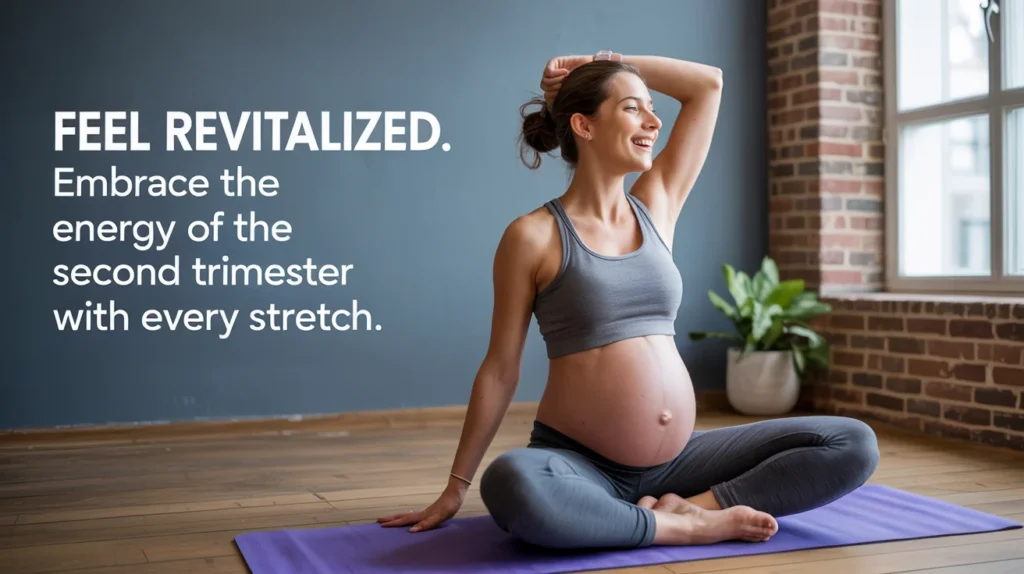
The second trimester often brings a welcome boost of energy, a phase sometimes called the “honeymoon” of pregnancy. As the initial fatigue and morning sickness subside, you might feel more like yourself again with pregnancy yoga. This is a fantastic time to embrace gentle movement that supports your changing body and prepares you for the months ahead.
If you’re looking for a simple and effective way to maintain your energy levels and connect with your baby, a short Prenatal Yoga routine can be a perfect addition to your day. This guide will walk you through a quick 20-minute flow designed specifically for the second trimester to help you feel revitalized and strong.
Key Takeaways
- Prenatal yoga during the second trimester can help boost energy, improve circulation, and relieve common pregnancy discomforts.
- It’s crucial to focus on modified poses that create space for your growing belly and avoid deep twists or lying flat on your back.
- A 20-minute flow is an accessible way to incorporate gentle exercise into your daily routine without feeling overwhelmed.
- Always listen to your body, stay hydrated, and consult with your healthcare provider before starting any new exercise program.
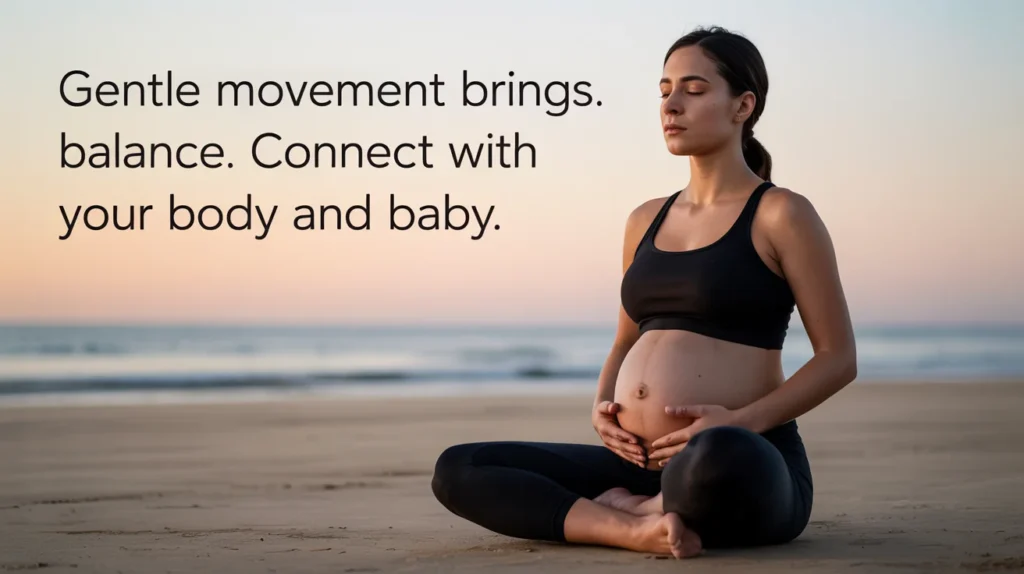
Why Practice Yoga During the Second Trimester?
The second trimester, spanning from week 13 to week 28, is a period of significant change. Your baby is growing rapidly, and your body is adapting in remarkable ways. While you may feel more energetic than you did in the first trimester, you might also start to experience new aches and pains, such as lower back discomfort or round ligament pain.
Engaging in a regular Prenatal Yoga practice during this time offers numerous benefits. It helps build strength and flexibility in a way that honors your body’s new needs. Gentle stretches can alleviate tension in the back, hips, and shoulders, while mindful breathing techniques can calm the nervous system and improve your connection with your baby. This practice isn’t about pushing your limits; it’s about creating balance, stability, and ease as you move through this transformative journey.
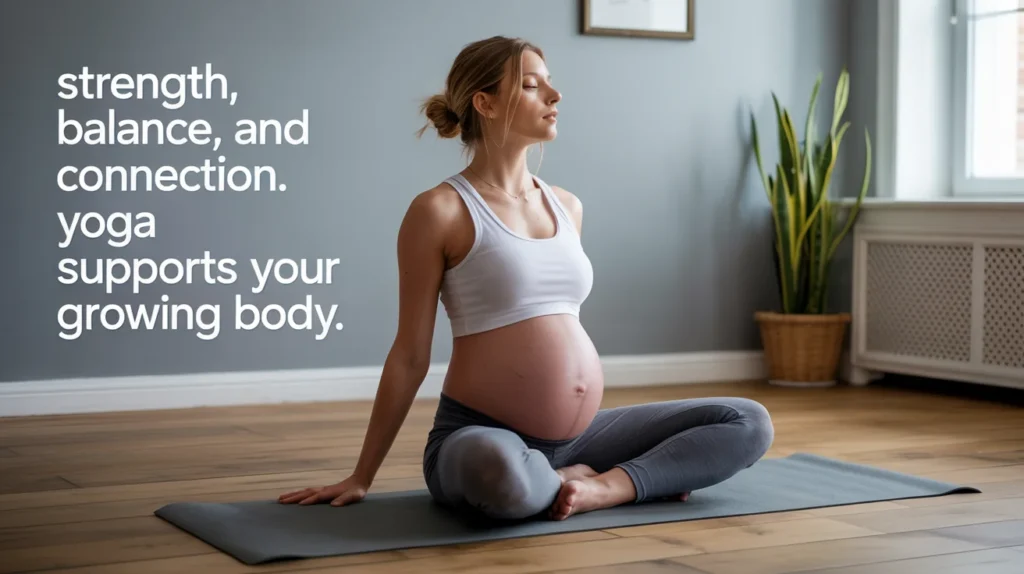
Benefits of Second Trimester Yoga
- Increases Energy Levels: Gentle movement and focused breathing can invigorate your body and mind, combating any lingering fatigue.
- Relieves Aches and Pains: Specific poses can target common areas of discomfort like the lower back, hips, and shoulders, providing much-needed relief.
- Improves Circulation: Yoga encourages healthy blood flow throughout the body, which is beneficial for both you and your baby.
- Prepares for Labor: The practice helps build stamina and teaches breathing techniques that can be incredibly useful during labor and delivery.
- Reduces Stress: The mindfulness aspect of yoga helps calm anxieties and promotes a sense of well-being.
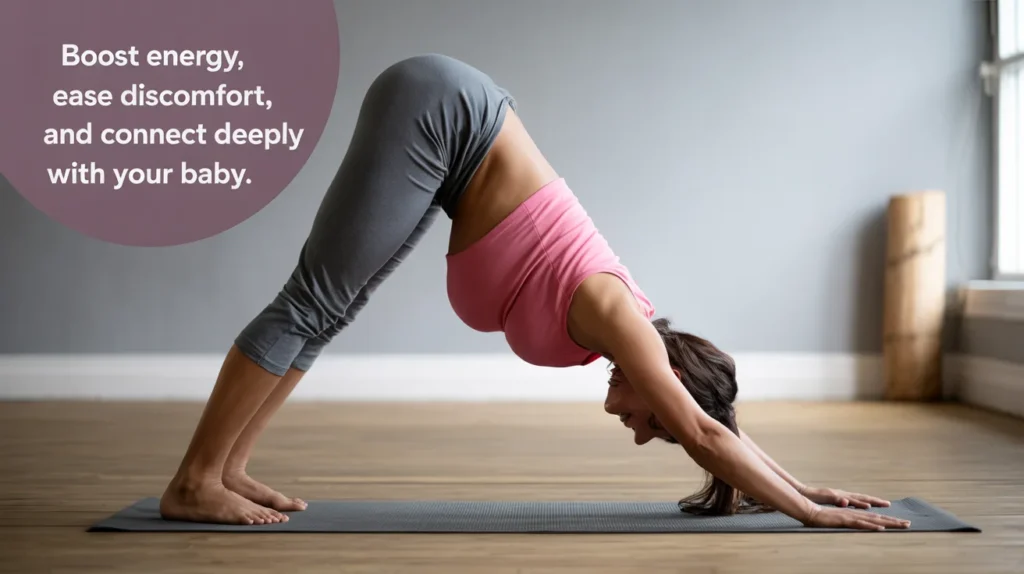
Safety First: Essential Precautions
Before you roll out your mat, it’s vital to keep safety in mind. Your body’s ligaments are looser due to the hormone relaxin, making you more susceptible to overstretching. Always move slowly and intentionally, and never push into a position that causes pain.
Consult with your doctor or midwife before beginning any new exercise regimen, including Prenatal Yoga. Once you have the green light, consider these key safety guidelines:
- Avoid Lying Flat on Your Back: After the first trimester, lying on your back for extended periods can put pressure on the vena cava, a major vein that carries blood to your heart. This can reduce blood flow to you and your baby. Instead, prop yourself up with pillows or bolsters.
- Skip Deep Twists: Avoid any twists that compress your abdomen. Opt for open twists where you turn your shoulders and upper back away from your belly.
- Create Space for Your Belly: Widen your stance in standing poses like Warrior II and forward folds to make room for your growing baby.
- Stay Hydrated: Keep a water bottle nearby and sip throughout your practice.
- Listen to Your Body: This is the most important rule. If something doesn’t feel right, gently come out of the pose. Pregnancy is not the time to push your physical limits.
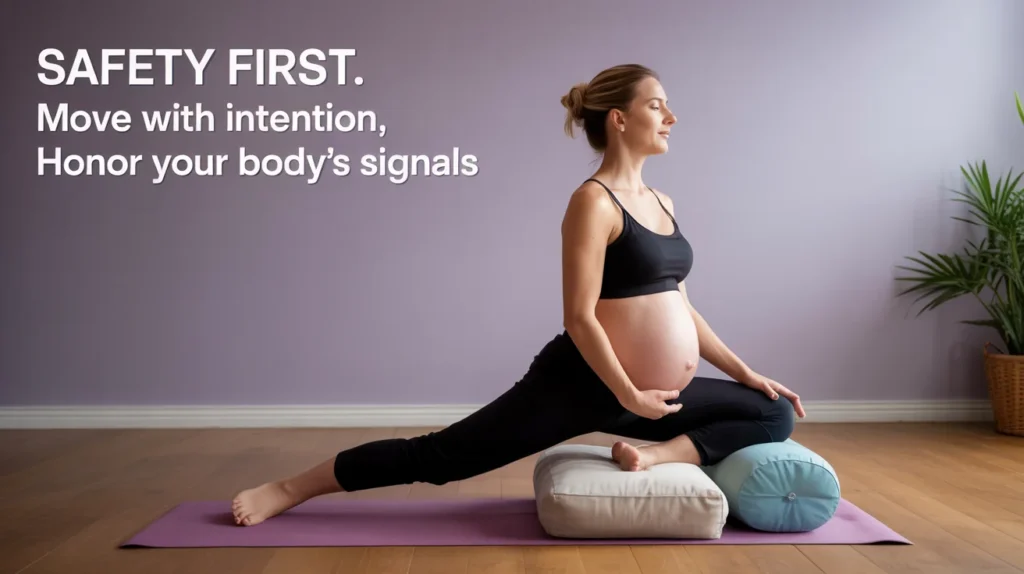
Getting Started: What You’ll Need
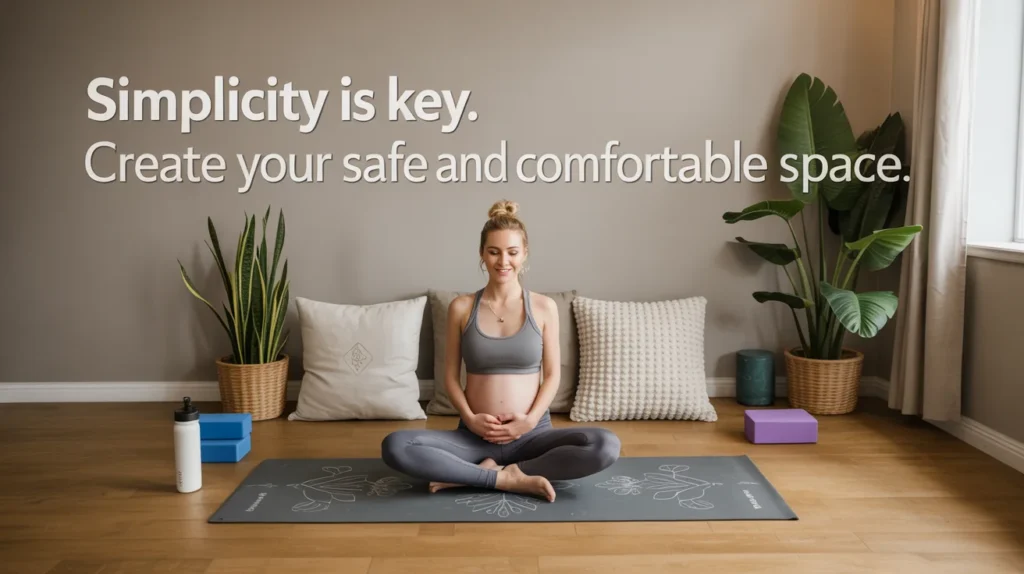
You don’t need a lot of fancy equipment to enjoy a beneficial Prenatal Yoga session at home. Simplicity is key. Here are a few items that can make your practice more comfortable and supportive:
- A Yoga Mat: Provides cushioning and a non-slip surface.
- Comfortable Clothing: Wear stretchy, breathable clothes that allow you to move freely.
- Pillows or a Bolster: Useful for propping yourself up in seated and reclined poses.
- Yoga Blocks (Optional): Blocks can bring the floor closer to you, making poses like Triangle more accessible.
- A Water Bottle: To stay hydrated before, during, and after your flow.
The Quick 20-Minute Energy-Boosting Flow
This sequence is designed to be gentle, energizing, and safe for your second trimester. Move through each pose with mindful breaths, inhaling as you lengthen and exhaling as you deepen into a stretch.
1. Centering and Breathwork (2 minutes)
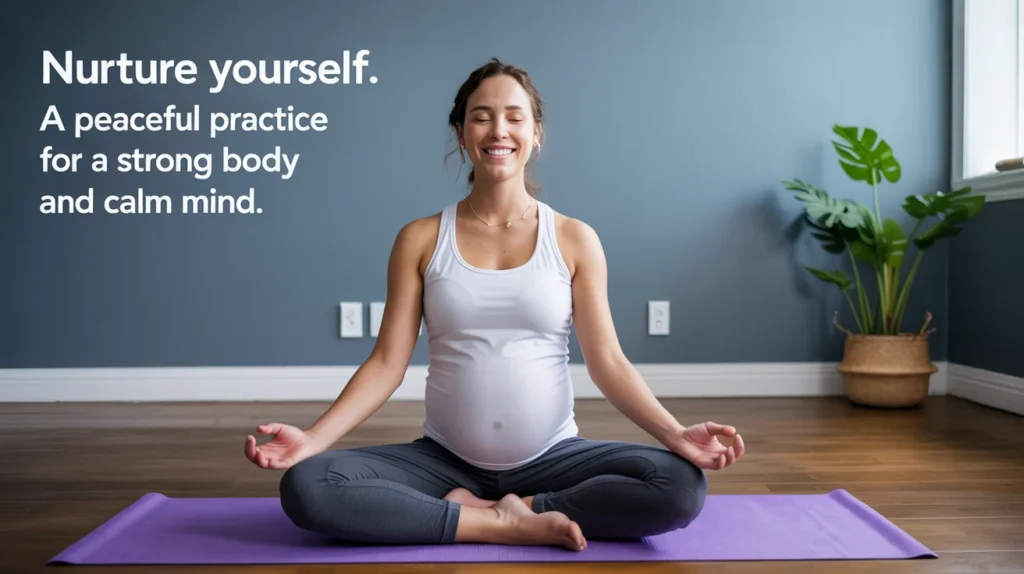
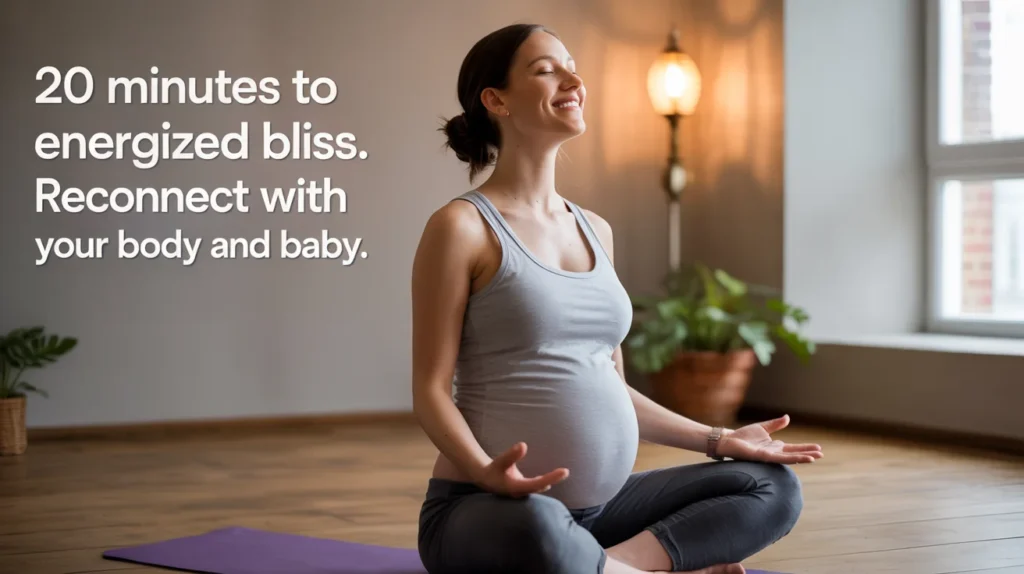
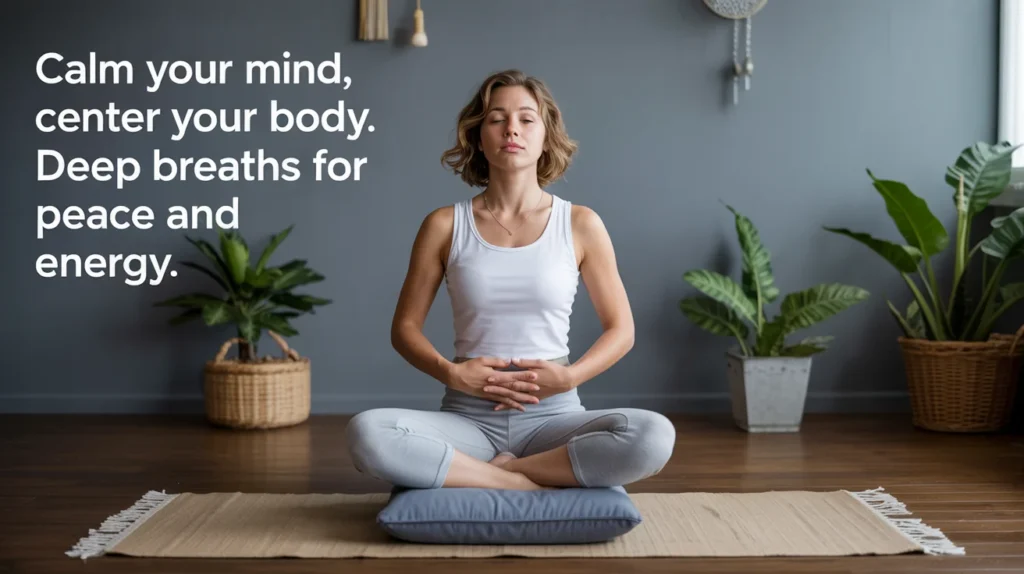
Begin in a comfortable seated position on your mat. You can sit cross-legged on a pillow or bolster to elevate your hips, which can make sitting upright more comfortable. Rest your hands on your belly or your knees. Close your eyes and take a few moments to connect with your breath.
Notice the gentle rise and fall of your belly as you breathe in and out. This simple act helps calm your mind and brings your awareness to your body and your baby. Focus on taking deep, diaphragmatic breaths, inhaling through your nose for a count of four and exhaling through your nose for a count of six.
2. Gentle Neck and Shoulder Stretches (2 minutes)
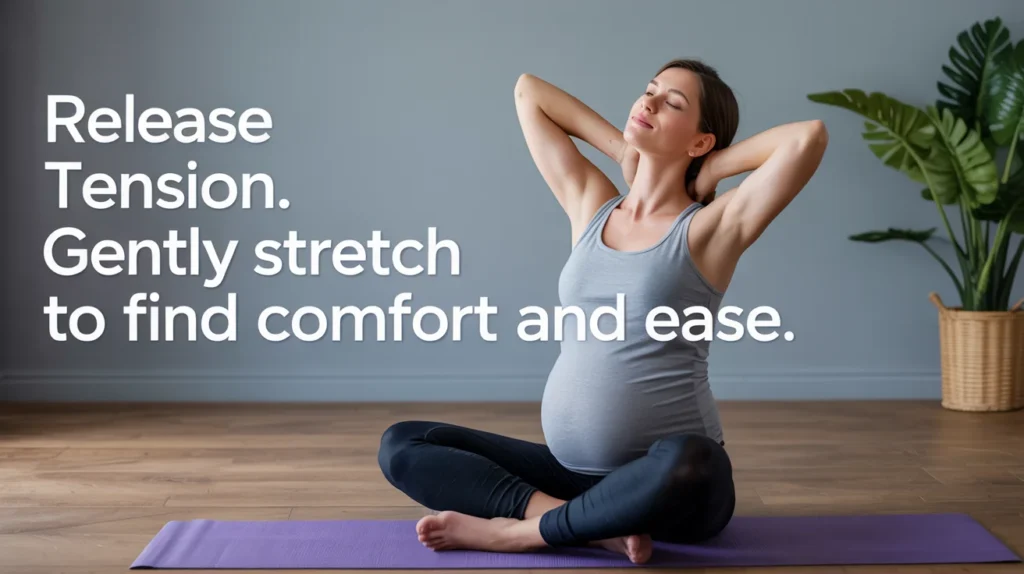
From your seated position, gently drop your right ear toward your right shoulder, feeling a light stretch along the left side of your neck. Hold for three deep breaths, then slowly return to center and repeat on the left side.
Next, roll your shoulders up toward your ears on an inhale and down your back on an exhale. Repeat this five times to release any tension you might be holding in your upper back and shoulders. These simple movements are wonderful for relieving the strain that comes from the postural changes of pregnancy.
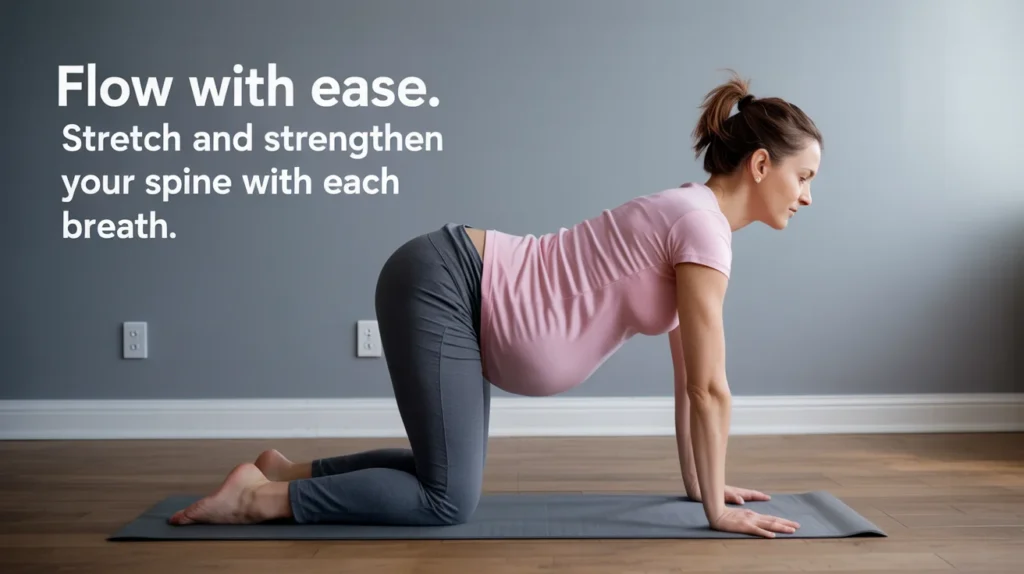
3. Cat-Cow Pose (Marjaryasana-Bitilasana) (3 minutes)
Move onto your hands and knees in a tabletop position. Place your wrists directly under your shoulders and your knees under your hips. On an inhale, drop your belly, lift your chest and tailbone, and look slightly forward into Cow Pose.
Be mindful not to over-arch your lower back. On an exhale, round your spine toward the ceiling, tucking your chin to your chest and gently drawing your navel in for Cat Pose. This movement brings wonderful flexibility to the spine and can help relieve back pain. Continue flowing between Cat and Cow for 8-10 breath cycles.
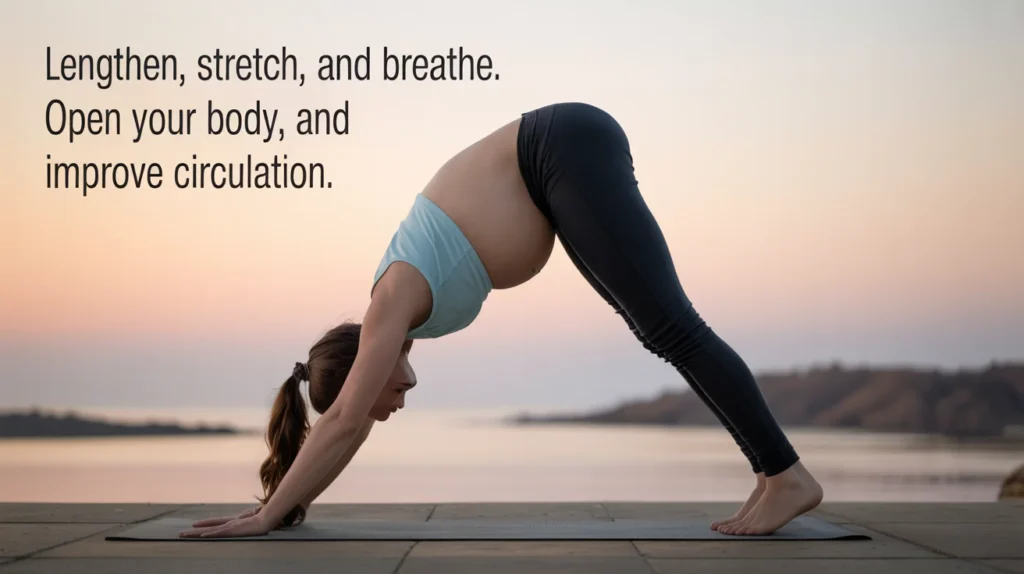
4. Downward-Facing Dog (Adho Mukha Svanasana) (2 minutes)
From your tabletop position, tuck your toes and lift your hips up and back to come into Downward-Facing Dog. Keep your knees generously bent to protect your hamstrings and lower back. Widen your feet to about mat-width apart to create more space for your belly.
Press firmly through your hands and gently pedal your feet, bending one knee and then the other. This pose is a gentle inversion that helps lengthen the entire back side of the body and improve circulation. Hold for five deep breaths.
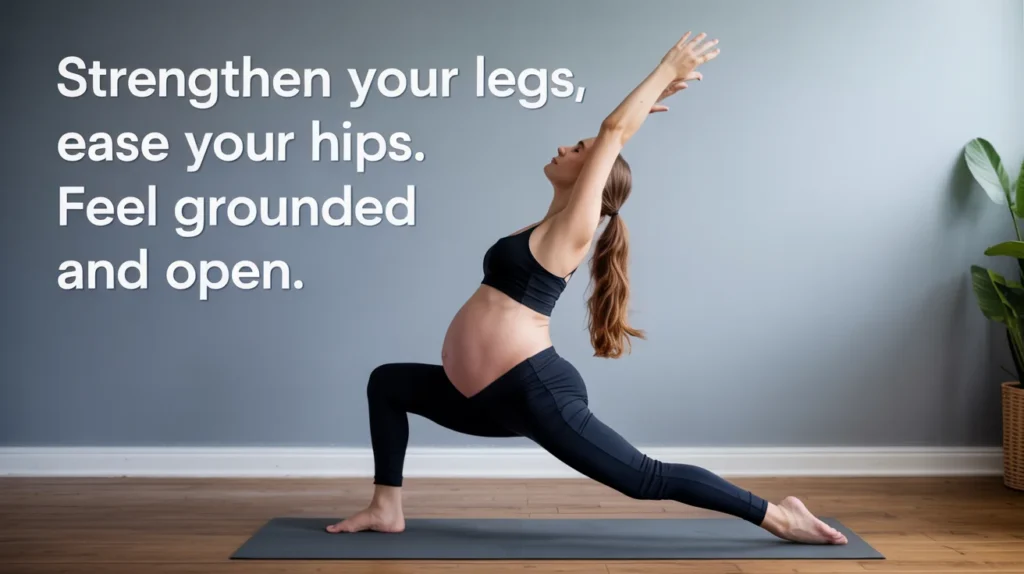
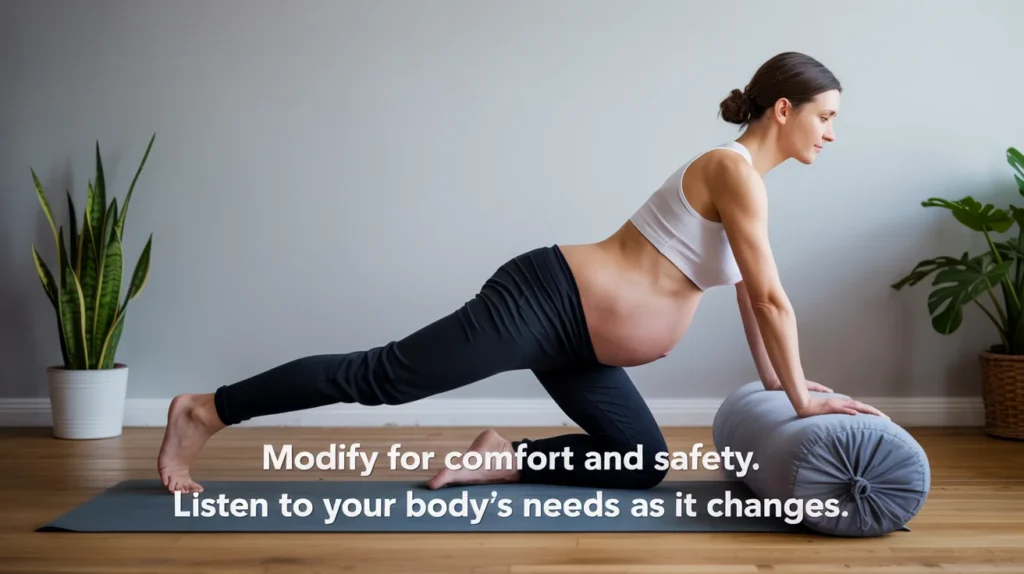
5. Low Lunge (Anjaneyasana) (2 minutes)
From Downward-Facing Dog, step your right foot forward between your hands. If needed, use your right hand to help guide it forward. Lower your back knee to the mat, placing a blanket underneath it for extra padding if you like.
Ensure your front knee is stacked directly over your ankle. On an inhale, lift your torso and sweep your arms overhead for a Low Lunge. Feel the stretch in your left hip flexor. Hold for three breaths, then release your hands down and step back to tabletop. Repeat on the left side.
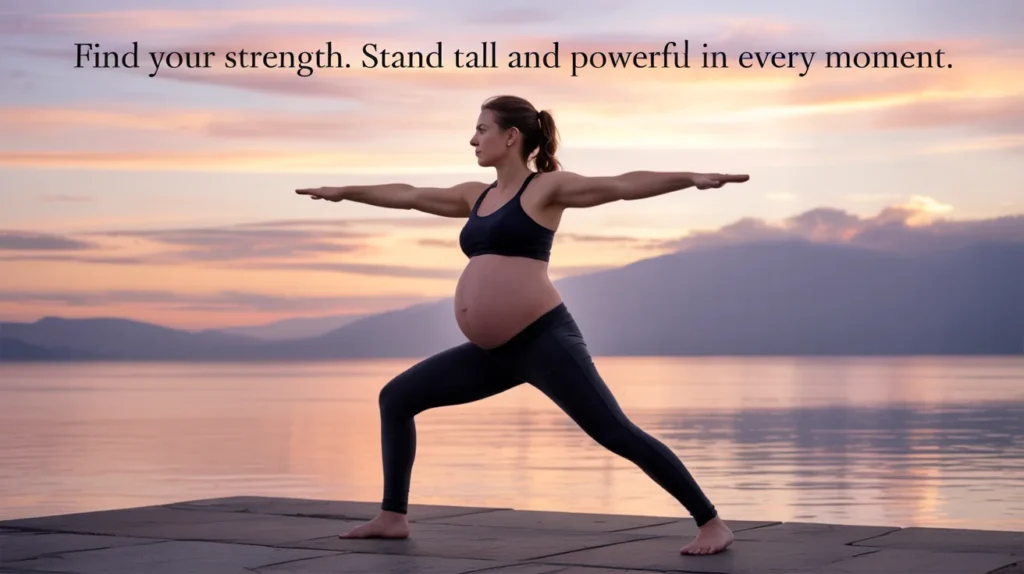
6. Warrior II (Virabhadrasana II) (2 minutes)
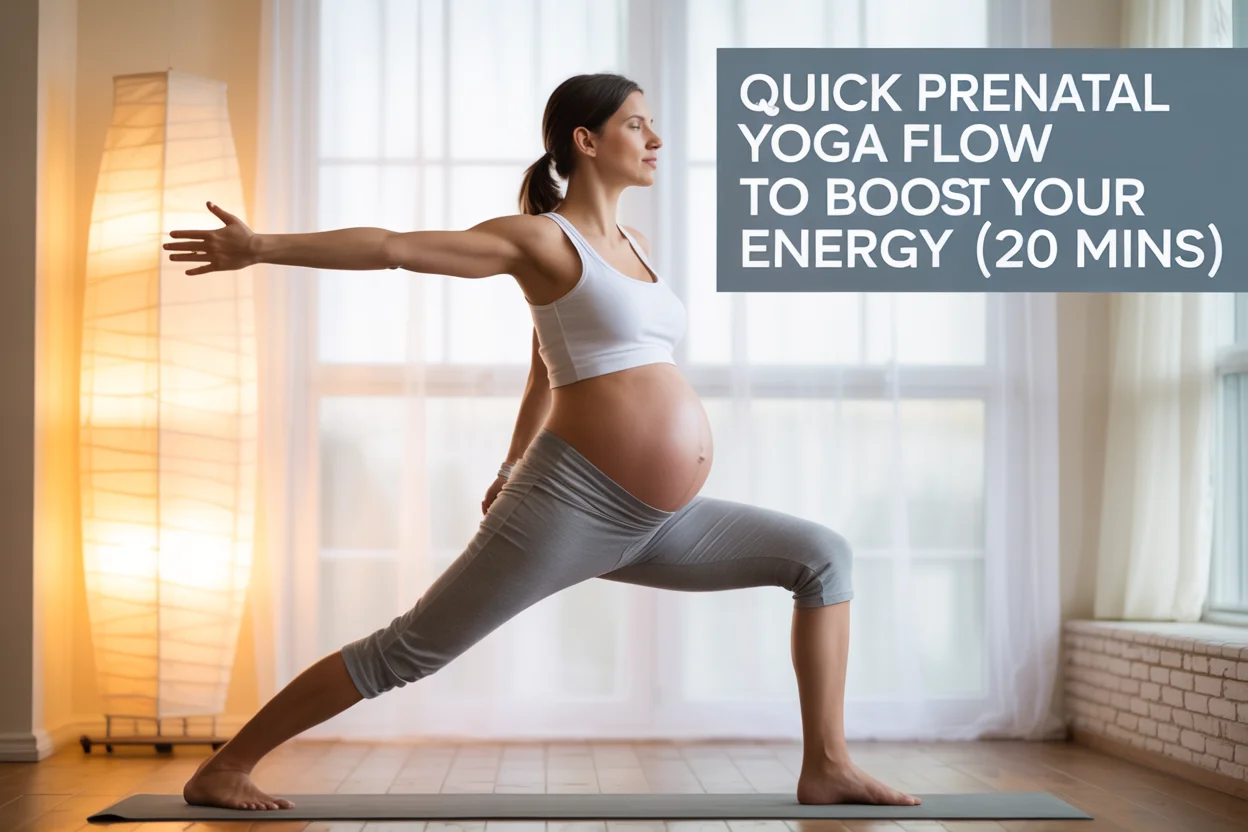
Stand up and turn to face the long edge of your mat. Step your feet wide apart, about 3-4 feet. Turn your right foot out 90 degrees and your left foot in slightly. On an exhale, bend your right knee so it is directly over your ankle, keeping your back leg straight and strong.
Extend your arms parallel to the floor, gazing over your right fingertips. Warrior II is a powerful pose that builds strength in the legs and opens the hips and chest. Hold for five breaths before straightening your front leg and switching sides. This is an excellent Prenatal Yoga pose for building stamina.
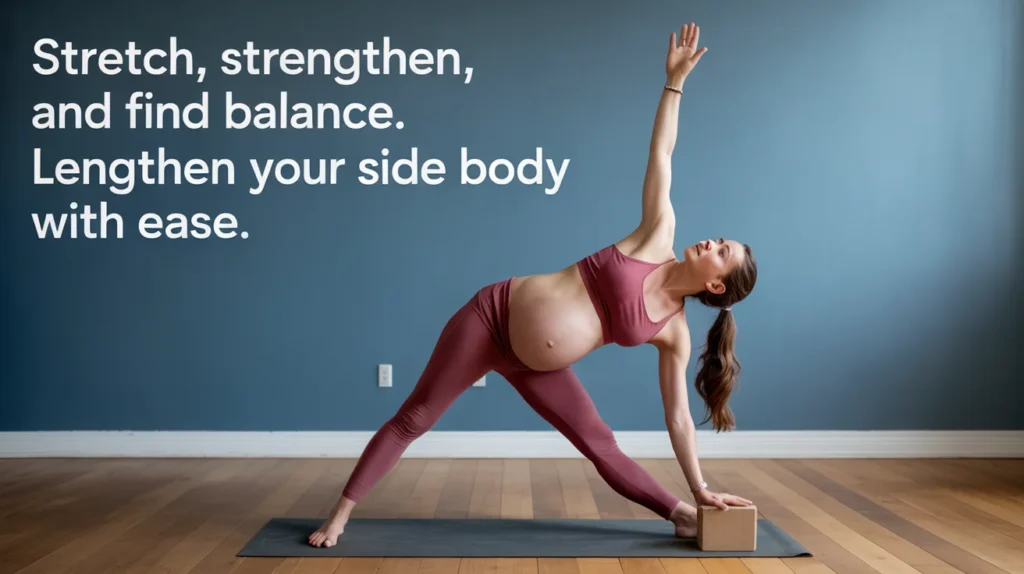
7. Triangle Pose (Trikonasana) (2 minutes)
From your Warrior II stance on the right side, straighten your front leg. On an exhale, hinge at your right hip and reach forward, then bring your right hand down to a block, your shin, or your ankle. Extend your left arm toward the ceiling, creating a long line of energy from your bottom hand to your top hand.
Keep a micro-bend in your front knee to avoid locking it. Gaze up toward your top hand if it feels okay for your neck. This pose lengthens the side body and hamstrings. Hold for three breaths, then rise up and repeat on the other side.
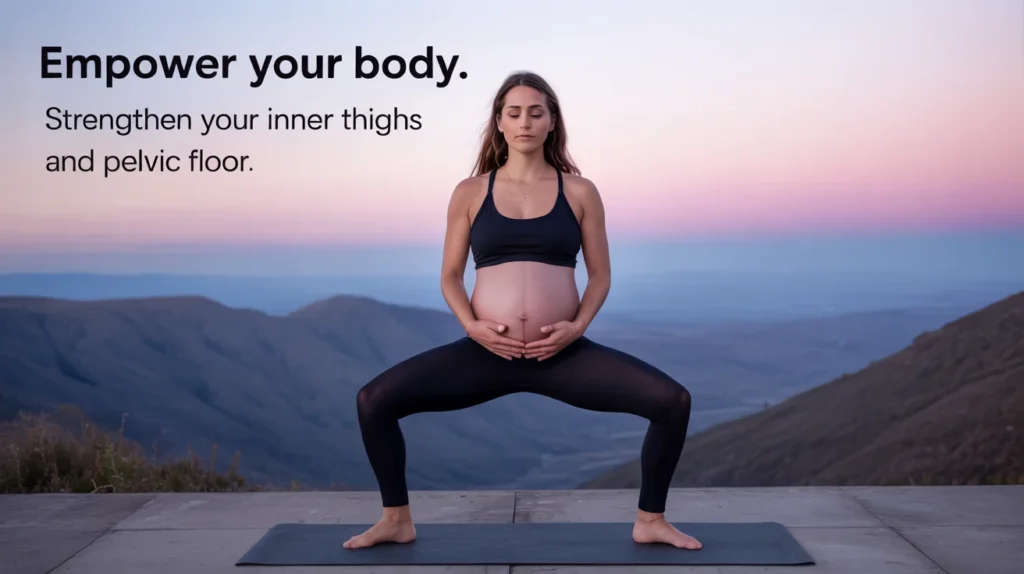
8. Goddess Pose (Utkata Konasana) (1 minute)
Face the long edge of your mat again with your feet wide apart. Turn your toes out and your heels in. On an exhale, bend your knees and sink your hips down as if sitting in a wide chair. Bring your hands to your heart center or rest them on your thighs. This pose is fantastic for strengthening the inner thighs and pelvic floor. Hold for five deep breaths, keeping your chest lifted and your spine long.
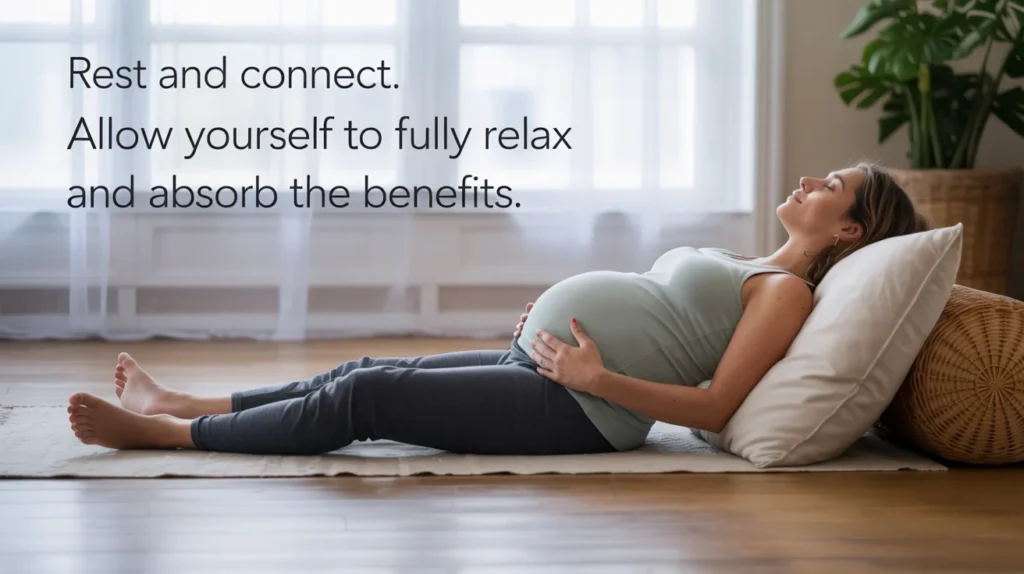
9. Final Relaxation (Savasana) (4 minutes)
For your final rest, lie down on your left side. Lying on the left side promotes optimal circulation for you and your baby. Place a pillow or bolster between your knees and another one under your head for support. You can also place a folded blanket under your belly if that feels comfortable.
Close your eyes and allow your body to completely relax. Let go of any control over your breath and simply rest. Spend these last few moments in quiet connection, absorbing the benefits of your practice.
Comparing Yoga Poses: What to Modify
As your pregnancy progresses, modifying your yoga practice becomes essential. Certain poses that were once staples may no longer feel good or be safe.
| Common Yoga Pose | Second Trimester Modification | Why It’s a Better Choice |
|---|---|---|
| Traditional Savasana | Side-Lying Savasana | Avoids pressure on the vena cava, ensuring optimal blood flow to the baby. |
| Deep Abdominal Twists | Open Twists | Prevents compression of the uterus and abdomen, keeping the baby safe. |
| Deep Forward Folds | Wide-Legged Forward Folds | Creates space for the growing belly, preventing discomfort and compression. |
| Cobra Pose | Cow Pose (on hands/knees) | Avoids putting pressure on the abdomen while still providing a gentle backbend. |
Frequently Asked Questions (FAQ)
Q: How often should I practice prenatal yoga in the second trimester?
A: Consistency is more important than duration. Practicing for 20 minutes, 3-4 times a week, can be very beneficial. However, always listen to your body’s signals and rest when you need to.
Q: Can I do prenatal yoga if I’ve never done yoga before?
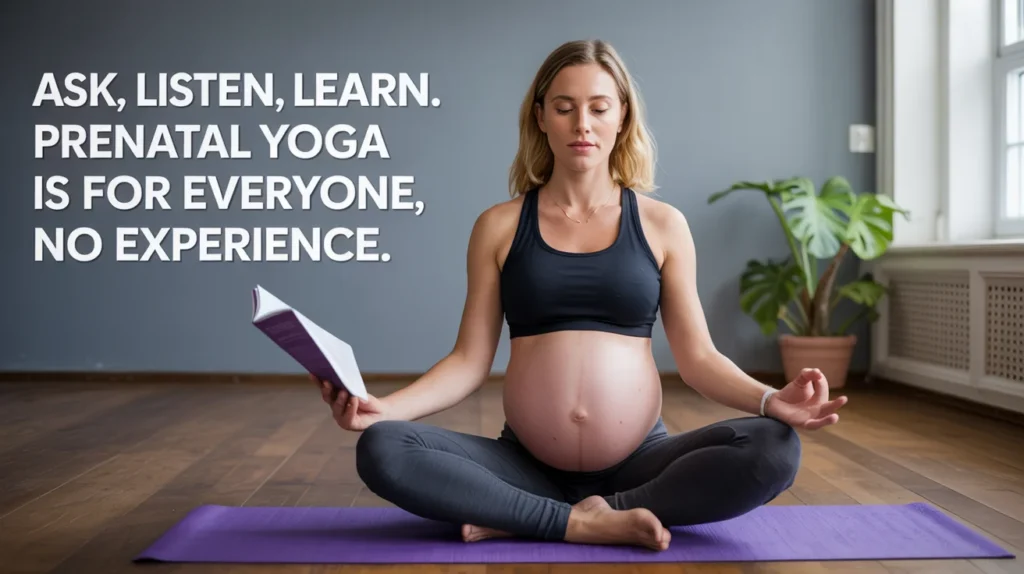
A: Absolutely! Prenatal Yoga classes and sequences are designed for all levels, including complete beginners. The focus is on gentle movement and safety, making it an accessible form of exercise during pregnancy.
Q: What if a pose feels uncomfortable?
A: If any pose causes pain or discomfort, you should immediately and gently come out of it. There are always modifications available, or you can skip the pose entirely. The goal is to feel good, not to force your body into a specific shape.
Q: Can prenatal yoga help with labor?
A: Yes, many women find that their practice helps them prepare for labor. According to the American College of Obstetricians and Gynecologists, the breathing exercises and hip-opening poses practiced in yoga can be very useful during childbirth.
Conclusion
Incorporating a short Prenatal Yoga flow into your second trimester routine is a wonderful way to boost your energy, ease discomfort, and foster a deeper connection with your body and baby. This 20-minute sequence offers a perfect balance of strengthening and stretching, tailored to your specific needs during this special time. Remember to honor your body, move with intention, and embrace the journey. By taking this time for yourself, you are not only nurturing your own well-being but also creating a peaceful and healthy environment for your little one to grow.