
Introduction
Embracing the journey of motherhood is a profound experience, marked by incredible changes in your body and your life. Staying active through pregnancy and into the postpartum period is one of the most empowering ways to support your physical and mental well-being. A consistent, Safe Workout Challenge can help you build strength for labor, ease common discomforts, and foster a smoother recovery after your baby arrives.
This guide is designed to be your trusted companion, offering a gentle Safe Workout Challenge that adapts to your body’s needs at every stage. We will walk through each trimester and the early postpartum phase, providing safe, effective exercises to help you feel strong, confident, and connected to your body. Remember to always listen to your body and consult your healthcare provider before starting any new fitness program.

First Trimester: Building a Strong Foundation (Weeks 1-13)
The first trimester can be a mix of excitement and exhaustion. Your body is working hard, and you might be dealing with morning sickness and fatigue. The key here is gentle consistency. Exercise can help boost energy levels, improve mood, and lay a crucial foundation for the months ahead. Focus on low-impact activities that feel good.
Safe Workout Challenge Ideas:
- Walking: A simple yet powerful exercise. Aim for 20-30 minutes of brisk walking most days of the week.
- Pelvic Tilts: Lie on your back with knees bent. Gently flatten your lower back against the floor, engaging your core, then release. This helps relieve lower back pain and strengthens deep core muscles.
- Cat-Cow Stretch: On your hands and knees, inhale as you drop your belly and look up (cow), then exhale as you round your spine and tuck your chin (cat). This improves spinal flexibility and eases tension.
- Light Swimming or Water Aerobics: The buoyancy of water supports your body, making it an ideal, low-impact environment for movement.
Safety Tip: Hydration is critical, especially if you’re experiencing morning sickness. Avoid overheating and stop immediately if you feel dizzy or nauseous.

Second Trimester: The Energy Surge (Weeks 14-27)
Many women experience a welcome boost of energy during the second trimester, making it a great time to maintain or even slightly increase activity levels. Your baby bump is growing, so modifications are key to ensuring safety and comfort. Focus on maintaining strength, especially in your back, core, and legs, to support your changing body.
Safe Workout Ideas:
- Prenatal Yoga: Poses like warrior II and triangle pose (modified) build strength and balance. Avoid deep twists and lying flat on your back for extended periods.
- Stationary Cycling: A great cardiovascular Safe Workout Challenge that is easy on your joints. Ensure the handlebars are high enough to maintain an upright posture and avoid leaning forward too much.
- Squats: A fantastic exercise for strengthening your glutes, hips, and legs in preparation for labor. Use a chair for support if needed and focus on perfect form.
- Modified Planks: Instead of a full plank, perform them on your knees or against a wall to reduce pressure on your abdomen. This helps maintain core stability without straining the abdominal muscles.
Safety Tip: As your center of gravity shifts, be mindful of balance. Avoid activities with a high risk of falling. Listen for any signs of discomfort around your abdomen or pelvis.

Third Trimester: Supporting and Preparing (Weeks 28-40)
In the final stretch, comfort is paramount. Your body is preparing for labor, and Safe Workout Challenge should focus on mobility, relieving discomfort, and gentle strengthening. Movements should be slow and intentional. It’s all about supporting your body, not pushing it to its limits.
Safe Workout Ideas:
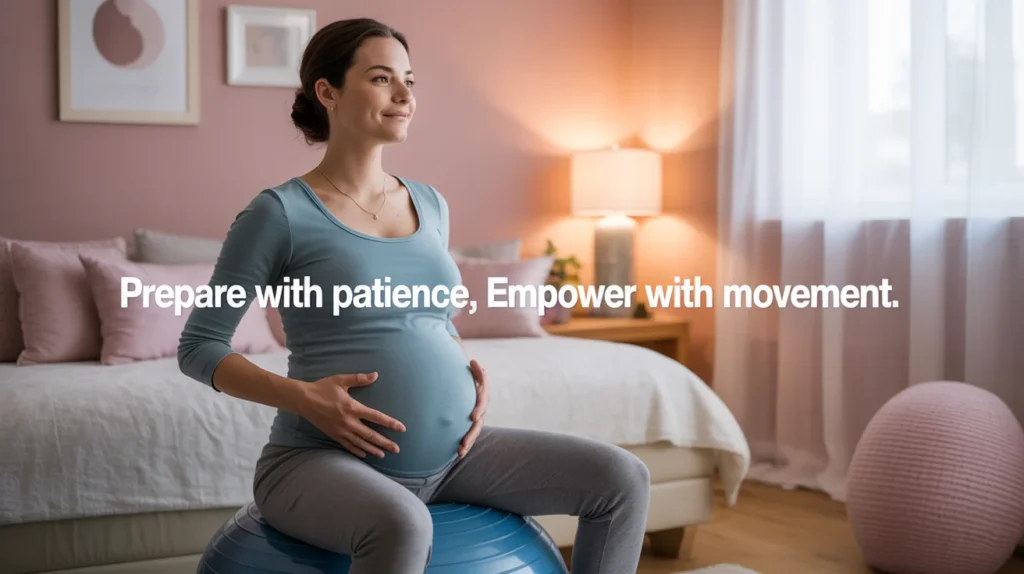
- Birth Ball Exercises: Gently bouncing or performing pelvic circles on a large exercise ball can alleviate pelvic pressure and encourage the baby into an optimal position for birth.
- Glute Bridges: Lie on your back with knees bent (for a short duration). Lift your hips toward the ceiling, squeezing your glutes. This strengthens your posterior chain, which helps support your pelvis.
- Wall Push-Ups: Stand facing a wall and perform push-ups against it. This maintains upper body strength without putting any pressure on your belly.
- Side-Lying Leg Lifts: Lie on your side and slowly lift your top leg. This targets the hip abductor muscles, which are crucial for pelvic stability.
Safety Tip: Avoid any exercises that cause “coning” or doming of your abdomen. Pay close attention to your body’s signals and prioritize rest. Stop any activity that causes pain or significant shortness of breath.
Postpartum: Healing and Rebuilding (First 6+ Weeks)
After your baby arrives, the focus shifts to healing and gentle reconnection with your body. The fourth trimester is a time for recovery. Always get clearance from your doctor (usually around your 6-week checkup) before resuming structured exercise. The first movements should be restorative and focus on your deep core and pelvic floor.
Safe Workout Challenge Ideas:
- Diaphragmatic Breathing: Lie comfortably and practice deep belly breathing. This helps re-engage your core and pelvic floor in a gentle, foundational way.
- Pelvic Floor Contractions (Kegels): Gently contract and lift your pelvic floor muscles, hold for a few seconds, and then fully release. This is vital for restoring pelvic health.
- Heel Slides: Lie on your back with knees bent. Slowly slide one heel away from you until the leg is straight, keeping your core engaged, then slide it back.
- Short Walks: Begin with very short, slow walks and gradually increase the duration as you feel stronger. Fresh air and gentle movement can do wonders for your mental health.
Safety Tip: Be patient. Your body has been through a monumental event. Avoid high-impact activities, heavy lifting, and traditional core exercises like crunches until your body has fully healed and you’ve regained foundational strength.

Your Body, Your Journey
This workout challenge is a template, not a strict rulebook. The most important thing you can do at every stage of pregnancy and postpartum is to listen to your body and honor its unique needs. Staying active is a powerful act of self-love that supports you mentally and physically.
Celebrate your strength, be patient with your progress, and embrace the incredible journey of motherhood. You are capable, resilient, and stronger than you know. Move with intention, rest without guilt, and know that you are doing an amazing job.