Introduction
Pregnancy is a remarkable journey, but for many, it comes with its share of aches and discomforts. One of the most common complaints is hip pain, which can range from a dull ache to a sharp, shooting sensation.
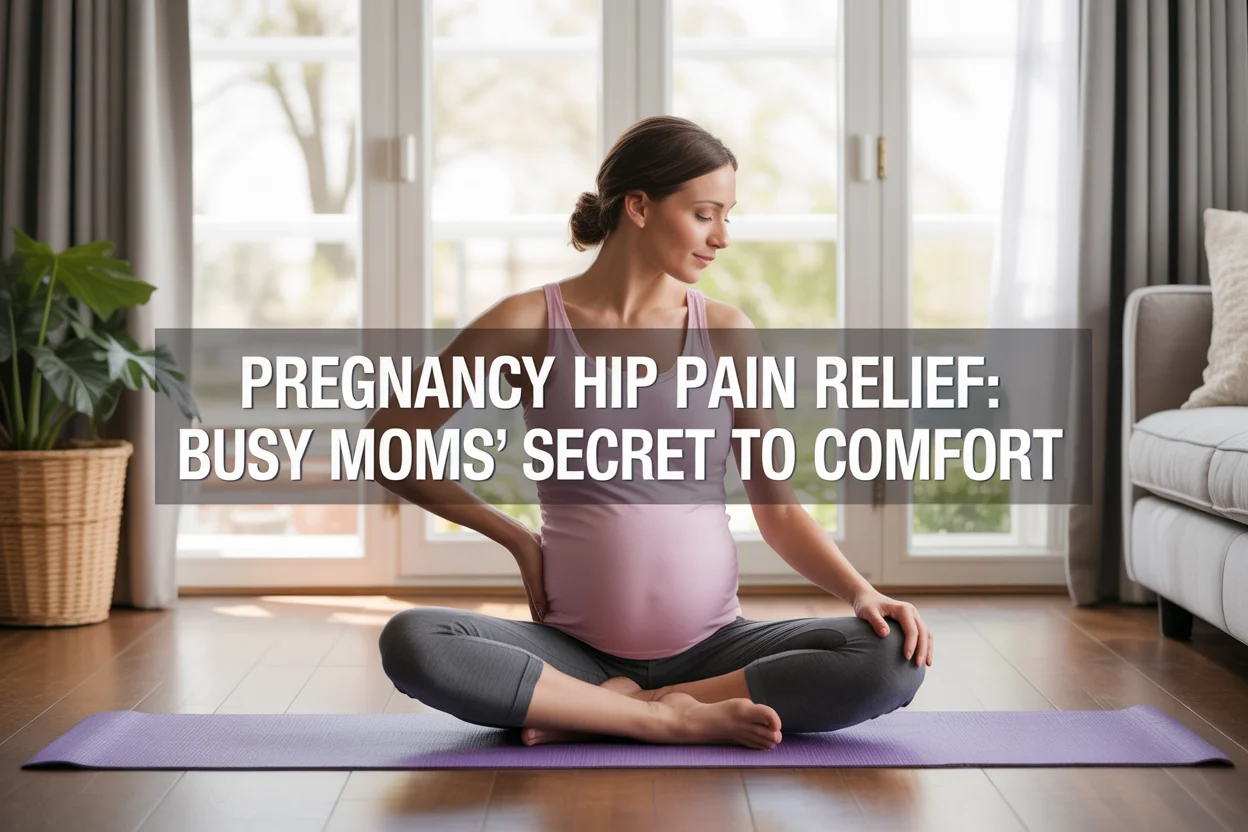
If you’re a busy mom-to-be trying to juggle work, family, and preparing for a new baby, this added discomfort can feel overwhelming. The good news is that you don’t have to simply endure it. There are many effective ways to manage and find relief from pregnancy-related hip pain.
This guide is designed to be your go-to resource. We’ll explore why this discomfort happens, identify its common triggers, and provide practical, easy-to-implement tips for relief. From simple stretches you can do at home to understanding when it’s time to see a professional, we’ve got you covered.

Key Takeaways
- Pregnancy-related hip pain is often caused by hormonal changes, weight gain, and postural shifts.
- Simple lifestyle adjustments, such as improving posture and using supportive pillows for sleep, can make a significant difference.
- Gentle exercises and stretches designed for pregnancy can strengthen supporting muscles and alleviate pressure on the hips.
- Knowing the difference between common discomfort and more serious conditions is crucial for your health and well-being.
- A combination of professional care, home remedies, and supportive gear offers a comprehensive approach to managing hip pain.
Understanding the Causes of Hip Pain During Pregnancy
During pregnancy, your body goes through an incredible transformation to support your growing baby. While beautiful, these changes can put a lot of strain on your joints and muscles, particularly around the pelvic area. One of the primary culprits is a hormone called relaxin.
Its job is to loosen the ligaments in your pelvis to prepare for childbirth. However, relaxin doesn’t just target the pelvis; it affects ligaments throughout your body. This loosening can lead to instability in the hip joints, causing discomfort and pain.
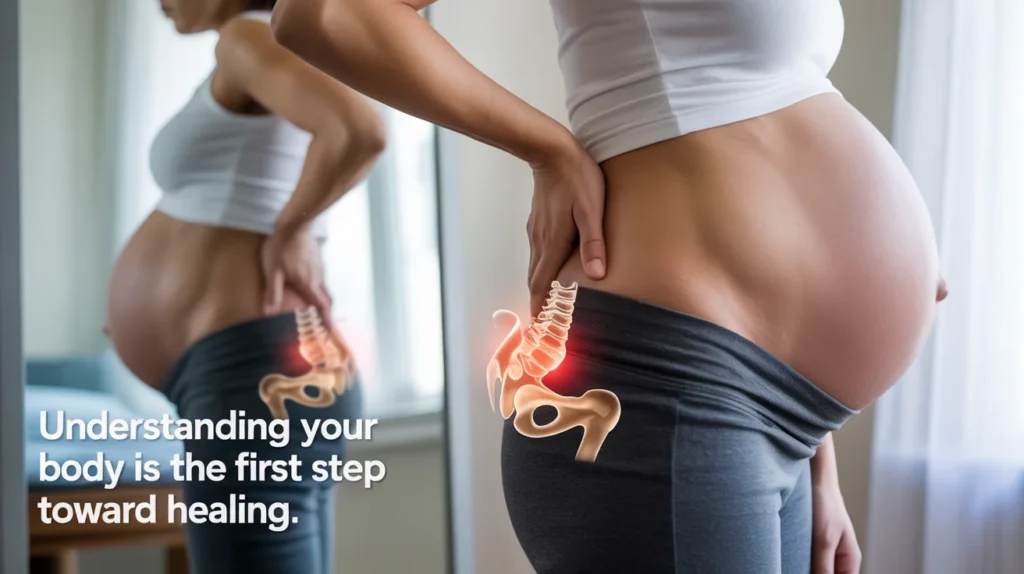
Another major factor is the natural weight gain that comes with a healthy pregnancy. The extra weight increases the pressure on your hips and pelvic girdle. Your expanding uterus also shifts your center of gravity, which can alter your posture and the way you walk.
This change often leads to straining the muscles and ligaments around your hips and lower back, contributing to persistent soreness. Understanding these underlying causes is the first step toward finding effective relief.
Common Triggers for Discomfort
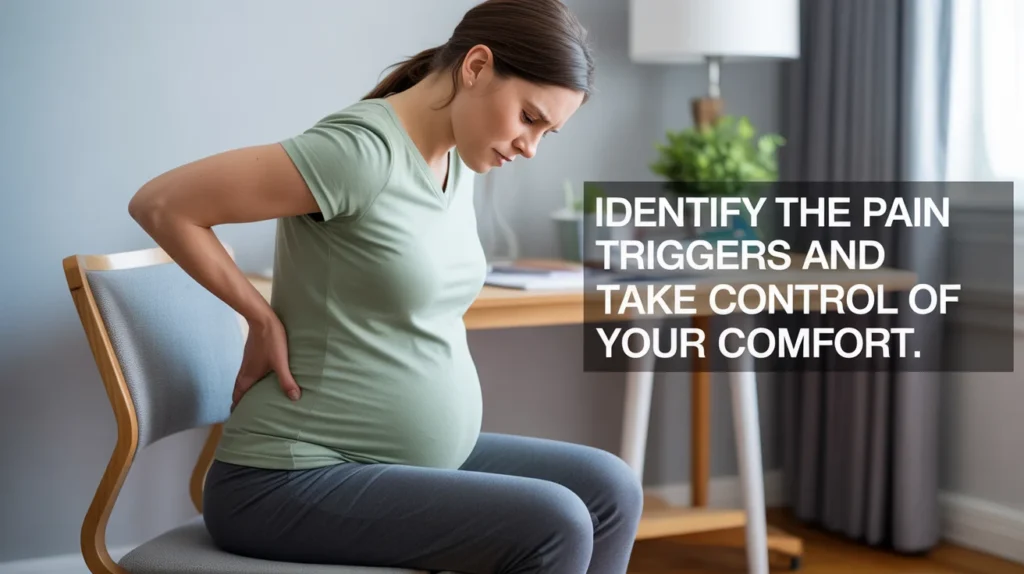
Certain activities and positions can make pregnancy-related hip pain worse. For many women, the pain intensifies at night, especially when lying on their side. This position can put direct pressure on the hip joint.
Other common triggers include prolonged standing, sitting for long periods (especially in unsupportive chairs), walking long distances, and climbing stairs. Even simple movements like getting in and out of a car or rolling over in bed can become challenging. Identifying what specifically aggravates your pain can help you make targeted adjustments to your daily routine for better comfort.
Simple Lifestyle Adjustments for Immediate Relief
You don’t have to make drastic changes to find relief. Small, consistent adjustments in your daily habits can have a big impact on managing hip pain. Start by paying close attention to your posture. When standing, try to distribute your weight evenly on both feet and avoid locking your knees. Gently tuck your pelvis under and pull your shoulders back to align your spine.
When sitting, choose chairs that offer good back support and keep your feet flat on the floor. Avoid crossing your legs, as this can misalign your pelvis and worsen discomfort. A small pillow or rolled-up towel placed behind your lower back can provide extra support and encourage proper posture.

The Importance of Sleep Positioning
Getting a good night’s sleep can be tough during pregnancy, and hip pain certainly doesn’t help. The key is to find a sleeping position that reduces pressure on your hips. Experts recommend sleeping on your side—specifically your left side, as it can improve blood flow to the baby. To make this position more comfortable, place a pillow between your bent knees.
This helps keep your hips aligned and takes the strain off your lower back and pelvic area. You might also find that a wedge-shaped pillow under your belly or a full-body pregnancy pillow provides the all-around support you need to rest comfortably.

Supportive Footwear and Clothing
The right gear can make a world of difference. Ditch the high heels and opt for comfortable, supportive shoes with good arch support. Flat shoes or those with a low, wide heel are best for maintaining proper alignment and reducing strain on your hips and back.
You might also consider wearing a maternity support belt or belly band. These garments are designed to help support the weight of your growing belly, which can take a significant amount of pressure off your lower back and hips. This added support can be especially helpful if you spend a lot of time on your feet.
Exercises and Stretches for Hip Pain Relief
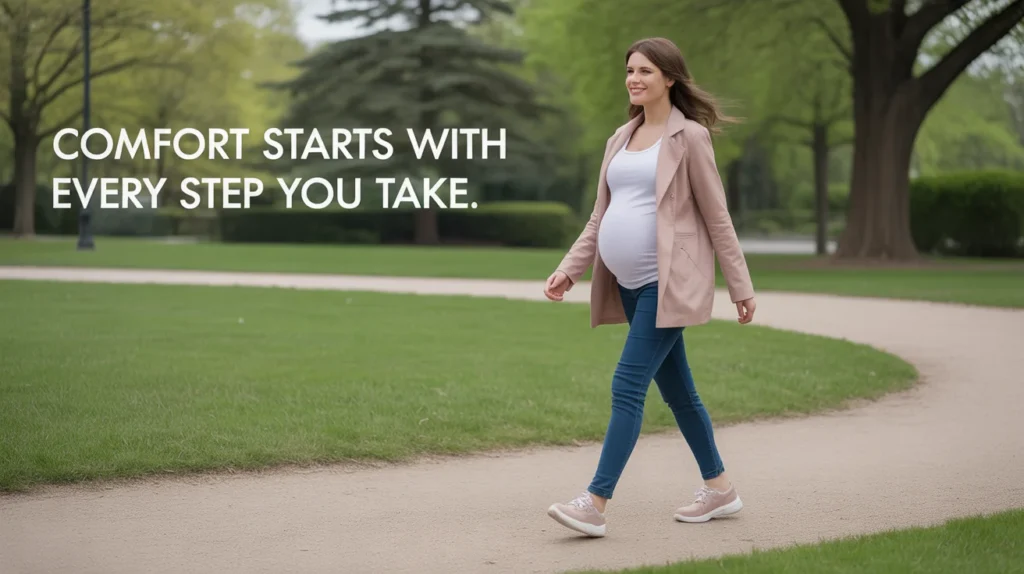
Staying active is one of the best things you can do for your body during pregnancy. Gentle, targeted exercises can strengthen the muscles that support your hips and back, which helps stabilize your joints and reduce pain. Activities like prenatal yoga, swimming, and walking are excellent low-impact options.
They get your body moving without putting extra stress on your joints. Prenatal yoga, in particular, includes many poses designed to open the hips and stretch the surrounding muscles. Swimming is another fantastic choice, as the buoyancy of the water supports your weight, giving your joints a much-needed break while you exercise.
Safe Stretches to Try at Home
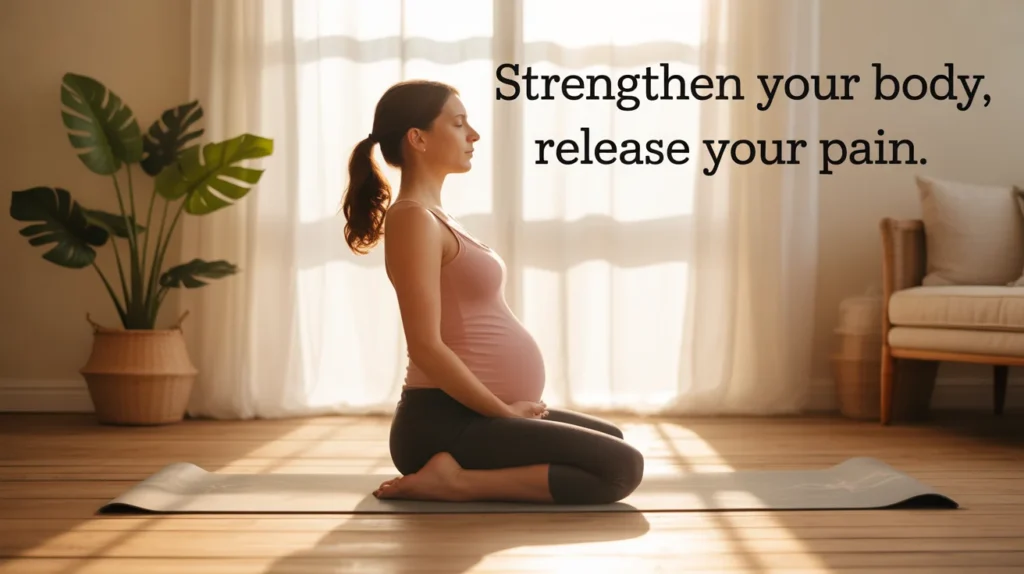
You can perform several simple stretches at home to ease tension and improve flexibility. Always move slowly and gently, and never stretch to the point of pain.
- Cat-Cow Stretch: Start on your hands and knees. As you inhale, drop your belly and look up (cow). As you exhale, round your spine and tuck your chin to your chest (cat). This warms up the spine and gently moves the hips.
- Child’s Pose: From your hands and knees, sit back on your heels and gently spread your knees wide. Fold forward, resting your forehead on the floor. This provides a gentle stretch for the lower back and hips.
- Figure-Four Stretch: Lie on your back with your knees bent. Cross your right ankle over your left knee. Gently pull your left thigh toward you until you feel a stretch in your right hip and glute. Hold, then switch sides.

Activities to Avoid
While movement is beneficial, some activities can make hip pain worse. Avoid high-impact exercises like running or jumping. You should also be cautious with any activity that involves jerky, one-sided movements, such as tennis or certain types of dancing.
It’s also wise to avoid deep squats or lunges if they cause you discomfort. The goal is to listen to your body and stick to movements that feel supportive and relieving, not straining. If you’re ever unsure, it’s best to consult with your doctor or a physical therapist.

Professional Help and Therapies
Sometimes, home remedies and lifestyle adjustments aren’t enough to manage significant hip pain. In these cases, seeking professional help is a great next step. A physical therapist who specializes in prenatal care can be an invaluable resource.
They can assess your specific condition and create a personalized exercise program to strengthen your core, pelvic floor, and hip muscles. They may also use manual therapy techniques to gently mobilize your joints and release tight muscles. A physical therapist can teach you how to move and perform daily activities in a way that minimizes strain on your body.

Another excellent option is chiropractic care. A chiropractor experienced in treating pregnant women can perform gentle adjustments to correct misalignments in your spine and pelvis. This can help restore proper joint function and alleviate the nerve pressure that often contributes to hip pain.
Be sure to find a practitioner who is certified in the Webster Technique or has specific training in prenatal chiropractic care. For more information on physical therapy during pregnancy, the American Physical Therapy Association offers valuable insights.
Massage and Other Therapies
Prenatal massage is a wonderful way to find relief. A trained prenatal massage therapist knows how to position you safely and which areas to focus on—and which to avoid. Massage can help release muscle tension in your hips, glutes, and lower back, improve circulation, and promote relaxation.
Acupuncture is another therapy that many women find helpful. It involves inserting thin needles into specific points on the body to release endorphins, which are natural pain relievers. Both therapies are generally considered safe during pregnancy, but always check with your doctor first and choose a licensed, experienced practitioner.

Understanding Different Types of Hip and Pelvic Pain
Not all aches are the same. It’s helpful to understand the difference between common muscular pain and more specific conditions that can occur during pregnancy.
| Pain Type | Key Characteristics | Common Relief Strategies |
|---|---|---|
| General Hip Pain | A dull ache or soreness in the outer hip, often worse at night or after long periods of standing. | Stretching, proper sleep support, supportive shoes, heat packs. |
| Symphysis Pubis Dysfunction (SPD) | Sharp, shooting pain felt at the front of the pelvis, in the lower back, or perineum. May be accompanied by a clicking or grinding sensation. | Pelvic support belt, physical therapy to stabilize the pelvis, avoiding activities that spread the legs far apart. |
| Sacroiliac (SI) Joint Pain | Deep pain felt in the lower back or back of the hips, often on one side. Can radiate down the leg. | Chiropractic adjustments, physical therapy, stabilizing exercises, SI joint belt. |
Differentiating between these can help you and your healthcare provider find the most effective treatment plan. For instance, what helps with general muscular hip pain may not be sufficient for managing the instability associated with SPD.

When to Contact Your Doctor
While most pregnancy-related hip discomfort is normal, there are times when you should contact your doctor. If your hip pain is severe, constant, or comes on suddenly, it’s important to get it checked out.
You should also call your doctor if the pain is accompanied by other symptoms, such as fever, redness or swelling in the joint, or difficulty walking. These could be signs of a more serious issue, like a septic joint infection or a blood clot, which require immediate medical attention.

Additionally, if you experience pain that feels rhythmic or is accompanied by pressure in your pelvis or lower back before 37 weeks, it could be a sign of preterm labor. It’s always better to be cautious and consult your healthcare provider if you have any concerns about the pain you are experiencing.
They can rule out serious conditions and ensure you and your baby are safe and healthy. The March of Dimes provides excellent resources on recognizing signs of preterm labor.
Conclusion: Your Path to a More Comfortable Pregnancy
Dealing with hip pain during pregnancy can be challenging, but it doesn’t have to define your experience. By understanding the causes and implementing a combination of strategies, you can find significant relief. Start with small lifestyle changes, such as improving your posture and using pillows for sleep support. Incorporate gentle, pregnancy-safe exercises and stretches into your routine to build strength and flexibility where you need it most.
Don’t hesitate to seek professional help from a physical therapist, chiropractor, or massage therapist who specializes in prenatal care. Most importantly, listen to your body.

Rest when you need to, and don’t push yourself through pain. By taking a proactive and compassionate approach to your own well-being, you can ease your discomfort and focus more on the joy of preparing for your new arrival.
Frequently Asked Questions (FAQ)
Q1: Can hip pain be an early sign of pregnancy?
While more common in the second and third trimesters, some women do experience hip and pelvic discomfort in early pregnancy as hormonal changes begin. However, it’s not typically considered one of the primary early signs.
Q2: Will the hip pain go away after I give birth?
For most women, pregnancy-related hip pain resolves within a few weeks to months after delivery as hormone levels return to normal and the strain on your body is reduced. If the pain persists, follow up with your doctor or a physical therapist.
Q3: Is it safe to use a heating pad for hip pain during pregnancy?
Yes, using a heating pad on your hip is generally safe. However, you should avoid placing it directly on your abdomen and use it on a low or medium setting for short periods (15-20 minutes) to avoid raising your core body temperature.
Q4: What is the difference between hip pain and sciatica?
Hip pain is usually felt in or around the hip joint itself. Sciatica, on the other hand, is nerve pain that typically starts in the lower back or buttock and radiates down the back of one leg. While both can occur during pregnancy, their treatment approaches may differ.