Intro To Pregnancy Exercise Myths
Navigating pregnancy comes with a long list of questions, especially when it comes to staying active. You want to do what’s best for you and your growing baby, but the amount of conflicting advice out there can be overwhelming. From well-meaning family members to internet forums, it’s easy to get lost in a sea of opinions.
It’s time to clear up the confusion and separate fact from fiction. Many expecting mothers are unsure about safe workout routines, leading them to either stop exercising altogether or follow outdated advice. This can cause unnecessary stress and prevent them from enjoying the many benefits of staying active during this special time.
In this guide, we will debunk common Pregnancy Exercise Myths and provide you with evidence-based truths. We’ll explore what’s safe, what’s not, and how you can tailor your fitness routine to support a healthy pregnancy. Understanding the facts will empower you to make confident decisions for your well-being.
Key Takeaways
- Staying active during pregnancy is highly recommended and offers benefits for both mother and baby.
- Most pre-pregnancy exercises can be continued with modifications.
- Listening to your body is the most important rule; avoid pushing yourself to exhaustion.
- Core exercises are not only safe but beneficial, provided they are performed correctly.
- Always consult your healthcare provider before starting or changing an exercise routine.
Myth 1: You Should Stop Exercising When You’re Pregnant
This is perhaps one of the most persistent and harmful Pregnancy Exercise Myths. The belief that exercise can harm the baby or lead to complications causes many women to adopt a sedentary lifestyle.
However, medical experts agree that for most healthy pregnancies, physical activity is not only safe but strongly encouraged. The American College of Obstetricians and Gynecologists (ACOG) recommends that pregnant women get at least 150 minutes of moderate-intensity aerobic activity every week. This can be broken down into 30-minute workouts five days a week.
Regular exercise can help reduce backaches, ease constipation, improve your mood and energy levels, and help you sleep better. It also prepares your body for the physical demands of labor and delivery. Of course, this advice applies to women with uncomplicated pregnancies. I
f you have a high-risk condition, such as certain heart or lung diseases or placenta previa, your doctor will provide specific guidance on what is safe for you.
Myth 2: You Shouldn’t Let Your Heart Rate Go Above 140 BPM
The old rule of thumb that pregnant women should keep their heart rate below 140 beats per minute (BPM) has long been retired. This guideline was arbitrary and not based on scientific evidence.
Every woman’s body is different, and a “safe” heart rate can vary widely based on age, fitness level, and individual health. Instead of obsessively tracking your heart rate, experts now recommend using the “talk test” to gauge your exercise intensity.
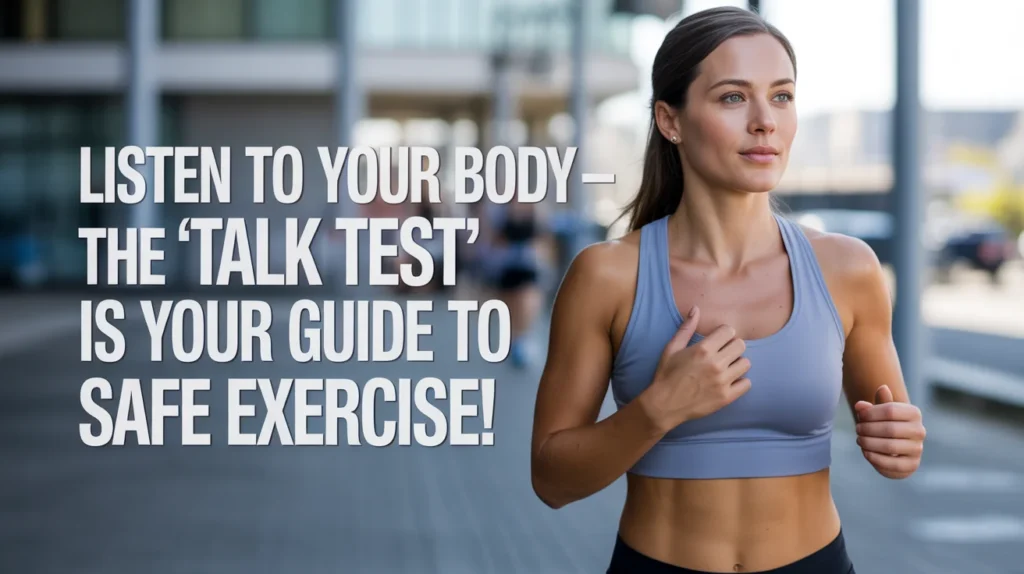
During moderate-intensity exercise, you should be able to hold a conversation without getting too breathless. If you are gasping for air and can’t speak comfortably, you’re likely pushing yourself too hard. This simple method allows you to listen to your body and adjust your effort accordingly.
It’s a more personalized and practical way to ensure you are exercising at a safe and effective level throughout your pregnancy, eliminating the need to constantly monitor a heart rate watch.
Myth 3: You Can’t Start Exercising if You Weren’t Active Before Pregnancy
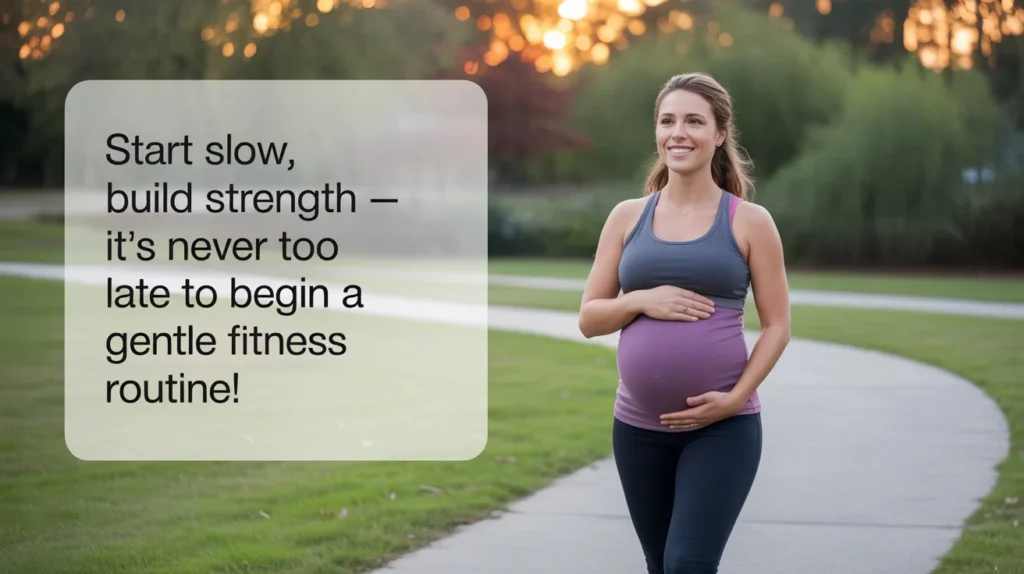
Many people believe that pregnancy is the wrong time to start a new fitness routine. While you probably shouldn’t sign up for a marathon or start a high-intensity boot camp, it is perfectly safe and beneficial to begin a gentle exercise program.
If you were sedentary before becoming pregnant, you can slowly introduce low-impact activities into your daily life. This is a great opportunity to build healthy habits that will benefit both you and your baby.
Safe Exercises for Beginners
- Walking: This is one of the best exercises for pregnant women. It’s low-impact, easy on the joints, and requires no special equipment. Start with 15-minute walks and gradually increase the duration as you feel comfortable.
- Swimming and Water Aerobics: The buoyancy of the water supports your weight, which can relieve pressure on your back and joints. It’s a fantastic way to get a full-body workout without overheating.
- Prenatal Yoga: Specifically designed for expecting mothers, prenatal yoga helps improve flexibility, reduce stress, and teach breathing techniques that are useful during labor.
Always start slowly and listen to your body. The goal is to build strength and stamina, not to push yourself to the limit.
Myth 4: Abdominal Exercises Are Dangerous for the Baby
The fear of harming the baby often leads women to avoid all core exercises. This is a significant misconception. In reality, a strong core can help reduce back pain and support your posture as your belly grows. However, the type of abdominal exercise you do matters.
After the first trimester, you should avoid exercises that require you to lie flat on your back for extended periods, such as traditional crunches or sit-ups. This position can put pressure on a major vein called the vena cava, potentially reducing blood flow to your heart and the baby.
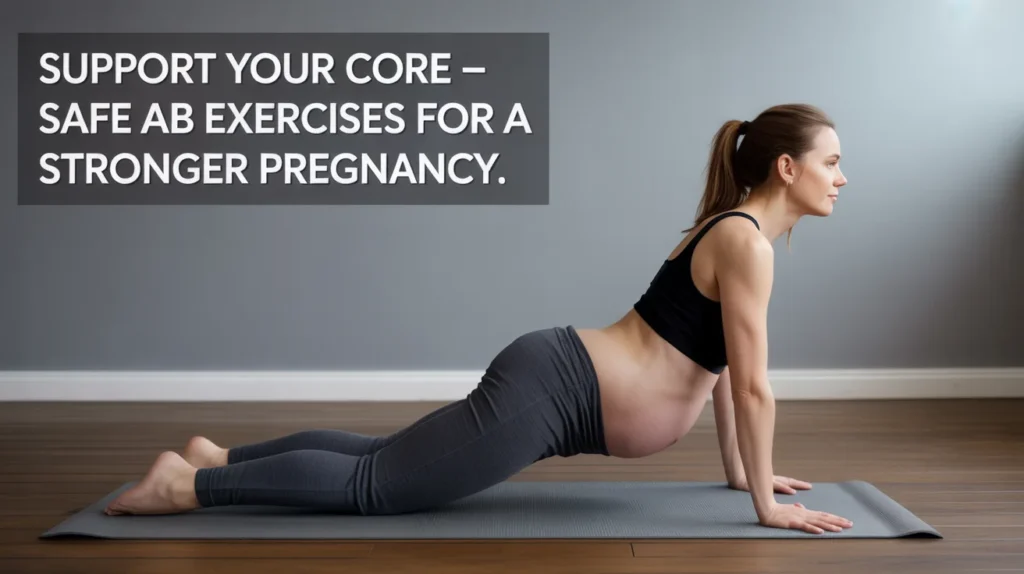
Safe Core Exercises During Pregnancy
Instead of crunches, focus on exercises that stabilize your core without putting pressure on your abdomen.
- Pelvic Tilts: These can be done standing, on all fours, or against a wall. They strengthen the lower back and abdominal muscles.
- Cat-Cow Stretch: Performed on your hands and knees, this yoga pose gently engages the core and improves spinal flexibility.
- Standing Crunches: While standing, lift one knee toward your opposite elbow, gently engaging your obliques.
- Diaphragmatic Breathing (Belly Breathing): This simple technique strengthens the deepest core muscle, the transverse abdominis, which acts like a natural corset to support your belly.
Myth 5: You Shouldn’t Lift Weights While Pregnant
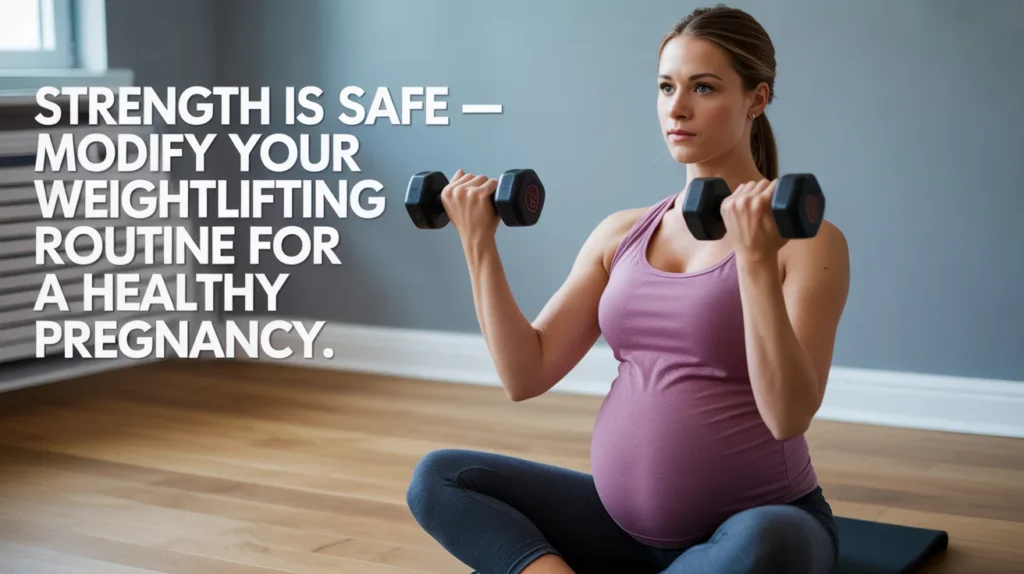
Weightlifting is another activity often unfairly labeled as dangerous during pregnancy. The truth is, strength training can be incredibly beneficial. It helps maintain muscle mass, improves your body’s ability to handle the extra pregnancy weight.
It prepares you for the physical tasks of motherhood, like carrying a baby and a car seat. The key is to make smart modifications. This is not the time to aim for personal records or lift extremely heavy weights.
If you were already lifting weights before pregnancy, you can likely continue with your routine, but you may need to reduce the amount of weight you lift. Focus on proper form and controlled movements. Avoid exercises that put direct pressure on your growing abdomen or require you to lie on your back.
It is also important to breathe continuously and avoid holding your breath, which can increase blood pressure. For those who are new to lifting, it’s best to work with a certified prenatal fitness trainer to learn safe techniques.
Myth 6: Running Is Too High-Impact for Pregnancy
For experienced runners, there is often no need to hang up your running shoes just because you are pregnant. If you have been running consistently and have an uncomplicated pregnancy, you can usually continue your routine with some adjustments.
As your pregnancy progresses, your center of gravity will shift, and your joints will become looser due to the hormone relaxin. This can increase your risk of falls and injuries.
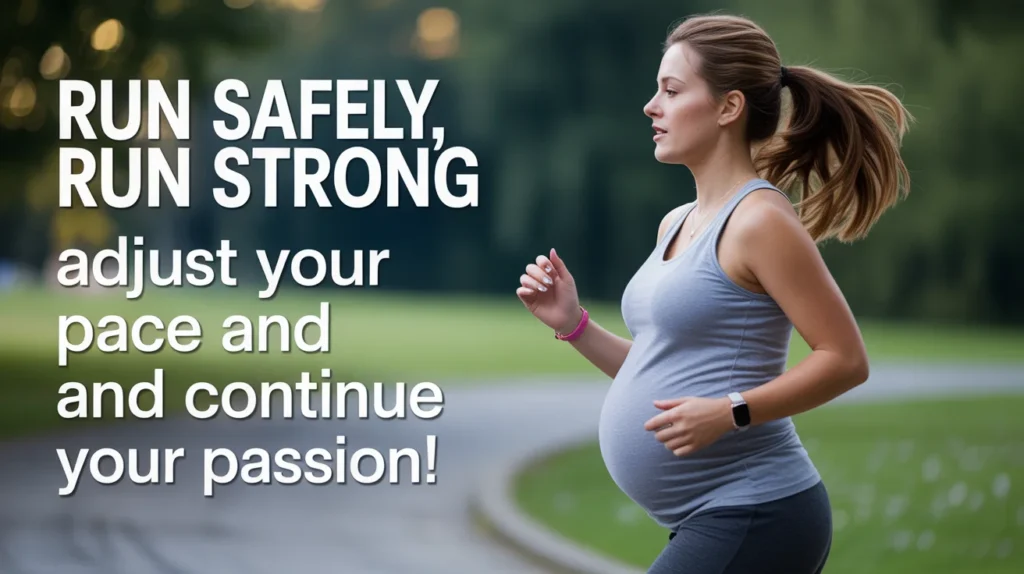
To run safely, consider switching from roads to a track or a treadmill to reduce the risk of tripping. Ensure you have supportive running shoes and a good sports bra. Most importantly, pay close attention to how you feel.
You may need to reduce your mileage, slow your pace, or switch to a combination of running and walking. If you experience any pain or discomfort, it’s a sign to scale back or choose a lower-impact activity like swimming or cycling. Dispelling these Pregnancy Exercise Myths helps runners continue their passion safely.
Myth 7: You Will “Shake the Baby Loose” with Bouncing Exercises
This is one of the more alarming Pregnancy Exercise Myths, and it is completely false. Your baby is extremely well-protected inside the uterus, surrounded by amniotic fluid that acts as a shock absorber. The uterus itself is a strong, muscular organ, and your cervix is tightly sealed.
Normal physical activities, including those with some gentle bouncing like light jogging or dancing, will not harm or “shake loose” the baby.

Of course, this doesn’t mean you should take up trampolining or other extreme high-impact sports. The primary concern with jarring movements is the risk of injury to you, not the baby. Loose joints can make you more susceptible to sprains and falls.
Stick to controlled movements and avoid activities with a high risk of falling, especially in the later stages of pregnancy when your balance is compromised.
Comparing Pregnancy Exercise Myths and Truths
| Myth | Truth |
|---|---|
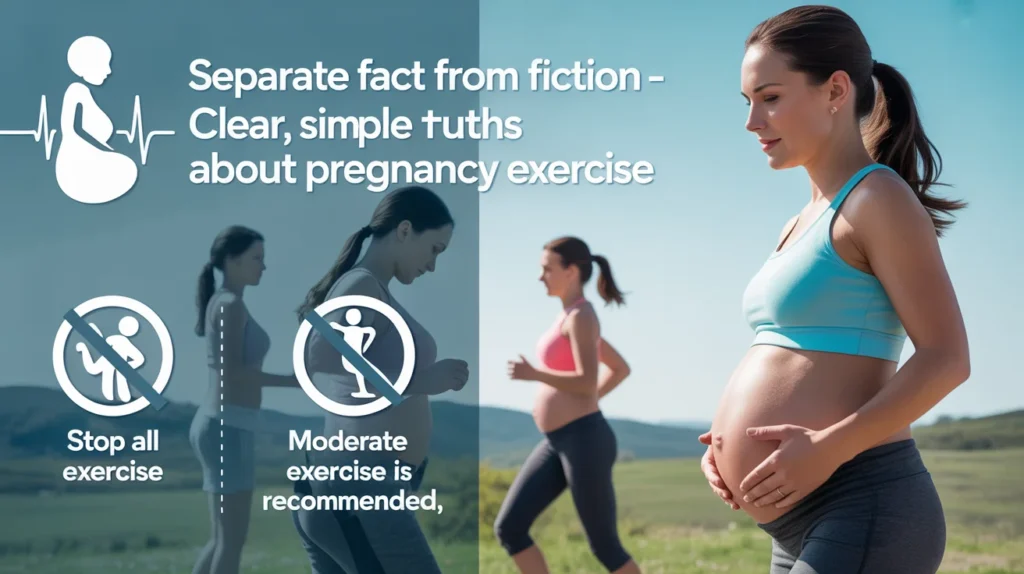
| Stop all exercise. | Moderate exercise is recommended for most healthy pregnancies. |
| Keep heart rate under 140 BPM. | Use the “talk test” to gauge intensity; heart rate is not a reliable measure. |
| Don’t start exercising if you were inactive. | It’s safe and beneficial to start a gentle, low-impact routine. |
| Avoid all ab exercises. | Modified core exercises are safe and help reduce back pain. |
| Don’t lift any weights. | Light to moderate strength training is beneficial with proper form. |
Conclusion: Trust Your Body and Your Doctor
Navigating fitness during pregnancy doesn’t have to be complicated. By busting these common Pregnancy Exercise Myths, you can feel more confident about staying active. The most important rules are to listen to your body, avoid activities with a high risk of falling, and stay hydrated. Every pregnancy is unique, so what works for one person might not work for another.
Before you begin or modify any exercise program, have a conversation with your healthcare provider. They can offer personalized advice based on your health history and current condition. With the right information and a focus on safety, exercise can be a wonderful part of your pregnancy journey, helping you feel strong, healthy, and prepared for the arrival of your little one.
Frequently Asked Questions (FAQ)
1. What are some warning signs that I should stop exercising?
You should stop exercising and contact your doctor if you experience vaginal bleeding, dizziness, headache, chest pain, calf pain or swelling, regular painful contractions, or fluid leaking from the vagina.
2. Can I do HIIT workouts during pregnancy?
If you were regularly doing High-Intensity Interval Training (HIIT) before pregnancy, you may be able to continue with significant modifications. You’ll need to lower the intensity, extend recovery periods, and avoid high-impact movements. It’s crucial to discuss this with your doctor and ideally work with a prenatal fitness expert.
3. How soon can I exercise after giving birth?
Postpartum recovery varies for everyone. According to a resource from Johns Hopkins Medicine, if you had an uncomplicated vaginal delivery, you can usually start gentle exercises like walking a few days after birth. If you had a C-section or complications, you will need to wait longer, typically around 6 weeks, and get clearance from your doctor.
Category: Health & Wellness
Meta Title: Debunking Pregnancy Exercise Myths: The Real Truths for Moms
Meta Description: Tired of confusing advice? We debunk 7 common pregnancy exercise myths to help you stay active safely. Learn the facts about heart rate, ab workouts, and more.
Focus Keywords: Pregnancy Exercise Myths, exercise during pregnancy, safe pregnancy workouts
SEO-Friendly Permalink: /blog/pregnancy-exercise-myths-truths-for-moms
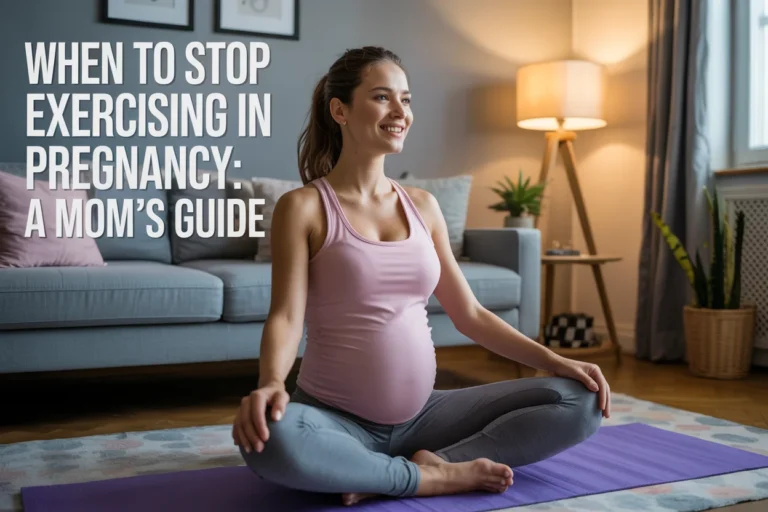
Alt Text for Feature Image: A smiling pregnant woman in comfortable activewear stretches on a yoga mat in a brightly lit room.