
Introduction
Hey, Mom! If you’re reading this, you’re already doing great—navigating pregnancy while balancing a busy life is no small feat. This guide is written just for you, because you deserve to feel informed, empowered, and supported as you move through this incredible chapter. Let’s talk about pregnancy body changes and how you can stay active, energized, and confident, even on your busiest days.
Key Takeaways
- Every mom experiences unique hormonal, cardiovascular, and musculoskeletal changes that impact energy levels, mood, and movement.
- Exercise—meaning whatever is safe and manageable for you—can help with back pain, mood swings, sleep, and getting ready for birth.
- You know your body better than anyone. Listen to it and change your activities as your pregnancy progresses.
- Hydration, supportive clothes, and awareness of warning signs are key to an exercise routine that fits your new needs.
- Before starting or changing any workout routine during pregnancy, always check in with your healthcare provider.
The First Trimester: Hormones and Fatigue
Let’s be real: those first few months can be a whirlwind. As a busy mom-to-be, you’re probably feeling a new level of tiredness thanks to a rush of pregnancy hormones like hCG, estrogen, and progesterone. These changes can bring nausea, mood swings, or just a sense of being “off.” You might not see big pregnancy body changes on the outside yet, but inside, your body is working overtime for you and your little one.
Instead of stressing about sticking to your pre-pregnancy routine, be gentle with yourself. Try light walks, gentle stretching, or even a quick swim if you’re up for pregnancy body changes . Sneak in rest when you can—you’ve more than earned it. Remember, taking care of you is taking care of your baby too.
The Second Trimester: The “Golden” Period and Growing Bump
This is often the time when you, Mom, start feeling more like yourself again. Morning sickness usually fades and suddenly, you’ve got a bit more energy. You might see that baby bump getting rounder and notice some new shifts in your balance as your uterus grows.
With renewed energy, it’s a great window to get moving—think brisk walks during errands or gentle water aerobics when you can during pregnancy body changes . But don’t forget: your center of gravity is changing.

Always choose safe activities, and skip any exercises that put you at risk of falling or force you to lie flat for too long. Your posture matters now more than ever, especially when lifting your other kiddos or groceries.
The Third Trimester: Preparing for Birth
Now you’re really in the home stretch! Your body may feel heavier, your joints a bit looser, and daily routines just a tad trickier. All these pregnancy body changes are your body’s way of preparing for labor.
Focus on what feels comfortable—gentle walks, pelvic floor exercises (like Kegels), and lots of good stretching. If you feel dizzy, short of breath, or just plain tired, give yourself permission to slow down. You’re carrying life, after all!
Understanding Hormonal and Cardiovascular Shifts
The hormone surges in pregnancy are doing important work for you and your baby. Progesterone helps relax your muscles, but it can also slow your digestion (cue the heartburn). Relaxin makes your joints more flexible, which is great for delivery but does make you more injury-prone.
Your heart’s working overtime, too. Increased blood volume and a faster heartbeat can leave you a little more breathless than usual—even going up the stairs. That’s normal! Just adjust your exertion and never hesitate to take breaks, Mom.
The Role of Relaxin
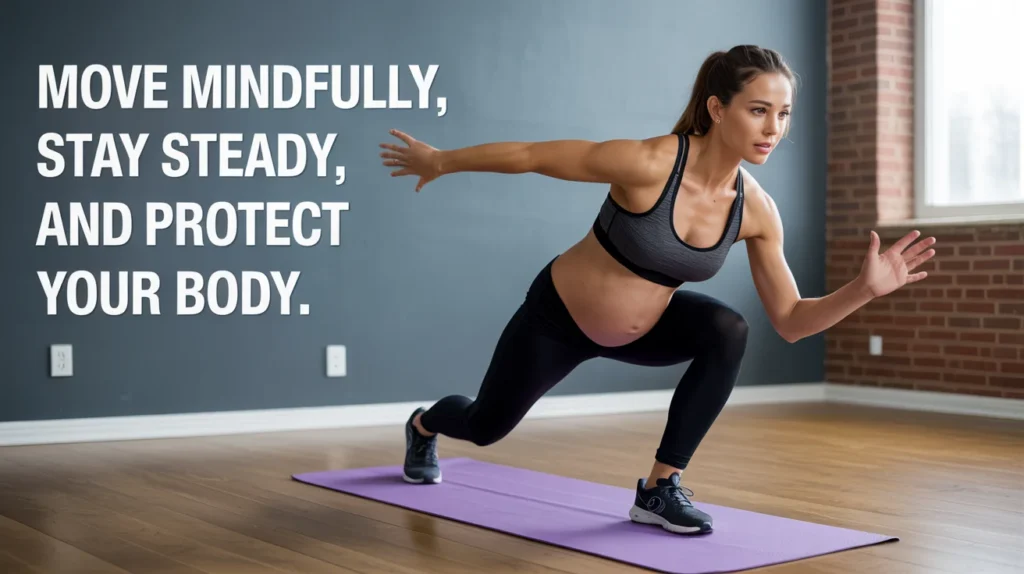
Relaxin is working on your behalf to make delivery smoother. But it loosens all your joints—not just those in your hips! That means you’ll want to avoid quick, jerky movements in your workouts. Think strong, steady motions to keep you balanced and comfortable.
Weight Gain and Its Impact on Your Body
You’re supporting a whole new little life, so healthy weight gain is necessary. That weight isn’t just your baby—it’s the placenta, extra fluid, blood, and vital fat stores to help you through delivery and breastfeeding. These pregnancy body changes can bring achy feet, sore backs, and tight hips.
Try supportive shoes and a little extra focus on posture, especially when lifting or chasing kiddos. The CDC (cdc.gov) has helpful tips on healthy weight gain if you need guidance, or reach out to your doctor—no question is too small.
Exercise Modifications for Each Trimester
|
Trimester |
Recommended Activities |
Activities to Avoid |
|
First |
Walking, Prenatal Yoga, Light Jogging (if already a runner), Swimming |
Contact sports, Exercises with a high risk of falling, Overheating |
|
Second |
Stationary Cycling, Water Aerobics, Strength Training (modified) |
Lying flat on your back for long periods, High-impact aerobics |
|
Third |
Pelvic Floor Exercises, Gentle Stretching, Walking, Swimming |
Any exercise that causes pain or discomfort, Advanced abdominal work (crunches) |
Safe Exercises for Busy Expecting Moms
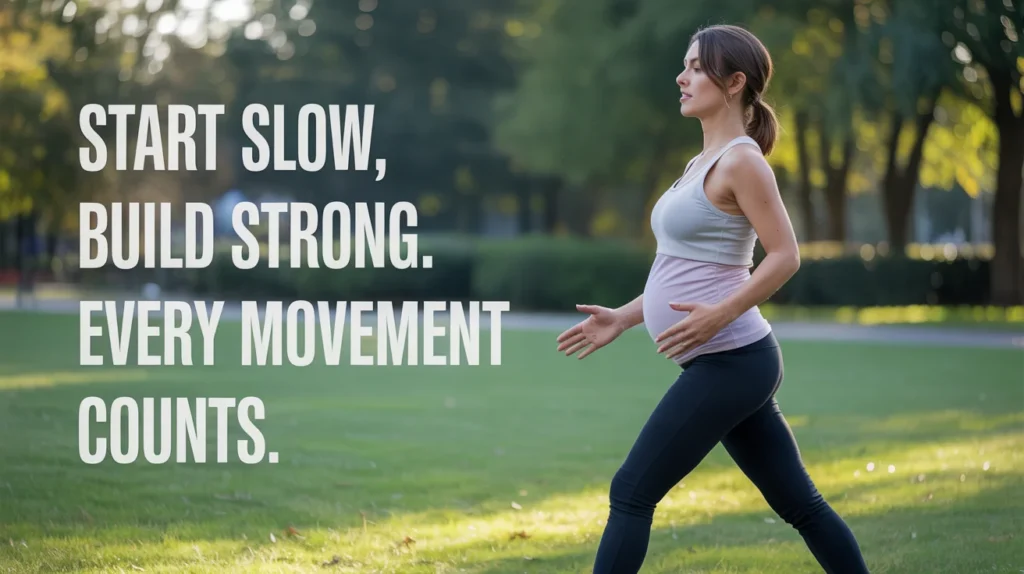
Mom, it may seem impossible to find time for yourself these days. The good news? Little bursts of movement still count! Here are ideas that fit right into a mom’s routine:
- Walking: Squeeze in a stroll at the park or do a loop while your little ones play.
- Prenatal Yoga: Great for stability, breathing, and relaxation—you can even do it at home, during nap time!
- Swimming and Water Aerobics: Gentle on your joints and a major energy boost. Try a local class or just float for a while.
- Bodyweight Strength Training: Quick sets of squats or push-ups against a countertop can build strength without any gear.
- Pelvic Tilts: Do these standing or on all fours—perfect for relieving that sore back.

The Importance of the Pelvic Floor
You might not think about your pelvic floor daily, but as a mom (or mom-to-be), it’s your secret weapon! This group of muscles supports your organs and plays a huge role in delivery, as well as recovery afterward.
Practice Kegels whenever you can (in the carpool line, on the couch, you name it). Just squeeze, hold for a few seconds, and release. Strong pelvic floor muscles can help you feel more confident and expedite your healing.

Nutrition and Hydration: Fueling for Two
You’re not just “eating for two”—you’re fueling yourself to chase your little ones, tackle work, and grow a healthy baby. Focus on simple, balanced meals with fruits, veggies, lean protein, and whole grains.
Don’t forget hydration! Keep a big water bottle handy in your bag or car. Drink before, during, and after activities, and listen to your thirst. Staying hydrated helps everything from energy to digestion.

Warning Signs: When to Stop Exercising
Remember, Mom: your body gives you important signals. If you have any of these symptoms, pause immediately and call your healthcare provider:
- Vaginal bleeding
- Dizziness or faintness
- Chest pain or strong contractions
- Leaking fluid
- Shortness of breath before exercising
- Headache
- Muscle weakness affecting your balance
- Leg pain or swelling
Trust what you feel. No workout is as important as your safety and your baby’s well-being.

Postpartum Recovery and Easing Back into Fitness
After birth, your body will go through more pregnancy body changes as you heal and adjust. No need to rush. When your provider gives you the green light (usually around six weeks), try gentle walks and ease into basic strength moves and pelvic floor work.
Being a mom means being patient—with yourself, too. Celebrate every small step; you’re doing something amazing!

Frequently Asked Questions (FAQ)
Q1: How much exercise should I do during pregnancy?
Aim for about 150 minutes of moderate aerobic activity spread across the week. Remember, everyday life chasing kids also counts. Listen to your provider for personal advice.
Q2: Can I keep up my usual fitness routine?
If you were very active before, talk to your doctor. You’ll likely need some modifications, especially as your pregnancy progresses. Never ignore your body’s cues.
Q3: Is it safe to do core exercises while pregnant?
Skip crunches and sit-ups after the first trimester. Instead, focus on pelvic tilts and gentle planks to keep your core strong and support your back.