Introduction
Having a baby is a thrilling journey, especially if you’re experiencing pregnancy after 35. With busy schedules and added responsibilities, finding workouts that are both safe and effective can seem challenging. But there’s good news: modern prenatal fitness has evolved. Today, you can access a wide variety of contemporary exercises and fresh wellness techniques that support healthy pregnancies while fitting into a jam-packed day.
This guide is built for moms-to-be who want cutting-edge workout ideas—moves that go beyond the basics and fit seamlessly into your life. If staying motivated with classic routines feels hard, you’re about to discover new choices that might reignite your enthusiasm for fitness during pregnancy.
Key Takeaways
- Unfamiliar moves such as resistance band lateral walks and pregnancy-safe HIIT micro-intervals target vital areas for strength and balance.
- Consulting your healthcare provider is essential, especially with a pregnancy after 35.
- Incorporate modern options like pelvic floor foam rolling, wall push-off squats, and aquatic circuit training for variety and safety.
- Nutrition and sleep are as important as exercise—use meal-prep and wellness-tracking apps to save time.
- Modify all workouts as pregnancy progresses, focusing on comfort and energy.
Why Staying Active During Pregnancy Unlocks Benefits
Contemporary research shows that expecting moms who keep moving have fewer aches, lower risk of complications, and better mental health—especially those managing pregnancy after 35. Newer exercise science points to functional mobility (being able to move through daily life with strength and stability) as a top predictor of good health in later pregnancies.
Modern prenatal exercise plans reduce risk of gestational diabetes and help manage energy and mood swings. Plus, using targeted workouts such as birth ball flow drills or side-lying banded clamshells boosts confidence as your body changes.
First Step: Always Check In With Your Provider
Before adding any new moves, talk to your obstetrician or midwife. This is extra important with a pregnancy after 35, since every pregnancy is unique. Bring your fitness history and share the new workouts you want to try—your provider may even have timely recommendations specific to you.

Trendy, Effective Workouts for a Pregnancy After 35
If you’re searching for something beyond walking or traditional yoga, here are modern, pregnancy-friendly moves that tap into 2020s fitness trends and physiotherapist-approved practices.
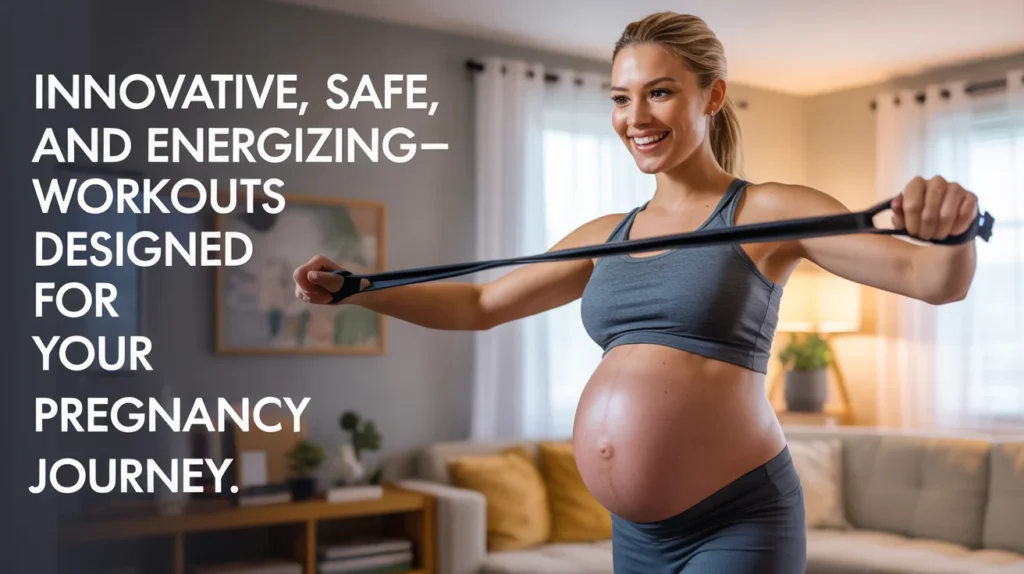
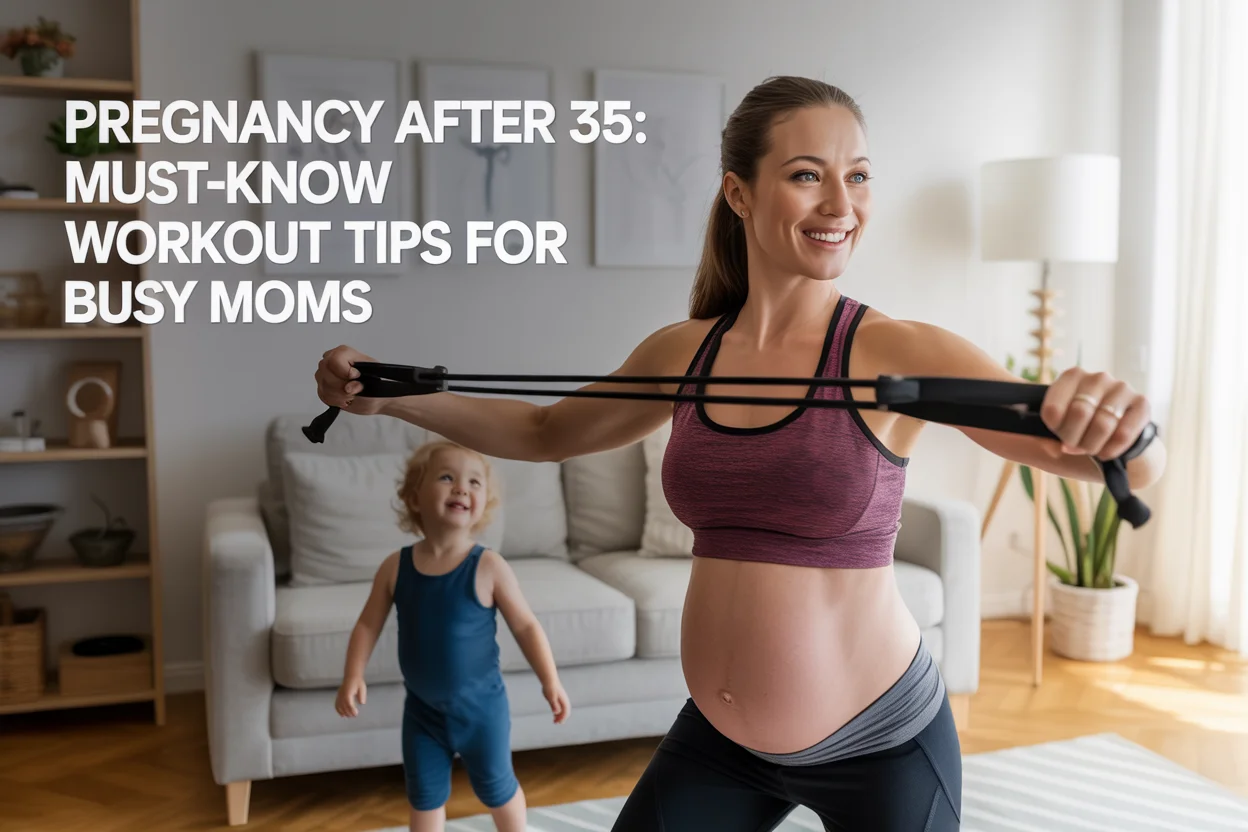
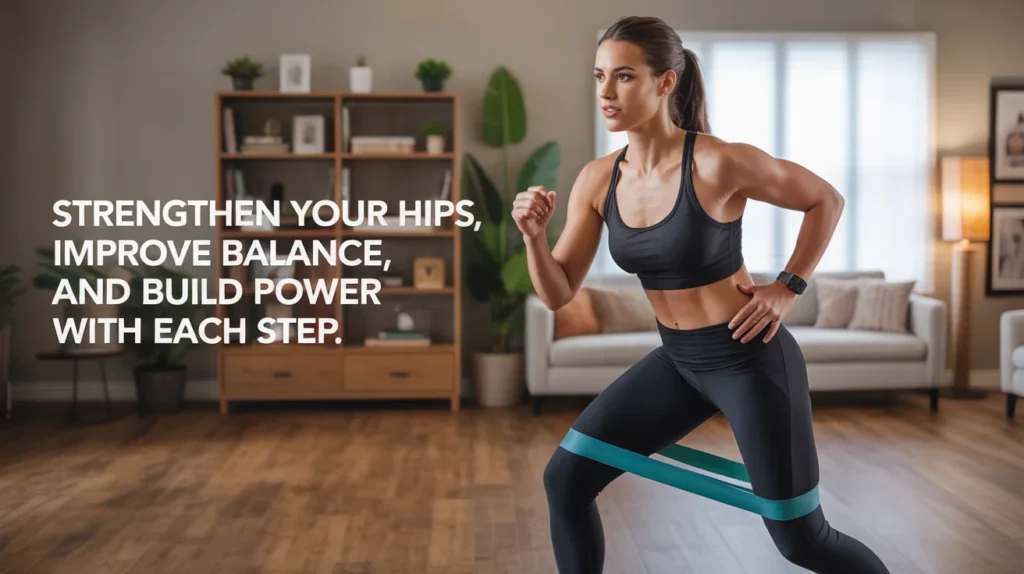
1. Resistance Band Lateral Walks
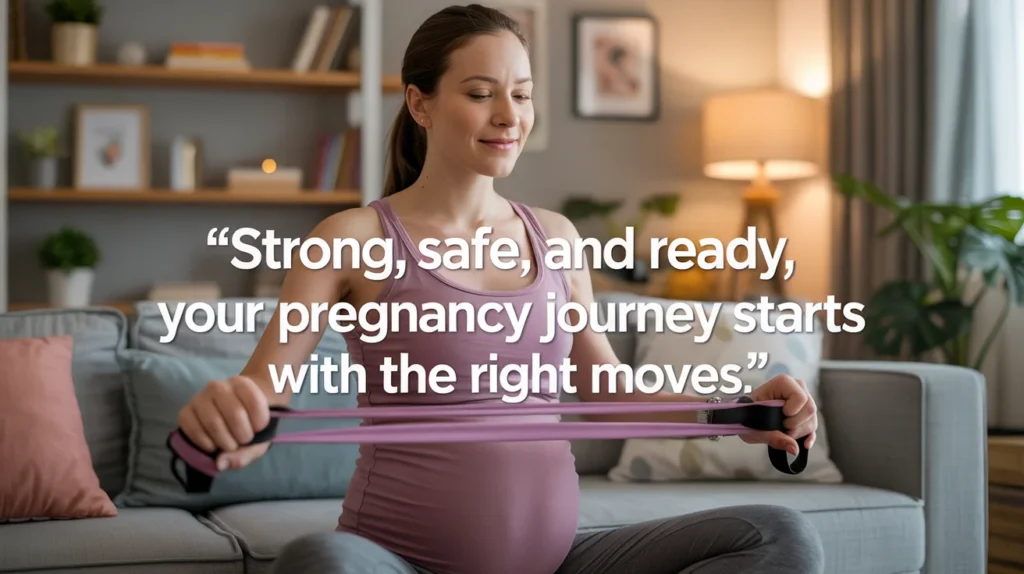
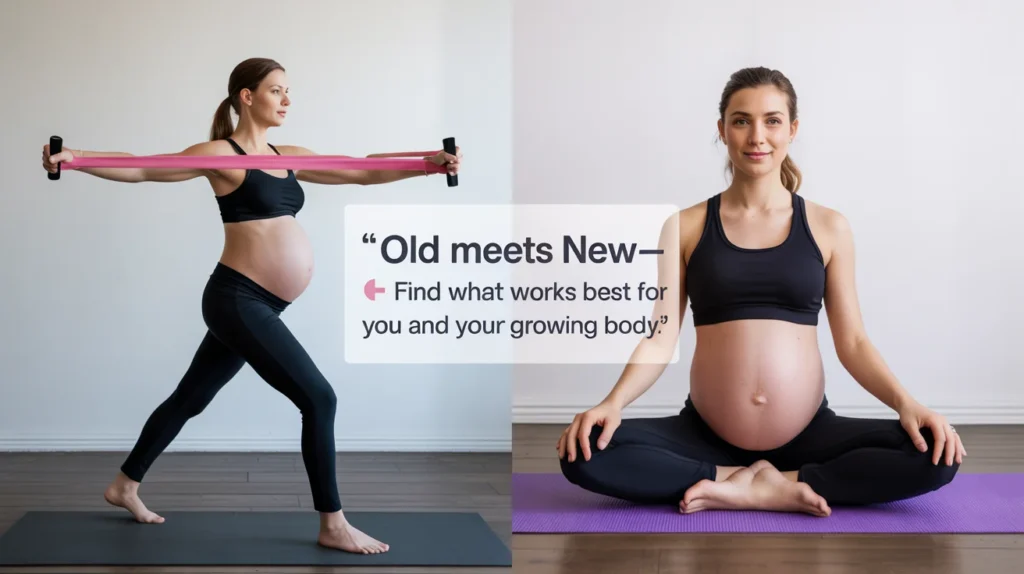
Using a mini resistance loop (placed around your thighs), gently step side-to-side, keeping knees soft and core engaged. This exercise strengthens hips, glutes, and pelvic stabilizers while being easy on your joints. Just 2-3 sets of 10 steps each way can help with balance and hip pain.
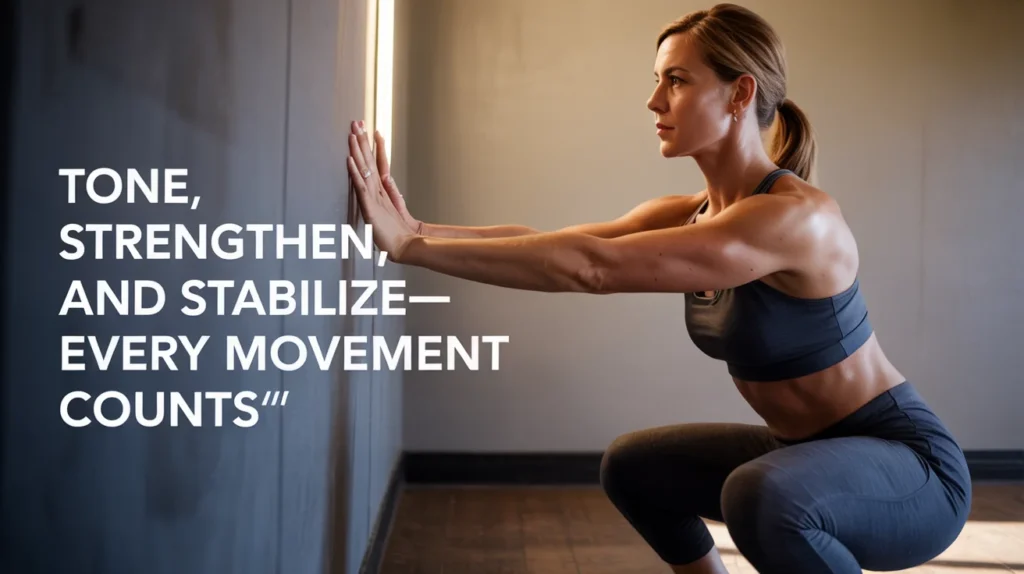
2. Wall Push-off Squats
Stand with your back to the wall, feet hip-width apart. Lower into a shallow squat, pressing your back into the wall as you rise. For an extra challenge, add a gentle push-off (not a jump) from your heels. This modern spin on squats is joint-friendly and tones quads, glutes, and calves.
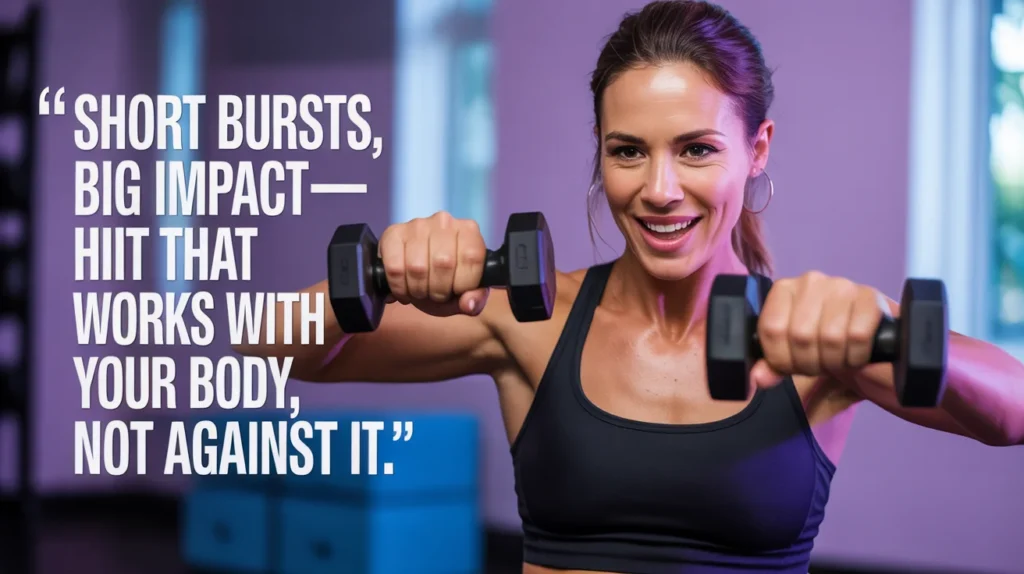
3. Pregnancy-Safe HIIT Micro-Intervals
High-intensity interval training, or micro-HIIT, uses very short bursts—like 20 seconds of activity followed by 40 seconds of rest. Try safe moves like slow step-touches, marching in place, or seated punches with light weights. This technique is surprisingly energizing while minimizing stress on your body.
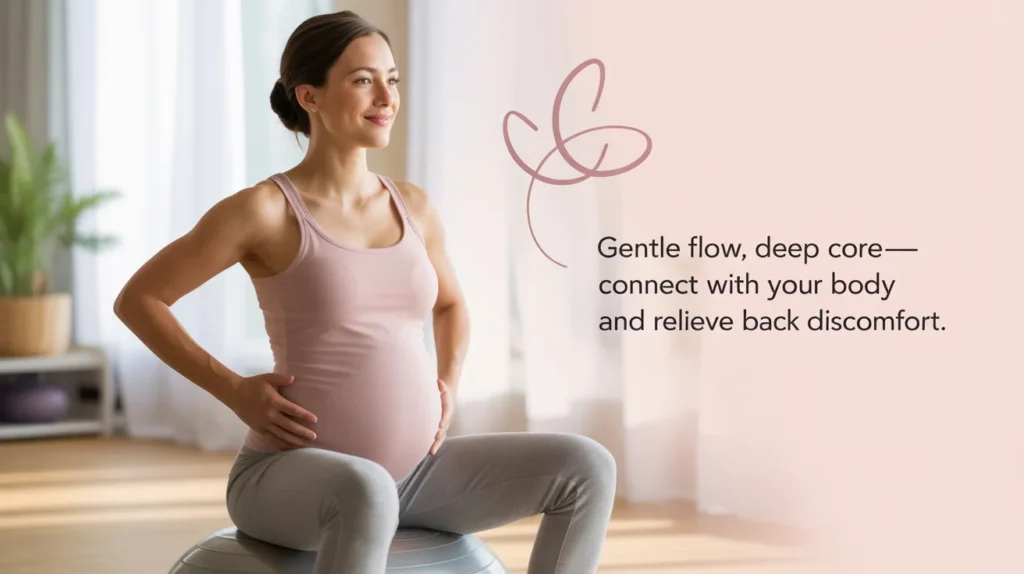
4. Birth Ball Flow Drills
Exercise or “birth balls” aren’t just for sitting. Try slow rhythmic circles (hips moving in a circular motion while seated) or gentle rocking—both build deep core and pelvic stability. Flow drills are ideal in all trimesters and relieve back discomfort.
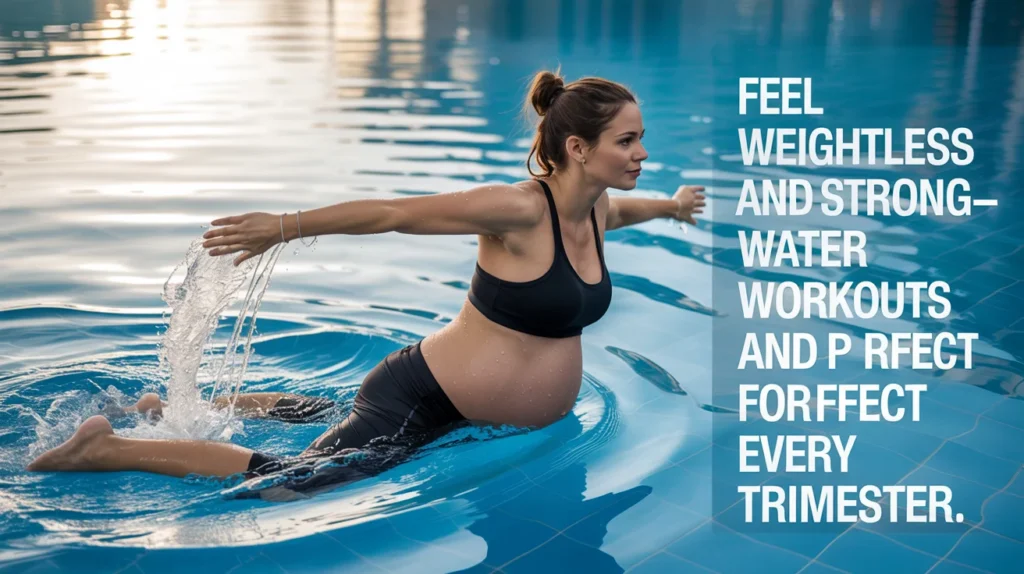
5. Aquatic Circuit Training
Pools offer more than lap swimming. Today’s aquatic exercise classes often include underwater resistance sprints, flutter kicks with a noodle, and gentle aqua boxing. Choose classes labeled “prenatal” for options adapted to every trimester.
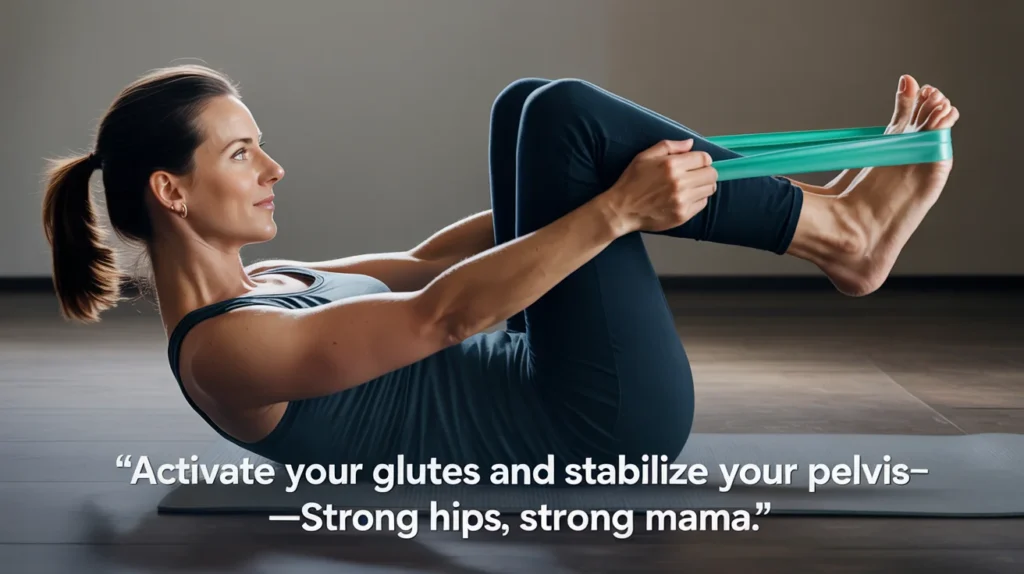
6. Side-Lying Banded Clamshells
Lie on your side with a resistance band above your knees, knees bent. Lift your top knee outward while keeping feet together. This exercise targets glutes and hips, helping prevent pelvic instability.
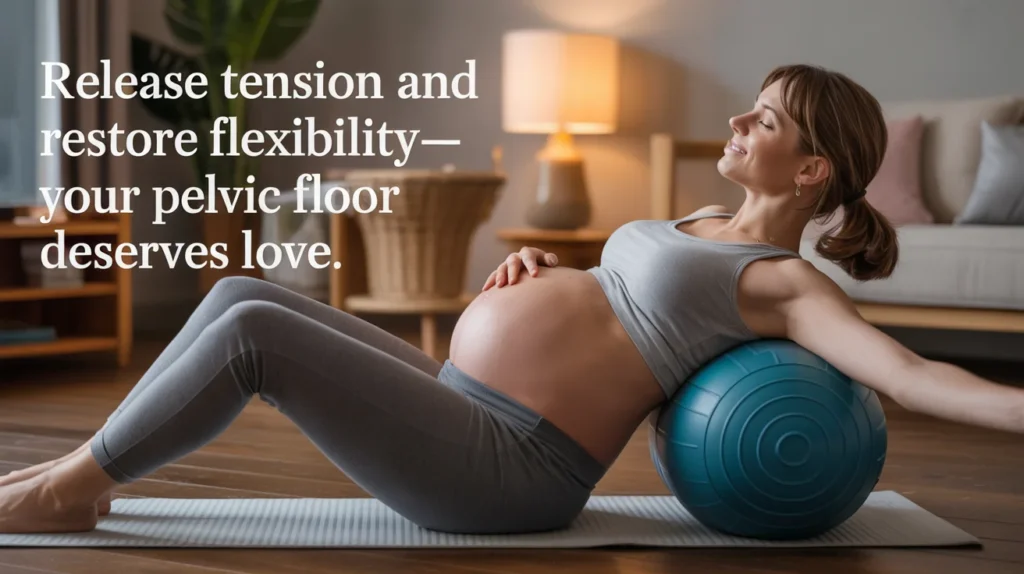
7. Pelvic Floor Foam Rolling
Foam rolling for the pelvic floor is gaining popularity. Use a soft therapy ball and gently release hips and low back against the wall. This may support better flexibility and relieve tension.
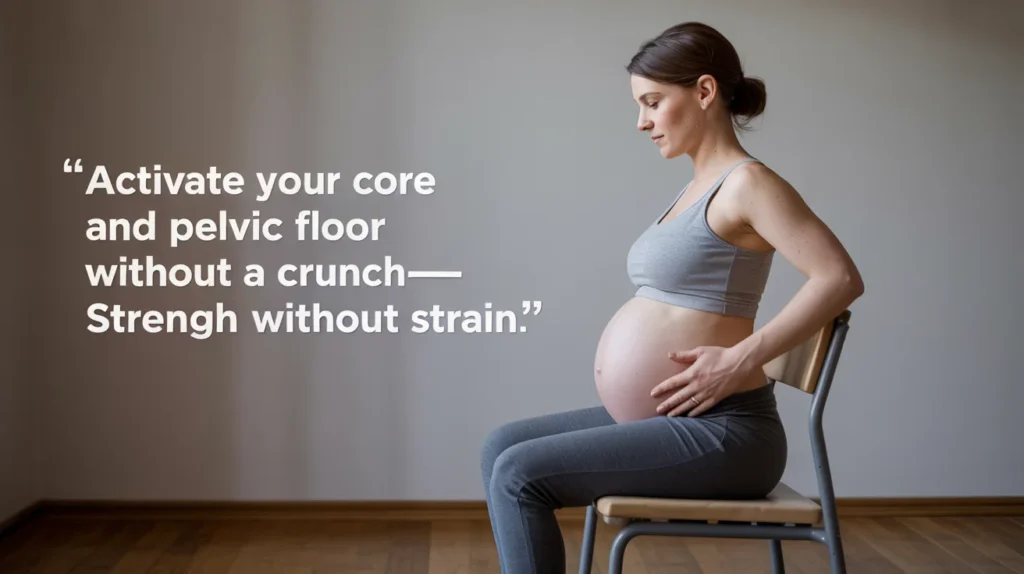
8. Seated Stability Hover Holds
Sit tall on a sturdy chair or stability ball, hands resting at your sides. Gently lift your hips a half-inch off the seat and hover for a few seconds, keeping tension out of your neck or back. This engages the pelvic floor and core—no crunches necessary!
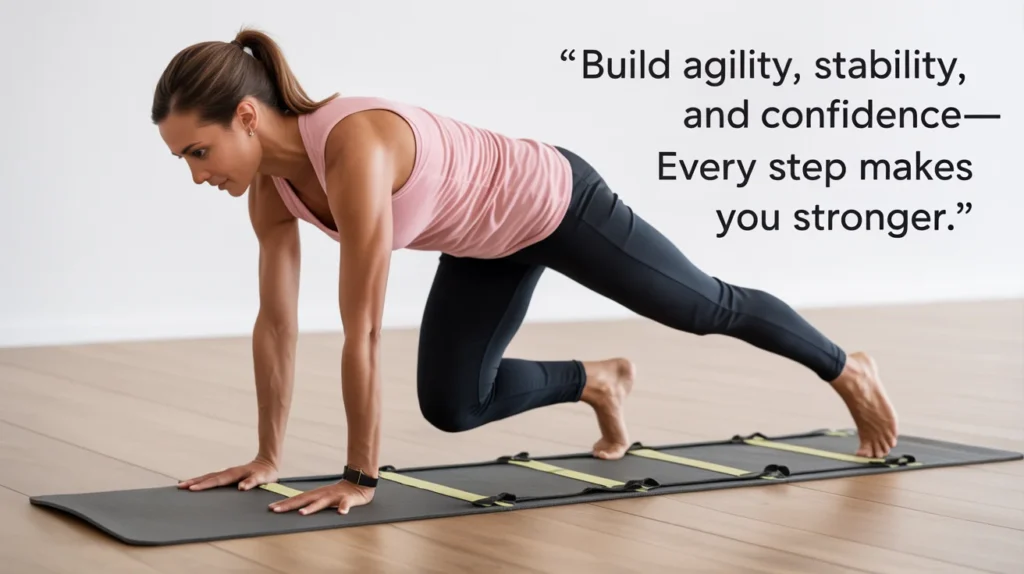
9. Mobility Ladder Flows
Work with a marked floor or yoga mat to march, tap, and step laterally in varied patterns. Focus on moving with control, not speed. These ladders improve coordination, agility, and stability—key for a confident, comfortable third trimester.
Emerging Digital Wellness Practices for Expecting Moms
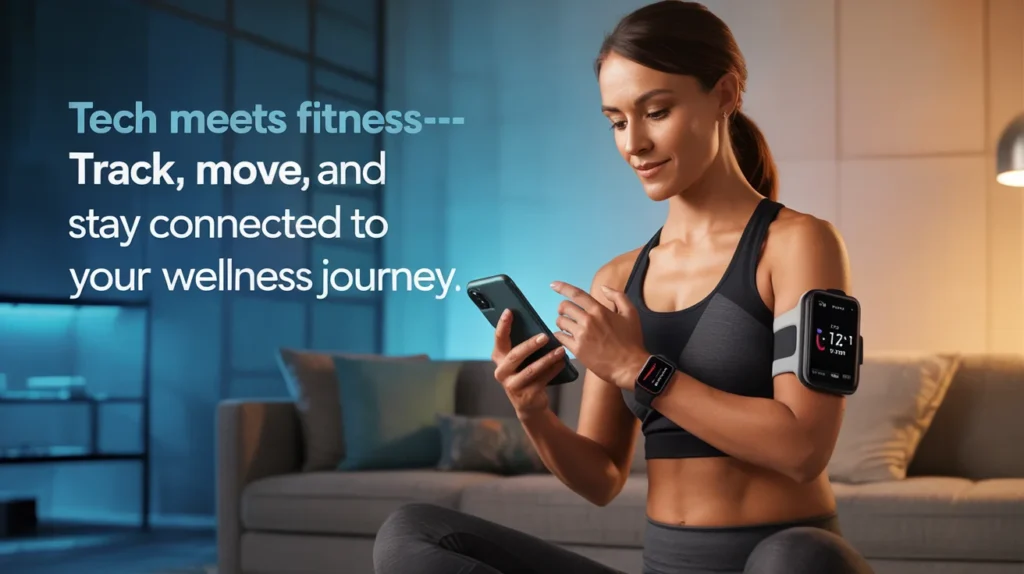
- Pregnancy Fitness Apps: Track your progress, access guided video routines, and get gentle reminders to keep moving. Try apps like Expectful or Prenatal Yoga and Fitness.
- Smart Water Bottles: Stay hydrated with a bottle that tracks your intake and glows with reminders.
- Wearables: Use a smartwatch to monitor heart rate zones and ensure your exercise intensity is pregnancy-safe.
Exercises To Modify or Avoid (2020s Guidelines)
Even with new fitness trends, some moves are still off-limits:
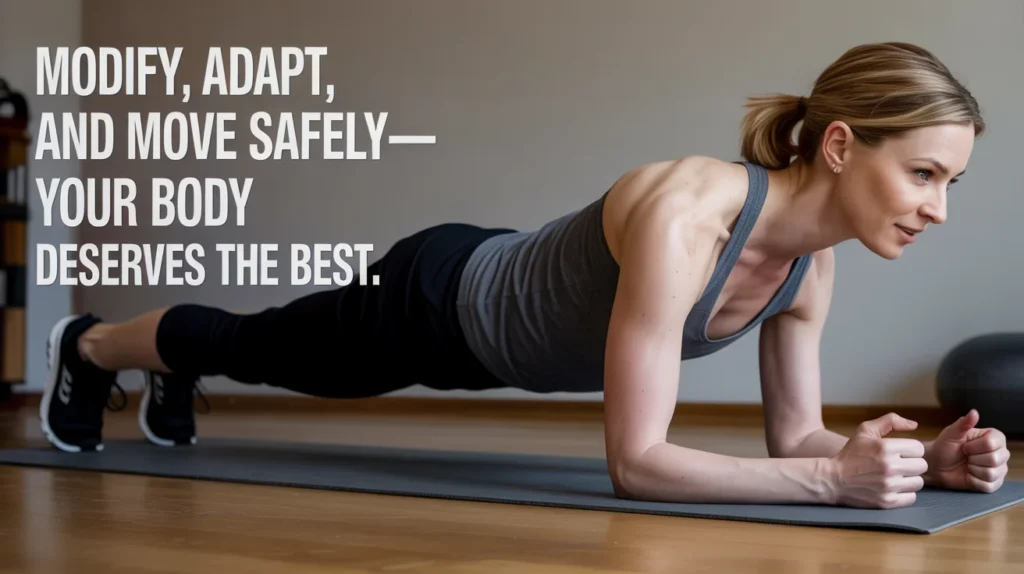
- Plank Challenges: Standard planks may strain your abdominal wall as your belly grows. Opt for an incline or wall plank instead.
- Jump Training (Plyometrics): Avoid sudden, high-impact movements.
- Hot Yoga or Hot Pilates: Extreme heat raises body temperature and is not safe.
- Kettlebell Snatches and Swings: These are risky for balance and core strain in pregnancy after 35.
- Biking Outdoors on Uneven Terrain: Stick to stationary or recumbent bikes.
Sample Table: Fresh vs. Classic Pregnancy Workouts
| Trendy & Specific Moves | Classic Exercises |
|---|---|
| Resistance Band Lateral Walks | Walking |
| Aquatic Circuit Training | Swimming laps |
| Mobility Ladder Flows | Prenatal Yoga (standard) |
| Side-Lying Banded Clamshells | Regular Pilates |
| Seated Stability Hover Holds | General stretching |
| Birth Ball Flow Drills | Stationary cycling |
Modern Nutrition and Hydration: Tech-Supported Tips
- Use a meal planner app with a prenatal focus to design balanced meals quickly.
- Integrate a hydration reminder app or bottle into your day.
- Practice “batch cooking” on weekends to always have healthy options on hand.
- Pay attention to micronutrients (like iron, DHA, and choline)—especially important for pregnancy after 35. See CDC’s prenatal nutrition guidelines.
Making Time With Today’s Hectic Schedule
- Micro-Workouts: Short 5-minute bursts are as effective as traditional 30-minute sessions if repeated 2–4 times daily.
- Stacking Habits: Pair exercise with daily rituals—march in place while brushing teeth, or do wall push-offs after each bathroom break.
- Voice Memo Motivators: Record a short pep talk for yourself to play during workouts.
- Virtual Workout Groups: Join online prenatal fitness communities or live-stream classes for accountability (try The Bloom Method or Obé Fitness).

Conclusion: A New Chapter Awaits
Pregnancy after 35 is unique, but with modern, tailored exercises, you’ll find options that suit your interests and changing body. Don’t be afraid to try new moves, integrate technology, and build a supportive network—your wellness toolkit is more powerful and diverse than ever.
By prioritizing innovative workouts, mindful nutrition, and consistent rest, you’re investing in your own strength and your baby’s health. Stay curious, keep moving, and reach out for help when you need it—your approach can be as modern and adaptable as you are.
Frequently Asked Questions (FAQs)
Q1: Are resistance bands safe during pregnancy after 35?
Yes—when used gently and with proper form, mini bands or light resistance bands are safe and effective.
Q2: Can I try micro-HIIT if I’m new to exercise?
Always check with your provider, but micro-HIIT is designed to work for beginners if you use low impact moves.
Q3: Are stability balls or birth balls safe for all trimesters?
Typically, yes. Opt for anti-burst balls and avoid fast or jerky movements.
Q4: How soon after birth can I return to these exercises?
Ask your doctor at your postpartum visit. Many moms can start with gentle mobility drills and pelvic floor work within weeks, even after a C-section.
Q5: Where can I find trustworthy prenatal exercise videos?
Check out The American College of Obstetricians and Gynecologists, or reputable platforms like The Bloom Method or Prenatal Yoga Center.