
Introduction ToPost C-Section Workouts
Navigating the journey back to fitness after childbirth is unique for every mother, and it comes with special considerations after a Cesarean section. Your body has performed an incredible feat, and now it needs time, care, and a gentle approach to healing.
This guide is designed to provide you with safe and effective tips for reintroducing exercise into your routine. We will cover everything from when it’s safe to start, which exercises are best, and how to listen to your body every step of the way.

Remember, this is not a race. The goal is to rebuild strength, improve your well-being, and feel good in your body again. Your post C-section recovery is a gradual process, and embracing a slow, steady start is the key to long-term success and health.
Key Takeaways
- Always get medical clearance from your doctor before starting any exercise program after a Post C-Section.
- Start slowly with gentle movements like walking and pelvic floor exercises.
- Focus on healing your core and pelvic floor before attempting more intense workouts.
- Listen to your body and stop if you experience pain, bleeding, or other warning signs.
- Patience is crucial; your body needs time to heal from major surgery.
Understanding Your Post C-Section Body
A C-section is major abdominal surgery. An incision is made through multiple layers of tissue, including your skin, fat, fascia, and uterus. These layers need significant time to heal and regain their strength. Unlike a vaginal delivery, you are recovering from both childbirth and a surgical procedure.
Understanding this is the first step toward a safe fitness journey. Pushing yourself too hard too soon can lead to complications such as hernias, infection, or reopening of the incision. Your abdominal muscles have been stretched and separated, and your core stability is likely compromised.
A thoughtful post C-section exercise plan focuses on reconnecting with these deep core muscles and gradually rebuilding your foundation of strength from the inside out.

The First Six Weeks: The Healing Phase
The initial six weeks after your surgery are primarily for rest and recovery. During this time, your body is working hard to heal the incision and internal tissues.
Exercise should be extremely limited. However, you can begin with very gentle movements once you feel up to it, often within the first few days.
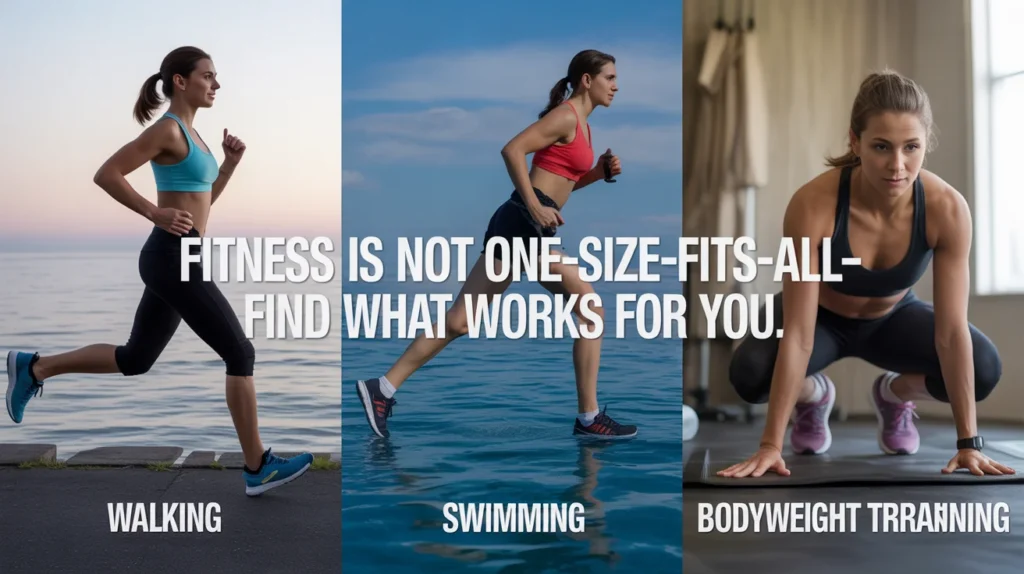
Gentle walking is one of the best activities you can do. Start with short, slow walks around your house. As you feel stronger, you can gradually increase the duration and distance, perhaps venturing outside for a stroll around the block.
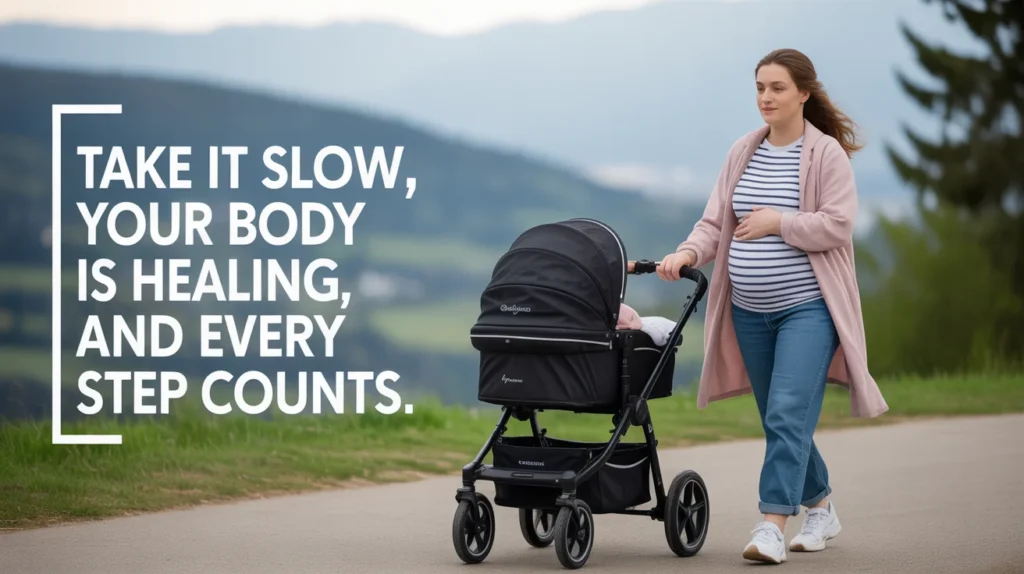
Walking helps improve circulation, which can speed up healing, prevent blood clots, and boost your mood. Always move at a comfortable pace and avoid any hills or uneven terrain in the early weeks.
When Is It Safe to Start Exercising?
The most critical rule for any post C-section workout plan is to get explicit clearance from your healthcare provider. This typically happens at your six-week postpartum checkup.
Your doctor will assess how your incision is healing and check for any complications. Once you get the green light, you can start to incorporate more structured, gentle exercises into your routine.
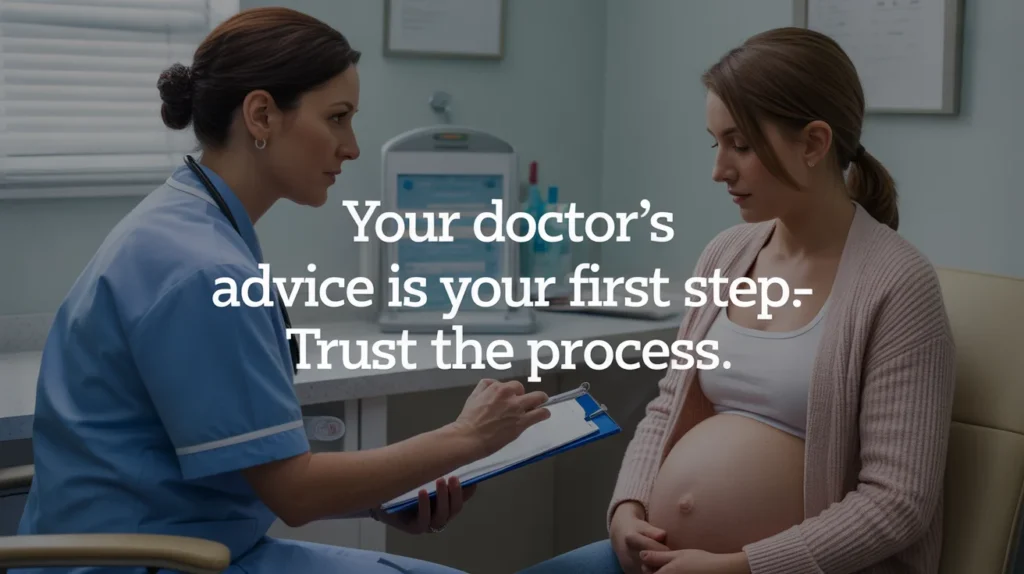
It is important to remember that this clearance does not mean you can jump back into your pre-pregnancy fitness routine. It means your body is healed enough to begin a gradual and modified exercise program. Starting slowly is not a sign of weakness; it’s a smart strategy for preventing injury and building a sustainable fitness habit.
Gentle Exercises to Start With After Clearance
Once your doctor gives you the okay, it’s time to focus on exercises that re-establish your core connection and promote healing.
Pelvic Floor Exercises (Kegels)
Your pelvic floor muscles support your bladder, bowel, and uterus. Pregnancy and childbirth put a lot of strain on them. Kegels are essential for restoring strength and function to this area.
- How to do them: Squeeze the muscles you would use to stop the flow of urine. Hold the contraction for 3-5 seconds, then relax completely for the same amount of time. Aim for 10 repetitions, three times a day. You can do these exercises anywhere—while feeding your baby, resting, or watching TV.
Diaphragmatic Breathing (Belly Breathing)
This technique helps you reconnect with your deep core muscles, including your transverse abdominis (TVA), which acts like a natural corset.
- How to do it: Lie on your back with your knees bent. Place one hand on your chest and the other on your belly. Inhale deeply through your nose, allowing your belly to rise as your diaphragm contracts. Your chest should remain relatively still. Exhale slowly through your mouth, feeling your belly fall as you gently engage your abdominal muscles.
Pelvic Tilts
Pelvic tilts are excellent for gently awakening your abdominal muscles and relieving lower back pain, which is common after pregnancy.
- How to do it: Lie on your back with your knees bent and feet flat on the floor. Inhale to prepare. As you exhale, gently press your lower back into the floor by tilting your pelvis upward. Your hips should not leave the floor. Hold for a moment, then inhale as you return to the starting position.

Rebuilding Your Core Strength Safely
A strong core is the foundation of all movement. However, traditional core exercises like crunches and sit-ups should be avoided initially. These moves can put too much pressure on your healing abdomen and may worsen diastasis recti (abdominal separation). Instead, focus on exercises that strengthen the deep core muscles.
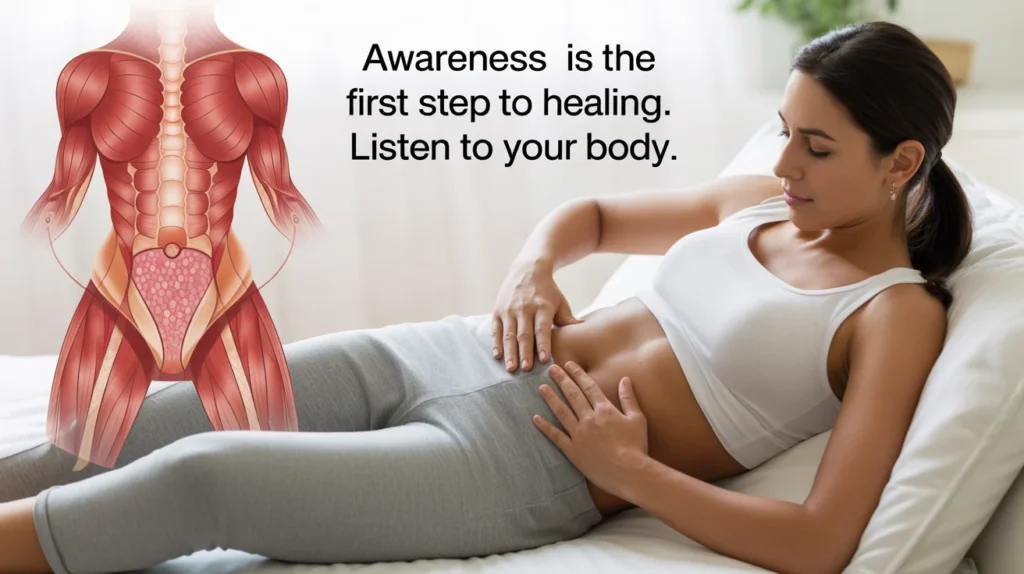
What is Diastasis Recti?
Diastasis recti is the partial or complete separation of the rectus abdominis, or “six-pack” muscles, which meet at the midline of your stomach. This is very common during and after pregnancy. You can check for it by lying on your back with your knees bent, placing your fingers just above your navel, and lifting your head slightly. If you feel a gap of two or more finger-widths, you likely have some separation.
Safe Core Exercises for Post C-Section Moms
The following exercises are designed to help close that gap and rebuild core stability without causing further strain.
- Heel Slides: Lie on your back with knees bent. Slowly slide one heel away from you until your leg is straight, keeping your core engaged and back flat. Slide it back to the starting position and repeat on the other side.
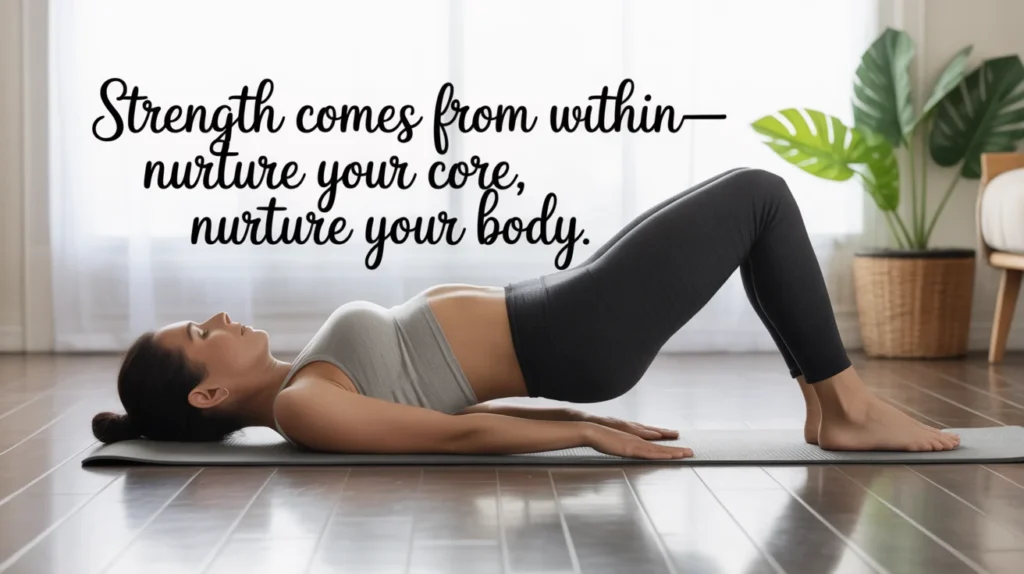
- Glute Bridges: Lie on your back with knees bent and feet hip-width apart. Engage your core and glutes to lift your hips off the floor until your body forms a straight line from your shoulders to your knees. Hold for a moment, then slowly lower.
- Bird-Dog: Start on all fours. Extend your right arm forward and your left leg backward simultaneously, keeping your back flat and hips level. Return to the start and repeat on the other side.
For more information on postpartum health, the Office on Women’s Health provides valuable resources for new mothers.

Cardio and Strength Training Progression
As you feel stronger and more confident, you can gradually increase the intensity of your workouts.
Low-Impact Cardio
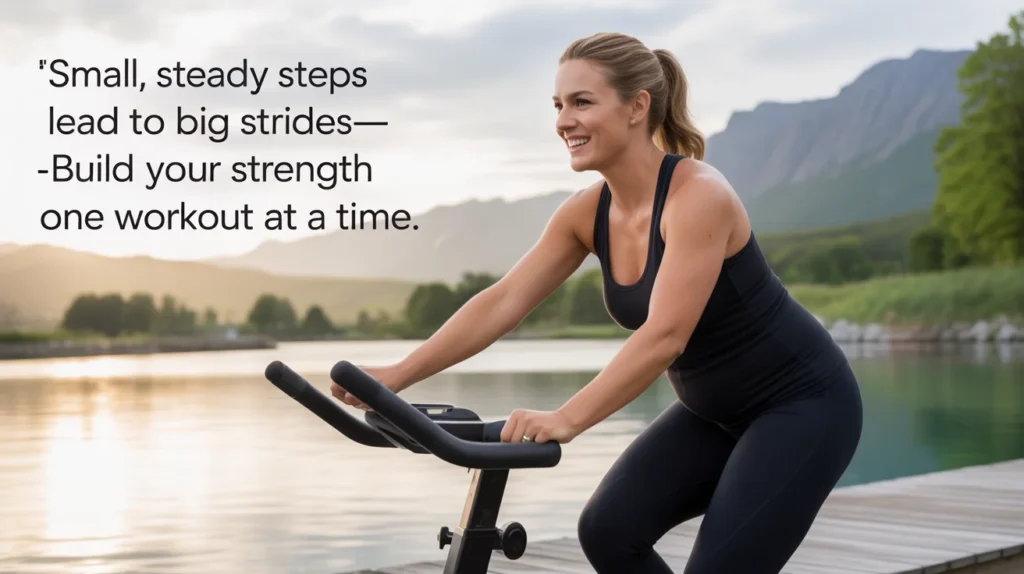
Swimming and stationary cycling are excellent low-impact cardio options that are easy on your joints. Wait until your incision is fully healed and you are no longer bleeding before getting into a pool. These activities elevate your heart rate and build endurance without the jarring impact of running.
Bodyweight Strength Training
Once you’ve mastered the foundational core exercises, you can move on to bodyweight strength training.
- Squats: Stand with your feet shoulder-width apart. Lower your hips as if sitting in a chair, keeping your chest up and back straight.
- Lunges: Step one foot forward and lower both knees to a 90-degree angle. Push back to the start and repeat on the other side.
- Modified Planks: Start with an incline plank, placing your hands on a sturdy table or wall. As you get stronger, you can progress to a knee plank and eventually a full plank.
Comparing Workout Types
| Activity Type | Best For | When to Start (with clearance) |
|---|---|---|
| Walking | Gentle cardio, circulation | Immediately after surgery, as tolerated |
| Pelvic Floor/Core Breathing | Foundational strength, healing | Immediately after surgery, as tolerated |
| Swimming/Water Aerobics | Low-impact cardio, full-body workout | After 6-8 weeks, once incision is fully healed |
| Bodyweight Strength | Building functional strength | After 8-12 weeks, with a solid core foundation |
| Running/High-Impact | Advanced cardio | After 12-16 weeks, or when advised by a PT |
Exercises to Avoid After a C-Section
Some exercises can do more harm than good in the early months of your post C-section recovery. It’s best to avoid these until your core is fully rehabilitated, which a physical therapist can help you assess.
- Crunches, Sit-ups, and Russian Twists: These put forward pressure on the abdominal wall and can worsen diastasis recti.
- Heavy Lifting: Avoid lifting anything heavier than your baby for the first 6-8 weeks. When you do return to lifting weights, start light.
- High-Impact Activities: Running, jumping, and other high-impact exercises place significant stress on your pelvic floor and healing tissues.
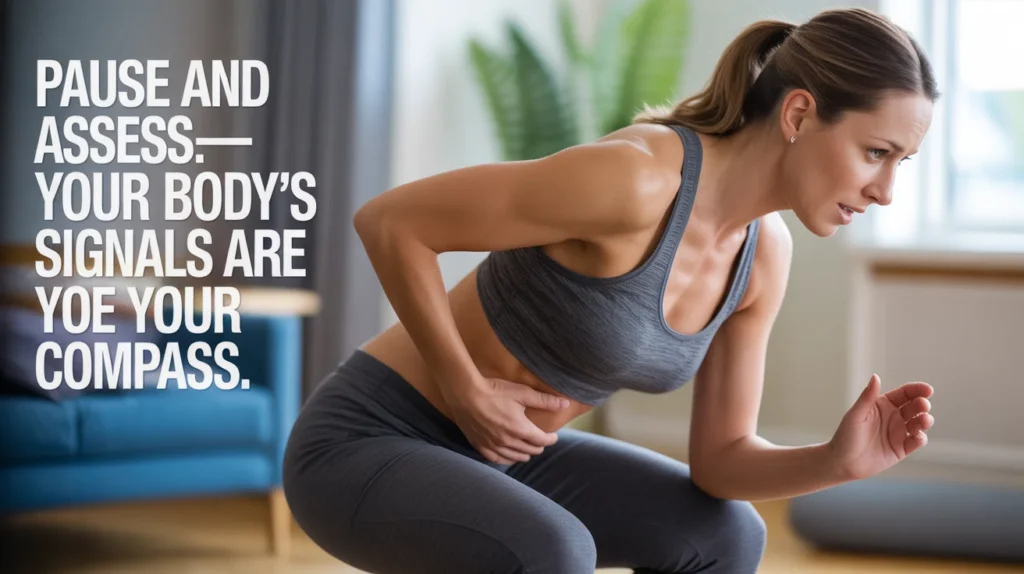
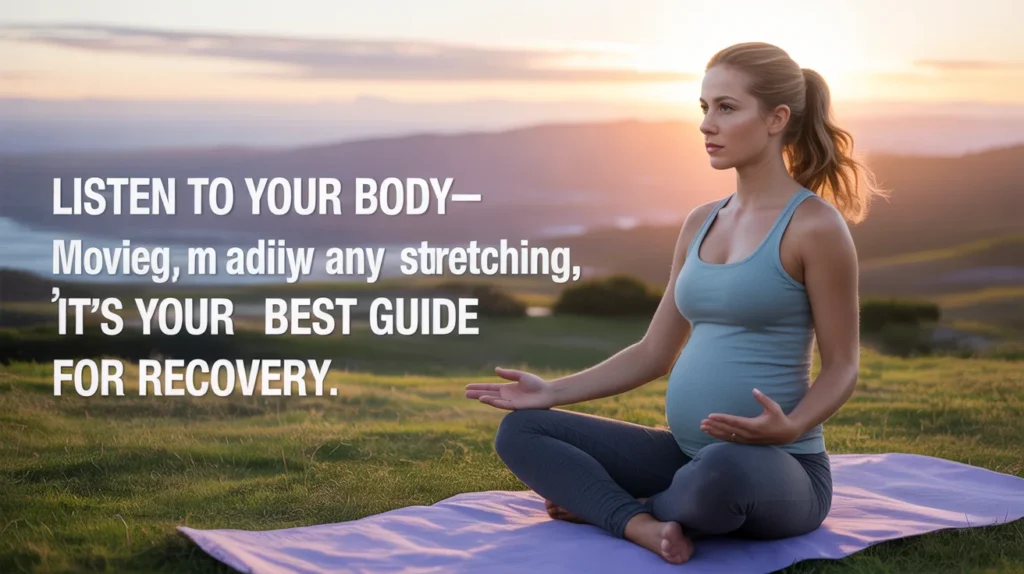
Listening to your body is your best guide. If you experience any pain, pressure, or bulging in your abdomen during an exercise, stop immediately.
Nutrition and Hydration: Fueling Your Recovery
Exercise is only one piece of the puzzle. Proper nutrition and hydration are critical for healing and regaining energy. Focus on a balanced diet rich in protein, which is essential for tissue repair. Include plenty of fruits, vegetables, and whole grains for vitamins and fiber.
Staying hydrated is also crucial, especially if you are breastfeeding. Drink plenty of water throughout the day to support your body’s healing processes and maintain your energy levels.
A well-nourished body is a body that recovers more efficiently. For detailed guidance on postpartum nutrition, the American College of Obstetricians and Gynecologists (ACOG) offers helpful guidelines.

Conclusion
Your post C-section fitness journey is a personal one. It requires patience, self-compassion, and a commitment to listening to your body. Start slow, focus on building a strong foundation with core and pelvic floor exercises, and gradually progress as you feel ready.
Remember that rest is just as important as activity. Celebrate the small victories and acknowledge the incredible work your body has done. By taking a mindful and safe approach, you can successfully get back in shape and feel strong, healthy, and confident in your new role as a mom.

Frequently Asked Questions (FAQ)
Q1: How soon can I walk on a treadmill after a C-section?
A1: You can typically start with slow, gentle walking on a treadmill after receiving clearance from your doctor at your 6-week checkup. Begin at a slow pace with no incline and gradually increase the duration and intensity as you feel comfortable.
Q2: Can exercise affect my C-section scar?
A2: Gentle exercise like walking can promote healing by increasing blood flow. However, movements that stretch or strain the abdominal area too soon can interfere with scar healing. Avoid any exercise that causes pulling or pain around your incision.
Q3: I feel a bulge in my abdomen when I exercise. What should I do?
A3: This could be a sign of an incisional hernia or unmanaged pressure on your abdominal wall. Stop the exercise immediately and consult with your doctor or a physical therapist who specializes in postpartum recovery. They can diagnose the issue and provide guidance on safe modifications.
Q4: Is it normal to feel tired after a light post C-section workout?
A4: Yes, it’s very normal. Your body is still recovering from major surgery and the demands of caring for a newborn. It’s important to balance light activity with plenty of rest. If you feel excessively fatigued, you may be doing too much too soon.
Q5: When can I start running again after my C-section?
A5: Most experts recommend waiting at least 12-16 weeks before returning to high-impact activities like running. It’s crucial to have a strong pelvic floor and deep core foundation first to prevent injury and issues like incontinence. It is best to get assessed by a pelvic floor physical therapist before you start running.