Introduction
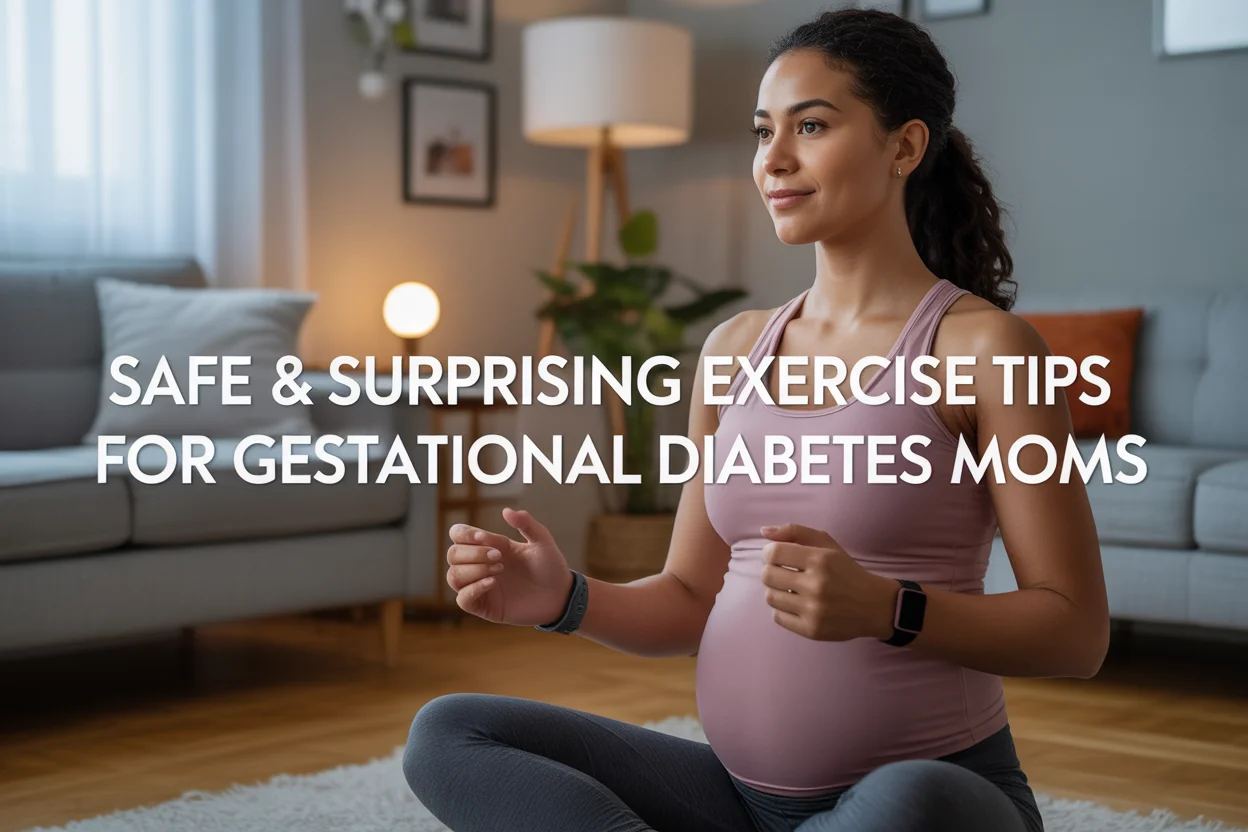
If you’ve just learned you have Gestational Diabetes, you aren’t alone. As a professional fitness trainer, I’ve helped hundreds of moms-to-be transform anxiety into action through purposeful movement. Managing your blood sugar isn’t just about watching what you eat. It’s about making exercise work for you—on your terms, with real, effective, and even fun routines.

This guide gives you the modern, practical strategies you need to feel strong, supported, and empowered during pregnancy, whether you’re fitting in movement between work calls or chasing a toddler. Let’s look at what really works for today’s busy, health-minded moms.
Key Takeaways
- Get the Green Light: Consult your doctor before beginning or changing any routine with Gestational Diabetes.
- Make It Your Own: Use wearable tech or apps to track your movement—even 5-10 minutes throughout the day adds up.
- Prioritize Low-Impact, High-Reward Moves: Newer methods like prenatal HIIT (modified), resistance bands, and VR-guided stretching offer results without risk.
- Use Technology Wisely: Home fitness apps, exercise videos, or even online classes make consistency possible, even with a busy schedule.
- Stay Flexible: Listen to your body and adapt—no exercise should cause pain or fatigue.

Gestational Diabetes and Exercise: Why It Works
Gestational Diabetes means your body struggles to use insulin properly, causing higher blood sugar. Moderate exercise acts almost instantly to lower those levels, moving glucose into the muscles where it’s needed. Regular movement during pregnancy has measurable benefits for both you and baby:
- Helps regulate blood sugar naturally
- Improves mood, sleep, and overall energy
- Reduces risk of complications, from high birth weight to C-sections
Modern science shows activity—even low to moderate intensity—can replace or minimize medication need for many moms. The more consistently you move, the more your body benefits.
Talk to Your Healthcare Team First
Before you jump into a new routine, get clearance from your health provider. Discuss your current activity level, any pregnancy-related symptoms, and your comfort with various movements. Most women with Gestational Diabetes benefit from regular exercise, but tailoring the plan keeps it safe for you and your baby.

Building Your Routine: Start Where You Are
As a trainer, I help new moms tailor movement to daily life, not the other way around. It’s not about perfection—it’s about progress. Here’s how:
- Use Micro-Workouts: Five or ten minutes after meals add up, especially with busy schedules.
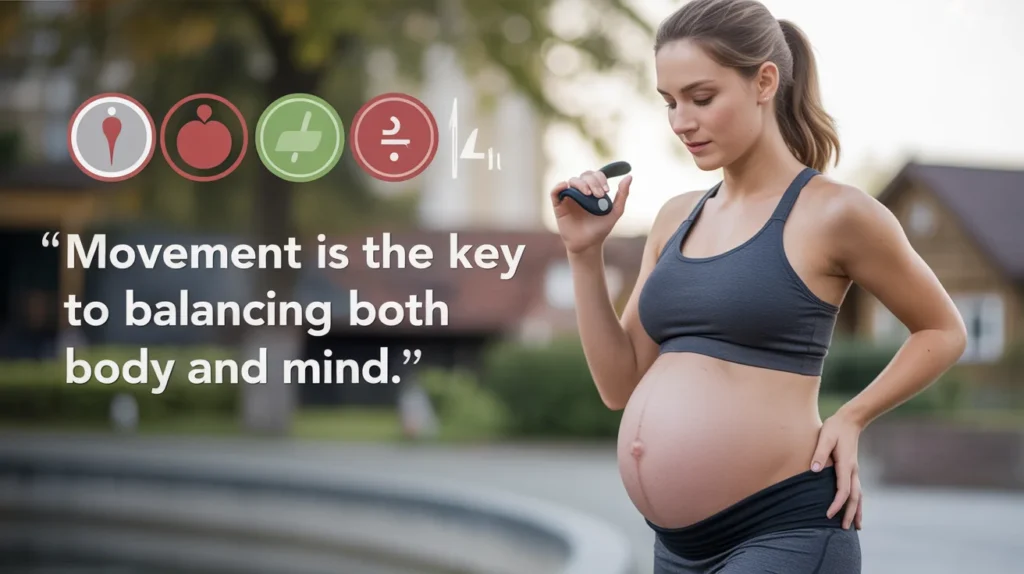
- Let Tech Guide You: Fitness trackers or smartwatches measure steps, remind you to move, even monitor heart rate, so you stay in your target zone.
- Plan Movement Blocks: 20-30 minutes, five times a week, is the gold standard—but small sessions fit real life.

Modern Exercises for Gestational Diabetes
Today’s options go well beyond walks around the block. With new tools and techniques, safe exercise is more engaging and achievable.

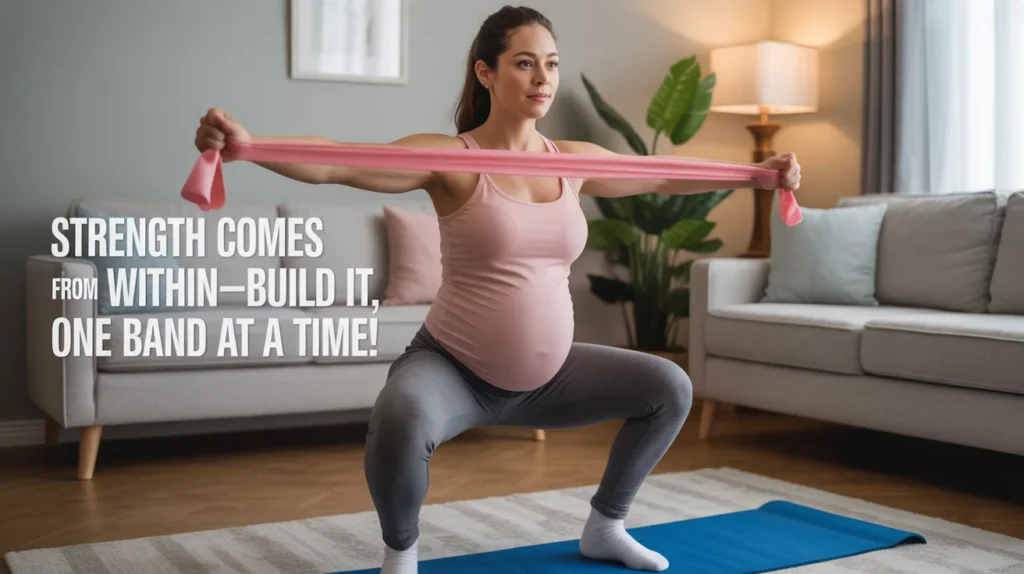
1. Prenatal Strength Training with Resistance Bands
Resistance bands are lightweight, low-impact, and perfect for at-home use. Work your upper and lower body in gentle circuits. Bands add challenge without heavy weights, making it easy to adjust resistance as you go.
2. Low-Impact Prenatal HIIT (High-Intensity Interval Training)
New studies show interval training—alternating gentle bursts of exertion with recovery—can be safe with medical approval. Think 30 seconds of marching on the spot, then 30 seconds of slow stretching. Modern prenatal HIIT classes (found on reputable fitness apps) are guided and focus on safe, low-impact moves.

3. Smart Walking: Use Tech for Motivation
Use your fitness watch or phone to count steps, set reminders, and track progress. If you have access to a treadmill, most now feature heart rate monitoring, pregnancy workout presets, and safe incline options. Try indoor walking groups via video, which can make movement social and fun.

4. Virtual or App-Based Prenatal Yoga and Pilates
Streaming platforms offer safe, guided prenatal yoga and Pilates, both proven to help balance blood sugar, lower stress, and keep muscles strong. Look for certified instructors and programs with modifications for pregnant women and/or Gestational Diabetes.

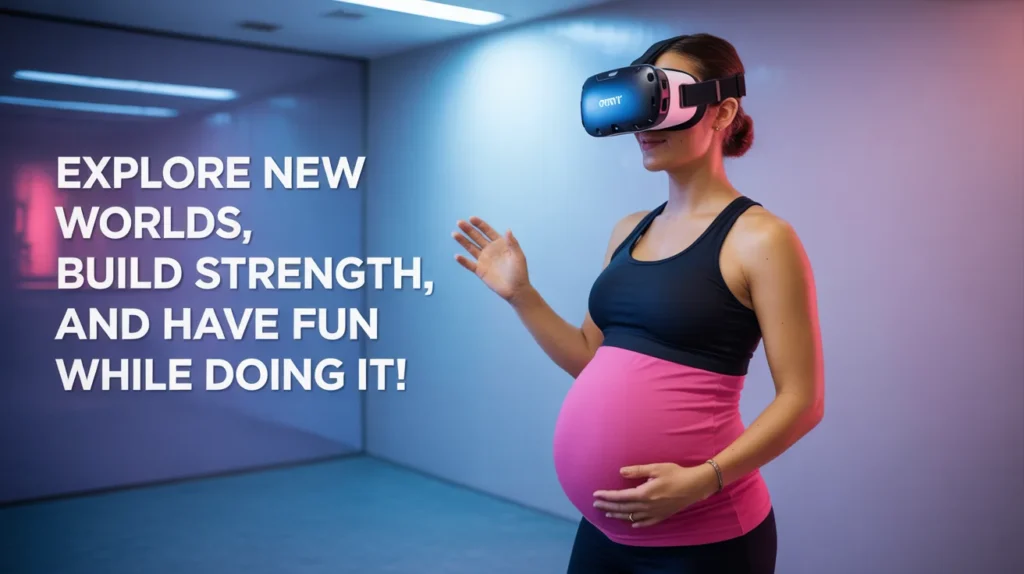
5. VR Fitness for Pregnancy
Virtual reality workouts are gaining ground. Now there are pregnancy-friendly routines for VR headsets that offer guided movement, gentle cardio, and stretching in three-dimensional spaces—great for tech-loving moms seeking a new twist on traditional routines.
6. Smart Stationary Cycling
Modern stationary bikes and their apps (like Peloton or Zwift) offer guided, pregnancy-safe rides. Adjustable resistance and on-demand guided rides let you control every session. Always start slow and avoid overheating.

Table: Modern Exercise Tech Comparison
| Technology/Approach | Benefits | Example Usage | Safety Notes |
|---|---|---|---|
| Resistance Bands | Portable, scalable strength, joint-friendly | Full-body circuits | Use slow, controlled movements |
| Smartwatch/Fitness App | Tracks steps, HR, sends movement reminders | Daily walks, goals | Set realistic, pregnancy-safe targets |
| Prenatal HIIT Apps | Short, guided intervals, keeps engagement up | 10-20 minute bursts | Keep intensity moderate, rest often |
| VR Workouts | Fun, immersive, new routines | Stretch/cardio | Use only pregnancy-friendly programs |
| Streaming Yoga/Pilates | Reduces stress, boosts flexibility | Home sessions | Pick classes for pregnancy, adapt as necessary |

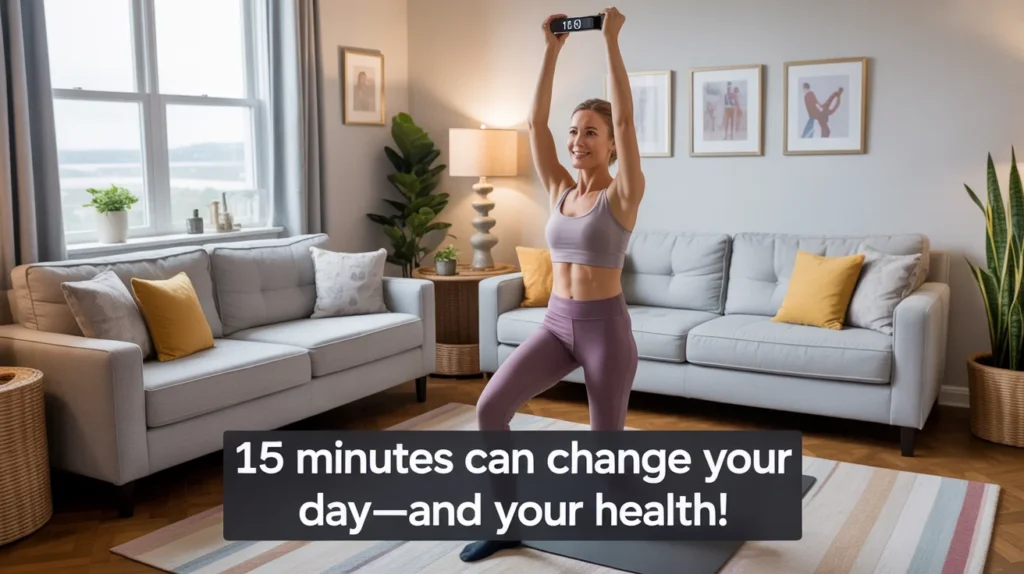
Sample Home Routine (15 Minutes for Busy Moms)
- 2 min: Gentle warm-up (march in place, big arm circles)
- 3 min: Resistance band squats and rows (alternating 30 seconds each)
- 3 min: Balance work (side leg lifts, standing marches)
- 4 min: Prenatal yoga flow (cat-cow, kneeling lunges, deep breathing)
- 3 min: Guided stretching and cool down
Repeat two or three times weekly, mixing with walking, cycling, or other favorites.
Safety: Trainer’s Golden Rules
- Drink water before, during, and after every session.
- Wear a fitness tracker to stay in your recommended heart rate zone.
- Always warm up and cool down.
- Stop immediately if you feel any pain, dizziness, or get out of breath.
- Avoid core exercises lying flat after the first trimester and any activities with high risk of falling.
- Don’t compare your progress to others—every pregnancy and every body is different.

Maximizing Results With Minimal Stress
As a trainer, my best advice is: make it possible, not perfect. Celebrate every bit of progress. Small, steady steps lead to big wins with your blood sugar, strength, and confidence.

Motivation Hacks
- Join online prenatal fitness groups for support.
- Celebrate step goals each day—set realistic challenges.
- Try new fitness tech or virtual classes to keep things fresh.
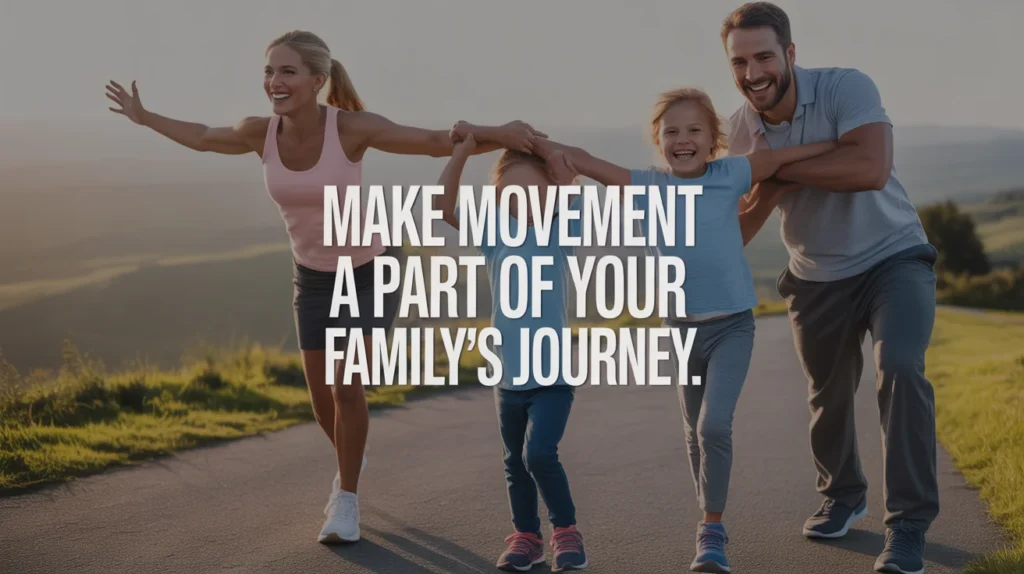
- Make exercise a family affair, even with toddlers or a partner.
Frequently Asked Questions (FAQ)
Q: When should I exercise if I have Gestational Diabetes?
A: Exercising for 10-15 minutes after meals is especially helpful for controlling post-meal blood sugar. Your provider may help fine-tune the timing for you.
Q: Are modern fitness trackers safe during pregnancy?
A: Yes! Most are safe and helpful. They encourage consistent movement and help you stay in a safe heart rate range—aim for moderate intensity, not extremes.
Q: What are the most modern, effective exercises for Gestational Diabetes?
A: Resistance band training, low-impact prenatal HIIT (with medical guidance), streaming prenatal yoga, virtual cycling, and even VR fitness programs designed for pregnancy all show real benefits.
Q: What should I do if I feel lightheaded or short of breath during a workout?
A: Stop immediately. Rest, hydrate, and speak with your doctor if symptoms persist. Safety always comes first.

Conclusion
Gestational Diabetes doesn’t have to hold you back. With the right plan—including the latest in exercise science and technology—you can stay healthy, energized, and empowered. You have what it takes!
Whether you use a fitness tracker, resistance bands, or a prenatal yoga app, integrate movement into your day with the confidence of a coach on your side. If you’re unsure where to begin, reach out to a prenatal fitness professional for tailored advice. Your dedication today is a lifelong gift to both you and your baby.