Introduction
Finding time to Kick-Ass exercise after having a baby can feel like a monumental task. Between feedings, diaper changes, and trying to catch a moment of sleep, your own fitness often falls to the bottom of the list. What if you could combine your workout with quality time with your little one?
This guide reveals the secrets to fun, effective, and safe mom and baby workouts. You don’t need a gym membership or expensive equipment. You just need a positive attitude, your baby, and a little bit of space to move.
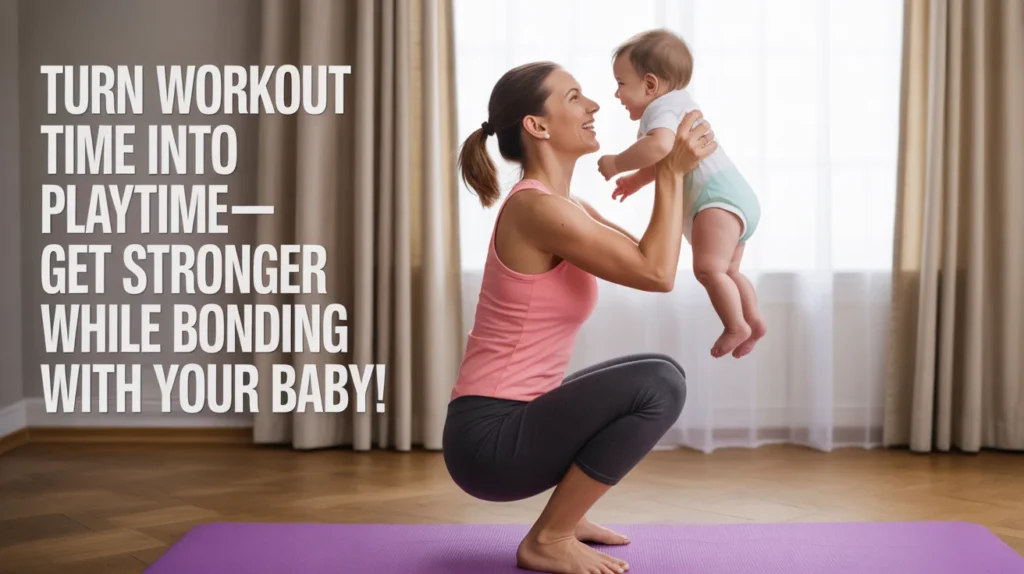
Getting back into a fitness routine postpartum is about more than just losing baby weight; it’s about rebuilding strength, boosting your mood, and reclaiming a piece of yourself.
These workouts are designed to fit into your busy schedule, helping you feel strong and energized. Let’s explore how you can turn fitness into a fun bonding activity for you and your baby.
Key Takeaways
- Combine Bonding and Fitness: Kick-Ass Mom and baby workouts allow you to spend quality time with your infant while focusing on your physical and mental health.
- Safety First: Always get clearance from your doctor before starting any postpartum exercise program. Pay close attention to your body and your baby’s comfort.
- Start Slow and Build Up: Begin with gentle movements and gradually increase the intensity and duration of your workouts as you regain strength.
- No Gym Required: Many effective exercises can be done from the comfort of your home using your baby as a “weight” or incorporating them into the movement.
Why Mom and Baby Workouts are a Game-Changer
Life with a new baby is demanding. The idea of leaving your little one with a sitter to go to the gym might seem impossible or undesirable. That’s where mom and baby workouts come in. They eliminate the need for childcare and transform exercise from a chore into a joyful interaction.
When you exercise with your baby, you’re not just burning calories; you’re creating memories, singing songs, and showering your little one with attention. This positive association with movement can benefit both of you for years to come. This approach is the foundation of a Kick-Ass fitness journey for new moms.
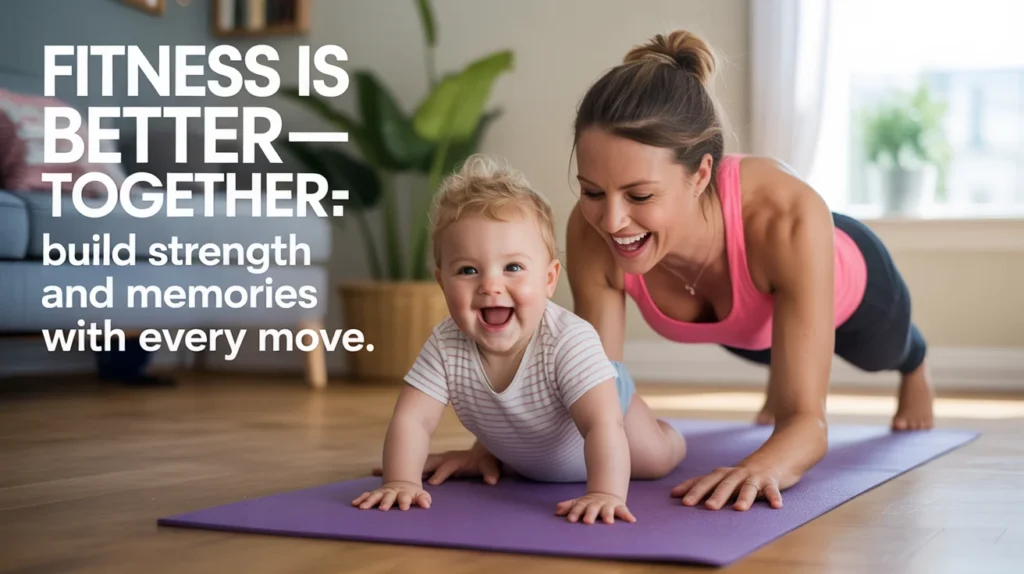
Moreover, these shared activities can have a profound impact on your mental well-being. Postpartum life can sometimes feel isolating. Including your baby in your workout provides a shared experience that strengthens your bond and can help alleviate feelings of stress and postpartum blues.
The physical activity releases endorphins, which are natural mood elevators, helping you feel more positive and capable of handling the challenges of motherhood.
Getting the Green Light: Safety First
Before you jump into any Kick-Ass exercise routine, the most important step is to consult your healthcare provider. Every pregnancy, delivery, and recovery is unique. Generally, doctors recommend waiting at least six weeks postpartum, and often longer for those who had a C-section or complications. Your doctor can assess your individual recovery and advise you on what types of activities are safe to start.
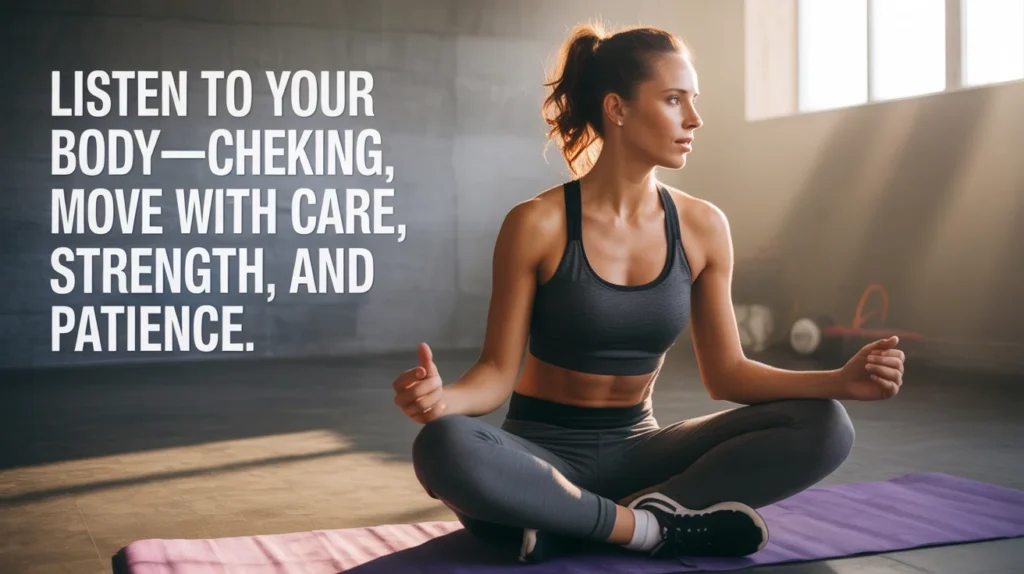
Listening to Your Body
Once you have medical clearance, remember to listen to your body. Postpartum recovery is a marathon, not a sprint. You may feel weaker than you did pre-pregnancy, and that’s completely normal. Pay attention to signs of overexertion, such as pain, dizziness, or increased bleeding.
The hormone relaxin, which loosens your joints for delivery, can stay in your system for months, making you more prone to injury. Start slow, focus on proper form, and don’t push yourself too hard, too soon.
Ensuring Baby’s Safety
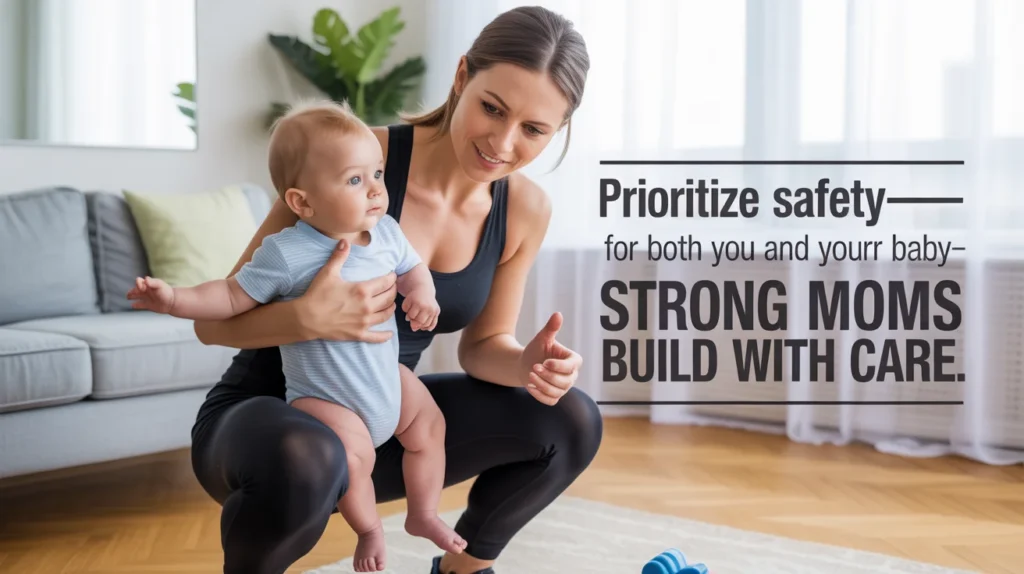
Your baby’s safety and comfort are paramount. Make sure your baby has good head and neck control before you incorporate them into more dynamic movements. Always support their head and neck, especially with younger infants.
Never perform jerky or jarring motions. If your baby seems fussy or uncomfortable, stop the exercise and tend to their needs. The goal is a happy experience for both of you.
The Best At-Home Mom and Baby Exercises
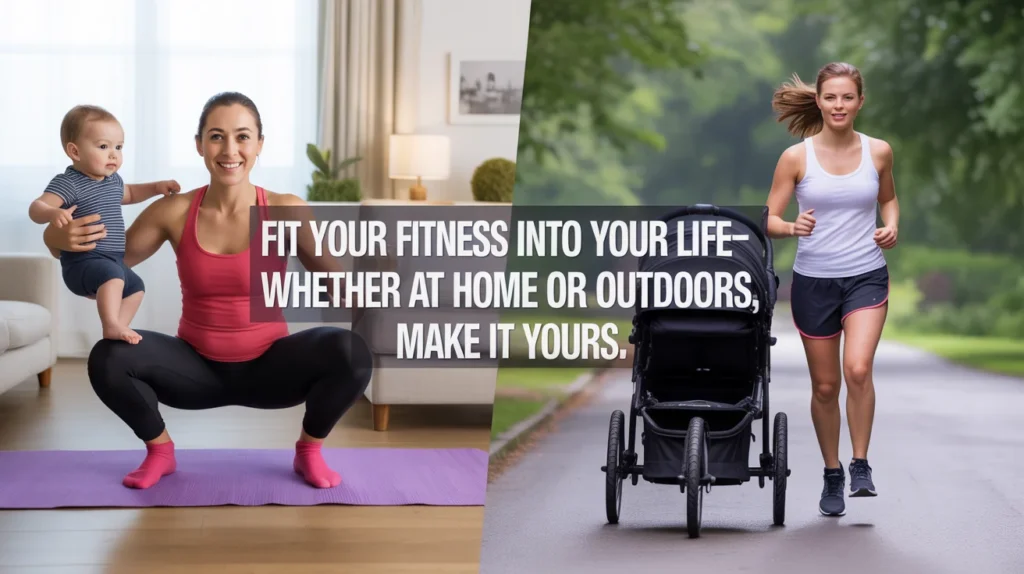
You don’t need a fancy setup to have a Kick-Ass workout. Your living room floor, a yoga mat, and your baby are all you need to get started. Here are some simple yet effective exercises.
The Baby-Weighted Squat
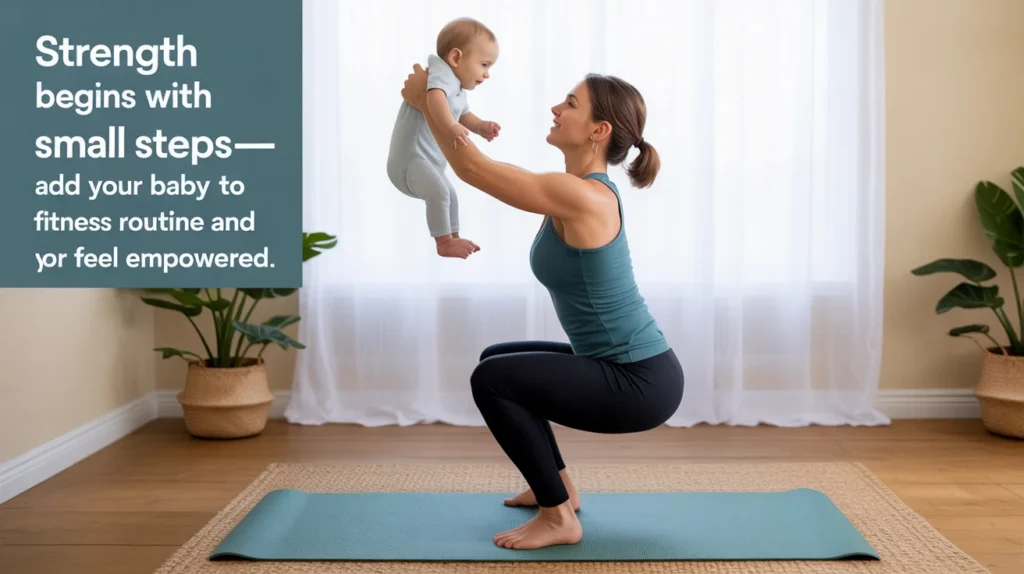
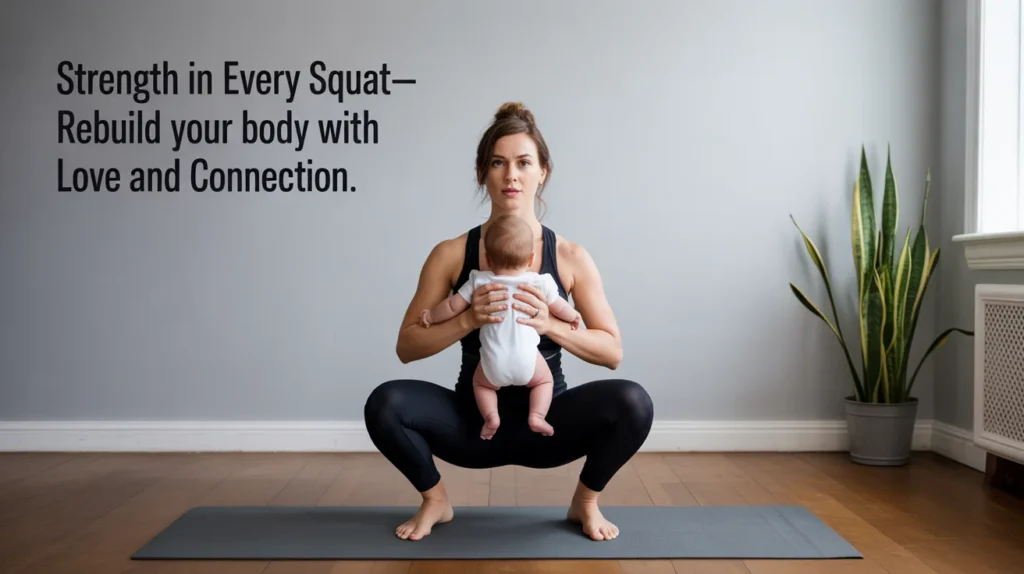
Squats are fantastic for rebuilding strength in your legs, glutes, and core.
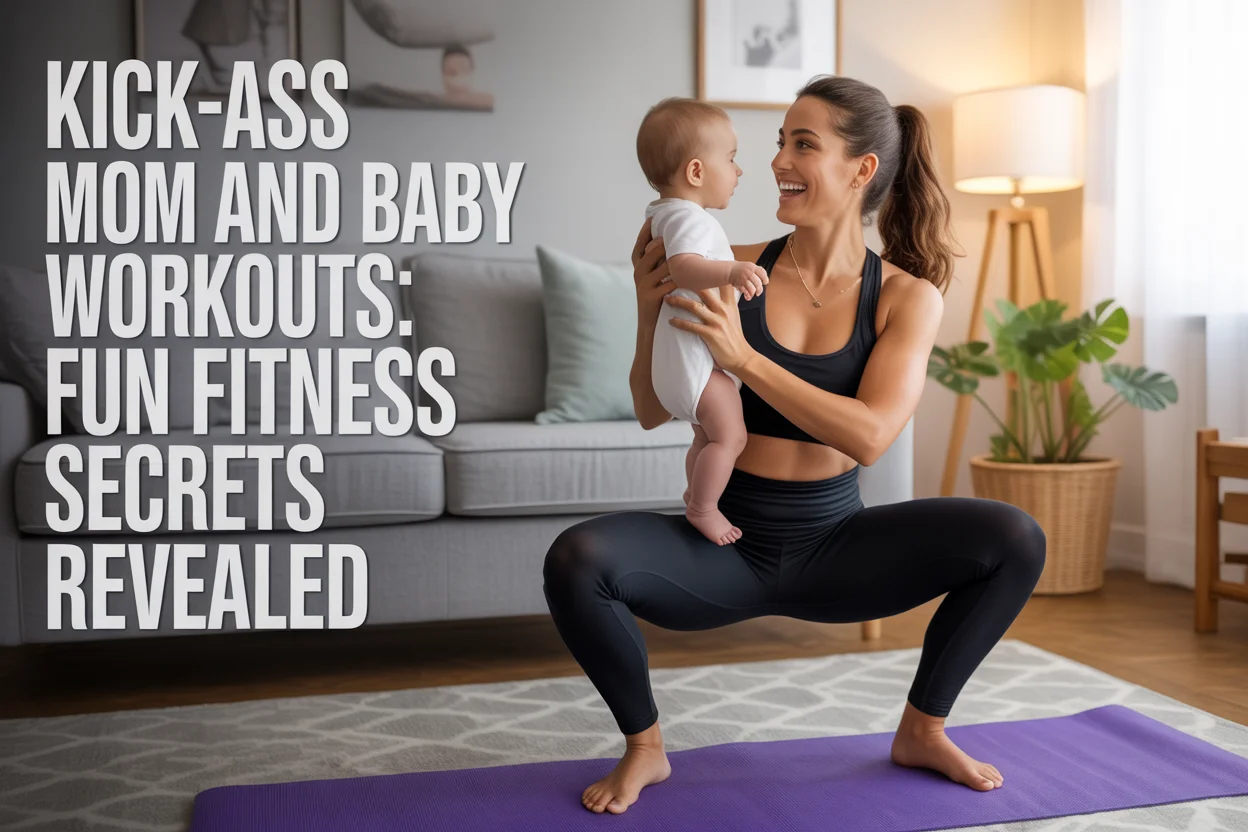
- How to do it: Hold your baby securely against your chest. Stand with your feet shoulder-width apart, toes pointing slightly outward. Keeping your chest up and your back straight, lower your hips as if you are sitting in a chair. Go as low as you comfortably can, then press through your heels to return to the starting position.
Playful Push-Up Kisses
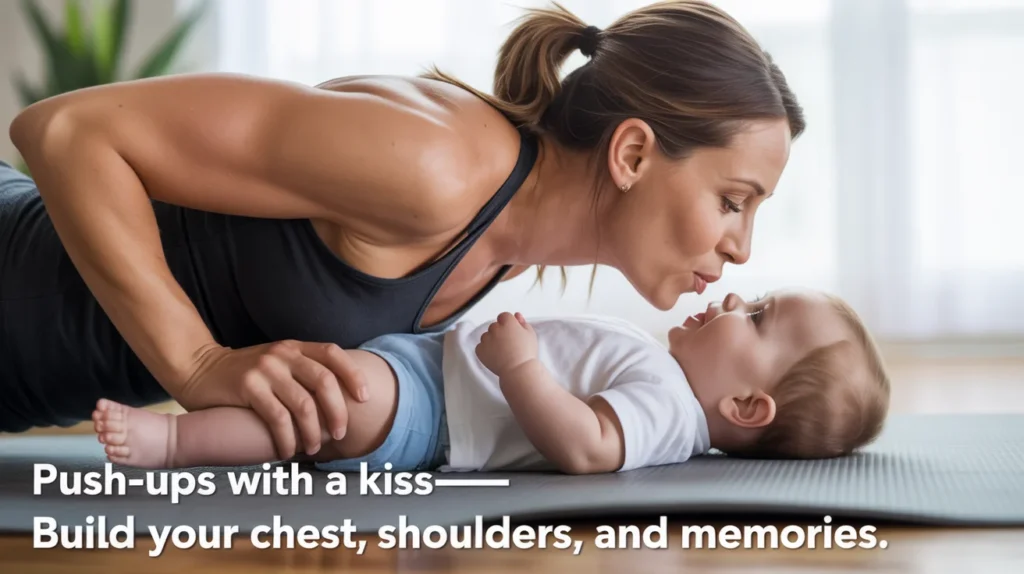
This Kick-Ass move works your chest, shoulders, and core.
- How to do it: Lay your baby on their back on a soft mat. Position yourself in a modified push-up position on your knees, with your hands slightly wider than your shoulders. Lower your chest toward the floor, giving your baby a kiss or a silly face at the bottom, then push back up.
The Glute Bridge and Baby Lift
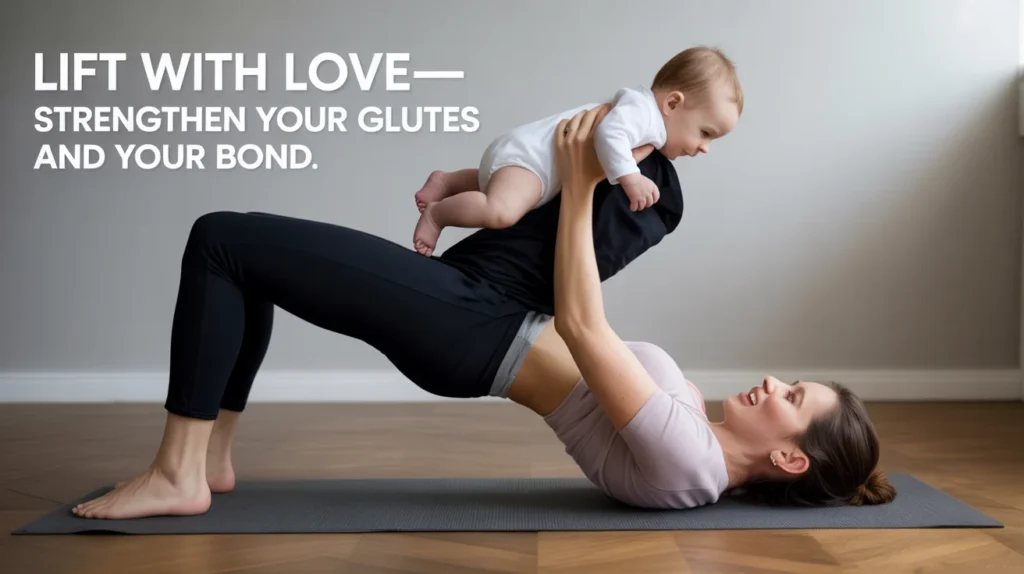
Target your glutes and hamstrings while giving your baby a fun little ride.
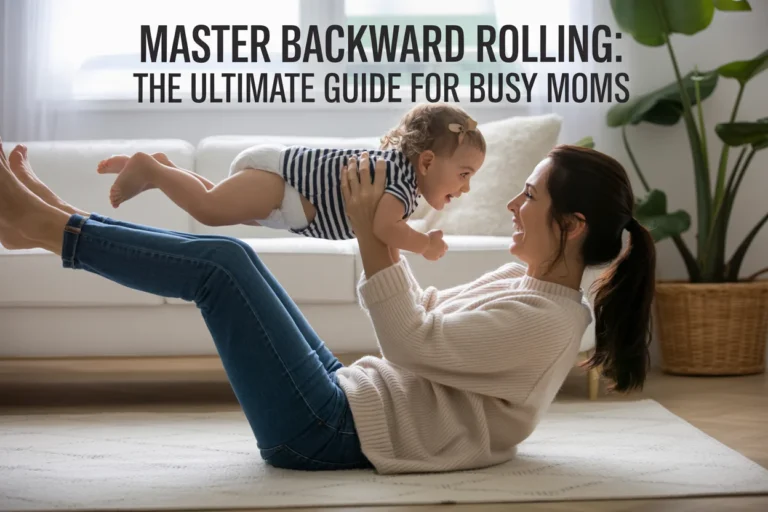
- How to do it: Lie on your back with your knees bent and feet flat on the floor. Sit your baby on your hips, holding them securely. Squeeze your glutes and lift your hips off the floor until your body forms a straight line from your shoulders to your knees. Hold for a moment, then slowly lower back down.
Taking Your Workout Outdoors
Getting fresh air is great for both you and your baby. Taking your workout outside can break the monotony and expose your little one to new sights and sounds.
Power-Walking or Jogging with a Stroller
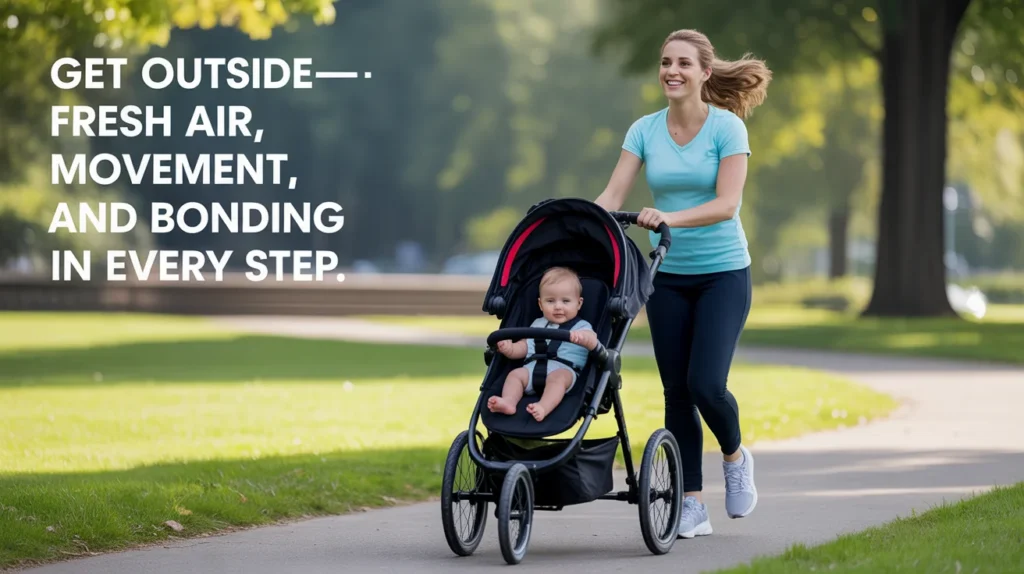
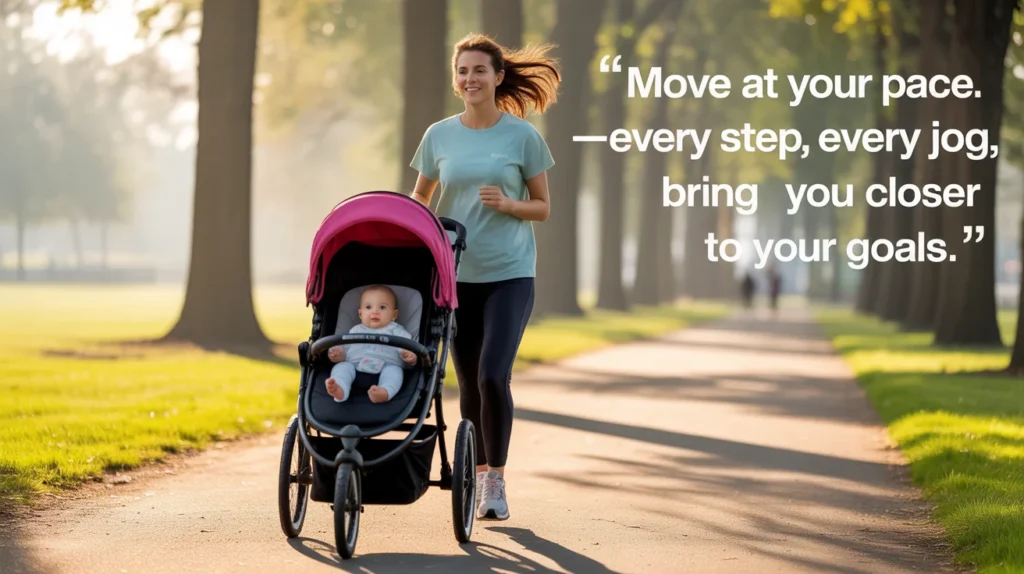
A simple walk can be a powerful workout. Invest in a good jogging stroller designed for exercise.
- Get started: Start with brisk walking to warm up. If you feel up to it, incorporate short jogging intervals. For example, jog for one minute, then walk for two minutes, and repeat. As you get stronger, you can increase your jogging time. Always ensure your baby is safely strapped in and that the stroller is appropriate for their age and size.
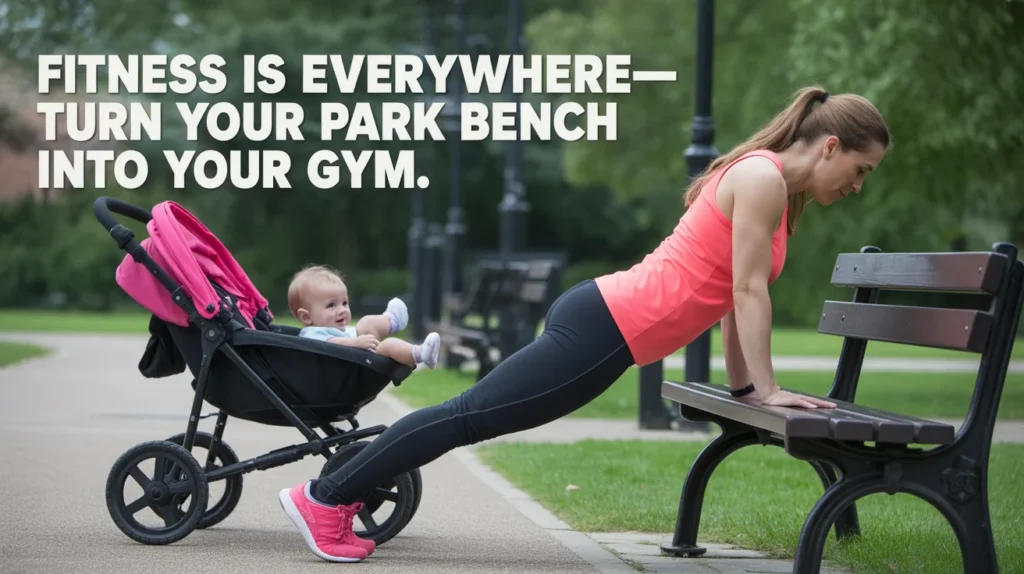
Park Bench Workouts
Your local park bench is a versatile piece of workout equipment.
- Bench Push-Ups: Place your hands on the seat of the bench and perform push-ups. This incline makes the exercise a bit easier than a floor push-up.
- Triceps Dips: Sit on the edge of the bench with your hands gripping the edge next to your hips. Slide your bottom off the bench and bend your elbows to lower your body, then push back up.
- Step-Ups: Face the bench and step up with one foot, then the other. Step back down and repeat, alternating your lead foot.
Comparing Workout Styles: At-Home vs. Stroller Fitness
| Feature | At-Home Workouts | Stroller Fitness |
|---|---|---|
| Convenience | Highest. Can be done anytime, in any weather. | Requires good weather and a safe outdoor space. |
| Equipment | Minimal. Usually just a mat. | Requires a jogging stroller. |
| Bonding | High. Lots of face-to-face interaction and touch. | Moderate. Baby is in the stroller, but you can talk and sing. |
| Intensity | Easily scalable from gentle to high-intensity. | Primarily cardio-focused, can be moderate to high. |
| Environment | Controlled and predictable. | Provides fresh air and mental stimulation for both mom and baby. |
Strengthening Your Core Postpartum: The Right Way
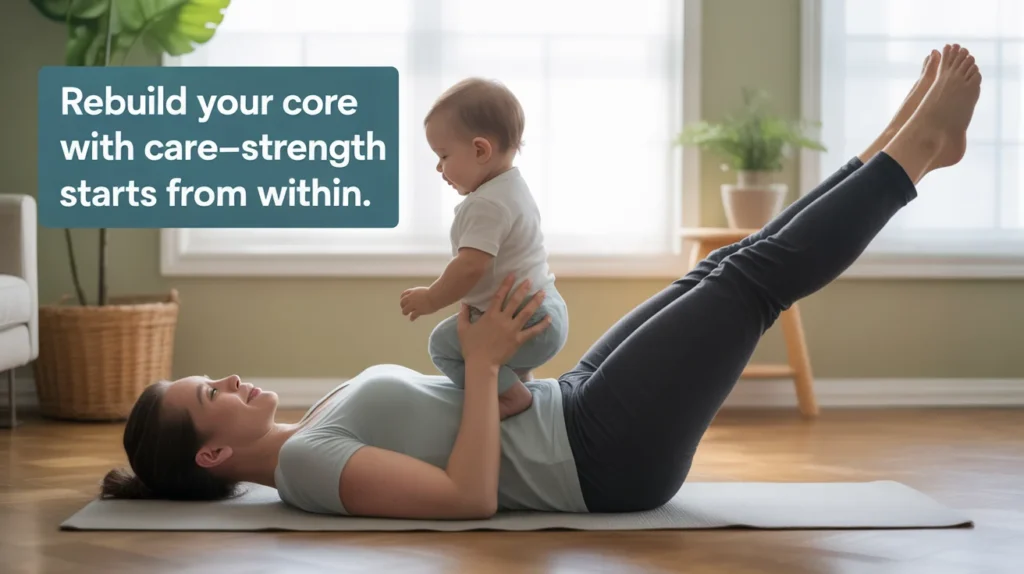
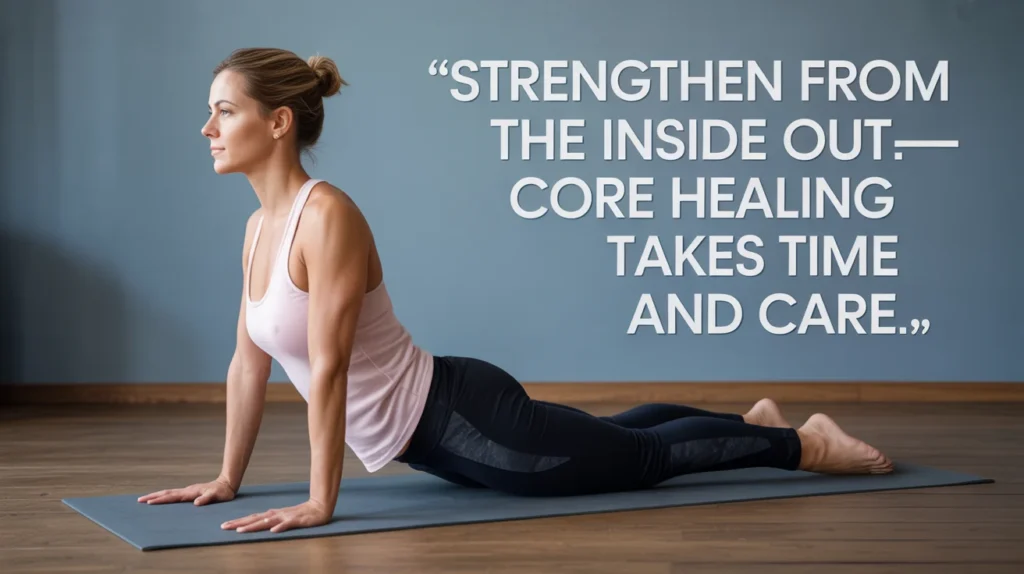
After pregnancy, your abdominal muscles are stretched and weakened. It’s crucial to rebuild your core strength safely. Traditional exercises like crunches can sometimes worsen conditions like diastasis recti (abdominal separation).
hat is Diastasis Recti?
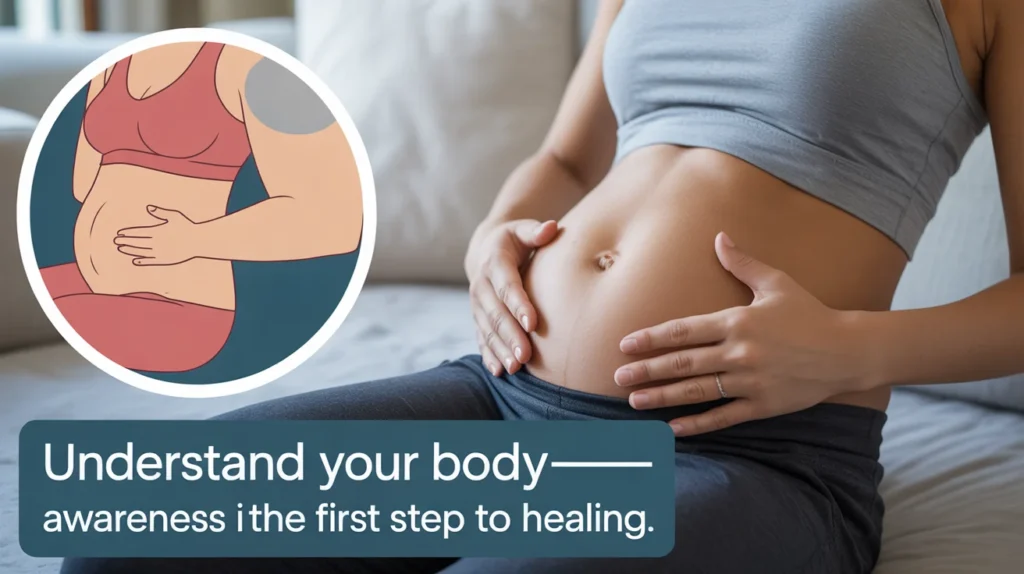
Diastasis recti is the partial or complete separation of the rectus abdominis muscles, which meet at the midline of your stomach. It is very common during and following pregnancy. You can check for it by lying on your back with your knees bent, placing your fingers just above your belly button, and lifting your head slightly. If you feel a gap of two or more finger-widths, you likely have some separation. A physical therapist can provide a proper diagnosis.
Safe Core-Building Exercises
Focus on exercises that engage the transverse abdominis, your deepest core muscle.
- Pelvic Tilts: Lie on your back with knees bent. Gently flatten your lower back against the floor by engaging your abdominal muscles.
- Heel Slides: Lie on your back with knees bent. Slowly slide one heel away from you along the floor, keeping your core engaged. Slide it back in and repeat on the other side.
- Bird-Dog: Start on all fours. Extend your right arm forward and your left leg back, keeping your back flat. Return to the start and switch sides.
Rebuilding your core is a key component of any Kick-Ass postpartum recovery plan.
Finding a Mom and Baby Fitness Class
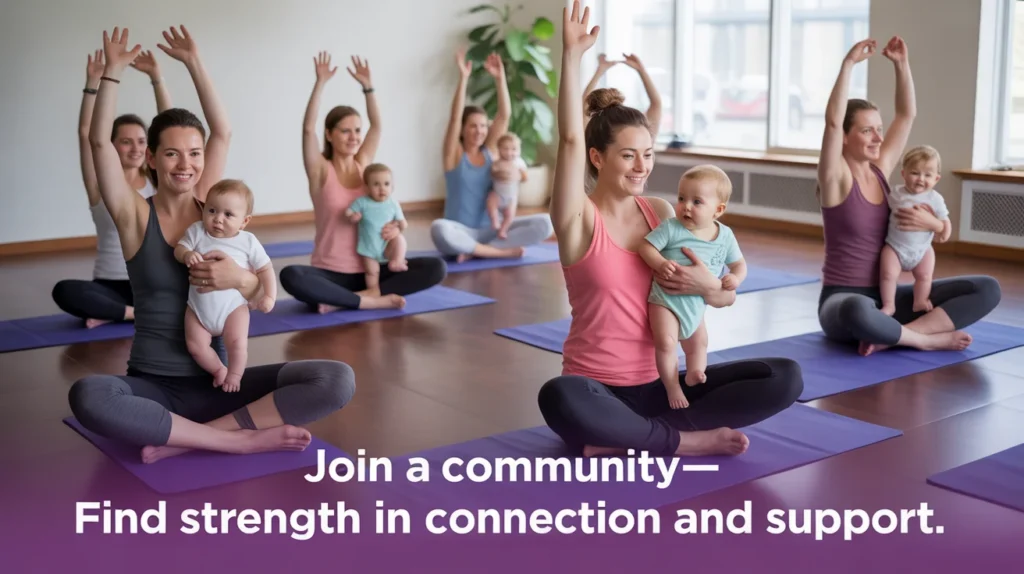
If you thrive on social interaction and structured guidance, a mom and baby fitness class could be a perfect fit. These classes provide a supportive community of other new moms, which can be invaluable.
A certified instructor can ensure you are using proper form and can offer modifications for different fitness levels. Search for local options like “mommy and me yoga,” stroller fitness groups, or postpartum exercise classes in your area. These classes are designed to be a truly Kick-Ass experience for new mothers.
Fueling Your Body: Nutrition for Active Moms
Exercise is only one part of the equation. Proper nutrition is essential, especially if you are breastfeeding. Your body needs adequate calories and nutrients to recover, produce milk, and fuel your workouts. According to the CDC, breastfeeding moms need about 450-500 extra calories per day. Focus on a balanced diet rich in:
- Lean Proteins: Chicken, fish, beans, and lentils.
- Healthy Fats: Avocado, nuts, and olive oil.
- Complex Carbohydrates: Oats, quinoa, and sweet potatoes.
- Fruits and Vegetables: A colorful variety to get a range of vitamins and minerals.
Stay hydrated! Drink plenty of water throughout the day, particularly before, during, and after your workouts.

The Mental Health Benefits of Postpartum Exercise
The “baby blues” and postpartum depression are serious conditions affecting many new mothers. The American College of Obstetricians and Gynecologists (ACOG) highlights exercise as a significant tool for improving postpartum mental health. Physical activity can:
- Reduce Stress and Anxiety: It lowers cortisol levels and boosts endorphins.
- Improve Sleep: Regular, moderate exercise can help you get more restful sleep, even if it’s in short increments.
- Boost Self-Esteem: Achieving small fitness goals and feeling your body get stronger can do wonders for your confidence.
- Provide an Outlet: A workout provides a structured break in the day, giving you time to focus on yourself. It’s a truly Kick-Ass way to care for your mind.
Conclusion: Embrace Your Kick-Ass Mom Strength
Integrating fitness into your life as a new mom is not about “bouncing back.” It’s about moving forward with strength, confidence, and joy. A Kick-Ass mom and baby workout routine is one that fits your life, makes you feel good, and deepens the incredible bond you share with your child.
Start small, be patient with your body, and celebrate every small victory. You are juggling one of the toughest and most rewarding jobs in the world. By making time for your health, you are not only caring for yourself but also setting a powerful, positive example for your little one. You’ve got this.
Frequently Asked Questions (FAQ)
Q1: How soon can I start working out after giving birth?
A1: Most healthcare providers recommend waiting at least six weeks after a vaginal delivery and potentially longer after a C-section. It is crucial to get clearance from your doctor before beginning any exercise program.
Q2: What are the best exercises to start with postpartum?
A2: Begin with gentle activities like walking, pelvic tilts, and heel slides. Focus on rebuilding your core and pelvic floor strength. As you feel stronger, you can gradually incorporate exercises like squats, lunges, and modified push-ups.
Q3: How can I exercise if my baby is fussy?
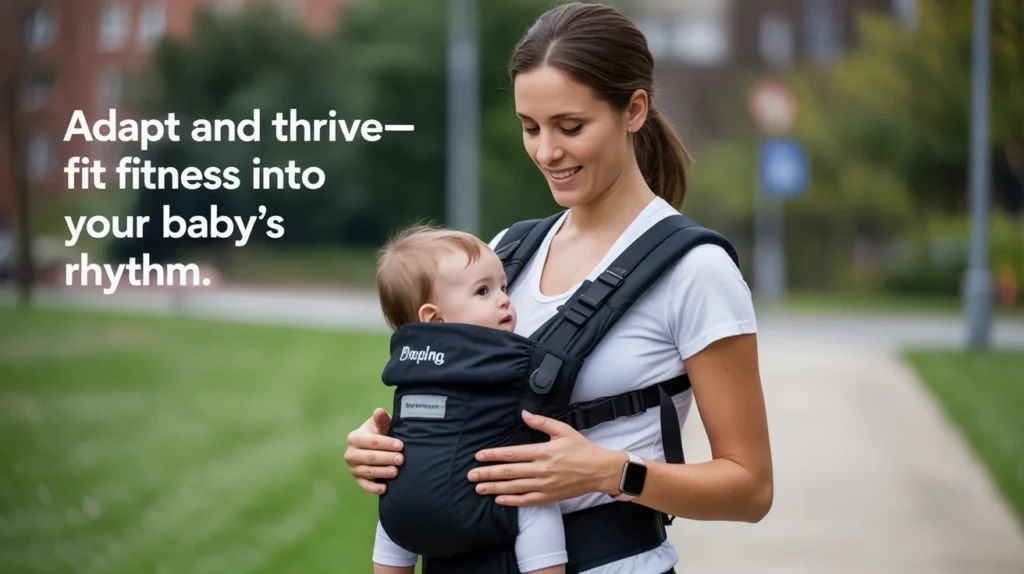
A3: Try working out during your baby’s nap time or when they are in a calm, happy mood. Keep workouts short and flexible. If your baby gets fussy, it’s okay to stop and try again later. Sometimes wearing your baby in a carrier for a walk can be a great option.
Q4: Do I need to buy special equipment for a mom and baby workout?
A4: No, you don’t need special equipment to start. Many effective exercises can be done at home using just your body weight and your baby as a gentle, added weight. A yoga mat can be helpful for comfort