Introduction
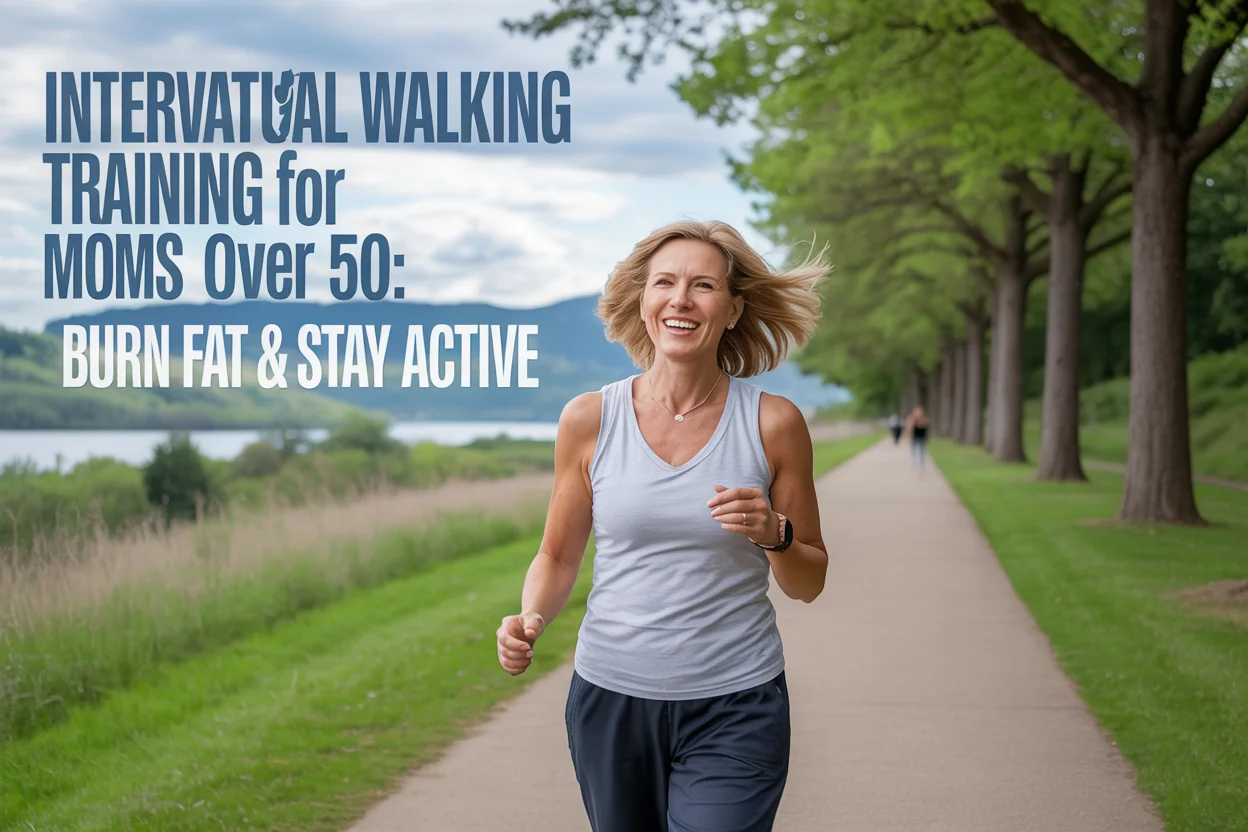
There is a fresh approach to movement that’s starting to turn heads among those seeking lasting wellness, especially for moms who are 50 and older. As time passes and our routines seem to follow familiar patterns, the thought of reigniting energy or managing weight can feel out of reach.
But a new method—called Interval Walking Training—is creating real results without adding extra strain or requiring hours at the gym. Unlike routines you might have tried before, this approach feels purposeful and tailored for those responding to the unique changes that come after 50.
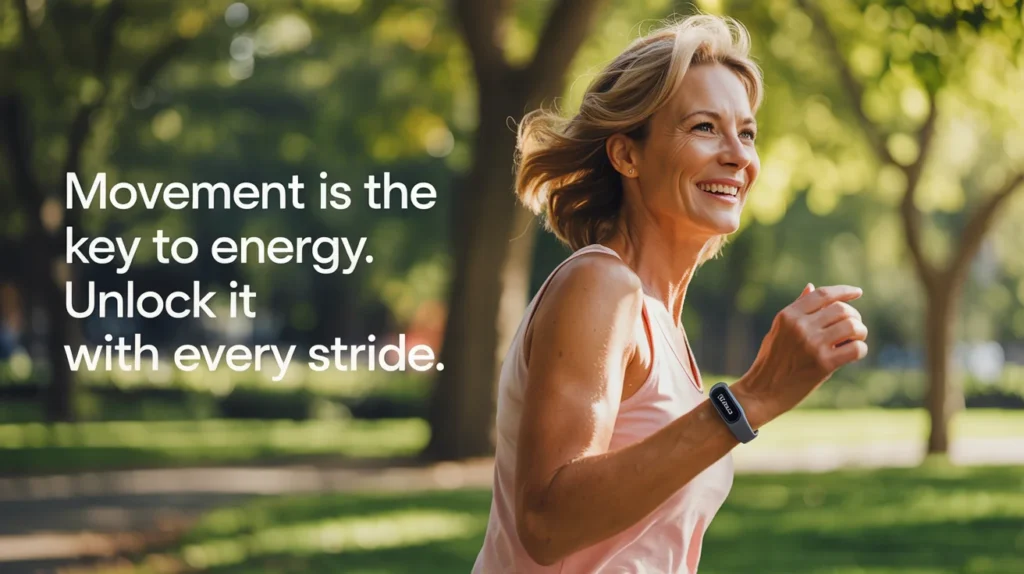
This is not just another spin on daily walks. Interval walking training uses a unique structure to unlock fat-burning and help you feel active, refreshed, and steady in your strength. With alternating brisk and gentle walking moments, every session becomes personalized, allowing you to see improvement without needing high-tech gadgets or complicated gym equipment. All you need is a pair of supportive walking shoes, a bit of curiosity, and an openness to something new on your wellness journey.
Key Takeaways
- Increases Fat Reduction: Interval walking training amplifies the body’s ability to tap into stored fats far better than a flat-paced stroll.
- Strengthens the Heart: Periods of effort, followed by restful paces, gently coax the heart into greater resilience.
- Joints Are Cared For: Without the jarring impacts common in other routines, interval walking is respectful of knees and hips, making it well-suited for women past fifty.
- Uplifts Mind and Mood: This type of walk, woven into your week, brings consistent boosts in clarity and a sense of accomplishment.
- Personal to You: Whether you’re just beginning or already active, you’re free to adjust timings and intensity for your own needs.

Discovering Interval Walking Training: What Makes It Different?
Interval Walking Training is not a recycled fitness fad. It’s a layered technique rooted in switching between purposeful, quick walking and a more relaxed pace. This simple structure makes every outing dynamic: you may walk swiftly for a minute or two (enough to notice your heart working), then gently reduce your pace for a recovery period. The pattern repeats, creating a rhythm that quietly works behind the scenes on metabolism and stamina.
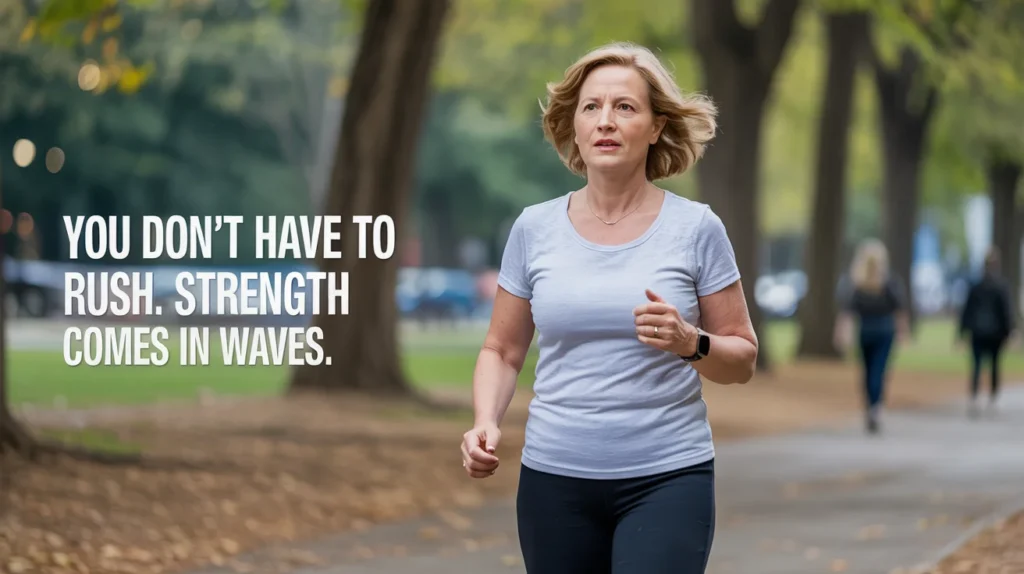
The innovation here lies in the alternating intensity. Instead of coasting at one speed, your body receives signals to adapt, rebuild, and become more efficient. Without the demands of competitive exercise, interval walking lets you introduce new challenges at a rate that feels safe and doable. For many, this is a refreshing departure from routines of the past.
Why It Suits Women Over 50
With the years come changes in metabolism, hormones, and how our bodies respond to movement. Estrogen, which once played a big role in energy balance, begins to fade. That’s why traditional exercise routines may stop showing the same results or even become uncomfortable.
What makes interval walking training so appealing is its ability to light up the body’s “energy furnaces.” When you alternate your speed, you empower muscles and metabolism in ways that routine walking does not. Studies show that this approach especially targets the kind of fat that hugs our organs—the kind linked to age-related health shifts.
Not only can interval walking reshape your physical health, it supports glucose balance, which in turn nourishes steady energy and keeps blood sugar fluctuations in check. For women experiencing the wake of menopause, this is a subtle but meaningful win.
Exploring the Benefits in Everyday Life
Strengthens Circulation and Heart Health
Shifting between faster and slower steps prompts the heart and blood vessels to keep up, leading to better circulation, smoother blood pressure rhythms, and overall heart strength. Organizations like the American Heart Association champion this kind of variable training for its proven support in lowering risk factors associated with heart conditions.

Unlocks Metabolic Power
The magic of interval training comes from gently stimulating the body’s “afterburn”—a next-level calorie burn that persists even after you’ve slowed down and gone about your day. Unlike predictably paced walks, interval walking continues its work behind the scenes, tapping stubborn fat stores and giving moms over 50 a strategic path to improved weight management.

Nurtures Joint Comfort
Consistency with interval walking proves that meaningful exercise doesn’t have to come with aches or the dread of injury. Avoiding jarring impact by simply walking, while weaving in short energizing bursts, makes this approach kind to bones and cartilage—a thoughtful upgrade for women who may be navigating joint sensitivities.
Cultivates Mental Freshness
Caring for your mind is just as vital as caring for your body. With interval walking, the lively shifts in intensity wake up the senses and keep attention engaged. The quiet pride in finishing a session can lift mood and cut through brain fog—a gentle remedy to the emotional swings that can surface later in life.
Your Guide to Beginning Interval Walking Training
Getting started is refreshingly straightforward—no apps, trackers, or intimidating learning curves.
Finding Your Walking Rhythms
- Gentle Pace: Your regular, easy walk. Conversation feels effortless and you’re relaxed.
- Energetic Burst: A few minutes at a noticeably faster step—enough to feel your breathing pick up, but not exhausting.
Example Session for Starters
- Start Easy (5 minutes): Settle into a gentle stroll.
- Quick Step (1 minute): Accelerate so you feel your pulse and breath increase.
- Recover (2 minutes): Return to your gentle pace.
- Alternate: Repeat this 3–4 times.
- Wind Down (5 minutes): Finish softly, then enjoy simple stretches.
Over time, you can tinker—lengthen the quicker bursts, shorten recovery, or extend your walk based on how you feel. This flexibility is core to interval walking’s appeal.

Table: Interval Walking vs. Everyday Walking
| Feature | Steady Walk | Interval Walking Training |
|---|---|---|
| Calorie Burn | Gradual | Heightened and lasting |
| Fat Loss | Steady | Enhanced (targets deeper fat) |
| Heart Impact | Supports maintenance | Encourages improvement |
| Time Needed | Often longer sessions | Reaches goals more efficiently |
| Enjoyment Level | Can feel routine | Inviting, less monotonous |

Staying the Course: Tips for Embracing This Routine
- Make Space for It: Assign a time during your day, as you would any important appointment.
- Welcome a Walking Companion: Sharing a walk adds connection and a simple layer of accountability.
- Pause to Listen: Enjoy refreshing silence or choose a meaningful song—no pressure, just presence.
- Track Subtle Wins: Even jotting a note about how you felt afterward is valuable encouragement.
- Fresh Views, Fresh Mind: Try different routes or parks to rediscover the pleasure of movement.

Thoughtful Nutrition for the Journey
Movement works best when supported by nourishing foods. Focus on classic, whole ingredients: lean proteins, garden vegetables, real grains, and water. Fuel your body kindly, and you’ll notice smoother energy and quicker recovery as you make interval walking training a habit.

Attuning to Your Body’s Cues
Perhaps the most valuable insight of all: trust the wisdom your body offers each day. Some mornings will be livelier than others. If you find yourself needing a more restful session or a longer break, honor that without guilt. Noticing persistent discomfort? Pause, rest, and consider seeking guidance. Progress is marked not by perfection, but by the quiet repetition of caring for yourself through movement.

Frequently Asked Questions (FAQ)
How often should I try interval walking training?
Aiming for three to five times each week yields the best results for most. The CDC’s guidance for moderate-activity minutes is met easily with this schedule. Begin gently and let your stamina guide future increases.
Do I need special footwear?
While there’s no need to hunt down specialized gear, supportive walking shoes with a practical fit will keep your steps comfortable and your feet well-cared for.
Is this possible indoors?
Absolutely. A treadmill or even walking halls at a steady pace will suffice. The idea is to alternate intensity, not the landscape.
Can interval walking help strengthen bones?
Yes. Walking, especially in lively intervals, supports bone health and can reduce age-related risks, including osteoporosis. This benefit adds another layer to an already valuable practice.

Conclusion
Interval Walking Training stands as a fresh, promising avenue for moms over 50 who want reliable results and the joy of moving with purpose. Thoughtfully designed, adaptable to each day’s needs, and infused with the genuine potential to bring positive change, it’s a path worth exploring. Each step, no matter how modest, is a stride towards improved health, greater energy, and lasting well-being—build your own tradition with interval walking, and let the benefits unfold naturally.