Introduction
Pregnancy is an incredible journey, but it also brings many changes to your body. One of the most important, yet often overlooked, aspects to manage is your circulatory system. As your body works hard to support your growing baby, your blood volume increases significantly, putting extra strain on your heart and blood vessels. This can lead to issues like swelling, varicose veins, and fatigue.
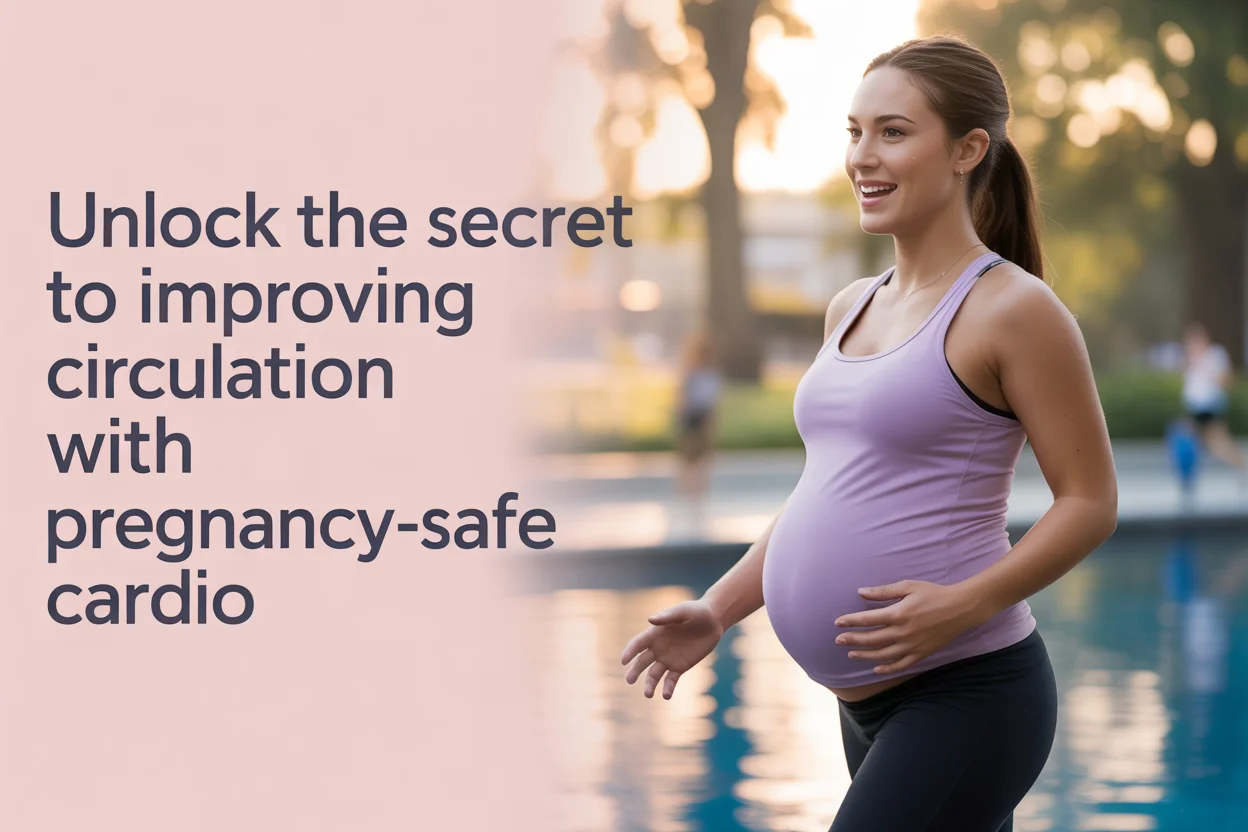
The great news is that you can actively support your body through this process. Learning how to Improve Circulation with safe and effective cardio exercises is a powerful way to enhance your well-being during these nine months and beyond.
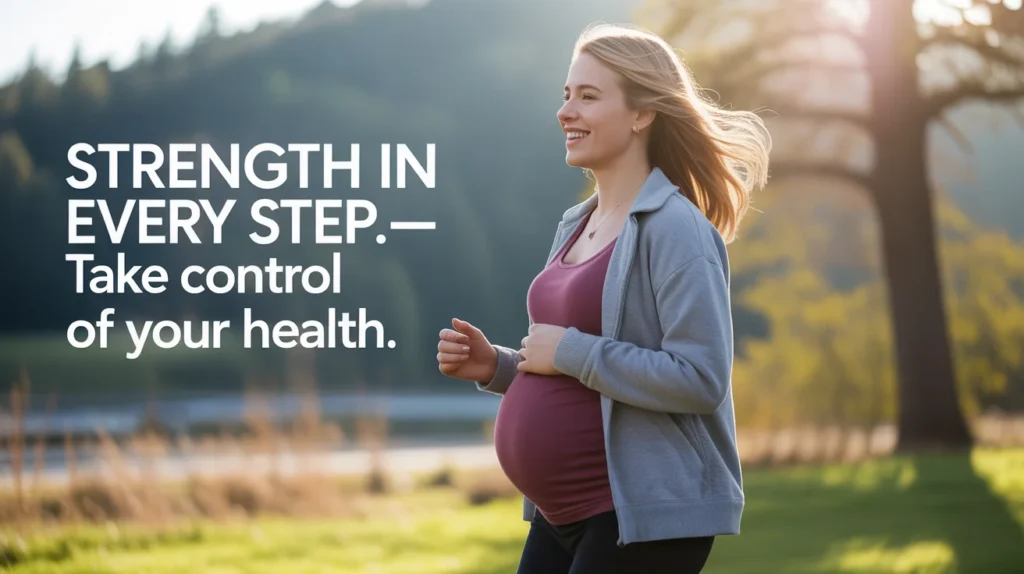
This guide will walk you through everything you need to know about pregnancy-safe cardio. We’ll explore why good circulation is so crucial, share simple and effective exercises you can do, and offer practical tips for even the busiest moms-to-be.
Key Takeaways
- Good circulation is vital: It delivers essential nutrients to your baby, reduces swelling and varicose veins, and boosts your energy levels.
- Safe cardio is effective: Low-impact activities like walking, swimming, and stationary cycling are excellent choices for expecting mothers.
- Listen to your body: Always pay attention to how you feel. Avoid overexertion, stay hydrated, and consult your doctor before starting any new exercise routine.
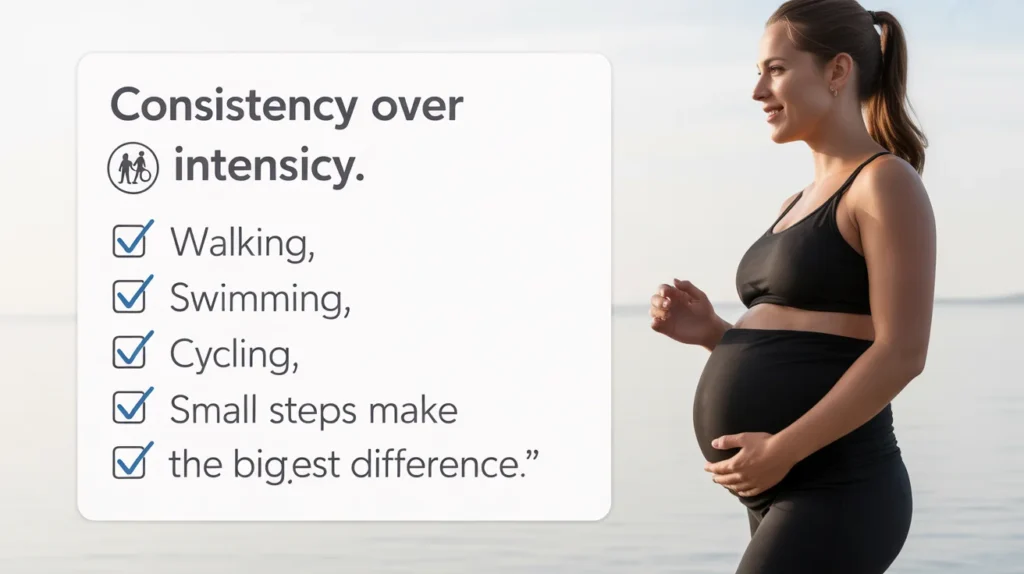
- Consistency is key: Even short bursts of activity throughout the day can make a significant difference in your circulatory health.
Why Is Good Circulation So Important During Pregnancy?
During pregnancy, your body undergoes a massive transformation to create a nurturing environment for your baby. Your blood volume can increase by up to 50%, and your heart has to pump harder to circulate this extra blood. When your circulation is efficient, it ensures that a steady supply of oxygen and nutrients reaches the placenta and your baby, which is crucial for healthy development.
Good circulation also provides significant benefits for you. It helps reduce common pregnancy discomforts like swollen ankles and feet (edema) by preventing fluid from pooling in your lower limbs. It can also lower your risk of developing varicose veins and more serious conditions like blood clots.
Furthermore, an effective circulatory system helps manage blood pressure and keeps your energy levels up, fighting off that all-too-common pregnancy fatigue. Taking steps to Improve Circulation is a direct investment in both your health and your baby’s.

The Amazing Benefits of Pregnancy-Safe Cardio
Engaging in regular cardio exercise during pregnancy offers a wealth of benefits that go far beyond just circulation. It’s a holistic way to support your physical and mental health.
Physical Health Benefits
- Strengthens Heart and Lungs: Regular cardio makes your cardiovascular system more efficient, which helps you handle the increased demands of pregnancy and prepare for the physical exertion of labor.
- Manages Weight Gain: While gaining weight is a necessary part of pregnancy, staying active can help you stay within the recommended guidelines, which lowers the risk of complications.
- Reduces Aches and Pains: Exercise strengthens your back and abdominal muscles, which can alleviate the back pain that many women experience.
Mental and Emotional Well-being
- Boosts Mood: Physical activity releases endorphins, which are natural mood elevators. This can help combat the mood swings and stress that sometimes accompany pregnancy.
- Improves Sleep: Many pregnant women struggle with sleep, but regular, gentle exercise can help you fall asleep faster and enjoy more restful nights. A simple daily walk can be a great way to Improve Circulation and prepare your body for a good night’s sleep.
Fresh, Modern Cardio Ideas to Improve Circulation During Pregnancy
Staying active during pregnancy doesn’t have to mean just walking or swimming. Today’s moms-to-be have more creative, enjoyable, and tech-driven options to help improve circulation while keeping things interesting and safe. Here are some innovative, less familiar choices you can try with your care provider’s approval:
Virtual Reality (VR) Cardio Workouts
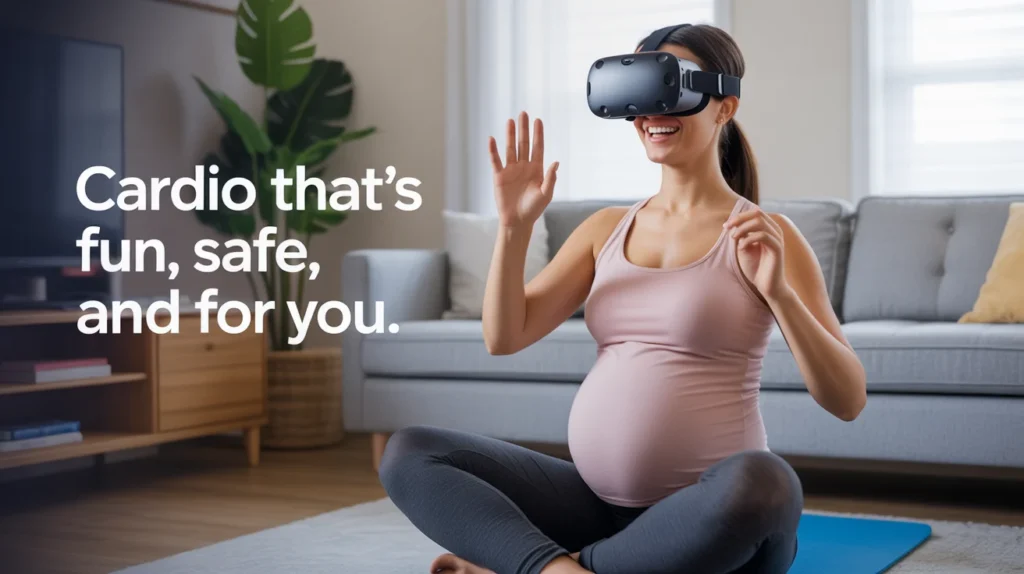
New technology makes movement immersive and fun. VR fitness apps offer guided cardio sessions—from light aerobic dance to interactive obstacle courses—that you can do in your living room. These workouts let you control the intensity, stay entertained, and gently raise your heart rate, all while supporting healthy circulation.

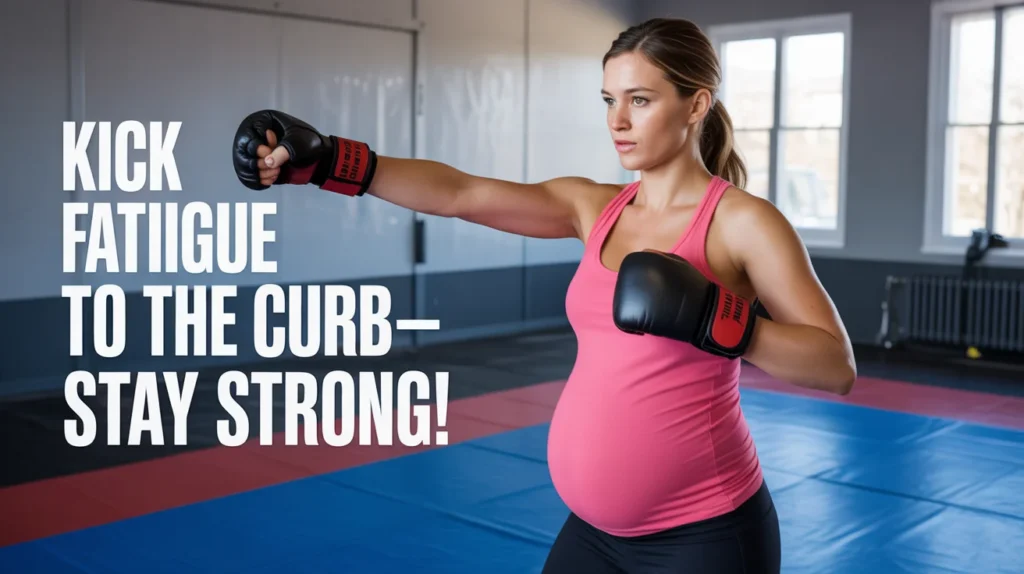
Prenatal Cardio Kickboxing (Low-Impact)
Modern prenatal kickboxing classes—in-person or online—focus on low-impact punches and kicks, minus any impact or risky movements. This exciting routine helps strengthen your arms and legs, improves circulation, and breaks up boredom. Always follow a class specifically designed for pregnancy.
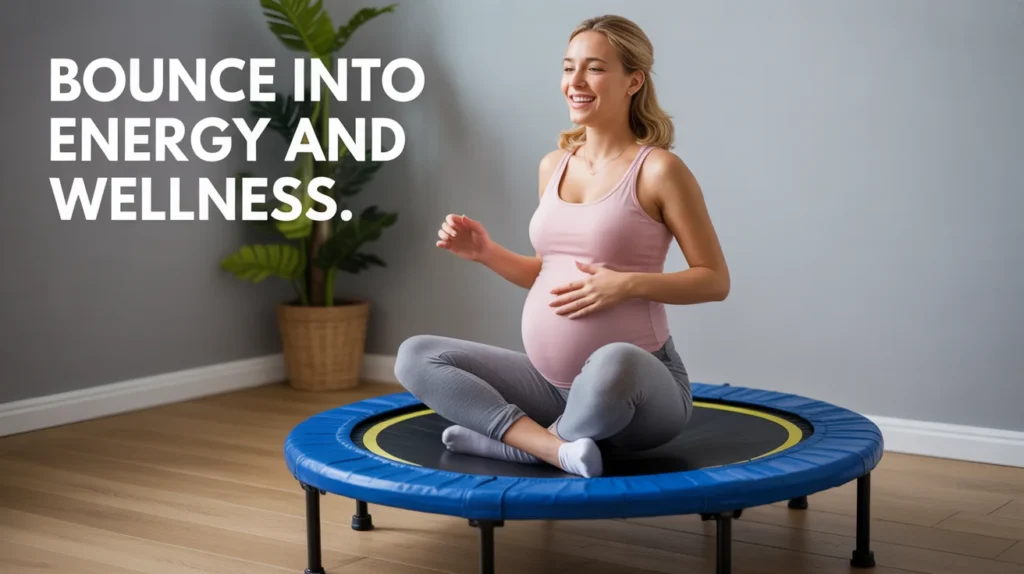
Mini-Trampoline Workouts (Rebounding)
Rebounding on a mini-trampoline has gained popularity in recent years. Gentle bouncing is low-impact on joints, stimulates lymph flow, and enhances blood circulation. Look for prenatal rebounding routines with slow, controlled bounces, and always hold onto a support bar if needed.
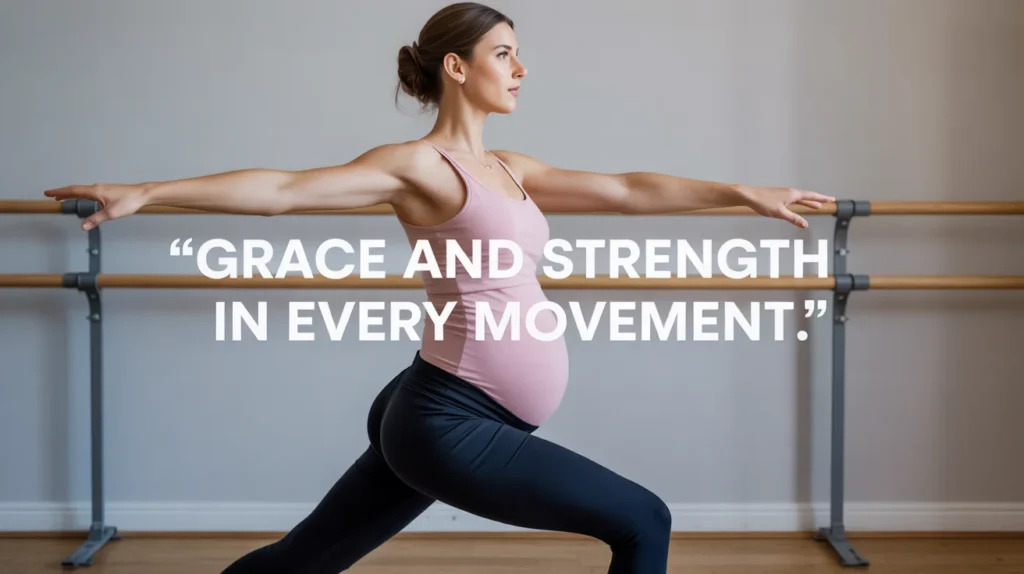
Cardio Barre and Mobility Flow
Cardio barre blends pilates, ballet-inspired movement, and gentle aerobic flow. Modern pregnancy-friendly cardio barre classes offer fun, rhythmic routines that boost your heart rate, sculpt your muscles, and promote circulation—without strain or overexertion.
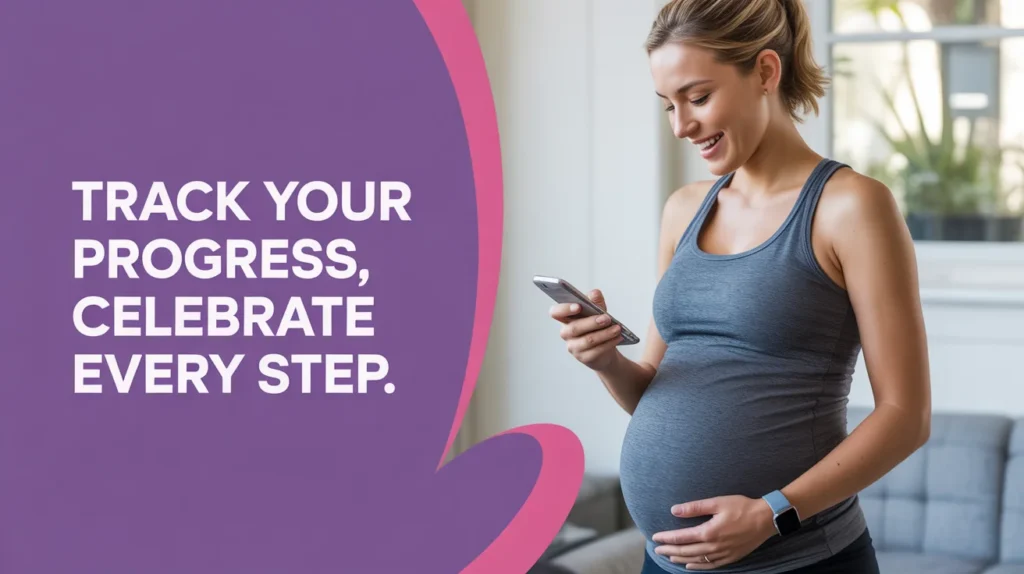
Interactive Cardio Apps & Wearable Tech
Many fitness platforms now offer interactive, app-guided prenatal cardio classes tailored to your trimester and energy levels. Using just your smartphone or smartwatch, you can track gentle HIIT intervals, light circuit routines, or dance walking that get your circulation moving while monitoring your heart rate and effort.
By adding these modern, less familiar options to your weekly movement, you’ll keep things fresh, make exercise more engaging, and find new ways to Improve Circulation throughout pregnancy.
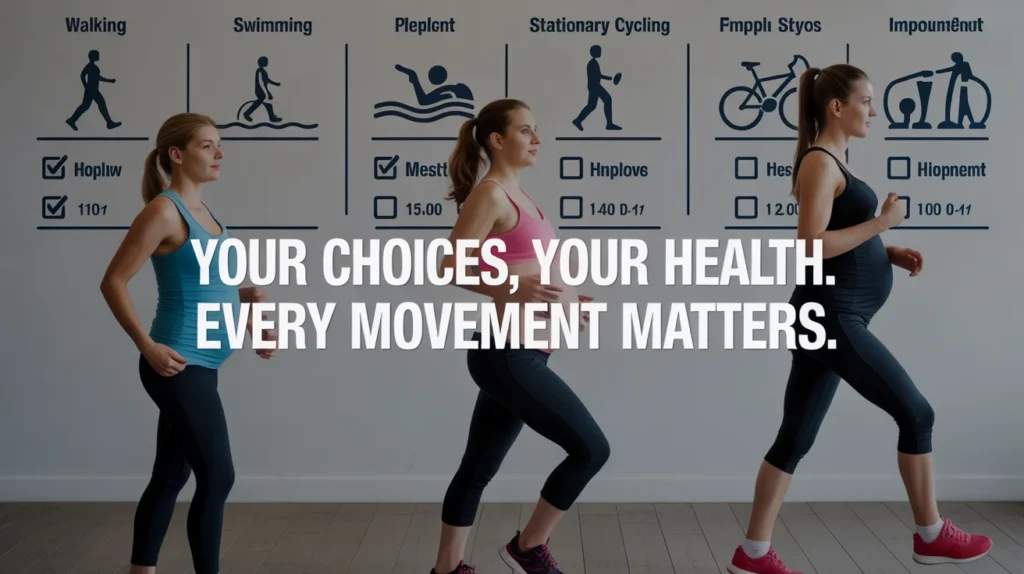
| Exercise | Impact Level | Key Benefits | Considerations |
|---|---|---|---|
| Walking | Low | Accessible, free, improves leg circulation. | Wear supportive shoes. |
| Swimming | Zero | Supports joints, reduces swelling, full-body workout. | Requires access to a pool. |
| Stationary Cycling | Low | No risk of falling, builds leg strength. | Adjust for comfort as belly grows. |
| Prenatal Yoga | Low | Increases flexibility, balance, and mindfulness. | Choose flowing styles for a cardio effect. |
How to Exercise Safely During Pregnancy
Your body’s needs change during pregnancy, so it’s important to adjust your workout routine accordingly. Safety should always be your number one priority.
The “Talk Test”
A simple way to monitor your intensity is the “talk test.” You should be able to carry on a conversation while you exercise. If you’re too breathless to speak comfortably, you’re likely working too hard and should slow down.
Warning Signs to Watch For
Stop exercising immediately and contact your healthcare provider if you experience any of the following symptoms:
- Vaginal bleeding or fluid leakage
- Dizziness or feeling faint
- Shortness of breath before starting exercise
- Chest pain
- Headache
- Painful uterine contractions
- Calf pain or swelling
Always consult with your doctor or midwife before starting a new exercise program. They can provide personalized advice based on your health history and current condition.
Simple Tips to Improve Circulation for Busy Moms-to-Be
We get it—life is busy, and pregnancy can be exhausting. Finding time for exercise might feel like a challenge. However, even small, consistent efforts can significantly Improve Circulation.
- Take Short Walking Breaks: If you have a desk job, set a reminder to get up and walk around for a few minutes every hour.
- Elevate Your Feet: Whenever you’re sitting or resting, prop your feet up on a pillow or stool. This uses gravity to help fluid return to your core and reduces swelling.
- Stay Hydrated: Drinking plenty of water helps thin your blood and allows it to flow more easily through your veins.
- Sleep on Your Left Side: As recommended by the American Pregnancy Association, sleeping on your left side can improve blood flow to the placenta. This position avoids placing the weight of the uterus on the inferior vena cava, a major vein.
- Wear Comfortable Shoes and Clothing: Avoid tight clothing, especially around your wrists and ankles. Choose supportive, comfortable footwear to promote better posture and circulation.

Nutrition’s Role in a Healthy Circulatory System
Exercise is a key piece of the puzzle, but what you eat also plays a huge role in your circulatory health. A balanced diet rich in certain nutrients can support blood vessel health and Improve Circulation.
Focus on incorporating foods high in vitamin C (citrus fruits, bell peppers), which helps strengthen blood vessel walls. Iron-rich foods like lean meats, beans, and spinach are crucial for producing hemoglobin, the protein in red blood cells that carries oxygen.
Staying well-hydrated by drinking plenty of water is also essential for maintaining healthy blood volume and flow. According to a resource from Harvard Health Publishing, foods rich in flavonoids and nitrates, like leafy greens and beets, are also beneficial for blood vessel function.

Conclusion
Taking proactive steps to Improve Circulation during pregnancy is one of the best gifts you can give yourself and your baby. By incorporating gentle, low-impact cardio like walking, swimming, or stationary cycling into your routine.
You can combat common discomforts, boost your energy, and support your baby’s healthy development. Remember to listen to your body, stay hydrated, and consult with your healthcare provider. Even small, consistent activities can make a world of difference. You’ve got this!
Frequently Asked Questions (FAQ)
Q1: How often should I do cardio during pregnancy?
Most experts recommend at least 150 minutes of moderate-intensity aerobic activity per week. This can be broken down into 30-minute sessions five days a week or even smaller 10-minute chunks throughout the day.
Q2: Can I continue my pre-pregnancy workout routine?
In many cases, yes, but with modifications. If you were very active before pregnancy, you can likely continue, but you’ll need to listen to your body and avoid high-impact or risky activities. Always discuss your routine with your doctor.
Q3: Are there any exercises I should absolutely avoid?
Yes. Avoid exercises that involve lying flat on your back after the first trimester, high-impact activities with a risk of falling (like skiing or outdoor cycling), and contact sports. Also, steer clear of “hot yoga” or any exercise in excessively hot conditions.
Q4: How soon after giving birth can I start exercising again?
This varies for every woman and depends on the type of delivery you had. Generally, if you had an uncomplicated vaginal delivery, you might be able to start light exercise within a few days. If you had a C-section or complications, you’ll need to wait longer. Always get clearance from your doctor before resuming exercise postpartum.