
How to Prevent 3rd Degree Tears During Childbirth
Get ready to upgrade your childbirth prep with new insights and breakthrough tips. If you’re a modern mom who wants the best for yourself and your baby, this article is for you. Gone are the days when Kegels and perineal massage were your only defense against 3rd degree tears.

Today, innovative exercises and technologies are changing the game—helping women get stronger, more flexible, and better prepared for a smooth delivery.
Curious? Let’s uncover next-generation strategies and approaches for minimizing the risk of 3rd degree tears and ensuring your postpartum recovery is faster and easier.

Key Takeaways
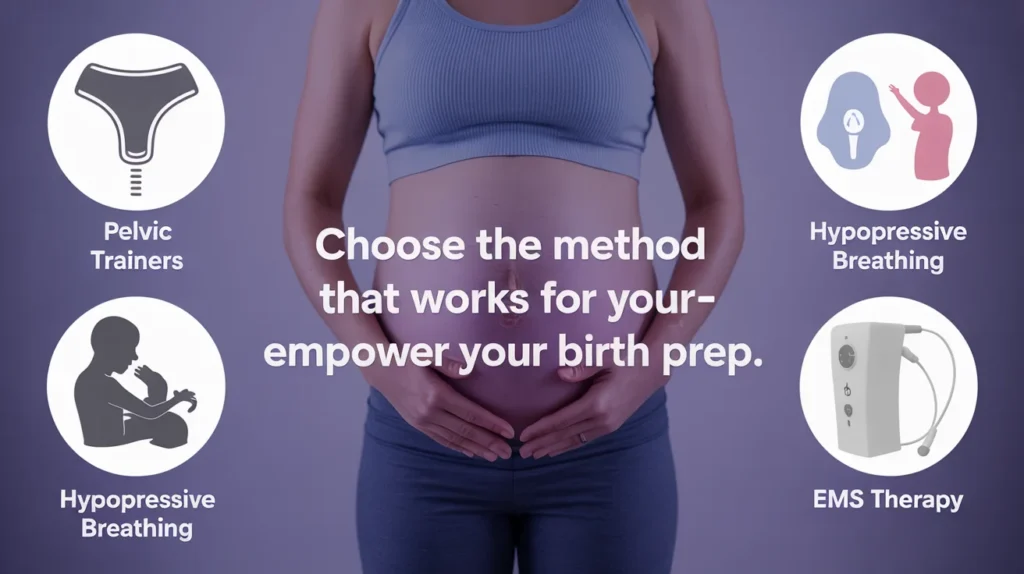
- High-Tech Pelvic Trainers: Use biofeedback devices and smart trainers for guided pelvic floor workouts.
- Hypopressive Breathing: A revolutionary core method that reduces perineal pressure during pushing.
- EMS Therapy: Safely builds pelvic muscle endurance and relaxation with gentle electrical impulses.
- Guided Stretching Apps: Real-time, AI-based stretching sessions target flexibility for childbirth.
- Movement-Based Birth Prep: Embrace new prenatal exercises such as Spinning Babies® and dynamic mobility routines.

Next-Gen Exercises to Prevent 3rd Degree Tears
Ready to ditch outdated advice? Let’s dive into scientifically-backed, modern movement routines and tech tools designed for the digital age.
Smart Pelvic Floor Training Devices
Today’s best pelvic exercises use smart trainers like Elvie Trainer or Perifit, which pair with your phone via Bluetooth. These devices provide real-time feedback, customized routines, and progress tracking—so you know your muscles are getting properly prepared for childbirth.
How to Use:
- Insert the trainer (FDA-approved and safe for pregnancy) as instructed.
- Follow the app’s games and graded exercises for both strength and relaxation.
- Most programs recommend 5–10 minutes, 4–5 times a week from your second trimester onward.
These smart devices make it easy for busy moms to fit essential workouts into their schedule.

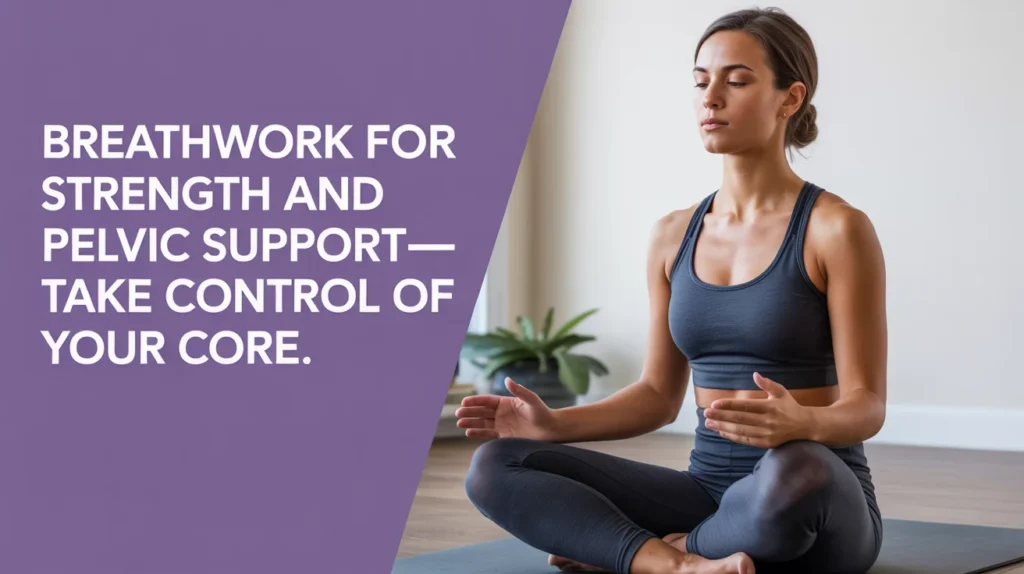
Hypopressive Breathing for Core and Pelvic Health
Hypopressive techniques are quickly gaining popularity in Europe and now in the US. They work the deep abdominal muscles while decreasing pressure on the pelvic floor—a huge win for preventing 3rd degree tears.
How to Practice Hypopressives:
- Stand or kneel comfortably, breathe in deeply, then exhale fully.
- With empty lungs, open your ribs and draw your abdomen upward and inward (like a gentle vacuum).
- Hold the position for 10–20 seconds, keeping your pelvic floor relaxed.
- Practice in sets of five, two to three times a week.
Early research and physical therapists note benefits in pelvic tone and delivery outcomes (source).
EMS (Electrical Muscle Stimulation) Pelvic Sessions
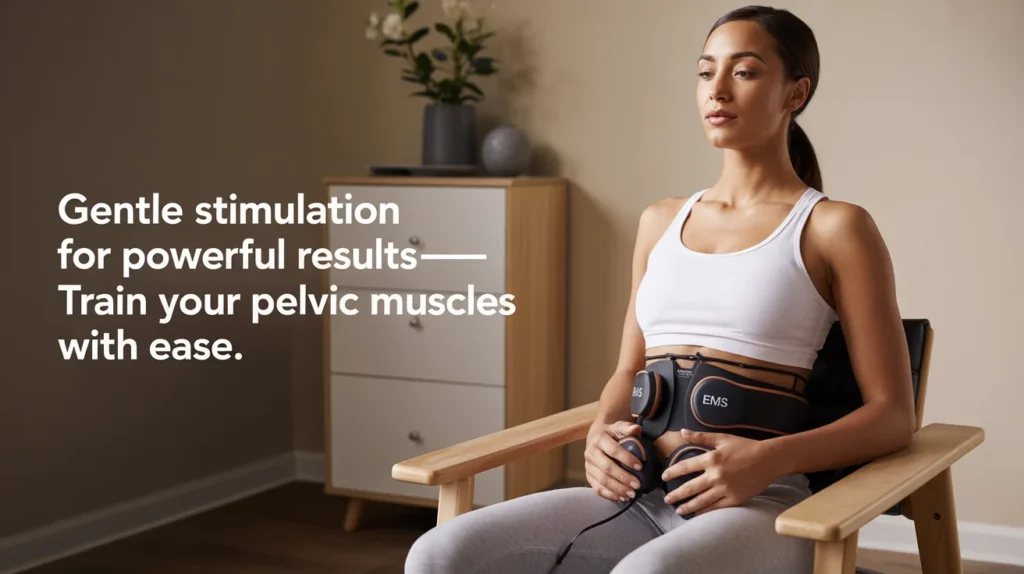
Electrical muscle stimulation (EMS) has entered the prenatal realm with gentle, clinically approved devices. These are NOT old TENS units but targeted pelvic floor trainers like INNOVO that use soft electrical impulses to contract and relax your muscles.
How It Works:
- Wear units as directed (typically placed externally).
- Relax while the device guides your muscles through low-intensity contractions.
- EMS can enhance neuromuscular control and help teach both engagement and relaxation.
Consult with your provider before starting, especially if you have a history of complications.
Prenatal Yoga with Birth-Focused Programs
Say goodbye to generic yoga. Apps like Expectful and studios such as YogaBirth now offer AI-guided prenatal flows, focusing on hip mobility, perineal relaxation, and breathing coordination for modern moms.
Highlights:
- Flows prioritize deep squats, “happy baby,” and modified pigeon poses for flexibility.
- Many classes include live instructor feedback delivered via your phone or tablet.

Dynamic Birth Prep: Spinning Babies® and Myofascial Mobility
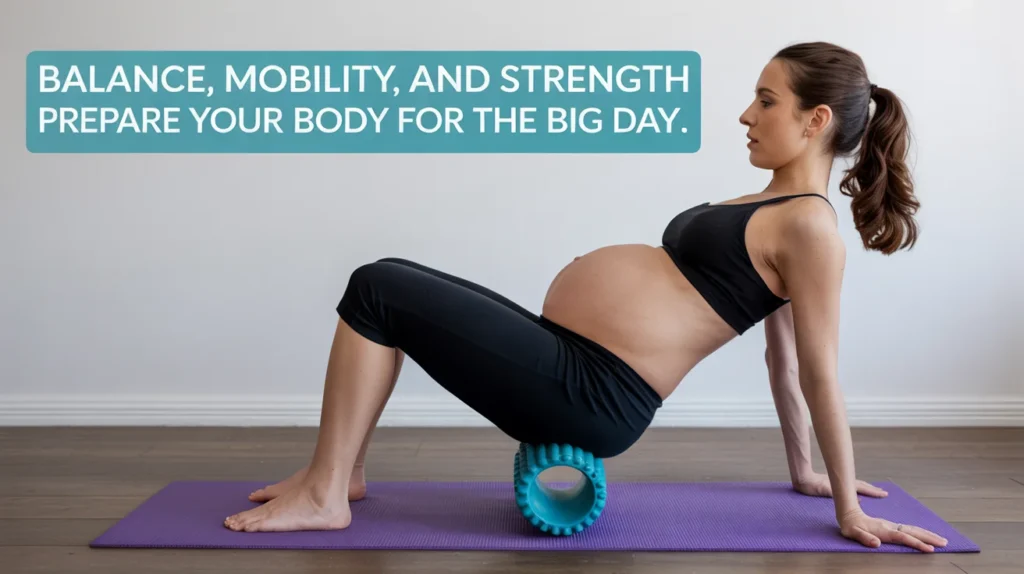
The Spinning Babies® method uses innovative stretches and movements (not just positions) to balance the pelvic floor and help baby settle into the ideal spot for birth. Myofascial release techniques—using yoga balls or foam rollers—can improve flexibility and ease tissue tension.
Movement Routines:
- Daily “Three Sisters of Balance” (sidelying release, forward-leaning inversion, and pelvic tilts).
- Myofascial rolling along thighs, glutes, and lower back to decrease resistance and boost circulation to perineal tissues.
Search for certified practitioners or guided YouTube sessions to ensure correct technique.
Virtual Reality Guided Mind-Body Prep
Believe it or not, some hospitals are piloting VR relaxation and birth visualization sessions. Studies show VR can reduce anxiety, teach perineal relaxation, and improve confidence—all of which may lower the risk of panic-based muscle clenching and severe tears. Try apps such as TRIPP or VR birth education modules if available in your area.

Understanding Perineal Tears
Even with modern tools, knowing what to prevent is key. 3rd degree tears extend through the perineal muscles into the anal sphincter and are more complex to recover from than superficial tears. Factors include baby size, maternal tissue elasticity, and birthing position—but consistent, innovative birth prep can tip the odds in your favor.

Warm Compresses and Modern Support Devices
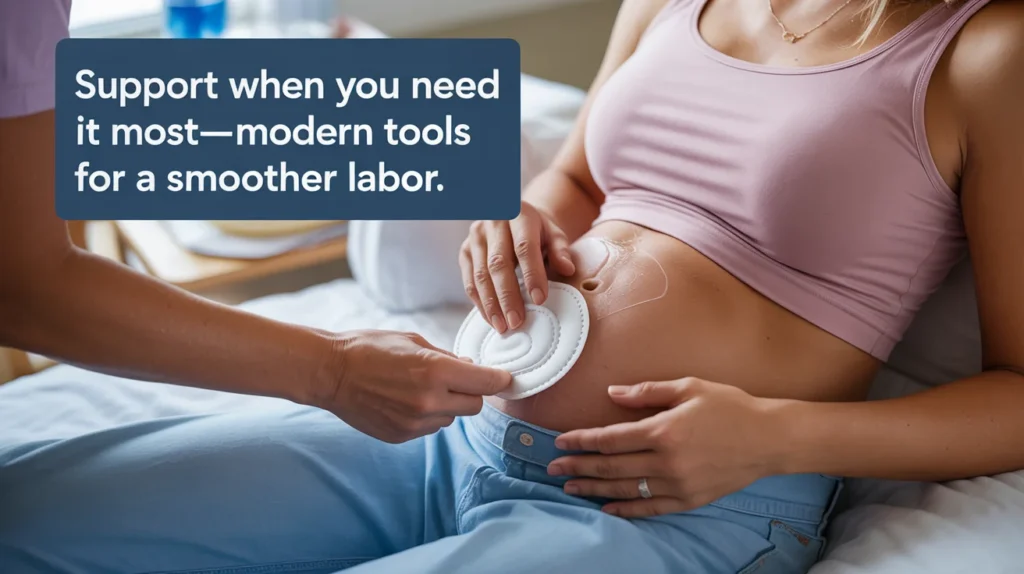
While warm compresses remain helpful, modern labor wards now use custom heated perineal pads (single-use and anti-microbial) and “birth slings” to provide warmth and gentle counter-pressure. Ask your provider about available options as you write your birth plan.
Advanced Techniques: Perineal Guard Devices
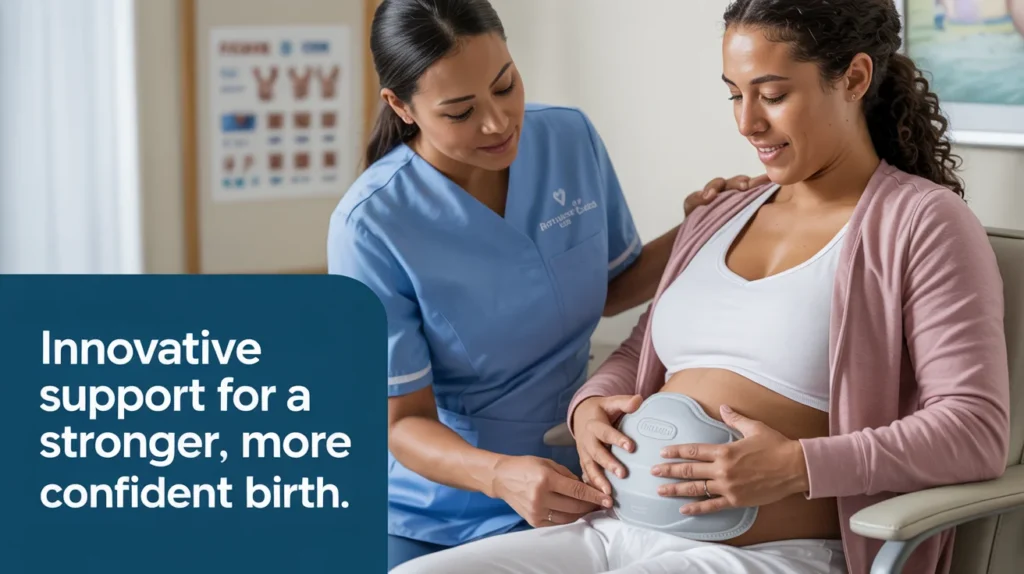
Emerging technologies include soft silicone perineal guards, which can be gently inserted in the final weeks of pregnancy and during early labor (with medical oversight). These guards distribute stretching forces more evenly and may lower severe tearing risk—check for FDA-cleared options and clinical studies in your area.
Comparison of Modern Methods
| Method | What Makes It Modern | How to Access |
|---|---|---|
| Smart Pelvic Floor Trainers | Real-time app feedback | Buy online, clinics, prescriptions |
| Hypopressive Breathing | Less pressure, whole core | Online classes, PT clinics |
| EMS Muscle Stimulation | Targeted muscle activation | Specialty PTs, approved devices |
| Guided Yoga/Birth Mobility | Personalized/AI tracking | Apps, live-stream classes |
| Myofascial Release | Mobility tools + expert videos | Purchase rollers/balls, YouTube |
| Perineal Guard Devices | Device-based tissue support | Provider prescription |
Post-Birth Recovery: New Technologies
Should a tear occur, healing technology is advancing too. Hydrogel dressings, at-home red light therapy for wounds, and digital wound monitoring can speed up healing and alert you (and your provider) if something isn’t right. Ask your OB or midwife about digital recovery options.

Modern FAQ: What Today’s Moms Ask
Q: Are tech-based pelvic trainers really better than Kegels?
A: Yes! Devices use sensors and feedback to optimize your form and progression, lowering injury and increasing strength.
Q: What’s hypopressive breathing and is it safe during pregnancy?
A: It’s a modern core workout emphasizing pressure reduction. Studies and clinicians support its use for most healthy pregnancies—just get a pro assessment if you’re new to deep breathing or have special risks.
Q: Can I use EMS if I’m pregnant?
A: Some EMS units are cleared for prenatal pelvic floor therapy, but always consult your OB or PT before beginning.
Q: Are perineal guards proven?
A: Early clinical trials are promising! Use devices cleared by your provider, especially in high-risk or first-time deliveries.

Conclusion
If you’re seeking ways to avoid 3rd degree tears, step into the future of birth prep. Smart technology, tailored movement routines, and ground-breaking tools are finally giving mothers real empowerment. Talk to your healthcare team about integrating these methods and enjoy the confidence that comes with being truly prepared for childbirth.
For more on safe, innovative pregnancy and recovery, check resources like the American College of Nurse-Midwives or Physical Therapy Board of California.