Introduction:
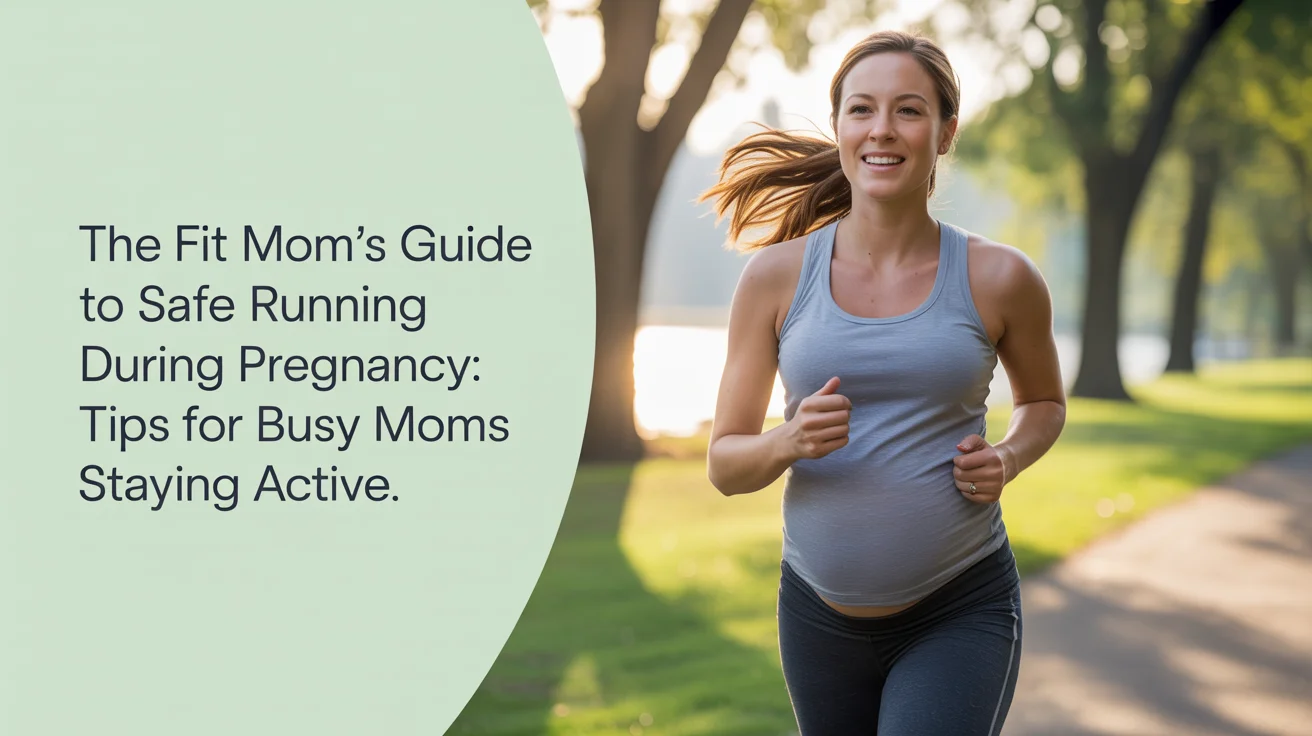
Pregnancy is an exciting and transformative journey, but that doesn’t mean you have to stop staying active! Safe Running During Pregnancy can be a great way to maintain fitness, boost mood, and stay strong—but it’s important to do so safely. As a busy mom-to-be, finding ways to stay active can feel challenging, but with the right approach, you can continue running while taking care of yourself and your baby. This guide will provide you with tips for running safely during pregnancy, the benefits of staying active, and how to modify your running routine to suit your changing body.

Why Running During Pregnancy Can Be Beneficial
Safe Running During Pregnancy is an excellent cardiovascular exercise that strengthens the heart, tones muscles, and boosts energy levels. During pregnancy, staying active has numerous benefits, including:
- Improved Mood: Physical activity helps release endorphins, which are natural mood boosters and can help combat pregnancy-related mood swings.
- Better Sleep: Regular exercise like running can improve sleep quality and reduce pregnancy insomnia.
- Enhanced Stamina: Running increases endurance, which can be helpful during labor and postpartum recovery.
- Prevents Excess Weight Gain: Staying active helps manage weight gain during pregnancy by burning calories and improving overall health

Tips for Safe Running During Pregnancy
Running during pregnancy is possible, but it’s important to listen to your body and adjust as needed. Here are some key tips to keep in mind:
1. Check with Your Doctor First
Before continuing or starting any exercise routine, including Safe Running During Pregnancy, make sure to consult your doctor. Every pregnancy is unique, and it’s important to ensure that running is safe for you and your baby, especially if you have any complications.
2. Listen to Your Body
Pregnancy can cause a lot of physical changes, so it’s essential to pay attention to how your body feels. If you experience dizziness, shortness of breath, pelvic pressure, or any discomfort while running, stop immediately and rest. It’s okay to slow down or take a break when needed.
3. Modify Your Running Routine
As your pregnancy progresses, you may need to modify your running routine. Instead of long, intense runs, switch to shorter, gentler jogs or brisk walks as the measure of Safe Running During Pregnancy. Consider reducing your pace and focusing on consistent, steady movement rather than speed.
4. Wear Proper Running Shoes
Proper footwear is crucial during pregnancy to avoid injury. Choose running shoes with good arch support, cushioning, and stability. Your feet may swell during pregnancy, so make sure your shoes still fit comfortably as your body changes.
5. Stay Hydrated
Hydration is key, especially when you’re running. Drink plenty of water before, during, and after your run to stay hydrated and prevent overheating, which can be harmful during pregnancy.
6. Avoid Running in Extreme Heat
Pregnant women are more susceptible to overheating, so it’s best to avoid running in hot, humid conditions. Run during cooler parts of the day, such as early morning or late evening, and choose shady routes.

When to Avoid Running During Pregnancy
There are certain situations where running may not be safe. If you experience any of the following, stop running and consult your doctor immediately:
- Severe Morning Sickness: If you’re dealing with nausea or vomiting, it’s better to rest and avoid physical exertion until you feel better.
- Pain or Discomfort: Sharp pain, cramping, or pelvic pressure during running should never be ignored.
- Pre-existing Medical Conditions: If you have complications like preeclampsia, placenta previa, or other conditions, running might not be safe.
- Shortness of Breath: If you find yourself gasping for air or unable to catch your breath, stop running and switch to walking.

Alternatives to Safe Running During Pregnancy
If running doesn’t feel comfortable or safe at any point in your pregnancy, there are many alternatives that can still help you stay active without compromising your health:
- Walking: A low-impact option that still provides excellent cardiovascular benefits.
- Swimming: Swimming is gentle on the joints and provides a full-body workout, making it ideal during pregnancy.
- Prenatal Yoga or Pilates: These exercises focus on flexibility, strength, and breathing, which can prepare your body for labor and delivery.
- Stationary Cycling: A safe alternative to running, which is gentle on the joints and improves cardiovascular health.

Conclusion: Staying Active and Strong During Pregnancy
Running during pregnancy can be a rewarding way to stay fit and active, but it’s important to approach it with caution and adjust your routine as needed. Remember, your health and safety—and that of your baby—come first. By following the tips above and listening to your body, you can continue to enjoy the benefits of running while maintaining a healthy and safe pregnancy. So lace up those running shoes, stay active, and embrace this beautiful journey with confidence!