Introduction: Embracing Fitness in the First Trimester
The first few weeks of pregnancy are a whirlwind of emotions and physical changes. You might be thrilled, anxious, and overwhelmingly tired all at once. For many women, the first trimester brings a unique set of challenges, including persistent nausea, hormonal shifts, and a level of fatigue you never knew was possible. With so much happening, the thought of exercise can feel daunting. Yet, moving your body during this crucial time can be one of the best things you do for your physical and mental well-being.
Staying active with safe pregnancy exercises can help combat fatigue, reduce stress, improve mood, and alleviate common discomforts like backaches and constipation. It also sets a healthy foundation for the rest of your pregnancy and helps prepare your body for the demands of labor and delivery.
For busy moms, especially those already chasing after other little ones, the key is to find a routine that is safe, manageable, and adaptable to your fluctuating energy levels.
This guide is your first trimester survival manual for fitness. We’ll explore which first trimester workouts are beneficial, which ones you should put on hold, and how to listen to your body’s new signals.
Workouts to Do in the First Trimester
During the first trimester, the goal is to maintain your fitness level and establish a consistent routine of gentle movement. If you were active before pregnancy, you can likely continue with a modified version of your current activities. If you’re new to exercise, now is a great time to start with low-impact options.
Walking
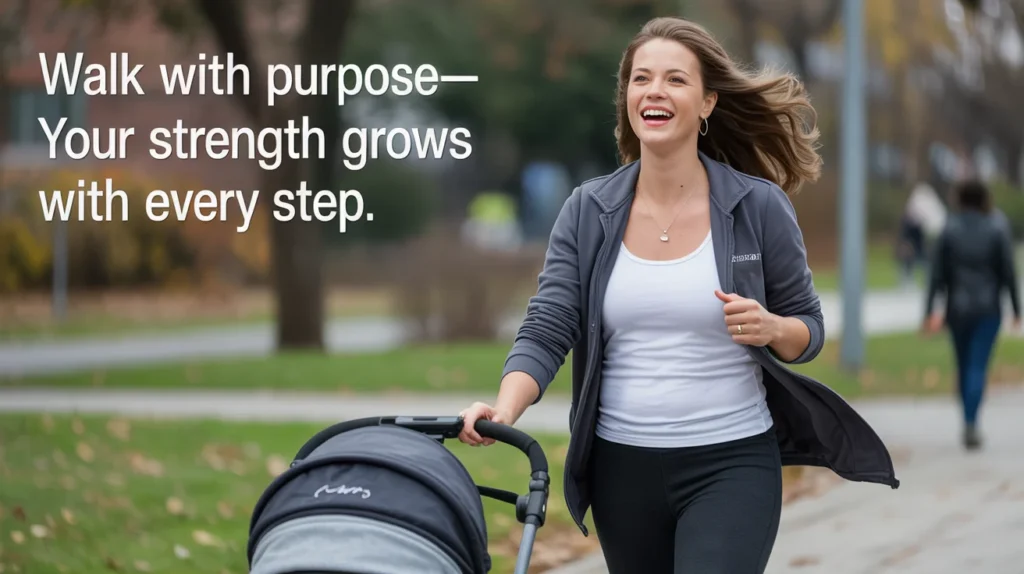
Never underestimate the power of walking. It is arguably the most accessible and beneficial exercise for pregnant women. It’s a low-impact cardiovascular workout that is easy on your joints, requires no special equipment, and can be adjusted to match your energy level on any given day. A brisk walk elevates your heart rate, improves circulation, and can be a wonderful mood booster.
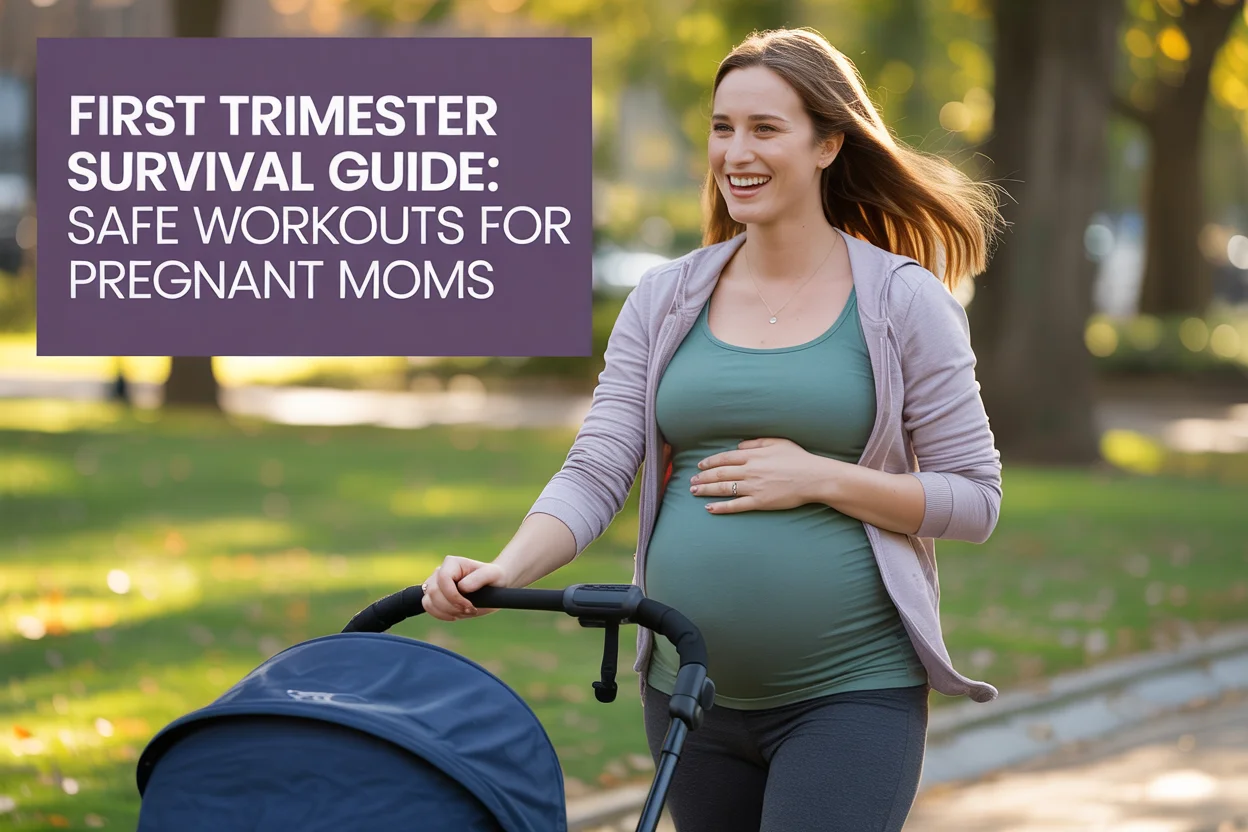
Getting outside for a walk can also help alleviate nausea for some women. Start with 15-20 minutes a day and gradually increase to 30 minutes or more as you feel comfortable. If you’re already a mom, popping your toddler in a stroller for a walk is a great way to get your movement in while entertaining them.
Swimming and Water Aerobics
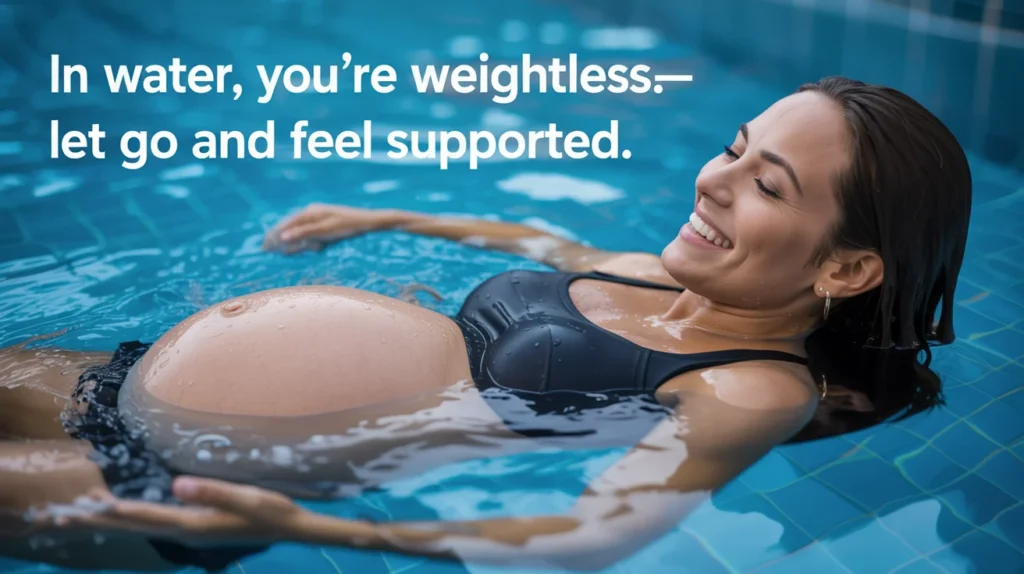
The pool is a pregnant woman’s paradise. The buoyancy of the water supports your body, taking the pressure off your joints and spine, which can provide immense relief. Swimming is a full-body workout that strengthens your muscles and improves cardiovascular health without any jarring impact.
Water aerobics is another fantastic option. The resistance of the water helps build strength, and the group setting can be motivating. Many facilities offer prenatal water classes specifically designed for moms-to-be. Even just treading water or walking laps in the pool can feel amazing and provide a safe, effective workout.
Prenatal Yoga
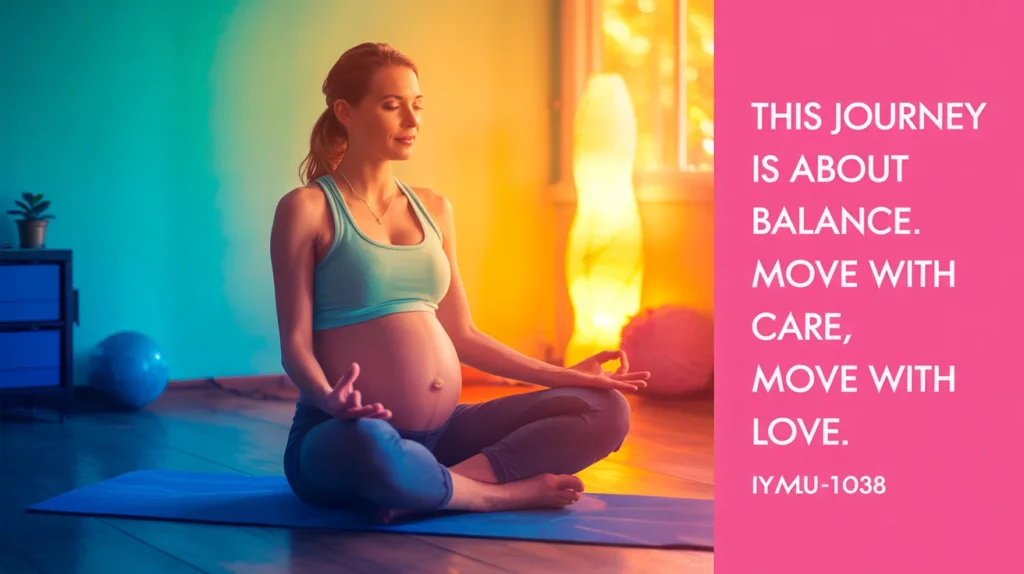
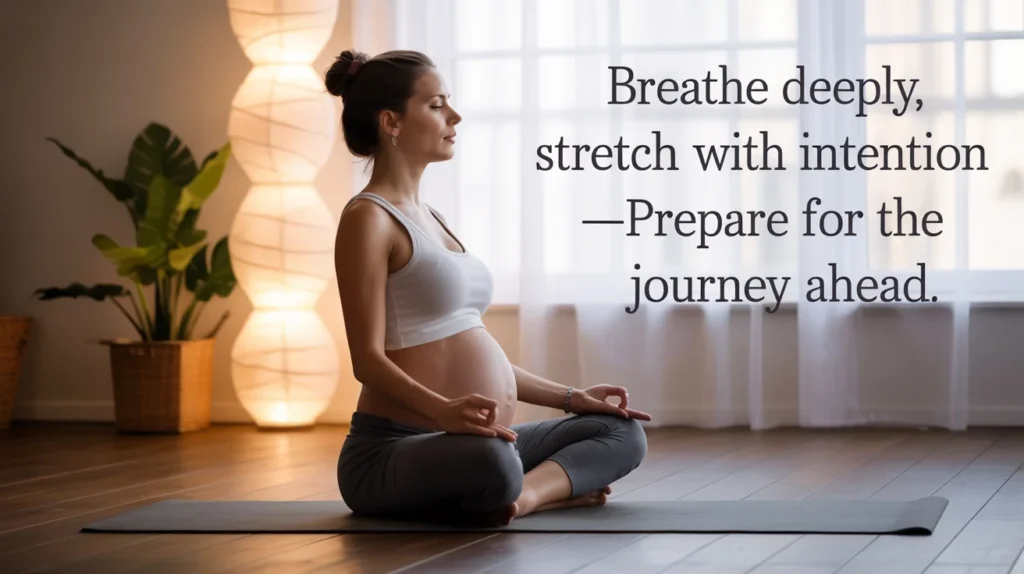
Prenatal yoga is designed to support the changes your body is going through. It focuses on gentle stretching, strength, balance, and mindful breathing techniques that can be incredibly useful during labor and delivery. Yoga helps to improve flexibility, reduce stress, and can alleviate common pregnancy aches like lower back pain and sciatica.
Look for a certified prenatal yoga instructor who can guide you through safe poses and modifications. Poses that involve deep twisting or lying flat on your belly will be avoided. Instead, the focus will be on hip openers, gentle backbends like Cat-Cow, and strengthening poses that create space for your growing baby.
Light Strength Training
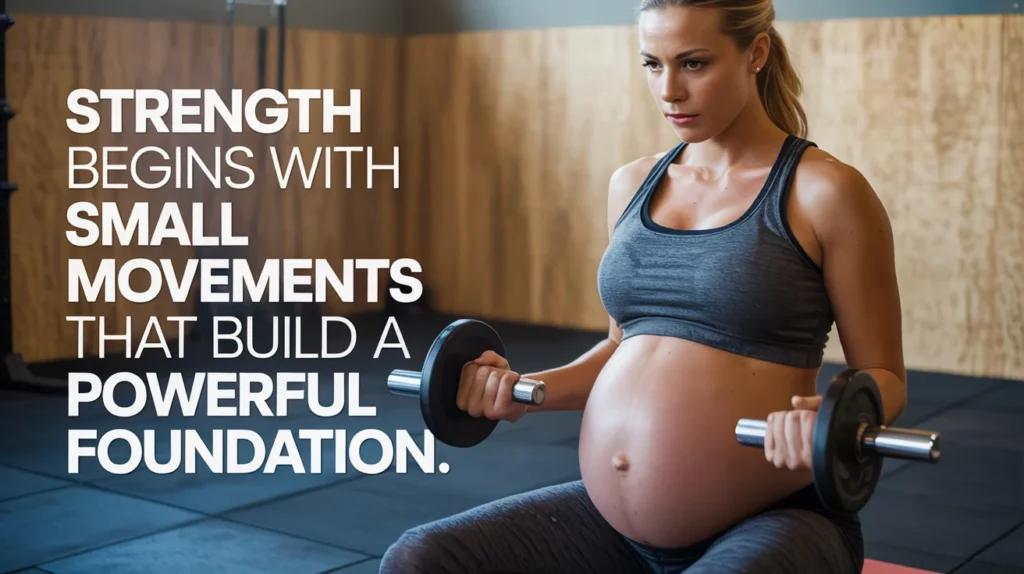
Maintaining muscle tone is important for supporting your changing body and preventing injury. You can continue with strength training, but it’s time to make some modifications. The first trimester is the time to reduce the intensity and focus on form over heavy lifting. Hormonal changes make your ligaments and joints looser, increasing your risk of injury.
Focus on bodyweight exercises or use light weights. Good options include:
- Squats: An excellent exercise for strengthening your glutes, hips, and pelvic floor.
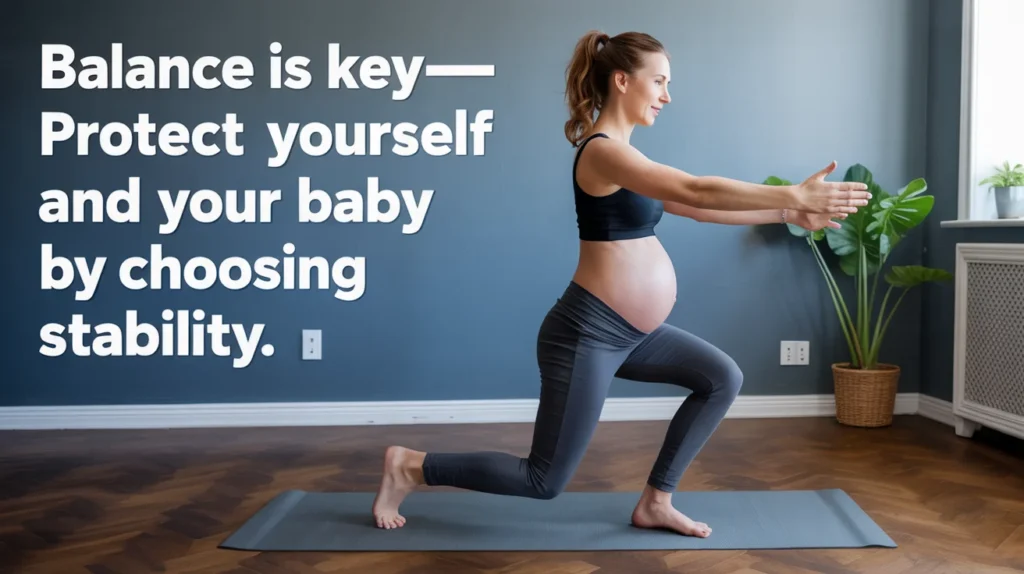
- Lunges: Help with balance and lower body strength.
- Glute Bridges: Great for activating your glutes and hamstrings to support your lower back.
- Modified Push-ups: You can do them on your knees or against a wall to reduce the strain on your core.
Always listen to your body. You should be able to hold a conversation while exercising (the “talk test”). If you feel any pain, stop immediately.
Workouts to Avoid in the First Trimester
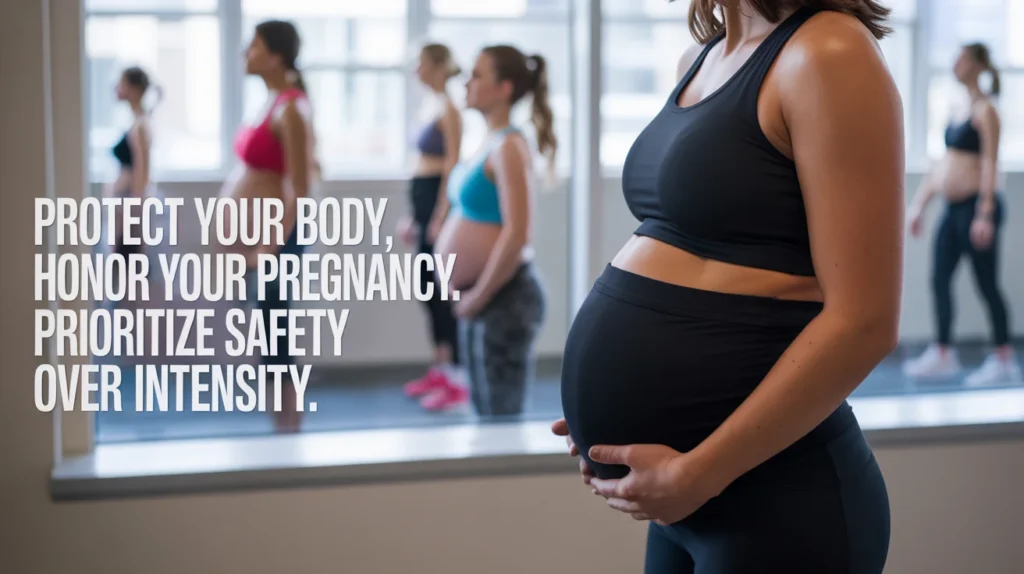
While staying active is encouraged, some activities are not safe during pregnancy and should be avoided, even in the early weeks. The primary goal is to keep both you and your developing baby safe from harm.

High-Impact Activities
Exercises that involve a lot of jumping, jarring motions, or quick changes in direction can increase the risk of falls and put unnecessary stress on your joints, which are already loosening due to the hormone relaxin. It’s best to put a pause on activities like:
- High-Intensity Interval Training (HIIT) with plyometrics (like jump squats or burpees)
- Kickboxing
- Intense step aerobics
If you love these workouts, talk to a certified prenatal fitness specialist about how you might modify them safely. Often, you can swap the high-impact moves for low-impact alternatives.
Contact Sports
This one might seem obvious, but any sport that carries a risk of being hit in the abdomen should be avoided. The potential for impact could harm the developing fetus. Sports that fall into this category include:
- Soccer
- Basketball
- Hockey
- Volleyball
Even if you’re careful, the unpredictable nature of these sports makes them too risky during pregnancy.

Activities with a High Risk of Falling
As your center of gravity begins to shift and your joints become less stable, your balance can be compromised. This makes activities with a high risk of falling particularly dangerous. It’s best to avoid:
- Downhill skiing or snowboarding
- Horseback riding
- Gymnastics
- Outdoor cycling on uneven terrain (stationary biking is a great alternative)
While you may feel perfectly stable in the first trimester, it’s wise to start transitioning to safer alternatives early on.
Exercises Lying Flat on Your Back
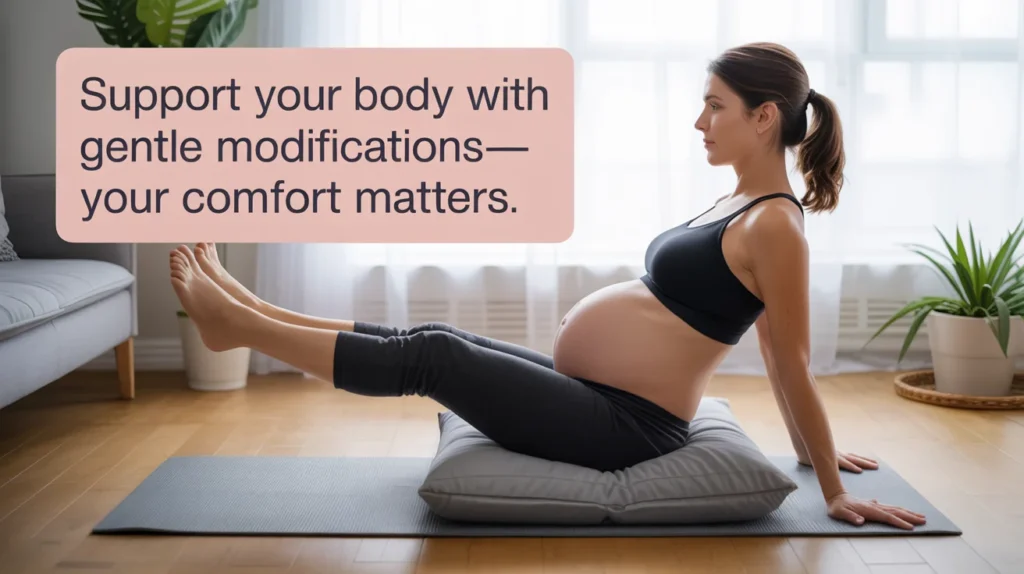
While the risk is lower in the first trimester compared to later in pregnancy, it’s a good habit to start modifying exercises that require you to lie flat on your back for extended periods. As the uterus grows, it can compress a major blood vessel called the vena cava, which can reduce blood flow to your heart and to the baby.
Instead of traditional crunches or sit-ups (which can also worsen abdominal separation), focus on core-stabilizing exercises like bird-dog or modified planks during First Trimester. If you are doing exercises like a chest press, use an incline bench or prop yourself up with pillows.
Hot Yoga or Exercising in Extreme Heat
Exercising in a hot, humid environment can raise your core body temperature to a level that may be dangerous for the developing fetus, especially during the first trimester. For this reason, activities like “hot yoga” (Bikram yoga) or exercising outside on a very hot day should be avoided. Always stay well-hydrated and choose cool, well-ventilated spaces for your workouts.

Conclusion: Listen to Your Body and Give Yourself Grace
The first trimester is a journey of profound change. Some days you may feel up for a brisk walk, and other days, getting off the couch will feel like a victory. Both are okay. The most important rule of first trimester fitness is to listen to your body and give yourself grace.

Focus on consistency over intensity. A short walk every day is more beneficial than one grueling workout a week that leaves you exhausted. Celebrate every small effort you make to care for yourself and your growing baby. Remember that rest is just as productive and necessary as movement during this time.
Ready to create a safe and effective fitness plan for your pregnancy? Save this article to your Pinterest board for easy reference. Always consult with your doctor or midwife before starting or continuing any exercise program to ensure it’s the right choice for you and your unique pregnancy journey.