Introduction To Miscarriage Risk
Pregnancy brings a wave of questions and concerns, especially for first-time moms. You want to do everything right for your growing baby. One question that often comes up is about exercise. Is it safe? Can physical activity harm the baby? A common fear is whether exercise could increase the Miscarriage Risk. It’s a valid concern that deserves a clear and honest answer.
For years, outdated advice told pregnant women to rest and avoid physical exertion. Thankfully, we now know much more. Modern medical advice has shifted dramatically. This article will explore the relationship between exercise and pregnancy, separating fact from fiction.
We’ll look at the latest research, guidelines from medical experts, and what you need to know to stay healthy and active safely. Prepare to discover the reassuring truth about moving your body during this special time.
Key Takeaways
- In most healthy pregnancies, regular exercise does not increase the Miscarriage Risk.
- Physical activity offers significant benefits for both mother and baby, including improved mood, better sleep, and reduced risk of gestational diabetes.
- It’s crucial to modify your exercise routine as your pregnancy progresses and listen to your body’s signals.
- Certain high-risk conditions require a doctor’s guidance on physical activity. Always consult your healthcare provider before starting or continuing an exercise program.
- Safe exercises include walking, swimming, prenatal yoga, and stationary cycling, while contact sports and activities with a high risk of falling should be avoided.

Understanding Miscarriage: What You Need to Know
A miscarriage is the spontaneous loss of a pregnancy before the 20th week. It’s a deeply saddening event, but it’s important to know that it is often not anyone’s fault. The vast majority of miscarriages happen because the fetus isn’t developing as it should.
Chromosomal abnormalities are the most common cause, accounting for more than half of all early pregnancy losses. These are random genetic issues that prevent the embryo from growing.
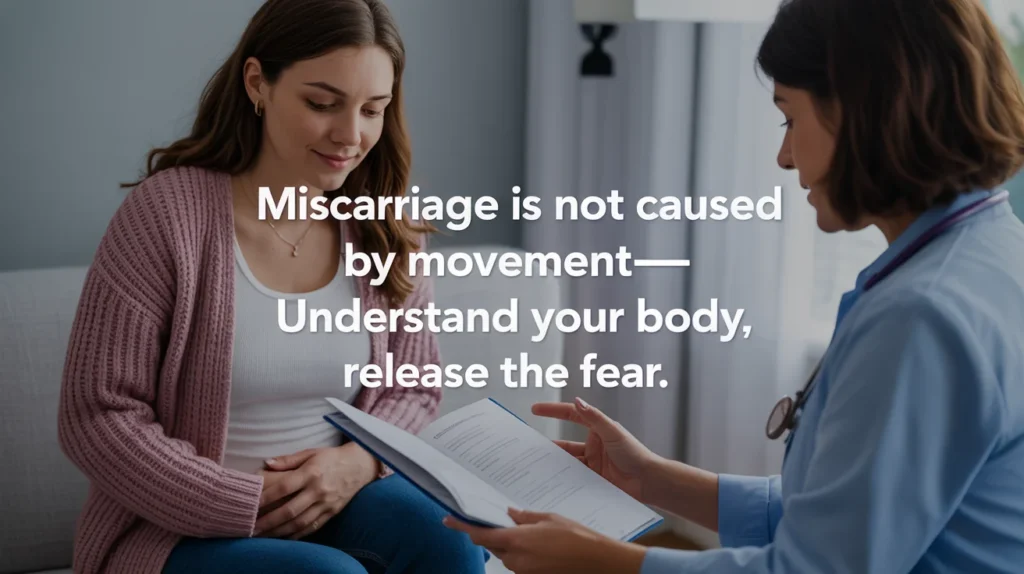
Other factors can contribute to pregnancy loss, such as maternal health problems (like uncontrolled diabetes or thyroid issues), uterine abnormalities, or certain infections. However, the routine activities of a healthy person, like working, having sex, or engaging in moderate exercise, are not causes of miscarriage.
Understanding this helps remove the misplaced guilt many women feel. The fear that a morning walk or a yoga class could increase the Miscarriage Risk is largely unfounded for those with a normal, low-risk pregnancy.
The Official Stance: What Do the Experts Say?
When it comes to medical advice, it’s best to turn to the leading experts. Organizations like the American College of Obstetricians and Gynecologists (ACOG) provide evidence-based guidelines for pregnant women.
Their recommendation is clear: physical activity is not only safe but also highly recommended during a healthy pregnancy. ACOG suggests that pregnant women should aim for at least 150 minutes of moderate-intensity aerobic activity every week.
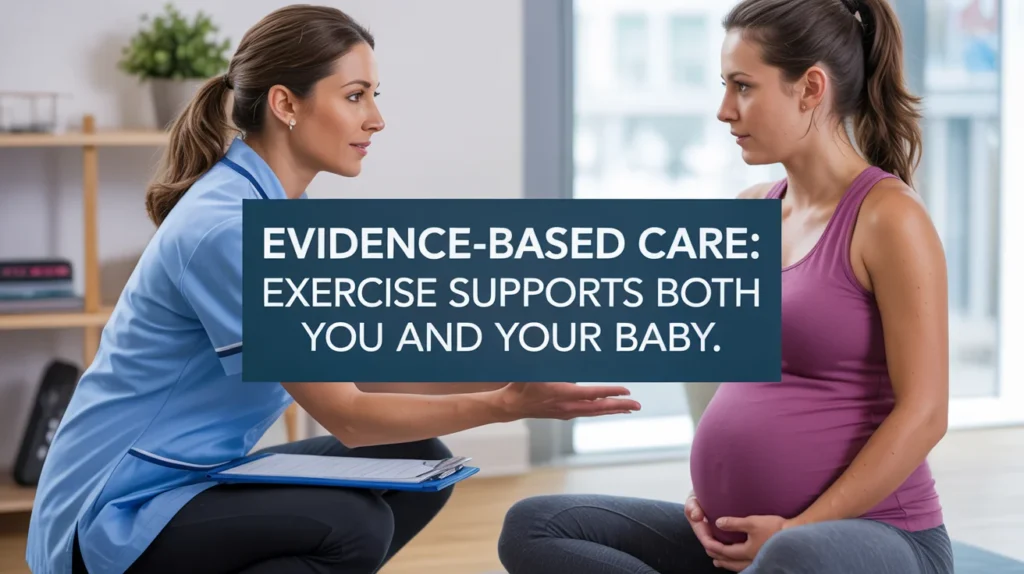
This isn’t just a casual suggestion; it’s based on extensive research. Studies consistently show that women who exercise during pregnancy have better outcomes. These guidelines are a strong reassurance that regular physical activity does not raise the Miscarriage Risk.
In fact, ACOG states that there is no evidence to link exercise with miscarriage. This expert consensus helps debunk the old myth that pregnant women should be fragile and inactive. Instead, it promotes a proactive approach to health for both mother and baby.
The Benefits of Staying Active During Pregnancy
The advantages of exercising while pregnant are numerous and impact your physical and mental well-being. It’s not just about staying fit; it’s about making your pregnancy journey smoother and healthier.
- Reduces Discomfort: Regular movement can ease backaches, constipation, bloating, and swelling.
- Boosts Mood and Energy: Exercise releases endorphins, which can help combat pregnancy-related fatigue and mood swings.
- Improves Sleep: Many pregnant women struggle with sleep, and physical activity can help you rest more soundly.
- Prepares Your Body for Labor: Strengthening your heart and blood vessels improves your stamina, which is a big help during childbirth.
- Lowers Gestational Diabetes Risk: Staying active helps your body manage blood sugar levels more effectively.
- Promotes Healthy Weight Gain: Exercise can help you stay within the recommended weight gain guidelines, which is beneficial for both you and your baby.
When Does Exercise Pose a Danger?
While exercise is safe for most, there are specific situations where caution is necessary. Your doctor might advise you to limit or avoid physical activity if you have certain medical conditions or pregnancy complications.
These are instances where the body is already under significant stress, and adding more could pose a problem. It’s in these specific, high-risk scenarios that concerns about activity levels are medically justified, though not necessarily directly linked to increasing the Miscarriage Risk from movement itself.
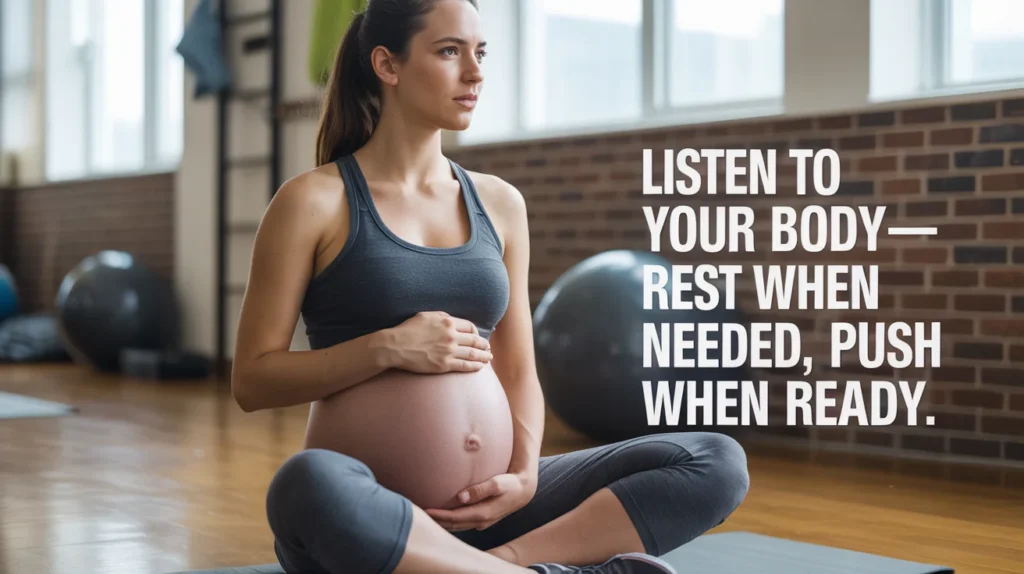
Your healthcare provider will give you specific guidance based on your personal health history. Open communication is key to ensuring a safe and healthy pregnancy.
Medical Conditions Requiring Caution
- Certain Heart and Lung Diseases: Pre-existing conditions that affect your cardiovascular system may require careful management.
- Cerclage: A procedure where the cervix is stitched closed to prevent premature birth.
- Placenta Previa: A condition where the placenta covers the cervix, which can cause bleeding.
- Severe Anemia: A low red blood cell count can impact oxygen delivery during exertion.
- Preeclampsia: A serious condition characterized by high blood pressure.
- History of Preterm Labor: If you are at risk for delivering early.

Safe vs. Unsafe Exercises: A Clear Guide
Knowing which exercises are safe and which to avoid is crucial. The goal is to move your body in a way that feels good and supports your pregnancy, not one that puts you or your baby at risk.
Safe Exercise Choices for Expectant Moms
These activities are generally considered safe and effective. They are low-impact, meaning they don’t put a lot of stress on your joints, and can be easily modified as your body changes.
- Walking: An excellent, accessible exercise for all fitness levels.
- Swimming and Water Aerobics: The water supports your weight, making it easy on your joints and back.
- Stationary Cycling: A great way to get your heart rate up without the risk of falling.
- Prenatal Yoga: Helps with flexibility, breathing, and stress reduction. Just be sure to avoid deep twists or poses that put pressure on your belly.
- Modified Pilates: Focuses on core strength, which can help with back pain.
- Strength Training: Using light weights and focusing on proper form is safe and beneficial.

Exercises to Avoid During Pregnancy
These activities carry a higher risk of injury, falls, or trauma to the abdomen. It’s best to put them on hold until after your baby arrives.
| Safe Exercises | Unsafe Exercises |
|---|---|
| Swimming & Water Aerobics | Contact Sports (e.g., soccer, basketball) |
| Brisk Walking | Activities with a high risk of falling (e.g., skiing, horseback riding) |
| Stationary Cycling | Scuba Diving |
| Prenatal Yoga & Pilates | “Hot Yoga” or “Hot Pilates” |
| Light Strength Training | Exercises that involve lying flat on your back after the first trimester |
Listening to Your Body: The Most Important Rule
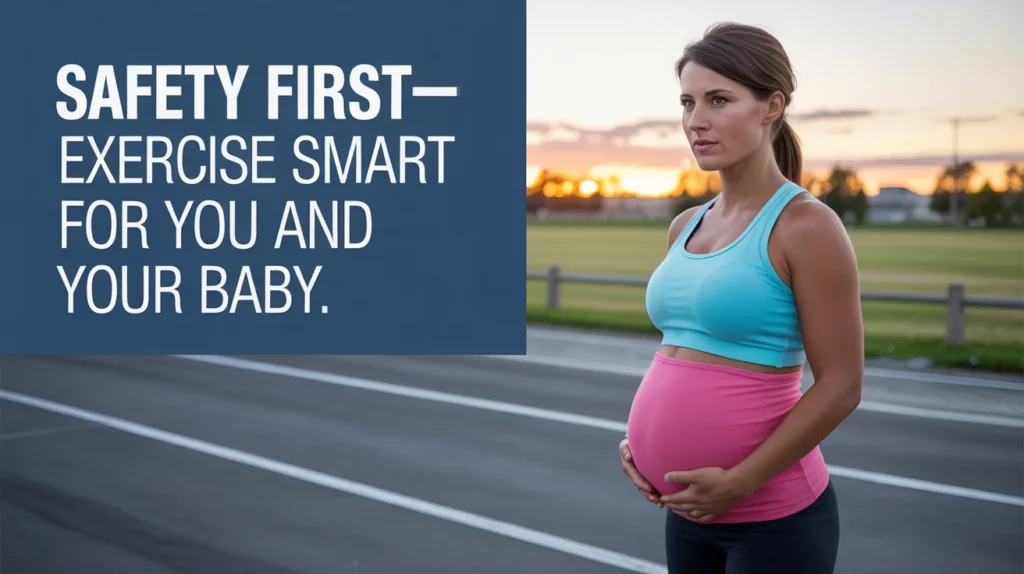
Your body gives you signals, and during pregnancy, it’s more important than ever to pay attention to them. What felt great yesterday might not feel right today. As your baby grows, your center of gravity shifts, your hormones relax your ligaments, and you might feel more tired. It’s okay to slow down, take extra breaks, or choose a gentler activity.
Never push yourself to the point of exhaustion. A good rule of thumb is the “talk test.” You should be able to hold a conversation while you exercise. If you’re too breathless to speak, you’re probably working too hard.

Warning Signs to Stop Exercising
If you experience any of the following symptoms, stop exercising immediately and contact your doctor or midwife:
- Vaginal bleeding
- Dizziness or feeling faint
- Chest pain
- Headache
- Muscle weakness
- Calf pain or swelling
- Regular, painful contractions of the uterus
- Fluid leaking from the vagina

Debunking the Myths: Exercise and Miscarriage Risk
Let’s address the core fear head-on. The belief that a workout could cause a miscarriage is a persistent myth. As we’ve discussed, the primary causes of miscarriage are chromosomal abnormalities that are outside of anyone’s control. A healthy pregnancy is surprisingly resilient. The uterus and the amniotic fluid that surrounds the baby provide a safe, cushioned environment. Moderate exercise does not jostle or harm the baby.
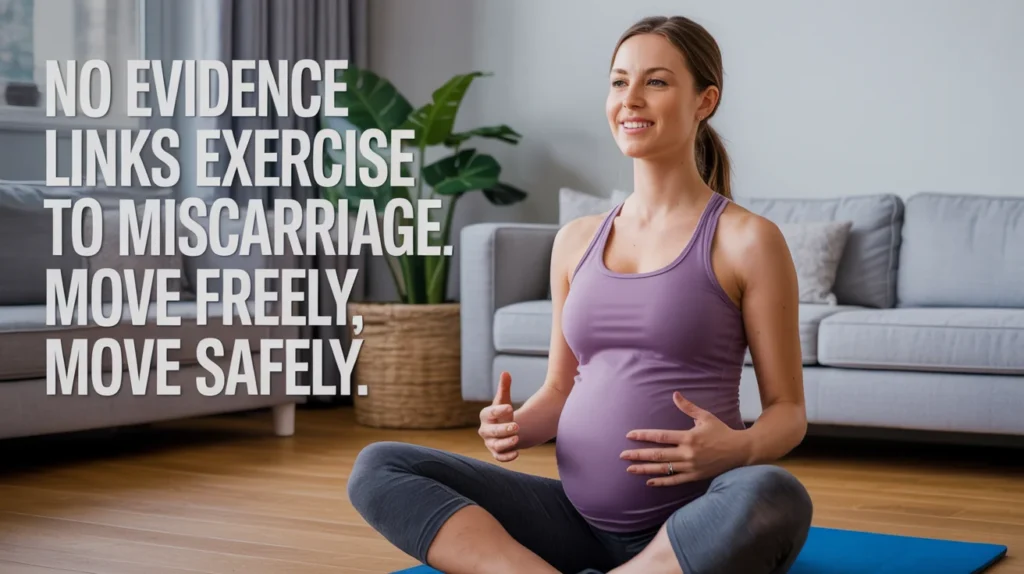
ACOG and other health bodies have confirmed this through years of data. There is no credible scientific evidence that connects moderate physical activity to an increased Miscarriage Risk. On the contrary, an active lifestyle supports a healthy pregnancy. Continuing to spread this myth only causes unnecessary anxiety for expectant mothers.
Creating a Safe Pregnancy Workout Plan
Ready to get moving? The best approach is to start slowly and consult your healthcare provider. If you were active before pregnancy, you can likely continue your routine with some modifications. If you were inactive, begin with something gentle, like 15-20 minutes of walking, and gradually increase the duration and intensity.
Your plan should focus on consistency rather than intensity. Aim for about 30 minutes of moderate activity on most, if not all, days of the week. Remember to warm up before each session and cool down afterward.

Hydration is also key, so be sure to drink plenty of water before, during, and after your workout. Creating a safe plan helps you reap all the benefits of exercise without worrying about an elevated Miscarriage Risk.
Conclusion: Embrace an Active Pregnancy
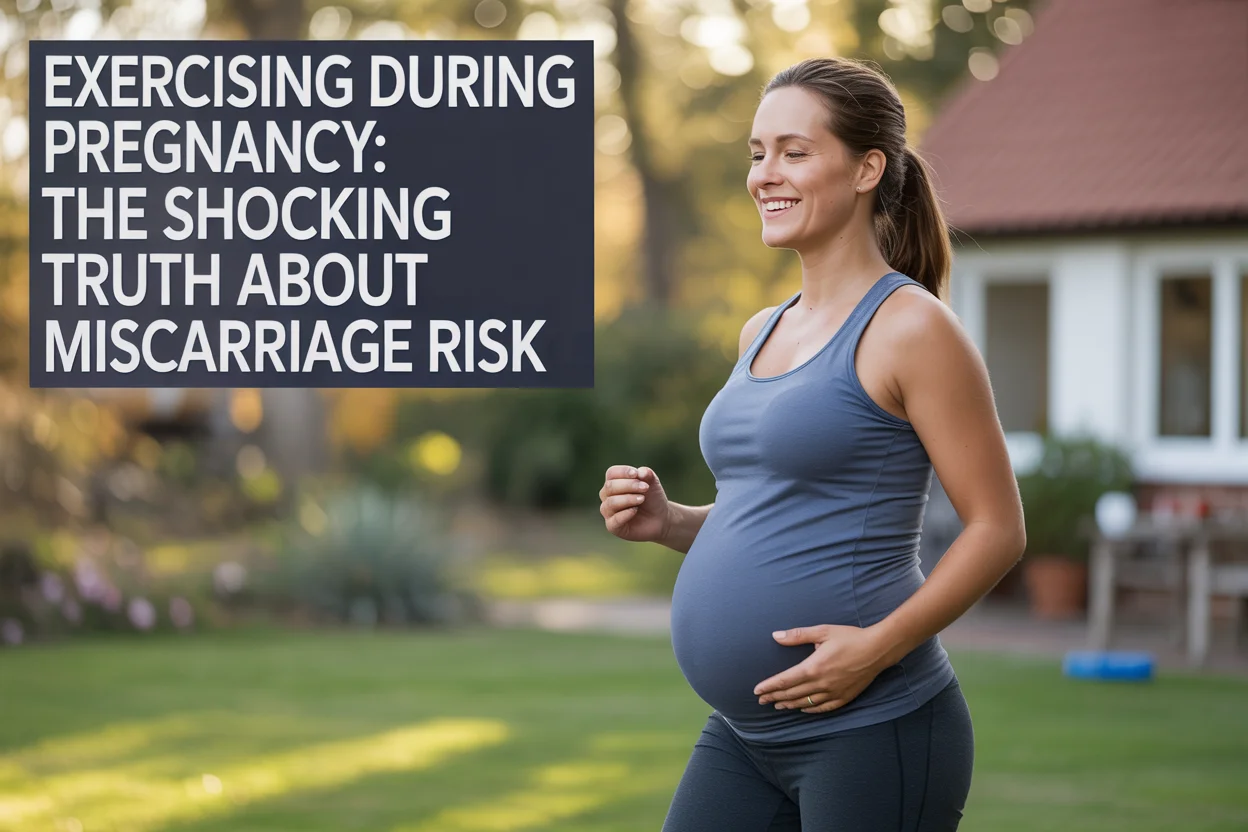
The evidence is overwhelming: for the majority of women, exercising during pregnancy is not only safe but also incredibly beneficial. The “shocking truth” is that the long-held fear linking physical activity to a higher Miscarriage Risk is a myth.
By choosing appropriate activities, listening to your body, and staying in communication with your doctor, you can confidently and safely maintain an active lifestyle.

Embracing movement can help you feel stronger, more energetic, and better prepared for the journey of labor and motherhood. So, tie up your sneakers, find a prenatal yoga class, or head to the pool. Your body and your baby will thank you.
Frequently Asked Questions (FAQ)
Q1: How soon can I start exercising after finding out I’m pregnant?
A: If you have a healthy, uncomplicated pregnancy, you can start or continue exercising right away. However, always consult your healthcare provider first to get their official approval.
Q2: Can exercise in the first trimester increase the Miscarriage Risk?
A: No. For healthy pregnancies, moderate exercise during the first trimester does not increase the Miscarriage Risk. Most first-trimester miscarriages are due to chromosomal issues.
Q3: What if I was not active before getting pregnant?
A: It’s a great time to start! Begin slowly with low-impact activities like walking or swimming for 15-20 minutes a day. You can gradually increase the duration as you feel more comfortable.
Q4: Are crunches and other ab exercises safe during pregnancy?
A: Traditional crunches and exercises that involve lying flat on your back should be avoided after the first trimester. This position can put pressure on a major vein, reducing blood flow to your heart and uterus. Instead, focus on core exercises like modified planks and pelvic tilts.
Q5: How much weight is safe to lift during pregnancy?
A: There’s no single answer, as it depends on your pre-pregnancy fitness level. A general rule is to use lighter weights and focus on more repetitions. Avoid lifting heavy weights that cause you to strain or hold your breath. Always prioritize proper form.