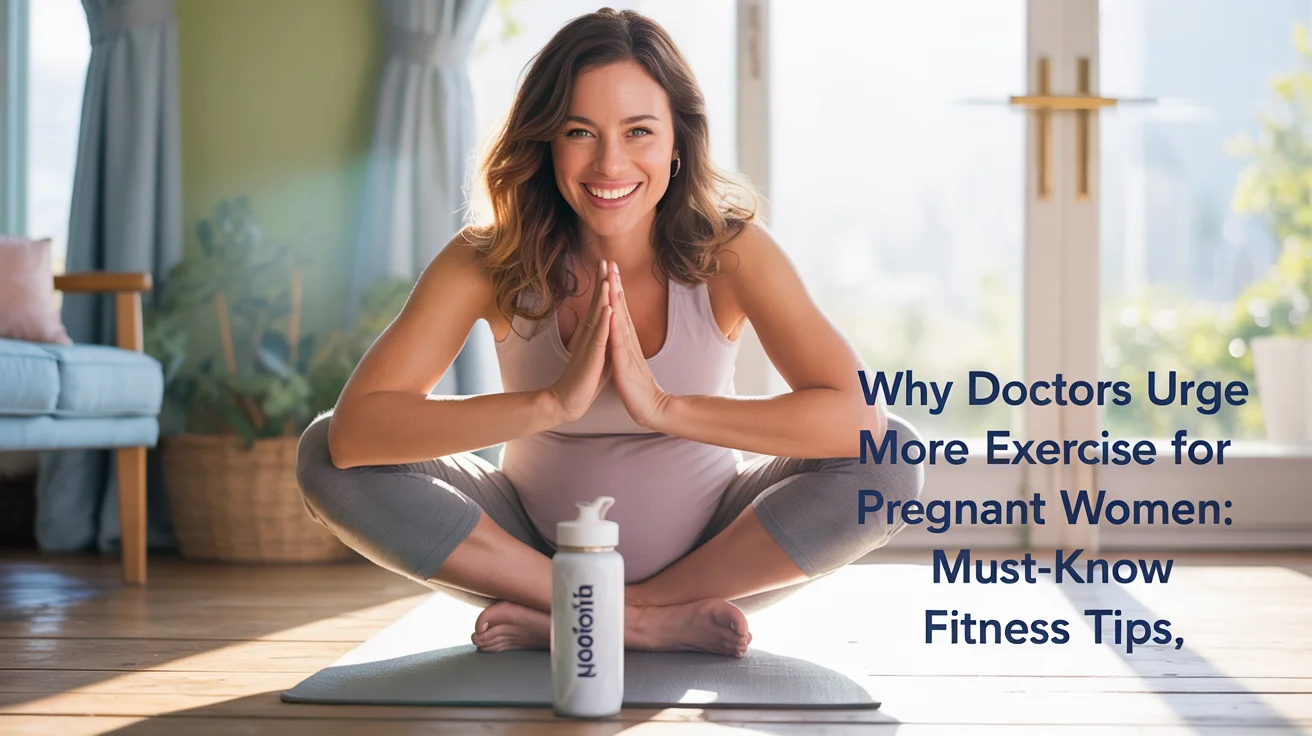
Staying active during pregnancy can feel like a challenge, especially when you’re juggling work, family, and the many changes happening to your body. However, the chorus of medical professionals is growing louder and clearer on this topic.
It’s a common refrain that Doctors Urge More Exercise for expectant mothers, and for good reason. Regular physical activity during pregnancy offers a wealth of benefits for both you and your baby, transforming your nine-month journey into a healthier and more comfortable experience.

Doctors Urge More Exercise guide is designed for busy moms-to-be who want to understand the importance of staying active. We will explore the compelling reasons behind this medical advice, provide practical fitness tips that fit into a packed schedule, and offer guidance on how to exercise safely. Think of this as your go-to resource for a fit and healthy pregnancy.
Key Takeaways
- Benefits for Mom & Baby: Exercise during pregnancy can reduce the risk of complications like gestational diabetes and preeclampsia, ease common discomforts, and potentially lead to an easier labor and faster recovery.
- Safety First: It’s crucial to consult your healthcare provider before starting or continuing any exercise regimen. They can offer personalized advice based on your health history.
- Listen to Your Body: Pregnancy is not the time to push for peak performance. Pay attention to signs of overexertion and modify activities as your body changes.
- Consistency Over Intensity: Even short, 15-20 minute bursts of moderate activity most days of the week can make a significant difference.
The Science Behind a Fit Pregnancy
For years, the conventional wisdom was for pregnant women to rest and take it easy. While rest is still important, modern research has flipped that script. We now have substantial evidence showing that for most low-risk pregnancies, sedentary behavior is more harmful than helpful.
The American College of Obstetricians and Gynecologists (ACOG) recommends at least 150 minutes of moderate-intensity aerobic activity every week. This is why Doctors Urge More Exercise—it’s a proactive step toward a healthier outcome for both you and your baby.

Engaging in regular physical activity can help manage weight gain, improve your mood by releasing endorphins, and boost your energy levels. It strengthens your heart and blood vessels, which improves the flow of oxygen and nutrients to your baby.
Staying active also builds the stamina you’ll need for labor and delivery. A fit body is better prepared for the physical demands of childbirth and tends to recover more quickly postpartum. The message is clear: an active pregnancy sets the stage for better health long after your baby arrives.
Reducing Pregnancy-Related Risks
One of the most significant reasons Doctors Urge More Exercise is its ability to lower the risk of serious pregnancy complications. Two of the most common concerns are gestational diabetes and preeclampsia.
Gestational diabetes is a type of diabetes that occurs during pregnancy, affecting how your cells use sugar and leading to high blood sugar levels that can impact your baby’s health. Studies show that women who are physically active before and during pregnancy have a significantly lower risk of developing this condition.

Preeclampsia, characterized by high blood pressure and signs of damage to other organ systems, is another serious complication. While the exact causes are complex, maintaining a healthy weight and good cardiovascular health through exercise can be a protective factor.
By staying active, you are not just managing symptoms; you are actively working to prevent these conditions from developing, ensuring a safer journey for you and your little one.
Alleviating Common Pregnancy Discomforts
Pregnancy comes with its share of aches and pains. Backaches, bloating, constipation, and swelling are all common complaints. The great news is that Doctors Urge More Exercise can be a powerful, natural remedy for many of these issues.
For instance, a brisk walk can improve digestion and reduce bloating. Specific stretches and activities like prenatal yoga can strengthen your back and core muscles, easing the strain caused by your growing belly.
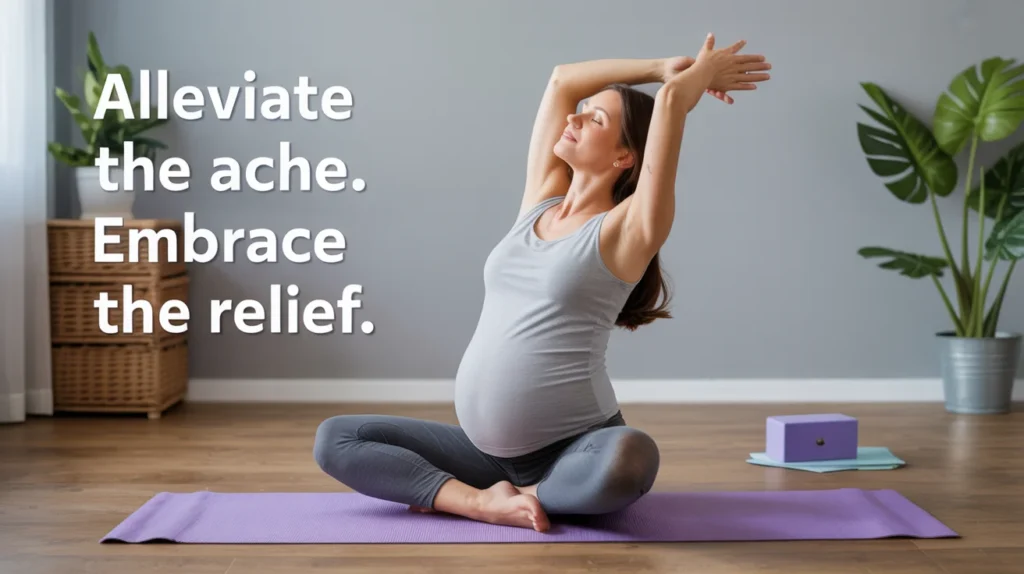
Furthermore, physical activity improves circulation, which can help reduce swelling in your ankles, feet, and hands. It also helps you sleep more soundly, combating the fatigue that often plagues expectant mothers.
It’s not about eliminating every discomfort, but about managing them effectively. When you feel better physically, your overall mental and emotional well-being improves, making the entire experience more positive. This is another key reason Doctors Urge More Exercise for expectant mothers.
Getting Started: Safe Exercise for Busy Moms
Beginning an exercise routine while pregnant can feel daunting, but it doesn’t have to be complicated. If you were active before pregnancy, you can likely continue your routine with some modifications. If you’re new to exercise, start slowly and build up gradually. The goal is consistency, not intensity. A 30-minute walk five days a week is an excellent starting point.
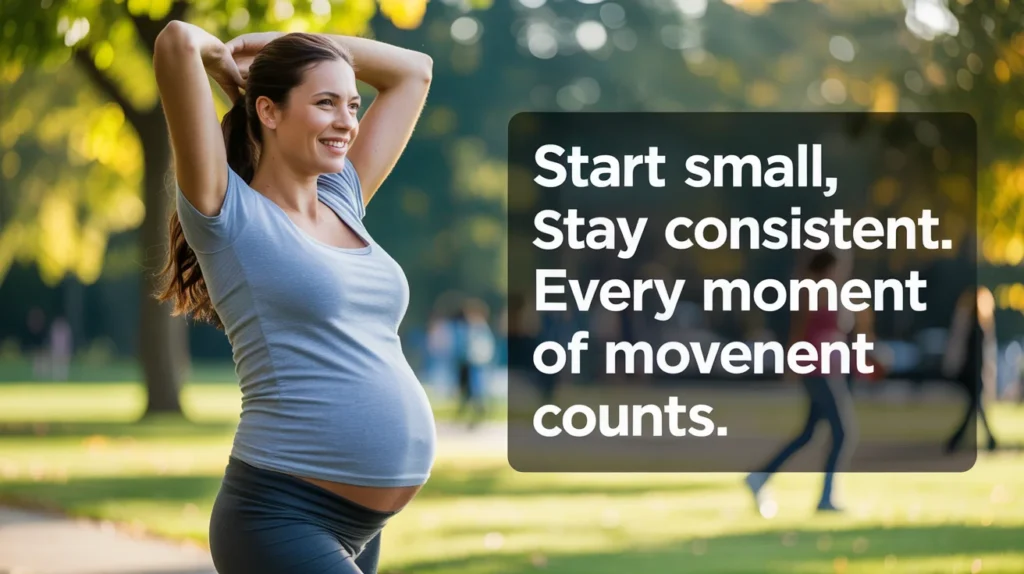
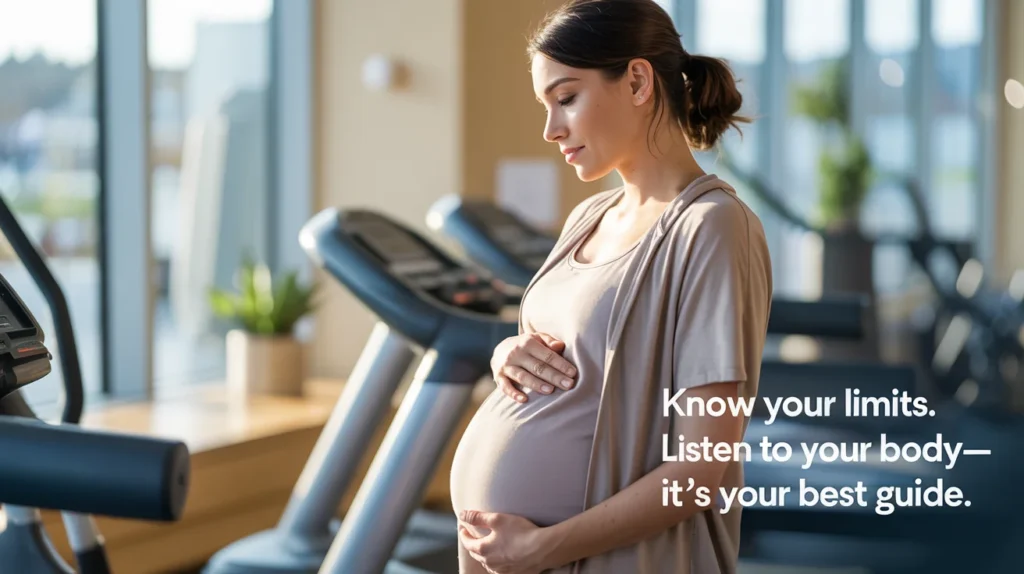
Always remember the “talk test.” You should be able to carry on a conversation while exercising. If you’re too breathless to speak, you’re working too hard. It’s also vital to stay hydrated, wear supportive clothing, and avoid overheating. Remember that your center of gravity is shifting, so be mindful of balance to prevent falls. Listening to your body is your most important guide.
Finding Time in a Packed Schedule
For busy moms-to-be, finding time for exercise can be the biggest hurdle. The key is to integrate activity into your daily life rather than seeing it as a separate, time-consuming task.
- Break it Down: You don’t need a solid hour. Three 10-minute walks throughout the day are just as effective as one 30-minute session.
- Morning Momentum: Try a 15-minute stretching routine or a quick walk before your day officially begins. It can boost your energy and set a positive tone.
- Lunch Break Laps: Use part of your lunch break to walk around your office building or a nearby park.
- Involve the Family: If you have other children, make activity a family affair. Go for a walk together after dinner or have a dance party in the living room.
- Stair Power: Choose stairs over the elevator whenever possible. It’s a simple but effective way to get your heart rate up.
The most important thing is to find what works for your schedule and stick with it.

Best Exercises During Pregnancy
Not all exercises are created equal, especially when you’re expecting. Focus on low-impact activities that build strength and stamina without putting undue stress on your joints and ligaments, which are looser due to hormonal changes. The reason Doctors Urge More Exercise is to promote health, so choosing the right type of activity is key.
Recommended Activities
- Walking: It’s free, easy, and can be done almost anywhere.
- Swimming and Water Aerobics: The water supports your weight, relieving pressure on your back and joints.
- Stationary Cycling: This avoids the balance issues and fall risks associated with outdoor biking.
- Prenatal Yoga and Pilates: These are excellent for flexibility, strength, and practicing breathing techniques useful for labor.
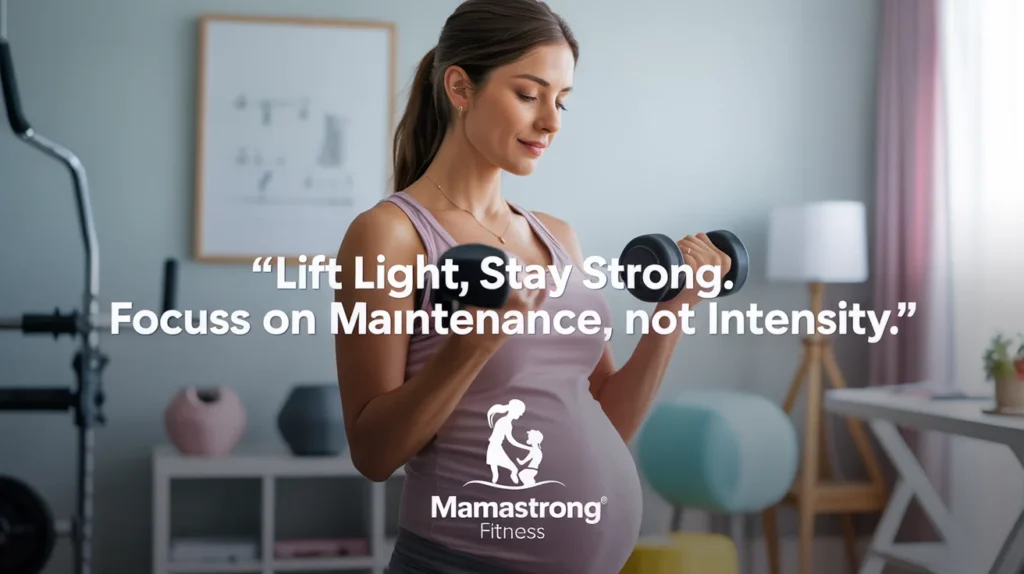
- Modified Strength Training: Using lighter weights and focusing on good form can help maintain muscle tone.

Activities to Avoid
Some activities pose a higher risk during pregnancy and should be avoided. These include contact sports (like soccer or basketball), activities with a high risk of falling (like skiing or gymnastics), and exercises that require you to lie flat on your back for extended periods after the first trimester, as this can restrict blood flow.
Adapting Your Routine by Trimester
Your body changes dramatically throughout pregnancy, and your exercise routine should adapt accordingly. What feels great in the first trimester might be uncomfortable or unsafe in the third.
| Trimester | Focus & Modifications | Example Activities |
|---|---|---|
| First | Establish a routine. Focus on moderate activity and listen to your body, especially if you experience morning sickness or fatigue. | Brisk walking, swimming, light jogging if you were already a runner. |
| Second | Energy levels often rebound. Focus on maintaining strength and cardiovascular health. Avoid exercises on your back and be mindful of your changing balance. | Prenatal yoga, stationary cycling, water aerobics. |
| Third | Comfort is key. Reduce intensity and focus on movement that feels good. Pay attention to Braxton Hicks contractions and stop if exercise triggers them. | Gentle stretching, walking, swimming. Focus on pelvic floor exercises. |

Recognizing the Warning Signs: When to Stop
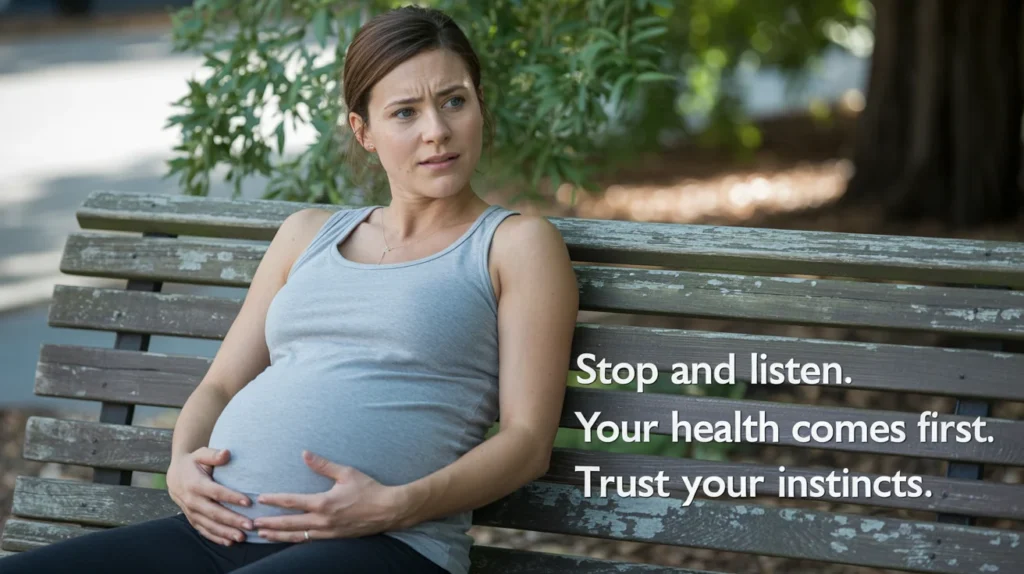
While Doctors Urge More Exercise, they also emphasize the importance of safety. It’s crucial to know the warning signs that indicate you should stop exercising and consult your healthcare provider. Your body will give you signals if something is wrong.
Stop immediately and call your doctor or midwife if you experience any of the following during or after exercise:
- Vaginal bleeding
- Dizziness or feeling faint
- Shortness of breath that doesn’t resolve with rest
- Chest pain
- Headache
- Muscle weakness affecting balance
- Calf pain or swelling
- Regular, painful contractions of the uterus
Being aware of these signs helps ensure that your fitness journey remains safe and beneficial. Never push through pain or significant discomfort.
Conclusion: Embrace an Active Pregnancy
The evidence is overwhelming: an active pregnancy is a healthy pregnancy. The clear guidance from medical professionals that Doctors Urge More Exercise is not about adding another stressor to your plate. It is about empowering you with a tool to improve your health, manage discomfort, and prepare your body for the amazing journey of childbirth and motherhood.

By starting slowly, choosing safe and enjoyable activities, and listening to your body, you can reap the incredible benefits of fitness. Remember to consult your healthcare provider to create a plan that is right for you. Every step you take, every lap you swim, and every stretch you hold is an investment in your well-being and the health of your future baby. Embrace this opportunity to nurture your body as it does the incredible work of creating a new life.
Frequently Asked Questions (FAQs)
Q1: How soon can I start exercising after finding out I’m pregnant?
If you have a low-risk pregnancy, you can start exercising right away. If you were not active before, begin with low-intensity activities like walking for 15-20 minutes a day and gradually increase the duration and frequency. Always get clearance from your doctor first.
Q2: Is it safe to do ab exercises during pregnancy?
Traditional crunches and sit-ups should be avoided, especially after the first trimester, as they can worsen diastasis recti (abdominal separation). Instead, focus on core-strengthening exercises like pelvic tilts, modified planks, and bird-dog poses, which support your posture without putting direct pressure on the abdomen.
Q3: How much weight is safe to lift during pregnancy?
This depends on your pre-pregnancy fitness level. A general rule is to reduce the amount of weight you lift and increase your repetitions. Avoid lifting heavy weights that cause you to strain or hold your breath. If you’re new to strength training, it’s best to work with a certified prenatal fitness instructor. The goal is maintenance, not gaining muscle mass.