Introduction
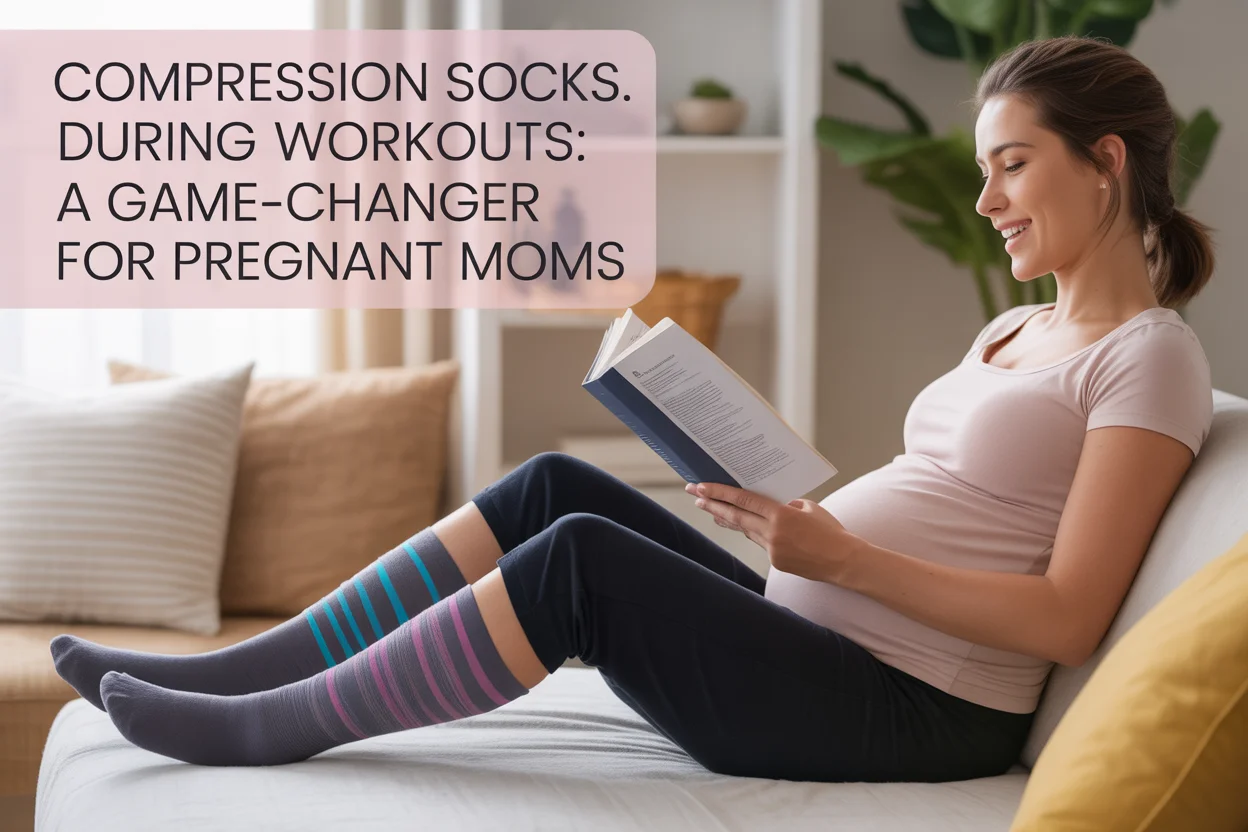
Pregnancy is a remarkable journey filled with joy, anticipation, and… swollen ankles? While you’re busy growing a tiny human, your body undergoes massive changes. One of the most common, and uncomfortable, side effects is increased swelling and poor circulation, especially in your legs. This can make everything from walking to working out feel like a challenge. But what if there was a simple, effective way to find relief?
Enter Compression Socks. You might associate them with long flights or hospital stays, but these specialized garments are becoming a must-have for expecting mothers. They offer incredible support, reduce swelling, and can make your pregnancy workouts safer and more comfortable.
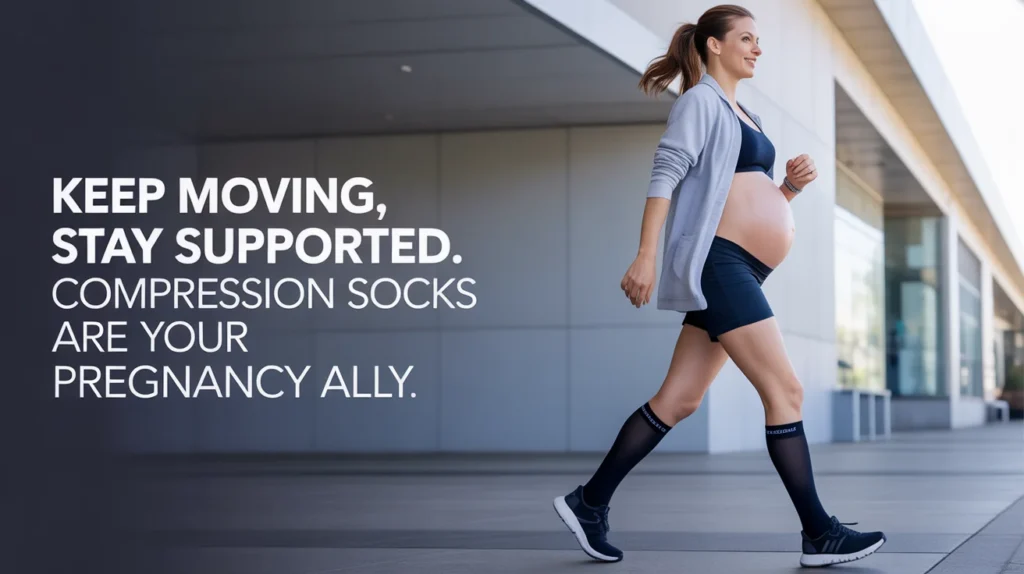
This guide will walk you through everything you need to know about using Compression Socks during pregnancy. We will explore how they work, the benefits they offer, and how to choose the perfect pair to support you on your fitness journey.
Key Takeaways
- Compression Socks improve blood flow, which can reduce swelling, leg fatigue, and the risk of varicose veins during pregnancy.
- They provide crucial support during workouts, enhancing stability and minimizing discomfort.
- Choosing the right compression level (measured in mmHg) is key to getting the benefits you need. Most pregnant women start with a mild to moderate level.
- Properly measuring your legs and selecting the right material are important for comfort and effectiveness.
- Always put on your socks in the morning before swelling begins and follow care instructions to maintain their elasticity.

What Are Compression Socks and How Do They Work?
At first glance, Compression Socks look like any other pair of knee-highs or stockings. However, they are medical-grade garments engineered to apply gentle pressure to your legs and ankles. This technology is known as graduated compression, meaning the pressure is strongest at the ankle and gradually decreases as it moves up the leg.
This design is not accidental. It is specifically crafted to assist your circulatory system. The pressure helps fight the effects of gravity, pushing blood from your lower legs back up toward your heart. During pregnancy, your blood volume increases by up to 50%, and the weight of your growing uterus puts extra pressure on your veins. This combination can make it hard for blood to circulate efficiently, leading to pooling in your feet and ankles.
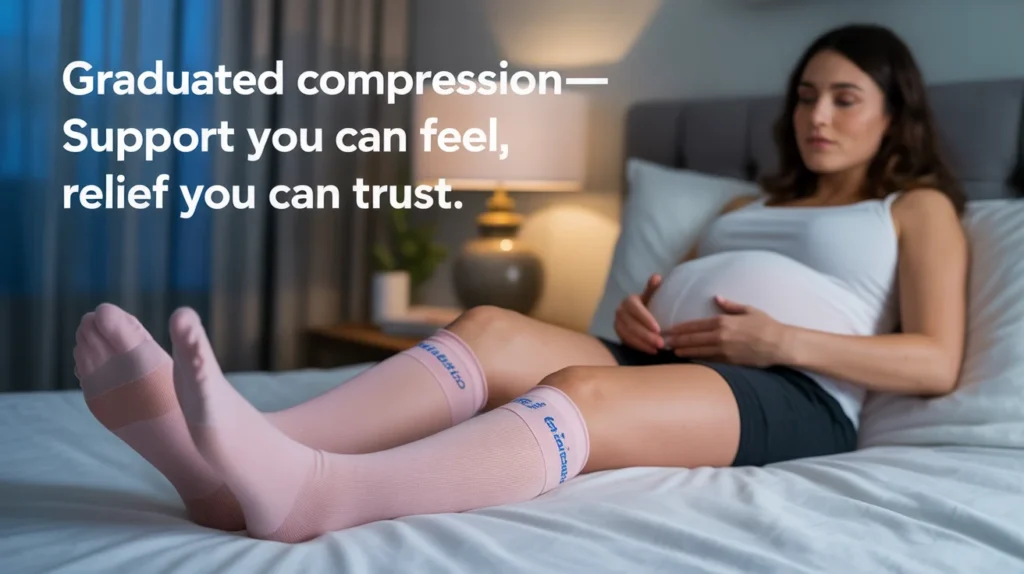
By gently squeezing your leg tissues and vein walls, Compression Socks give your veins the support they need to work properly. Think of it as giving your circulatory system a helpful boost. This improved blood flow helps deliver oxygen-rich blood to your muscles and carries away waste products like lactic acid, which can cause soreness.
The Science Behind Swelling and Circulation During Pregnancy
Pregnancy brings a wave of hormonal and physical changes that directly impact your circulatory system. Your body produces more blood to support the growing baby, but the expanding uterus can press on the inferior vena cava, the large vein that carries blood from your lower body back to the heart. This pressure slows down return blood flow, causing it to pool in your legs, ankles, and feet. This condition is known as edema, and it affects a majority of pregnant women.
Furthermore, pregnancy hormones like progesterone can cause the walls of your veins to relax, making them less efficient at pushing blood upward. This is why many women experience tired, achy, and heavy-feeling legs. It also increases the risk of developing varicose veins—swollen, twisted veins that are visible just under the skin.
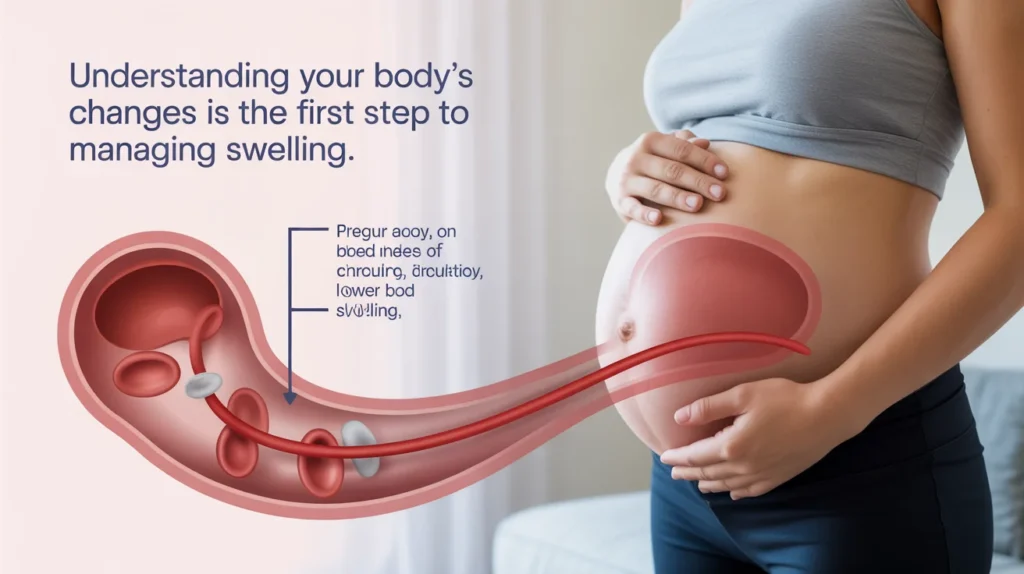
Wearing garments that apply external pressure can significantly counteract these effects. By improving venous return, Compression Socks help alleviate the uncomfortable symptoms of poor circulation. They not only reduce swelling but can also minimize the risk of more serious issues like deep vein thrombosis (DVT), a type of blood clot that can be a concern during pregnancy.
Why Pregnant Moms Should Consider Compression Socks for Workouts
Staying active during pregnancy is highly recommended for both your health and your baby’s. However, swollen and tired legs can make exercise feel daunting. This is where Compression Socks become a true game-changer for your fitness routine.
Enhanced Circulation and Oxygen Delivery
During a workout, your muscles need a steady supply of oxygen to function efficiently. Improved blood flow means more oxygen is delivered to your working muscles. This can help boost your endurance and performance, allowing you to get the most out of your prenatal yoga, walking, or swimming sessions.
By keeping blood moving, you also reduce the buildup of metabolic waste that causes muscle fatigue. You will feel more energized during your workout and may experience less soreness afterward.

Reduction in Swelling and Discomfort
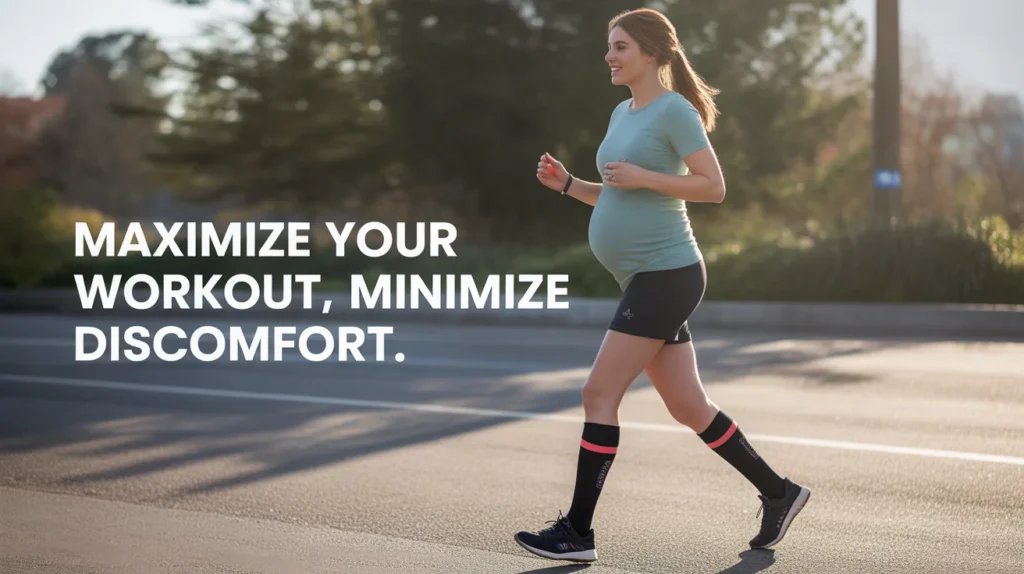
Exercise can sometimes temporarily increase swelling. However, wearing Compression Socks during your workout helps prevent fluid from accumulating in your lower limbs. The consistent pressure keeps swelling at bay, allowing you to move more freely and comfortably.
This is especially beneficial for weight-bearing exercises like walking or light jogging, where your feet and ankles are under the most strain. Many women report a noticeable difference, feeling lighter on their feet and more capable of completing their workouts without pain.
Increased Stability and Support
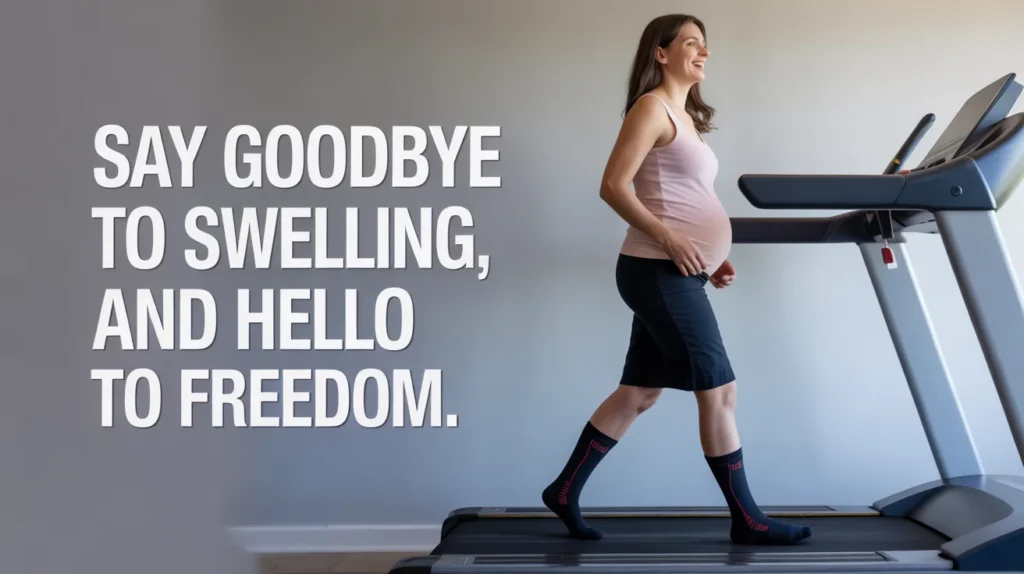
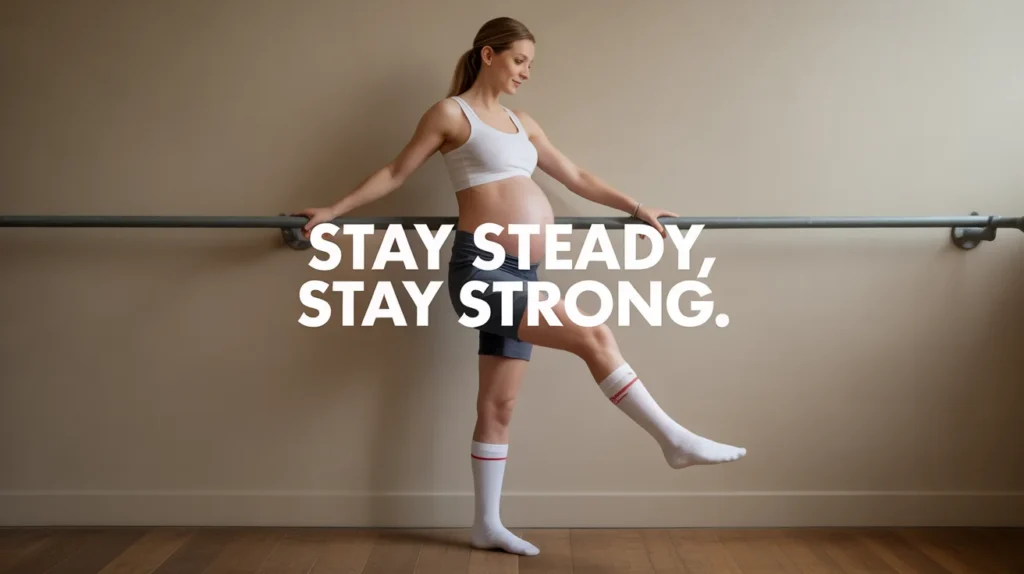
Your joints and ligaments become looser during pregnancy due to the hormone relaxin. While this helps prepare your body for childbirth, it can also lead to instability, particularly in your ankles. The snug fit of Compression Socks provides an extra layer of physical support to your ankles and calves.
This can enhance your sense of stability and balance, reducing the risk of twists or sprains during physical activity. Feeling more stable can also give you the confidence to maintain your fitness routine safely.
Choosing the Right Compression Socks: A Buyer’s Guide
With so many options available, selecting the right pair of Compression Socks can feel overwhelming. Let’s break down the key factors to consider.

Understanding Compression Levels (mmHg)
The most important factor is the compression level, measured in millimeters of mercury (mmHg). This tells you how much pressure the socks will apply.
- Mild Compression (8-15 mmHg): Ideal for general tiredness and minor swelling. A great starting point if you are new to compression wear or just want a little extra support for daily activities.
- Moderate Compression (15-20 mmHg): This is the most commonly recommended level for pregnant women. It’s effective for managing moderate swelling, aching legs, and preventing varicose veins. This level is perfect for workouts and long days on your feet.
- Firm Compression (20-30 mmHg): Usually prescribed by a doctor for more severe varicose veins, significant edema, or post-surgical recovery. You should consult your healthcare provider before choosing this level.
For most pregnancies, moderate compression (15-20 mmHg) offers the perfect balance of comfort and effectiveness.

Finding Your Perfect Fit and Material
For Compression Socks to work, they must fit correctly. A poor fit can be uncomfortable and may not provide the intended benefits.
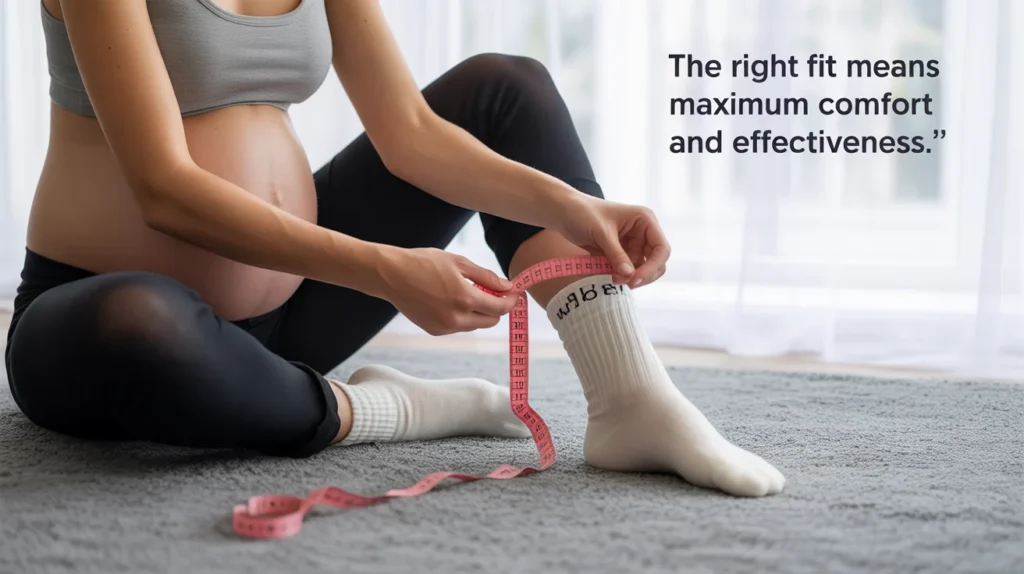
- Measure Your Legs: The best time to measure is in the morning before swelling occurs. You will need a soft tape measure. Measure the circumference of your ankle at its narrowest point and your calf at its widest point. Some brands also require your leg length from the floor to the bend of your knee. Use these measurements and consult the brand’s sizing chart to find your size.
- Choose the Right Material: Look for materials that are breathable, moisture-wicking, and have a good amount of stretch. A blend of nylon and spandex is common and provides excellent durability and comfort. Some socks also feature padded soles for extra cushioning or are made from natural fibers like cotton or merino wool for added softness.
Style vs. Substance: Knee-High, Thigh-High, or Pantyhose?
Compression Socks come in different lengths, each offering specific benefits.
| Sock Type | Best For | Pros | Cons |
|---|---|---|---|
| Knee-High | Everyday wear, workouts, travel | Easy to put on, stylish options | Only addresses swelling below the knee |
| Thigh-High | Swelling that extends above the knee | Provides compression to the entire leg | Can sometimes roll down if not fitted correctly |
| Pantyhose | Full leg and hip support | Offers uniform support, can be worn under clothes | Can be warm and more difficult to put on |
For workouts and general daily use during pregnancy, knee-high socks are typically the most practical and popular choice. They are easy to manage and effectively target the most common areas of swelling.

How to Correctly Use and Care for Your Compression Socks
Getting the most out of your Compression Socks involves more than just buying the right pair. Proper usage and care are essential.
When and How to Put Them On
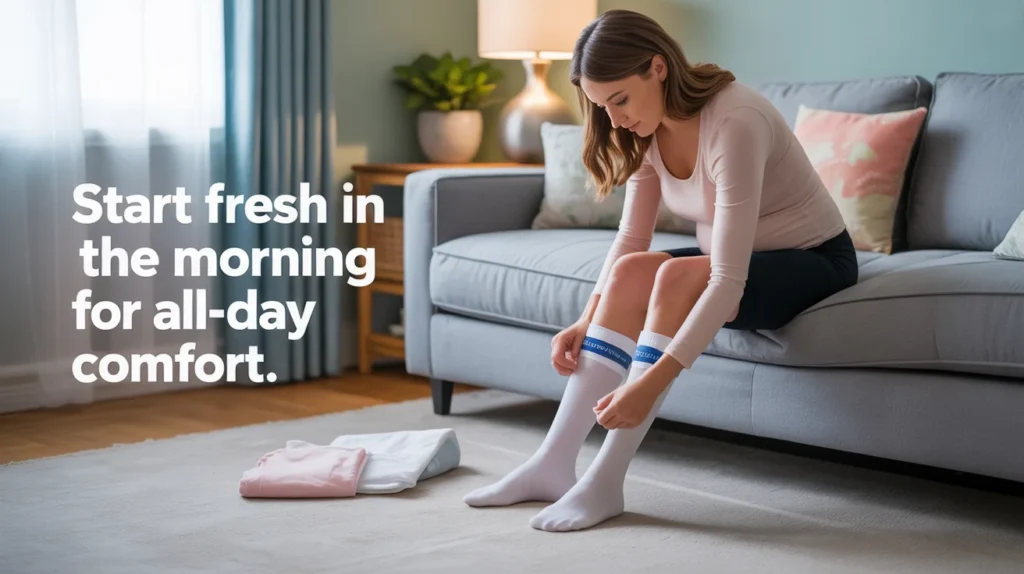
The golden rule is to put your socks on first thing in the morning. This is when your legs are least swollen, making the socks easier to slide on and ensuring they can effectively prevent swelling throughout the day.
Here’s a simple technique:
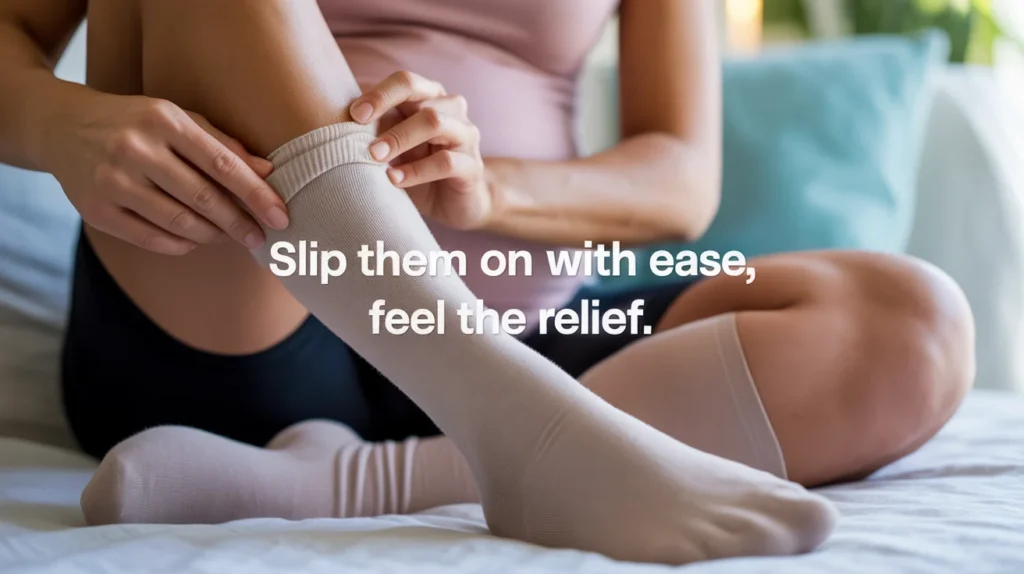
- Reach inside the sock and grab the heel.
- Pull the sock inside out, but leave your fingers in the heel pocket.
- Slip your foot into the sock until your heel is snugly in the heel pocket.
- Gently roll the rest of the sock up your leg, smoothing out any wrinkles as you go. Never bunch or fold the top band.
Care and Maintenance
To maintain their elasticity and compression, you need to care for your socks properly.
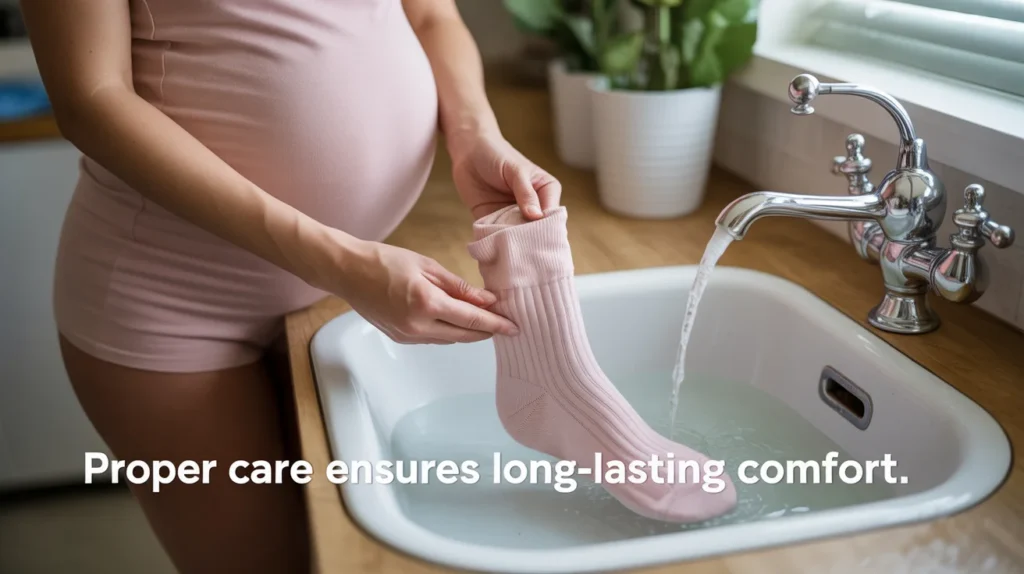
- Wash them regularly: Ideally, after each wear, to remove skin oils and dirt that can break down the elastic fibers.
- Hand wash or use a gentle cycle: Use cold water and a mild detergent.
- Air dry: Never put your Compression Socks in the dryer. The high heat will destroy the elastic fibers and ruin the graduated compression. Lay them flat or hang them to dry.
With proper care, a good pair of Compression Socks should last for about 3-6 months of regular use.
Identifying Authentic Ace Brand Compression Wear
When shopping, especially online, you might come across different brands. If you are considering the Ace brand, it is important to ensure you are buying an authentic product. Here are some tips to spot the difference between real and fake products:
- Packaging: Authentic Ace products come in professional, sealed packaging with clear branding, logos, and product information. Fakes often have flimsy packaging, misspelled words, or blurry logos.
- Seller Reputation: Purchase from authorized retailers, such as major pharmacies (CVS, Walgreens), large department stores (Walmart, Target), or directly from the official brand website. Be wary of third-party sellers on marketplaces with low ratings or unusually cheap prices.
- Material Quality: Genuine Ace brand compression products are made from high-quality, durable materials. The fabric should feel smooth and strong. Counterfeits often use cheap, thin material that feels rough and lacks proper elasticity.
- Stitching and Seams: Check the craftsmanship. Real products have clean, even stitching. Fakes may have sloppy seams, loose threads, or uneven construction.
- Price: If a deal seems too good to be true, it probably is. Extremely low prices are a major red flag for counterfeit goods.
Conclusion
Pregnancy is a time to listen to your body and give it the support it needs. Swollen, achy legs don’t have to be a normal part of your nine-month journey. Compression Socks offer a simple, non-invasive, and highly effective solution to improve circulation, reduce discomfort, and support you through workouts and daily life.
By choosing the right compression level and fit, you can experience a more comfortable and active pregnancy. You’ll feel lighter on your feet, more energized for your workouts, and better prepared for the amazing adventure ahead. Embrace this simple secret and make your pregnancy journey as comfortable as it is joyful.
For more information on managing pregnancy symptoms, you can visit reliable sources like the Office on Women’s Health or the American College of Obstetricians and Gynecologists.
Frequently Asked Questions (FAQ)
Q1: Can I wear compression socks all day?
Yes, you can wear them all day. Put them on in the morning and take them off before bed. It is not recommended to sleep in them unless specifically advised by your doctor.
Q2: How do I know if my compression socks are too tight?
Your socks should feel snug but not painful. If you experience numbness, tingling, or discoloration in your toes, they are too tight and you should remove them. Ensure you have the correct size by measuring your legs.
Q3: How many pairs of compression socks do I need?
It is a good idea to have at least two pairs. This allows you to wear one pair while the other is being washed and dried, ensuring you always have a clean pair ready to go.
Q4: Can compression socks be harmful during pregnancy?
For most women, Compression Socks are safe and beneficial. However, if you have certain conditions like peripheral artery disease, skin infections, or heart failure, you should consult your doctor before using them.
Q5: Will compression socks prevent varicose veins completely?
While they are highly effective at reducing your risk and minimizing the severity, they may not prevent them entirely, as genetics and other factors play a role. However, they are one of the best preventative tools available.