Introduction
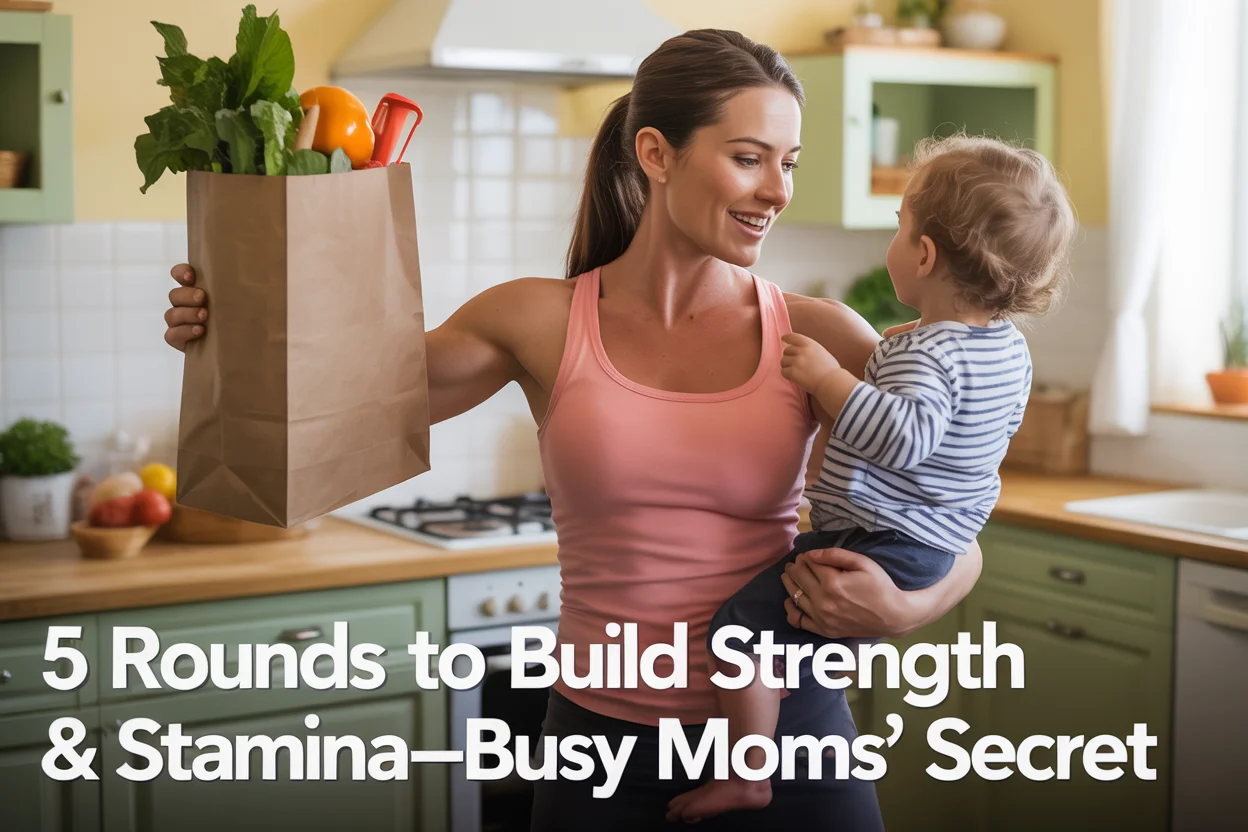
Being a mom is a physical job. From carrying groceries and toddlers to pushing strollers up hills and squatting to pick up endless toys, your body is constantly working. Finding time for a dedicated fitness routine can feel impossible when your schedule is already overflowing.
But what if you could weave a powerful workout into your day that prepares you for the real-life demands of motherhood? This guide offers a simple, effective, five-round workout designed to build strength and stamina using movements you already do every day. It’s about making fitness fit your life, not the other way around.
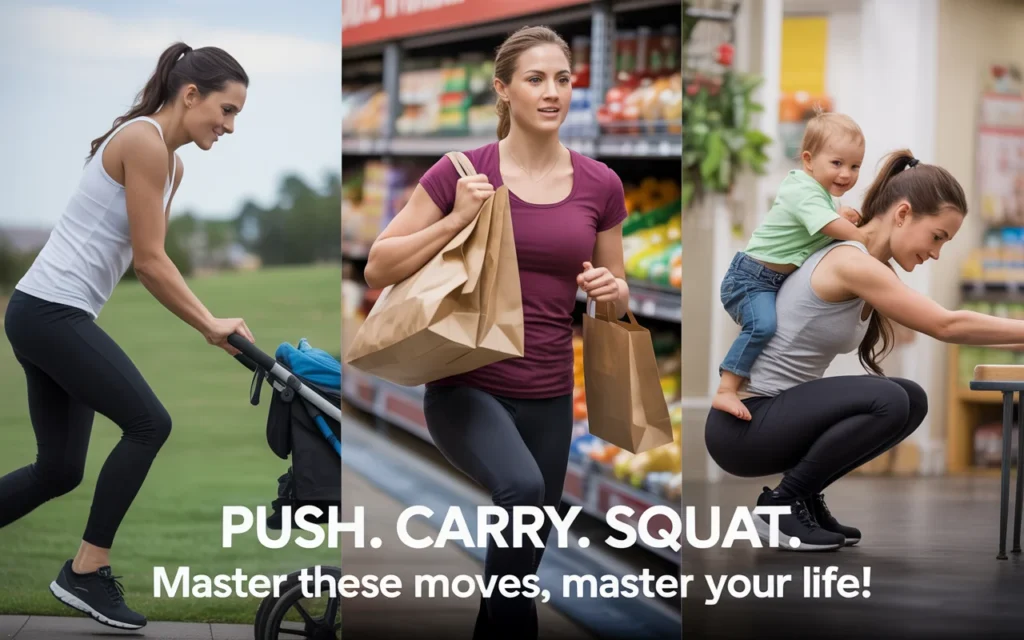
This routine focuses on functional movements: push, carry, and squat. These are the building blocks of everything you do as a mom. By strengthening these core patterns, you not only improve your physical fitness but also make daily tasks feel easier and reduce your risk of injury. Let’s get you started on a path to feeling stronger, more energetic, and ready for anything motherhood throws your way.
Key Takeaways
- Functional Fitness: This workout uses push, carry, and squat movements that directly translate to daily mom activities like lifting children and carrying groceries.
- Time-Efficient: The five-round structure is designed for busy schedules, allowing for a complete and effective workout in a short amount of time.
- Minimal Equipment: Most exercises can be done with household items or body weight, making it accessible and affordable.
- Progressive Overload: The routine is adaptable, allowing you to increase the challenge as you get stronger, ensuring you continue to build strength and stamina.
Understanding the Core Movements: Push, Carry, Squat
Before jumping into the workout, it’s important to understand why these three movements are so critical. They form the foundation of functional strength, which is the strength you need for everyday life. Mastering them will make you more efficient and resilient in your role as a mom.
The Power of the Push
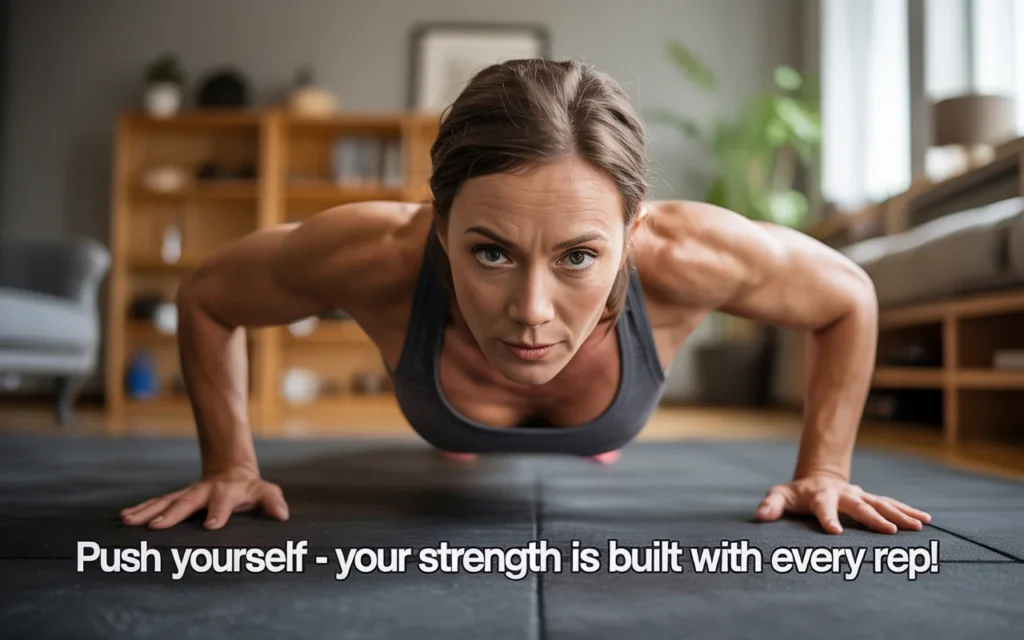
Pushing movements are essential for upper body strength. Think about pushing a heavy grocery cart, moving furniture, or getting up from the floor. Exercises like push-ups and overhead presses build strength in your chest, shoulders, and triceps.
This power is crucial for safely lifting objects (and children) away from your body. A strong upper body helps maintain good posture, especially when you spend hours holding a baby or leaning over a crib.
Developing this strength doesn’t require a bench press at a gym. You can start with wall push-ups and gradually progress to incline push-ups on a sturdy table or chair. The goal is to safely challenge your muscles.
Consistently working on your pushing power will not only help you build strength and stamina but also contribute to a feeling of capability and confidence in your physical abilities. It’s about preparing your body for the practical, physical demands you face daily.
The Importance of the Carry
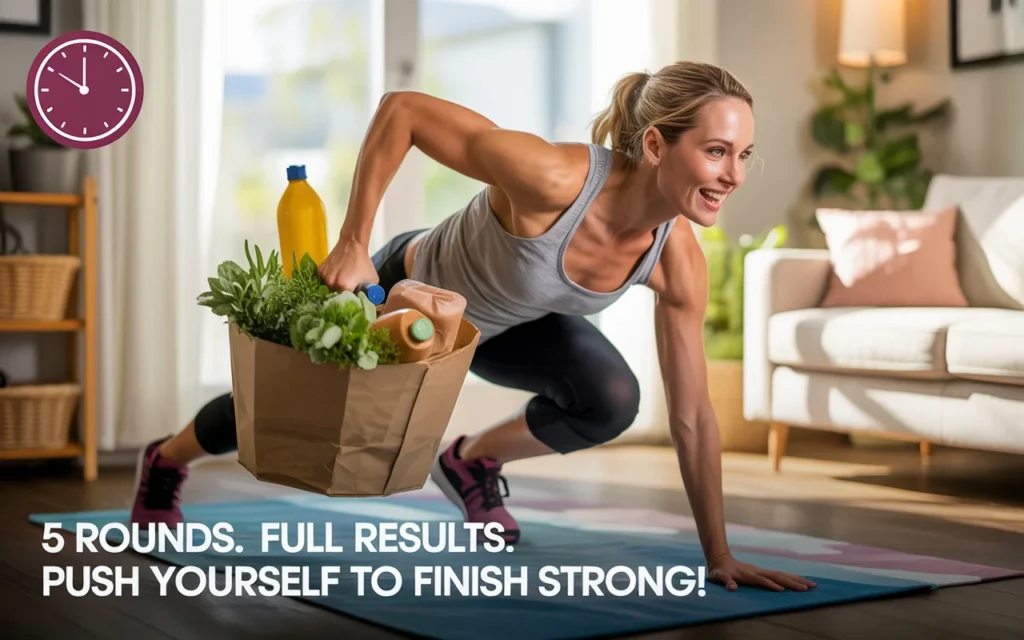
Carrying is something moms do constantly. Whether it’s a car seat, multiple grocery bags, or a tired toddler, you are regularly performing what fitness experts call a “loaded carry.”
This movement is a full-body exercise that challenges your grip, core stability, and endurance. Incorporating carries into your workout directly improves your ability to handle these tasks without straining your back or shoulders.
Exercises like the Farmer’s Walk, where you carry weights in each hand, mimic this real-world activity perfectly. Loaded carries are phenomenal for building a strong, stable core, which is the cornerstone of all movement and injury prevention.
A solid core protects your spine and improves your balance. When you purposefully practice carrying weight, you train your body to engage the right muscles, making those marathon grocery hauls or long walks with a child in your arms feel significantly easier.

The Foundation: The Squat
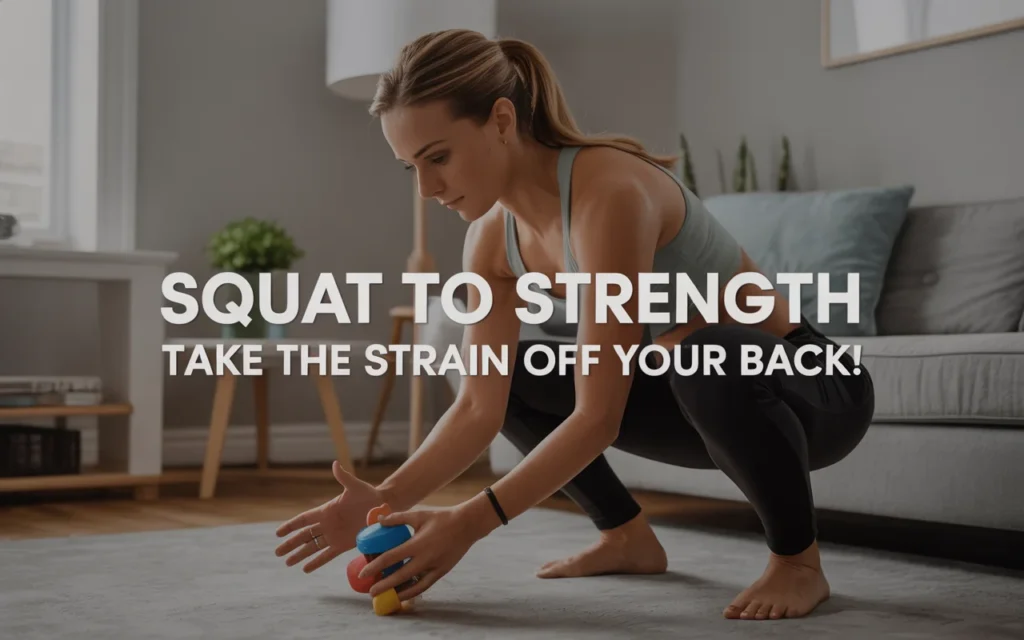
The squat is arguably the most fundamental human movement. You squat to pick things up from the floor, sit in a chair, and get in and out of your car.
For moms, it’s the primary motion used to lift a child from the ground. Performing squats with proper form is vital for building lower body strength in your glutes, quads, and hamstrings, all while protecting your lower back.
Many people develop back pain because they bend from the waist to lift things instead of squatting. By strengthening your squat pattern, you train your body to rely on the powerful muscles of your legs and hips, taking the strain off your vulnerable spine.
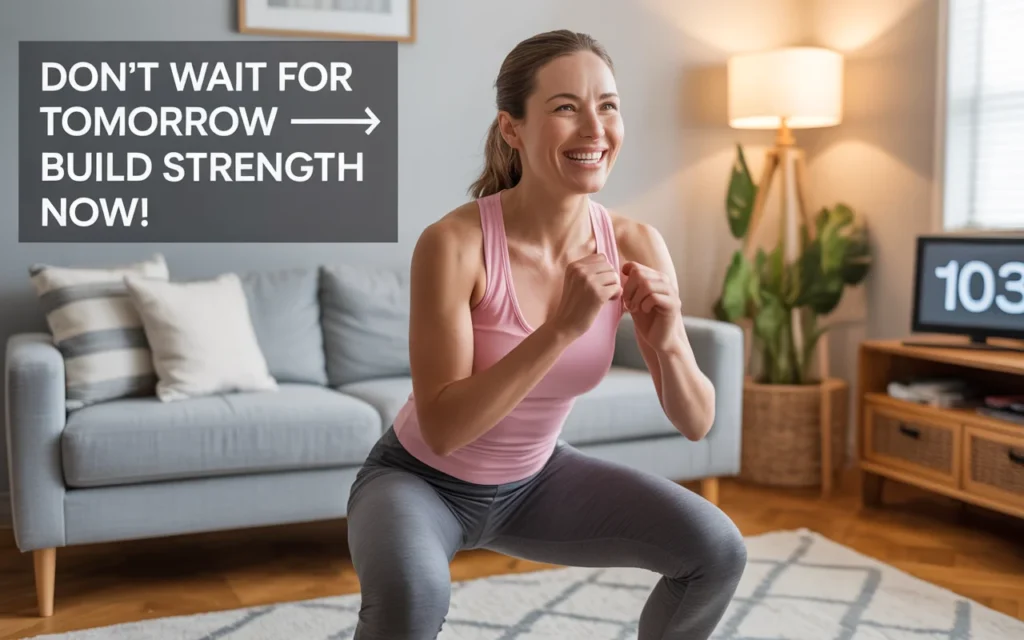
Starting with bodyweight squats and focusing on form—keeping your chest up and weight in your heels—is the perfect way to begin. Mastering this single movement will have a massive impact on your daily life and is a key component to help build strength and stamina.
Preparing for Your Workout
Proper preparation is key to a successful and safe workout. Taking a few minutes to warm up your body and set up your space can make all the difference in your performance and injury prevention.
The 5-Minute Warm-Up
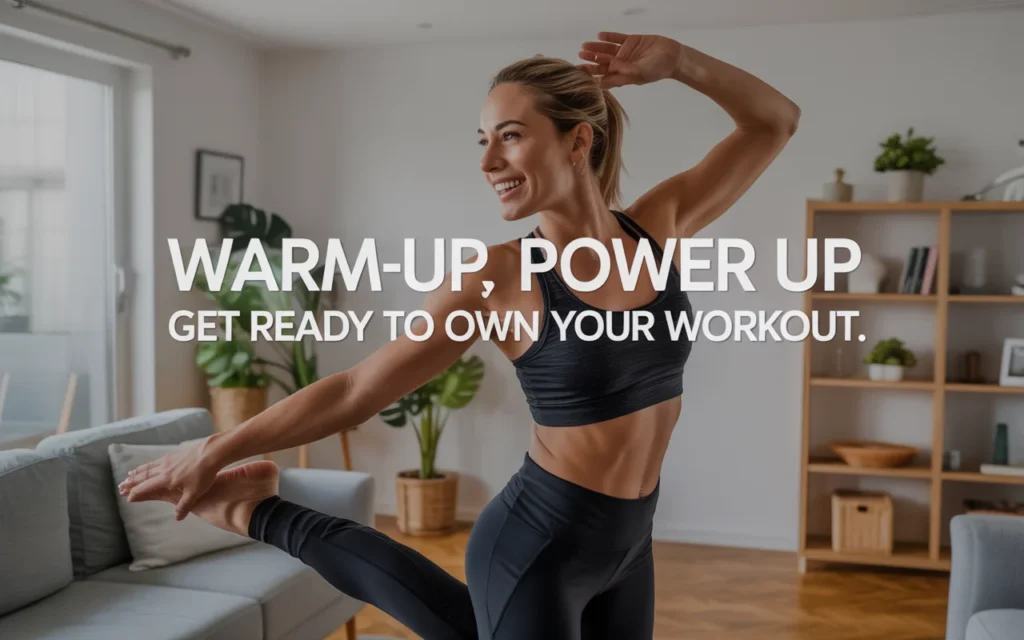
Never skip your warm-up. A good warm-up increases blood flow to your muscles, preparing them for exercise and reducing the risk of strains. It also helps lubricate your joints and gets your mind focused on the workout ahead.
Dynamic Stretches to Get You Started
- Arm Circles: 10 forward, 10 backward.
- Leg Swings: 10 forward-and-back swings on each leg.
- Torso Twists: 10 gentle twists to each side.
- Bodyweight Squats: 10 slow and controlled squats.
- Cat-Cow Stretch: 10 rounds to mobilize your spine.
Finding Your “Equipment”
You don’t need a full home gym. Look around your house for items you can safely use as weights.
| Exercise Type | Household Item Suggestions | Gym Equipment Alternative |
|---|---|---|
| Push | Your own body weight | Dumbbells, Barbell |
| Carry | Grocery bags, water jugs | Kettlebells, Dumbbells |
| Squat | A backpack with books, a child | Barbell, Goblet Squat with KB |
The 5-Round Workout to Build Strength and Stamina
This workout is structured in five rounds for time. The goal is to complete all five rounds as quickly as you can while maintaining good form. Rest as needed, but try to keep your breaks short to keep your heart rate up.
Round 1: Mastering the Basics
Start with foundational movements to activate the correct muscles.
- Push: 10 Wall Push-ups. Focus on keeping your body in a straight line from your head to your heels.
- Carry: Farmer’s Walk for 40 steps. Carry two evenly weighted grocery bags or water jugs. Stand tall.
- Squat: 15 Bodyweight Squats. Keep your chest up and squat as if sitting back into a chair.
Round 2: Increasing the Intensity
Now that you’re warm, it’s time to increase the challenge slightly.
- Push: 10 Incline Push-ups (using a sturdy table or the arm of a sofa).
- Carry: Suitcase Carry for 20 steps on each side. Hold one heavier weight (like a full laundry basket) on one side. This challenges your core to resist leaning.
- Squat: 12 Goblet Squats. Hold a single weight (a large book or a jug of water) at your chest.
Round 3: The Midpoint Push
You’re halfway there! This round is about building endurance.
- Push: 8-10 Knee Push-ups or Full Push-ups (if you can).
- Carry: Farmer’s Walk for 40 steps. Try to use slightly heavier weights than in Round 1.
- Squat: 15 Bodyweight Squats. Focus on speed while maintaining form.
Round 4: Power and Endurance
This round combines power and endurance to truly build strength and stamina.
- Push: 10 Overhead Presses. Use two canned goods or water bottles. Sit or stand tall and press the weights from your shoulders straight overhead.
- Carry: Suitcase Carry for 20 steps on each side.
- Squat: 10 Squat Jumps. Add a small hop at the top of your squat for a cardiovascular boost. If jumping is too much, stick to bodyweight squats.
Round 5: The Finisher
This is the final round. Give it everything you have left, focusing on excellent form even as you get tired.
Squat: Max effort Bodyweight Squats for 30 seconds.
Push: Max effort Push-ups (any variation) for 30 seconds.
Carry: Farmer’s Walk for 40 steps with your heaviest weight.
Listening to Your Body and Making Progress
The most important rule of any fitness program is to listen to your body. If something hurts, stop. Pain is different from the discomfort of muscle fatigue.
How to Know When to Increase the Challenge
You know it’s time to level up when the last few reps of an exercise no longer feel challenging. This is a principle called progressive overload. To continue to build strength and stamina, you must consistently give your muscles a new challenge. You can do this by:
- Increasing the weight.
- Increasing the number of reps.
- Decreasing your rest time between rounds.
- Choosing a more difficult exercise variation (e.g., moving from knee push-ups to full push-ups).
For more detailed information on physical activity guidelines, the Centers for Disease Control and Prevention (CDC) offers comprehensive resources for adults.
The Importance of Cool-Down and Recovery
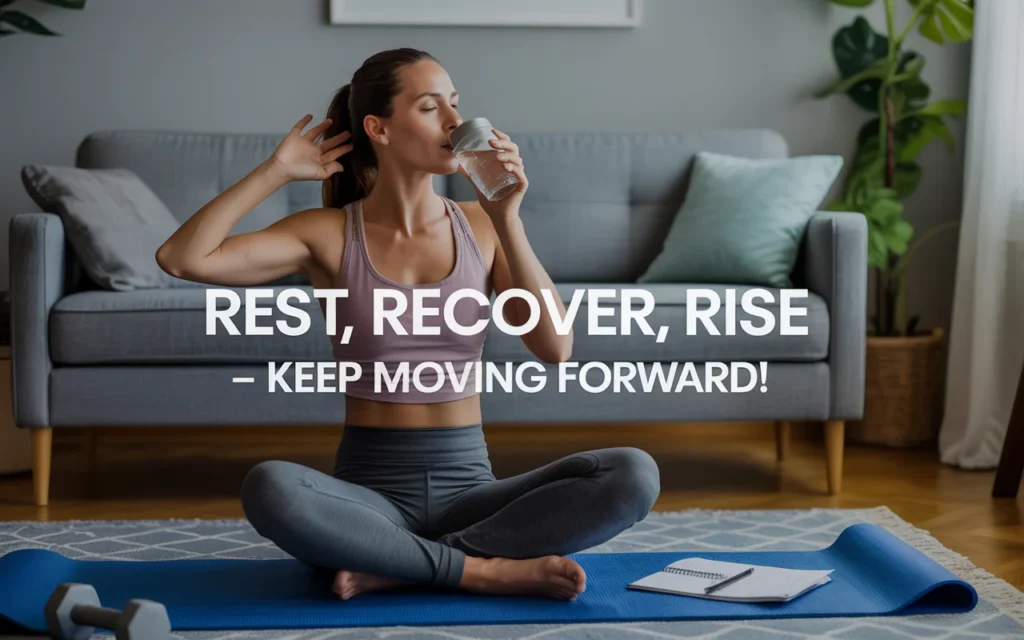
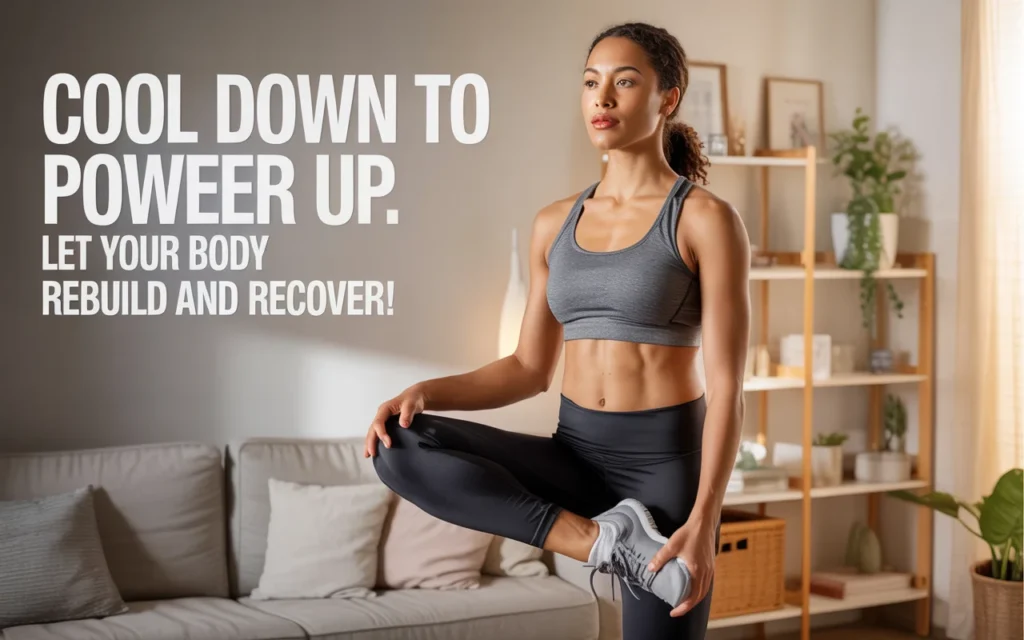
Just as important as the warm-up is the cool-down. Taking five minutes to stretch after your workout helps improve flexibility, reduce muscle soreness, and bring your heart rate down gradually. Proper recovery, including adequate sleep and nutrition, is when your muscles actually repair and get stronger.
Your 5-Minute Cool-Down Stretch Routine
Hold each stretch for 20-30 seconds.
- Chest Stretch: Stand in a doorway and place your forearms on the frame, then step forward gently.
- Quad Stretch: Stand, holding onto something for balance, and pull your heel toward your glute.
- Hamstring Stretch: Sit on the floor with one leg extended and gently lean forward.
- Child’s Pose: Kneel on the floor and fold forward, resting your forehead on the ground.
A study from the American Council on Exercise highlights the crucial role of recovery in preventing overtraining and maximizing fitness gains.
Conclusion: Stronger for Yourself, Stronger for Them
Integrating fitness into your life as a busy mom doesn’t have to be another source of stress. By focusing on functional movements like pushing, carrying, and squatting, you are training for the marathon of motherhood. This five-round workout is more than just an exercise routine; it’s a practical tool to help you build strength and stamina for your daily life.
It empowers you to lift your child without fear, carry your groceries in one trip, and have the energy to play at the end of a long day. Remember to start where you are, listen to your body, and celebrate every bit of progress. You are investing in your own health and well-being, which is the greatest gift you can give to yourself and your family.
Frequently Asked Questions (FAQ)
Q1: How often should I do this workout?
A: Aim for 2-3 times per week on non-consecutive days to allow your muscles time to recover and rebuild.
Q2: What if I can’t do a push-up?
A: That’s perfectly fine! Start with wall push-ups. Once you can do 15-20 easily, move to incline push-ups on a countertop. Gradually lower the incline until you can do them on your knees, and eventually, on your toes. Progress is the goal, not perfection.
Q3: How long should the workout take?
A: The goal is to complete it as quickly as possible while maintaining good form. For most people, it will take between 15 and 25 minutes, making it perfect for a busy schedule.
Q4: Can I do this workout if I’m newly postpartum?
A: If you are newly postpartum, it is crucial to get clearance from your doctor before starting any new exercise program. Your body needs time to heal. Once cleared, start very slowly with just bodyweight movements and pay close attention to how you feel, especially in your core and pelvic floor.