Introduction
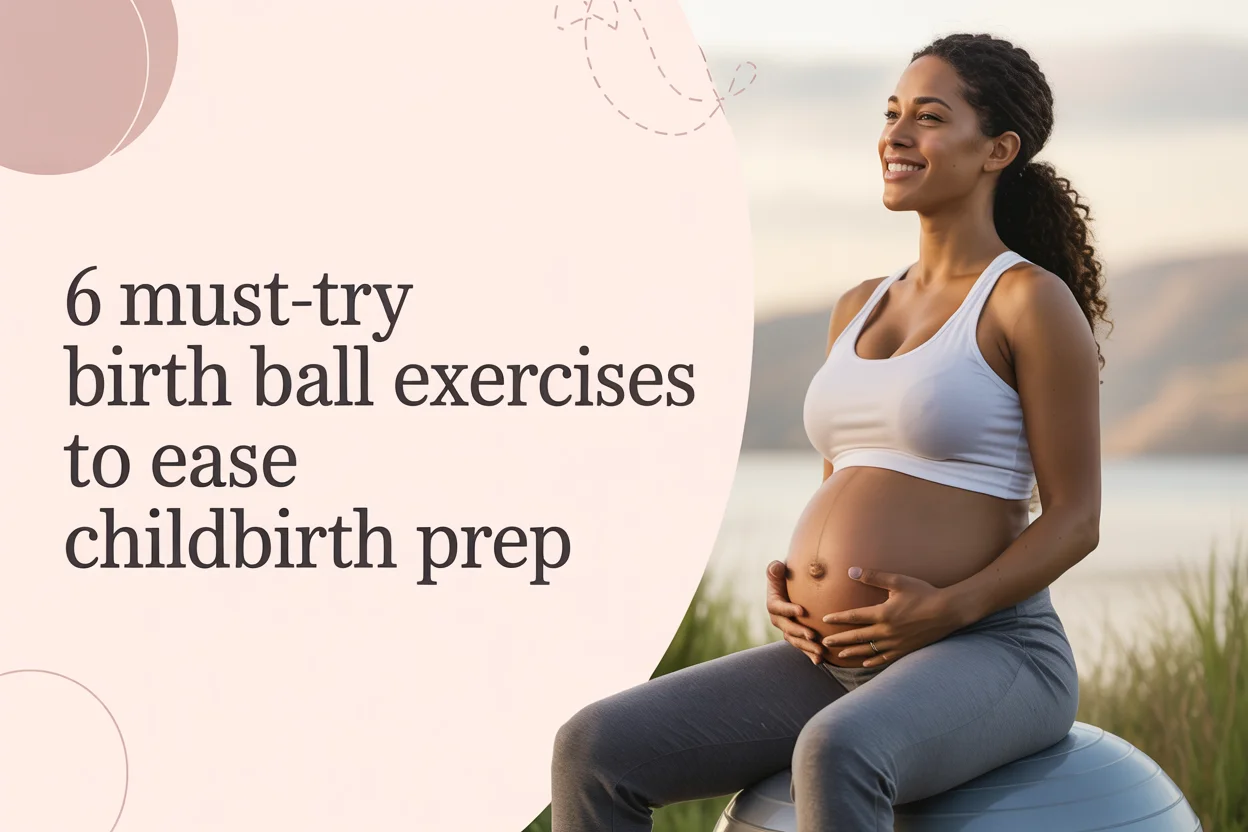
As your due date approaches, you’re likely looking for ways to prepare your body for labor and delivery. From childbirth classes to prenatal yoga, there are many options available. One simple and effective tool you might consider is a birth ball.
These large, inflatable balls, similar to those found in a gym, can be a fantastic companion during pregnancy and labor. Using one for simple Birth Ball Exercises can help ease discomfort, improve posture, and even encourage your baby into an optimal position for birth. This guide will walk you through everything you need to know to get started.

We will explore six easy and effective moves that busy moms can incorporate into their daily routine. These exercises are designed to be gentle yet powerful, helping you feel more prepared and in control as you get ready to meet your little one.
Key Takeaways
- A birth ball is a versatile tool that can reduce pain and improve comfort during pregnancy and labor.
- Simple Birth Ball Exercises can help strengthen your core, improve posture, and open your pelvis.
- Consistency is key; even a few minutes of daily practice can make a significant difference.
- Always choose the correct size ball and prioritize safety by using it on a non-slip surface.
What is a Birth Ball and Why Use One?
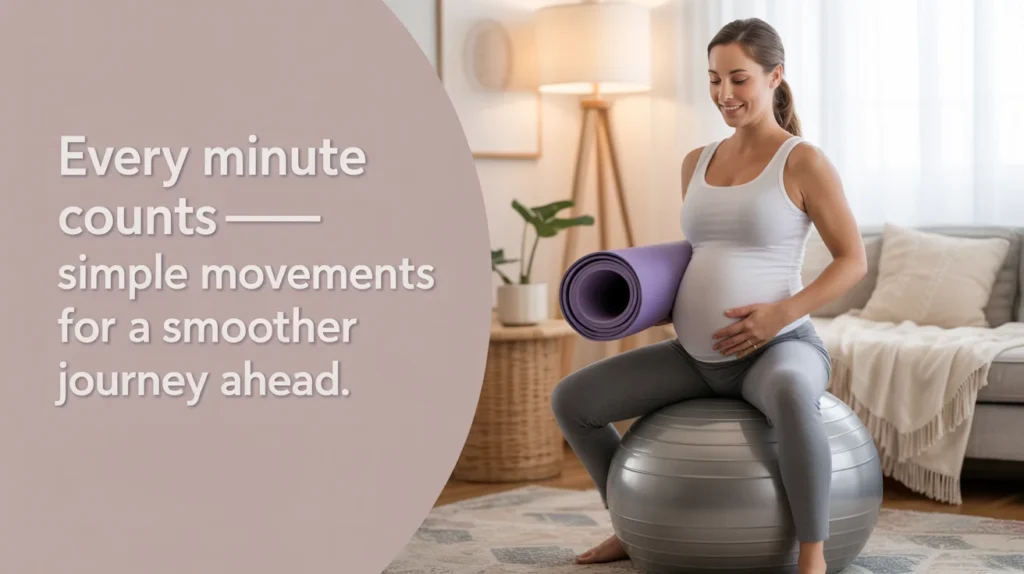
A Birth Ball Exercises is essentially a large, durable exercise ball that is used during pregnancy, labor, and even postpartum. The main difference between a birth ball and a standard gym ball is its anti-burst material, which ensures it deflates slowly if punctured, preventing sudden falls. Using a birth ball offers a dynamic and supportive surface that encourages movement and flexibility.
The benefits are numerous. Sitting on a birth ball helps to alleviate pressure on your lower back, pelvis, and perineum, which often bear the brunt of your growing belly. The gentle bouncing and rocking motions can soothe both you and your baby.

Furthermore, these movements can help open up your pelvis, creating more space for your baby to descend and engage in the correct position for delivery. It’s a low-impact way to stay active and prepare your body for the physical demands of childbirth.
Choosing the Right Birth Ball
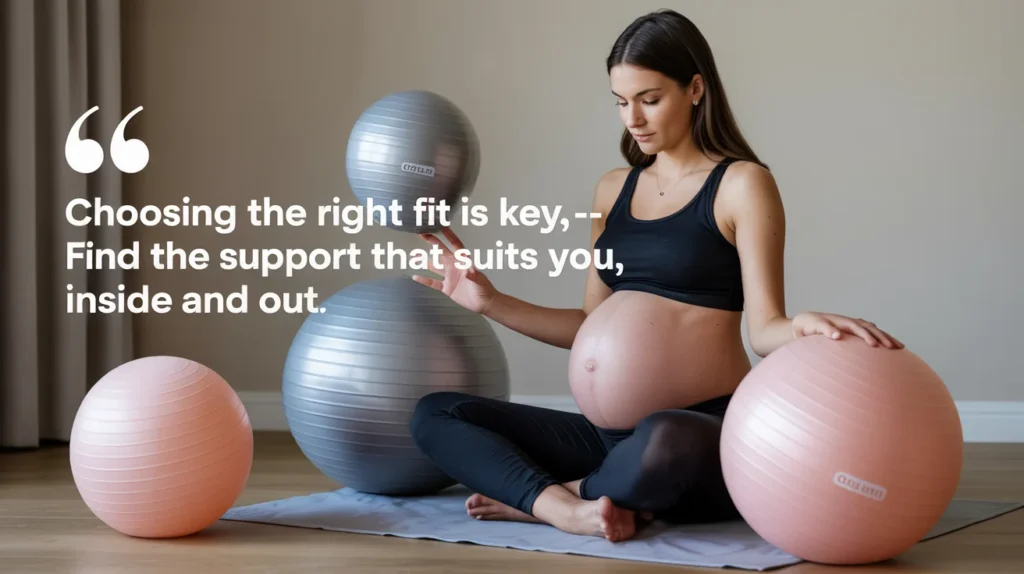
Selecting the correct size is crucial for both comfort and safety. An improperly sized ball can strain your joints and be less effective. The right ball will allow you to sit with your feet flat on the floor and your knees at or slightly below the level of your hips. This alignment promotes good posture and pelvic balance.
Here is a general guide to help you choose the right size based on your height:
| Your Height | Recommended Ball Diameter |
|---|---|
| Under 5’4″ (163 cm) | 55 cm |
| 5’4″ to 5’10” (163-178 cm) | 65 cm |
| Over 5’10” (178 cm) | 75 cm |
When you inflate the ball, make sure it’s firm but has a little give. You should feel stable and supported when you sit on it. Always test the inflation in a safe space before beginning any exercises.
Safety First: How to Use Your Birth Ball Securely
Before you start your Birth Ball Exercises, it’s important to take a few safety precautions. First, ensure your ball is rated as “anti-burst,” which is a standard feature for most balls marketed specifically for birth. Inflate it according to the manufacturer’s instructions, but avoid over-inflating, as this can make it too hard and unstable.
Always place your birth ball on a flat, non-slip surface, like a rug or yoga mat, rather than a slick hardwood or tile floor. When first getting used to the ball, you may want to place it near a wall or sturdy piece of furniture for extra support.

Have someone nearby to spot you, especially if you feel unsteady. It’s also a great idea to practice getting on and off the ball safely. Stand next to the ball, squat down, and place your hands on it before slowly rolling your hips onto the center. To get off, reverse the motion.
6 Modern Birth Ball Exercises for Expecting Moms
If you’re looking for fresh, modern ways to get moving with your birth ball, here are six less traditional exercises designed to help you prepare for childbirth. Always listen to your body and pause if anything feels uncomfortable.

1. Dynamic Side Lunges with the Ball
This move adds mobility work and core engagement, helping to stretch your inner thighs and hips.
How to do it:
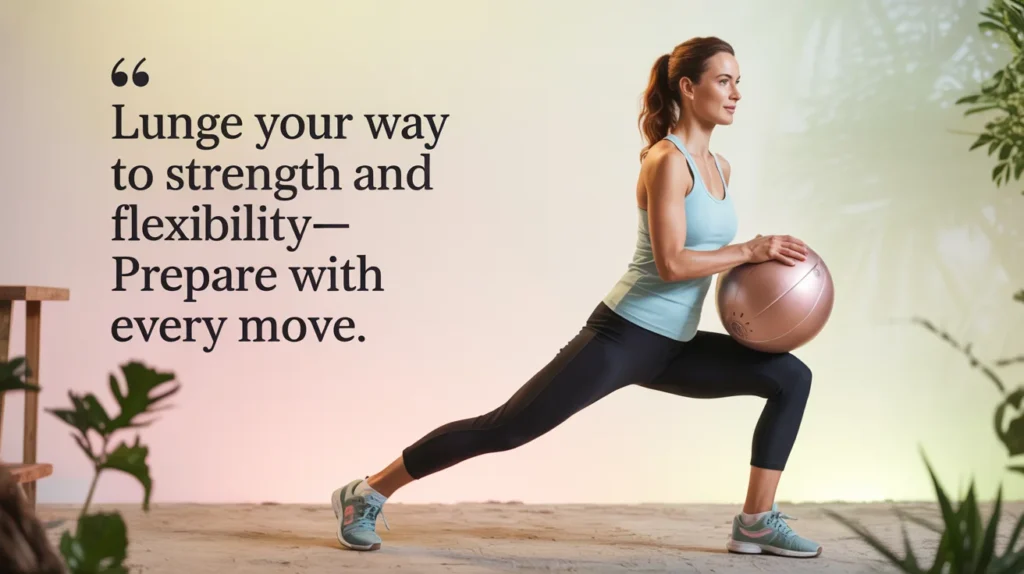
Stand next to your birth ball and gently rest your right hand on top. Take a wide stance. Slowly bend your right knee, letting your hips shift to the right while rolling the ball to that side for support. Your left leg remains straight as you stretch. Return to center and repeat to the left. Alternate for 10-12 reps per side. This lateral movement helps with pelvic flexibility and balance—a big plus for labor.
2. Seated Resistance Band Rows
Bring in a resistance band for added upper body prep—strong arms help during labor positions.
How to do it:
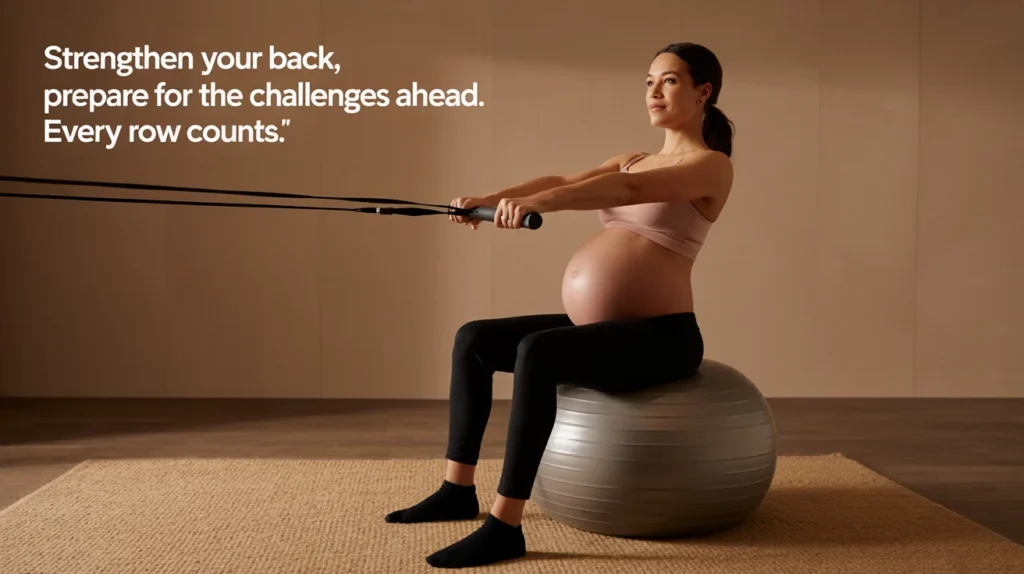
Sit tall on your birth ball with a resistance band looped around your feet. Holding an end in each hand, sit up straight, and gently pull the band back for a rowing motion, keeping elbows close to your sides. Squeeze your shoulder blades at the end of each row, then return slowly. Repeat 12-15 times. This modern exercise improves posture and strengthens your back, which can relieve common pregnancy aches.
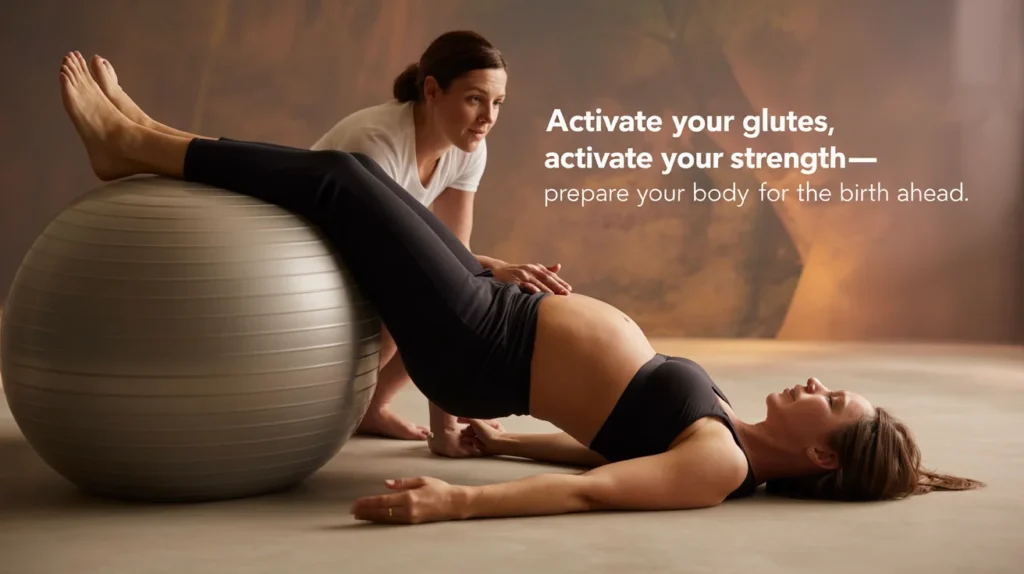
3. Wall-Assisted Hip Thrusters
This glute-focused move supports pelvic strength and stamina without putting strain on your back.
How to do it:
Lie on your back with your heels resting on the birth ball, knees bent. Place your hands at your sides for support. Press through your heels to lift your hips off the floor, forming a line from shoulders to knees. Squeeze at the top and lower gently. Do 10-15 reps. This move is excellent for glute activation and supporting the muscles you’ll use during childbirth.
4. Bird Dog Balance
Stability and core strength are crucial, and this move adapts a popular fitness trend for pregnancy.
How to do it:
Kneel on a mat and drape your chest over the birth ball, hands and knees on the ground. Extend your right arm and left leg, keeping your core engaged and your movements slow and controlled. Hold for a breath, then switch sides. Try 8-10 reps per side. This exercise helps you work on balance and reinforces stability, both useful as your center of gravity shifts.

5. Ball Supported “Rainbow” Leg Lifts
Give your hips and glutes a fresh challenge with this Instagram-popular move.
How to do it:
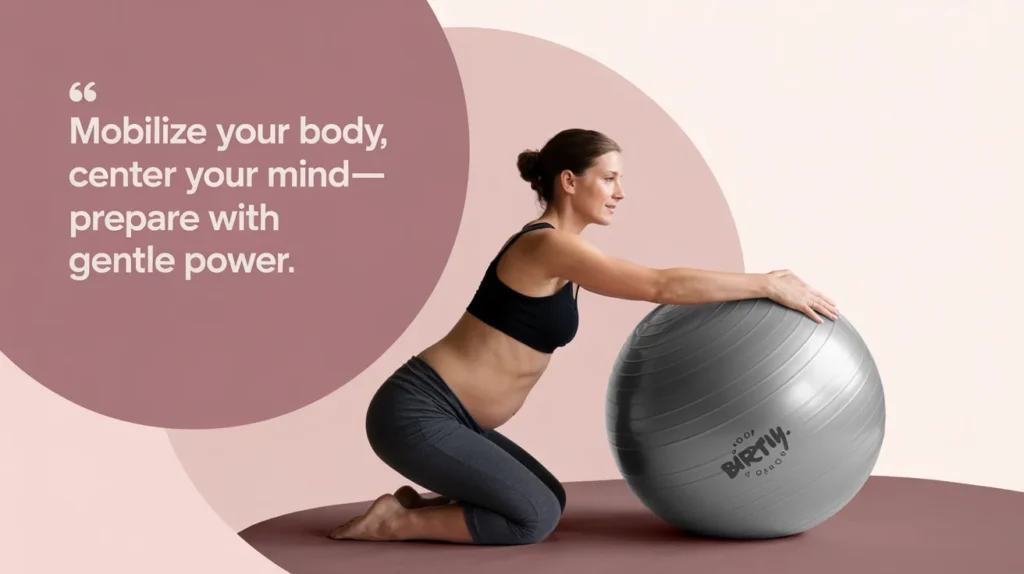
Kneel on the floor and lean forward, hugging the ball softly with your forearms and chest. Stretch your right leg behind you, toes pointed. Sweep your leg up and out to the side in a rainbow-shaped arc, then bring it back across your body. Do 8-12 reps each side. You’ll feel a gentle burn and better hip control for positions during labor.

6. Mobility Flow: Ball Roll Outs
Inspired by modern core training, this smooth exercise strengthens your abs and keeps your spine limber.
How to do it:
Kneel on a mat with the ball in front of you. Place your hands on the ball and, keeping your hips aligned, slowly roll it forward as far as you’re comfortable, keeping your core tight. Roll the ball back toward your knees to return. Repeat 10 times, moving with control. This gently activates your deep core and solidifies mind-body connection.
Integrating Birth Ball Exercises into Your Daily Routine
You don’t need to set aside a huge chunk of time to benefit from these exercises. Consistency is more important than duration.
- Swap Your Chair: Replace your desk chair or the chair you watch TV in with your birth ball for 20-30 minutes at a time.
- During Breaks: If you work from home, take 5-minute breaks every hour to do a few pelvic tilts or hip circles.
- While Relaxing: Gently bounce or rock on the ball in the evenings while you unwind, listen to music, or talk with your partner.
Making Birth Ball Exercises a regular part of your day can make a noticeable difference in your comfort level and physical preparedness.

Conclusion: Embrace the Ball for a Better Birth Experience
Preparing for childbirth is a journey, and having the right tools can make it a more positive and empowering experience. A birth ball is a simple, affordable, and highly effective tool that can support you through the final months of pregnancy and the challenges of labor.
The gentle movements and supportive surface can help alleviate common aches and pains, encourage your baby into an optimal position, and give you an active role in your labor progress.

By incorporating these six easy Birth Ball Exercises into your routine, you are not just passing the time; you are actively preparing your body and mind for one of life’s most incredible moments. Start slowly, listen to your body, and enjoy the process of connecting with yourself and your baby as you prepare for delivery.
Frequently Asked Questions (FAQ)
Q1: When can I start using a birth ball during pregnancy?
You can start using a birth ball at any point in your pregnancy, as long as your healthcare provider approves. Many women find it particularly helpful in the second and third trimesters to alleviate back pain and improve posture.
Q2: Can using a birth ball actually induce labor?
While Birth Ball Exercises can help position the baby optimally and open the pelvis, which may encourage labor to start when your body is ready, there is no scientific evidence that it can induce labor on its own. It’s more of a preparatory tool.
Q3: Is a birth ball the same as a yoga or exercise ball?
They are very similar, but birth balls are typically made from stronger, anti-burst material. This means if punctured, they will deflate slowly rather than popping, which is a crucial safety feature for a pregnant person. Always check that your ball is anti-burst.
Q4: How do I know I am using the birth ball correctly?
Your knees should be level with or slightly lower than your hips when you are sitting on the ball with your feet flat on the floor. You should feel stable and be able to maintain good posture without straining. If you feel wobbly or uncomfortable, your ball may be the wrong size or improperly inflated.
Disclaimer: This article is for informational purposes only and does not constitute medical advice. Always consult with your healthcare provider before starting any new exercise program during pregnancy