
Introduction
Being a mom is a physical job. From lifting toddlers and carrying groceries to endlessly picking up toys, your body is constantly in motion. Finding time for fitness can feel like another impossible task on an already packed schedule.
What if you could use a single type of exercise to build functional strength, improve mobility, and reduce aches and pains? The answer might be simpler than you think. By incorporating deep squat variations into your routine, you can build a stronger, more resilient body ready to handle the demands of motherhood.

This guide will explore how different types of deep squats can transform your fitness, even with limited time. We will cover everything from the fundamental benefits for your hips and core to specific exercises you can start doing today. You will learn how these movements directly translate to daily mom life, making you stronger and more mobile for every task you face.
Key Takeaways
- Improves Functional Strength: Deep squats build strength that directly applies to daily activities like lifting children and carrying heavy items.
- Enhances Hip Mobility: Regular practice can counteract the effects of prolonged sitting, reducing hip tightness and lower back pain.
- Strengthens Core and Pelvic Floor: Proper squat form engages the deep core and pelvic floor muscles, which is crucial for postpartum recovery and overall stability.
- Time-Efficient Workout: Deep squat variations offer a full-body workout that can be done in short bursts, perfect for a busy mom’s schedule.
- Adaptable for All Levels: Whether you are a beginner or an experienced exerciser, there are squat variations that can challenge you safely.
Why Deep Squats Are a Game-Changer for Moms
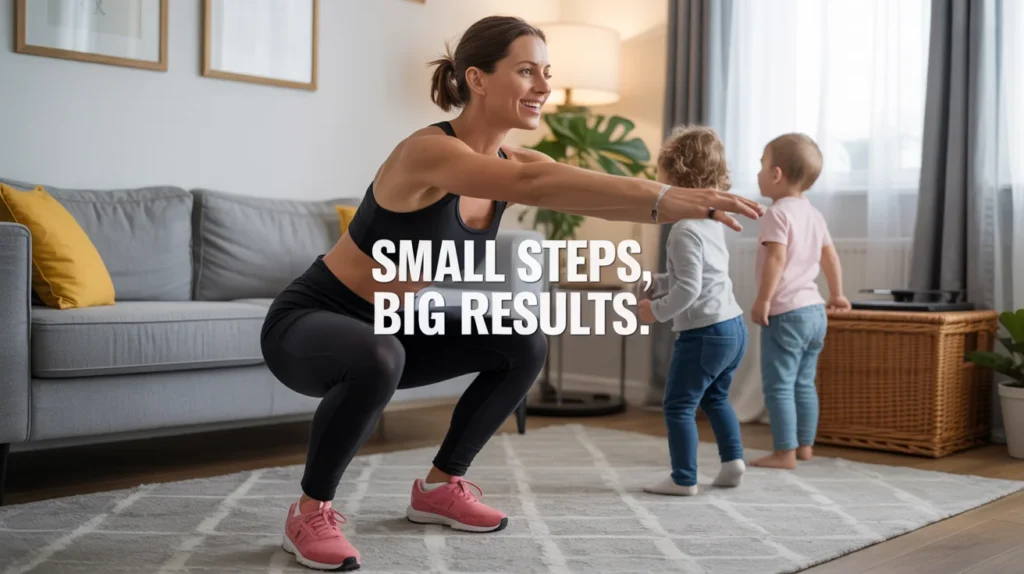
When you think of a squat, you might picture the standard gym exercise. But a deep squat, where your hips sink below your knees, is a fundamental human movement. For centuries, people have used this position for resting, working, and even giving birth.
For modern moms, reclaiming this movement can unlock incredible benefits for strength and mobility. It’s not just about building leg muscles; it’s about restoring natural movement patterns that help your body function better as a whole.
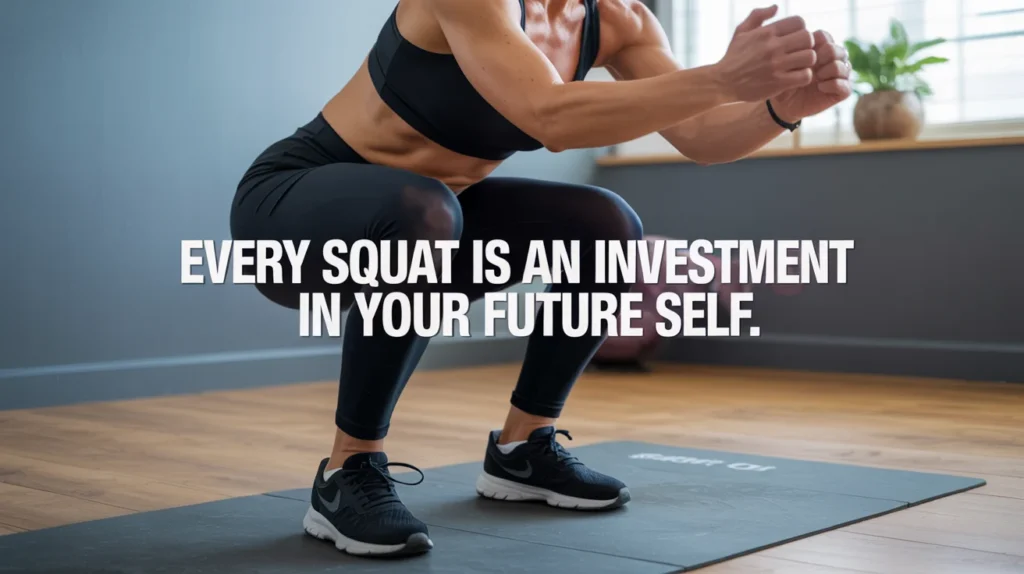
This foundational movement strengthens the entire lower body, including your glutes, quadriceps, and hamstrings. More importantly, it engages your core muscles to stabilize your spine. This is essential for preventing the lower back pain that often comes from lifting and carrying children.
By making deep squats a regular part of your routine, you are not just exercising; you are investing in a body that can keep up with your busy life without pain or injury. It’s one of the most efficient ways to build the practical strength you need every single day.
The Link Between Hip Mobility and a Healthy Back
Many moms experience persistent lower back pain. A surprising culprit is often tight hips. Long periods of sitting, whether feeding a baby, driving, or working at a desk, can cause the muscles in the front of your hips (the hip flexors) to become short and tight. This tightness can pull your pelvis forward, creating an arch in your lower back that leads to strain and discomfort.
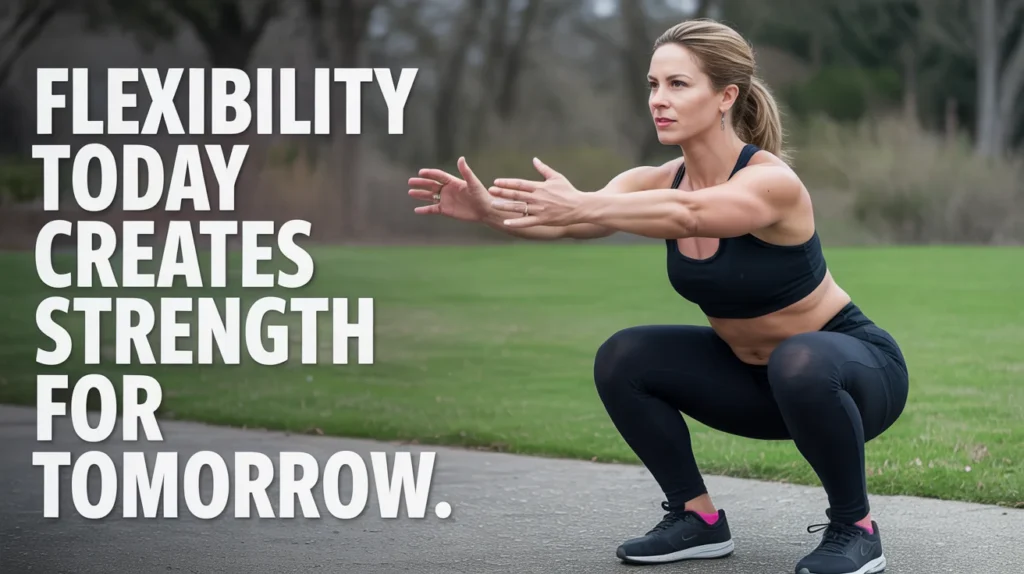
This is where deep squat variations come in. By moving your hips through their full range of motion, you actively lengthen those tight hip flexors and improve overall flexibility. A deep squat encourages your pelvis to return to a more neutral position, which takes the pressure off your lumbar spine. Think of it as a dynamic stretch that also builds strength.
Studies from health institutions often highlight the connection between hip function and back health, showing that mobile hips are a key component of a pain-free back. Regularly performing deep squats can be one of the most effective ways to combat the physical toll of a sedentary lifestyle and the specific strains of motherhood.
Reclaiming Your Body Postpartum
The journey of pregnancy and childbirth brings incredible changes to your body. Your core and pelvic floor muscles are stretched and weakened, and your posture often shifts to accommodate a growing belly.
Rebuilding strength in these areas is crucial for a healthy recovery and long-term well-being. Deep squats, when performed with correct form and after receiving clearance from a doctor, can be a powerful tool in this process.
Core and Pelvic Floor Engagement
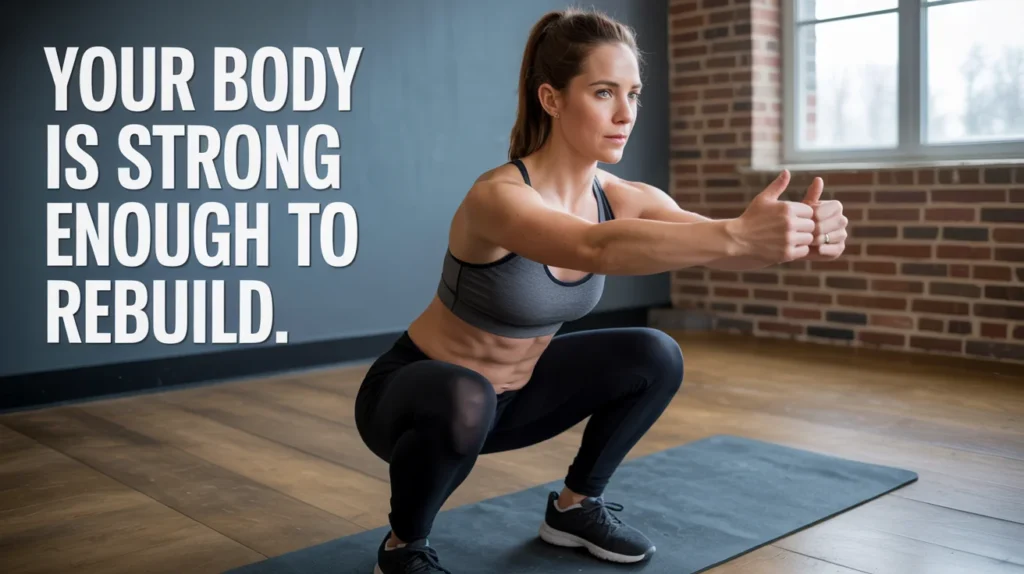
A proper deep squat is much more than a leg exercise; it’s a full-body movement that requires deep core stabilization. As you lower down, your transverse abdominis, the body’s natural corset, must engage to protect your spine. At the same time, your pelvic floor muscles work with your diaphragm to manage internal pressure.
This coordinated effort helps retrain and strengthen these vital muscles. It is essential to focus on your breathing: inhale as you lower, and exhale as you push back up, gently engaging your pelvic floor. This mindful approach helps restore the connection to your core system that can feel lost after pregnancy.
Correcting Postural Imbalances
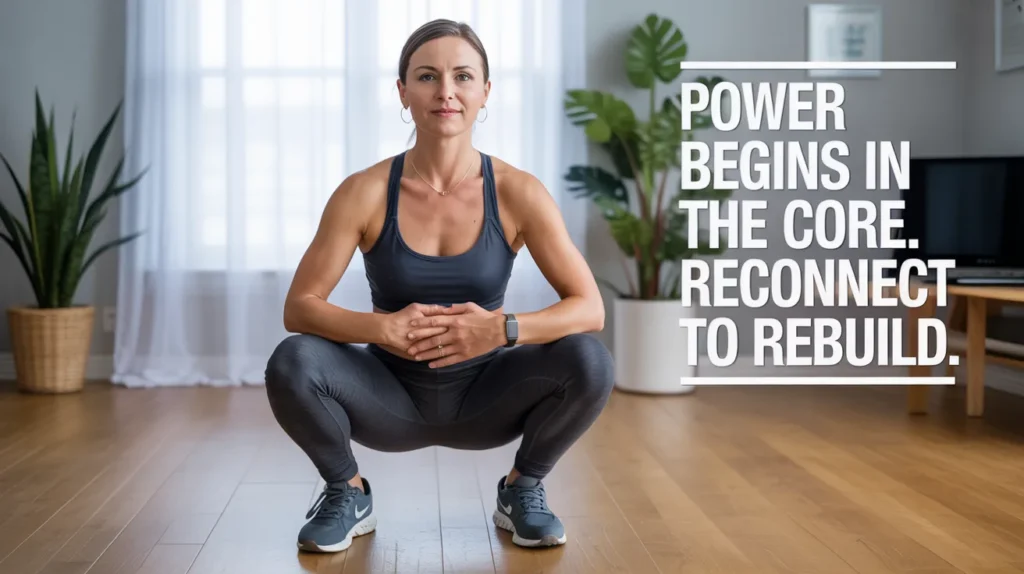
Pregnancy can lead to a forward-tilting pelvis and a swayed lower back. Deep squat variations help correct this by strengthening the glutes and hamstrings—the muscles on the back of your body. Strong glutes help pull the pelvis back into a neutral alignment, relieving pressure on the lower back.
By strengthening your entire posterior chain, you create a more stable foundation, improving your posture not just during exercise but throughout your day. This helps you stand taller, carry your baby with better alignment, and feel more confident in your body.

Getting Started: Safe and Effective Deep Squat Variations
Starting a new exercise can feel intimidating, but the beauty of squats is their versatility. You can begin with supported variations and gradually progress as you build strength and confidence. Always listen to your body and prioritize good form over depth or weight.
1. Bodyweight Goblet Squat
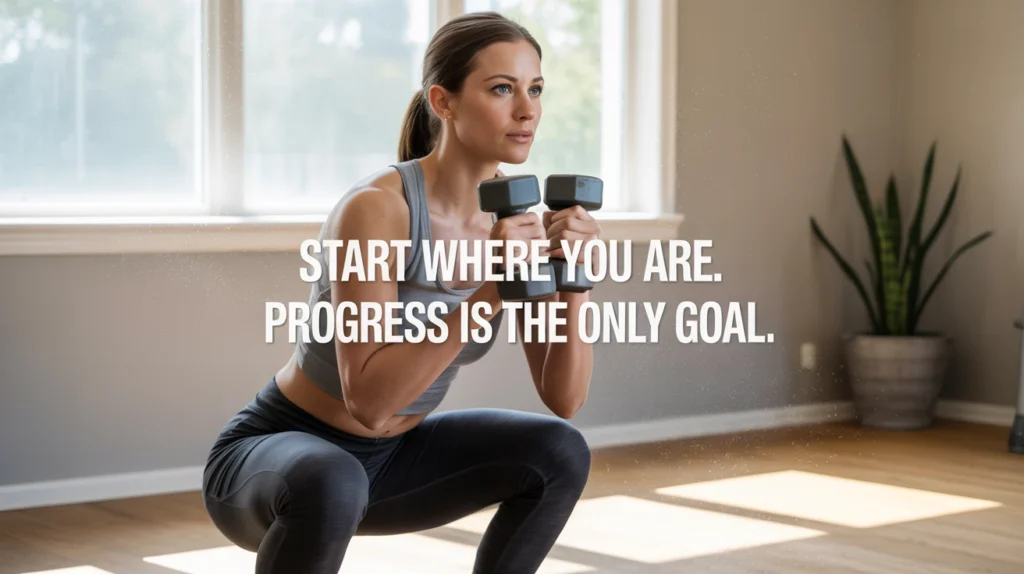
This is the perfect starting point. The Goblet Squat uses a counterbalance to help you maintain an upright torso and achieve greater depth with good form.
- How to do it: Stand with your feet slightly wider than your shoulders, toes pointed slightly out. Hold a light weight (like a single dumbbell, kettlebell, or even a heavy book) close to your chest with both hands.
- The Movement: Keeping your chest up and back straight, inhale and push your hips back as if you’re sitting in a chair. Lower until your hips are below your knees, or as low as you can comfortably go.
- The Return: Exhale and press through your entire foot to stand back up, squeezing your glutes at the top.
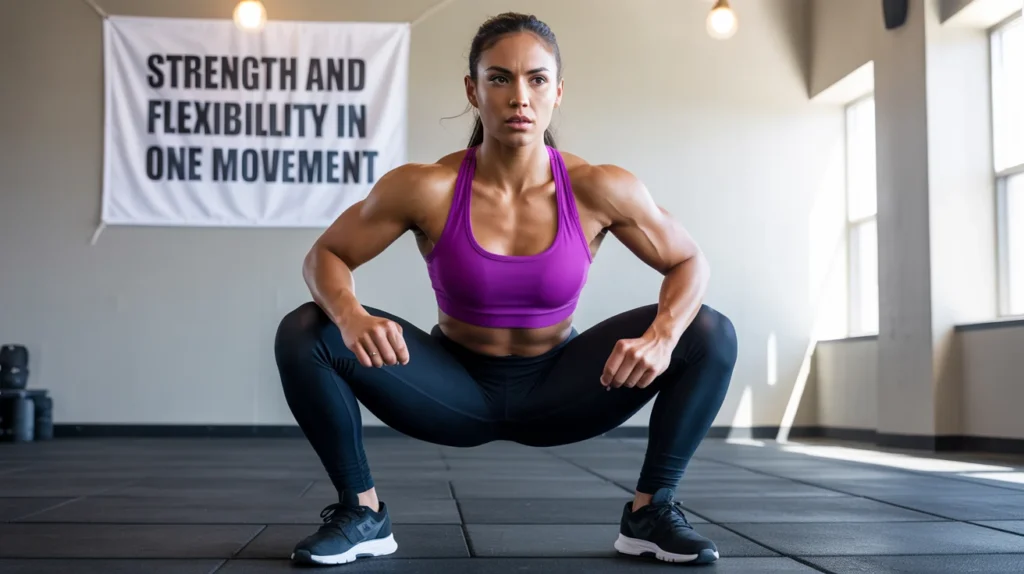
2. Sumo Squat
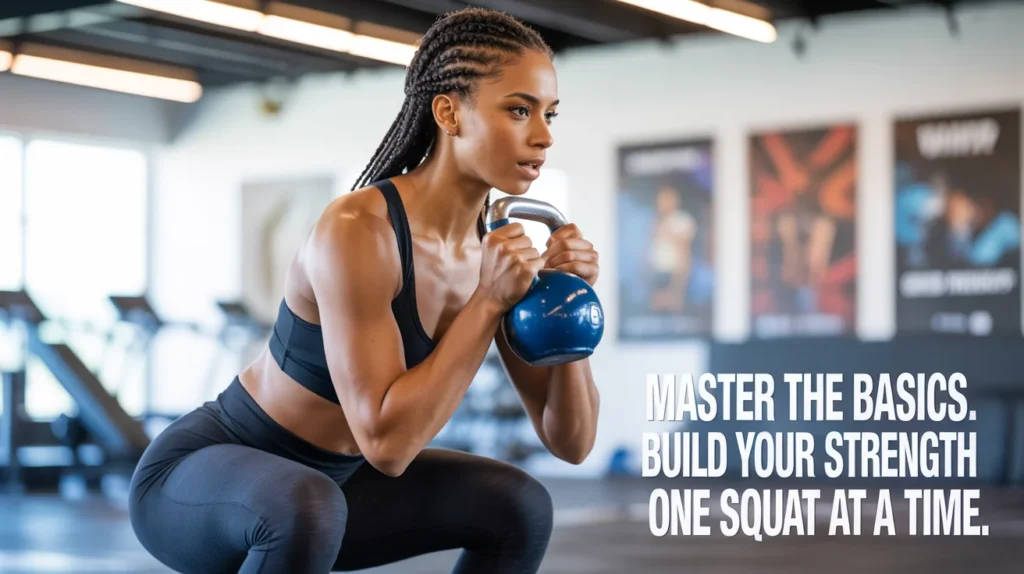
The Sumo Squat has a wider stance, which shifts the focus more to the inner thighs and glutes. It can also be a more comfortable option for those with tight hips.
- How to do it: Take a wide stance, with your feet significantly wider than your shoulders and your toes pointing out at about a 45-degree angle.
- The Movement: Keeping your torso upright, lower your hips straight down. Focus on pushing your knees out so they track in line with your toes.
- The Return: Drive through your heels to return to the starting position. This variation is excellent for opening up the hips.
3. Cossack Squat
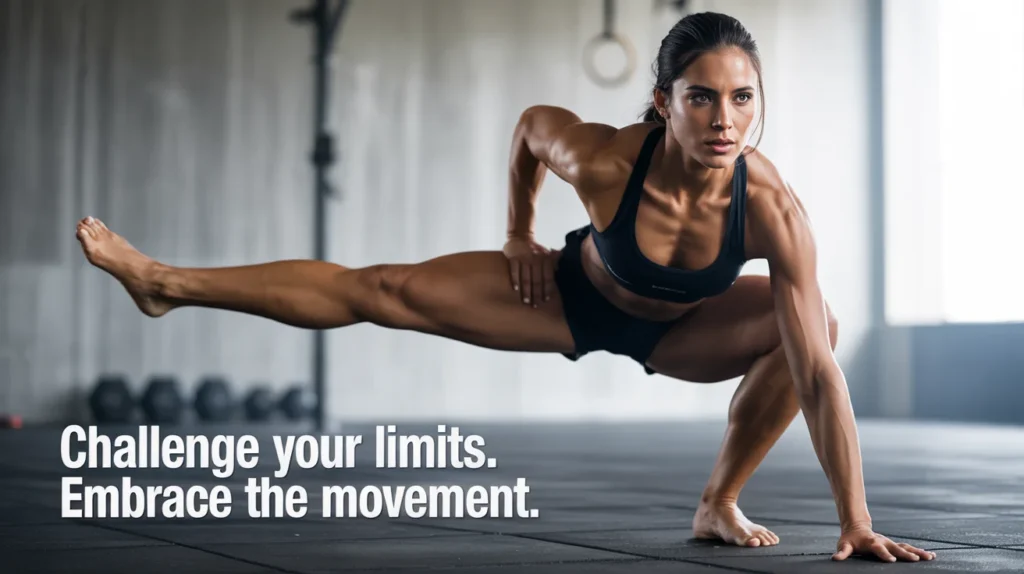
This is a more advanced variation that challenges your mobility, stability, and single-leg strength. It’s a fantastic movement for improving hip health.
- How to do it: Start in a very wide stance. Shift your weight to one side, bending that knee and lowering into a deep squat on that leg. Keep the other leg straight, with the foot either flat on the floor or with the heel down and toes up.
- The Movement: Go as low as your mobility allows on the squatting side, keeping your torso as upright as possible.
- The Return: Push off the bent leg to return to the center and then repeat on the other side. Start with a limited range of motion and increase it as you get more comfortable.
| Squat Variation | Primary Muscle Focus | Best For |
|---|---|---|
| Bodyweight Goblet Squat | Quadriceps, Glutes, Core | Beginners, Learning Form |
| Sumo Squat | Inner Thighs, Glutes | Improving Hip Openness |
| Cossack Squat | Adductors, Glutes, Hamstrings | Advanced Mobility, Stability |
Integrating Deep Squats into a Busy Schedule
The idea of adding another thing to your to-do list might seem overwhelming. However, you don’t need a full hour at the gym to reap the benefits of deep squat variations. The key is to find small pockets of time throughout your day.
Try a “deep squat variations.” While waiting for the kettle to boil or during a cartoon’s commercial break, do a set of 10-15 bodyweight squats. These small bursts of activity add up. You could also try habit stacking: every time you put your child down for a nap, do one set of squats.

By linking the new habit to an existing one, you are more likely to stick with it. Even just a few minutes a day can make a significant difference in your strength and mobility. The goal is consistency, not intensity. A few well-formed squats done daily are far more beneficial than a grueling, sporadic workout.
Listening to Your Body: Modifications and Safety
While deep squat variations are highly beneficial, safety should always be your top priority. Pain is your body’s signal to stop and reassess. If you feel a sharp or pinching sensation, especially in your knees or hips, it’s important to modify the movement.
One common issue is limited ankle mobility, which can prevent you from keeping your heels on the ground. A simple fix is to place a small rolled-up towel or thin books under your heels. This elevation allows you to squat deeper while maintaining better form. If you struggle with balance, hold onto a sturdy chair or countertop for support.
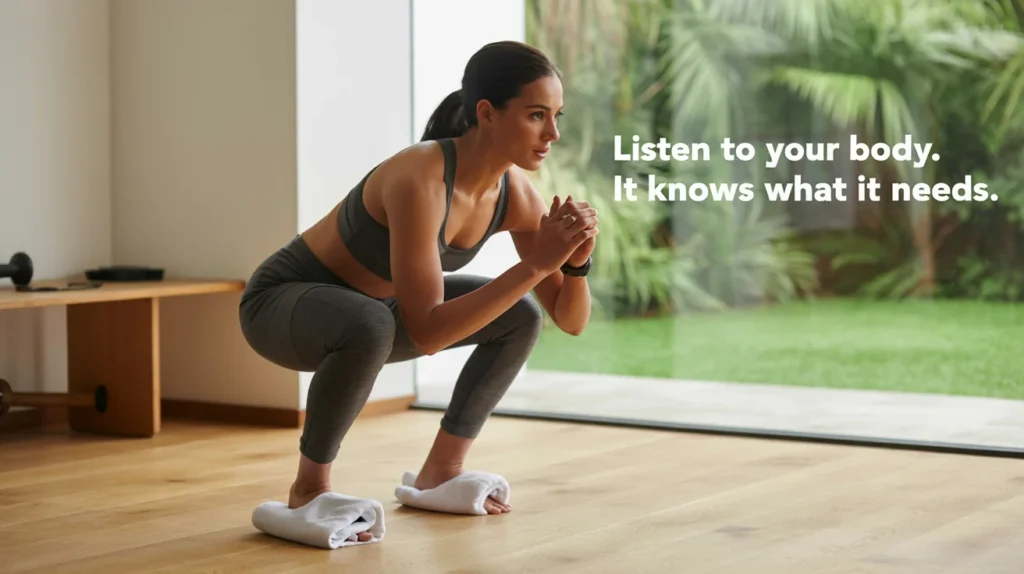
This allows you to focus on the movement pattern without the fear of falling. Remember, the goal of deep squat variations is progress, not perfection. Start where you are, use modifications, and gradually challenge yourself as you get stronger and more mobile. Consulting a physical therapist can also provide personalized guidance, especially postpartum.
Long-Term Benefits: Aging Gracefully and Actively
The work you put into your body now pays dividends for years to come. Building and maintaining muscle mass through exercises like deep squats is one of the most effective ways to support healthy aging.
As we get older, we naturally lose muscle and bone density. Strength training is a powerful way to counteract this process. According to the National Institute on Aging, preserving muscle mass helps maintain metabolic health and physical independence.

Strong legs and a stable core mean you will be able to get up from the floor, carry groceries, and play with your grandchildren with ease for decades to come. The mobility you cultivate in your hips will help you stay active and pain-free, reducing your risk of falls and injuries later in life.
By incorporating deep squat variations into your life, you are not just managing the demands of today; you are building a foundation for a long, healthy, and active future. It’s an investment in the woman, not just the mom, you will be for years to come.
Conclusion
For busy moms, fitness needs to be effective, efficient, and practical. Deep squat variations check all of these boxes. They build the functional strength required for the physical demands of motherhood, improve hip mobility to alleviate common aches and pains, and help restore core and pelvic floor function postpartum.
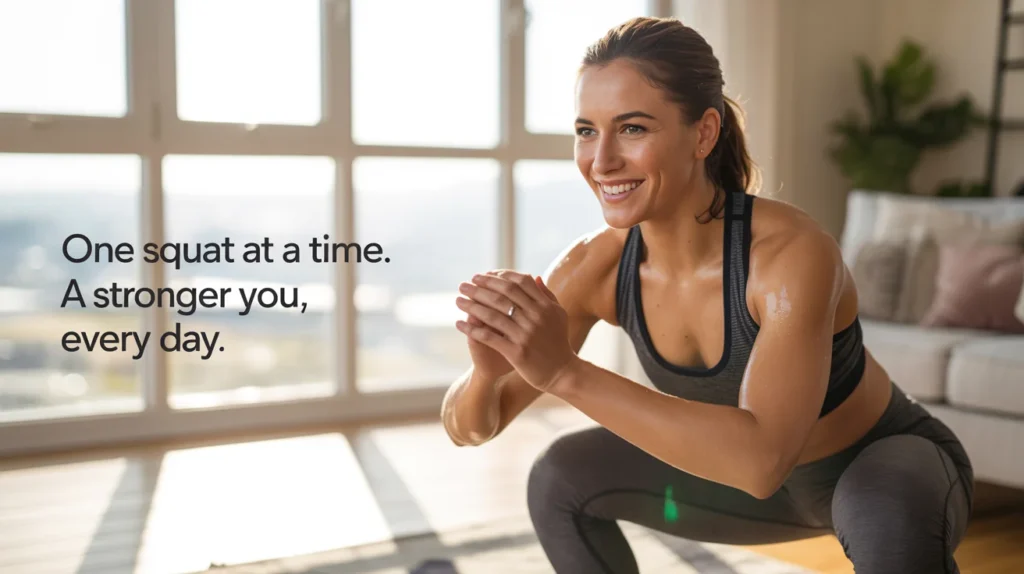
By embracing these fundamental movements, you are not just adding an exercise to your routine; you are reclaiming your body’s natural ability to move with strength and grace. Start small, be consistent, and listen to your body. You have the power to build a stronger, more resilient you, one squat at a time.
Frequently Asked Questions (FAQ)
1. Will squats make my thighs bulky?
This is a common myth. For most women, strength training with exercises like squats builds lean, toned muscle, not bulk. Bodybuilders achieve significant size through very specific, high-volume training and nutrition protocols. For the average mom, squats will lead to stronger, firmer legs.
2. How soon after giving birth can I start doing squats?
You must get clearance from your doctor or a pelvic floor physical therapist before returning to exercise, typically around 6-8 weeks postpartum. It is crucial to start slowly, focusing on form and core engagement, and listen to your body’s signals.
3. What if I feel knee pain when I squat?
Knee pain during squats is often due to improper form. Make sure you are initiating the movement by pushing your hips back, not by bending your knees first. Your knees should track in line with your toes and not collapse inward. If pain persists, reduce your range of motion and consider consulting a professional.
4. How many reps and sets should I do?
If you are new to squats, start with 2-3 sets of 8-12 repetitions with just your body weight. Focus on mastering the form. As you get stronger, you can increase the reps or add light weight. Consistency is more important than volume.
5. Do I need any special equipment?
No! One of the greatest things about deep squat variations is that many can be done with just your body weight. You can do them anywhere, anytime. As you progress, you may want to incorporate dumbbells or resistance bands, but they are not necessary to get started.