Introduction
Pregnancy is a remarkable journey, but it often comes with physical changes that can make movement challenging. For expectant mothers experiencing Limited Mobility, whether from pregnancy-related conditions like pelvic girdle pain, previous injuries.
Other health concerns, staying active can feel like a major hurdle. However, exercise remains crucial for both your health and your baby’s. The key is to adapt your routine to ensure it’s safe, comfortable, and effective.
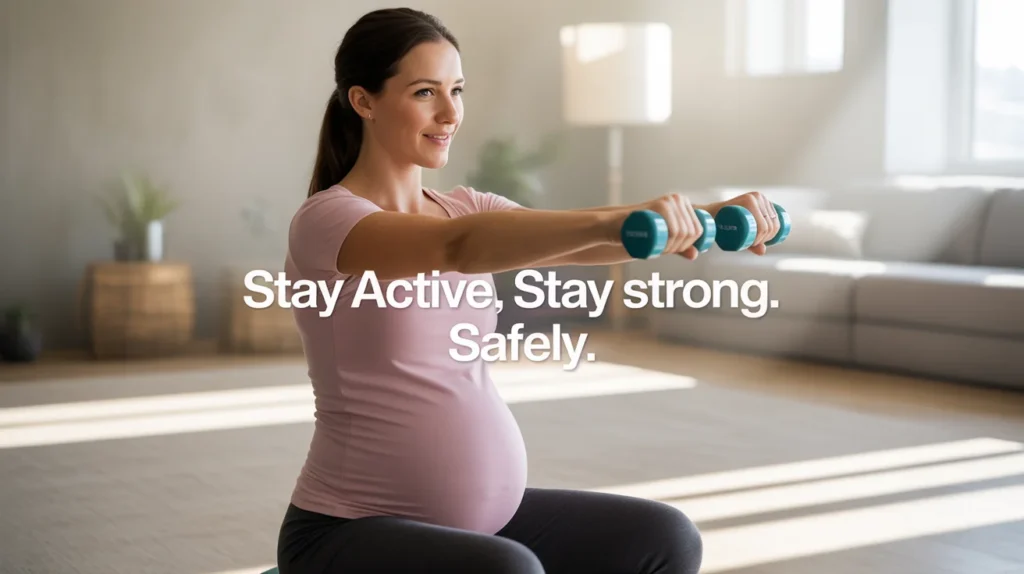
This guide is designed to empower you with knowledge and practical solutions for exercising safely during pregnancy, even with physical restrictions. We’ll explore gentle exercises, essential safety precautions, and how to listen to your body’s unique needs.
Staying active can help improve your mood, reduce aches and pains, and prepare your body for labor and delivery. Let’s discover how you can keep moving with confidence.
Key Takeaways
- Safety First: Always consult your healthcare provider before starting or modifying any exercise routine during pregnancy, especially if you have Limited Mobility.
- Listen to Your Body: Pay close attention to signals like pain, dizziness, or shortness of breath. Stop immediately if something doesn’t feel right.
- Focus on Low-Impact: Activities like swimming, prenatal yoga, and seated exercises are excellent for reducing stress on your joints.
- Strengthening is Key: Gentle strength training helps support your changing body, improve posture, and prepare you for carrying your newborn.
- Consistency Over Intensity: Short, regular sessions of movement are more beneficial and sustainable than infrequent, strenuous workouts.
Why Staying Active with Limited Mobility Matters
Even when movement is challenging, the benefits of staying active during pregnancy are immense. Exercise isn’t just about fitness; it’s a powerful tool for managing the physical and emotional changes of this special time. For those with Limited Mobility, a modified approach can still unlock these advantages without compromising safety.
Regular physical activity can help alleviate common pregnancy discomforts like backaches, constipation, and swelling. It also plays a vital role in managing your weight, which can reduce the risk of gestational diabetes. Beyond the physical, exercise is a natural mood booster.
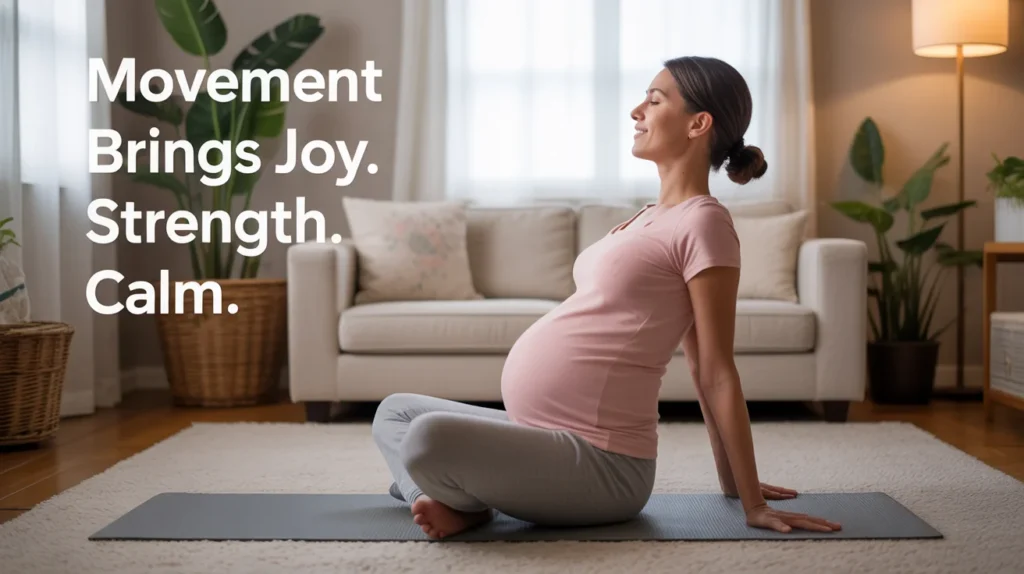
It can help reduce stress and anxiety, promoting better sleep and overall mental well-being. By engaging in safe, appropriate exercises, you are also building the strength and endurance needed for labor and postpartum recovery. A carefully planned routine acknowledges your physical restrictions while allowing you to reap these incredible health benefits.
Consulting Your Healthcare Provider First
Before you even think about lacing up your sneakers or rolling out a yoga mat, the most critical step is to talk to your doctor or midwife. This is non-negotiable for all pregnant women, but it is especially vital for those with Limited Mobility.
Your healthcare provider understands your personal health history and the specifics of your pregnancy. They can offer personalized advice and clear any exercise plans.
During your conversation, be specific about your condition and the types of activities you are considering. Your provider can help you understand any movements to avoid and suggest modifications that are safe for you and your baby.

They may even recommend a physical therapist who specializes in prenatal care. This expert guidance ensures you are not putting yourself or your baby at unnecessary risk. This professional green light is your foundation for a safe and healthy fitness journey.
Top Safe Exercises for Limited Mobility
Finding the right exercises is about choosing activities that support your body without straining it. The goal is gentle movement that builds strength and promotes circulation. Here are some of the best options for pregnant moms with restricted movement.
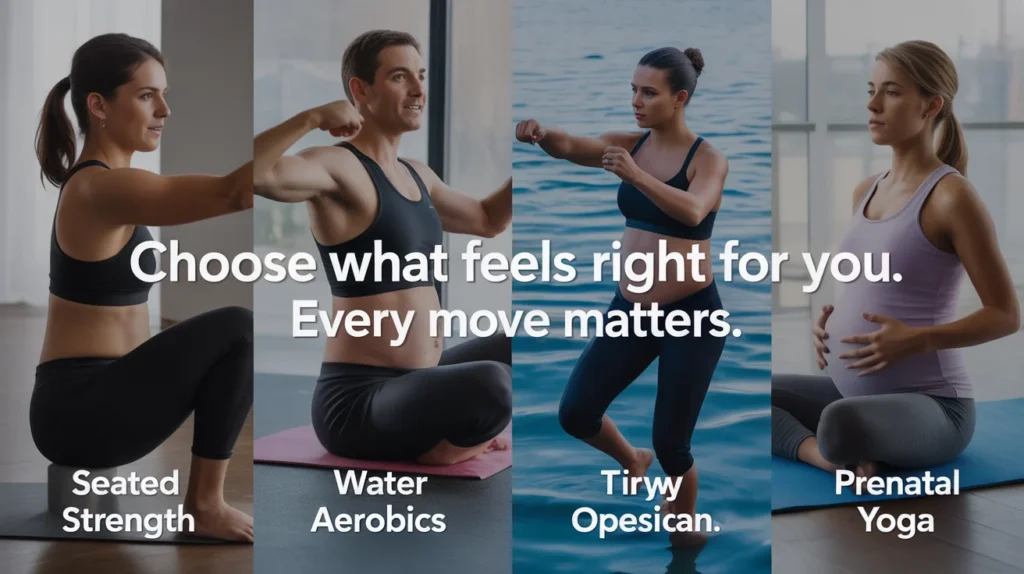
Seated Strength Training
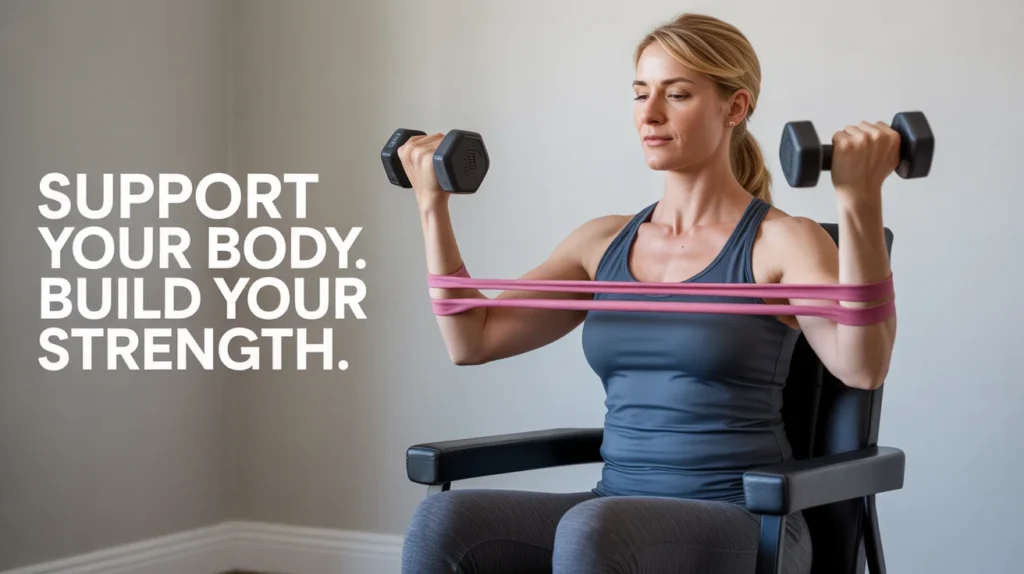
You don’t need to be on your feet to build strength. Seated exercises are a fantastic way to work your muscles while providing full support for your body.
Upper Body Workouts
Focus on strengthening your arms, back, and shoulders to prepare for holding and carrying your baby.
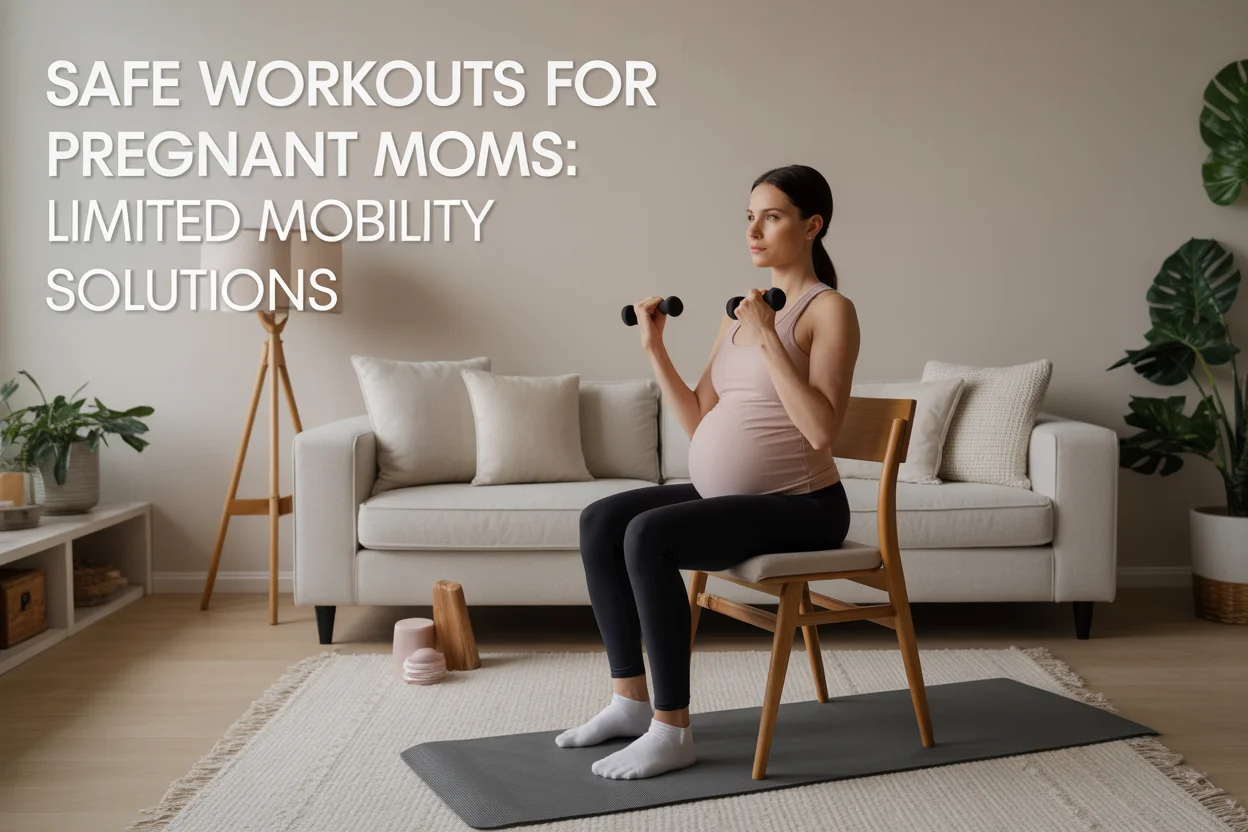
- Bicep Curls: Sit tall in a sturdy chair with your feet flat on the floor. Hold light dumbbells (or water bottles) with palms facing forward. Bend your elbows and curl the weights toward your shoulders, then slowly lower them.
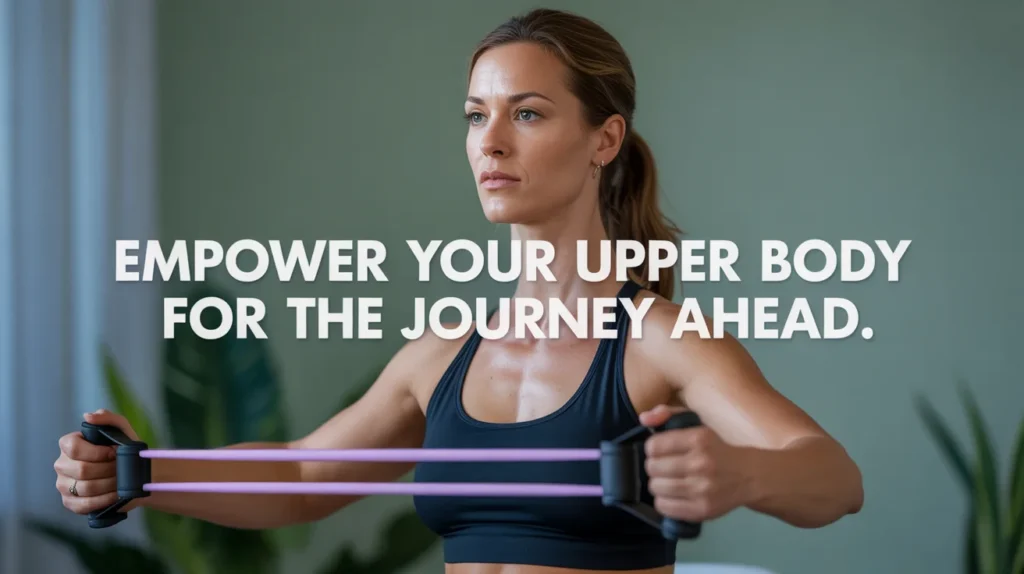
- Seated Rows: Use a resistance band looped around a stable anchor point (like a doorknob). Sit facing the anchor and pull the band toward your chest, squeezing your shoulder blades together.
- Overhead Press: While seated, hold light weights at shoulder height, palms facing forward. Gently press the weights overhead without locking your elbows, then return to the start.
Core and Pelvic Floor Engagement
A strong core and pelvic floor are essential for supporting your growing belly and aiding in postpartum recovery.
- Pelvic Tilts: Sit on the edge of a chair or an exercise ball. Gently rock your pelvis forward and backward, engaging your abdominal muscles without holding your breath.
- Kegels: Squeeze and lift your pelvic floor muscles (the ones you use to stop urination midstream). Hold for a few seconds and release. This can be done anywhere, anytime.

Water-Based Workouts
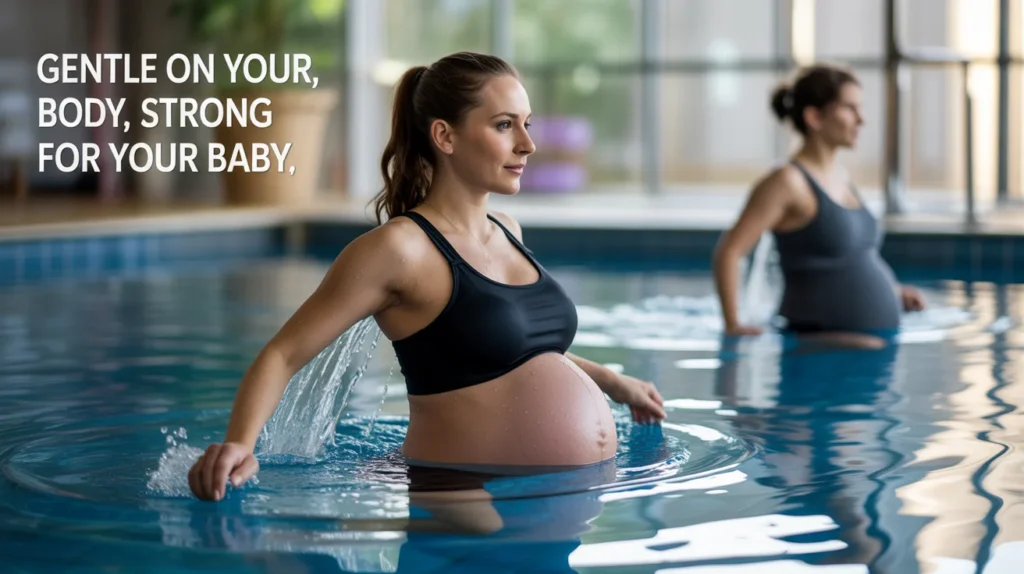
The buoyancy of water makes it an ideal environment for exercise during pregnancy. It supports your weight, reduces impact on your joints, and can help alleviate swelling.
Swimming
Swimming is often called the perfect pregnancy workout. It’s a full-body exercise that is gentle on your ligaments and joints. Strokes like the breaststroke and backstroke are particularly beneficial as they help strengthen back and chest muscles.
Water Aerobics
Prenatal water aerobics classes are specifically designed for expectant mothers. A qualified instructor can guide you through safe movements that build strength and cardiovascular endurance without the strain of land-based exercises.

Prenatal Yoga and Stretching
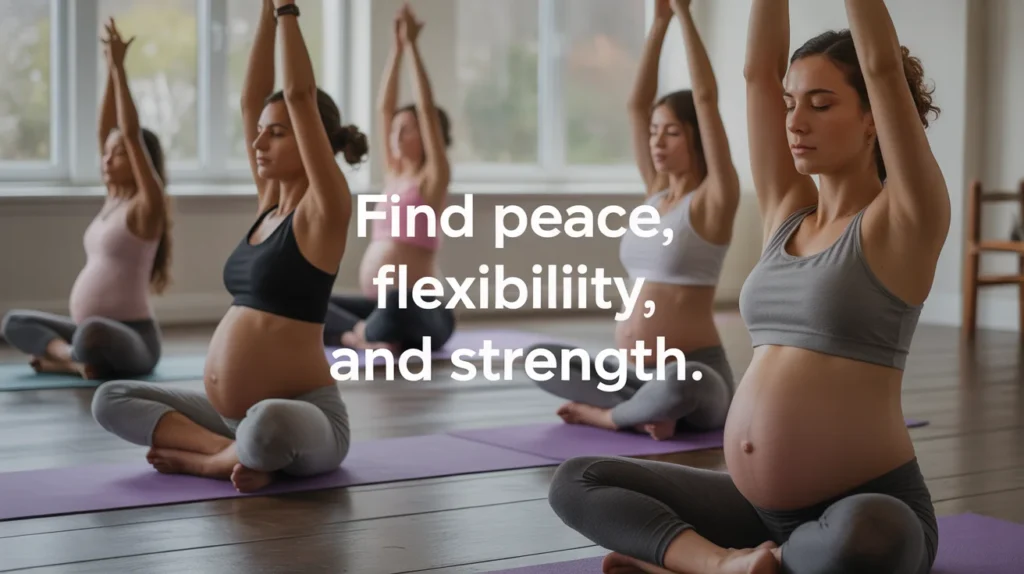
Modified yoga and gentle stretching can improve flexibility, reduce tension, and promote relaxation. Look for a prenatal yoga class where the instructor can help you adapt poses for Limited Mobility.
Chair Yoga
Chair yoga offers all the benefits of traditional yoga without requiring you to get on the floor. Poses can be adapted to a seated position, helping you stretch your hips, back, and shoulders safely.
Gentle Stretches
- Neck Stretches: Gently tilt your head from side to side and forward to back to release tension in your neck and shoulders.
- Calf Stretches: While seated, extend one leg and loop a towel or resistance band around the ball of your foot. Gently pull the band to stretch your calf muscle.
Comparing Low-Impact Exercise Options
Choosing the right activity depends on your comfort level, available resources, and specific physical limitations. Here’s a quick comparison to help you decide.
| Exercise Type | Primary Benefit | Equipment Needed | Best For |
|---|---|---|---|
| Seated Strength | Builds upper body and core strength. | Sturdy chair, light weights/bands. | Anyone needing full body support. |
| Water Aerobics | Full-body, zero-impact cardio. | Pool access. | Reducing joint pain and swelling. |
| Prenatal Yoga | Improves flexibility and relaxation. | Mat or chair. | Reducing stress and muscle tension. |
| Stationary Bike | Low-impact cardiovascular workout. | Stationary bike. | Building endurance without joint stress. |
Safety Precautions and Warning Signs
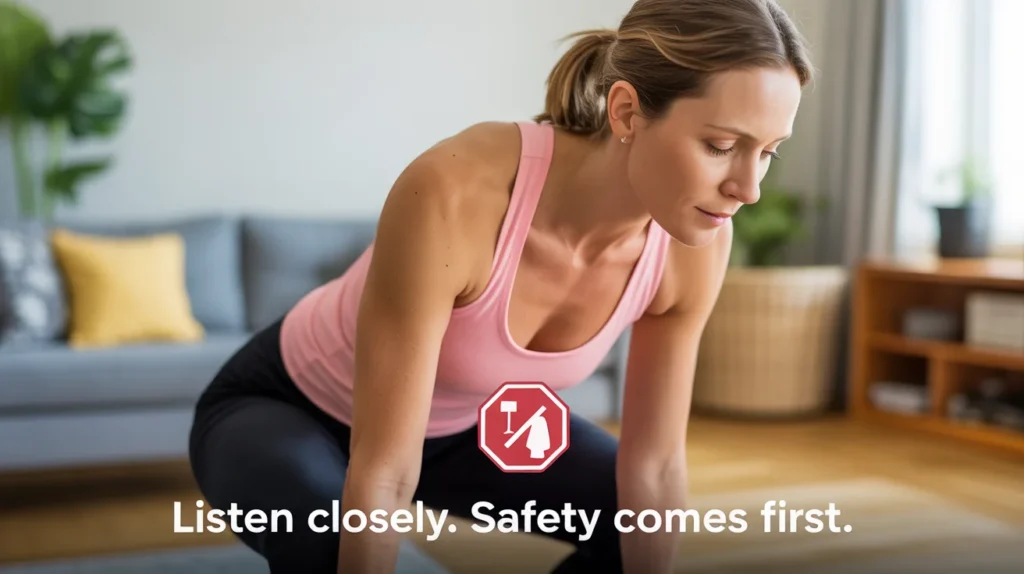
Even with the safest exercises, it’s crucial to be aware of your body’s limits. Pregnancy is not the time to push yourself to exhaustion.
What to Avoid
Regardless of your fitness level, all pregnant women should avoid:
- Exercises that involve lying flat on your back after the first trimester.
- Activities with a high risk of falling, such as outdoor cycling or skiing.
- Contact sports.
- Movements that involve twisting at the waist.
- Holding your breath during exercises.
When to Stop Exercising
Listen to your body. Stop your workout immediately and contact your healthcare provider if you experience any of the following:
- Vaginal bleeding or fluid leakage
- Dizziness or feeling faint
- Chest pain
- Severe headache
- Shortness of breath before starting exercise
- Painful contractions
- Calf pain or swelling
A sensible approach to exercise for pregnant women with Limited Mobility is about moderation and careful listening.
Building a Sustainable Routine
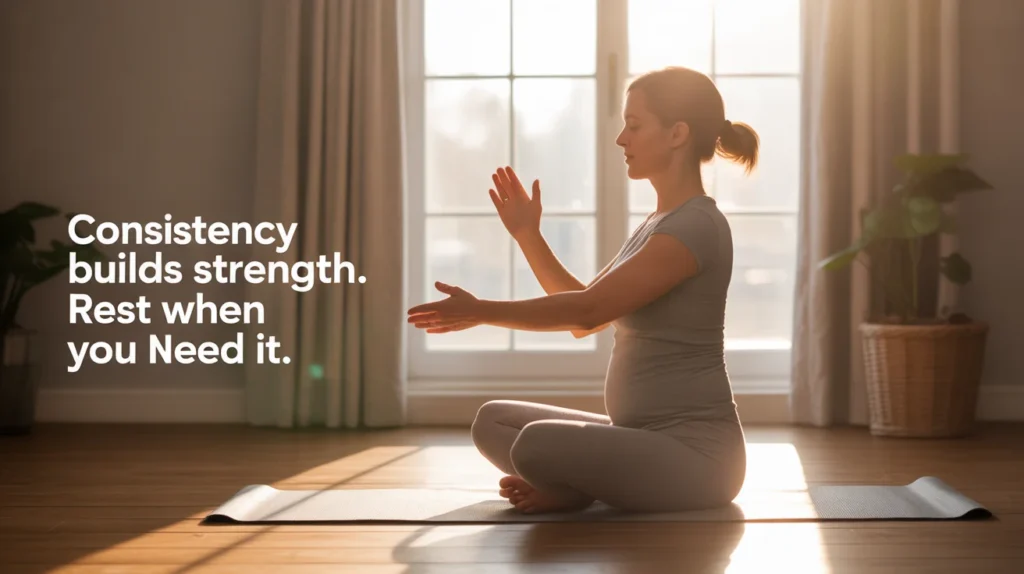
Consistency is more important than intensity. Aim for short, frequent sessions rather than one long, exhausting workout. Start with just 10-15 minutes of gentle movement each day and gradually increase the duration as you feel comfortable.
A routine that includes a mix of seated strength, stretching, and low-impact cardio will provide well-rounded benefits. Remember, some days you will have more energy than others. It’s perfectly okay to take a rest day when you need one. The goal is to create a sustainable habit that supports your health throughout your pregnancy. For those facing significant Limited Mobility, even small movements can make a big difference.
The Role of Diet and Hydration
Exercise is just one piece of the puzzle. A healthy diet and proper hydration are essential companions to your fitness routine. Drink plenty of water throughout the day, especially before, during, and after your workouts. Dehydration can lead to contractions and raise your body temperature, both of which can be risky during pregnancy.
Focus on a balanced diet rich in nutrients to fuel your body and support your baby’s growth. Include lean proteins, whole grains, fruits, and vegetables.

If you are struggling with mobility, consider simple meal prep or healthy food delivery services to ensure you are getting the nutrition you need without overexerting yourself in the kitchen. For more detailed nutritional advice, refer to resources like the dietary guidelines from the U.S. Department of Agriculture.
Conclusion
Pregnancy with Limited Mobility presents unique challenges, but it doesn’t mean you have to give up on the benefits of an active lifestyle. By choosing the right exercises, getting approval from your healthcare provider, and paying close attention to your body’s signals.
You can create a safe and effective fitness routine. Seated strength training, water workouts, and modified yoga are all excellent ways to build strength, improve your mood, and prepare for motherhood. Embrace this opportunity to connect with your changing body and celebrate what it can do.

Frequently Asked Questions (FAQ)
Q1: How often should I exercise with limited mobility during pregnancy?
Aim for about 20-30 minutes of moderate activity on most, if not all, days of the week, as recommended by The American College of Obstetricians and Gynecologists. However, it’s essential to start slowly and listen to your body. Even 10-15 minutes of gentle movement is beneficial.
Q2: Can I use weights while pregnant?
Yes, light weights can be used safely for seated strength exercises. Avoid heavy lifting and any movement that causes you to strain or hold your breath. Focus on high repetitions with low weight.
Q3: What if I have no energy to exercise?
Pregnancy fatigue is real. On days you feel exhausted, honor your body’s need for rest. You might try very gentle stretches in bed or a few minutes of deep breathing instead of a formal workout. Any movement, no matter how small, can help.
Q4: Are exercise balls safe to use during pregnancy?
Exercise balls can be great tools, especially for seated pelvic tilts. Ensure the ball is properly inflated and placed on a non-slip surface to prevent falls. If your balance is compromised due to your Limited Mobility, it might be safer to use a sturdy chair.
Q5: Can exercise help with labor and delivery?
Yes, staying active can help improve stamina and muscle strength, which may lead to a shorter labor and a smoother postpartum recovery. Strengthening your pelvic floor and core muscles is particularly beneficial.