
Introduction: What is Abdominal Coning During Pregnancy?
Pregnancy brings many changes to your body, and one of them is abdominal coning. Abdominal coning occurs when the muscles of the abdomen separate (called diastasis recti) due to the growing uterus. It can happen when you perform certain movements, especially during the later stages of pregnancy, and it often results in a noticeable bulging or “cone-shaped” protrusion in the stomach.
While this is a normal part of pregnancy for many women, abdominal coning can be uncomfortable or alarming. The good news is that with the right exercises and postures, you can minimize the effects of coning and maintain a strong core throughout your pregnancy.
In this article, we’ll go over the causes of abdominal coning, solutions to prevent it, and quick fixes that busy moms can incorporate into their daily routines to keep their bodies strong, healthy, and comfortable.

What Causes Abdominal Coning During Pregnancy?
Abdominal coning occurs due to the pressure placed on your abdominal muscles as your baby grows. During pregnancy, the rectus abdominis muscles (the “six-pack” muscles) are stretched apart, which can lead to diastasis recti. This is when the muscles separate, creating a visible bulge in the center of the abdomen, often during movements like sitting up, lifting, or bending.

Key Causes of Abdominal Coning:
- Increased Pressure: As your uterus expands, it puts extra pressure on your abdominal muscles.
- Weak Core Muscles: If your abdominal muscles weren’t strong pre-pregnancy, they may struggle to support the growing belly.
- Certain Movements: Movements that engage the core, such as sit-ups or forward bending, can cause coning.
Abdominal coning can also be worsened by incorrect posture or the lack of core engagement during day-to-day activities.

The Solution: How to Prevent Abdominal Coning During Pregnancy
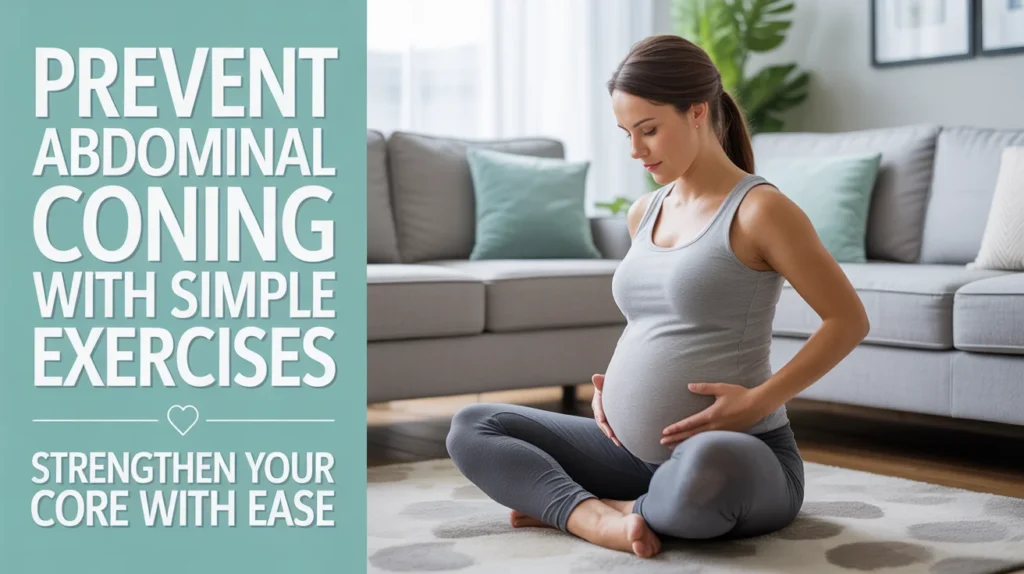
While abdominal coning can’t always be entirely avoided, prevention and management are possible with the right strategies. By engaging the core muscles properly and avoiding certain exercises, you can minimize coning and protect your abdominal wall.
Key Strategies to Prevent Abdominal Coning:
- Engage Your Core: Always make sure to engage your transverse abdominis (deep core muscles) before performing any movements, even while standing or walking. Imagine pulling your belly button toward your spine to activate these muscles.
- Avoid Full Sit-Ups: Full sit-ups or crunches can increase intra-abdominal pressure and contribute to abdominal coning. Instead, focus on gentle pelvic tilts and modified exercises.
- Proper Posture: Stand tall with your shoulders back and your chest lifted. This will help alleviate excess pressure on your abdomen and reduce the risk of coning.
- Support Your Belly: Use a pregnancy support band or belly band to provide extra support to your abdomen as your belly grows, which helps reduce the strain on your abdominal muscles.
These simple changes can help you manage abdominal coning and prevent it from becoming a painful or worrying issue.

Quick Fixes: Simple Exercises and Tips for Busy Moms
Even with the best prevention, you might still notice some abdominal coning during pregnancy. Here are a few quick fixes and exercises that busy moms can incorporate into their daily routine to minimize abdominal coning and build core strength without adding extra stress or time.

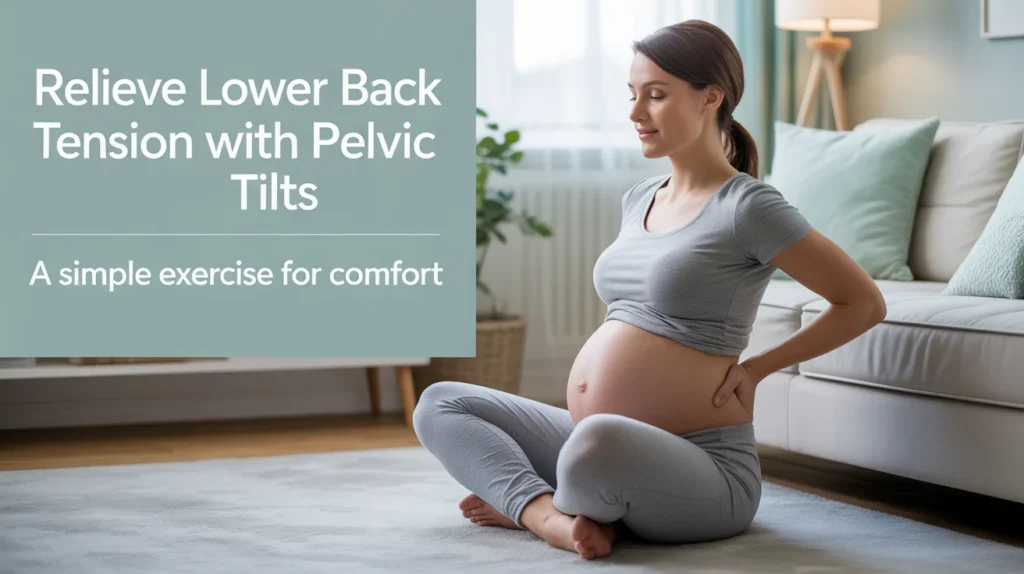
1. Pelvic Tilts
- How to Do It: Stand or lie on your back with your knees bent. Slowly tilt your pelvis forward and then backward, engaging your core muscles.
- Benefits: Helps engage the deep core muscles without causing pressure on the abdomen.
2. Modified Planks
- How to Do It: Start on your knees with your hands directly under your shoulders. Keep your back straight and engage your core. Hold for 10-15 seconds, gradually increasing the time.
- Benefits: Builds core strength while minimizing pressure on the belly.

3. Wall Push-Ups
- How to Do It: Stand facing a wall and place your hands on the wall. Perform push-ups against the wall instead of the floor to reduce pressure on your core and belly.
- Benefits: Strengthens the upper body and arms while maintaining core engagement.

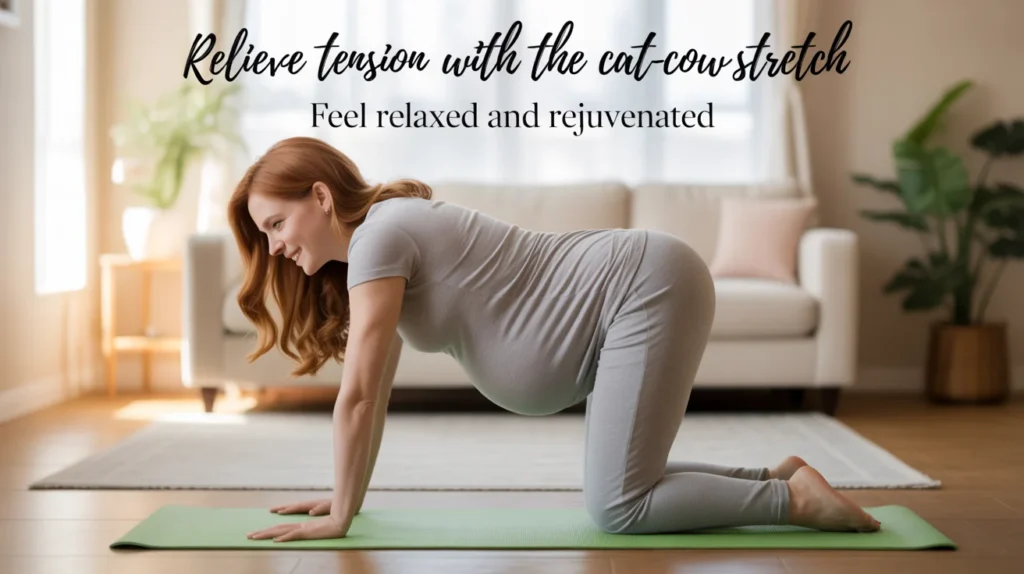
4. Cat-Cow Stretch
- How to Do It: On all fours, inhale and arch your back (Cow), then exhale and round your back (Cat). This movement should be slow and controlled.
- Benefits: Relieves tension in the back and pelvis while gently engaging the core.
5. Avoid Lifting Heavy Objects
While it’s important to stay active, avoid lifting heavy objects or twisting motions that put additional strain on your abdomen. Use proper body mechanics and bend from your knees, not your back.
Conclusion: Protect Your Core, Protect Your Comfort During Pregnancy
Abdominal coning during pregnancy is a common issue that many moms face, but it doesn’t have to be a source of discomfort or worry. By incorporating these simple exercises, maintaining good posture, and avoiding certain movements, you can protect your abdominal muscles and core throughout your pregnancy.

As a busy mom, time is limited, but even small efforts can make a big difference in reducing discomfort and improving your pregnancy experience. Start incorporating these tips into your daily routine to feel stronger, more comfortable, and empowered during your pregnancy journey.