
Introduction
Have you been searching for an exercise that builds strength, improves posture, and increases flexibility without jarring your joints? The answer might be at the barre. A Barre Workout is a unique, low-impact fitness method inspired by ballet, yoga, and Pilates. It uses small, controlled movements and isometric holds to tone muscles you never knew you had.
This guide will walk you through everything a beginner needs to know, from the core principles to setting up your first session at home. It’s a fantastic option for busy moms looking for an effective and energizing routine that fits into a packed schedule. You will discover how this workout can help you build lean muscle, improve your balance, and boost your overall well-being.

What Exactly Is a Barre Workout?
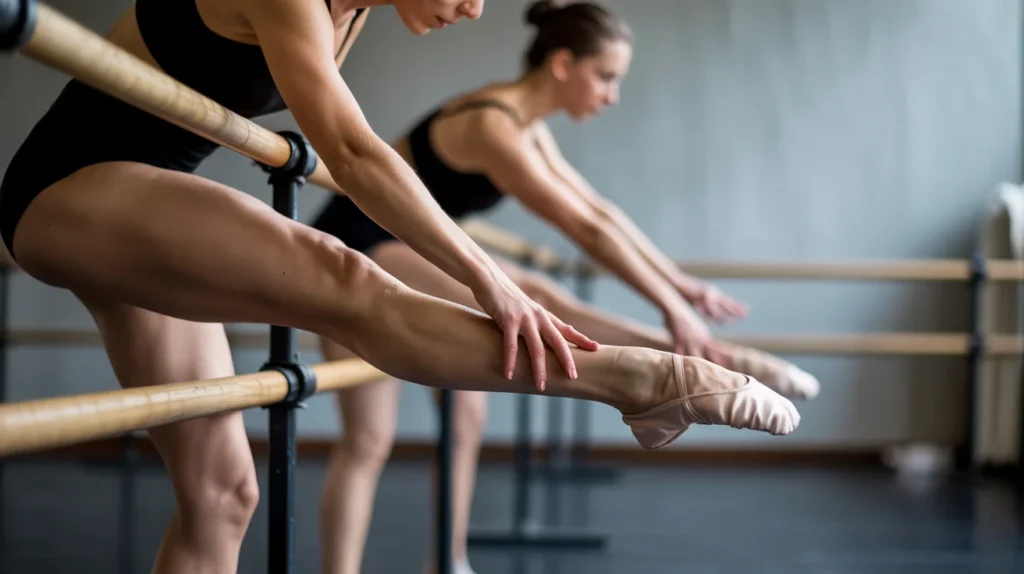
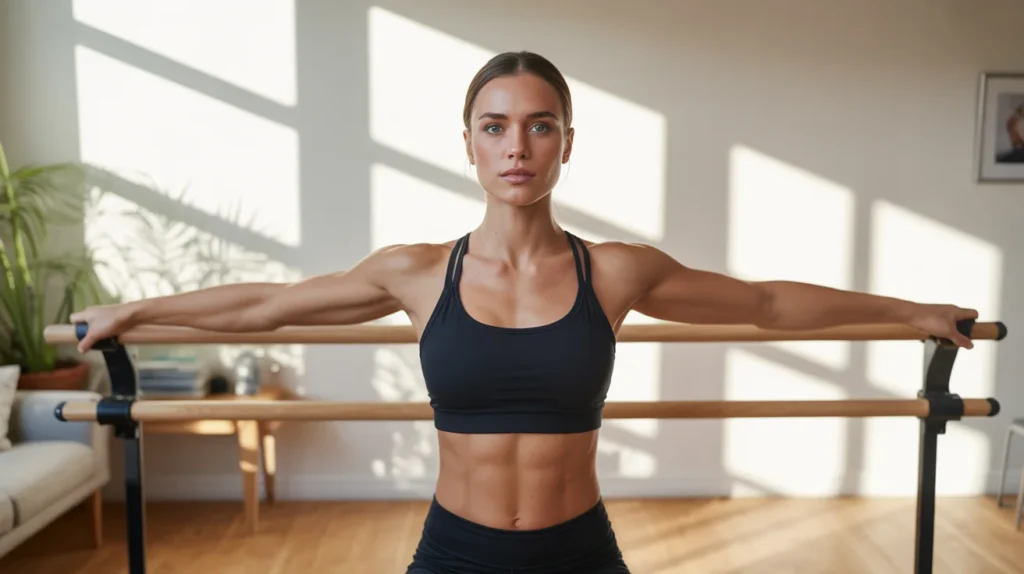
A Barre Workout is a full-body fitness class that combines elements from ballet, yoga, and Pilates. The name comes from the stationary handrail—the barre—that dancers use for support. In a class, you will use the barre to help you balance while performing a series of targeted exercises. These movements are typically small and precise, often referred to as isometric contractions. This means you hold your body still while contracting a specific muscle or muscle group.
Think holding a deep plié or lifting your leg in tiny, controlled pulses. The goal is to work muscles to the point of fatigue, which encourages them to become stronger and more defined without adding bulk. Unlike high-impact cardio, this method focuses on muscular endurance, stability, and developing a strong core. It is an incredibly effective way to sculpt your arms, thighs, seat, and abs.
Key Takeaways
- Low-Impact, High-Results: A Barre Workout is gentle on your joints, making it a great choice if you are recovering from an injury, are new to exercise, or need a prenatal or postpartum-safe option. Despite being low-impact, it delivers powerful results in muscle toning and strength.
- Improves Posture and Flexibility: The focus on core strength and alignment helps you stand taller and move with more grace. The exercises also incorporate stretches that lengthen your muscles and increase your overall flexibility.
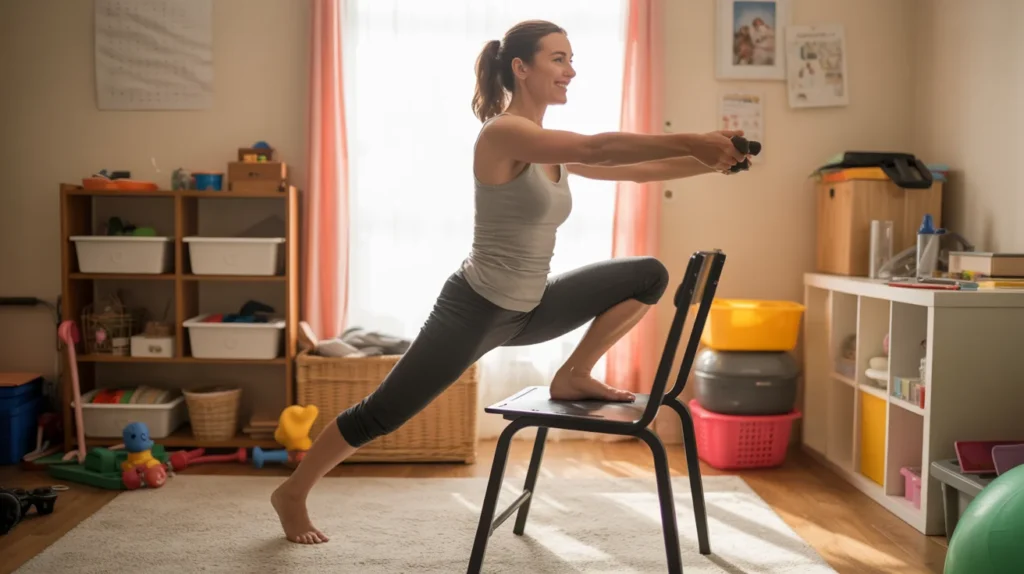
- Convenient and Adaptable: You can easily do a Barre Workout at home with minimal equipment. A sturdy chair, countertop, or even a wall can substitute for a traditional barre. Routines can be modified to fit any fitness level.
- Builds Lean Muscle: Through high repetitions of small, targeted movements, barre helps you build lean, toned muscles rather than bulk. This creates a sculpted, athletic look.

The Amazing Benefits for Moms
For moms, finding time and energy for fitness can feel like a challenge. A Barre Workout offers specific benefits that align perfectly with a busy parent’s lifestyle and physical needs. First, it’s incredibly efficient. A focused 30-minute session can provide a full-body challenge, making it easier to squeeze into nap times or before the kids wake up.
Second, it helps restore core strength, which is particularly important for postpartum recovery. The constant engagement of the abdominal and pelvic floor muscles helps rebuild stability from the inside out. This can aid in healing diastasis recti and improving overall function. Furthermore, carrying children, bags, and groceries can take a toll on your posture.
Barre strengthens the back and shoulder muscles, counteracting the “mom slump” and reducing back pain. The mental benefits are also significant. The focused nature of the class can feel meditative, providing a much-needed mental break and reducing stress.
Barre vs. Pilates vs. Yoga for Beginners
When exploring low-impact exercise, you will often hear about barre, Pilates, and yoga. While they share some similarities, they have distinct differences. Here is a simple comparison to help you choose what is right for you.
| Feature | Barre Workout | Pilates | Yoga |
|---|---|---|---|
| Primary Focus | Muscular endurance, toning small muscle groups | Core strength, body alignment, controlled movement | Flexibility, mind-body connection, breathwork |
| Equipment | Barre (or chair), light weights, resistance bands | Mat, reformer machine, magic circle | Mat, blocks, straps |
| Pace & Vibe | Upbeat, energetic, often set to music | Controlled, precise, focused | Meditative, flowing, can be gentle or vigorous |
| Best For | Building lean muscle tone and improving posture | Rehabilitating injuries and building deep core strength | Reducing stress and increasing overall flexibility |

What to Expect in Your First Class
Your first Barre Workout class might feel a little different from other fitness classes you have tried, but it is very beginner-friendly. The instructor will guide you through each movement, so there is no need to have any dance experience.
A typical class starts with a warm-up that includes light cardio, planks, and push-ups to get your blood flowing. From there, you will move into an arm series using light weights (usually 2-3 pounds) with high repetitions to sculpt your shoulders, biceps, and triceps.
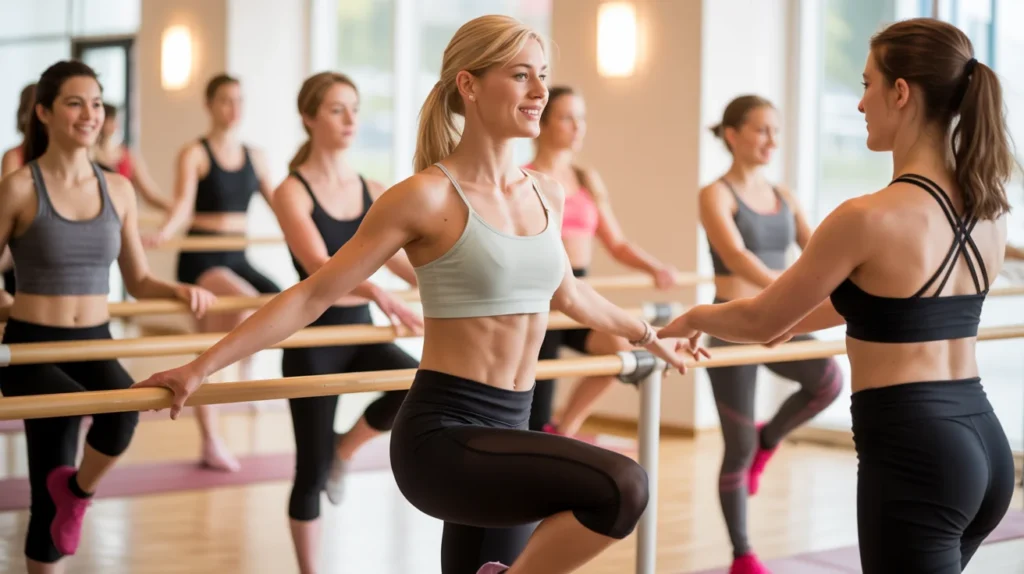
Next, you will head to the barre for the main event: thigh and seat work. This is where you will perform exercises like pliés, lunges, and leg lifts, using the barre for support. You will feel your muscles burn and shake—this is a good sign! It means you are working the muscles to fatigue and creating change.
After the barre section, the class typically moves to the mat for core-focused exercises and a final cool-down stretch. Don’t be intimidated by the terminology; instructors are great at demonstrating and offering modifications.
Essential Equipment for an At-Home Barre Workout
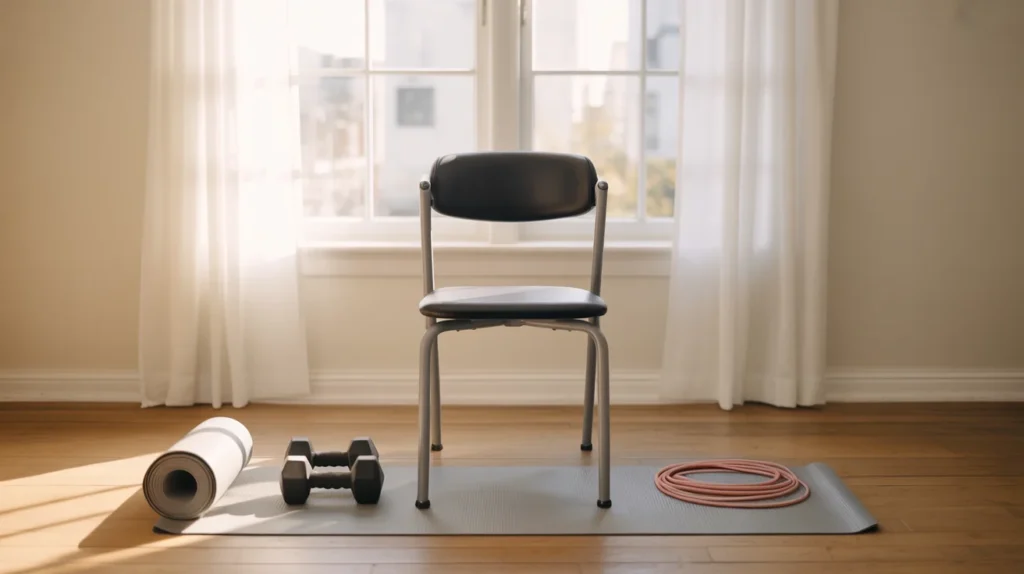
One of the best things about a Barre Workout is that you do not need a fancy studio to do it. You can create an effective setup right in your living room with just a few key items.
- A Sturdy Support: This is your “barre.” A high-backed chair, a kitchen counter, a windowsill, or even the back of a sturdy sofa will work perfectly. Just make sure it is stable and at a comfortable height (around your hips).
- Light Hand Weights: Most barre exercises for the upper body use light weights, typically between 1 and 5 pounds. If you do not have weights, you can use water bottles or soup cans. You can also perform the movements without any weight at all and still get a great workout.
- A Yoga Mat: You will need a comfortable surface for the warm-up, core exercises, and final stretch. A standard yoga mat provides the perfect amount of cushioning.
- Small Exercise Ball: Many classes use a small, squishy ball (about 7-9 inches) to place between the knees or behind the back for added resistance and core engagement. A small pillow or rolled-up towel can work as a substitute.
- Resistance Bands: Loop-style resistance bands are great for adding extra challenge to your glute and leg exercises. They are inexpensive and a fantastic tool for targeting specific muscles.
Common Barre Moves and Proper Form
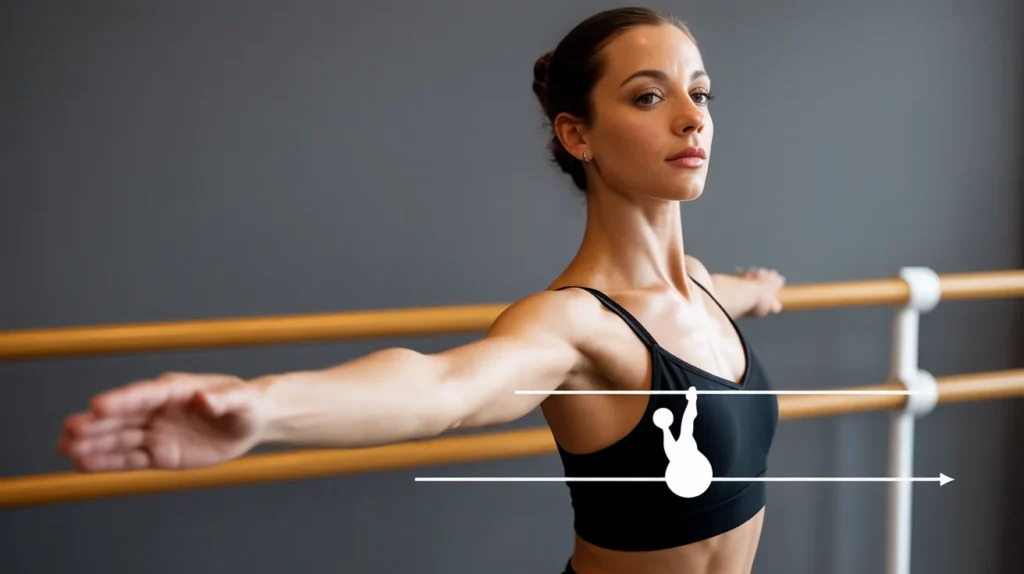
Mastering the basic moves with proper form is the key to getting the most out of your Barre Workout and preventing injury. Always prioritize form over the range of motion.
The Plié
A plié is a knee bend. In barre, you will often do this in first or second position.
- First Position: Stand with your heels together and your toes turned out. Keep your back straight and your core engaged. Bend your knees, tracking them over your toes. Only go as low as you can while keeping your heels on the floor and your spine neutral.
- Second Position: Stand with your feet wider than your hips, with your toes turned out. Bend your knees, keeping them aligned with your ankles. Keep your torso upright.
The Pulse
Pulses are tiny, one-inch movements that keep a muscle under tension. For example, at the bottom of a plié, you would pulse up and down one inch. The key is to keep the movement small and controlled, never using momentum.
The Tuck
A “tuck” refers to a pelvic tilt. Imagine pulling your belly button toward your spine while slightly tucking your tailbone under. This engages your lower abs and protects your lower back. It is a core concept you will use in many exercises.
Safety Tips and Modifications for Moms
Safety should always be your top priority, especially when your body is recovering from pregnancy and childbirth. A Barre Workout is highly adaptable, but it is important to listen to your body. Always get clearance from your healthcare provider before starting any new exercise program, particularly postpartum. The American College of Obstetricians and Gynecologists offers helpful guidance on physical activity after pregnancy.
When you are ready, start slowly and focus on modifications. For instance, during core work, avoid any exercises that cause your abdomen to “cone” or bulge, as this can worsen diastasis recti. Instead, focus on deep core engagement like pelvic tilts. If a move feels uncomfortable, reduce your range of motion or skip it. If you feel any sharp pain, stop immediately. Many online barre instructors offer specific prenatal and postpartum modifications, so seek out those programs for expert guidance.
How to Stay Motivated with At-Home Workouts
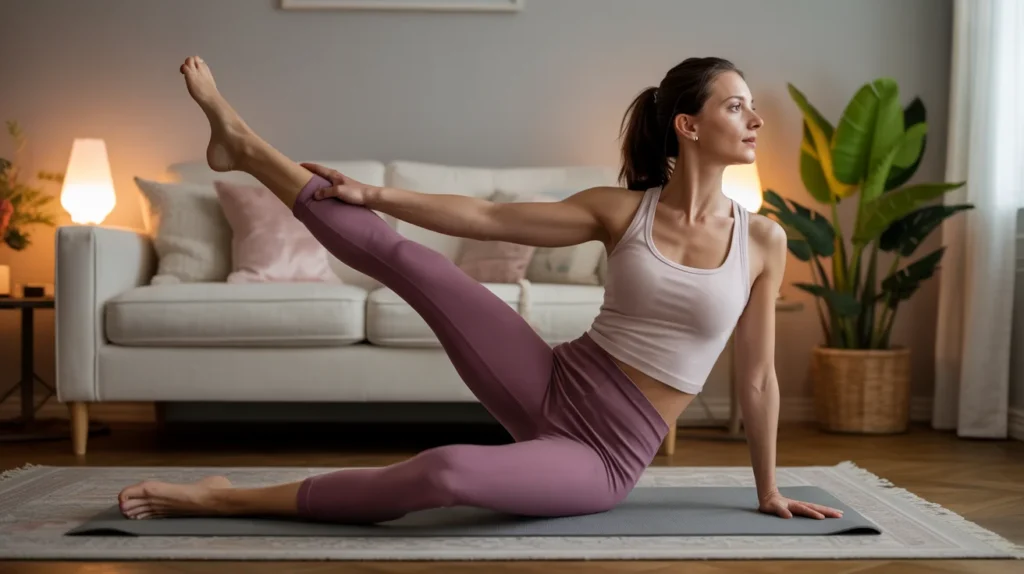
Staying consistent with home workouts requires a bit of strategy, especially when your house is full of distractions. First, schedule your workouts like you would any other important appointment. Put them on your calendar. Even 15-20 minutes a few times a week can make a huge difference. Second, create a dedicated workout space, even if it is just a small corner of a room.
Having your mat and weights ready to go removes a barrier to starting. Third, find an online community or a workout buddy to keep you accountable. Sharing your progress can be highly motivating. Finally, remember your “why.” Whether it is to have more energy to play with your kids, feel stronger in your body, or simply have a few moments to yourself, connecting with your reason for exercising will keep you going on days when you lack motivation.
Conclusion
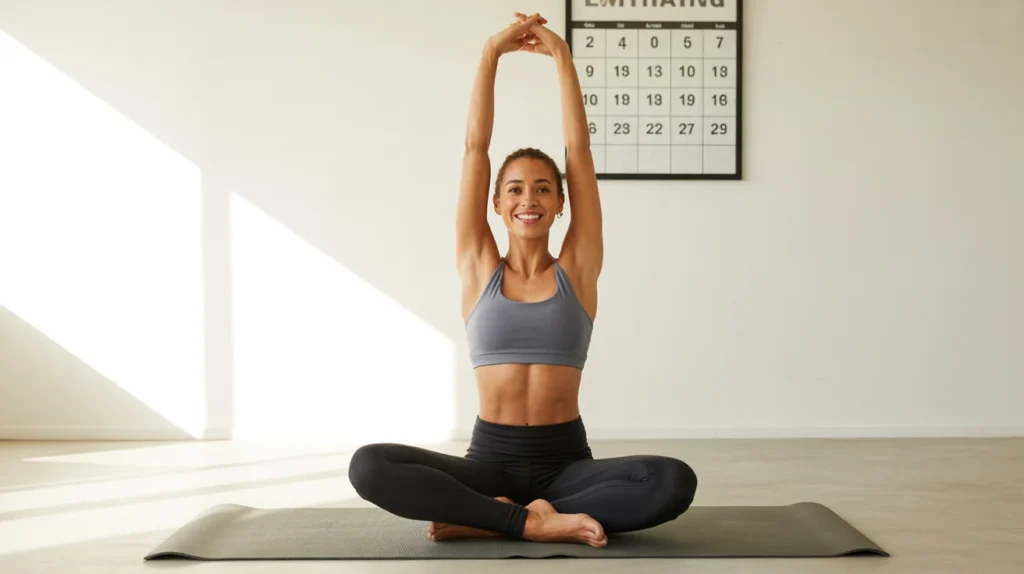
A Barre Workout is more than just a fitness trend; it is a sustainable, effective, and enjoyable way to build strength, improve posture, and increase flexibility. Its low-impact nature makes it accessible to nearly everyone, and its adaptability is perfect for busy moms who need a workout that fits their schedule and can be done from the comfort of home.
By focusing on small, controlled movements, you can achieve a dancer’s grace and strength without ever having to step into a formal dance studio. So grab a chair, put on some music, and get ready to pulse, tuck, and tone your way to a stronger, more confident you.
Frequently Asked Questions (FAQ)
1. Do I need any dance experience to do a Barre Workout?
Absolutely not! A Barre Workout is inspired by ballet, but it is a fitness class, not a dance class. Instructors will guide you through every move, and no coordination or rhythm is required. It is designed for all fitness levels.
2. How often should I do a Barre Workout to see results?
For noticeable results, aim for 2-4 classes per week. Consistency is more important than frequency, especially when you are starting. You will likely feel a difference in your posture and muscle engagement after just a few sessions, with visible changes in muscle tone appearing within a few weeks.
3. Can I do a Barre Workout while pregnant or postpartum?
Yes, barre is often recommended during and after pregnancy because it is low-impact and strengthens key muscle groups like the core and pelvic floor. However, it is essential to get clearance from your doctor first and to follow specific prenatal or postpartum modifications to ensure the exercises are safe for you.
4. Will a Barre Workout help me lose weight?
A Barre Workout can be a great part of a weight loss journey. It builds lean muscle mass, which helps boost your metabolism. While it’s not a high-calorie-burning cardio workout, it contributes to your overall energy expenditure. For weight loss, the National Institutes of Health recommends combining regular physical activity with a healthy, balanced diet for the best results.