Introduction
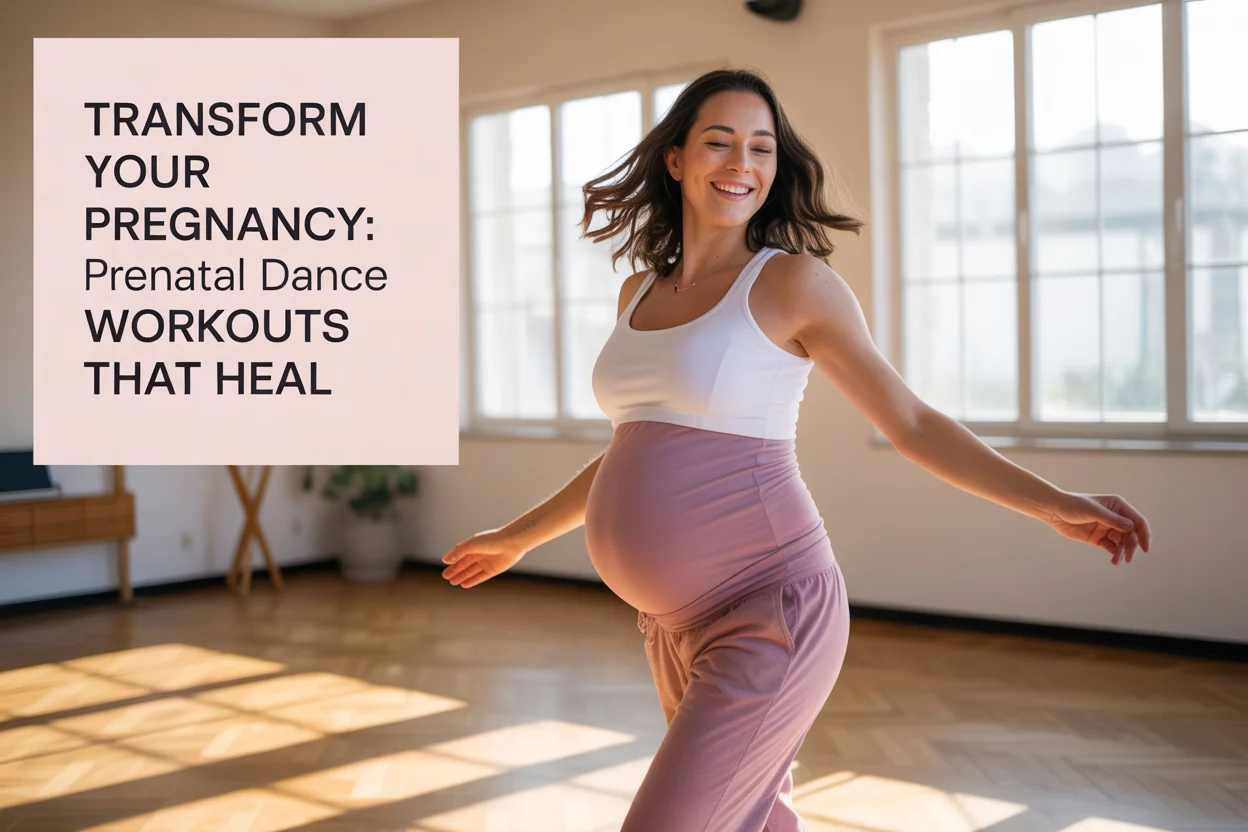
Pregnancy is a beautiful journey, but it often comes with physical discomforts like poor circulation and swollen ankles. Finding the time and energy for exercise can be a challenge, especially for busy moms-to-be. This is where prenatal dance workouts can make a wonderful difference.
They offer a joyful and effective way to stay active, manage common pregnancy symptoms, and prepare your body for labor. By blending gentle movement with uplifting music, these workouts provide a holistic approach to wellness that benefits both you and your baby.
Moving your body during pregnancy is not just about staying fit; it’s about feeling good. Prenatal dance workouts to improve blood flow and reduce swelling for busy moms are specifically designed to address the unique needs of an expecting mother’s body. They provide a safe, low-impact cardio exercise that strengthens your heart, tones your muscles, and boosts your mood. Let’s explore how you can dance your way to a more comfortable and vibrant pregnancy.

Key Takeaways
- Prenatal dance workouts are a safe and effective way to improve cardiovascular health during pregnancy.
- Gentle, rhythmic movements can significantly boost blood circulation, helping to reduce swelling in the feet and ankles.
- These workouts enhance mood by releasing endorphins, which can help manage stress and anxiety.
- Regular participation can improve posture, balance, and muscle tone, preparing the body for labor and delivery.
- They offer a flexible and fun exercise option that can easily fit into the schedule of a busy expectant mother.
Understanding the Benefits of Movement During Pregnancy
Staying active during pregnancy is one of the best things you can do for your health. The American College of Obstetricians and Gynecologists (ACOG) recommends at least 150 minutes of moderate-intensity aerobic activity each week for pregnant women. Exercise helps manage weight gain, reduces the risk of gestational diabetes, and can ease back pain.
More importantly, physical activity like prenatal dance workouts boosts your energy levels and improves sleep quality. When you move your body, you increase blood flow, which delivers more oxygen and nutrients to you and your baby. This enhanced circulation is key to feeling your best.
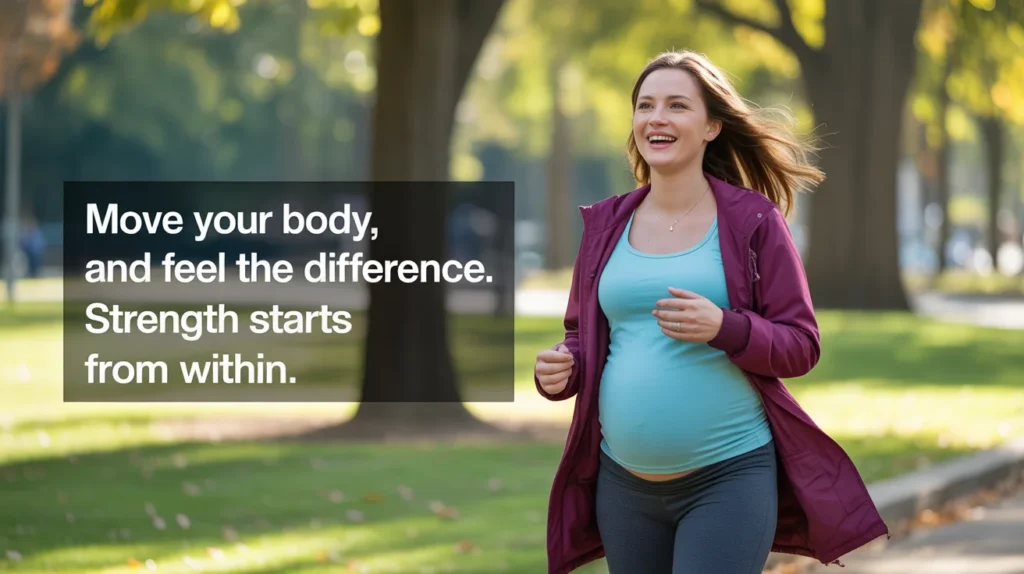
An active pregnancy can also lead to a smoother postpartum recovery, helping you regain your strength more quickly after giving birth. It’s a powerful tool for nurturing your body through one of its most demanding and incredible phases.
How Dance Specifically Aids Prenatal Health
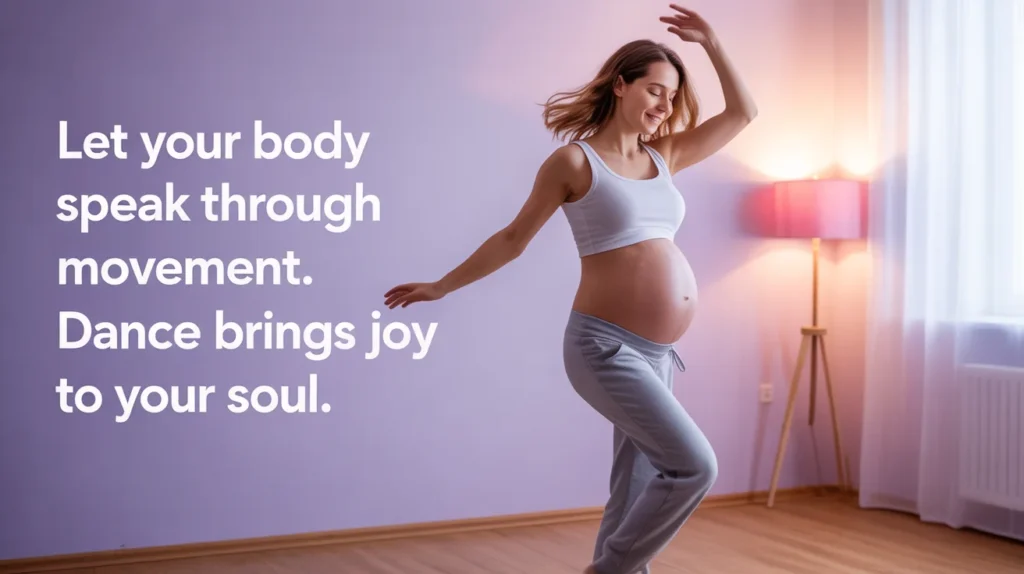
Dance is unique because it engages the entire body in a rhythmic, coordinated way. Unlike more repetitive forms of exercise, it encourages a wide range of motion that can help maintain flexibility and mobility. For pregnant women, this is particularly beneficial. The gentle swaying and stepping motions can alleviate the pelvic and lower back pressure that often builds up as your baby grows.
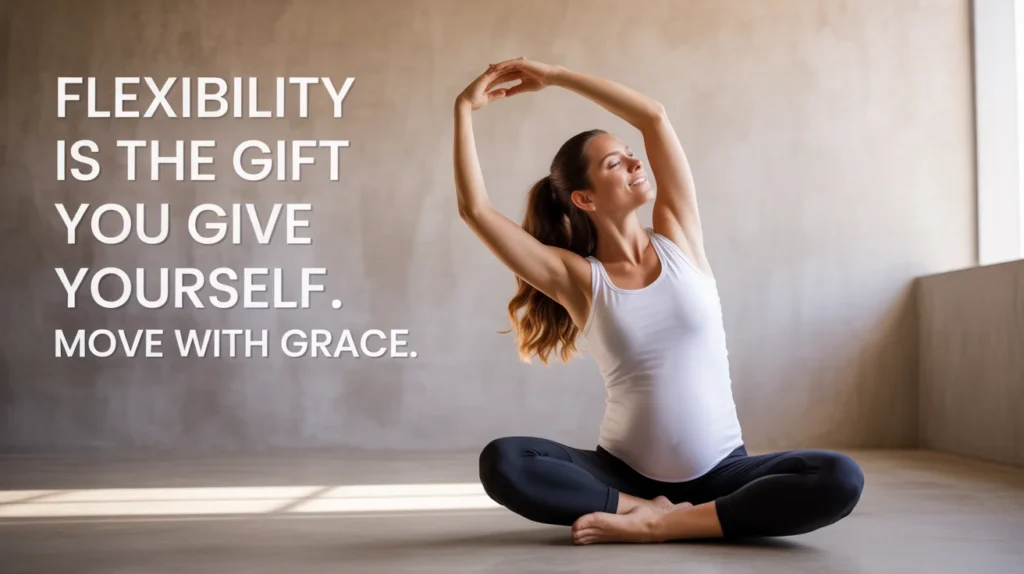
Moreover, dance is an expressive art form. It allows you to connect with your body and your emotions in a positive environment. This mind-body connection can be incredibly grounding during a time of immense change. The focus on posture and core engagement in many dance forms also helps you carry the extra weight of pregnancy more comfortably, reducing strain on your back and hips.
The Science Behind Improved Blood Flow and Reduced Swelling
Swelling, or edema, is a common complaint during pregnancy, especially in the third trimester. It happens because your body produces more blood and body fluids to support your growing baby. At the same time, your expanding uterus puts pressure on your veins, which can slow blood return from your legs. This is why your feet and ankles may feel puffy.
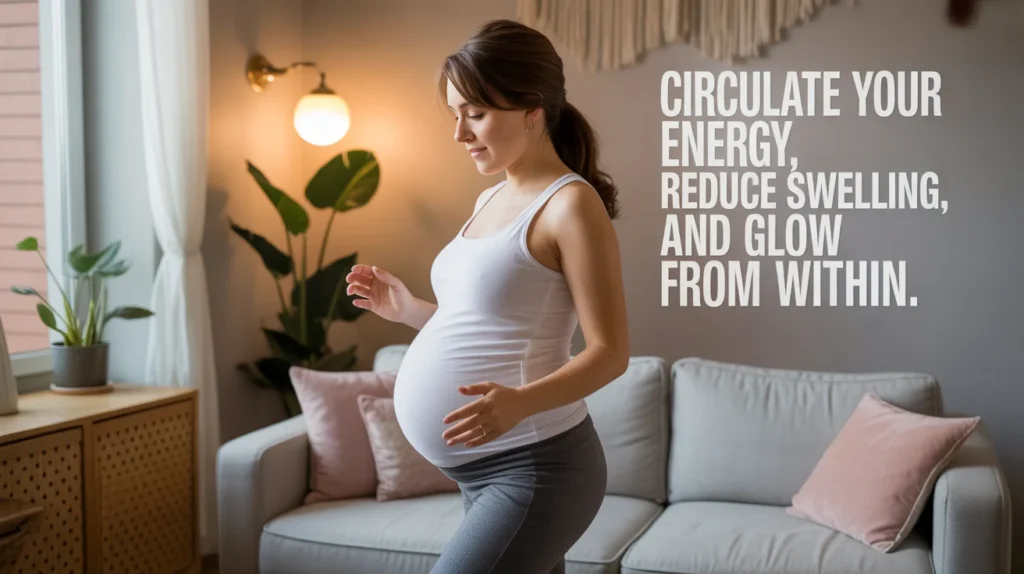
Gentle exercise like prenatal dance workouts acts as a natural pump. The contraction and relaxation of your leg muscles during movement help push blood back up toward your heart, counteracting the effects of gravity and uterine pressure.
This improved circulation not only reduces swelling but also lowers the risk of developing varicose veins and blood clots. It’s a simple yet highly effective way to manage one of pregnancy’s most persistent discomforts.
Getting Started with Prenatal Dance Workouts
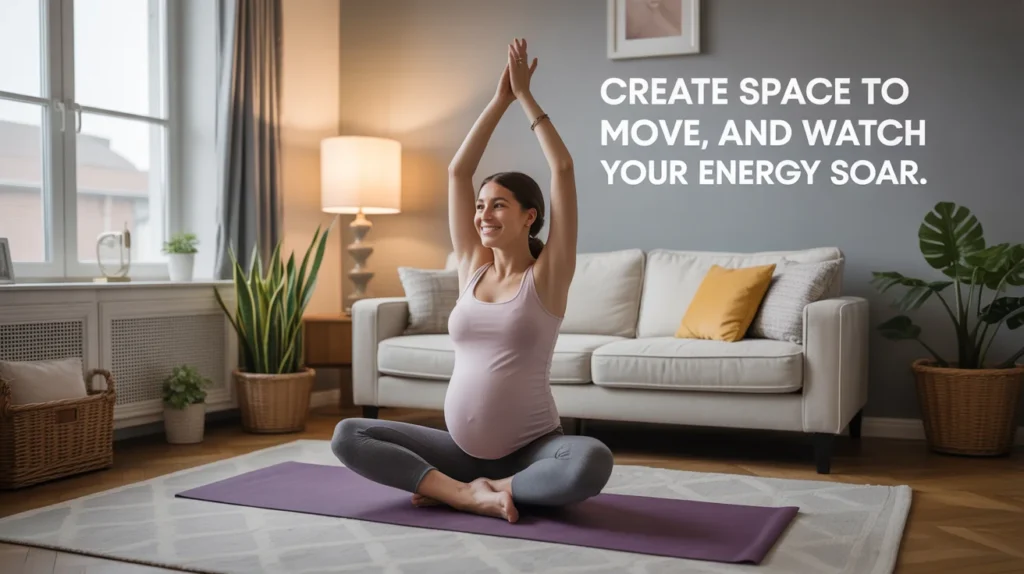
Starting a new exercise routine can feel intimidating, but prenatal dance is designed to be accessible to everyone, regardless of prior dance experience. The key is to listen to your body and choose a style that feels good to you. You don’t need a dance studio or fancy equipment; a clear space in your living room is all it takes.
The most important first step is to get clearance from your doctor or midwife. Once you have their approval, you can look for online classes or local studios that offer programs specifically for pregnant women.

These classes are led by instructors who understand the modifications needed to keep you and your baby safe. Starting slowly is crucial. A 15-minute session a few times a week is a great way to begin, and you can gradually increase the duration as you feel more comfortable.
Choosing the Right Type of Dance
There are many styles of dance, and several can be adapted for a safe prenatal workout. The best choice depends on your fitness level and what you enjoy most.
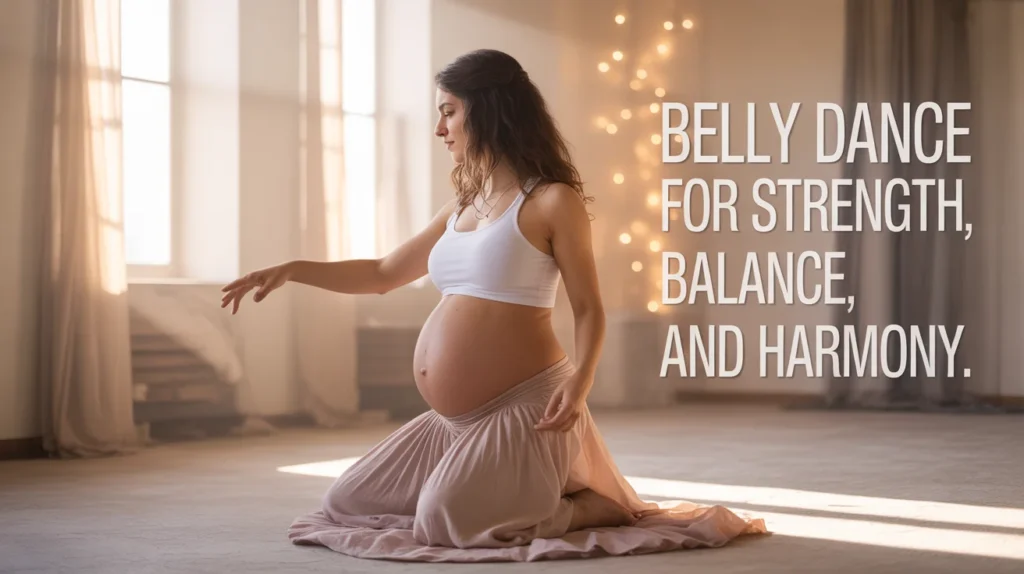
- Belly Dance: This ancient art form is fantastic for pregnancy. Its fluid, circular hip movements can strengthen pelvic floor muscles and improve core stability. It’s low-impact and focuses on movements that are natural for a woman’s body.
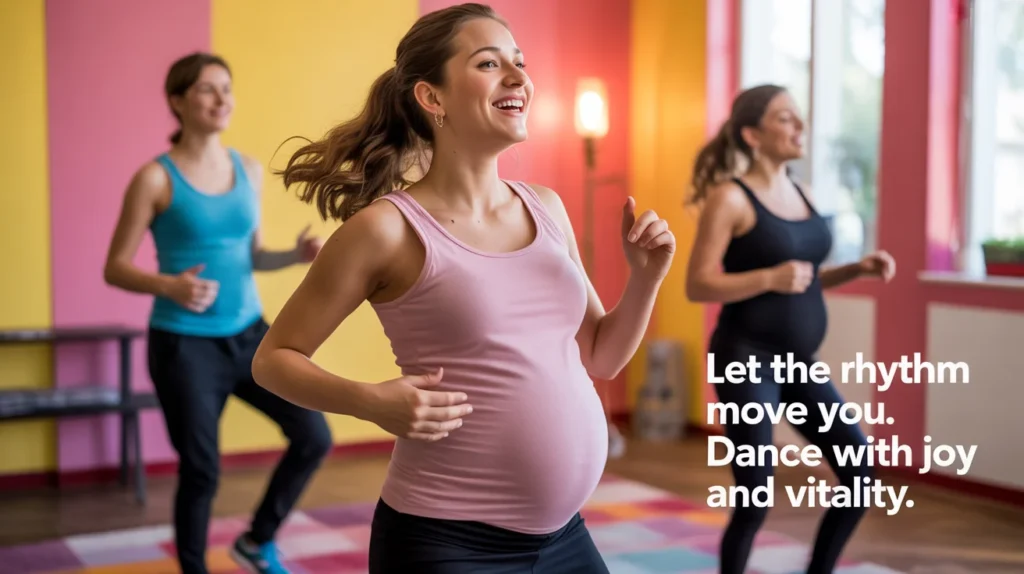
- Salsa or Latin Dance: A modified, low-impact version of salsa can be a fun way to get your heart rate up. The gentle steps and hip sways promote circulation without putting stress on your joints.
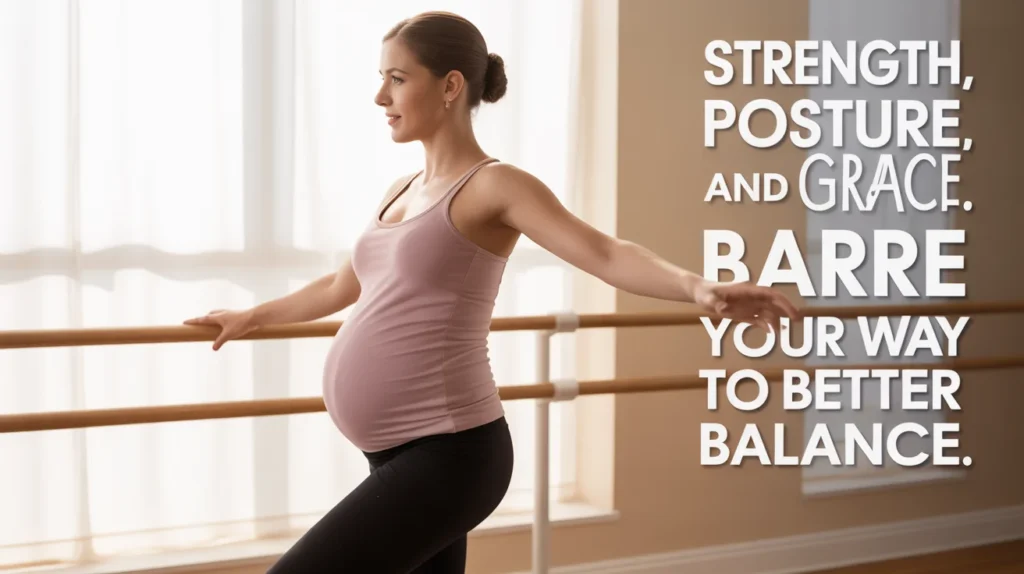
- Ballet-Inspired Workouts (Barre): Prenatal barre classes focus on small, controlled movements that build strength, improve posture, and enhance balance. The ballet barre provides support, making it a safe option as your center of gravity shifts.
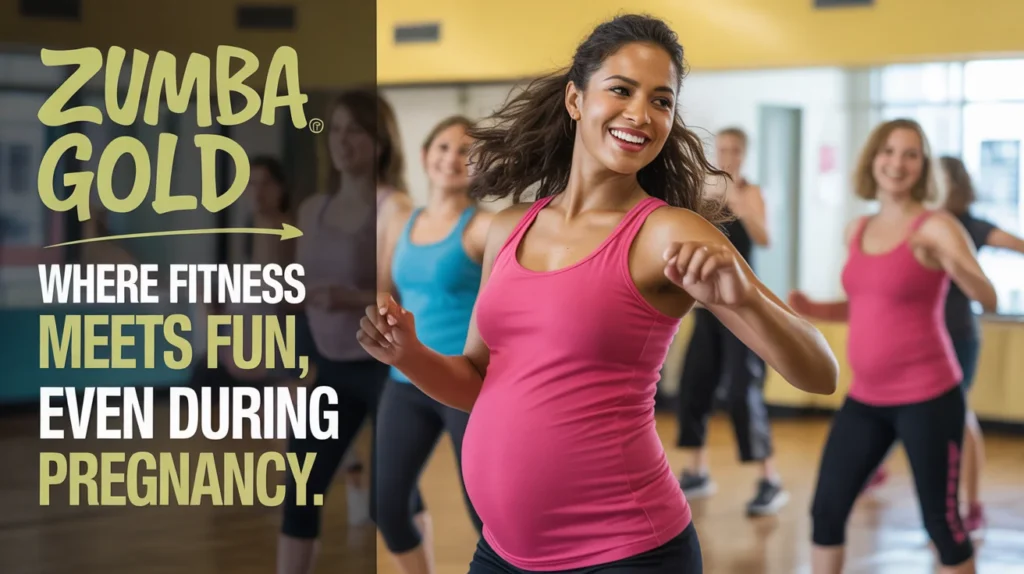
- Zumba Gold: While standard Zumba can be high-impact, Zumba Gold is designed for beginners and active older adults, making its lower-intensity approach perfect for pregnancy.
Essential Safety Precautions to Keep in Mind
Your safety is the top priority. Always keep these guidelines in mind when engaging in prenatal dance workouts.
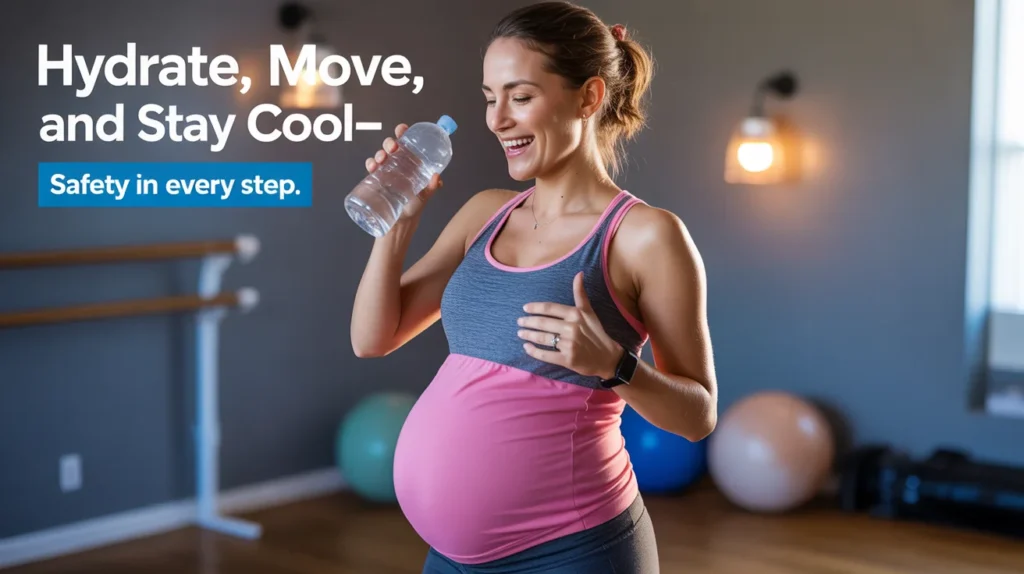
- Stay Hydrated: Drink water before, during, and after your workout.
- Avoid Overheating: Wear light, breathable clothing and exercise in a well-ventilated room.
- No Jumping or Leaping: Stick to low-impact movements where one foot is always on the ground.
- Avoid Sharp Turns: Quick pivots can cause you to lose your balance, so keep your movements smooth and controlled.
- Listen to Your Body: Stop immediately if you feel dizzy, short of breath, or experience any pain or contractions.
- Modify as Needed: As your belly grows, your balance will change. Don’t hesitate to use a chair or wall for support.
Sample Prenatal Dance Workout Routine for Busy Moms
Here is a simple 20-minute routine you can do at home. Remember to warm up first and cool down afterward.
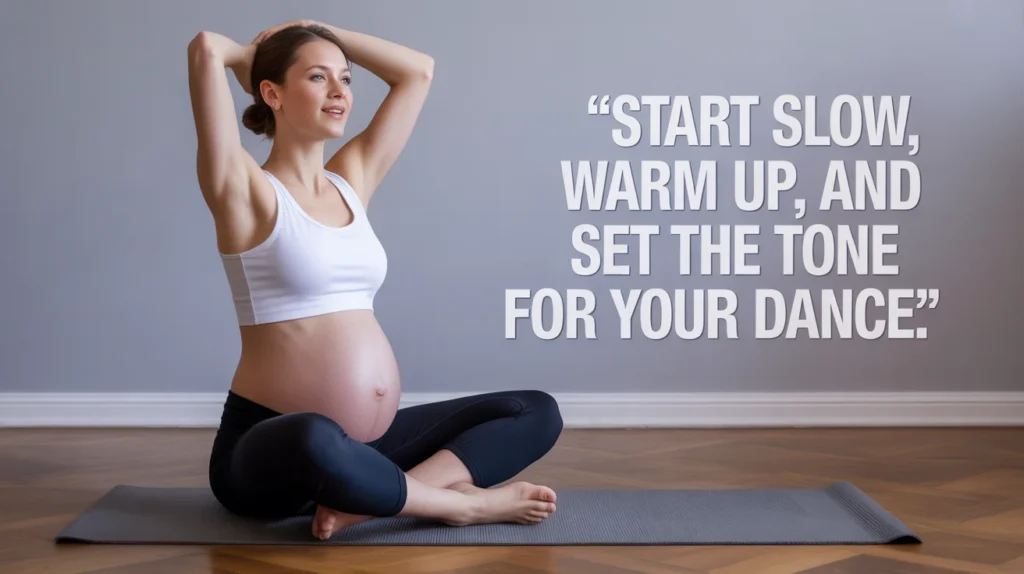
Warm-Up (5 minutes)
- Neck Rolls: Gently tilt your head from side to side and in slow circles.
- Shoulder Rolls: Roll your shoulders backward and forward to release tension.
- Ankle Circles: Sit or stand while holding onto something for support and rotate your ankles in both directions.
- March in Place: March gently for a minute to get your blood flowing.
Dance Section (10 minutes)
- Basic Salsa Step: Step forward with your left foot, rock back onto your right, and bring your left foot back to center. Repeat on the other side. Do this for 2 minutes to a gentle Latin beat.
- Hip Circles: With your feet shoulder-width apart and knees slightly bent, slowly circle your hips to the right for one minute, then to the left for one minute. Imagine you are drawing a large circle on the floor.
- Grapevine Step: Step your right foot to the side, cross your left foot behind it, step your right foot to the side again, and tap your left foot next to it. Reverse the movement. Continue for 2 minutes.
- Flowing Arm Movements: Stand with soft knees and gently sway side to side. Let your arms flow gracefully in front of you, up, and to the sides. This helps with upper body mobility and relaxation. Do this for 4 minutes.

Cool-Down (5 minutes)
- Quad Stretch: Hold onto a chair for balance, grab your right ankle, and gently pull your heel toward your glute. Hold for 30 seconds and repeat on the other side.
- Hamstring Stretch: Sit on the floor with one leg extended and the other bent. Gently lean forward over the straight leg until you feel a stretch. Hold for 30 seconds per side.
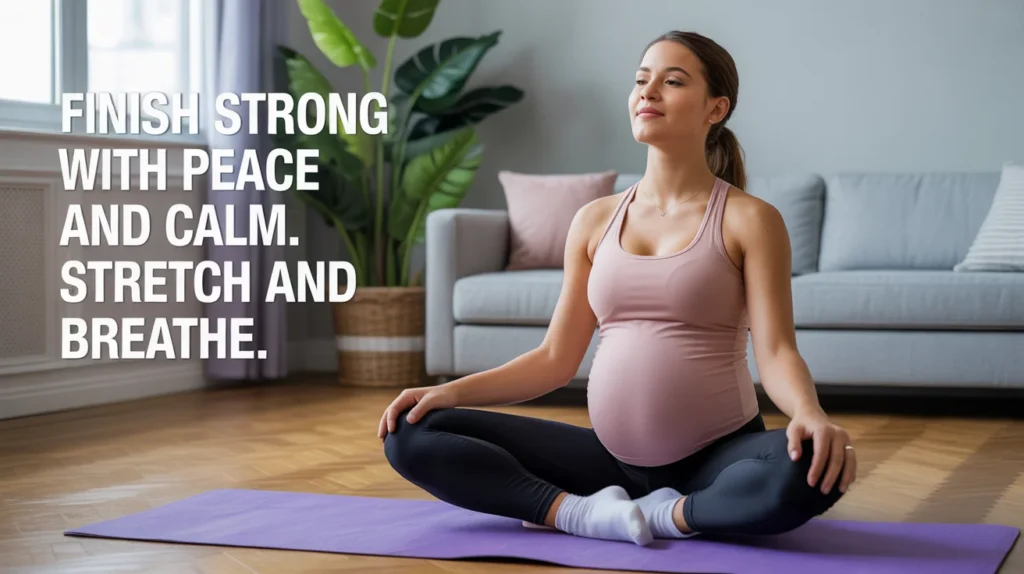
- Deep Breathing: End with one minute of deep, calming breaths.
Comparing Prenatal Dance to Other Exercises
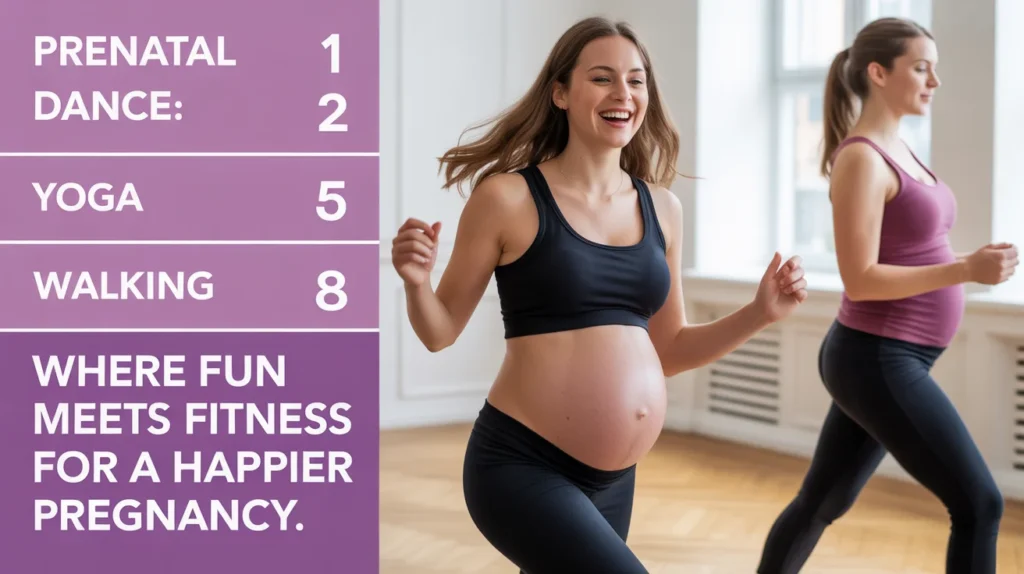
While many forms of exercise are beneficial during pregnancy, dance offers a unique combination of advantages. Here’s how it compares to other popular prenatal activities.
| Feature | Prenatal Dance Workouts | Prenatal Yoga | Walking |
|---|---|---|---|
| Cardio Benefit | Moderate | Low | Moderate |
| Mood Boost | High (music & expression) | High (mindfulness) | Moderate |
| Swelling Reduction | Excellent | Good | Good |
| Balance & Coordination | Excellent | Good | Fair |
| Fun Factor | High | Varies by person | Moderate |
As you can see, prenatal dance workouts excel in providing a fun, expressive way to get your heart rate up while effectively managing swelling.
Final Thoughts
Integrating prenatal dance workouts into your routine is a fantastic way to support your body and mind during pregnancy. It’s an exercise that feels less like a chore and more like a celebration. By improving blood flow, reducing swelling, and boosting your mood.
These joyful movements can transform your pregnancy experience, especially for busy moms who need an efficient and uplifting way to stay active. Remember to consult your healthcare provider, listen to your body, and most importantly, have fun as you dance your way to a healthier, happier pregnancy.
Frequently Asked Questions (FAQ)
Q1: At what stage of pregnancy can I start prenatal dance workouts?
You can typically start at any stage of your pregnancy, as long as you have clearance from your doctor. The intensity and types of movement should be modified as you progress through each trimester. It’s always best to start slow, especially if you were not active before pregnancy.
Q2: Do I need any previous dance experience?
No, not at all! Most prenatal dance workouts are designed for beginners. The focus is on safe, gentle movement and enjoying yourself, not on perfect technique. Instructors will guide you through simple, easy-to-follow steps.
Q3: How often should I do prenatal dance workouts?
Aim for 20-30 minutes of dancing on most days of the week, as part of the 150 minutes of moderate exercise recommended by the U.S. Department of Health and Human Services’ Physical Activity Guidelines for Americans. However, even a 15-minute session a few times a week is beneficial. Listen to your body and rest when you need to.
Q4: Can prenatal dance help with labor preparation?
Yes, it can. The hip-opening movements in styles like belly dance can help position the baby for birth. Furthermore, building stamina, strength, and a positive mind-body connection through dance can be incredibly helpful during labor and delivery.