
Inytroduction
Navigating menopause can feel like a journey with many unexpected twists and turns. As a busy mom, you’re already a master of juggling schedules, so when your body starts changing in new ways, it can be overwhelming. One of the most common concerns during this life stage is the gradual but persistent weight gain, particularly around the midsection.
You are not alone in this experience. Understanding the reasons behind it is the first step toward taking control and feeling your best. This guide is designed to provide practical, straightforward strategies to help you prevent menopausal weight gain and embrace a healthier, more vibrant you.

Understanding Menopause and Its Impact on Your Body
Menopause is a natural biological process that marks the end of your menstrual cycles. It’s diagnosed after you’ve gone 12 months without a menstrual period. This transition doesn’t happen overnight; it includes the years leading up to it, known as perimenopause.
During this time, your hormone levels, particularly estrogen, begin to fluctuate and decline. This hormonal shift is the primary driver behind many of the symptoms you may experience, including hot flashes, mood swings, and changes in body composition.
The decline in estrogen has a direct effect on where your body stores fat. Before menopause, women tend to store fat in their hips and thighs. Afterward, fat storage often shifts to the abdomen.
This change is more than just a cosmetic concern; visceral fat (the type that accumulates around your organs) is linked to a higher risk of health issues like heart disease and type 2 diabetes. Understanding that these changes are rooted in your biology can help you approach the challenge of menopausal weight gain with self-compassion and a proactive mindset.

Key Takeaways
- Hormonal changes, especially the drop in estrogen, are the main cause of menopausal weight gain.
- Fat distribution shifts from the hips and thighs to the abdomen.
- Lifestyle adjustments are crucial for managing weight during this phase.
- A combination of diet, exercise, and stress management is most effective.
- Prioritizing sleep and hydration supports overall health and weight management.
Why Does Menopausal Weight Gain Happen?
While hormones play a leading role, they aren’t the only factor. The experience of menopausal weight gain is often a combination of hormonal shifts, age-related changes, and lifestyle habits.

The Role of Hormones
As estrogen levels drop, your body’s metabolism naturally slows down. This means you burn fewer calories at rest than you did in your younger years. If you continue eating the same way you always have, this metabolic slowdown can easily lead to a calorie surplus and subsequent weight gain.
Furthermore, lower estrogen can increase appetite and lead to cravings for high-calorie foods, making it even tougher to maintain a stable weight. It’s a complex interplay of biology that requires a new approach to diet and activity.

Age-Related Muscle Loss
Beginning in your 30s, you naturally start to lose muscle mass, a process known as sarcopenia. This process can accelerate during menopause. Muscle is metabolically active, meaning it burns more calories than fat, even when you’re not moving.
As you lose muscle, your overall metabolic rate decreases further, contributing to weight gain. This is why strength training becomes incredibly important during and after menopause. Building and maintaining muscle helps counteract the metabolic slowdown and keeps your body strong and resilient.

Lifestyle Factors
For busy moms, lifestyle factors often play a significant part. Chronic stress, a common reality for many parents, can lead to elevated cortisol levels. High cortisol is known to increase appetite and encourage fat storage in the abdominal area.
Lack of sleep is another major contributor. When you’re sleep-deprived, your body produces more ghrelin (the hunger hormone) and less leptin (the hormone that signals fullness), creating a recipe for overeating and weight gain. Finding even small ways to manage stress and prioritize rest can make a big difference.

Nutrition Strategies to Combat Weight Gain
Your diet is one of the most powerful tools you have to prevent menopausal weight gain. It’s not about extreme restriction but about making smart, sustainable choices that nourish your changing body.
Prioritize Protein
Protein is your best friend during menopause. It helps you feel full and satisfied, reducing the likelihood of overeating. It is also essential for building and maintaining the muscle mass that is so crucial for keeping your metabolism fired up. Aim to include a source of lean protein in every meal and snack.
- Breakfast: Greek yogurt, eggs, or a protein smoothie.
- Lunch: Grilled chicken or fish on a large salad.
- Dinner: Baked salmon, lean beef, or a hearty bean and lentil stew.
- Snacks: A handful of nuts, edamame, or a piece of cheese.

Fill Up on Fiber
Fiber, found in fruits, vegetables, whole grains, and legumes, is another key player in weight management. It slows down digestion, which helps stabilize blood sugar levels and keeps you feeling full longer. A high-fiber diet is also linked to better gut health, which plays a surprising role in weight regulation.
Aim for at least 25-30 grams of fiber per day. Simple swaps can boost your intake: choose whole-wheat bread over white, add beans to your soups and salads, and snack on an apple instead of chips.

Healthy Fats are Your Friend
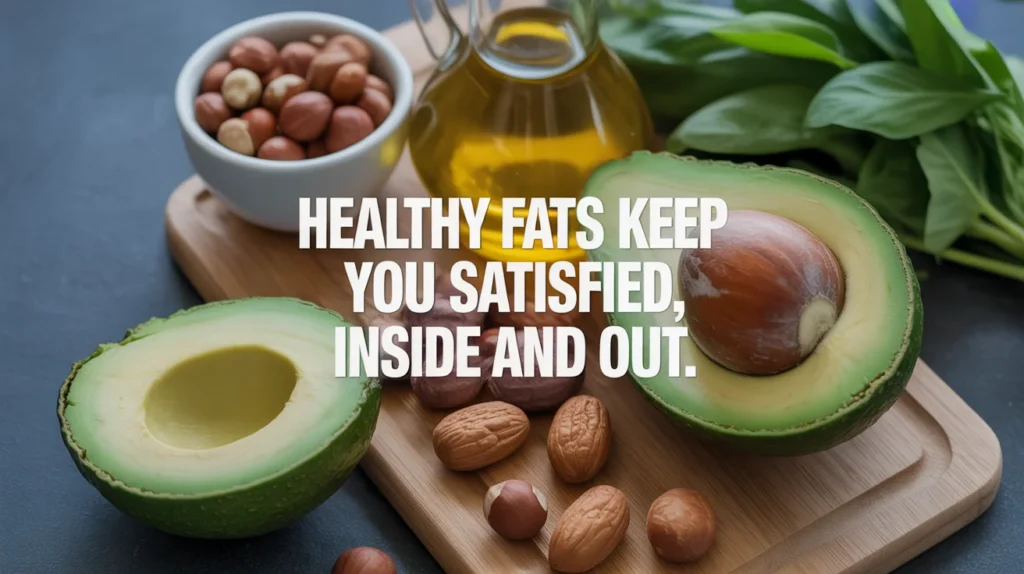
Don’t be afraid of fats, just choose the right kind. Healthy fats found in avocados, nuts, seeds, and olive oil are essential for hormone production and can help reduce inflammation. They also contribute to satiety, helping you control your appetite.
Unhealthy trans fats and excessive saturated fats, often found in processed and fried foods, should be limited. A simple drizzle of olive oil on your vegetables or a sprinkle of chia seeds in your yogurt can add a powerful dose of healthy fats to your diet.
The Best Exercises for Menopausal Women
Exercise is non-negotiable for preventing menopausal weight gain. A well-rounded fitness routine can help you build muscle, boost your metabolism, strengthen your bones, and improve your mood.
Strength Training
If you do only one type of exercise, make it strength training. Lifting weights, using resistance bands, or doing bodyweight exercises like push-ups and squats helps you build lean muscle mass.
As discussed, more muscle means a higher resting metabolism, which helps you burn more calories around the clock. Aim for at least two strength training sessions per week, focusing on all major muscle groups. You don’t need a gym membership; many effective workouts can be done at home with minimal equipment.

Cardiovascular Exercise
Aerobic exercise is vital for heart health and calorie burning. Activities like brisk walking, jogging, cycling, swimming, or dancing elevate your heart rate and help you manage your weight. The U.S. Department of Health and Human Services recommends at least 150 minutes of moderate-intensity aerobic activity per week.
Find an activity you genuinely enjoy, as this will make it much easier to stick with it long-term. Even a 30-minute brisk walk during your lunch break can have significant benefits.

The Importance of Flexibility and Balance
Yoga, Pilates, and stretching are excellent for improving flexibility, reducing stress, and enhancing balance, which can decline with age. These practices can also help alleviate some menopausal symptoms like joint pain and stiffness. The mind-body connection fostered through practices like yoga can help you become more attuned to your body’s signals of hunger and fullness, supporting mindful eating habits.

Comparing Diet Plans for Menopausal Health
With so many diet plans out there, it can be hard to know which one is best. Here’s a comparison of two popular approaches and how they stack up for managing menopausal weight.
| Feature | Mediterranean Diet | Low-Carb Diet (e.g., Keto) |
|---|---|---|
| Primary Focus | Whole foods: fruits, vegetables, nuts, legumes, fish, olive oil. | Significantly restricting carbohydrates, focusing on fats and protein. |
| Weight Loss | Promotes gradual, sustainable weight loss through nutrient-dense, high-fiber foods. | Can lead to rapid initial weight loss, mostly from water and glycogen stores. |
| Sustainability | High. It is flexible and emphasizes a variety of enjoyable foods. | Lower for many people. It can be very restrictive and difficult to maintain long-term. |
| Bone Health | Good. Rich in calcium and vitamin D from dairy, leafy greens, and fish. | Potentially concerning if not well-planned, as it may lack calcium-rich foods. |
| Heart Health | Excellent. Proven to reduce the risk of heart disease. | Mixed results. Depends heavily on the types of fats consumed. |
| Overall Recommendation | Highly recommended for long-term health and managing menopausal weight gain. | May be effective for short-term weight loss but requires careful planning and medical supervision. |

The Critical Role of Sleep and Stress Management
You can have the perfect diet and exercise plan, but if you’re not sleeping enough or are constantly stressed, preventing menopausal weight gain will be an uphill battle.
Prioritizing Quality Sleep
Sleep is when your body repairs itself and regulates crucial hormones related to appetite and metabolism. Unfortunately, menopausal symptoms like hot flashes and anxiety can disrupt sleep. To improve your sleep hygiene, create a relaxing bedtime routine.
Keep your bedroom cool and dark, and avoid caffeine and screens before bed. Aim for 7-9 hours of quality sleep per night. If you’re struggling, don’t hesitate to speak with your doctor. Addressing sleep issues is a cornerstone of effective weight management.

Finding Healthy Ways to De-Stress
Chronic stress raises cortisol levels, which directly contributes to belly fat. As a busy mom, finding time to de-stress can feel like another item on an endless to-do list, but it’s essential. Even small moments of calm can make a big difference.
- Mindfulness and Meditation: Apps like Calm or Headspace can guide you through short, 5-10 minute meditations.
- Deep Breathing: When you feel overwhelmed, take a few slow, deep breaths to calm your nervous system.
- Spending Time in Nature: A short walk outside can work wonders for your mental state.
- Hobbies: Make time for activities you love, whether it’s reading, gardening, or listening to music.

When to Seek Professional Help
While lifestyle changes are incredibly effective, sometimes you may need extra support. If you’ve made consistent efforts with diet and exercise but are still struggling with menopausal weight gain or other severe symptoms, it’s a good idea to talk to a healthcare professional.
A doctor can rule out other underlying conditions, such as thyroid issues, that can cause weight gain. They can also discuss the pros and cons of Menopause Hormone Therapy (MHT), which can alleviate many symptoms, including contributing factors to weight gain. A registered dietitian can also provide personalized nutrition advice to help you meet your goals in a healthy and sustainable way.

Conclusion
Preventing menopausal weight gain is not about a quick fix but about adopting a holistic and compassionate approach to your health. By focusing on a nutrient-dense diet rich in protein and fiber, incorporating a mix of strength training and cardio, prioritizing sleep, and managing stress.
You can successfully navigate this transition. Remember to be patient with yourself and your body. Celebrate small victories and focus on creating sustainable habits that make you feel strong, energetic, and in control. You have the power to make your menopausal years some of your healthiest and most vibrant yet.

Frequently Asked Questions (FAQ)
Q1: Is menopausal weight gain inevitable?
No, it is not inevitable. While hormonal changes make you more susceptible to weight gain, proactive lifestyle adjustments in diet, exercise, and stress management can effectively prevent or reverse it.
Q2: How much weight do women typically gain during menopause?
On average, women may gain about 5 to 10 pounds during the menopausal transition, but this varies greatly. The key concern is the shift of fat to the abdominal area, which carries higher health risks.
Q3: Can hormone therapy help with weight gain?
Menopause Hormone Therapy (MHT) is not a weight loss treatment. However, by alleviating symptoms like poor sleep and mood swings, it can make it easier to stick to a healthy lifestyle, indirectly helping with weight management. Discuss the risks and benefits with your doctor.
Q4: What is the single most important exercise for preventing menopausal weight gain?
Strength training is arguably the most important. It builds metabolically active muscle mass, which counteracts the age-related slowdown in metabolism and helps your body burn more calories at rest.