Introduction
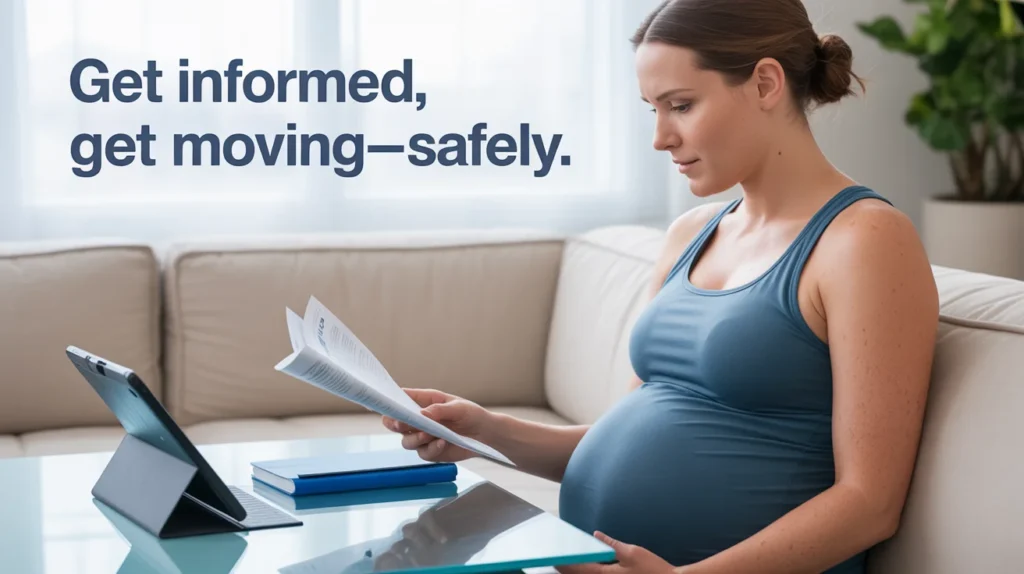
Pregnancy is a beautiful journey, but it often comes with some uncomfortable side effects, like swelling. That puffy feeling in your hands, ankles, and feet, known as edema, is common. It happens because your body holds onto more fluid to support your growing baby.
While it’s usually harmless, it can be quite uncomfortable. Finding safe and effective ways to get relief is a top priority for many expecting moms. This is where the gentle, supportive environment of a Water Workouts comes in.
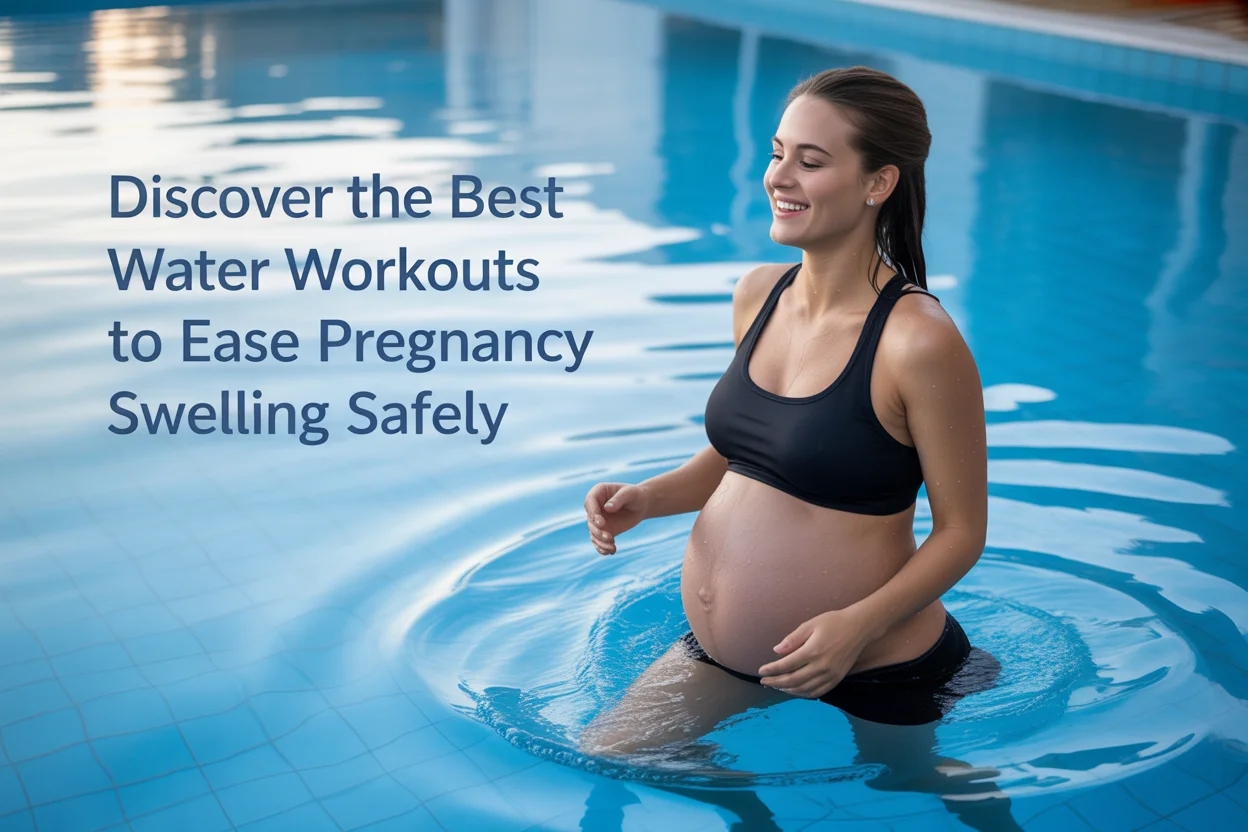
Aquatic exercises offer a fantastic way to stay active, manage swelling, and feel better overall during pregnancy. The water’s buoyancy supports your growing belly, taking the strain off your joints and spine.
At the same time, the hydrostatic pressure of the water acts like a gentle compression, helping to push fluids from your tissues back into your veins, reducing swelling.
Key Takeaways
- Water’s natural buoyancy and pressure provide a unique environment for safe and effective prenatal exercise.
- Aquatic exercises can significantly reduce pregnancy-related swelling (edema) by improving circulation.
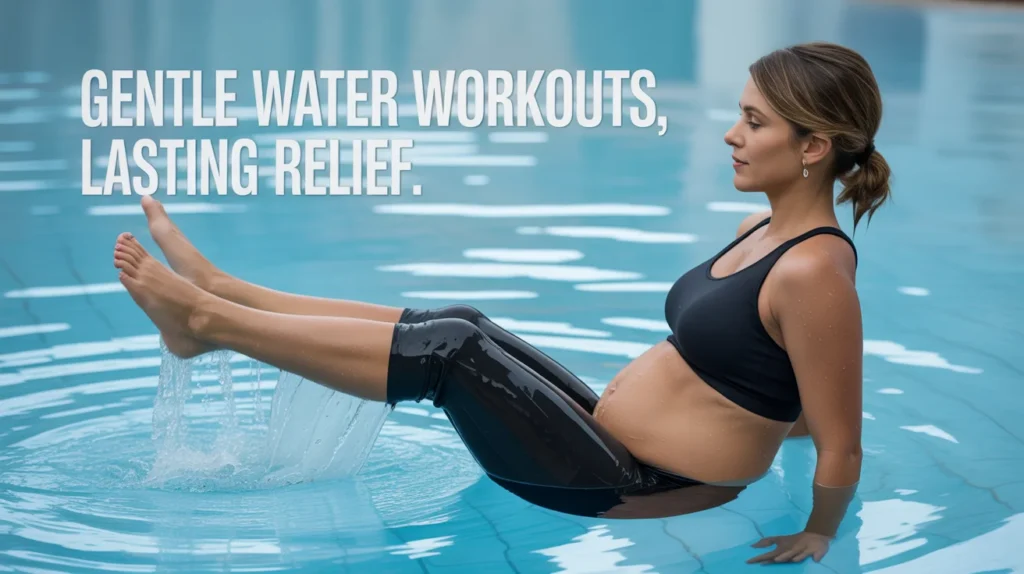
- Gentle activities like walking, leg lifts, and arm circles are highly beneficial and low-impact.
- Always consult your doctor before starting any new exercise routine during pregnancy.
- Proper hydration and listening to your body are crucial for a safe and enjoyable workout.
Why Does Swelling Happen During Pregnancy?
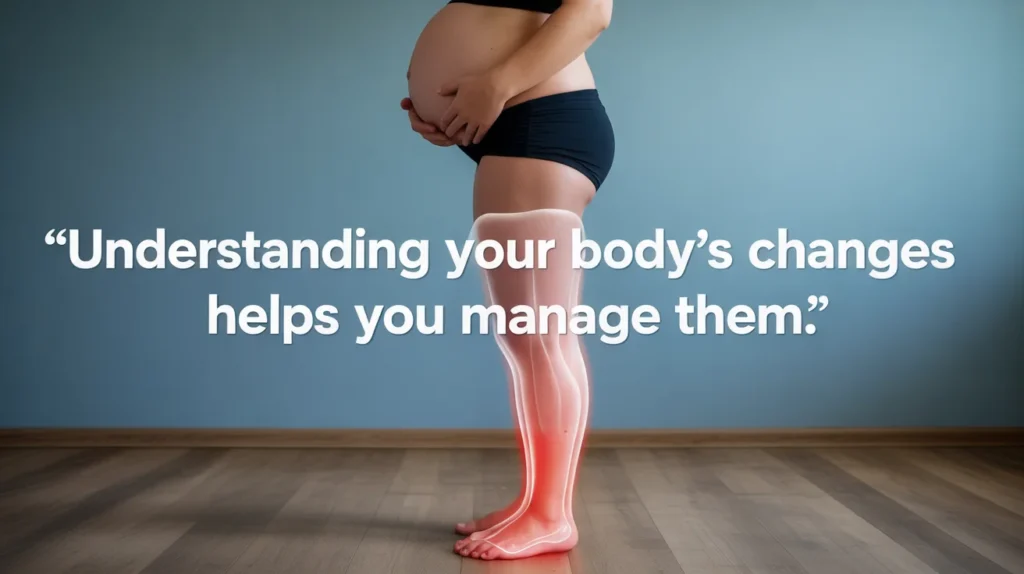
Before diving into the exercises, it’s helpful to understand why you’re experiencing swelling. During pregnancy, your body produces about 50% more blood and body fluids to meet the needs of your developing baby. This extra fluid retention is a normal part of the process.
Several factors contribute to edema:
- Increased Blood Volume: Your body is working overtime, and the extra blood can pool in your lower extremities.
- Growing Uterus: As your uterus expands, it puts pressure on your pelvic veins and the vena cava (the large vein on the right side of your body that returns blood from your lower limbs to the heart). This pressure can slow the return of blood from your legs, causing it to pool and forcing fluid into the tissues of your feet and ankles.
- Hormonal Changes: Pregnancy hormones can also play a role in making you feel a bit more swollen.
While some swelling is normal, it’s important to watch for sudden or severe swelling in your face, hands, or feet, as it could be a sign of preeclampsia, a serious condition. Always contact your healthcare provider if you have concerns.
The Science Behind Water Exercise and Swelling Reduction
So, how exactly does hopping in the pool help? The magic lies in the physical properties of water. When you submerge your body, you benefit from two main principles: buoyancy and hydrostatic pressure.
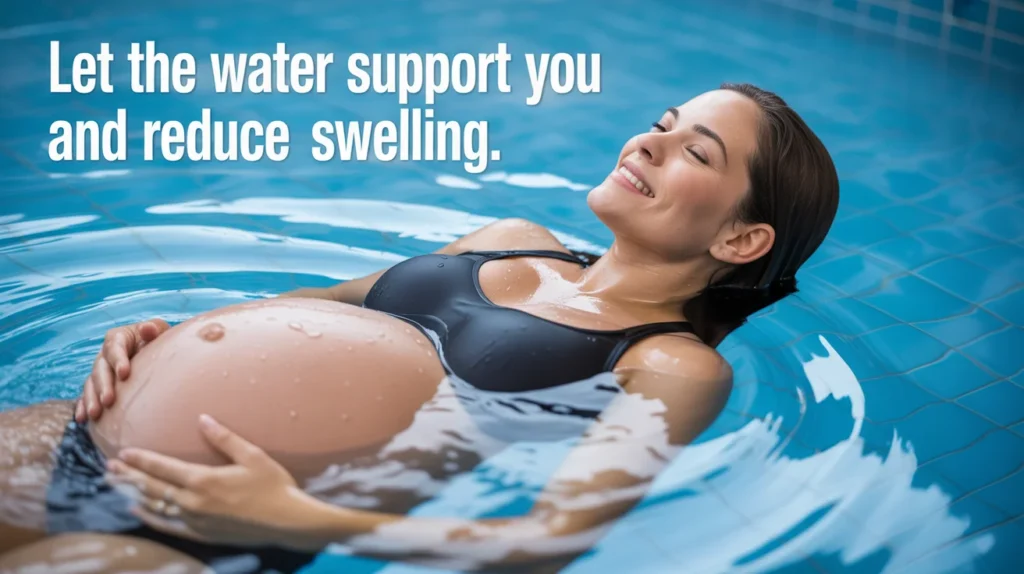
Buoyancy: Your Weightless Wonder
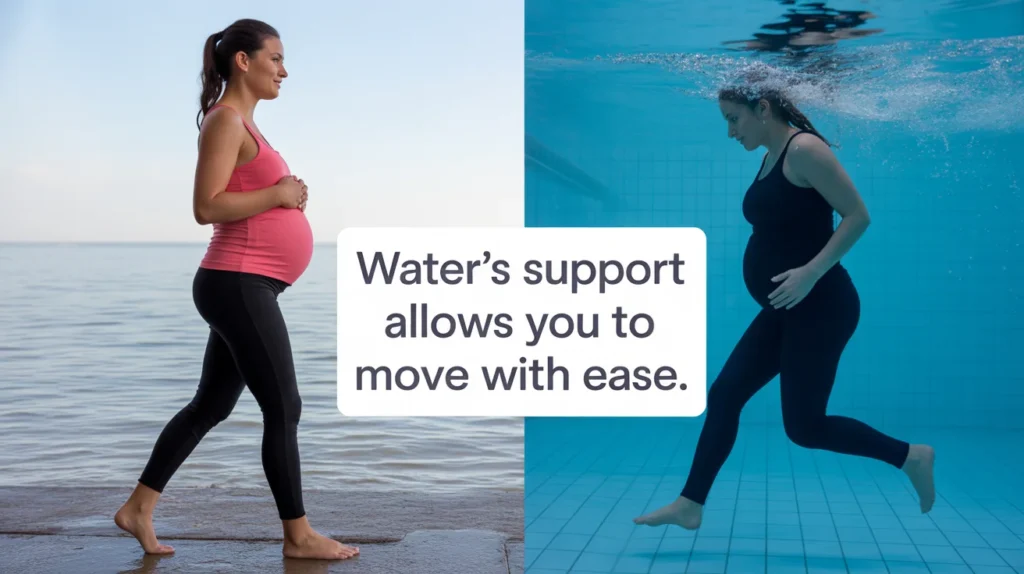
Buoyancy is the upward force that water exerts on your body, making you feel lighter. This effect is a game-changer during pregnancy. It supports your weight, which can relieve the pressure on your aching back, hips, and knees. This weightless feeling makes it easier and more comfortable to move.
Instead of fighting gravity on land, you can float and move freely, reducing the risk of strain or injury. This support allows you to exercise for longer periods without the discomfort you might feel with land-based activities.
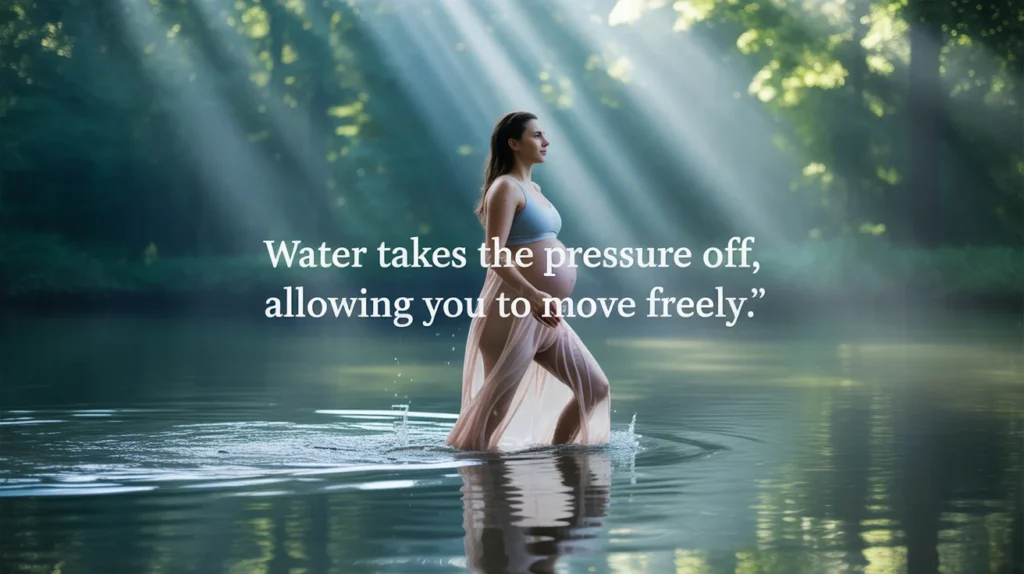
Hydrostatic Pressure: Nature’s Compression Sock
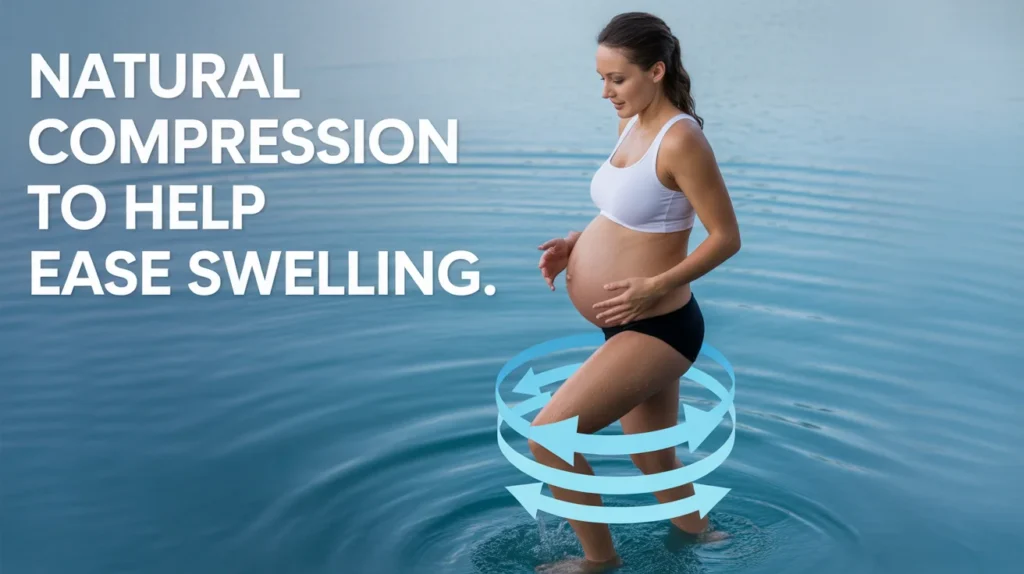
Hydrostatic pressure is the pressure exerted by a fluid at rest. When you stand in waist-deep water, the pressure around your ankles is greater than the pressure around your torso. This natural pressure gradient acts like a gentle full-body squeeze, especially on your lower limbs.
This pressure helps improve your circulation by pushing the excess fluid from your tissues back into your bloodstream, where your kidneys can then process and eliminate it. Think of it as a natural, full-body compression sock that works to reduce that puffy feeling. This is a key reason why Water Workouts are so effective for managing edema.
Getting Started with Prenatal Water Workouts
Ready to take the plunge? Getting started is simple, but there are a few things to keep in mind for a safe and effective session.
Talk to Your Doctor
First and foremost, always consult with your doctor or midwife before starting any new exercise program, including Water Workouts. They can confirm that aquatic exercise is safe for you and your specific pregnancy. If you have a high-risk pregnancy or certain medical conditions, there may be restrictions.

Find the Right Pool
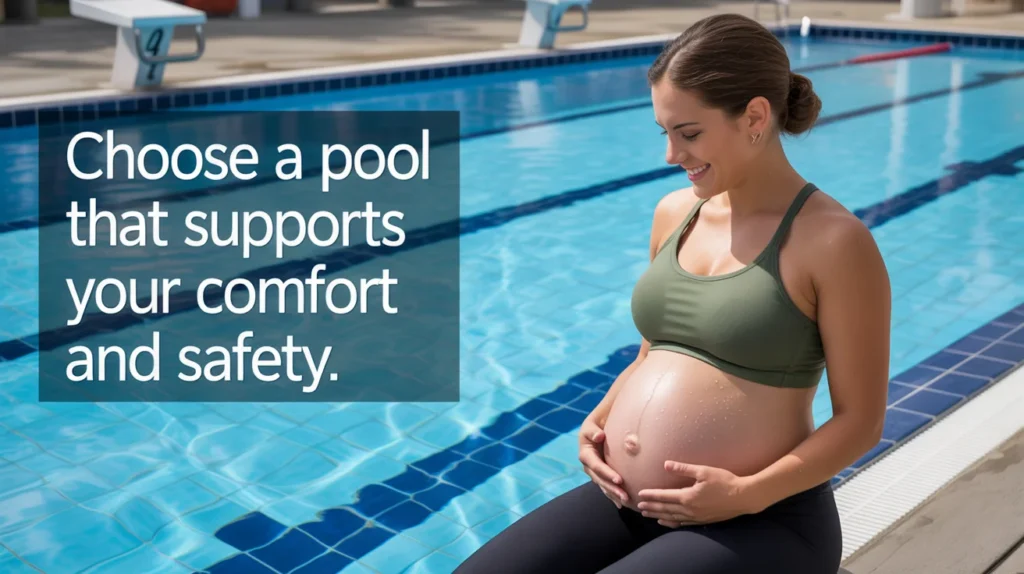
Look for a pool that is well-maintained and has a comfortable temperature. A pool heated to around 83-86°F (28-30°C) is ideal. Avoid hot tubs, saunas, and very warm therapy pools, as overheating is a risk during pregnancy. Many community centers or fitness clubs offer shallow pools or designated lanes perfect for aquatic exercises.
Gear Up for Comfort
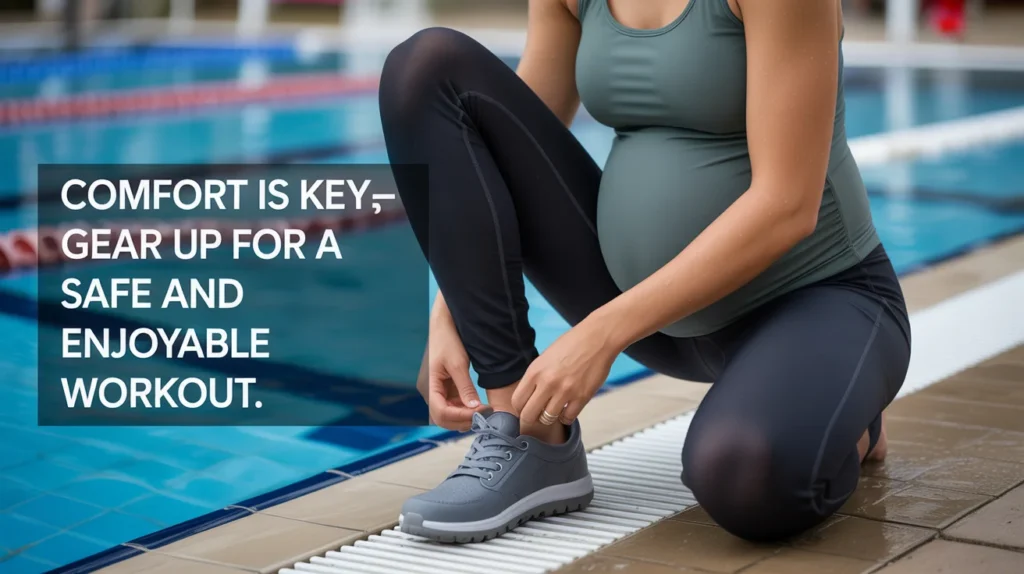
You don’t need much equipment. A comfortable and supportive maternity swimsuit is a must. You might also consider a pair of water shoes with good grip to prevent slipping on the pool floor. Some exercises may use optional equipment like a kickboard or foam dumbbells, but they are not necessary to get a great workout.
Top 5 Modern Water Workouts for Pregnancy Swelling
If you’re ready to move beyond the basics, try these fresh, modern aquatic exercises designed to target swelling and help you feel energized. Not only are these safe for pregnancy, but they’re also fun and effective. Aim for 20-30 minutes, 3-4 times a week, and remember your warm-up and cool-down.
1. Aqua Power Walking with Water Weights
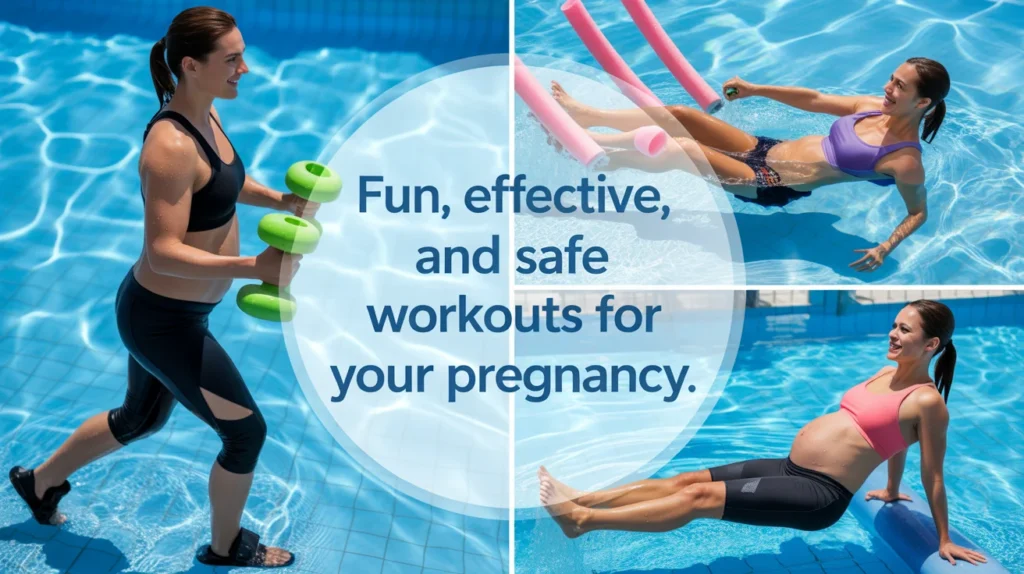
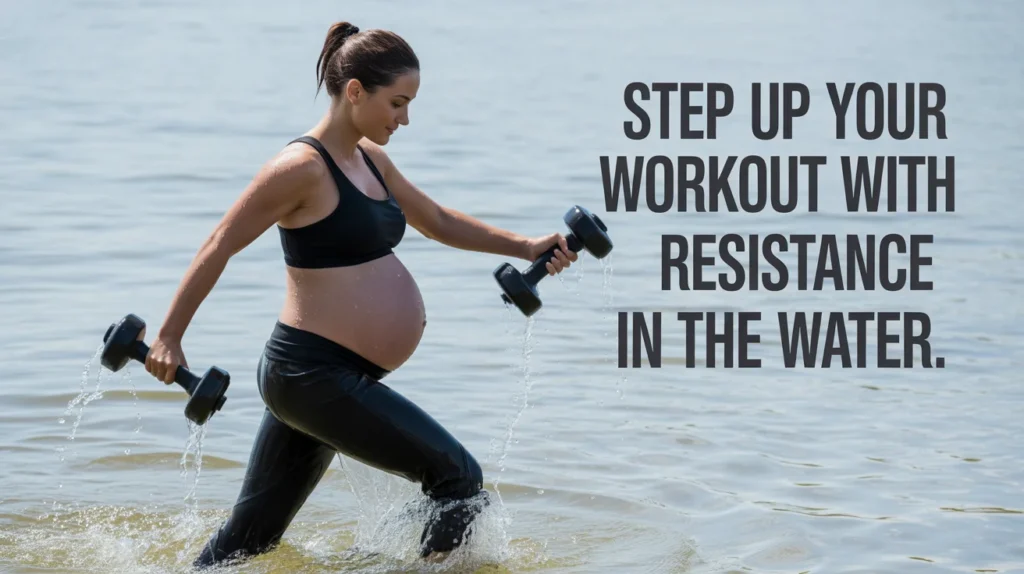
Turn a simple walk into a full-body workout using lightweight foam dumbbells.
- How to do it: Stand in chest-deep water, holding a pair of foam water weights. Walk briskly from one side of the pool to the other, pumping your arms through the water. Push the weights forward and back to increase the resistance.
- Why it works: This exercise ramps up your cardiovascular activity, tones your arms, and uses water resistance to gently combat swelling in your legs and feet.
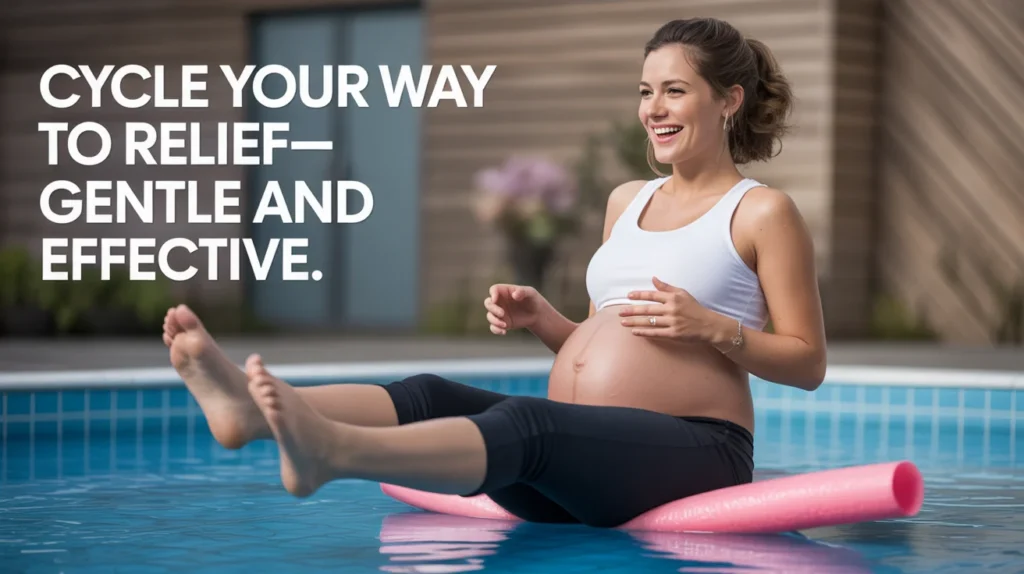
2. Pool Noodle Cycling
This playful move strengthens the legs and promotes circulation, all while feeling totally supported.
- How to do it: Sit on a pool noodle as if straddling a bike, with your arms out for balance. Pedal your legs in a cycling motion—slow and controlled—for 1-2 minutes at a time.
- Why it works: The cycling motion keeps your blood and lymph fluid moving, which helps ease swelling and fights fatigue.
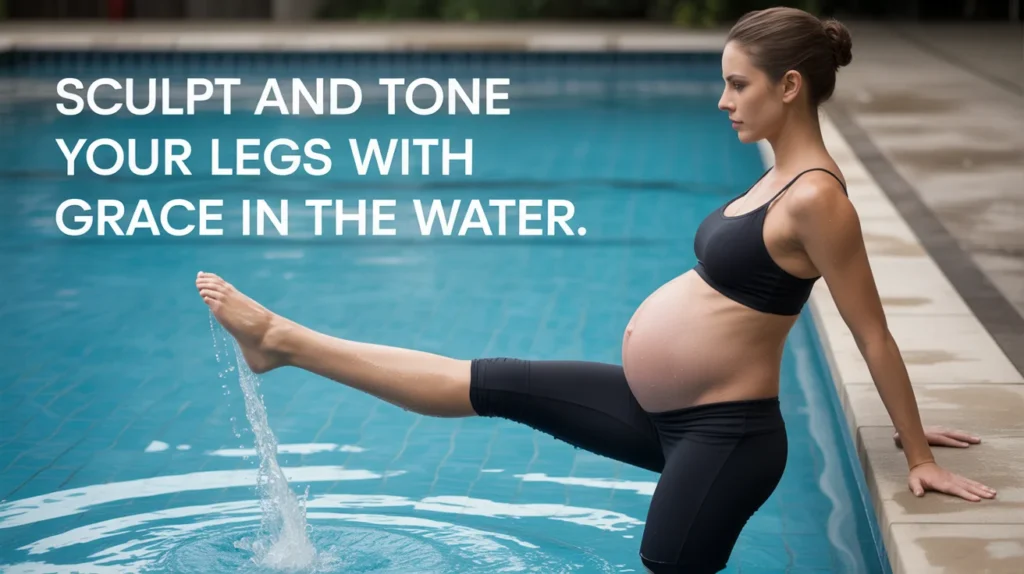
3. Aqua Barre Leg Extensions
Inspired by barre classes, this move is perfect for sculpting and de-puffing.
- How to do it: Stand at the edge of the pool holding onto the wall lightly for support. Extend one leg behind you and gently pulse it up and down. Do 15-20 reps, then switch sides. Try adding side leg lifts as well.
- Why it works: These elegant movements target the legs and glutes, promoting good circulation and helping to move excess fluid out of your lower extremities.
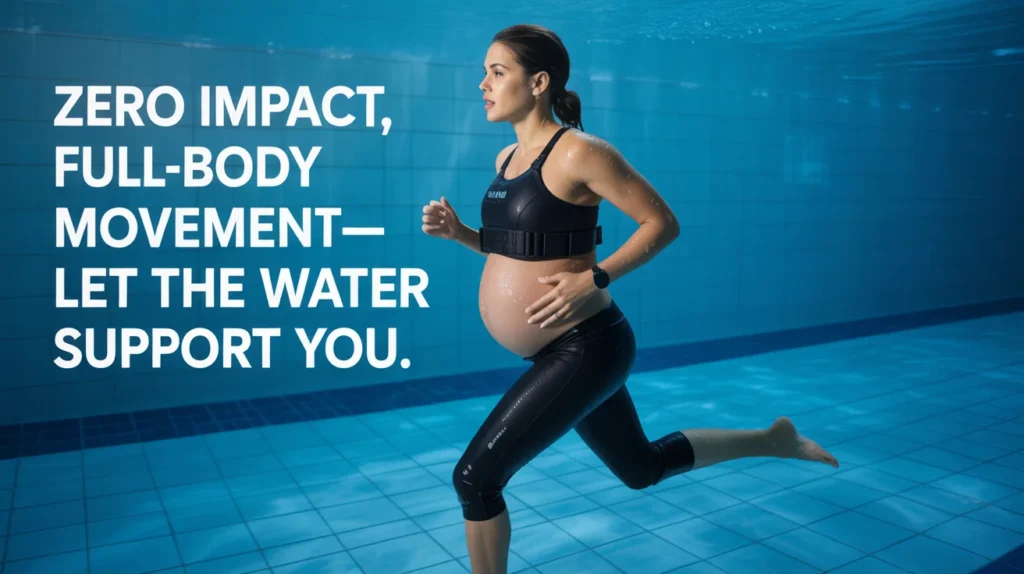
4. Deep Water Jogging with Floatation Belt
Experience true zero-impact exercise while staying upright.
- How to do it: Strap on a flotation belt and move to deeper water where your feet don’t touch the bottom. Jog in place, pulling your knees up and pumping your arms underwater.
- Why it works: The water fully supports your body while allowing for aerobic movement that boosts blood flow and reduces swelling all over.
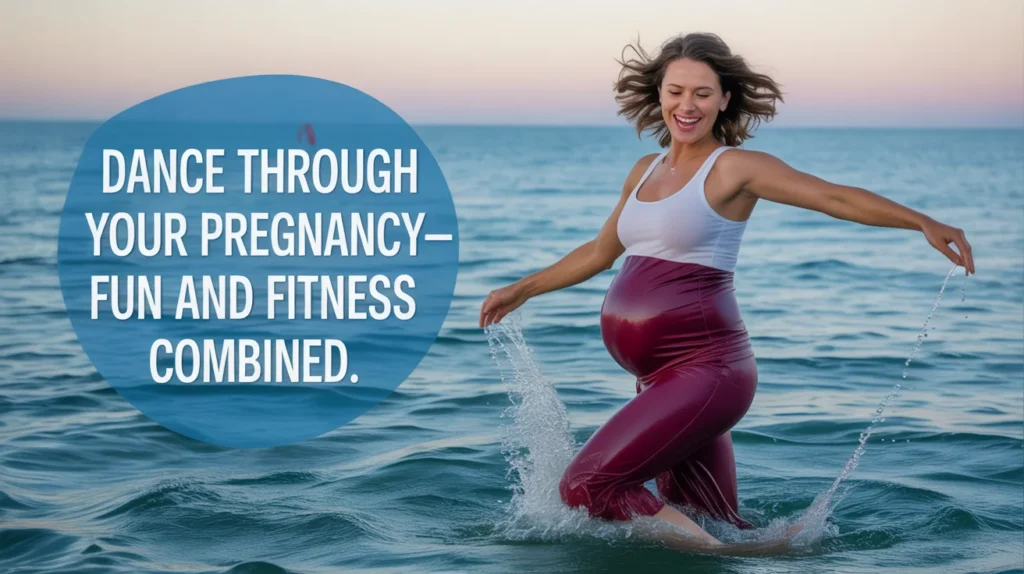
5. Water Zumba or Aqua Dance
Bring the fun with a low-impact group class (or your own playlist).
- How to do it: Follow along with an aqua Zumba class, or simply dance freestyle in chest-deep water, using wide, sweeping motions with your arms and legs. Keep the pace light and joyful.
- Why it works: Dancing in water offers a cardiovascular workout, reduces swelling, and provides a mood boost—perfect for expectant moms wanting variety and excitement in their routine.
Land vs. Water Exercises for Pregnancy
| Feature | Land-Based Exercise | Water-Based Exercise |
|---|---|---|
| Impact on Joints | High to moderate impact (e.g., jogging, aerobics) | Low to no impact, gentle on joints |
| Swelling Reduction | Moderate effect from muscle contraction | High effect due to hydrostatic pressure |
| Body Support | Requires you to support your full body weight | Buoyancy supports up to 90% of body weight |
| Risk of Falling | Moderate risk, balance can be tricky | Very low risk of falling and injury |
| Core Temperature | Can rise quickly, risk of overheating | Water helps keep body cool |
As you can see, Water Workouts offer unique advantages that make them particularly well-suited for the prenatal period.
Safety Tips for Prenatal Aquatic Exercise
To ensure your Water Workouts are both safe and beneficial, keep these tips in mind:
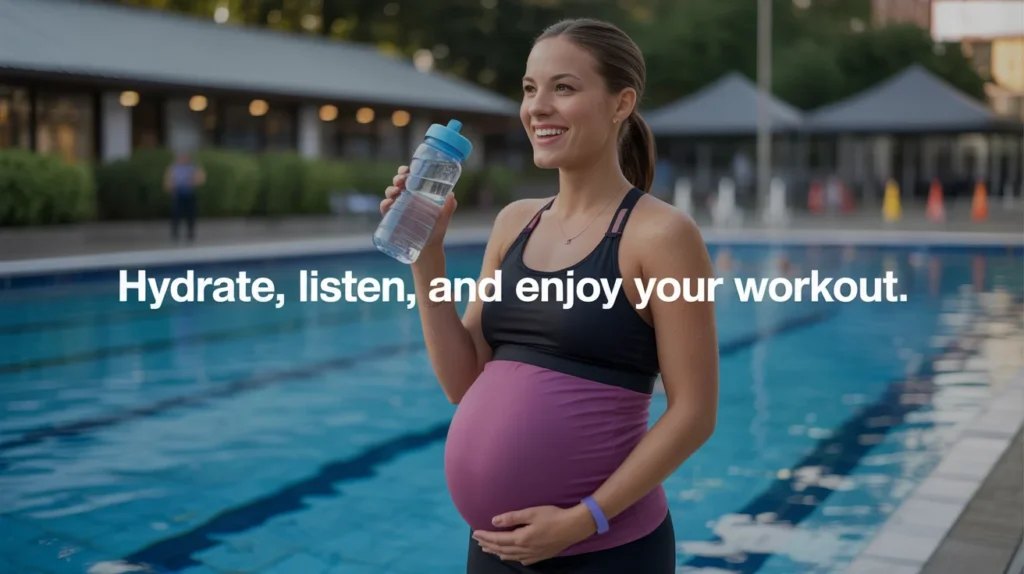
- Stay Hydrated: It’s easy to forget you’re sweating when you’re in the water. Keep a water bottle at the edge of the pool and sip frequently.
- Listen to Your Body: This is the golden rule of prenatal exercise. If something hurts or doesn’t feel right, stop. Never push yourself to exhaustion.
- Avoid Overheating: As mentioned, stick to pools with a moderate temperature. If you feel dizzy, lightheaded, or overly hot, get out of the water immediately.
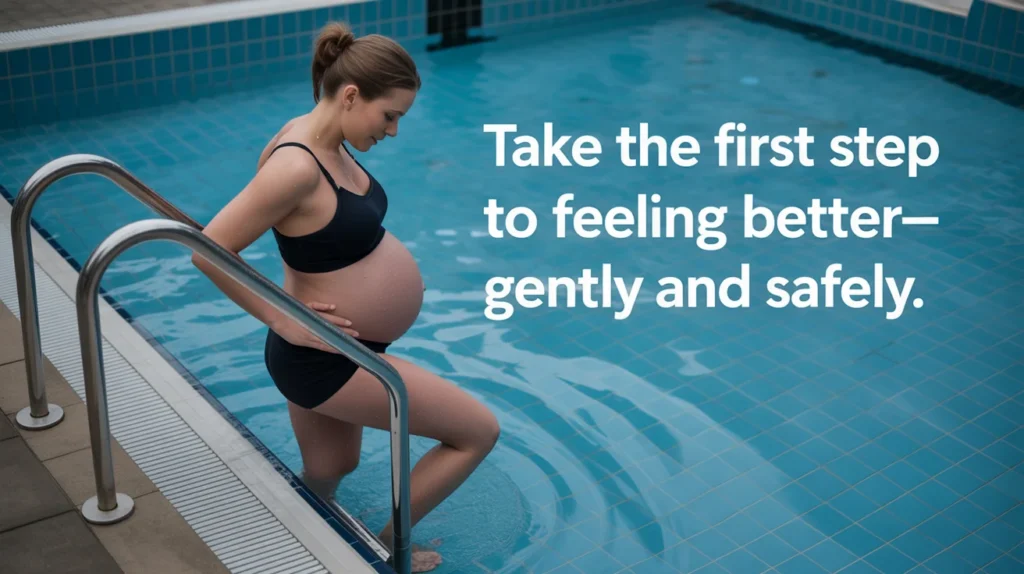
- Easy Entry and Exit: Use the steps or ladder to get in and out of the pool carefully. Your center of gravity is different, so take your time.
- Breathe Consistently: Do not hold your breath during exercises. Maintain a steady, even breathing pattern to ensure you and your baby are getting plenty of oxygen.
For more information on exercise during pregnancy, the American College of Obstetricians and Gynecologists (ACOG) provides excellent, evidence-based guidelines.
Conclusion
Pregnancy swelling can be a frustrating part of the journey to motherhood, but you don’t have to simply endure it. Incorporating gentle Water Workouts into your routine is a safe, effective, and enjoyable way to find relief. The unique properties of water provide a supportive, low-impact environment that reduces pressure on your joints, helps to decrease swelling, and allows you to stay active and feel your best.
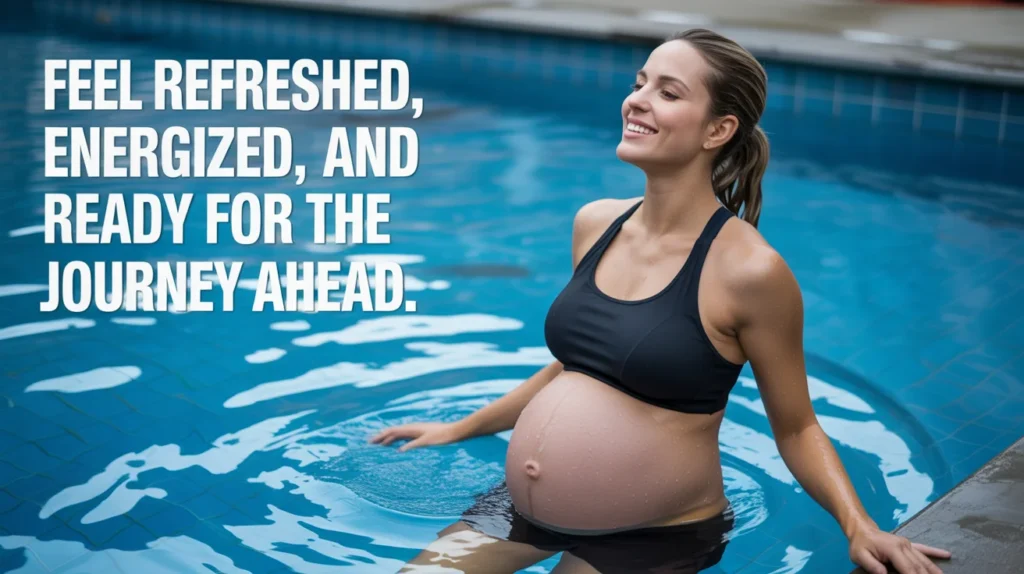
By embracing activities like water walking, leg lifts, and ankle pumps, you can improve circulation, reduce discomfort, and take a proactive step toward a healthier, more comfortable pregnancy. Always remember to consult your healthcare provider first and listen to your body’s signals. A dip in the pool might be just what you need to feel refreshed, revitalized, and ready for the amazing journey ahead.
Frequently Asked Questions (FAQ)
Q1: How soon can I start water aerobics during pregnancy?
A: As long as you get clearance from your doctor and have an uncomplicated pregnancy, you can typically start Water Workouts at any point. Many women find it especially beneficial in the second and third trimesters when swelling and joint discomfort increase.
Q2: Can I do water workouts if I can’t swim?
A: Absolutely! The exercises recommended here are done in waist-to-chest-deep water, where your feet are firmly on the pool floor. You do not need to know how to swim to benefit from them. Always stay in the shallow end where you feel comfortable and secure.
Q3: How often should I do water workouts to see a reduction in swelling?
A: For best results, aim for 20-30 minute sessions about 3 to 4 times per week. Consistency is key. Many women notice a visible reduction in swelling immediately after a session, though the long-term benefits come from a regular routine.
Q4: Is chlorine in pools safe during pregnancy?
A: Yes, according to the Centers for Disease Control and Prevention (CDC), swimming in a well-maintained, chlorinated pool is considered safe during pregnancy. The amount of chlorine is not harmful to you or your baby.