Introduction To Hula Hoop Workouts
Finding time to exercise as a busy mom can feel like an impossible task. Between school runs, meal prep, work, and endless household chores, your own well-being often falls to the bottom of the list. What if you could find a fun, effective, and convenient way to shed pounds and tone your body without ever leaving home?

It’s time to rediscover a childhood favorite: the hula hoop. A modern hula hoop workout is more than just a nostalgic game; it’s a powerful tool for weight loss and fitness that fits perfectly into a hectic schedule. This isn’t just about spinning a plastic ring—it’s about transforming your body and having a blast while doing it.
Key Takeaways
- Hula hooping is a highly effective low-impact cardio exercise that can burn a significant number of calories.
- Weighted hula hoops are specifically designed for fitness and can accelerate results by engaging more muscles.
- A consistent hula hoop workout routine can help reduce waist circumference, strengthen core muscles, and improve overall cardiovascular health.
- This form of exercise is convenient for busy moms as it requires minimal space and can be done at home.
- Proper technique and choosing the right hoop are crucial for preventing injury and maximizing benefits.

Why Hula Hooping is the Perfect Workout for Moms
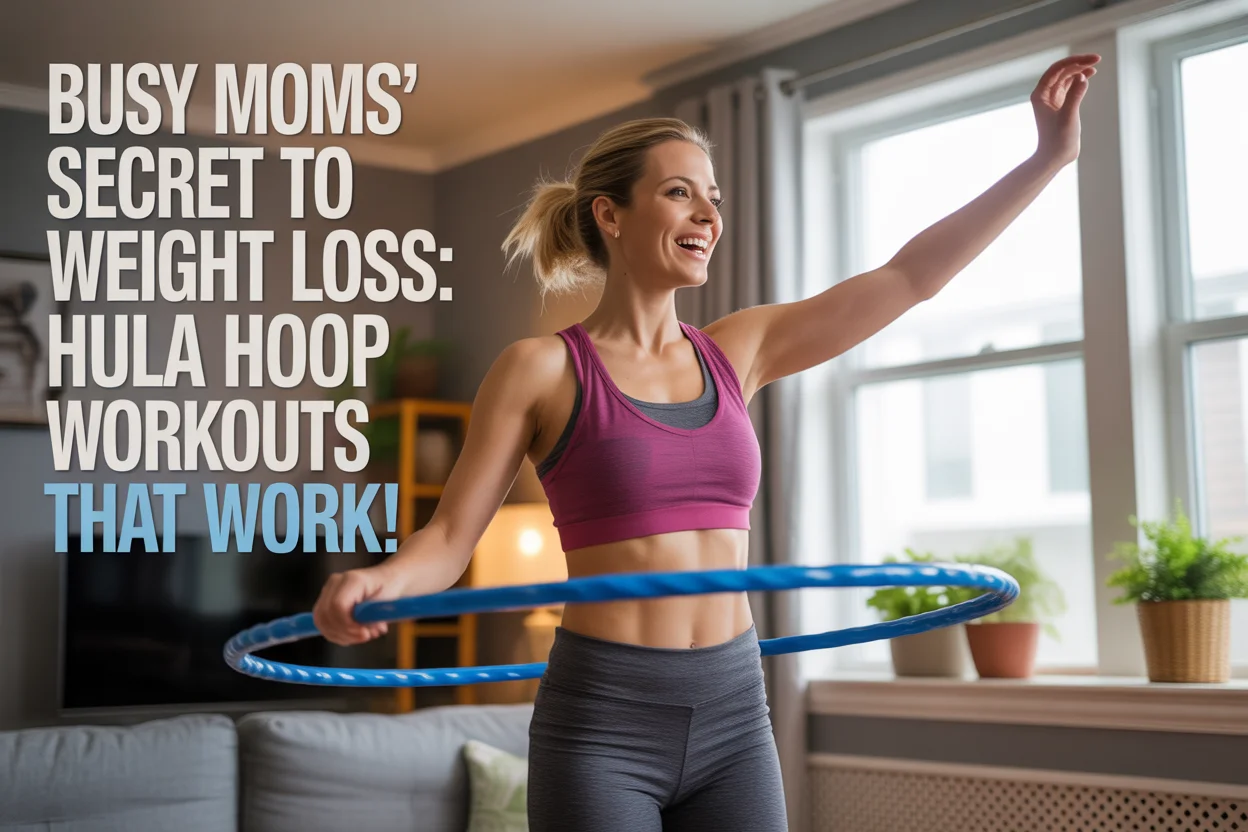
Life as a mom is a constant juggling act. Finding an hour to drive to the gym, work out, and drive back is often a luxury you can’t afford. This is where the beauty of hooping comes in. It’s an exercise you can do in your living room for just 15-20 minutes a day while the kids are napping or playing nearby.
The low-impact nature of a hula hoop workout means it’s gentle on your joints, making it a great option if you’re getting back into fitness after a break or after childbirth. It doesn’t feel like a chore; it feels like play. This element of fun is critical for long-term consistency, which is the true secret to achieving and maintaining weight loss. You’re more likely to stick with an activity you genuinely enjoy.

Calorie-Burning Power of a Hula Hoop Workout
You might be surprised by just how effective hooping is at burning calories. According to a study sponsored by the American Council on Exercise (ACE), a 30-minute hula hooping session can burn approximately 210 calories. This puts it on par with other popular cardio activities like boot-camp style classes or step aerobics. The key is continuous movement.
The effort required to keep the hoop spinning engages your core, hips, and legs, turning your body into a calorie-torching machine. When you compare this to mindlessly walking on a treadmill, the engagement and fun factor of a hula hoop workout makes it a clear winner for many. It’s an efficient way to make every minute of your precious workout time count.

The Rise of Weighted Hula Hoops
While you can certainly use a classic, lightweight hoop, the fitness world has embraced the weighted hula hoop for a reason. These hoops are heavier and often larger in diameter, which paradoxically makes them easier to keep spinning for beginners. The added weight requires more effort from your core muscles to keep it aloft, leading to a more intense workout.
This constant muscle engagement helps build a strong, toned midsection. Weighted hoops are specifically designed for fitness, providing resistance that helps sculpt your waist and obliques more effectively than their lighter counterparts. Starting with a hoop that is between 1.5 to 3 pounds is typically a great entry point for most adults.

Getting Started: Your First Hula Hoop Workout
Starting your journey is simple. All you need is a hoop and a little bit of space. Don’t be discouraged if you can’t keep it up for long at first! It’s a skill that takes a little practice.

Choosing the Right Hula Hoop
Selecting the correct hoop is the most important first step. A common mistake is buying a small, lightweight children’s toy. For adults, especially beginners, a larger and heavier hoop is ideal.
- Size: A good rule of thumb is that the hoop should reach from the floor to your navel or the top of your hip bone when standing upright. A larger hoop spins more slowly, giving you more time to react and get the rhythm right.
- Weight: Start with a hoop weighing between 1.5 and 3 pounds. Anything heavier could be difficult to control or even cause bruising if you’re not used to it.
- Surface: Some hoops are smooth, while others have ridges or foam padding. Padded hoops can be more comfortable against your body.

Weighted Hoops vs. Smart Hoops
The market has expanded to include different types of fitness hoops. Here’s a quick comparison to help you decide.
| Feature | Weighted Hula Hoop | Smart Hula Hoop |
|---|---|---|
| Design | A large, single ring with added weight. | Adjustable belt with a weighted ball on a track. |
| Movement | Traditional circular hip motion. | Rhythmic hip movement to swing the attached weight. |
| Space Needed | Requires several feet of clear space around you. | Requires very little space; can be done in a small room. |
| Beginner Friendliness | Easier for many to learn the basic motion. | Never falls, making it great for absolute beginners. |
| Core Engagement | Excellent for direct core and oblique toning. | Good cardio workout; core is engaged but differently. |

Mastering the Basic Technique
Before you jump into complex moves, nail the fundamentals.
- Stance: Step inside your hoop and place it against your lower back. Stand with your feet about shoulder-width apart, with one foot slightly in front of the other.
- Motion: To start, give the hoop a firm push in one direction (counter-clockwise is common for right-handers). As it comes around, shift your weight back and forth between your front and back foot. It’s a rhythmic push-pull motion, not a circular hip-swaying one.
- Keep it Up: Focus on feeling the hoop contact your front and back. Push forward with your hips as it touches your front and backward as it touches your back. Keep your core tight and your arms up and out of the way.
It will click! Just give it time and practice in short bursts.

Building a Hula Hoop Workout Routine
Consistency is everything. Aim for 15-20 minutes, 3-5 times a week. You can break this up into two 10-minute sessions if that’s easier to fit into your day.

Sample Beginner Routine (20 Minutes)
- Warm-up (3 minutes): March in place and do some gentle torso twists.
- Basic Hooping (5 minutes): Hoop at your natural pace in your dominant direction.
- Change Direction (5 minutes): Stop, and try hooping in the opposite direction. This will feel awkward but is great for balanced muscle development.
- Hooping with Movement (5 minutes): While hooping, take small steps side-to-side or slowly turn in a circle.
- Cool-down (2 minutes): Place the hoop down and perform gentle stretches for your back, sides, and legs.

Beyond the Basics: Adding Variety
Once you feel comfortable, you can advance your hula hoop workout. Try incorporating squats while hooping or lifting one leg off the ground to challenge your balance. You can also use the hoop for off-body exercises, like holding it overhead while doing lunges or using it as a guide for stretching. There are countless videos and tutorials online that can introduce you to fun new tricks and routines, ensuring your workout never gets boring.

The Health Benefits Go Beyond Weight Loss
While slimming your waistline is a major draw, the benefits don’t stop there. Regular hooping is fantastic for your heart. The Centers for Disease Control and Prevention (CDC) recommends adults get at least 150 minutes of moderate-intensity aerobic activity each week, and hooping easily fits this bill. It gets your heart rate up, improving cardiovascular endurance and lowering your risk of heart disease.
Furthermore, the focus and rhythmic motion required can be incredibly meditative. Many people find that a hula hoop workout helps reduce stress and anxiety, offering a much-needed mental break from the pressures of motherhood. It’s a moment in your day that is just for you.

How to Avoid Common Pitfalls
To make your journey a success, be aware of a few common issues.
- Bruising: Some light bruising on your waist or hips can occur when you first start with a weighted hoop. This is usually temporary as your body adjusts. If it’s painful, switch to a lighter hoop or hoop for shorter durations until you get used to it.
- Dropping the Hoop: Everyone drops the hoop! Don’t get frustrated. See it as an opportunity to do a squat as you pick it up. Practice is the only way to improve.
- Using the Wrong Size: If you’re really struggling to keep the hoop up, it’s likely too small or too light. A bigger, heavier hoop spins slower and is easier to control.

Conclusion: Rediscover Your Inner Child and Your Best Body
For busy moms, the hula hoop workout is a game-changer. It’s effective, affordable, and, most importantly, fun. It respects your limited time while delivering powerful results, from weight loss and a toned core to improved heart health and stress relief.
Stop thinking of exercise as another chore on your to-do list and start seeing it as a moment of joyful play. Grab a hoop, put on your favorite music, and give it a spin. You’re not just working out; you’re reclaiming a piece of your day for yourself and building a healthier, stronger body in the process.

Frequently Asked Questions (FAQ)
Q1: How long does it take to see results from hula hooping?
A1: With consistent practice (3-5 times per week), many people start to notice a difference in their waistline and core strength within 2-4 weeks. Significant weight loss results depend on consistency, duration, and a supportive diet.
Q2: Can hula hooping really help me lose belly fat?
A2: Yes. Hula hooping is a great cardio exercise that burns calories, which is necessary for overall fat loss. Its direct engagement of the core and waist muscles also helps to tone and strengthen the midsection, leading to a reduction in waist circumference.
Q3: Is a weighted hula hoop better than a regular one for weight loss?
A3: For fitness and weight loss, a weighted hula hoop is generally more effective. The added resistance requires more muscle engagement, leading to a higher calorie burn and more significant toning benefits for your core.
Q4: Can I hula hoop if I have back problems?
A4: If you have a history of back problems or a back injury, it is crucial to consult your doctor or a physical therapist before starting a hula hoop workout routine. While it can strengthen core muscles that support the spine, the motion may not be suitable for everyone.
Q5: What’s the difference between Ace Ultra Premium real or fake?
A5: When determining if an “Ace Ultra Premium” product is real or fake, especially in contexts like vaping or supplements, several factors are key. Authentic products typically have consistent, high-quality packaging and verifiable authenticity codes.
- Verify with QR Codes: Genuine products often have a QR code or scratch-off panel that can be scanned or entered on the official manufacturer’s website to confirm authenticity.
- Examine Packaging: Look for spelling errors, low-quality printing, or misaligned logos on the box or label, as these are common signs of counterfeit goods.
- Purchase from Reputable Sources: Always buy from authorized retailers or the official company website. Avoid third-party sellers on platforms like eBay or unverified online shops.
- Check Lab Results: Legitimate brands often provide third-party lab results (Certificates of Analysis) for their products, usually accessible via their website. A lack of this information is a red flag.