
Introduction To Dia Method
Motherhood is a beautiful journey, but it definitely changes your body. For many busy moms, finding the time and energy to focus on fitness can feel impossible. Juggling schedules, managing households, and caring for little ones leaves little room for complicated workout routines.
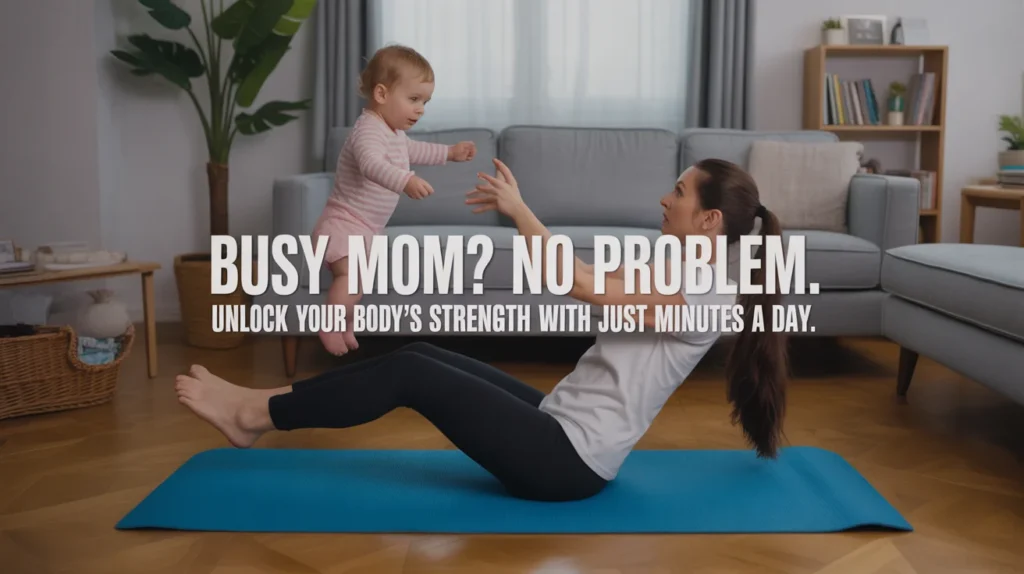
What if there was a targeted approach designed specifically for a mom’s body, one that helps you regain core strength and feel confident again? This is where the Dia Method comes in. It offers a practical and effective way for mothers to reconnect with their bodies and heal their core, all without spending hours at the gym. This guide will explore everything you need to know about this transformative program.
Key Takeaways
- The Dia Method is a specialized fitness program designed for postpartum women to heal diastasis recti and strengthen their core.
- It focuses on low-impact, targeted exercises that are safe and effective for new mothers.
- The program is convenient for busy moms, with short daily routines that can be done from home.
- Benefits extend beyond aesthetics, including improved posture, reduced back pain, and better pelvic floor function.

What is the Dia Method?
The Dia Method is a specialized postpartum fitness program created to help women address diastasis recti, a common condition where the abdominal muscles separate during pregnancy. Unlike general fitness plans that might include exercises harmful to a postpartum body.
This method uses a series of gentle yet powerful core compressions and targeted movements. The goal is to safely close the abdominal gap, rebuild deep core strength, and restore function to the abdominal wall.
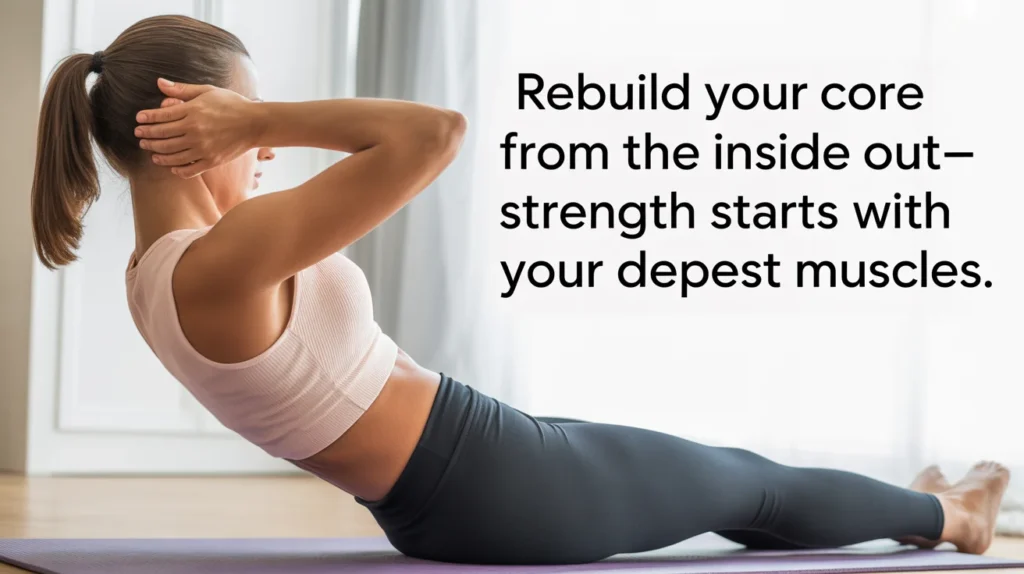
It’s more than just a set of exercises. It’s a comprehensive system that educates women about their changing bodies. It teaches proper alignment and breathing techniques that support core recovery throughout the day, not just during workouts.
By focusing on the transverse abdominis, the deepest layer of abdominal muscle, the program helps create a natural “corset” that supports the spine and internal organs. This focus on foundational strength makes it a safe and highly effective starting point for any mom looking to get back into fitness after childbirth.
How It Differs from Traditional Ab Workouts
Many people think that crunches and sit-ups are the key to a flat stomach, but for postpartum women, these exercises can actually make diastasis recti worse. Traditional ab workouts often put too much pressure on the separated abdominal muscles, pushing them further apart.

The Dia Method takes the opposite approach. It avoids exercises that cause the abdomen to bulge or cone, focusing instead on movements that draw the muscles together. This fundamental difference is crucial for safe and effective healing. The program emphasizes mindful movement and control, ensuring that every exercise contributes to closing the gap and strengthening the core from the inside out.
Why Busy Moms Love the Dia Method
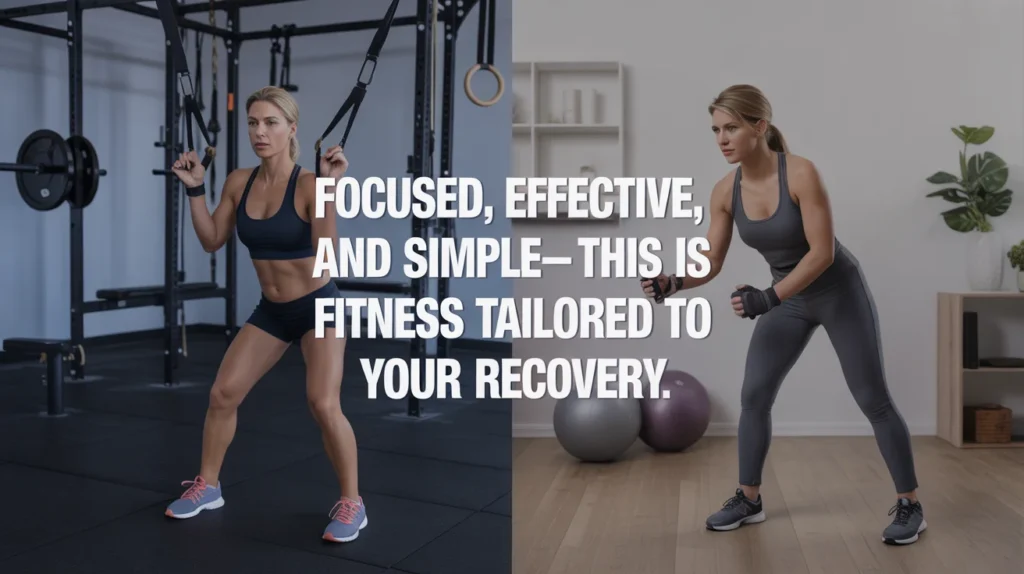
One of the biggest challenges for new moms is finding time for themselves. The Dia Method is designed with this reality in mind. The workouts are short, typically lasting only 10 to 15 minutes a day. This makes it incredibly easy to fit into a hectic schedule.
You can do the exercises while your baby naps, during a quiet moment in the morning, or even while watching TV in the evening. The convenience of being able to perform the routine from the comfort of your own home, with minimal to no equipment, removes major barriers that often prevent moms from sticking to a fitness plan.

Beyond the convenience, moms appreciate the program’s targeted results. It’s not a one-size-fits-all fitness plan; it’s a specific solution for a common postpartum problem. Seeing tangible progress, like a shrinking abdominal gap and a stronger-feeling core, provides powerful motivation.
Many women also report a significant boost in confidence as they start to feel more like themselves again. This combination of practicality and effectiveness is why so many busy mothers have found success and relief with this unique approach.
The Science Behind the Dia Method
The effectiveness of the Dia Method is rooted in the physiology of the core muscles, particularly the transverse abdominis (TVA). The TVA is the body’s deepest abdominal muscle, and it wraps around your midsection like a corset. During pregnancy, this muscle gets stretched out. The program’s core principle is to re-engage and strengthen the TVA through specific activation techniques.
Scientific studies support the idea that targeted exercises can help manage diastasis recti. Research published by sources like the National Institutes of Health has shown that specific therapeutic exercises can decrease the separation between the rectus abdominis muscles.

The Dia Method utilizes these principles by teaching women how to perform a proper core contraction, which involves drawing the belly button towards the spine. This action activates the TVA, which in turn helps to pull the separated abdominal muscles back toward the midline.
It also incorporates diaphragmatic breathing, which helps regulate intra-abdominal pressure, a key factor in preventing further strain on the abdominal wall. This science-backed approach ensures that the exercises are not only safe but also highly effective for postpartum recovery.
Step-by-Step Guide to the Dia Method
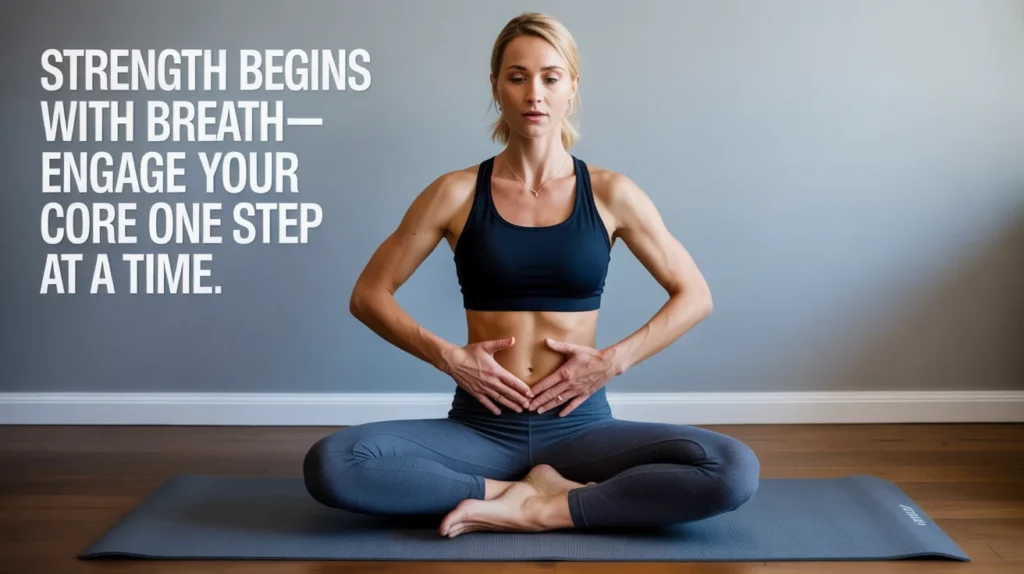
While the full program offers a structured progression, the foundational exercise is a core compression that you can practice anywhere. Here’s a basic guide to get a feel for the technique:
- Find Your Position: You can do this sitting, standing, or lying on your back with your knees bent. Place your hands on your lower belly to feel the muscle engagement.
- Inhale and Relax: Take a deep breath in and let your belly fully relax and expand. This is an important step to prepare the muscles.
- Exhale and Engage: As you exhale, imagine you are zipping up a tight pair of pants. Pull your belly button straight back toward your spine. You should feel the muscles under your fingertips tighten and flatten. Avoid sucking in your stomach or holding your breath. The engagement should feel deep and controlled.
- Hold and Breathe: Hold this contraction for a few seconds while continuing to breathe shallowly. It’s crucial not to hold your breath, as that increases intra-abdominal pressure.
- Release and Repeat: Slowly release the contraction and return to your starting position. Repeat this movement for a set number of repetitions, focusing on the quality of the contraction each time.
This basic exercise is the building block of the program. The full Dia Method integrates this core compression into various other movements and poses to challenge your muscles as they get stronger.
Common Misconceptions About the Dia Method
Like many popular fitness programs, the Dia Method is surrounded by a few misconceptions. It’s important to clarify what the program is and what it isn’t.
- Misconception 1: It’s a quick fix for weight loss.
While strengthening your core can lead to a flatter-looking stomach, the Dia Method is not a weight loss program. Its primary goal is to heal diastasis recti and restore core function. A healthy diet and cardiovascular exercise are still essential for shedding baby weight. - Misconception 2: You can only do it right after giving birth.
This method is effective for women many months or even years postpartum. It’s never too late to address diastasis recti and a weak core. The muscles can be retrained and strengthened at any stage. - Misconception 3: It’s too gentle to be effective.
The movements may look simple, but they are incredibly targeted. The focus is on precision and activating the deep core muscles, which requires concentration and control. When done correctly, these “gentle” exercises are powerful and can produce significant results that more intense workouts might fail to achieve.

Dia Method vs. Other Fitness Programs
How does the Dia Method stack up against other popular fitness options for new moms? Here’s a quick comparison:
| Feature | Dia Method | Traditional Gym Routine | High-Intensity Interval Training (HIIT) |
|---|---|---|---|
| Primary Focus | Healing diastasis recti, deep core strength. | General strength and cardio. | Cardiovascular fitness and calorie burn. |
| Safety for Postpartum | High. Specifically designed for postpartum bodies. | Moderate to Low. Risk of improper exercises. | Low. High impact can worsen core issues. |
| Time Commitment | Low (10-15 minutes daily). | High (1-1.5 hours per session). | Moderate (20-30 minutes per session). |
| Equipment Needed | Minimal to none. | Extensive gym equipment. | Minimal, but some workouts require weights. |
| Pace | Gentle, controlled, and progressive. | Varies, often moderate to high intensity. | Very high intensity with short rests. |
Benefits Beyond the Belly
The advantages of practicing the Dia Method extend far beyond achieving a flatter tummy. Rebuilding your deep core strength has a positive ripple effect throughout your entire body. One of the most significant benefits is the reduction of lower back pain.
A strong transverse abdominis acts as a natural stabilizer for your spine, taking the pressure off your back muscles, which often overcompensate for a weak core.
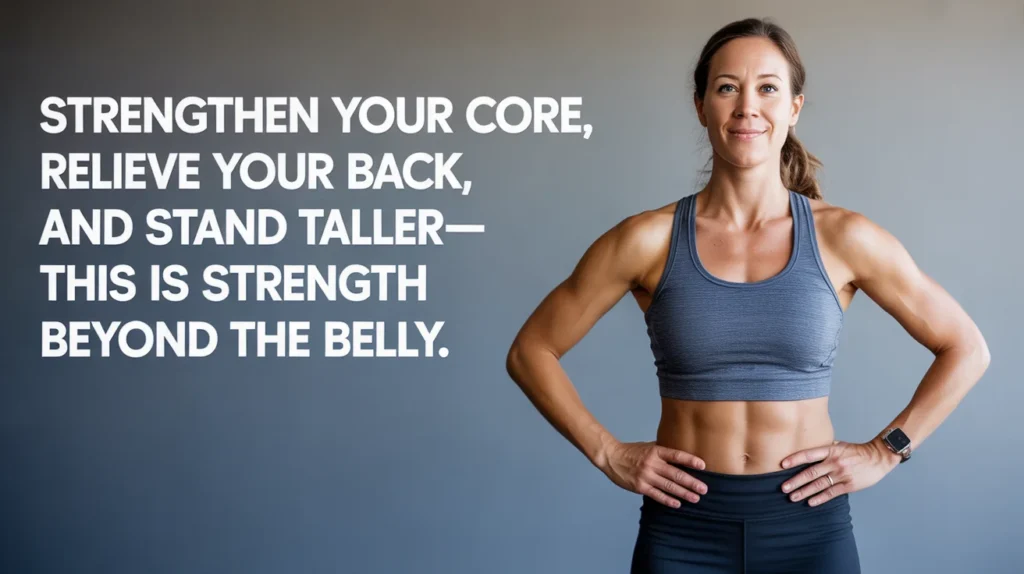
Furthermore, the program helps improve posture. Many new moms develop a swayback posture from carrying a baby during pregnancy and postpartum. By strengthening the core, you can better support an upright, aligned posture, which reduces strain on your neck and shoulders.
The method also indirectly supports pelvic floor health. The TVA and pelvic floor muscles work together as a team. As you learn to properly engage your core, you also improve the function and support of your pelvic floor, which is crucial for preventing issues like incontinence. These functional benefits make a huge difference in a mom’s daily comfort and overall well-being.
Real-Life Success Stories
Thousands of women have transformed their bodies and their confidence using the Dia Method. The internet is filled with testimonials from moms who had been struggling with a persistent “mommy pooch” for years. One mother of twins shared that she had a four-finger-wide abdominal separation and was considering surgery.
After just 12 weeks of consistently following the program, she had closed the gap to one finger and felt stronger than ever. Another user reported that her chronic lower back pain, which she had accepted as a permanent part of motherhood, completely disappeared after just a month.

These stories highlight a common theme: relief and empowerment. Women who felt disconnected from their bodies after pregnancy found a way to heal and reclaim their strength.
The visual proof of before-and-after photos is compelling, but the true success lies in the stories of renewed function and confidence. These real-life examples serve as powerful motivation for moms who might feel discouraged about their postpartum recovery.
How to Get Started with the Dia Method
Starting with the Dia Method is straightforward. The best way to begin is by visiting the official program website. There, you can typically find an introductory video or a diagnostic tool to help you check for diastasis recti at home. This simple self-check will give you an idea of the extent of your abdominal separation and help you understand why a targeted program is so important.
Most online programs offer a subscription-based service that gives you access to a library of daily workout videos, tutorials, and educational content. Look for a program that offers a clear, progressive structure, starting with the basics and gradually introducing more challenging movements as you get stronger.

It’s also helpful to join a community forum or social media group associated with the program. Connecting with other moms on the same journey can provide support, accountability, and encouragement.
Remember to listen to your body and consult with a healthcare professional or physical therapist before starting any new exercise program, especially after childbirth. For further reading on the importance of postpartum exercise, the American College of Obstetricians and Gynecologists offers excellent resources.
FAQs About the Dia Method
1. Can I do the Dia Method while pregnant?
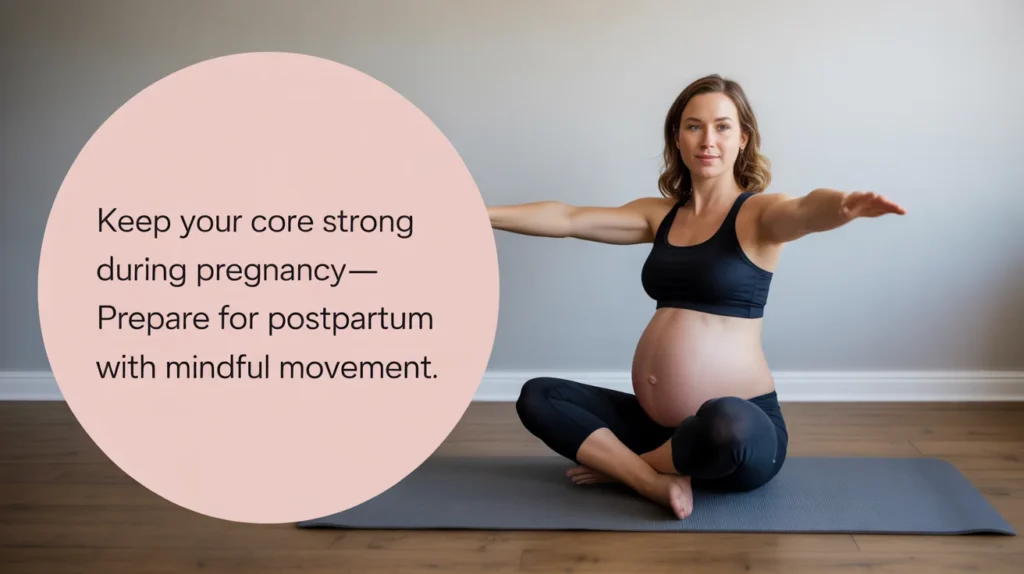
Yes, many programs offer modifications that are safe to perform during pregnancy. It can help maintain core strength and potentially reduce the severity of abdominal separation. Always consult your doctor first.
2. How soon after giving birth can I start?
After a vaginal delivery, you can often start with gentle core compressions as soon as you feel ready. After a C-section, it is crucial to wait until you are cleared by your doctor, which is typically around 6-8 weeks postpartum.
3. What if I don’t have diastasis recti?
The Dia Method is still beneficial. It is an excellent program for strengthening the deep core muscles, which helps improve posture, reduce back pain, and create a strong foundation for all other types of exercise, even if you don’t have abdominal separation.
4. How long does it take to see results?
Results vary for everyone, but many women report feeling a difference in their core strength and seeing a reduction in their abdominal gap within 3-4 weeks of consistent practice. Significant visual changes are often seen by the 12-week mark.
Conclusion
For busy moms navigating the challenges of postpartum recovery, the Dia Method offers a beacon of hope. It’s a smart, safe, and efficient way to heal your body, rebuild your strength, and regain your confidence. By focusing on the foundational muscles of the core, this program provides benefits that go far beyond aesthetics, improving your posture, reducing pain, and helping you feel strong and capable in your daily life.

If you’ve been feeling stuck in your postpartum fitness journey, this science-backed approach might be the secret you’ve been looking for. Give yourself the gift of a few minutes each day to reconnect with your body—you deserve to feel your best.